
Turin Uncovered: Royal Splendor, Egyptian Treasures, and the Quiet Confidence of Italy's Most Underrated City
By Finn O'Sullivan — Culture & History, Local Stories
Turin does not perform for tourists. It never has. While Rome throws open its arms and Florence poses for the camera, Turin sits beneath the Alps with the composed elegance of someone who knows exactly who she is and has nothing to prove. This is a city of royal architects and Egyptian archaeologists, of cinema pioneers and chocolate alchemists, of aperitivo rituals that stretch back two centuries and local neighborhoods that still function as living communities rather than stage sets.
I keep returning to Turin because it rewards the curious. The torinesi are reserved at first—this is the north, not the theatrical south—but beneath the formality lies a fierce civic pride. Ask a local about the Savoy dynasty, the Shroud, or why their chocolate is objectively superior to Switzerland's, and you will not extract yourself from the conversation for an hour.
This guide is organized thematically, not by day. Turin is compact and walkable—eighteen kilometers of porticoes keep you dry in rain and shaded in heat—so you can move between these threads as your mood dictates. Follow your curiosity. The city will meet you halfway.
The Royal City: Palaces, Power, and the Savoy Legacy
Turin was the seat of the House of Savoy for nearly four centuries, and their ambition is stamped across the city in stone, marble, and theatrical urban planning. Understanding this dynasty is essential to understanding Turin. They did not merely rule here—they designed the city as an expression of power.
Piazza Castello: The Geometric Heart
Piazza Castello is where you begin, not because it is the obvious starting point, but because it is the city's gravitational center. The Savoys transformed this space into a deliberate exercise in royal symbolism. Stand in the center and you are surrounded by layers of history: the Baroque facade of Palazzo Madama to the east, the stern magnificence of Palazzo Reale to the north, and the theatrical dome of the Royal Theatre rising behind it.
The square is free and open 24 hours. Visit at dawn—around 7:00 AM in summer, 8:00 AM in winter—when the porticoes are empty and the stone facades catch the first golden light. This is when you understand why Turin was called the "Paris of Italy."
Palazzo Madama: An Architectural Palimpsest
Address: Piazza Castello Hours: Tuesday–Sunday 10:00–18:00 (last entry 17:00); closed Mondays Tickets: Full €10; reduced €8; free first Tuesday of each month for residents; free for under 18s Audio guide: €5 (recommended)
Palazzo Madama is not one building but four, stacked atop each other like geological strata. Roman foundations support a medieval fortress, which was transformed into a Renaissance palace, which was finally crowned by Filippo Juvarra's Baroque facade in the early 18th century. The result is architectural dialogue across two millennia.
Do not rush the medieval collection on the upper floors. The 15th-century painted wooden sculptures and tapestries tell stories of court life that no guidebook fully captures. The Roman foundations visible in the basement—arched brickwork from the 1st century AD—provide a humbling sense of depth. Allow 90 minutes minimum.
The café on the upper floor overlooks Piazza Castello and serves excellent coffee at non-tourist prices (espresso €1.80, cappuccino €2.50).
Palazzo Reale: The Savoys at Home
Address: Piazzetta Reale 1 Hours: Tuesday–Sunday 8:30–18:30 (last entry 18:00); closed Mondays (verify current schedule, as the Royal Museums complex occasionally shifts closure days) Tickets: Full €15; reduced €12; free first Sunday of each month Combined ticket with Shroud Chapel: €18
The Royal Palace's modest brick exterior conceals interiors of staggering Baroque opulence. The Savoys imported the finest architects, stucco workers, and furniture makers from across Europe, and the result is a palace that rivals Versailles in ambition, if not in scale.
The Scala delle Forbici (Scissors Staircase) is the architectural showpiece—a double ramp that seems to float without visible support, designed by Filippo Juvarra in 1718. The Royal Armory holds weapons that belonged to Napoleon, exotic Ottoman pieces, and armor from the 16th century. The Shroud Chapel (Cappella della Sacra Sindone), designed by Guarino Guarini, is a masterpiece of Baroque geometry—even when the Shroud itself is not on display, which is almost always the case.
Allow two hours. The palace gardens behind the complex are free to enter even without a palace ticket and offer a quiet retreat from the piazza's bustle.
Venaria Reale: The Savoys' Versailles
Address: Piazza della Repubblica 4, Venaria Reale Getting there: Bus 11 or 72 from Piazza della Repubblica, Torino (40 minutes, €2.50) Hours: Tuesday–Sunday 9:00–19:00 (gardens close at 18:00); closed Mondays Tickets: Palace €18; gardens €5; combined €22–25; free first Sunday of each month
If Palazzo Reale reveals the Savoys at home, the Palace of Venaria Reale reveals them at play. Built in the late 17th century as a hunting lodge and pleasure palace, this is the largest royal complex in Italy, recently restored to its full 18th-century splendor after decades of neglect.
The Gallery of Diana—an 80-meter hall of mirrors, gilded stucco, and painted ceilings—is genuinely breathtaking. The formal gardens, designed by André Le Nôtre's disciples, stretch for hectares and include a cascading waterfall and ornamental lake. Allow four to five hours for the full experience.
Locals will tell you that Venaria Reale is where Turinese families go on Sunday afternoons. Pack a picnic for the gardens if the weather holds.
Basilica di Superga: The Hill That Watches Over the City
Getting there: Historic Sassi-Superga tram from Via Trento (departs every 30–60 minutes, €6 round trip); or bus 61 from Piazza Vittorio Veneto Basilica hours: Daily 9:30–12:30, 15:00–18:00 (winter); 9:30–12:30, 15:00–19:00 (summer) Basilica entry: Free Tram museum: €3
In 1706, during the Siege of Turin, Duke Victor Amadeus II climbed this hill and promised to build a church if the city was spared. The result is the Basilica di Superga, designed by Juvarra and completed in 1731, its Baroque dome visible from virtually every point in the city.
The historic tram that climbs the slope has been operating since 1934. The 20-minute ride offers increasingly dramatic views, and the summit provides panoramic vistas of Turin, the Po River valley, and—on clear days—the snow-capped Alps. The basilica houses the tombs of the Savoy kings, and the terrace is one of the most romantic spots in the city at sunset.
In 1949, the hill became the site of the Superga air disaster that killed the entire Torino football team. A memorial near the basilica keeps their memory alive. For locals, this place holds layers of meaning that transcend its architectural beauty.
The Egyptian Obsession: Why Turin Holds the World's Greatest Collection Outside Cairo
Turin's relationship with ancient Egypt is one of the great unexpected stories in European cultural history. The Museo Egizio is not merely a good museum—it is the second-largest Egyptian collection in the world, and it has transformed itself into one of the most modern, engaging archaeological museums on the continent.
Museo Egizio: A Temple to Human Memory
Address: Via Accademia delle Scienze 6 Hours: Tuesday–Sunday 9:00–18:30 (last entry 17:30); Monday 9:00–14:00 (last entry 13:00); closed December 25 and January 1 Tickets: Full €18; reduced €15; ages 6–14 €1; students 15–18 €3; family ticket (2 adults + 2 children) €36; free on your birthday with ID Audio guide: €5 Guided tours: 60-minute €70 + tickets (groups up to 6); 90-minute €100 + tickets
The museum traces its origins to 1824, when King Charles Felix acquired the collection of French consul Bernardino Drovetti—over 5,000 objects accumulated during Napoleonic campaigns. Today the collection exceeds 30,000 items, and the 2015 renovation by architect Isabella Manguilli transformed the museum into a space that feels contemporary rather than dusty.
What to prioritize:
- The Tomb of Kha and Merit: Intact burial chambers of a royal architect from the 18th Dynasty (c. 1380 BCE). The objects—furniture, clothing, food, cosmetics—were discovered in 1906 by Italian archaeologist Ernesto Schiaparelli and provide an unparalleled window into daily life. The wooden beds, woven linen, and sealed jars of honey are 3,400 years old and utterly human.
- The Temple of Ellesiya: A genuine Nubian temple rescued from the rising waters of Lake Nasser in the 1960s and gifted to Italy as thanks for archaeological collaboration. It sits in a dedicated hall, its hieroglyphs still sharp.
- The Statue of Ramses II: A 3-meter granite colossus that dominates the Gallery of the Kings. Stand before it and consider that this was carved while the Mycenaean civilization still flourished.
- The Papyrus Collection: Including the Book of the Dead scrolls and the longest preserved papyrus in the museum, stretching over 18 meters.
- The Restoration Area: Visible through glass walls, conservators work on mummies and artifacts in real time. It demystifies the process and connects you to the living discipline of archaeology.
Allow three hours minimum. The museum shop is genuinely excellent—skip the tourist junk elsewhere and buy your replicas here.
Cinema, Chocolate, and the Invention of Modern Pleasure
Turin is the birthplace of Italian cinema and the spiritual home of Italian chocolate. These two industries emerged from the same 19th-century bourgeois culture that transformed Turin from a royal court into a modern industrial city. Understanding this heritage is essential to experiencing Turin authentically.
The Mole Antonelliana: From Synagogue to Cinema Temple
Address: Via Montebello 20 Hours: Monday and Wednesday–Sunday 9:00–19:00 (ticketing closes at 18:00); closed Tuesdays Museum ticket: €18 Panoramic elevator: €9 Combined ticket: €23
The Mole is Turin's most recognizable landmark—a 167.5-meter brick tower that was originally conceived as a synagogue in 1863 and completed in 1889 as a symbol of Italian unification. The architect, Alessandro Antonelli, kept raising the dome higher and higher until the structure became the tallest brick building in Europe.
Today it houses the National Museum of Cinema, and the building itself is as compelling as the collections. The central hall, with its glass elevator climbing through the dome's void, is genuinely spectacular. The museum traces cinema from shadow puppets and magic lanterns through Mussolini's film propaganda, Fellini's dreamscapes, and contemporary special effects. You can watch clips while reclining on red chaise longues—a deliberately theatrical experience.
The glass elevator to the panoramic terrace (€9 alone, or €23 combined with museum) offers 360-degree views. Sunset is the best time; book ahead in summer as slots sell out.
Turin's Chocolate Culture: Where Gianduiotto Was Born
Turin invented the gianduiotto in 1865—a silky blend of cocoa and Piedmont hazelnuts created when a cocoa shortage forced chocolatiers to improvise. It also invented bicerin, the layered drink of espresso, chocolate, and cream that has been served since the 18th century.
Caffè Al Bicerin (Piazza della Consolata 1) is the most venerable place to experience this. Operating since 1763, this tiny café with marble-topped tables and mirrored walls serves bicerin for €5.50. Come in the morning when the light streams through the windows and elderly locals occupy every seat.
Guido Gobino (Via Lagrange 1) is the modern master of gianduiotto. His shop offers tasting flights and seasonal variations—try the salted caramel version if available. Individual gianduiotti cost €1.50–3; gift boxes from €12.
Peyrano (Corso Vittorio Emanuele II 76) has been making chocolate since 1915. Their historic shop feels like a 1920s apothecary, and the staff still wrap purchases in gold foil by hand.
Historic Cafés: Where Cavour Drank Coffee
Turin's historic cafés are not tourist traps—they are working institutions where politicians, writers, and students still conduct their days. The caffè storici are part of the city's DNA.
- Caffè Fiorio (Via Po 8): Operating since 1780, this was the meeting place of Cavour and the architects of Italian unification. The bicerin is €5.50, the gelato is house-made, and the red velvet seating has hosted two centuries of political intrigue. Hours: daily 7:30–23:00.
- Caffè San Carlo (Piazza San Carlo 156): Founded in 1822, this glittering temple of mirrors and chandeliers is Turin's most visually spectacular café. Coffee at the bar €1.80; at a table €3.50. Hours: daily 7:00–23:30.
- Caffè Torino (Piazza San Carlo 204): Known for its bronze bull embedded in the pavement outside—locals spin on it for luck. Hours: daily 7:30–midnight.
Where Turin Actually Lives: Neighborhoods and Local Rituals
The greatest mistake a visitor can make is to treat Turin as a museum. These neighborhoods are where the city breathes, argues, eats, and falls in love.
Quadrilatero Romano: Ancient Streets, Modern Appetites
The Quadrilatero Romano is Turin's oldest quarter, built atop the grid of the Roman settlement of Augusta Taurinorum. Today its narrow streets—Via Sant'Agostino, Via del Carmine, Via Bellezia—are lined with restaurants, wine bars, and independent shops that stay open late.
Consorzio (Via Monte di Pietà 23) is the essential restaurant here. A Slow Food-affiliated osteria, it serves Piedmontese classics with a focus on natural wines and impeccable sourcing. The agnolotti del plin (small, pinched pasta parcels filled with three roast meats) are the benchmark against which all others should be measured (€14). The battuta di fassona—raw beef hand-chopped with a knife, dressed with olive oil and lemon—is a religious experience for meat eaters (€16). Dinner for two with wine: €70–90. Reservations essential: call +39 011 8122861 or book via TheFork.
Pastificio Defilippis 1872 (Via Lagrange 39) is the historic fresh pasta shop where locals buy their agnolotti to cook at home. The counter service offers prepared dishes for €8–12.
Tre Galline (Via Sant'Agostino 25) has been serving traditional Piedmontese cuisine since 1757. The vitello tonnato (cold sliced veal with tuna-caper sauce, €14) and finanziera (a rich stew of offal and mushrooms, €18) are uncompromisingly traditional. Dinner for two: €60–80.
San Salvario: Multicultural, Student-Driven, Alive
South of the center, San Salvario has transformed from a working-class district into Turin's most dynamic neighborhood. The energy here is young, multicultural, and unpretentious. Street art covers building facades. Ethiopian restaurants sit beside craft beer bars. Vintage shops and specialty coffee roasters have colonized the ground floors.
Orso Laboratorio Caffè (Via Berthollet 30) is Turin's coffee mecca. Alessandro and Marcella Minelli operate a true specialty coffee laboratory, offering monorigins from Rwanda to Indonesia prepared via Chemex, V60, Aeropress, or cold brew. A pour-over costs €4–6. Hours: Monday–Saturday 8:00–19:00; Sunday 9:00–18:00.
Scannabue (Largo Saluzzo 25/H) anchors the neighborhood's dining scene with classic Piedmontese cooking in a casual piazza setting. The vitello tonnato (€12) and agnolotti del plin (€12) are consistently excellent. Lunch for two: €35–45.
Maradeiboschi (Piazza Carlo Emanuele II 21) is a gelateria and chocolate laboratory where flavors range from classic nocciola to matcha to—occasionally—craft beer gelato. Single scoop €3; double €4.50.
After dark, the neighborhood's bars come alive. Affini (Via Belfiore 16C) occupies a former vermouth factory and serves Turin's signature aromatized wine in a retro setting. Aperitivo with tapas: €10–14.
Porta Palazzo: Europe's Largest Open-Air Market
Piazza della Repubblica Hours: Monday–Friday approximately 7:00–14:00; Saturday 7:00–19:00. Individual stall hours vary.
The Mercato di Porta Palazzo is Europe's largest open-air market, and it is gloriously chaotic. Over 800 stalls sell everything from Piedmontese cheeses and fresh pasta to vintage clothing and household goods. The atmosphere is working-class Turin at its most authentic.
Arrive before 10:00 AM to see the market at full energy. Buy a ciaccia (savory flatbread, €2.50) from a bakery stall and eat it while wandering. The produce section spills over with seasonal vegetables and fruits at prices that will make you reconsider supermarket economics.
On the second Sunday of each month, the adjacent Balôn flea market expands into the Gran Balôn, with over 300 vendors selling antiques, books, vinyl, and curiosities. It is one of the great urban treasure hunts in Italy.
Practical note: The market is safe but crowded. Keep wallets in front pockets and bags zipped. The chaos is part of the charm, but awareness matters.
Aperitivo: The Sacred Hour
Turin claims to have invented the aperitivo, and no one else in Italy disputes this with much conviction. The ritual runs from approximately 18:30 to 21:00, when bars set out elaborate buffet spreads and locals gather before dinner.
Piazza Vittorio Veneto—Europe's largest porticoed square—is the ceremonial center of this culture. Caffè Vittorio Veneto (Piazza Vittorio Veneto 13) offers a €10 drink that includes access to a substantial buffet. On warm evenings, every outdoor table is occupied.
The Murazzi—the stone embankments along the Po River—provide a more alternative aperitivo scene. Bars occupy the arched spaces beneath the river walls, and the atmosphere shifts from elegant to edgy as you move east. This is where students and artists gather.
For a quieter experience, Enoteca Piana (Via Garibaldi 38) is a historic wine shop with 18th-century cellars visible behind the counter. The selection of Langhe and Barolo wines is serious, and the advice is unpretentious. A glass of excellent Nebbiolo costs €6–9.
What to Skip
Not every attraction deserves your time. Here is what to pass over, and why:
- The Shroud itself: The original Sacra Sindone is displayed only on extraordinary occasions (last public exhibition: 2015; next likely: 2025, but not confirmed). The replica in the Duomo is underwhelming. Go for Guarini's chapel architecture, not the relic.
- The Duomo di San Giovanni interior: Unless you are deeply interested in religious architecture, the cathedral itself is modest compared to what you have seen in Milan or Florence. The Shroud Chapel is the only essential element.
- Borgo Medievale (Medieval Village): Located in Parco del Valentino, this 19th-century reconstruction of a medieval hamlet was charming but is closed for major restoration until 2027 as part of a €6 million PNRR project. No firm reopening date has been announced, and the complex—including the Rocca—can only be viewed from outside. Do not plan your itinerary around it.
- Eataly Lingotto: The original Eataly occupies the former Fiat factory and draws tour buses by the dozen. The food quality is fine, but the experience is corporate and crowded. Turin has dozens of better places to eat. Skip it unless you are specifically interested in the Fiat rooftop test track.
- Standardized aperitivo chains: Bars near major hotels that advertise "unlimited buffet aperitivo" for €15 often serve industrial food and synthetic cocktails. Go where locals go instead.
- The National Automobile Museum (MAUTO): Only worth the detour if you are genuinely passionate about automotive history. For casual visitors, the €14 admission and 30-minute tram ride from the center do not justify the experience.
Practical Logistics
Getting There:
- By train: Torino Porta Nuova is the main station, connected to Milan (45–60 minutes, €15–30), Rome (4 hours, €35–55), and Paris (6 hours via TGV). High-speed Frecciarossa and Italo services are frequent and reliable.
- By air: Torino Caselle Airport (TRN) is 16 km north. The SADEM bus connects to Porta Nuova station in 45 minutes (€7). Taxis cost €35–50.
Getting Around:
- Turin's historic center is entirely walkable. The 18 km of porticoes make walking pleasant in any weather.
- GTT day pass: €4.50 for unlimited buses and trams; €7 if you need the metro. Single tickets €2.
- Metro: One line (Line 1) runs from Fermi to Lingotto, connecting Porta Susa and Porta Nuova stations. Clean, efficient, and rarely necessary for tourists.
- Bike sharing: TOBike operates stations throughout the city. €8 for a 3-day pass.
Best Times to Visit:
- Spring (April–May): Mild weather, lilacs and wisteria in the parks, fewer crowds than summer.
- Fall (September–October): Harvest season, truffle festivals in Alba (1 hour away), golden light.
- Winter (December–January): Christmas markets, the Luci d'Artista light festival, and the Alps visible with fresh snow. Cold, but atmospheric.
- Avoid: August, when many restaurants close for ferragosto holidays and the city empties of locals.
Money-Saving Tips:
- First Sunday of the month: Free entry to state museums including Palazzo Reale and Venaria Reale.
- Aperitivo culture means a €10 drink can substitute for dinner if you eat strategically at the buffet.
- Public fountains (toret) provide excellent drinking water. Bring a reusable bottle.
- Coffee at the bar (€1.20–1.80) versus at a table (€3–4.50). Stand, drink, leave. This is the local way.
What to Pack:
- Comfortable walking shoes with thick soles. Turin's porticoes are paved with stone that is hard on feet after 10 km.
- Layers. Even summer evenings can be cool, and the Alps generate unpredictable microclimates.
- A light umbrella. The porticoes help, but Turin can rain suddenly.
Etiquette:
- Restaurants rarely open before 19:00 for dinner. If you are hungry earlier, seek out a café or paninoteca.
- The coperto (cover charge, €1.50–3) is standard and legitimate. It is not a tourist scam.
- Tipping is not expected beyond rounding up or leaving €1–2 for exceptional service. Service is included in the bill.
Author's Note
Turin taught me that the best cities do not shout. They wait. They reward patience. They offer you a seat at the bar, a bicerin in a mirrored café, a conversation with a stranger who becomes a friend by the third round. I have walked these porticoes in rain and sun, at dawn and after midnight, and I am still finding corners I did not know existed.
Do not try to conquer Turin in a checklist. Let it unfold. Start with the Savoys, get lost in the Egyptian galleries, drink chocolate where Cavour sat, eat agnolotti in a backstreet osteria, and watch the sunset from Superga with the Alps on the horizon. Then come back. Turin will still be here, elegant and unhurried, waiting for you to notice something new.
— Finn O'Sullivan
Last updated: September 2026. Hours and admission prices subject to change—always verify before visiting.
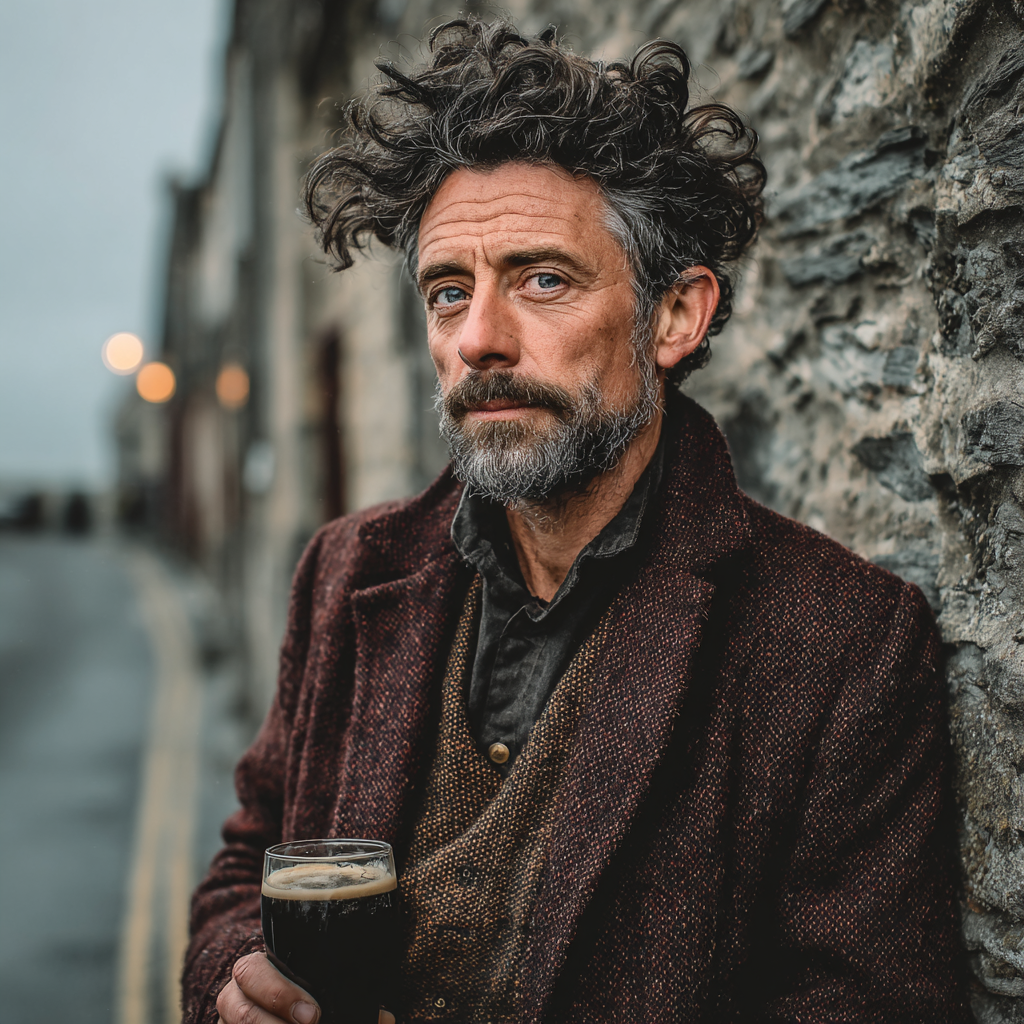
By Finn O'Sullivan
Irish storyteller and folklorist. Finn hunts for the narratives that do not make guidebooks—the pub legends, the family feuds, the neighborhood heroes. He believes every street corner has a story if you know who to ask.