
Siena Unmasked: Living Neighborhood Wars, an Unfinished Cathedral, and the View That Justifies 400 Stone Steps
By Finn O'Sullivan. Last updated: September 2026.
About the Author
I'm Finn O'Sullivan, a cultural historian and travel writer based in Dublin. I've spent the better part of fifteen years wandering the backstreets of European cities that the guidebooks treat as afterthoughts—places where the past isn't preserved behind velvet ropes but argued about over espresso. Siena and I have an ongoing relationship. I've been here seven times, twice during Palio season when the city feels like it's running a fever, and once in dead January when the contrada museums were closed and the only warm place was a bar behind Piazza del Mercato where an old man explained why his grandfather still refused to speak to anyone from the Torre contrada. That conversation is why I keep coming back. Siena isn't a museum piece. It's a city where medieval loyalties still dictate dinner invitations.
The City That Refused to Become Florence
Siena could have been the greatest city in Tuscany. In the 14th century, while Florence was still figuring itself out, Siena had the Council of Nine, a functioning republic, and plans for a cathedral that would have dwarfed anything in Christendom. Then the Black Death arrived in 1348, killed half the population, and the expansion stopped forever. The unfinished nave is still there, a wall of striped marble rising out of the hillside like a promise that somebody forgot to keep.
That failure might be Siena's greatest gift. While Florence became the Renaissance showroom—brilliant, overwhelming, and increasingly expensive—Siena stayed itself. The contrada system, the Palio, the medieval street plan, the sense that your neighborhood matters more than your job title: all of it survived because Siena never had the money or the population to modernize. The city you walk through today is essentially the city that existed in 1350, minus the plague victims.
This guide is for travelers who want to understand what they're looking at. Siena rewards patience. Walk past the same corner three times and you'll start noticing the contrada symbols carved into stone facades. Stay for dinner in a backstreet trattoria and you might hear a conversation about which horse your contrada drew in the July Palio. The city doesn't perform for tourists. It lives its own life, and if you're observant, you get to watch.
Piazza del Campo: A Shell-Shaped Stage for 800 Years
Address: Piazza del Campo, 53100 Siena
GPS: 43.3186° N, 11.3315° E
Entry: Free
Best Time: Before 09:00 or after 17:00. Between 10:00 and 16:00, the square belongs to tour groups from Florence.
Piazza del Campo is the most intelligently designed public space in Italy. The shell shape slopes down to the Palazzo Pubblico, creating a natural amphitheater that has hosted markets, executions, sermons, and the Palio horse race since the 13th century. The nine sections of paving represent the Council of Nine who ruled Siena at its peak—a subtle piece of civic propaganda built directly into the floor.
The cafes lining the square charge what I call the "view tax." An espresso at the bar costs €1.50. Sit outside and it's €4–6. My advice: drink standing at the bar like a contrada member, then find a free spot on the sloping bricks to people-watch. The bricks themselves are treacherous after rain—I've seen confident tourists in leather-soled shoes slide halfway across the campo looking dignified right up until they weren't.
The light here is worth planning around. An hour after sunrise, the sun catches the Palazzo Pubblico's tower and turns the brickwork the color of burnt honey. An hour before sunset, the whole square glows. The middle of a July afternoon, when the stones radiate heat and the tour buses are unloading, is the time to be somewhere else entirely.
Local Note: If you see a group of men in matching scarves singing in a language that isn't quite Italian, you've found a contrada rehearsal. Don't interrupt, but standing quietly at a distance is accepted. They're preparing for the Palio, and the songs are centuries old.
The Palio: 90 Seconds That Define a Year
Dates: July 2 and August 16, annually
Piazza Entry: Free for standing room (arrive by 16:30, no exit until ~20:00). Balcony seats €300–500+.
General Trial: July 1 and August 15, afternoon
The Palio is the most misunderstood event in Italian tourism. Travel magazines describe it as a horse race. Locals describe it as a civic ritual, a religious observance, and an excuse to settle scores that predate the unification of Italy. Both descriptions are true, and neither captures what it actually feels like to stand in that square while 50,000 Sienese sing their contrada anthems at a volume that makes your ribs vibrate.
The race lasts roughly 90 seconds. The preparation lasts all year. Each of Siena's 17 contrade—neighborhoods with their own churches, museums, flags, and sworn enemies—hopes to be among the ten selected to compete. (Three are drawn by lot each year; seven run by right.) When a contrada wins, the victory dinner goes on for days. When it loses—especially to a hated rival—the mourning is genuine and public.
The Contrade System: Siena is divided into 17 contrade, each named after an animal or symbol: Aquila (Eagle), Bruco (Caterpillar), Chiocciola (Snail), Civetta (Owl), Drago (Dragon), Giraffa (Giraffe), Istrice (Porcupine), Leocorno (Unicorn), Lupa (She-Wolf), Nicchio (Seashell), Oca (Goose), Onda (Wave), Pantera (Panther), Selva (Forest), Tartuca (Tortoise), Torre (Tower), and Valdimontone (Valley of the Ram). Each has its own baptismal font, its own patron saint, its own museum, and its own list of allies and enemies.
I once asked a man in the Drago contrada how he chose his affiliation. He looked at me as if I'd asked how he chose his family. "I was baptized in the Drago fountain," he said. "My grandfather was Drago. My son will be Drago. If I married a Torre girl, we'd have problems at Christmas." He wasn't joking.
How to Experience It:
Free Viewing: Arrive at the campo by 16:30 on race day. You'll be packed shoulder-to-shoulder in the center of the square for roughly four hours with no bathroom breaks and no escape. Bring water, snacks, and a complete absence of claustrophobia. The atmosphere is incomparable—drums, flag-throwing demonstrations, processions in medieval costume, and a tension that builds until the starting rope drops.
Paid Viewing: Balconies overlooking the square offer seats, refreshments, and bathroom access at €300–500+ per person. Book months ahead through your hotel or agencies like Palio Events Siena. The view is worse than standing in the square, but your knees will thank you.
The Trials: The six trial races before each Palio offer the atmosphere without the full crowds. The General Trial on July 1 and August 15 is the most significant and the best compromise between experience and sanity.
Respect Warning: This is not the Kentucky Derby. Do not cheer ironically, wear funny hats, or treat the event as entertainment. Locals have been known to ask disruptive tourists to leave the square. If you're lucky, they'll ask politely first.
The Cathedral: What Ambition Looks Like When It Runs Out of Money
Address: Piazza del Duomo 8, 53100 Siena
GPS: 43.3177° N, 11.3285° E
Hours:
- March 1 – November 3: 10:00–19:00
- November 4 – February 28: 10:30–17:30
- Sundays and religious holidays: 13:30–17:30 only
- Last entry 30 minutes before closing
Tickets:
- Cathedral + Piccolomini Library: €8
- Full Complex (Museum, Crypt, Baptistery, Gate of Heaven): €18–25 seasonal
- Opa Si Pass (all-inclusive): €30–35
- Reduced rates for students, seniors, and groups
Siena's cathedral is the most beautiful unfinished building in Europe. The black-and-white striped marble facade—Giovanni Pisano's masterpiece of Italian Gothic—was supposed to be the entrance to a church that would have made St. Peter's look modest. The nave extension was abandoned in the 14th century when the plague wiped out the workforce and the city ran out of money. Today you can climb the incomplete wall and stand on what would have been the nave floor, looking down at the much smaller cathedral that was finished instead.
There's something honest about this failure. Florence's Duomo announces triumph. Siena's cathedral whispers: we tried.
What to See:
The Facade: Lower level: philosophers and sibyls in Gothic niches. Upper level: scenes from the life of the Virgin. The 19th-century golden mosaic of the Coronation catches the afternoon sun and throws light back onto the marble like a lantern. Stand directly in front at 16:00 in October and you'll see what the designers intended.
The Floor: From August through October, the cathedral uncovers its marble floor panels—fifty-six scenes scratched into stone between the 14th and 16th centuries. The rest of the year they're protected under boards. If you're visiting outside uncovered season, check the Opera del Duomo website; they sometimes lift sections for special occasions. The Massacre of the Innocents panel by Matteo di Giovanni is the one that stays with you.
Piccolomini Library: A single room built for Pope Pius II's book collection, containing Pinturicchio's ten Renaissance frescoes in colors that have barely faded in 500 years. Look for the young Raphael's self-portrait among the figures—he assisted Pinturicchio before becoming, well, Raphael.
The Gate of Heaven (Porta del Cielo): A rooftop tour through attic spaces and external walkways, ending on a balcony with panoramic views over Siena and the Tuscan hills. Limited spaces; book online at least two days ahead. €15 supplement on top of the Opa Si Pass. Worth it.
Practical Tips:
- Shoulders and knees must be covered. They enforce this.
- Audio guides (€5) explain the iconography that most visitors miss entirely.
- The floor panels are the main event. If you're visiting when they're covered, the €8 basic ticket is sufficient.
- Early morning (10:00 opening) avoids the Florence day-trip buses.
The Baptistery: Where Donatello and Ghiberti Competed in Bronze
Address: Piazza San Giovanni, 53100 Siena (below the cathedral steps)
GPS: 43.3174° N, 11.3283° E
Hours: Same as Cathedral complex
Entry: Included in full complex ticket
The baptistery's Gothic facade was added in the 14th century to match the cathedral above it, but the interior dates to the previous century and contains what might be the most important baptismal font in Italy. The hexagonal structure features bronze panels by Donatello, Ghiberti, and Jacopo della Quercia—essentially a competition between the three greatest sculptors of the early Renaissance, each depicting scenes from the life of John the Baptist.
Donatello's Feast of Herod panel is the standout. He was already experimenting with dramatic perspective and emotional intensity that would define his later work. Ghiberti's panel is more restrained, more classical—beautiful, but safe. You can see the future of sculpture in Donatello's corner and the past of sculpture in Ghiberti's.
The ceiling frescoes by Vecchietta depict the Articles of Faith. In the 15th century, this room was a visual catechism for people who couldn't read. The images had to be clear enough that a peasant could understand the Trinity from a glance upward.
Most visitors rush through here on their way to the cathedral. Spend fifteen minutes. The font is at eye level for a reason—it was made to be studied, not glanced at.
Palazzo Pubblico and Torre del Mangia: Power Built in Brick
Address: Piazza del Campo 1, 53100 Siena
GPS: 43.3184° N, 11.3316° E
Hours:
- November 1 – February 28: 10:00–13:00, 13:45–16:00 (last entry 15:15)
- March 1 – October 31: 10:00–13:00, 14:30–19:00 (last entry 18:15)
- Closed Christmas Day
Tickets:
- Civic Museum: €12
- Torre del Mangia: €10
- Combined: €18
The Palazzo Pubblico has been Siena's town hall since the early 1300s, its tower rising 87 meters above Piazza del Campo. The name "Torre del Mangia" comes from Giovanni di Balduccio, the first bell-ringer, who earned the nickname "Mangiaguadagni" (Profit Eater) for spending his salary faster than he earned it.
Civic Museum: The highlight is Ambrogio Lorenzetti's Allegory of Good and Bad Government, painted between 1338 and 1340 in the Sala dei Nove. This is one of the earliest secular paintings in European history—a visual argument about what happens when a city is ruled well versus ruled badly. The Good Government side shows dancing citizens, thriving shops, and abundant harvests. The Bad Government side shows crumbling walls, bandits in the streets, and fields left fallow. It was painted as propaganda for the Council of Nine, but it's survived as one of the most honest documents of medieval political thought.
Simone Martini's Maestà (Virgin Enthroned) dominates another room. It was once the largest altarpiece in the world, and standing in front of it you understand why Siena believed it could compete with Florence on every level.
Torre del Mangia: 400 steps. No elevator. Narrow passages. And at the top, one of the best views in Tuscany—the whole city spread beneath you, terracotta rooftops, the cathedral dome, and the countryside of rolling hills, vineyards, and cypress-lined roads that looks exactly like the postcards except you're actually there.
The climb is not for anyone with mobility issues, heart conditions, or serious claustrophobia. The stairs get slippery after rain. Only 25 people are allowed in the tower at once, and tickets are sold same-day at the Palazzo Pubblico ticket office with no reservations. Arrive by 09:45 to avoid the queue.
The Contrade: Siena's Living Medieval Neighborhoods
Entry: €5–8 per contrada (varies by location)
Hours: Vary; many require advance reservation
This is the part of Siena that standard guidebooks treat as folklore. The contrade are not folklore. They're administrative units, social clubs, religious parishes, and extended families all at once. Each of the 17 contrade has its own museum, oratory, patron saint, flag, anthem, and defined list of allies and eternal enemies.
What You'll Find:
- Palio Trophies: The silk drappelloni won in past races, displayed with the reverence usually reserved for religious relics.
- Oratories: Private chapels with altars and artworks dedicated to the contrada's patron saint. These are working churches, not museum pieces.
- Historical Costumes: The 18th-century outfits worn during Palio processions, stored with mothballs and pride.
- Ancient Documents: Charter records, property deeds, and correspondence dating back centuries.
Best Contrada Museums to Visit:
Drago (Dragon): Near the cathedral. The most accessible to outsiders, with good signage and enthusiastic volunteer guides who will explain why the Drago and the Civetta haven't spoken since 1934.
Leocorno (Unicorn): Picturesque location, well-organized collection, and volunteers who genuinely enjoy explaining contrada culture to confused tourists.
Torre (Tower): Close to Piazza del Campo. Impressive Palio trophy collection and regular summer opening hours.
How to Visit: Most contrada museums don't maintain regular tourist hours. Contact them directly (most have basic websites or active Facebook pages) or ask at the tourist office. Some offer guided tours by advance arrangement, especially during Palio season when demand peaks.
Critical Note: These are private spaces belonging to living communities. Dress modestly in oratories, speak quietly, and obey photography restrictions. If you visit during Palio preparations, you will encounter genuine emotion. A contrada that has just lost the draw for a favorable horse position will be in mourning. Respect that.
Santa Maria della Scala: A Hospital That Rivals the Cathedral
Address: Piazza del Duomo 1, 53100 Siena
GPS: 43.3172° N, 11.3281° E
Hours:
- November 1 – March 14: Mon, Wed–Fri 10:00–17:00; Sat–Sun 10:00–19:00; Closed Tue
- March 15 – October 31: Daily 10:00–19:00
- First Sunday of each month: Free entry
Tickets:
- Full price: €9 (€8 online)
- Reduced: €7 (€6.50 online)
- Family ticket (2 adults + minors over 11): €20
- Combined Municipal Museums ticket: €14
- Combined with Torre del Mangia: €20
This building was a functioning hospital from the 9th century until 1995. For over a thousand years, it cared for orphans, pilgrims, and the sick. Today it's a museum complex that should be as famous as the cathedral across the square. It isn't, which means you can walk through it without fighting tour groups.
Pellegrinaio (Pilgrims' Hall): The main ward contains 15th-century frescoes by Domenico di Bartolo depicting the hospital's operations—orphans being received, alms distributed, patients treated. These are rare documents of medieval healthcare, painted with a humanity that transcends the period. The faces of the sick are individual. The nurses look tired. It's social realism painted six centuries before the term existed.
Artemisia Gentileschi: The museum recently acquired a major painting by this extraordinary Baroque artist, who worked in a period when female painters were essentially unheard of. Her presence here is still somewhat controversial among traditionalists. Go see why she bothered them.
Archaeological Collections: Significant Etruscan and Roman finds, including the Pellegrina treasure—Etruscan jewelry of exceptional quality discovered near Chiusi. The Etruscans built here before the Romans. The Romans built here before the medieval Sienese. Every layer of this city goes deeper than the guidebooks suggest.
Practical Tips:
- Allow two hours minimum. The complex is larger than it appears from the entrance.
- The Pellegrinaio frescoes are the reason to come. Don't rush them.
- Fully accessible: elevators, ramps, and modified routes for visitors with mobility issues.
- The cafeteria has views over the cathedral square and serves acceptable coffee.
What Siena Actually Eats: Pici, Panforte, and the Trattorias Where Contrada Loyalties Extend to the Menu
Sienese food is not Florentine food, and the Sienese will correct you if you confuse them. This is a city that developed its own pasta shape, its own Christmas cake, and its own rules about what belongs on a proper table. The cuisine reflects the same medieval conservatism that preserved the contrada system: traditions are maintained because they define identity, not because they're fashionable.
Pici Cacio e Pepe: The Pasta That Requires No Machine
Pici (pronounced "peachy") are thick, hand-rolled pasta strands that look like rustic spaghetti designed by someone who didn't own a ruler. The dough is flour and water, rolled between palms until each strand achieves the approximate thickness of a pencil. The classic preparation is cacio e pepe—pecorino cheese, black pepper, and pasta water emulsified into a creamy sauce that clings to the irregular surface of the pici.
The best versions are found in trattorias where the pasta is rolled that morning and the pecorino comes from Pienza, forty minutes south. A proper plate should coat your fork, not swim in sauce. If the pici are uniform in thickness, they were machine-made and you're in the wrong restaurant.
Where to Eat It:
Trattoria Papei
Piazza del Mercato 6, 53100 Siena
Hours: Mon–Sat 12:30–14:30, 19:30–22:00. Closed Sunday.
Price: Pici cacio e pepe €10–12; full meal €25–35
A family-run trattoria behind Piazza del Campo where the menu hasn't changed significantly since 1970. The pici are hand-rolled in the back room every morning. The dining room is loud, the service is brisk, and the wine list is short and local. This is where contrada members eat after meetings. Arrive before 13:00 or after 20:30 to avoid the rush.
Osteria Le Logge
Via del Porrione 33, 53100 Siena
Hours: Tue–Sun 12:30–14:30, 19:30–22:30. Closed Monday.
Price: Pici with wild boar ragù €18–22; full tasting menu €55–75
The upscale alternative. Housed in a former pharmacy with original marble counters and wooden shelves, Le Logge offers refined Sienese cuisine without abandoning its roots. The pici with wild boar ragù is the signature dish—rich, gamey, and deeply flavored. The wine list is serious, with vertical Brunello selections and knowledgeable staff. Reservations essential, especially weekends.
Panforte and Ricciarelli: Siena's Medieval Sweet Tooth
Panforte is a dense, spiced fruit cake that dates to the Crusades, when Siena's spice traders returned from the Middle East with cinnamon, coriander, and cloves. The name means "strong bread," though it's closer to a confection—honey, nuts, candied fruit, and spices bound together into a chewy slab that keeps for months. The traditional version is black (panforte nero), dusted with powdered sugar to resemble the marble facade of the cathedral.
Ricciarelli are almond cookies with a cracked sugar crust and soft, marzipan-like center. They were originally Christmas treats, shaped like almonds to symbolize good fortune, but you'll find them year-round now. The best have a thin, crackled shell that gives way to a chewy interior fragrant with orange peel and vanilla.
Where to Find Them:
Nannini
Via Banchi di Sopra 24, 53100 Siena
Hours: Daily 07:30–20:00
Price: Panforte €8–18 depending on size; ricciarelli €12/kg
The historic caffe-pasticceria founded in 1909. Nannini's panforte is the benchmark—dense, complex, and properly spiced. Their ricciarelli are shipped all over Italy during Christmas season. The marble-and-brass interior is worth the visit alone. Stand at the bar for an espresso and a free sample, or buy packaged versions to take home.
Gino Cacino
Piazza del Mercato 31, 53100 Siena
Hours: Mon–Sat 09:00–13:00, 16:00–19:30. Closed Sunday.
Price: Panforte slices €3–5; ricciarelli €1.50 each
A tiny shop near the market that makes everything on-site. The owner, Gino, will explain the difference between panforte nero and panforte bianco (the white version, invented for those who find the original too intense) while cutting you samples. His ricciarelli are made with Sicilian almonds and Tuscan honey. No seating—buy and eat while wandering the medieval streets.
The Sienese Table: What Else to Order
Pappa al Pomodoro: Bread and tomato soup, thickened until it eats like porridge. Properly made, it should be thick enough to hold a spoon upright. A summer dish, served barely warm with excellent olive oil drizzled across the surface.
Ribollita: The Tuscan bread soup that improves with reheating (the name means "reboiled"). Cabbage, beans, bread, and vegetables cooked until indistinguishable from one another. Winter food, heavy and restorative.
Bistecca alla Fiorentina: The massive T-bone steak from Chianina cattle, grilled rare over charcoal and served with nothing but salt, pepper, and a lemon wedge. It's Florentine by name, but Sienese butchers source the same cattle from the same Val di Chiana farms. Expect €45–60 per kilogram, minimum order 800g. For two people minimum.
Cinghiale (Wild Boar): Stewed, braised, or ground into ragù. The Chianti hills are full of wild boar, and Sienese hunters have been cooking them since before the cathedral was started. The ragù is earthy, slightly gamey, and traditionally served over pici.
Drinking in Siena: Chianti, Brunello, and the Rules of Aperitivo
Chianti Classico: The wine of the region, marked by the black rooster (gallo nero) seal. It ranges from young and fruity to aged and complex. In Siena, you're drinking it at the source. A decent bottle at a trattoria costs €18–28. By the glass, €4–6.
Brunello di Montalcino: Siena's most prestigious wine, made from Sangiovese grapes grown south of the city. Aged five years minimum before release. Expensive—€50–100+ in restaurants—but available by the glass at serious enotecas for €8–14.
Vernaccia di San Gimignano: Tuscany's only white DOCG, produced in the towers town forty minutes north. Dry, mineral, and crisp. Perfect with seafood or as an aperitivo. €15–22 by the bottle in Siena.
Where to Drink:
Enoteca I Terzi
Via dei Termini 7, 53100 Siena
Hours: Mon–Sat 11:00–15:00, 18:00–23:00. Closed Sunday.
Price: Glasses €5–12; bottles €20–80+
A wine bar with forty years of history and a list that covers every significant producer in Tuscany. The owner, Andrea, selects directly from vineyards and maintains relationships with small producers that larger enotecas ignore. Ask for a vertical tasting of Brunello from different Montalcino subzones. The taglieri (cured meat and cheese boards, €12–18) are assembled with the same care as the wine list.
Aperitivo Culture: From 18:00 to 20:00, Siena drinks. The proper aperitivo is a glass of vermouth, Aperol spritz, or local Chianti accompanied by small snacks—olives, crostini, maybe a slice of finocchiona salami. Bars near Piazza del Campo charge €8–12 for the experience. Bars in the backstreets charge €5–7 and the snacks are better.
Mercato di Siena: Where the City Buys Its Food
Mercato di Siena (Indoor Market)
Via XXV Aprile, 53100 Siena
Hours: Mon–Fri 07:30–13:30; Sat 07:30–13:00. Closed Sunday.
A covered market near the bus station where Sienese shoppers buy fresh produce, local cheeses, cured meats, and seasonal specialties. The pecorino cheese stalls are the highlight—aged versions rubbed with tomato paste or buried in ash. The butchers know which cuts work for bistecca and will explain the difference between tagliata (sliced steak) and costata (bone-in). Even if you're not cooking, the market offers the best insight into what Siena actually eats. Arrive before 10:00 for the freshest selection and the liveliest atmosphere.
Walking Siena's Medieval Streets: Getting Lost on Purpose
Siena's historic center is entirely pedestrian. Traffic is restricted to residents and essential services. The city follows the natural contours of three hills, creating a network of streets that seem designed to disorient. This is not an accident. Medieval city planning prioritized defense over navigation.
Via di Città: The refined spine connecting Piazza del Campo to the cathedral quarter. The palaces here belonged to Siena's wealthiest Renaissance families. Look for the Loggia della Mercanzia, where medieval merchants conducted business under Gothic arches, and the Palazzo Piccolomini with its diamond-point facade. This is the Siena that competed with Florence for Tuscan dominance—and briefly won.
Via Banchi di Sopra / Via Banchi di Sotto: The parallel commercial arteries. Via Banchi di Sopra has the upscale shops; Via Banchi di Sotto has the more local atmosphere. Both converge on Piazza del Campo, reinforcing the sense that every path in Siena eventually leads to the city's heart.
The Real Streets: The backstreets of the Chiocciola (Snail) contrada, the lanes around Sant'Agostino, the quiet corners near Porta Tufi—these are where Siena actually lives. Laundry hangs between medieval buildings. Elderly residents sit on doorsteps and watch you pass with the unhurried gaze of people who have nowhere to be. The stones are uneven, the streets unmarked, and the maps unreliable. Put the phone away. Walk until you don't know where you are. Then walk further.
Practical Notes:
- The paving is stone or brick, often uneven and slippery when wet. Comfortable shoes with grip are non-negotiable.
- Hills. Constant hills. The city is built on three of them.
- Street signage is minimal or absent in residential areas. Embrace disorientation.
- Before 09:00, the city belongs to delivery vans, church bells, and locals buying bread. This is the best time to wander.
Day Trips: The Tuscany Outside the Walls
Siena's location makes it an ideal base. The following destinations are all reachable within 90 minutes and offer different versions of the Tuscan experience.
San Gimignano: The Manhattan of Tuscany
Distance: 45 km (50 minutes by car or bus)
Entry: Free to wander; Torre Grossa €9; Collegiata church €6
Getting There: Tra-in bus from Piazza Gramsci (€6–8, 50–60 minutes); car via SR2 north (45 minutes)
Fourteen surviving medieval towers out of an original seventy-two. The town's UNESCO status recognizes its exceptional preservation. Climb Torre Grossa for views, visit the Collegiata for Last Judgment frescoes, and drink Vernaccia di San Gimignano—Tuscany's only white DOCG wine—at any of the town's wine shops. The Vernaccia is dry, mineral, and has been produced here since the 13th century. Dante mentioned it.
Montalcino: Brunello and Val d'Orcia Views
Distance: 40 km (45 minutes by car)
Getting There: Bus service is limited—check current schedules; car via SP55 south through Buonconvento; wine tours from Siena €80–150 including tastings
Synonymous with Brunello di Montalcino, one of Italy's most prestigious wines. The 14th-century fortress offers tastings with panoramic Val d'Orcia views. The surrounding countryside—rolling hills, cypress-lined roads, golden wheat fields—is the landscape that sells a million Tuscan calendars.
Val d'Orcia: The Postcard Landscape
Distance: Pienza 25 km, Montepulciano 50 km
Getting There: Car essential; organized full-day tours €100–180 covering Pienza, Montepulciano, and Montalcino
UNESCO-protected landscape of rolling hills, isolated cypress trees, and Renaissance towns. Pienza, the "ideal city" redesigned by Pope Pius II, offers perfect Renaissance planning and exceptional Pecorino cheese. Montepulciano offers Renaissance architecture and Vino Nobile wine.
Chianti Classico: Wine by the Road
Distance: 15–30 km
Getting There: SR222 north from Siena (most scenic route); organized half-day tours €60–120; e-bike guided tours €80–150
Marked by the black rooster (gallo nero) symbol. The Strada Chiantigiana winds through vineyards and olive groves, connecting Castellina, Radda, and Gaiole. Winery tastings by appointment, €15–40, usually with local cheeses and olive oil.
What to Skip
The Horse-Drawn Carriage Rides They circle the campo at €50 for twenty minutes, blocking pedestrian traffic and adding nothing to your understanding of the city. If you want to see Siena from a different angle, climb the Torre del Mangia instead.
Restaurants with Multilingual Menus and Photos If the menu is available in six languages and features color photographs, you're eating in a place that stopped caring about its food in 1987. The best trattorias in Siena have handwritten Italian menus and no website. Walk ten minutes from Piazza del Campo in any direction.
The 'Medieval Dinner' Experience Nights Various operators offer candlelit dinners with costumed servers and "authentic" medieval recipes. The recipes are inauthentic, the servers are students earning summer money, and the food is what you'd expect from a theme park. Eat at a real trattoria and imagine the past yourself.
Buying Palio Merchandise from Generic Souvenir Shops The silk scarves and ceramic plates sold near Piazza del Campo are mass-produced in China. If you want a genuine contrada scarf, buy it from the contrada's own headquarters during opening hours. You'll pay more, but you'll own something that actually means something here.
Rushing the Cathedral in Under an Hour I see tourists power-walking through the Duomo, snapping a photo of the facade, and declaring it "done" in forty minutes. The cathedral complex—including the Piccolomini Library, the floor panels, the Gate of Heaven rooftop, and the baptistery—deserves three hours minimum. If you don't have three hours, come back tomorrow.
Day-Tripping from Florence Without Staying Overnight Siena is 75 minutes from Florence by bus, which makes it technically feasible as a day trip. It's also a terrible idea. The city changes after 18:00 when the tour buses leave. The campo fills with locals. The restaurants open for actual Sienese diners, not time-pressured tourists. Stay one night. See the city without the crowds.
Practical Logistics
When to Visit
- April–May: Mild weather, wildflowers, manageable crowds. The countryside is green and the city isn't yet overrun.
- June–August: Palio season (July 2 and August 16) offers an unmatched cultural experience, but expect heat, crowds, and accommodation prices that double. Book six months ahead for Palio dates.
- September–October: Grape harvest, comfortable temperatures, autumn colors. The contrada museums have regular hours and the city feels relaxed.
- November–March: Quietest period. Some attractions reduce hours. Christmas decorations in December are genuinely charming. January can feel deserted, which some travelers prefer.
Getting In and Out
- Bus from Florence: SITA/Florence bus from Piazza Gramsci to Florence's Via Santa Caterina. 75 minutes. €8.80 one-way. More convenient than the train because it drops you inside the city walls.
- Train: Siena station is below the city. Bus connection to the center (€1.50) or a steep uphill walk of 20–25 minutes. Train from Florence takes 90 minutes with a change at Empoli.
- Car: Parking outside the walls at Santa Caterina (free for first hour, then €2/hour) or Fortezza (€2/hour). The city center is entirely pedestrian. Do not attempt to drive inside the walls.
- Airport: Florence (FLR) is closest at 85 km. Pisa (PSA) is 120 km. Rome Fiumicino (FCO) is 230 km. Bus connections from all three.
Getting Around Siena is walkable by definition. The only public transport inside the walls is your own feet. Escalators ("scale mobili") connect parking areas to the center—follow the signs if you're arriving with luggage.
Money and Costs
- Siena Card: 24-hour €20, 48-hour €30. Covers Civic Museum, Torre del Mangia, Santa Maria della Scala, and other municipal museums, plus discounts at shops and restaurants. Worth it if you're visiting more than two paid attractions.
- Coffee: €1.20–1.50 standing at the bar. €3–4 sitting at a table. The price difference is standard Italian practice, not a tourist trap.
- Coperto: The €2–3 per-person cover charge at restaurants is normal. It is not a scam. It is not optional.
- Cash: Smaller trattorias, some contrada museums, and market stalls prefer or require cash. ATMs are available near Piazza del Campo and Via Banchi di Sopra.
- Tipping: Not expected in bars. Round up to the nearest euro in restaurants for good service. Ten percent is generous.
Accommodation Strategy
- Inside the walls: Essential for the full experience. You'll pay €80–150/night for a decent mid-range hotel in shoulder season, €150–250 in summer and Palio season.
- Near Piazza del Campo: Premium location, premium noise. The square is loud until midnight and the church bells start at 07:00.
- Quieter neighborhoods: Consider the area near Porta Tufi or Sant'Agostino for better sleep and lower prices. You're still inside the walls, just not in the direct tourist corridor.
Tourist Office
Piazza del Campo 56 (inside the Palazzo Pubblico)
Hours: Daily 09:00–18:00
Phone: +39 0577 280551
What to Pack
- Comfortable walking shoes with grip. The stone streets are unforgiving.
- Layers. Tuscany can shift from 28°C sunshine to sudden afternoon thunderstorms in summer.
- A small flashlight for evening walks in poorly lit backstreets.
- Modest clothing for church visits. Shoulders and knees must be covered in the cathedral and oratories.
Prices and hours current as of September 2026. Confirm directly with attractions before visiting, especially during Palio season when schedules change.
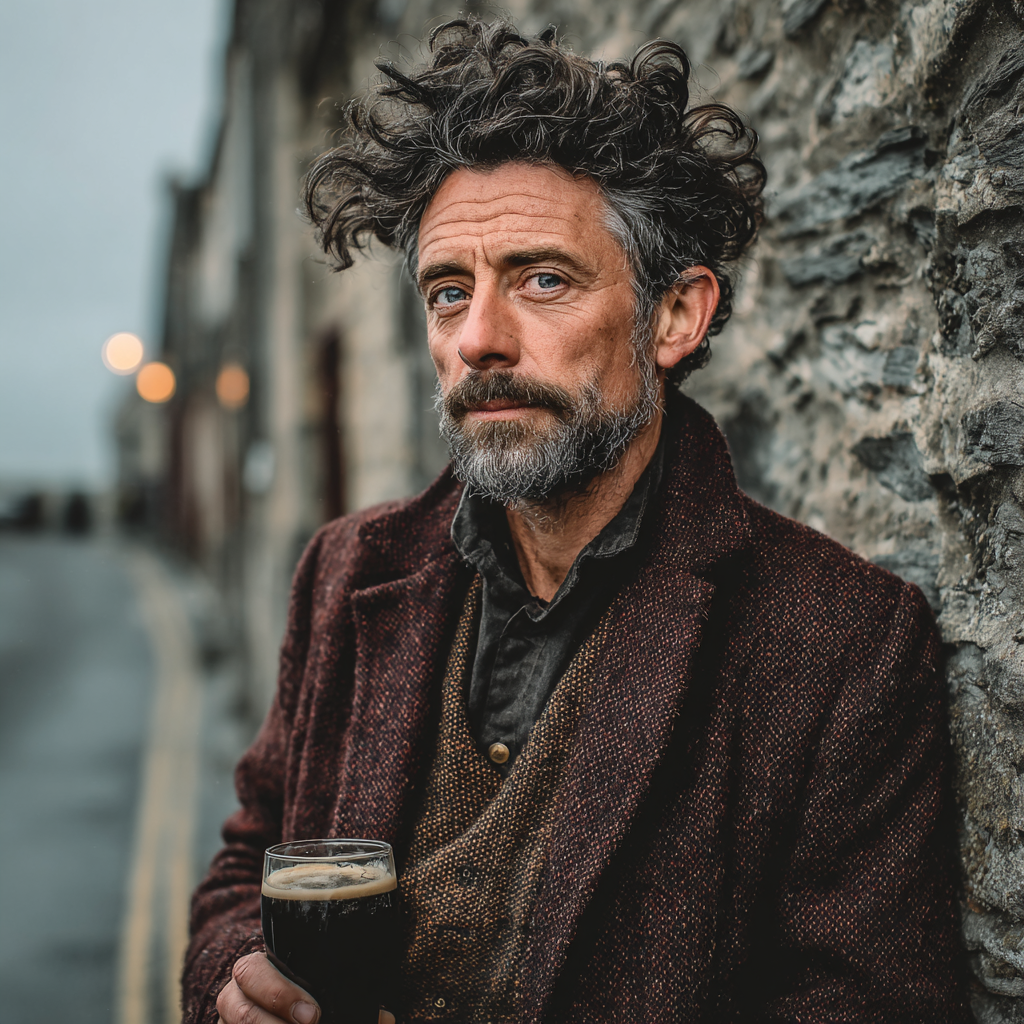
By Finn O'Sullivan
Irish storyteller and folklorist. Finn hunts for the narratives that do not make guidebooks—the pub legends, the family feuds, the neighborhood heroes. He believes every street corner has a story if you know who to ask.