
Siena: Where Seventeen Neighborhoods Have Been Fighting for 600 Years and the Wine Costs Less Than Water
Finn O'Sullivan | Culture & History, Local Stories
I came to Siena expecting a museum piece. What I found was a city still arguing with itself.
The seventeen contrade—neighborhoods with names like She-Wolf, Owl, and Unicorn—have been feuding for six centuries. They compete in the Palio horse race twice a year, but the rivalry runs deeper than any single event. Walk through the city at dusk and you'll see contrada flags snapping in the wind above doorways, boundary markers etched into medieval walls, and locals who identify themselves first by neighborhood and only second by citizenship. Siena isn't a city that preserves its past behind glass. It lives it.
This guide is for travelers who want to understand Siena rather than just see it. I'll take you through the spaces that matter—the shell-shaped square where civic life has pulsed for eight centuries, the cathedral with its hidden crypt and unfinished ambitions, the back-alley osterias where contrada loyalty is served alongside ribollita. You'll get specific addresses, real prices, and the stories that make this city more than a pretty Tuscan postcard.
The Shell and the Tower: Piazza del Campo
Siena's heart isn't a building. It's a shape.
Piazza del Campo slopes like an amphitheater, its brick pavement divided into nine sections representing the Council of Nine who ruled the medieval republic. The square has hosted markets, festivals, public executions, and the Palio for over 500 years. Locals still sit on the bricks—an act so traditional it feels almost ceremonial. Do it. Find a spot near the lowest point where the Palazzo Pubblico rises with its tower, and watch the city move around you.
Piazza del Campo GPS: 43.3186° N, 11.3315° E Entry: Free Best times: Early morning (7:00-8:30 AM) for empty square photos; late afternoon for golden light on the bricks; evening for the passeggiata.
The Palazzo Pubblico itself is worth your time. Built as the city hall of the Republic of Siena, it now houses the Museo Civico, one of Italy's most significant civic museums.
Palazzo Pubblico Address: Piazza del Campo 1, 53100 Siena GPS: 43.3184° N, 11.3316° E Hours: Daily 10:00-18:00 (until 19:00 March-October) Tickets: €9 (€7 reduced), combined with Torre del Mangia €15 Phone: +39 0577 292 615
Begin in the Sala del Mappamondo, named for the world map that once hung here. Simone Martini's Maestà (1315-1321) dominates the wall—a fresco of the Madonna enthroned that established the Sienese school as a major force in European art. But the room that will stop you is the Sala dei Nove, where the governing council once met. Ambrogio Lorenzetti painted the Allegory of Good and Bad Government here in 1338-1339, and it remains one of art history's first secular allegories—commissioned not for a church but for a government building. Study the details: dancing figures under good rule, crumbling buildings and empty streets under tyranny. It was propaganda, yes, but propaganda with ambition.
Then climb the Torre del Mangia. All 400 steps.
Torre del Mangia Hours: March 1-October 31: 10:00-19:00 (ticket office closes 18:15); November 1-February 28: 10:00-16:00 (ticket office closes 15:15) Price: €10 (€8 reduced), combined with Museo Civico €15 Note: Timed entry slots in peak season (April-October). Book online at operaduomo.siena.it or arrive at opening to avoid queues.
Built between 1325 and 1348, the tower rises 87 meters (102 meters with the lightning rod), making it Italy's third-tallest medieval tower. The name comes from Giovanni di Balduccio, the first bell-ringer, nicknamed "Mangiaguadagni"—profit-eater—for his spendthrift habits. The Campanone bell installed in 1666 weighs 6,764 kg and still marks important moments of city life. The climb is narrow, steep, and entirely worth it. From the top, the view reveals Siena's genius: the red-tiled rooftops, the cathedral's black-and-white stripes, the contrada boundaries you can almost trace from above, and the rolling Tuscan hills that have watched this city for a thousand years.
The Unfinished Cathedral and Its Secrets
Siena's cathedral is what happens when ambition outruns reality.
In the 14th century, the city planned to build the largest church in Christendom. They started construction on an expanded nave that would have dwarfed the existing Duomo. Then the Black Death arrived in 1348, killing half the population, and the project stalled forever. Walk around the cathedral today and you can still see the unfinished walls jutting out from the right side—massive stone ribs that were meant to support a dome that never came.
Siena Cathedral (Duomo di Siena) Address: Piazza del Duomo 8, 53100 Siena GPS: 43.3177° N, 11.3285° E Hours: April 1-October 31: 10:00-19:00 (Sundays/holidays 13:30-18:00, Cathedral only); November 1-March 31: 10:30-17:30 (Sundays/holidays 13:30-17:30, Cathedral only). Last entry 30 minutes before closing. Tickets: Cathedral + Piccolomini Library: €8. Opa Si Pass (all monuments, 3 days): €30-35 (varies by season). Reduced (students, seniors): €2-5 off each ticket. Phone: +39 0577 286 300
The existing facade is still a masterpiece of Italian Gothic. Giovanni Pisano designed the lower section (1284-1297); Camaino di Crescentino completed the upper (1317). The black and white marble stripes are Siena's civic colors, linked to the Madonna's mantle. The intricate sculpture and golden mosaic of the Coronation of the Virgin reward patient study.
Inside, the marble floor is the cathedral's greatest treasure—when you can see it. Fifty-six panels created between the 14th and 16th centuries depict biblical scenes, allegories, and classical subjects using the graffito technique. The floor is fully uncovered only during specific periods: typically late June through July 31, and August 18 through October 15. During these windows, arrive at opening (10:00) to avoid crowds. The rest of the year, some panels remain visible while others are covered for protection.
Don't miss the pulpit by Nicola Pisano (1265-1268), an early masterpiece of Italian sculpture, or the stained glass windows by Duccio and others. The Cappella di San Giovanni Battista contains Donatello's statue of Saint John the Baptist.
Adjacent to the cathedral, the Piccolomini Library holds ten frescoes by Pinturicchio (1502-1507) painted in colors that have barely faded after five centuries. The scenes from the life of Pope Pius II are vibrant, almost jewel-like. Look for the self-portrait of the young Raphael, who assisted with some figures. The library also contains early choral books with illuminated initials.
Then go below. The Baptistery of San Giovanni sits at the bottom of the cathedral steps.
Baptistery of San Giovanni Address: Piazza San Giovanni, 53100 Siena GPS: 43.3174° N, 11.3283° E Hours: Same as Cathedral complex. Entry included in Opa Si Pass.
Its hexagonal baptismal font (1417-1431) features bronze panels by leading Sienese sculptors: Donatello, Ghiberti, Jacopo della Quercia. Each panel depicts a scene from the life of John the Baptist. Donatello's Feast of Herod stands out for its dramatic, almost cinematic perspective.
The crypt, rediscovered in 1999 after being sealed for centuries, contains 13th-century frescoes whose colors stayed vivid in the darkness for nearly 700 years. Scenes from the Old Testament show the transition from Byzantine stylization to Gothic naturalism. The low ceiling and intimate space create an atmosphere that the grand cathedral above cannot match.
Opposite the cathedral, Santa Maria della Scala was one of Europe's oldest charitable hospitals, founded in the 9th century.
Santa Maria della Scala Address: Piazza del Duomo 1, 53100 Siena GPS: 43.3174° N, 11.3286° E Hours: March 15-October 31: Daily 10:00-19:00. November 1-March 14: Mon, Wed-Fri 10:00-17:00; Sat-Sun 10:00-19:00; Closed Tuesday. Price: €9 (€7 reduced, €8 with online reservation) Phone: +39 0577 534 511
The Pellegrinaio (Pilgrims' Hall) contains 15th-century frescoes by Domenico di Bartolo showing medieval hospital life—nurses caring for patients, the distribution of alms, charitable operations. These are rare documentary images. The archaeological collections below include Etruscan and Roman artifacts from the region.
The Contrade: Where the Real City Lives
If you spend your Siena visit only in Piazza del Campo and the cathedral, you will have seen the postcard and missed the city.
Siena is divided into seventeen contrade—neighborhoods with animal and symbol names: Eagle, Caterpillar, Dragon, Giraffe, Leopard, Owl, Panther, Porcupine, Ram, She-Wolf, Snail, Tortoise, Unicorn, Valdimontone (Valley of the Ram), Wave, Shell, and Forest. Each operates as a micro-community with its own church, museum, fountain, headquarters, and fierce loyalty. Residents are baptized in contrada fountains, compete for the Palio under contrada colors, and identify themselves first as Owl or Tortoise before they say Sienese.
The three Terzi (thirds) organize the city geographically:
- Terzo di Città: South of the Campo, including Civetta (Owl) and Tartuca (Tortoise)
- Terzo di San Martino: East of the Campo, including Drago (Dragon) and Leocorno (Unicorn)
- Terzo di Camollia: North of the Campo, the largest, including Lupa (She-Wolf) and Oca (Goose)
Wander without a fixed destination. Look for contrada flags and lanterns hanging from buildings. Find marble plaques marking neighborhood boundaries. Locate the small fountains where members receive their symbolic baptism. Each contrada's headquarters (sede) is marked by flags and colors worn by residents.
The museums are worth visiting if you find one open:
Museo della Contrada della Civetta (Owl) Address: Via della Diana 18, 53100 Siena Hours: Daily 10:00-18:00 Price: €5 Phone: +39 0577 280 833
Well-organized and English-friendly. Displays Palio trophies (drappelloni), historical costumes, sacred art, and exhibits explaining contrada life. Staff are often passionate volunteers.
Museo della Contrada della Tartuca (Tortoise) Address: Via Tommaso Pendola 21, 53100 Siena Hours: Daily 10:00-18:00 Price: €5 Phone: +39 0577 280 833
Equally excellent, located near the cathedral. The Tortoise museum has one of the best collections of Palio costumes and a particularly good exhibit on the contrada's historic rivalry with the Snail.
The Palio itself happens twice yearly—July 2 and August 16. If you're visiting during this period, book accommodation months in advance and expect higher prices. The city transforms. Shops close. Energy electrifies. Even if you miss the race, visit a contrada museum and ask about the Palio. The volunteers who staff these places often have stories that never make guidebooks.
Pro tip: If you see a contrada flag flying at half-mast, that neighborhood has recently lost a Palio. Approach respectfully. If you see a flag at full mast with celebratory banners, they won. Locals will be in the mood to talk.
What to Eat in Siena (and Where)
Sienese food is not Florentine food. That distinction matters here.
The city has its own pasta—pici, thick hand-rolled strands that look like rustic spaghetti. They're served aglione (with slow-cooked tomato and garlic), cacio e pepe, or with wild boar ragù. The bread is unsalted, a tradition that dates to a medieval tax dispute with Florence. The soups are hearty—ribollita, a vegetable and bread soup, can sustain you through a cold afternoon.
Osteria Il Grattacielo Address: Via Pontani 8, 53100 Siena GPS: 43.3181° N, 11.3304° E Phone: +39 0577 289326 Hours: Monday-Saturday 12:00-15:00, 19:00-22:00; Closed Sunday Price: €20-30 per person
Despite its name ("The Skyscraper"), this is one of Siena's smallest restaurants, operating continuously since 1840. The handwritten menu changes daily. Order the pici all'aglione (€10) and the ribollita (€8). The house wine (€8/liter) is excellent value. Only eight tables—arrive early or reserve.
Osteria Le Logge Address: Via del Porrione 33, 53100 Siena GPS: 43.3186° N, 11.3308° E Phone: +39 0577 48013 Hours: Tuesday-Saturday 12:30-14:30, 19:30-22:30; Closed Sunday and Monday Price: €45-70 per person
Housed in a former grocery store from 1880. Chef Nico Atrigna honors tradition without being bound by it. The pici cacio e pepe is textbook perfect. The wine list is exceptional. Reservations essential.
La Taverna di San Giuseppe Address: Via Giovanni Duprè 132, 53100 Siena GPS: 43.3167° N, 11.3319° E Phone: +39 0577 42286 Hours: Daily 12:00-14:30, 19:00-22:30 Price: €35-55 per person
A 12th-century building with Etruscan foundations. Vaulted ceilings, terracotta floors, 600 wine bottles on the walls. The pici al tartufo (€18 when in season) and wild boar ragù (€16) are standouts. The bistecca alla fiorentina (€45/kg, minimum 1 kg) works for sharing. You can see the ancient cellar through glass panels in the floor. Reservations essential.
Trattoria Fonte Giusta Address: Via Camollia 132, 53100 Siena GPS: 43.3221° N, 11.3306° E Phone: +39 0577 271272 Hours: Tuesday-Sunday 12:30-14:30, 19:30-22:00; Closed Monday Price: €30-45 per person
Away from the Campo crowds in the north of the historic center. The tortelli ricotta e spinaci with pecorino fondue (€13) is a highlight. The wine list emphasizes smaller producers from the surrounding countryside.
Nannini Address: Via Banchi di Sopra 24, 53100 Siena GPS: 43.3198° N, 11.3309° E Hours: Daily 07:30-20:30 Price: €3-5
Founded in 1883. Famous for inventing the ricciarello—the soft almond cookie that is Siena's signature sweet. Order a cappuccino (€1.50) and a fresh ricciarello (€1.20). They're made daily with a secret family recipe.
For aperitivo, join the Sienese tradition at Caffè Fiorella on Piazza del Campo (€6-10, daily 07:30-23:00). The prices are inflated for the view, but the experience is worth doing once. Budget alternative: stand at the bar in any neighborhood cafe and pay €1.50-2 for coffee or €3-4 for wine.
Day Trips: San Gimignano, Montalcino, and the Val d'Orcia
Siena sits in the center of one of Italy's most rewarding regions. You can see the city in two full days and use a third to explore the surroundings.
San Gimignano is the obvious choice. Fourteen medieval towers survive from an original seventy-two, built by wealthy families as symbols of power and defensive refuges. The UNESCO-listed town is famous for its skyline and its Vernaccia white wine.
Take Tiemme bus line 130 from Piazza Gramsci: Siena to Poggibonsi (40 minutes, €4.20), then local bus 133 to San Gimignano (20 minutes, €2.50). Purchase tickets at tabacchi or newsstands before boarding. Check current timetables at tiemmespa.it; buses run approximately hourly.
The Collegiata di Santa Maria Assunta (daily 10:00-17:30, until 19:30 April-October, €6) contains remarkable 14th-century frescoes covering every wall. Climb the Torre Grossa (54 meters, €6 including Civic Museum) for the best perspective on the town's unique silhouette. The Rocca di Montestaffoli (free entry) offers a peaceful garden setting with countryside views.
For lunch, Ristorante Dorandò at Vicolo dell'Oro 2 (daily 12:00-14:30, 19:00-21:30, €35-50 per person) serves refined Tuscan classics. Or try Gelateria Dondoli at Piazza della Cisterna 4 for award-winning gelato—the Vernaccia wine gelato is a local specialty.
Montalcino demands more effort but delivers deeper rewards. The hill town is synonymous with Brunello di Montalcino, one of Italy's most prestigious wines.
Tiemme bus line 114/115 runs from Siena to Montalcino (75 minutes, €4.50 each way), but service is limited—3-4 buses daily. Check tiemmespa.it. Organized wine tours from Siena (€80-120 including tastings and transport) work better if bus schedules don't align.
The 14th-century Fortezza di Montalcino (daily 09:00-20:00, winter until 18:00, €4 including wine tasting) offers panoramic views and an enoteca where you can taste Brunello. The €4 entry includes a tasting of two wines—remarkable value. Piazza del Popolo, dominated by the Palazzo dei Priori, provides shade and people-watching. Enoteca La Fortezza and Enoteca Il Grappolo Blu (Via Scale di Moglio 26) offer Brunello tastings (€15-30 for flights).
Osteria Porta al Cassero at Via della Libertà 9 (daily 12:00-14:30, 19:00-22:00, €30-45 per person) serves traditional Brunello country cuisine near the fortress gate. The pappardelle al cinghiale (€14) pairs with Rosso di Montalcino (€6).
If time permits, continue to Pienza, the "ideal Renaissance town" built by Pope Pius II in the 15th century. Bus from Montalcino takes 30 minutes (€2.50). Piazza Pio II, the Duomo, and the Palazzo Piccolomini reward an hour of wandering. Pienza is famous for pecorino cheese—sample at any deli.
Return to Siena from Pienza via bus line 112 (€5.50, 75 minutes) or from Montalcino (limited afternoon service).
What to Skip
The Gate of Heaven (Porta del Cielo) tour gets marketed heavily, but the rooftop walkway above the cathedral offers views you can approximate from the Torre del Mangia for less money and hassle. If you have limited time, skip it.
San Gimignano in July or August transforms from a remarkable medieval town into a congested tourist pipeline. The towers are extraordinary, but fighting through cruise-ship crowds to see them diminishes the experience. Visit in shoulder season (April-May, September-October) or early morning.
Dining on Piazza del Campo is expensive and generally mediocre. The view is undeniable, but the food rarely justifies the premium. Have an aperitivo at Caffè Fiorella, then walk five minutes to a real restaurant.
The Siena City Bus for Tourists is unnecessary. The historic center is compact—nowhere is more than 20 minutes from Piazza del Campo on foot. The streets are steep and cobbled, but that's the point. You came to walk.
Buying Palio souvenirs from generic tourist shops. If you want something real, visit a contrada museum and buy from their small gift selection. The proceeds support the neighborhood, and the items actually mean something.
Overplanning your day trips. Buses in rural Tuscany run on their own schedule, not yours. Check return times carefully—Sunday and off-season service is sparse. If the bus doesn't align with your plan, adapt. The region rewards flexibility more than efficiency.
Practical Logistics
Getting to Siena
By bus from Florence: dropped at Via Tozzi, a 10-minute walk from the historic center. Enter through Porta Camollia (north) or Porta Romana (south).
By train: Siena station is below the city. Take bus line 3, 8, 9, or 10 (€1.50, 10 minutes) or walk 20-25 minutes uphill.
Getting Around
Walking is the only option—and the best one. Wear comfortable shoes with good grip. The streets are steep, uneven, and slippery when wet.
Tickets and Passes
The Opa Si Pass (€30-35, valid three consecutive days) covers the Cathedral, Piccolomini Library, Baptistery, Crypt, and Museo dell'Opera. Worth it if you plan multiple visits.
The Musei Civici Comunali combined ticket (€14) covers the Civic Museum and Santa Maria della Scala. Adding the Torre del Mangia brings it to €20.
Book ahead for: Torre del Mangia (timed entry online during peak season), Gate of Heaven tour (limited spaces), and dinner at Osteria Le Logge or La Taverna di San Giuseppe.
What to Wear
Churches require covered shoulders and knees. Bring a scarf or shawl.
Summer (June-August): Hot, crowded. Light clothing, sun hat, sunscreen. Temperatures exceed 30°C (86°F).
Spring/Fall (April-May, September-October): Variable. Layers, light jacket for evenings.
Winter (November-March): Cold, damp. Warm coat, waterproof shoes. Some attractions reduce hours.
Money-Saving
- Lunch menus cost 30-40% less than dinner for the same quality
- Standing at the bar for coffee: €1-1.50 vs. €3-5 at a table
- House wine (€6-10/liter) is excellent and cheaper than bottled
- Aperitivo (€6-8 with snacks) can substitute for a light dinner
Emergency
Tourist Office: Piazza del Duomo 1, inside Santa Maria della Scala. +39 0577 280551. Daily 09:00-18:00.
Medical: Ospedale Le Scotte, Viale Bracci. +39 0577 585111. Emergency: 118.
Police: Questura, Via del Castoro 6. +39 0577 291111. Emergency: 113.
Sunday Closures
Many shops and some restaurants close Sundays. Museums generally stay open with possible shorter hours.
Palio Season
July 2 and August 16. Book accommodation months ahead. Expect higher prices, electric energy, and crowds. Many shops and restaurants close on race day as locals participate.
Cathedral Floor
Fully uncovered late June through July 31, and August 18 through October 15. Time your visit around these windows if possible.
Finn O'Sullivan is a writer who believes the best travel stories come from the spaces between monuments—the neighborhoods, the arguments, the meals shared with strangers who become temporary locals. He has been getting lost in Italian cities for fifteen years.
Even if the world forgets why these seventeen neighborhoods still compete, I'll remember. Siena doesn't perform its history. It lives it. That's rarer than any fresco.
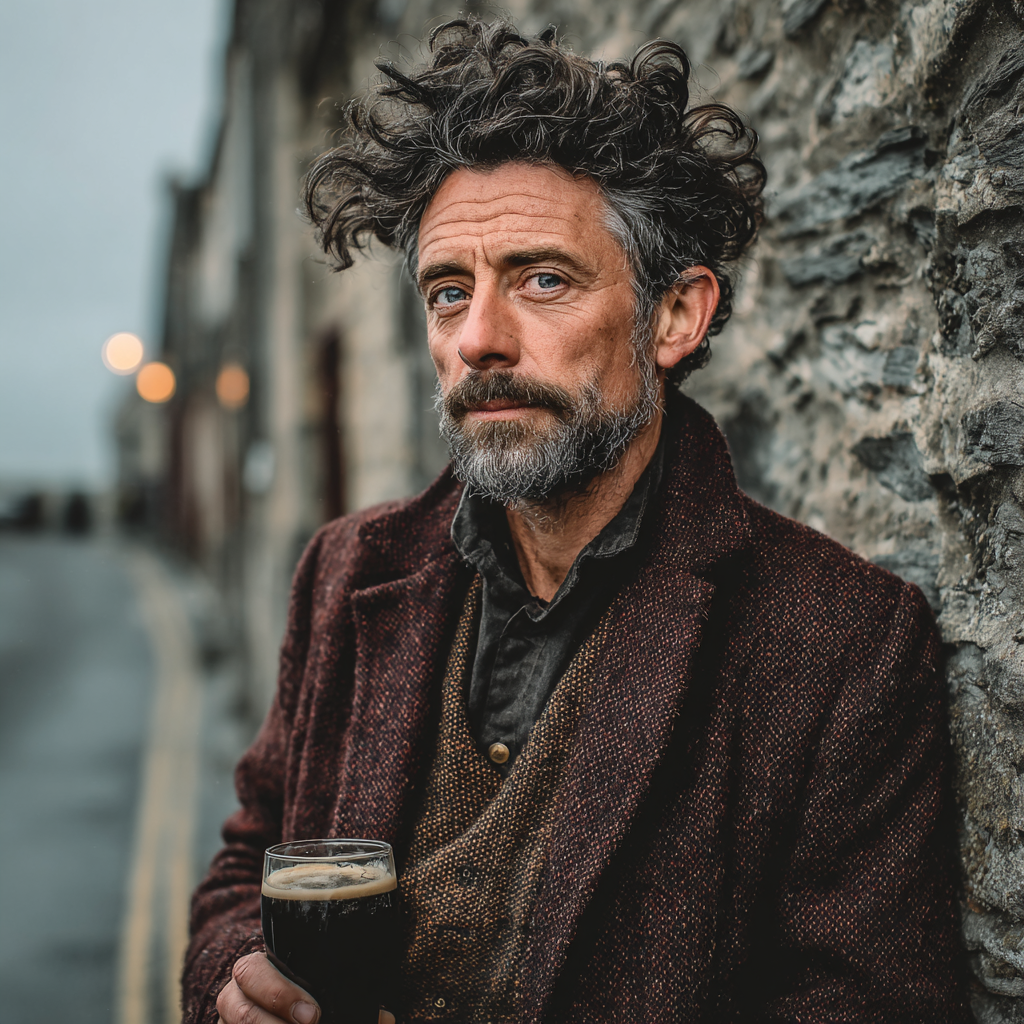
By Finn O'Sullivan
Irish storyteller and folklorist. Finn hunts for the narratives that do not make guidebooks—the pub legends, the family feuds, the neighborhood heroes. He believes every street corner has a story if you know who to ask.