
Pisa, Italy: The Maritime Republic Florence Erased — A Field Guide to Romanesque Masterpieces, Hidden Trattorias, and the Arno at Dusk
Most visitors to Pisa treat the city like a checklist. They arrive by train from Florence, walk to the Piazza dei Miracoli, take the obligatory photo with the Leaning Tower, and leave before lunch. The tower is so famous that it has eclipsed everything else, including the fact that Pisa was one of the four great maritime republics of medieval Italy, a naval power that rivaled Venice and Genoa, and a university city operating since 1343.
This guide assumes you are not most visitors.
The Piazza dei Miracoli Is a Complex, Not a Backdrop
The Leaning Tower is the campanile of the Pisa Cathedral. It was never meant to be the main event. Construction began in 1173, and the tilt started during the second floor, caused by unstable subsoil. Engineers stopped work for nearly a century, then resumed with a corrective adjustment that left the tower slightly curved. It leans at approximately four degrees and has been stable since structural intervention in the 1990s.
What most visitors miss is that the tower is only one component of a monumental ensemble that Gabriele d'Annunzio dubbed the Piazza dei Miracoli. The cathedral itself, begun in 1064, is a masterwork of Pisan Romanesque architecture with striped marble facades and a bronze door cast by Bonanno Pisano in 1180. The interior contains a pulpit by Giovanni Pisano, carved between 1302 and 1310, with scenes from the life of Christ that show an almost Gothic emotional intensity. The cathedral is free to enter, though you need a timed reservation during peak season.
The Baptistery of San Giovanni, begun in 1152, is the largest in Italy. Designed by Diotisalvi and later altered by Nicola and Giovanni Pisano, the exterior mixes Romanesque lower registers with Gothic upper additions. The interior has remarkable acoustics. A guard sometimes demonstrates this by singing a single note that reverberates for twelve seconds.
The Camposanto Monumentale, the monumental cemetery, sits at the northern end of the piazza. Built in 1278 to hold soil shipped from Golgotha during the Fourth Crusade, it contains frescoes by Francesco Traini and Benozzo Gozzoli that were severely damaged by American artillery fire in 1944. The fragments that remain are housed in a dedicated museum hall. The courtyard arcade, with its Gothic tabernacles, is one of the most peaceful spaces in the city.
A combined ticket for the Baptistery, Camposanto, and Sinopie Museum costs €10. The tower climb is separate at €20, with reduced tickets at €15 for visitors aged eight to eighteen. Children under eight are not permitted to climb. Time slots are mandatory and should be booked at least two days in advance through the official Opera della Primaziale Pisana website. The best light for photography is between 7:30 and 9:00 AM, before the tour buses arrive from Florence.
The Medieval City Center
The grid of streets between the Arno River and the Piazza dei Miracoli follows the pattern of the original Roman settlement. Pisa's medieval wealth came from trade with North Africa and the Byzantine Empire, and this cosmopolitan history is visible in the architecture if you look past the souvenir stalls.
Borgo Stretto, the main pedestrian artery, runs from the river toward the tower. The arcades date to the fourteenth and fifteenth centuries and shelter independent bookshops, bakeries, and hardware stores that have been operating for generations. You will see students from the university, pensioners arguing about football, and shopkeepers sweeping the pavement at closing time.
Piazza dei Cavalieri, five minutes east of the tower, was the political heart of medieval Pisa and later the headquarters of the Knights of St. Stephen, a military religious order founded by Cosimo I de' Medici after he conquered the city in 1509. The Palazzo della Carovana, designed by Giorgio Vasari in 1562, dominates the square. Its facade is decorated with sgraffito depicting zodiac signs and allegorical figures. The Scuola Normale Superiore, one of Italy's most selective universities, now occupies the building. You cannot enter without authorization, but the facade is worth studying from the square.
Santa Maria della Spina sits on the right bank of the Arno, a ten-minute walk from the tower. Built in 1230 to house a relic of Christ's crown of thorns, it is a masterwork of Italian Gothic architecture in miniature. The exterior is encrusted with pinnacles and tabernacles by sculptors including Lupo di Francesco. The building was rebuilt on a higher foundation in 1871 to protect it from flooding. The interior is usually closed, but the exterior alone justifies the walk. The setting on the riverbank, with the water reflecting the stone lacework, is the best free visual experience in Pisa.
The University and the Botanic Garden
The University of Pisa was founded in 1343 by papal bull, though teaching had been happening informally since the eleventh century. Galileo Galilei studied here in the 1580s, though he left without completing his degree. The university's anatomy theater, built in 1584, is the oldest surviving in the world. It is open for guided visits on Friday mornings. Reservations are required through the university museum system.
The Orto Botanico di Pisa opened in 1544 under Luca Ghini, who invented the herbarium. It is the oldest university botanical garden in Europe. The garden contains medicinal plant beds laid out in the original sixteenth-century plan and a collection of rare trees. Entry costs €4. It is rarely crowded, even in July, and the shade is a practical necessity after the exposed marble of the Piazza dei Miracoli.
Museums That Deserve Your Time
The Museo Nazionale di San Matteo, across the Arno from the main tourist zone, holds the most significant collection of medieval and early Renaissance art in Pisa. The building was a Benedictine convent before conversion. The collection includes painted crucifixes from the twelfth and thirteenth centuries, altarpieces by Francesco Traini, and sculptures by Nicola Pisano removed from churches for preservation. The museum is chronologically arranged, so the progression from Byzantine-influenced early works to more naturalistic fourteenth-century pieces is visible in sequence. Entry costs €8. It is open Tuesday through Saturday, and in twenty visits I have never seen more than six other visitors inside.
Palazzo Blu, on Lungarno Gambacorti, is impossible to miss. The building is painted cobalt blue, a nineteenth-century choice by the noble family who owned it. Since 2008 it has operated as a cultural center with rotating exhibitions that range from Renaissance drawings to contemporary photography. Ticket prices vary from €6 to €12 depending on the exhibition. The quality is consistently high, and the crowds are manageable even for major shows.
Where to Eat and Drink: Beyond the Tower's Shadow
The food in Pisa is Tuscan, which means it is straightforward, ingredient-driven, and unpretentious. The city's proximity to the sea also means seafood appears on menus with more frequency than in Florence, and the university population keeps prices honest.
For a proper lunch: Trattoria Sant'Omobono (Piazza Sant'Omobono 6) is a ten-minute walk from the tower in a direction most tourists never take. The menu changes daily depending on what arrives from the market. Expect ribollita, pappa al pomodoro, and baccalà alla livornese. Pastas run €9-12, second courses €12-18. They do not take reservations, and the line forms by 12:15 PM. Arrive early or wait.
For seafood: Osteria dei Cavalieri (Via San Frediano 16) sits near Piazza dei Cavalieri and has been operating since the 1980s. The menu leans toward the sea—grilled octopus, spaghetti alle vongole, and fritto misto. The interior is unremarkable, but the kitchen is consistent. Pastas €11-15, seafood mains €16-24. Open Tuesday through Saturday for lunch and dinner, closed Sunday and Monday. Reservations recommended for dinner.
For pizza: Pizzeria Il Montino (Vicolo del Monte 1) is a local institution operating since the 1950s. The pizza is Roman-style, thin and crispy, baked in a wood oven. The margherita costs €6.50. They also serve cecina, a chickpea flour flatbread that originated in Pisa's maritime trade with North Africa. This is the cheapest proper meal in the historic center. Standing room only. Open daily 11:30 AM–3 PM and 6:30 PM–10:30 PM, closed Wednesday.
For aperitivo: Caffè dell'Ussero (Lungarno Pacinotti 27) has occupied the same spot on the Arno since 1775. The interior retains its nineteenth-century decor—mirrored walls, marble tables, gilt frames. The aperitivo is not elaborate (€8-10 gets you a drink and small snacks), but the setting is unmatched. Go at 6:30 PM and watch the river turn copper as the light fades. Open daily 7 AM–midnight.
For gelato: Gelateria De' Coltelli (Lungarno Pacinotti 7) makes gelato from scratch using seasonal ingredients. The pistachio and the dark chocolate are reliably excellent. A small cone costs €3. Open daily 11 AM–11 PM, longer hours in summer.
For coffee: The university district around Via Santa Maria and Via San Frediano has dozens of bars where students stand at the counter for a €1.20 espresso. Caffè delle Sette Chiese (Via Santa Maria 120) is particularly good—family-run, proper machine, no nonsense. They also make a respectable schiacciata for €2.50 if you need breakfast on your feet.
For wine: Enoteca Il Pellicano (Via della Faggiola 11) is a small wine shop with a few tables. The owner knows his Tuscan producers and will open bottles by the glass if you ask. Prices range from €4 for a glass of Chianti to €12 for something from Bolgheri. He also stocks Pisan artisanal products—honey, olive oil, biscotti—that make better souvenirs than tower-shaped magnets. Open Monday through Saturday, 10 AM–1 PM and 4 PM–8 PM.
Where to Stay
Budget: Hostel Pisa Tower (Via Piave 4) offers dorms from €22 and private rooms from €55. Located five minutes from the tower, with a garden and kitchen access. Clean, functional, popular with students and solo travelers. Book ahead in summer.
Mid-range: Hotel Bologna (Via Mazzini 57) occupies a nineteenth-century palazzo five minutes from the train station. Rooms start at €85, with high ceilings and period furniture that has not been updated since the 1990s in the best possible way. The breakfast room has frescoed ceilings. This is where Italian academics stay when visiting the university.
Splurge: Relais I Miracoli (Via Santa Maria 187) is the only hotel inside the Piazza dei Miracoli itself, occupying a restored medieval building facing the Baptistery. Rooms start at €180 and include views of the monuments from your window. The trade-off is the tourist crowds outside your door until 7 PM. Worth it for one night.
The Arno at Dusk
The best time to be in Pisa is between 6:00 and 8:00 PM, when the tour groups have returned to Florence and the Arno River turns the color of aged copper. Walk the Lungarno on both banks. The palazzi on the south bank, including the Palazzo Agostini with its Gothic brick facade, reflect in the water with a clarity that photographers wait hours to capture. The Ponte di Mezzo gives you a straight view down the river toward the mountains. Local rowing teams practice in the early evening, and their oars leave ripples that break the reflections into fragments.
What to Skip
The restaurants directly adjacent to the Piazza dei Miracoli serve food that is overpriced and underseasoned. The same applies to the gelaterias on Via Santa Maria that face the tower. Walk three streets east and the quality improves by half.
The tower climb itself is a personal calculation. The stairs are narrow, the tilt is disorienting, and the view from the top is of Pisa's suburbs and the airport. If you have mobility issues, a fear of heights, or limited time, skip it. The city walls behind the Baptistery offer an elevated perspective over the piazza for €5, with no stairs and no lines.
The guided photo service where attendants position tourists to look as if they are holding up the tower is technically harmless but contributes to the atmosphere of Disneyfication that cheapens the site. Take your photo and move on, or better yet, photograph the Baptistery doors instead.
Florence day-trippers who treat Pisa as a two-hour stop. The city deserves a full day minimum, ideally an overnight. The light at dawn on the marble facades, the empty piazza before 8 AM, the Arno after dark—these are experiences that do not fit between a 10:30 AM train arrival and a 1:30 PM departure.
Lucca as a replacement. Lucca's intact Renaissance walls are charming, but Pisa has the better museums, the more complex history, and the more interesting food. Do not let guidebooks that call Lucca "the underrated alternative" diminish Pisa's substance.
Practical Logistics
Getting there: Pisa has two train stations. Pisa Centrale is the main hub with connections to Rome (2.5-3 hours, €15-25), Florence (1 hour, €9), and the Cinque Terre (via La Spezia, 1.5 hours, €8). Pisa San Rossore is a smaller station five minutes' walk from the Piazza dei Miracoli. If you are coming from Lucca or Viareggio, trains often stop at San Rossore. Use it.
The airport, Galileo Galilei, is unusually close to the city center, about ten minutes by bus or taxi. The PisaMover automated shuttle connects the airport to Centrale station every 5-8 minutes, costing €5. Taxis to the center cost €10-15. This makes Pisa a viable entry point for Tuscany, though most visitors rush through without stopping.
Getting around: Pisa's historic center is compact and walkable. The distance from the train station to the tower is about twenty minutes on foot. Buses exist but are unnecessary for sightseeing. A taxi from Centrale to the tower costs €8-10.
When to visit: Spring (April-May) and autumn (September-October) offer the best combination of weather and manageable crowds. Summer is hot—the marble of the piazza reflects heat aggressively—and crowded from 10 AM to 5 PM. Winter is quiet, with mist over the Arno and empty museums, though some restaurants reduce hours.
Budget: A frugal day in Pisa costs €35-45 (picnic lunch, walking, free cathedral entry, one paid museum). A comfortable day with a proper lunch and a wine bar visit runs €60-80. A splurge day with the tower climb, a seafood dinner, and a hotel with a view starts at €150.
Language: English is widely spoken in tourist areas. In the university quarter and residential neighborhoods south of the Arno, Italian prevails. A few phrases—"un caffè per favore," "il conto"—go further than you expect.
Safety: Pisa is safe by Italian standards. The usual precautions apply—watch bags in crowded areas, avoid unlit streets late at night. The area around the train station is not dangerous but is less appealing than the historic center.
Meet the Author
Elena Vasquez is a Barcelona-born food writer and cultural historian who has spent the last decade mapping Europe's hidden culinary traditions. Her work focuses on the intersection of food, power, and place—how a city's political history shapes what appears on its plates. She has lived in Pisa for three months during a research fellowship at the university, and she returns annually to eat at Sant'Omobono and argue with the owner about whether their ribollita is better than Florence's. (It is. He knows it. He will never admit it.)
One honest admission: Pisa is not Florence. It does not have the Uffizi or the Ponte Vecchio. What it has is a medieval maritime identity that Florence erased from history after conquest. The churches, the university, the riverfront, and the quiet streets south of the Arno are the remnants of a city that was once powerful, cosmopolitan, and feared. That history is still there. You just have to walk past the tower to find it.
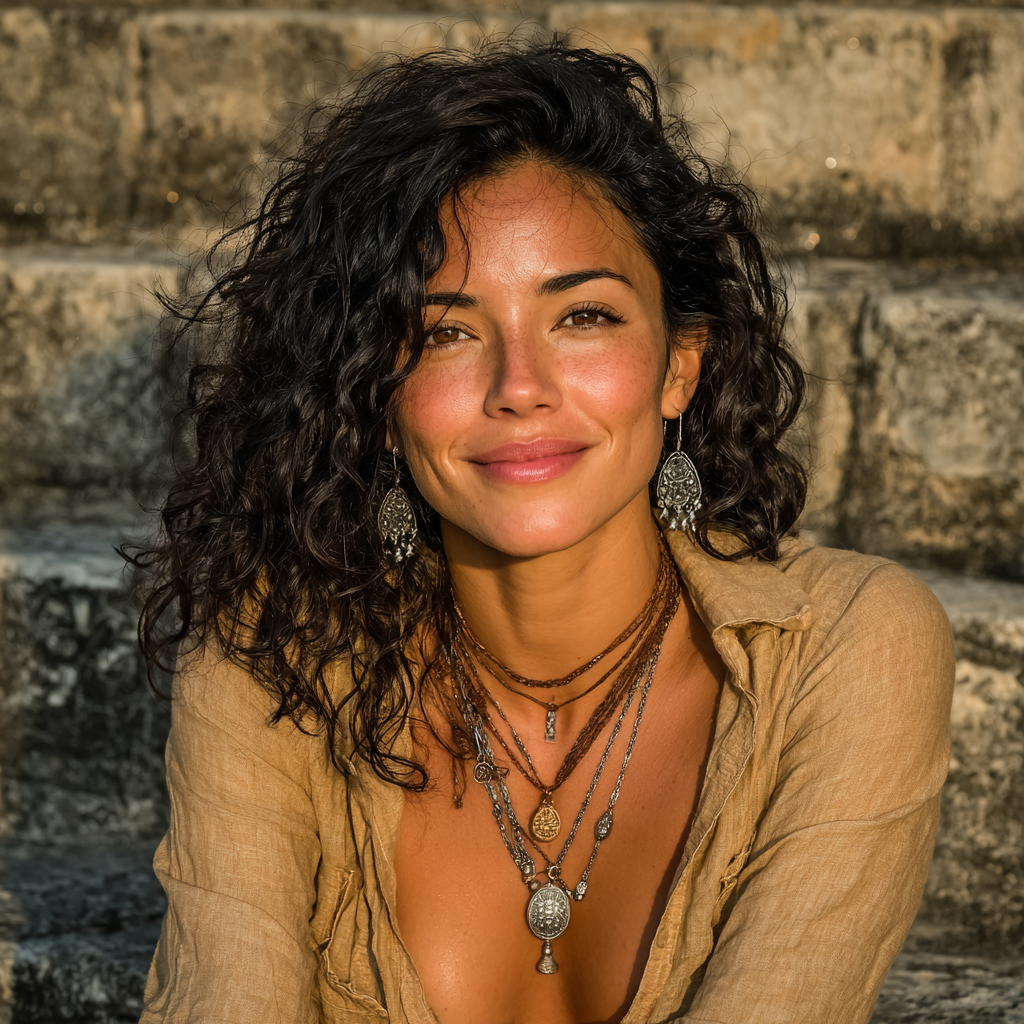
By Elena Vasquez
Cultural anthropologist and culinary storyteller. Elena spent a decade documenting traditional cooking methods across Latin America and the Mediterranean. She holds a PhD in Ethnography from Barcelona University and believes the best way to understand a place is through its kitchens and ancient streets.