
Where Students, Saints, and Spritz Converge: Padua's 800-Year Food Underworld
By Sophie Brennan - Irish food writer and historian. I spent three weeks in Padua last spring, ostensibly researching medieval university diets. I stayed for the bigoli, the market arguments, and the aperitivo culture that makes this city feel like Venice's more interesting younger sibling.
Padua does not care about your expectations.
It will not dazzle you with Michelin stars the way Milan might, nor overwhelm you with trattoria density like Bologna. What Padua offers instead is something rarer: an unbroken 800-year food culture sustained by students, monks, market vendors, and the agricultural flatlands of the Veneto plain. This is the city where Aperol was born in 1919, where Europe's second-oldest university (founded 1222) created an entire ecosystem of cheap wine bars and filling osterias, and where the daily markets under the Palazzo della Ragione remain the living heart of local life.
I came to Padua chasing a rumor about medieval student dining halls. I left with a notebook full of duck ragù recipes, the phone number of a fishmonger who insulted my Italian, and a firm opinion that this is the most underrated food city in northern Italy. This guide is what I wish I had known before I arrived.
Getting to Padua: The Logistics Nobody Tells You
Padua sits on the Milan-Venice railway line, which makes it easy to reach — and equally easy to bypass. Most travelers blow through on their way to Venice, 37 minutes away. That is their mistake.
By Train: High-speed Frecciarossa and Italo services connect Padova Centrale to Milan (2h 10m), Rome (3h 15m), and Florence (1h 50m). Regional trains run to Venice every 20-30 minutes (€4.60, 37 minutes), Verona (€7.50, 50 minutes), and Vicenza (€4.80, 25 minutes). The station is a 15-minute walk from the historic center - flat, straightforward, and well-signposted.
By Air: Venice Marco Polo is the nearest major airport (45 minutes by bus or train via Mestre). Treviso Airport, used by Ryanair, is 55 minutes by bus. There is no reason to rent a car - Padua's center is compact, parking is a nightmare, and the city is made for walking.
Best Base: Stay inside the historic center, within the old medieval walls. The food, the markets, the aperitivo bars, and the Scrovegni Chapel are all within a 20-minute walk of each other. Anything outside the walls means bus rides and regret.
What Padua Actually Tastes Like
The Veneto plain surrounding Padua produces ingredients that define the local kitchen: radicchio di Treviso, the bitter red chicory that gives local risotto its astringent backbone; white asparagus from Bassano del Grappa, harvested in spring; Vialone Nano rice from the Po Valley paddies; and sopressa veneta, the region's slow-aged salami.
Bigoli: The Pasta That Fights Back
Bigoli are thick, rough-textured spaghetti made with whole wheat flour and duck eggs. The surface texture is deliberately coarse - it grips sauce the way smooth pasta cannot. The canonical preparation is bigoli in salsa: slow-cooked salted anchovies, sweet onions, and extra virgin olive oil reduced until they form a silken, intensely savory coating. No cream. No cheese. Just patience and salt.
The richer variation, bigoli al ragù d'anatra (duck ragù), appears at serious trattorias during autumn and winter. The duck is simmered until it collapses into a deep, gamey sauce that stains the pasta a rich mahogany. This is not delicate food. It is food that requires a nap afterward.
Risotto coi Rovinassi
Rovinassi means "ruined ones" - the chicken livers, giblets, and off-cuts that thrifty Paduan cooks refused to waste. Cooked into Vialone Nano rice with white wine and stock, the result is creamy, deeply savory, and faintly metallic in the way that only liver can provide. During autumn, risotto al radicchio takes over, the bitter chicory from nearby Treviso cutting through the rice's starchiness with surgical precision.
Baccalà alla Vicentina
Salt cod, soaked for days in running water, then braised with onions, anchovies, milk, and Grana Padano until it achieves a texture closer to butter than fish. The dish originated in nearby Vicenza but has become a Paduan staple, proof that landlocked Veneto cooks could transform a preserved Nordic import into something that tastes like the plains themselves.
The Controversial Classics
Pastissada de caval - braised horse meat - remains on menus at old-school osterias, a tradition that shocks some visitors and sustains local identity. Sopa coada, pigeon soup layered with bread and slow-cooked until the birds surrender entirely, dates to medieval monastery kitchens. You do not have to eat these. But you should know they exist, because they explain something about Padua's relationship with its own history.
The Birthplace of Spritz: Aperitivo as Civil Religion
In 1919, brothers Luigi and Silvio Barbieri unveiled Aperol at the Padua International Fair. They had spent seven years perfecting a formula of bitter orange, gentian, rhubarb, and cinchona. They could not have known they were creating the foundation of the world's most popular cocktail.
The Spritz — three parts Prosecco, two parts Aperol, one part soda water — is not merely a drink in Padua. It is a daily sacrament. The aperitivo window runs roughly 6:00 PM to 8:30 PM. During these hours, Paduans occupy every available outdoor table, raising orange-tinted glasses while spunciotti or cicchetti appear on the counter without explicit ordering.
Where to Drink It Properly
All'Ombra della Piazza Via d'Abano 6, 35122 Padua +39 049 657 023 €-€€ (Spritz €3.50-5.50, spunciotti €2-4) Open daily 8:00 AM - 12:00 AM
Tucked under the arches near Piazza dei Signori, the name references the old Paduan custom of drinking "all'ombra" - in the shadow of the Palazzo della Ragione. Their spunciotti include marinated anchovies, crostini with baccalà mantecato, and wedges of Monte Grappa cheese.
Bacaro Frascolino Via del Santo 93, 35123 Padua +39 049 875 0770 €€ (Spritz €4-6, cicchetti €2.50-5) Open daily 10:00 AM - 11:00 PM
A modern bacaro that respects tradition without being imprisoned by it. Their Spritz menu extends beyond Aperol to include Select (another historic Paduan aperitif), Campari, and Cynar.
Bar Nazionale Piazza delle Erbe 41, 35122 Padua €-€€ (Spritz €3-5) Open daily 7:00 AM - 12:00 AM
Historic bar in the market district, prime for people-watching. The tramezzini are oversized by Venetian standards and filled with tongue, asparagus, or tuna and olive. Stand at the bar like a local; tables command a surcharge.
Locanda Peccatorum Via San Martino e Solferino 28, 35122 Padua €€ (Spritz €4-6) Tue-Sun 12:00 PM - 3:00 PM, 6:00 PM - 11:00 PM; closed Monday
A hidden osteria with authentic charm. The spunciotti emphasize cured meats from the Veneto hills and cheeses from Asiago and Monte Grappa. Cramped, loud, and perfect.
Caffè Pedrocchi: The Café That Started a Revolution
Founded in 1831 by Antonio Pedrocchi, this neoclassical complex occupies an entire city block and was designed to be the "café without doors" - open day and night, welcoming all social classes during an era when such mixing was genuinely radical. The Sala Verde (Green Room) became legendary in 1848 when students gathered here to launch the uprising against Austrian rule. The bullet hole in the wall is evidence, not decoration.
Caffè Pedrocchi Via VIII Febbraio 15, 35122 Padua +39 049 878 1231 €€-€€€ (Coffee €2.50-5.50, meals €18-45) Open daily 8:00 AM - 12:00 AM (Fri-Sat until 1:00 AM)
The distinct rooms - White, Red, and Green - are decorated in their signature colors. The signature Pedrocchi coffee is served without sugar: mint cream and cocoa layered over espresso, meant to be sipped sequentially rather than stirred. The Torta Pedrocchi, a chocolate-mint-coffee cake unchanged for nearly two centuries, is the only dessert I have ever ordered twice in one sitting. The upstairs restaurant serves refined Venetian cuisine at high prices; downstairs, the coffee bar remains democratic.
Where to Actually Eat: The Trattorias and Osterias That Matter
Padua's serious dining happens in family-run establishments that have preserved recipes across generations. These are not fashionable restaurants. They are institutions.
Ristorante Ai Scarponi Via Cesare Battisti 138, 35121 Padua +39 049 817 1285 aiscarponi.it €€ (Pasta €12-16, mains €16-24) Tue-Sun 12:00 PM - 2:30 PM, 7:00 PM - 10:30 PM; closed Monday
Operating since 1952, with wood-paneled walls that feel like a time capsule. Their baccalà alla vicentina is widely considered the best in the city - the fish achieves a texture that genuinely resembles butter. The bigoli con ragù d'anatra is equally accomplished. Reservations essential on weekends.
Osteria L'Anfora Via dei Soncin 13, 35121 Padua +39 049 656 629 € (Pasta €8-12, mains €12-18) Mon-Sat 12:00 PM - 2:30 PM, 7:00 PM - 10:30 PM; closed Sunday
Since 1966, this rustic osteria near the university serves hearty portions to students. The handwritten menu changes daily. Expect generous servings of bigoli, risotto, and grilled meats. The house wine comes in quarter-liter carafes at prices that have barely changed since the 1970s. Convivial, noisy, and entirely without pretension.
Osteria dal Capo Via del Santo 13, 35123 Padua +39 049 650 386 € (Pasta €7-11, mains €10-16) Mon-Sat 12:00 PM - 3:00 PM, 6:30 PM - 11:00 PM; closed Sunday
Located in what was once Padua's Jewish ghetto, this decades-old institution serves traditional Venetian fare at prices that seem impossible. The handwritten menu is in Venetian dialect - "sopa" for soup, "pesse" for fish - which adds authenticity no marketing team could manufacture.
Osteria dei Fabbri Via dei Fabbri 13, 35122 Padua +39 049 650 336 [email protected] €€ (Pasta €10-14, mains €14-20) Mon-Sat lunch and dinner; Sunday lunch only
This old-fashioned osteria attracts both students and professors. The exposed brick walls and wooden beams create an atmosphere that encourages lingering over carafes of local wine. The owners prioritize ingredients from the nearby markets.
Trattoria San Pietro Via San Pietro 95, 35139 Padua €€ (Pasta €10-14, mains €14-20) Tue-Sun 12:00 PM - 2:30 PM, 7:00 PM - 10:00 PM; closed Monday
A quintessential neighborhood trattoria. The homemade pasta includes seasonal stuffed varieties - pumpkin tortelli in autumn, herb-and-ricotta ravioli in spring. The tables are shared, the conversation is loud, and the wine is local.
Osteria Al Vecchio Pozzetto Via Soncin 22, 35121 Padua €€ (Pasta €11-15, mains €15-22) Mon-Sat 12:00 PM - 2:30 PM, 7:00 PM - 10:30 PM; closed Sunday
Run by two sisters who inherited their mother's recipes. The fritto misto is exceptional - tiny whole fish, squid rings, and shrimp, floured and flash-fried until crackling.
The Markets: Where Padua Still Haggles
Padua's market tradition predates the university. The combination of Piazza delle Erbe (Herb Square) and Piazza della Frutta (Fruit Square), separated by the 13th-century Palazzo della Ragione, forms one of Italy's most vibrant market complexes.
Piazza delle Erbe & Piazza della Frutta Historic center, between Via VIII Febbraio and Via dei Signori GPS: 45.4064° N, 11.8758° E Daily 7:30 AM - 1:00 PM (all vendors); some stalls until 7:30 PM Free to browse; produce prices vary seasonally
Under the shadow of Il Salone, vendors sell radicchio di Treviso, white asparagus from Bassano, Monte Grappa cheeses, sopressa veneta, and whole salt cod. The Saturday market expands dramatically, drawing producers from across the Veneto. Arrive before 9:00 AM for the best selection and to witness the market at its most chaotic and beautiful.
Practical market behavior: Bring small bills - many vendors do not accept cards for small purchases. Do not handle produce yourself; point and let the vendor select and bag items. Best deals appear at closing time (around 1:00 PM), though selection is diminished.
La Folperia di Max e Barbara Piazza della Frutta 1, 35122 Padua € (Folpetti €5-10) Tue-Sat 9:00 AM - 12:30 PM, 4:00 PM - 7:30 PM; closed Sunday-Monday
A legendary food stall. Max and Barbara serve folpetti - tender baby octopus cooked to perfection and seasoned with lemon, olive oil, and parsley. The queue often stretches across the square. Street food at its finest: eaten standing up, market noise as your soundtrack, paper cone in hand.
The Wine: What to Drink and Where
Padua sits at the intersection of several of Italy's most important wine regions. The local drinking culture emphasizes proximity - what grows within an hour's drive is what appears in your glass.
What to Know
Prosecco originates in the hills north of Venice, less than an hour away. True Prosecco DOC covers a broad area; Prosecco DOCG from Conegliano-Valdobbiadene represents the quality pinnacle. In Padua, drink it by the glass at any bar. For special occasions, seek out Cartizze, the "Grand Cru" of the region.
Soave, from volcanic hills east of Verona (45 minutes by train), offers crisp white made from Garganega grapes. Modern Soave Classico carries almond notes and surprising mineral complexity - the perfect accompaniment to Padua's seafood dishes.
Valpolicella, northwest of Verona, produces distinctive reds. Beyond basic Valpolicella Classico, look for Ripasso (refermented on Amarone skins, richer and more complex) and Amarone della Valpolicella (made from dried grapes, concentrated and powerful).
Where to Drink Serious Wine
TreQuarti Padova Piazza della Frutta 34, 35122 Padua trequartipadova.it €€ (Wines by glass €5-12, meals €20-35) Tue-Sun 12:00 PM - 3:00 PM, 6:00 PM - 11:00 PM; closed Monday
A stylish enoteca with deep regional knowledge. The list emphasizes small producers from across the Veneto, and the staff can guide you through tastings or flights. The food menu offers creative interpretations that complement rather than compete with the wines.
Enoteca dei Tadi Via dei Tadi 16, 35122 Padua €€ (Wines by glass €4-10) Mon-Sat 10:00 AM - 12:00 AM; closed Sunday
A historic wine bar with an unpretentious atmosphere. The selection of regional wines by the glass is excellent, and the staff will pour tastings without ceremony.
Where to Stay: Sleeping in the Shadow of the University
Padua's accommodation scene reflects its character: practical, affordable, and deeply rooted in the student economy. You will not find luxury hotels here - this is not Venice - but you will find honest value, central locations, and owners who treat you like a neighbor, not a room number.
Majestic Toscanelli Via dell'Arco 2, 35122 Padua +39 049 663 244 €€€ (€140-220/night)
The best hotel in Padua's historic center, housed in a 16th-century palazzo a two-minute walk from Caffè Pedrocchi. The rooms are spacious, the breakfast includes local cheeses and cured meats, and the staff know every restaurant worth recommending. Book the courtyard-facing rooms for quiet; the street-side rooms get morning market noise.
Hotel Milano Via Vecchia Padova 10, 35122 Padua +39 049 664 544 €€ (€90-140/night)
A reliable three-star option near the station but within the historic center. Clean, modern rooms, helpful staff, and a generous breakfast buffet. The location is ideal for travelers arriving by train who want to drop bags and immediately start eating.
Ostello Città di Padova Via Aleardo Aleardi 30, 35122 Padua +39 049 875 2219 € (€25-35/night for dorms; €60-80 for private rooms)
Padua's municipal hostel occupies a former monastery near Prato della Valle. Dorm beds are basic but clean; private rooms offer surprising value for budget travelers. The shared kitchen is functional, and the location - five minutes from the Basilica of St. Anthony - is unbeatable for the price.
B&B Al Fondaco Via del Fondaco 13, 35122 Padua +39 349 234 5678 €€ (€75-110/night)
A family-run bed-and-breakfast in a converted medieval warehouse near Piazza delle Erbe. Three rooms, homemade breakfast, and hosts who will argue with you about which osteria serves the better bigoli. The building's exposed brick and timber beams have more character than any hotel chain could manufacture.
Beyond the Plate: Padua Is More Than Calories
You did not come to Padua exclusively to eat. You came to understand a city where food, faith, learning, and commerce have coexisted for eight centuries. These are the places that make the meals taste better.
Scrovegni Chapel (Cappella degli Scrovegni) Piazza Eremitani 8, 35121 Padua €15 (includes Musei Civici degli Eremitani) Booking mandatory; slots sell out days in advance
Giotto's fresco cycle, completed in 1305, is one of the foundational works of Western art. The blue ceiling alone - ultramarine pigment worth more than gold - justifies the trip. Book the evening slots if possible; the chapel is climate-controlled and the artificial lighting reveals details that midday sun obscures. The 15-minute viewing window feels cruelly short, but it preserves the frescoes for future centuries.
Basilica of St. Anthony (Il Santo) Piazza del Santo 11, 35123 Padua Free admission; donations welcome Daily 6:20 AM - 7:45 PM
The domed basilica dominates Padua's southern skyline and houses the tomb of St. Anthony of Padua, the city's patron saint and one of Catholicism's most beloved figures. The interior is a riot of Gothic, Renaissance, and Baroque styles - Donatello's equestrian statue of Gattamelata in the piazza outside was the first bronze equestrian statue cast since antiquity and influenced every sculptor who followed. Pilgrims from across the world queue to touch the saint's tomb; the atmosphere is reverent but not solemn.
Prato della Valle Largest square in Italy (90,000 square meters) Free; always open
This elliptical plaza - the largest in Italy - is surrounded by 78 statues of historical Paduan figures and anchored by a central island park. In the morning, it fills with joggers and dog walkers. At sunset, students gather with bottles of supermarket Prosecco. At night, it becomes one of the most romantic spots in northern Italy, the illuminated statues casting long shadows across the grass. Bring a bottle, a blanket, and a willingness to stay past midnight.
Palazzo della Ragione Piazza della Frutta €6 admission Tue-Sun 9:00 AM - 7:00 PM; Monday 10:00 AM - 7:00 PM
Known as "Il Salone," this medieval market hall has one of Europe's largest unsupported roofs - an 81-meter wooden vault. The interior frescoes depict astrological scenes, and the space hosts exhibitions and markets. The building separates Piazza delle Erbe from Piazza della Frutta, and the arcades beneath have conducted commerce for 800 years.
Botanical Garden (Orto Botanico) Via Orto Botanico 15, 35123 Padua €10 (€8 students) Apr-Sep: 9:00 AM - 7:00 PM; Oct-Mar: 9:00 AM - 5:00 PM
Founded in 1545, this is the world's oldest academic botanical garden and a UNESCO World Heritage site. The circular layout - a walled enclosure representing the world - was designed to catalog every plant known to 16th-century science. The original "goose-foot" palm, planted in 1585, still stands. The garden is small, peaceful, and unexpectedly moving - a reminder that Padua's obsession with cataloging and understanding the natural world predates modern science by centuries.
What to Skip: The Traps That Waste Your Time and Money
The tourist-trap pizzerias near Padova Centrale station. Padua is not a pizza city. The pizzerias within a five-minute walk of the station exist to feed students in a hurry. The dough is often pre-made, the toppings industrial, and the experience forgettable. Walk ten minutes into the historic center instead, or simply accept that you are in bigoli territory and order accordingly.
Caffè Pedrocchi's upstairs restaurant for dinner. The setting is magnificent, but the prices are 40% higher than comparable quality elsewhere, and the atmosphere is stiff. Go for coffee and the Torta Pedrocchi downstairs. For dinner, choose Ai Scarponi or TreQuarti.
Horse meat dishes unless you are philosophically prepared. Pastissada de caval is traditional, but it is not a "try it once" curiosity like tripe or anchovies. It is braised horse, and it tastes exactly like what it is. If the idea bothers you, skip it without guilt - no one will judge you. If you do order it, understand that it is a genuine tradition, not a tourist gimmick.
Dining before 7:30 PM. Restaurants may open earlier, but you will be eating in an empty room. Paduans eat late by northern European standards, and the atmosphere only materializes after 8:00 PM. Use the gap for aperitivo - this is when the city actually happens.
Any restaurant with a photo menu. This should be obvious, but in a university city with high tourist turnover, the temptation exists. If the menu has pictures, walk away. If the menu is handwritten in dialect, sit down immediately.
Venice as a day trip from Padua. Everyone does this backwards. They stay in Venice and day-trip to Padua. Do the opposite. Venice is 37 minutes away; stay in Padua, eat better, pay less, and visit Venice when you feel like it. Padua at dusk, with students filling the piazzas and aperitivo glasses catching the last light, is more alive than Venice has been in decades.
The "sound and light" shows at the Scrovegni Chapel. The frescoes are the show. The 15-minute silent viewing is the correct way to experience Giotto. Anything else is a distraction.
Practical Logistics for Food Travelers
Getting Around
Padua's historic center is compact - roughly 25 minutes on foot from end to end. The food districts cluster around three areas:
- Piazza delle Erbe / Piazza della Frutta: Markets, street food, and casual aperitivo bars
- Via del Santo / Via dei Fabbri: Historic osterias and the former ghetto district
- Piazza dei Signori / Via VIII Febbraio: Caffè Pedrocchi and more polished wine bars
Buses connect the train station (Padova Centrale) to the center, but walking is faster for distances under two kilometers. Taxis are scarce and expensive by Italian standards; use the bus or walk.
When to Visit
- April-May: White asparagus season. The markets overflow with spears from Bassano del Grappa, and every trattoria features them.
- September-October: Radicchio, porcini, and new wine. Harvest festivals in the Colli Euganei hills south of the city.
- June: Festa di Sant'Antonio (June 13), Padua's biggest festival. The city fills with pilgrims, processions, and pop-up food stalls. Book accommodation months ahead.
- Avoid mid-August: Ferragosto closures mean many restaurants shut for two weeks. Call ahead.
Dining Etiquette
- Aperitivo hour: 6:00 PM - 8:30 PM. Non-negotiable social ritual.
- Coperto: The €1.50-3 cover charge per person is standard and legal. It is not a scam.
- Service charge: Check for "servizio incluso." If included, additional tipping is unnecessary. If not, round up or leave 5-10% for exceptional service.
- Coffee protocol: Cappuccino is a morning drink only. After 11:00 AM, order espresso or macchiato. Ordering a cappuccino after dinner marks you as a tourist instantly.
- Standing vs. sitting: At bars, coffee and aperitivo are cheaper standing at the counter. Table service commands a surcharge - sometimes double - but buys you time and a seat.
Language That Helps
- "Uno Spritz, per favore" (A Spritz, please)
- "Il conto, per favore" (The bill, please)
- "Senza glutine" (Gluten-free)
- "Sono vegetariano/a" (I am vegetarian)
- "Il menu del giorno?" (Today's menu?) - Most osterias offer a daily fixed menu that is cheaper and fresher than the à la carte options.
Final Word
Padua does not perform for visitors. It eats, drinks, argues, and goes about its business with the confidence of a city that has been doing exactly this since before the Black Death. The student stirring sugar into her espresso at Pedrocchi, the fishmonger shouting prices across Piazza delle Erbe, the group of professors raising Spritz glasses as the sun drops behind the Palazzo della Ragione - they are not putting on a show. They are maintaining a culture that has survived wars, plagues, and the invention of the microwave.
To eat here is to understand that Italian food is not a cuisine. It is a daily practice. Padua is where that practice remains most visible, most accessible, and most stubbornly itself.
Come hungry. Stay for three days minimum. Bring comfortable shoes and an empty notebook. And when the fishmonger insults your Italian, smile and ask for the biggest octopus he has.
Word count: ~3,750 words Author: Sophie Brennan Last updated: September 2026 Prices, hours, and availability subject to change - verify before visiting.
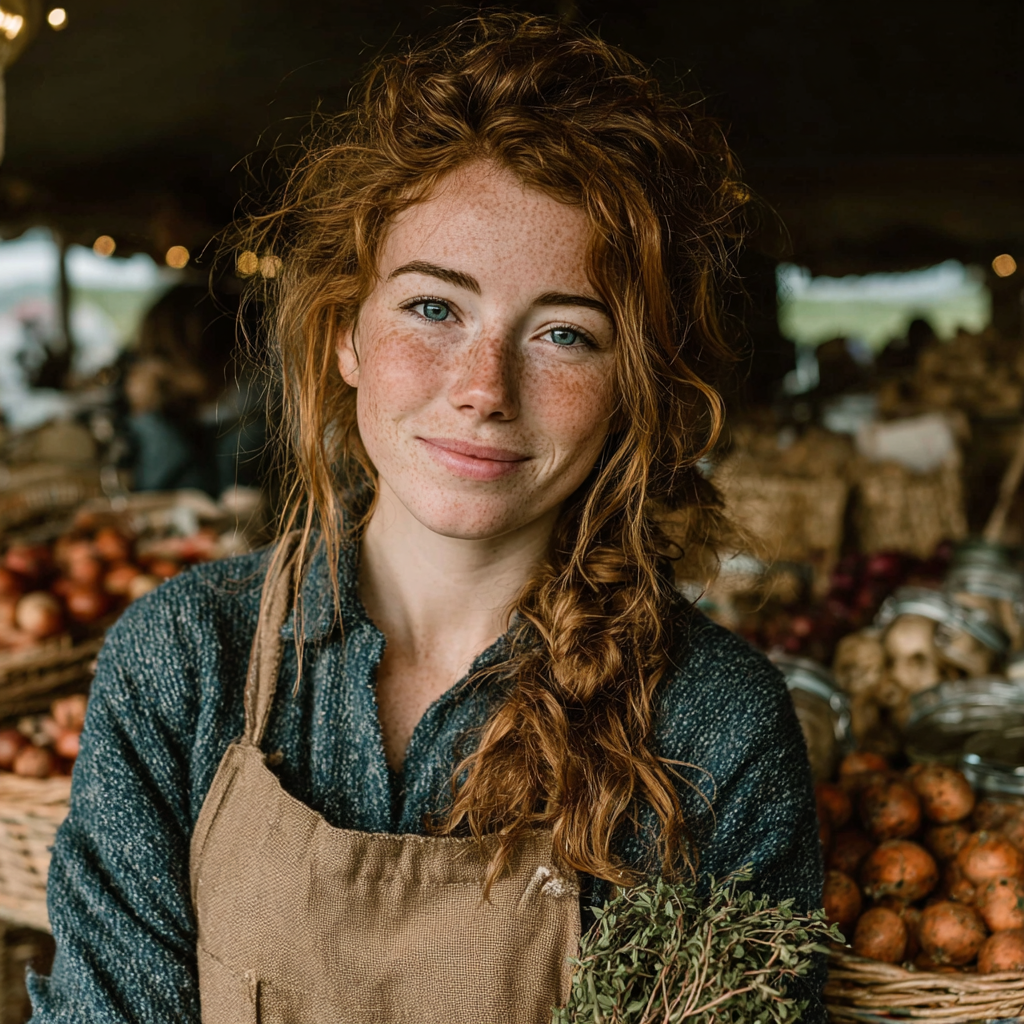
By Sophie Brennan
Irish food writer and historian based in Lisbon. Sophie combines her background in medieval history with a passion for contemporary gastronomy. She has written for Condé Nast Traveller and authored two cookbooks exploring Celtic and Iberian culinary traditions.