
Modena: In the Land of Parmigiano, Balsamic, and the World's Most Dangerous Ragù
Most people come to Modena for one of two reasons: Massimo Bottura, or the vinegar. Both are worth the trip, but neither is the full story. Modena is Italy's most concentrated food city, a place where three protected products — Parmigiano-Reggiano, Aceto Balsamico Tradizionale di Modena, and Lambrusco — occupy the same narrow slice of the Po Valley, and where a covered market from 1931 still sets the rhythm of daily eating. You can cover the historic center in twenty minutes on foot. You will need three days to eat it properly.
The city's food identity runs deeper than its famous exports. This is the heart of Emilia-Romagna, the region that gave the world tortellini, tagliatelle al ragù, and the distinction between rezdore — the women who still roll pasta by hand in their homes — and the restaurant chefs who learned at their elbows. Modena does not perform its cuisine for visitors. It simply continues doing what it has done for centuries, and if you are smart, you will arrange your days around its schedules: the market at dawn, the trattoria at 12:30 sharp, the aperitivo hour when the Lambrusco flows and the gnocco fritto arrives still warm.
The Market That Runs the City
Start at Mercato Albinelli. The entrance is on Via Luigi Albinelli, a block behind Piazza Grande, and the iron-and-glass structure has the quiet grandeur of a 1930s railway station. Inside, the layout has not changed much since it opened in 1931. The tortellini stall at the center still rolls pasta by hand at 7 AM. The salumi counter three stalls down slices Prosciutto di Modena DOP to order, paper-thin, at €2.80 per etto. The cheese vendor opposite stacks wheels of Parmigiano-Reggiano aged 24, 36, and 48 months — ask for a taste of the 36-month, which has the crystalline crunch that the younger wheels lack. The market runs Monday to Saturday, 6:30 AM to 2 PM, with Thursday evening hours until 7:30 PM. The morning crowd is local, shopping for lunch. By 11 AM the tourists arrive. Get there before 9.
In the market's northwest corner, Bar Schiavoni operates from a counter no larger than a wardrobe. Sisters Sara and Chiara Fantoni serve five sandwiches daily, each around €5, from a chalkboard menu that changes based on what looked good that morning. The standard offering runs something like this: smoked swordfish with white peaches and capers; crispy pancetta with arugula and truffle sauce; eggplant with roasted tomatoes and goat ricotta. Before noon they serve gnocco fritto — pillow-shaped fried dough, still warm — with a cappuccino for €3.50. This is the Modenese breakfast. Do not skip it.
The market is not merely a place to buy food. It is Modena's public living room, where the rhythms of the day are visible in who stands at which counter. At 7:30 AM, it is the elderly women in housecoats, buying tortellini for Sunday lunch. By 10 AM, the restaurant owners arrive, pointing at cuts of meat without speaking — the butcher knows their order. At 12:30 PM, the market empties as everyone walks home to eat. This is the pulse of the city, and if you miss it, you miss Modena.
Where the Locals Eat: Trattorias and Osterias
Gnocco fritto appears everywhere in Modena, but quality varies dramatically. The good ones are hollow, crisp, and slightly salted, served with a paper napkin of Prosciutto di Modena or Culatello di Zibello. The bad ones are greasy dough balls sold to tourists near the cathedral. Trattoria Il Fantino, on Via Donzi 7, has been doing them properly since 1957 — before Bottura was born. The restaurant opens at 12:30 PM for lunch and 7:30 PM for dinner, closed Sunday. The menu is short: tortellini in brodo, tagliatelle al ragù, braised veal cheek, and gnocco fritto with salumi as an antipasto. A full meal with a half-liter of Lambrusco runs €28-35 per person. The room is plain, the service is fast, and the tables are filled with locals who have been coming for decades. Reservations are essential after 8 PM; call +39 059 236 331.
Hosteria Giusti is harder to get into. It has four tables, serves lunch only, and sits at the end of a narrow corridor off Via Farini 15, behind the family's salami and pasta shop. The entrance is unmarked. If you find it, the menu is classical Modenese: minestrone fritters, tortellini, cotechino with lentils. The ragù here is darker and more concentrated than at Il Fantino, slow-cooked until the meat dissolves into the tomato. Book at least two weeks ahead, preferably by phone at +39 059 222 533. Lunch runs 12:30 PM to 2:30 PM, Tuesday through Saturday. A lunch with wine costs €45-55.
For something between the austerity of Il Fantino and the exclusivity of Giusti, try Trattoria Aldina, on Via Albinelli 40, upstairs above the market. It is a classic mensa — a workers' canteen — where the menu changes daily and the prices have not moved much in a decade. Lunch is the only service, 12:00 PM to 2:30 PM, Monday through Saturday. The tortellini in brodo is €12, the bollito misto €15, and the Lambrusco is served in chunky tumblers. No reservations; arrive at 12:15 PM or wait on the stairs.
Osteria Ermes is another local institution, though it operates on its own rules. Ermes himself serves the food — there is no menu — and decides what you are eating based on what he feels like cooking. The place is defiantly old-school: plastic tablecloths, handwritten receipts, and no credit cards. Lunch only, 12:30 PM to 2:30 PM, Monday through Saturday, at Via Ganaceto 89. A meal costs €20-25, cash only, and the experience is as much about Ermes's theatrical monologues as the food.
Then there is Osteria Francescana. Via Stella 22, three Michelin stars, twice ranked world's best restaurant. The 15-course tasting menu is €350, wine pairing an additional €240. Bottura is a genuine talent, and dishes like "Five Ages of Parmigiano Reggiano" and "Oops! I Dropped the Lemon Tart" are clever, precise, and rooted in local ingredients. But here is the honest assessment: for most visitors, the money is better spent elsewhere in Modena. If you are determined to go, skip the tasting menu and order à la carte. The tagliatelle al ragù, at €28, is genuinely life-changing — the platonic ideal of a dish that every trattoria in Emilia claims to make. The Culatello di Zibello with mostarda, at €32, is equally strong. The restaurant is open Tuesday through Saturday for lunch and dinner. Reservations open three months in advance and fill within hours; book online at osteriafrancescana.it.
Franceschetta 58, at Via Vignolese 58, is Bottura's more accessible project. The room is louder, the prices are lower, and the philosophy is the same: reimagined Emilian cuisine with vegetables often at the center. The tortellini with Parmigiano cream, at €18, is a direct descendant of the Osteria's technique. The paper-thin crepes stuffed with Parmigiano and mountain herbs, at €16, are inventive without being precious. A full dinner with wine runs €55-70. Open Tuesday through Saturday, lunch 12:30 PM to 2:00 PM, dinner 7:30 PM to 10:00 PM. They do not take reservations for lunch; arrive at 12:15 PM or wait.
The Three Pillars: Balsamic, Cheese, and Lambrusco
The three products that define Modena require separate attention. First, Aceto Balsamico Tradizionale di Modena DOP. This is not the €3 bottle at your supermarket. Real traditional balsamic is made from cooked grape must — and nothing else — then aged in a sequence of wooden barrels for a minimum of 12 years. Only 150 families in Modena hold the consortium license to produce it. The red-label DOP indicates 12 years minimum aging; the gold label, 25 years. A 100ml bottle of 25-year DOP costs €80-120. The 12-year runs €40-60. You can taste the difference in seconds: the 12-year is sharp and complex, the 25-year is thick as syrup, almost sweet, with notes of fig and dark cherry.
The tradition runs deeper than commerce. Modenese families have long kept barrels in their attics, and it was once customary to start a new battery — a set of barrels of decreasing size — at the birth of a daughter, to be given as her dowry decades later. The product was not originally a condiment but a balm, believed to have medicinal properties. The Estense Dukes maintained their own acetaia in the tower of the Ducal Palace, and by the 1800s, the food writer Francesco Aggazzotti had codified the production methods that still govern DOP certification today.
La Consorteria 1966, on Via Farini 79, stocks both labels from multiple producers and offers tastings starting at €15 for three vinegars of different ages. The staff will explain why DOP and IGP are different categories — IGP allows wine vinegar and caramel coloring, and can be produced in 60 days — and will show you how to read the consortium seal. Open Monday 4:00 PM to 7:30 PM, Tuesday through Saturday 10:00 AM to 1:00 PM and 4:00 PM to 7:30 PM. For a deeper experience, Acetaia di San Giacomo and La Cà del Non, both in the countryside southeast of Modena, offer tours by appointment. The Cavedoni family acetaia, operating since 1860, has barrels aging for over a century. Tours cost €25-40 and must be booked online at least 48 hours ahead.
Parmigiano-Reggiano production happens in the early morning, and the smell of cooking whey hits you before you see the factory. Hombre, a producer northeast of Modena at Via Confine 6, Caseirole, offers cheese tours combined with a Maserati car museum — the owner collects both — but the cheese itself is excellent, aged in temperature-controlled warehouses for 24 to 48 months. A tour and tasting costs €35. Open Monday, Wednesday, Friday, and Saturday, 9:00 AM to 1:00 PM and 3:00 PM to 6:30 PM; Sunday 9:30 AM to 12:30 PM. Alternatively, I Sapori Delle Vacche Rosse, also outside the city, produces Parmigiano from the rare Red Cow breed, yielding a richer, more buttery cheese. Their tours are €30 and include a tasting of three ages.
Lambrusco is the third pillar, and it has recovered from its reputation as cheap, sweet fizz. The good producers — Cleto Chiarli, Lini 910, Fiorini — make dry, mineral-driven wines with a slight effervescence that cuts through the region's rich food. A bottle at Il Fantino costs €12. At Archer, a natural wine bar on Via Farini 16, the selection runs to Slovenian and French bottles alongside local Lambrusco. The hard-boiled eggs with tuna sauce and Cantabrian anchovies with butter and toast are the best bar snacks in Modena. Open Monday through Saturday, 10:00 AM to 1:00 AM; Sunday 5:00 PM to midnight. A glass of wine and two snacks costs €14-18.
Sweets, Afternoons, and the Pace of Eating
For a mid-afternoon sugar fix, Antica Pasticceria San Biagio, at Via Emilia Centro 75, has been making amaretto cookies since 1907. They are crisp, bitter-almond, and not too sweet — the correct Italian formulation. Open Tuesday through Sunday, 7:30 AM to 12:30 PM and 3:30 PM to 7:30 PM; closed Monday. Bloom, on Via Farini 71, does gelato with natural ingredients and no artificial coloring. The pistachio, made with Sicilian Bronte nuts, is the standout. A small cone is €3.50. Open daily, 11:00 AM to 11:00 PM.
Dinner pacing matters in Modena. The locals eat late — 8:30 PM is standard — and a full evening might run: aperitivo at Archer at 6:30 PM, then a 9:00 PM table at Il Fantino or Franceschetta 58. Do not attempt two full restaurant meals in one day. The food is too rich, too abundant, and you will miss the point. Modena rewards slowing down. The traditional structure — antipasto, primo, secondo, contorno, dolce — is not a suggestion. It is a rhythm that allows the meal to unfold over two or three hours, with conversation and wine between courses. To rush is to misunderstand the city.
What to Skip
The IGP balsamic sold in souvenir shops near Piazza Grande. The "balsamic tasting experiences" in the city center that charge €40 for three vinegars you can taste at La Consorteria for €15. The restaurants on Via Emilia with multilingual menus and photographs of the food. The idea that you must eat at Osteria Francescana to have eaten well in Modena — you do not. The city's best meals happen in plain rooms with handwritten menus, where the owner pours your Lambrusco himself and the bill comes to €30.
Also skip the impulse to combine serious eating with the Ferrari Museum in Maranello. It is €27, open daily 9:30 AM to 7 PM, 20 minutes south by bus — but it deserves its own day. Trying to do both will ruin both. The same applies to the balsamic vinegar factories: they are in the countryside, require appointments, and are worth a dedicated half-day rather than a rushed hour between meals.
Finally, skip the breakfast buffet at your hotel. The Modenese breakfast is gnocco fritto and cappuccino at Bar Schiavoni, eaten standing at the counter, and nothing else will do.
Practical Logistics
Getting there: The train from Bologna takes 17 minutes on the regional line and costs €4.80. From Milan, the high-speed train is 1 hour 45 minutes, €35-55. Modena's station is a 10-minute walk from the historic center.
Getting around: The city center is flat and compact; everything mentioned here is within a ten-minute walk. If you are driving, park at the underground lot beneath Piazza Matteotti — €1.50 per hour, open 24 hours — and walk.
When to go: Spring (April-May) and autumn (September-October) are ideal. Summer is hot and humid, and many restaurants close for August holiday. Winter has its own charm — the market is at its most atmospheric in fog — but some countryside acetaie close for the season.
How long: Two full days is the minimum for a proper introduction. Three days allows you to visit the countryside producers without rushing.
Budget: A food-focused day in Modena, excluding Francescana, runs €60-80 per person including lunch, dinner, snacks, and wine. The city is not cheap, but it delivers extraordinary value at every price point.
Language: English is spoken at the higher-end restaurants and the market tourist stalls, but less so at the traditional trattorias. A few Italian phrases — "un tavolo per due" (a table for two), "il conto, per favore" (the bill, please) — go a long way.
Reservations: Essential at Il Fantino, Hosteria Giusti, and Franceschetta 58 for dinner. Osteria Francescana requires booking months ahead. Aldina and Ermes do not take reservations — arrive early.
About the Author
Sophie Brennan is an Irish food writer and historian based in Lisbon. She combines her background in medieval history with a passion for contemporary gastronomy, and has written for Condé Nast Traveller and authored two cookbooks exploring Celtic and Iberian culinary traditions. She believes the best food writing happens in plain rooms with handwritten menus.
If you leave Modena with only one memory, make it the market at 8:30 AM: the sound of pasta being cut, the smell of aged cheese, a paper cone of gnocco fritto in one hand, and the understanding that this is not a food destination constructed for visitors. It is a city that happens to make the best version of several things the world eats, and it has been doing so for centuries.
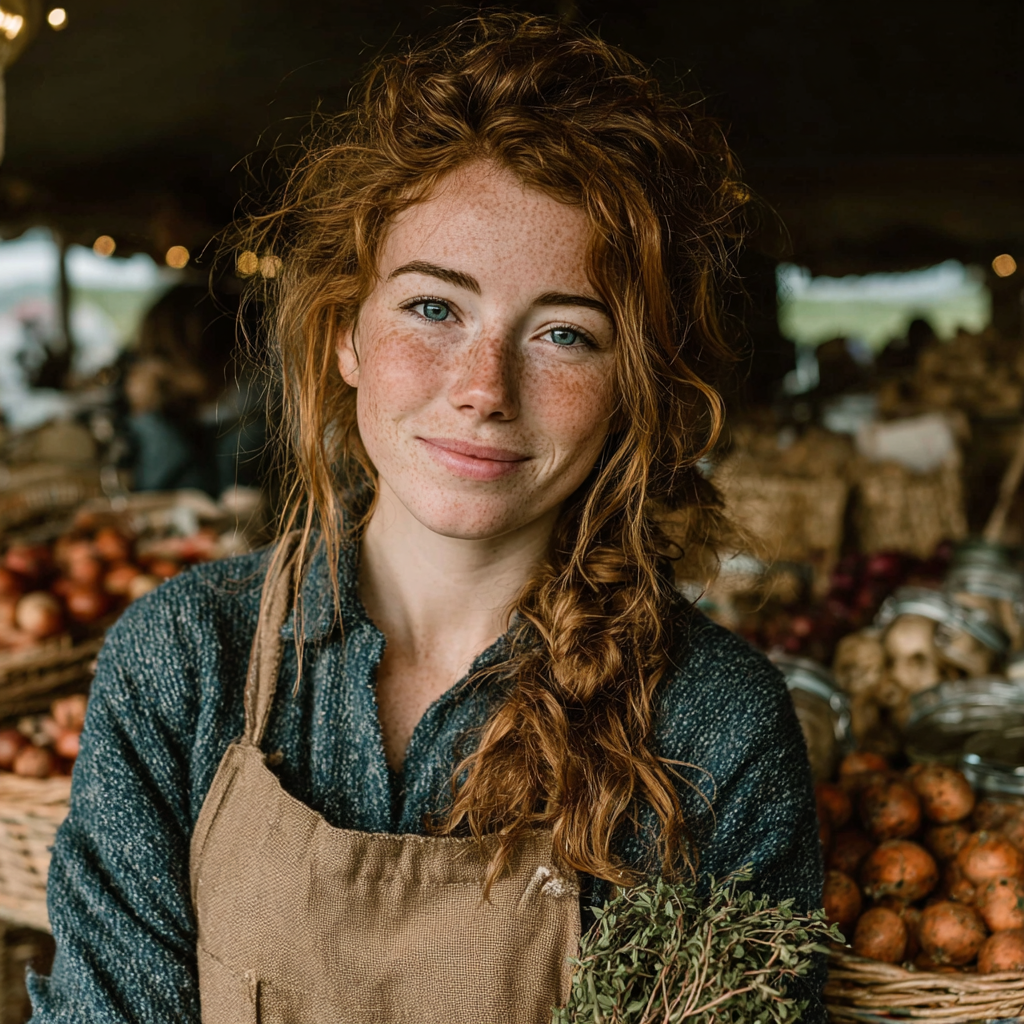
By Sophie Brennan
Irish food writer and historian based in Lisbon. Sophie combines her background in medieval history with a passion for contemporary gastronomy. She has written for Condé Nast Traveller and authored two cookbooks exploring Celtic and Iberian culinary traditions.