
Genoa's Real Food: Where Dockworkers Eat, Bakeries Sell Focaccia by the Kilo, and the Owner Decides If You're Worth Cooking For
Most travelers treat Genoa as a staircase to somewhere else. They land at Cristoforo Colombo Airport, catch a train to Cinque Terre or Portofino, and never look back. The city they skip is the one that invented pesto, perfected focaccia, and built an entire cuisine around the hunger of sailors who spent months at sea eating salt cod and hardtack.
Genoa is Italy's most underrated food city. Not because the food is subtle. Because the city doesn't perform for tourists. There are no Piazza Navona-style restaurants with English menus and violinists. Instead, you get a working port where dockworkers eat at 6am before their shift, where bakeries sell focaccia by the kilo, and where an osteria might refuse to serve you because the owner doesn't feel like cooking that night.
I've been eating my way through Genoa for twelve years. The first time I came, I made the mistake every tourist makes — I tried to plan. I had a spreadsheet of restaurants, opening hours, reservation numbers. By day two, I'd abandoned all of it. Genoa doesn't work that way. The best meals I've had here were accidents: a farinata slice from a bakery I stumbled into because it started raining, a bowl of ciuppin at a harbor shack because the place I'd aimed for was closed for the owner's daughter's communion.
This guide is not a checklist. It's a way of eating. Follow it loosely, trust your hunger, and understand that in Genoa, the food is inseparable from the city's identity as a port, a republic, and a place that has always fed itself first and tourists second.
The Market: Where Everything Starts
Begin at the Mercato Orientale (Via XX Settembre 75/R, open Monday–Saturday 7:30am–1pm, 3:30pm–7:30pm; Sunday 7:30am–1pm). The building itself is worth the trip — an iron-and-glass structure from 1899 that was renovated in 2015 and now holds both traditional stalls and modern food counters. The architecture tells you something about Genoa: industrial, functional, beautiful without trying to be.
On the ground floor, find Fratelli Carli (stall 12, near the Via XX Settembre entrance) for olive oil pressed from Taggiasca olives grown in the hills behind the city. The oil here is peppery and grassy, nothing like the bland export version. A 500ml bottle costs €18-22, depending on the harvest year. Ask for the "riserva" — oil from older trees on steeper slopes, pressed within 24 hours of picking. It will ruin you for supermarket olive oil forever.
At Anfossi (stall 8, center aisle), buy pesto ingredients: Genovese basil from Pra (the microclimate there produces smaller, sweeter leaves), pine nuts from the slopes of the Maritime Alps, and aged Pecorino Sardo. The stallholders will tell you that real pesto never sees a blender. Mortar and marble, or nothing. A bunch of Pra basil costs €3.50 in summer, pine nuts run €8 for 100g, and a wedge of good Pecorino is €6. If you're making pesto at home, buy the marble mortar too — €25 for a small one, and it will outlast your kitchen.
The market's upstairs level has food counters where you can eat standing. Try the trippo at Tripperia La Rosetta (upstairs, counter 3, open Tuesday–Saturday 8am–2pm) — tripe stewed with tomatoes and white wine, a dish that dockworkers have eaten for centuries. A bowl costs €6 and comes with bread. Or go to Il Pesto di Pra (upstairs, counter 7, open daily 8am–3pm) for a plate of trofie al pesto, the hand-rolled pasta twists that catch the sauce in their ridges. A plate costs €8 and comes with a glass of house white. The trofie should be slightly firm, the pesto thin enough to coat without drowning, and the potatoes and green beans (cooked in the same water) should be soft enough to split with your fork.
Focaccia: The Real Breakfast of Champions
Focaccia is Genoa's breakfast. Not the thick, herbed stuff Americans call focaccia. Genovese focaccia is thin, about 1cm deep, dimpled by fingertips and slick with Ligurian olive oil. It's eaten plain, sometimes with a sprinkle of salt. The best comes from bakeries, not cafés.
Try Focacceria San Lorenzo on Via San Lorenzo 71 (open daily 7am–8pm, closed Sunday afternoon), where the dough is risen for 18 hours and the crust has the slight crunch of a well-baked pizza bianca. Order "una fetta" (a slice) for €1.50 and eat it walking. The traditional move is to dip it in your morning cappuccino at Caffè del Professore next door (Via San Lorenzo 53, open daily 6:30am–8pm), which sounds wrong until you try it. A cappuccino and focaccia costs €3 total, and it's the breakfast of half the neighborhood.
For something different, try focaccia di Recco at Manuelina in Recco, a 25-minute train ride east (Via Roma 296, Recco; open Wednesday–Monday 11am–10pm, closed Tuesday). This is the famous cheese-stuffed version — two paper-thin layers of dough with fresh stracchino cheese melted between them. It's baked in a wood-fired oven until the edges blister and the cheese oozes. A portion for two costs €16, and it's worth the train ride. Call ahead to reserve: +39 0185 74008.
Farinata and Other Working-Class Treasures
Farinata is another Genovese staple that deserves more attention. It's a chickpea flour pancake, baked in a wood-fired oven until the edges crisp and the center stays creamy. The classic version is plain, but look for places that do farinata con cipolle (with onions) or farinata di zucca (with pumpkin).
At Antica Sciamadda in the historical center (Via San Giorgio 14/R, open Monday–Saturday 9am–8pm, closed Sunday), they've been making it since 1954. A slice costs €2.50 and is served on wax paper. Eat it hot, standing at the counter. The texture should be custardy inside, with a blistered, almost burnt top. The oven here is original — the same one from 1954, fed with beech wood that gives the farinata its smoky edge.
Also try panissa, which is essentially the same batter as farinata but cut into blocks and fried until golden. At Friggitoria San Giorgio (Via San Giorgio 32, open Monday–Saturday 10am–8pm), a block of panissa costs €2 and comes with a squeeze of lemon. It's starchy, crispy, and deeply satisfying — the kind of food that powered dockworkers through twelve-hour shifts.
The Caruggi: Eating in the Belly of the City
For sit-down meals, head to the caruggi — the narrow alleyways of the old town. This is where Genoa's food culture lives most authentically, in restaurants that haven't changed their menus in decades and wouldn't dream of translating them.
Trattoria da Maria (Vico Testadoro 14/R, near Piazza delle Erbe; open Tuesday–Saturday 12pm–2:30pm, 7pm–10pm; closed Sunday and Monday) has been run by the same family since 1973. No reservations, no credit cards, no menu in English. Arrive at 12:30pm for lunch or 7:30pm for dinner, or wait outside with the locals. Order the pansoti in salsa di noci (pasta filled with wild herbs and ricotta, dressed with walnut sauce), the cappon magro (a layered salad of seafood, vegetables, and hardtack soaked in olive oil and vinegar), and the stoccafisso in umido (salt cod stewed with tomatoes and olives). The pansoti are made fresh each morning and the walnut sauce is ground by hand. A full meal with wine runs €25-30 per person. Cash only.
Antica Osteria del Porto (Calata Andalò di Negro 9, near the harbor; open Tuesday–Saturday 12pm–2:30pm, 7pm–10:30pm; closed Sunday and Monday) specializes in ciuppin — Genoa's answer to bouillabaisse. The broth is lighter than the French version, made with rockfish, tomatoes, white wine, and a splash of Genovese olive oil. It's served with toasted bread rubbed with garlic. The restaurant has been here since 1968 and the walls are covered with photos of fishermen. Order the mixed antipasto di mare first: marinated anchovies, octopus salad, and mussels dressed simply with lemon and parsley. The anchovies are local, from the waters off the Ligurian coast, and they're prepared scabeccio style — fried then marinated in vinegar, garlic, and sage. A full meal costs €35-40 per person.
Trattoria dell'Acciughetta (Piazza delle Erbe 7/R; open Monday–Saturday 12pm–2:30pm, 7pm–10:30pm; closed Sunday) is a locals' favorite that tourists rarely find. The name means "little anchovy," and the anchovy dishes here are exceptional — try the acciughe ripiene (anchovies stuffed with breadcrumbs, parsley, and parmesan, then baked). The trenette al pesto (flat pasta similar to linguine, with pesto) is also excellent, and the portion sizes are generous. A meal with wine costs €22-28 per person. They take reservations: +39 010 246 8464.
Modern Genoa: The New Guard
For a modern take on Ligurian food, go to Soho in the Carmine district (Piazza Alimonda 12/R; open Tuesday–Saturday 7:30pm–10:30pm, closed Sunday and Monday; reservations essential: +39 010 099 3795). Chef Luca Collami grew up in Genoa, trained in Copenhagen, and returned to open a restaurant that treats local ingredients with Nordic precision. The menu changes daily based on what the fishermen bring. Expect dishes like raw red shrimp with lemon zest and Taggiasca olive oil, or pasta with sea urchin and wild fennel. A tasting menu is €65, which is expensive for Genoa but reasonable compared to Milan or Florence. There are only 22 seats, and they're full most nights.
Eataly Genova (Via XII Ottobre 11, in the former Magazzini del Cotone; open daily 10am–11pm) is worth a visit not for the restaurant but for the food hall. The building is a converted cotton warehouse in the Porto Antico, and the selection of Ligurian products is comprehensive. This is where you buy your souvenirs: pesto in glass jars (€4-8 depending on size), Taggiasca olive oil (€15-25), local wines, and canestrelli biscuits. It's more expensive than the market but more convenient if you're catching a train.
Drinking in Genoa: Wine, Vermouth, and the Art of the Aperitivo
Wine in Genoa means Liguria, which most Italians dismiss as an afterthought. They're wrong. The Cinque Terre produces white wines from Bosco, Albarola, and Vermentino grapes that are crisp, saline, and perfect with seafood. Look for labels from Walter de Battè or Possa. A bottle at a restaurant costs €22-28; at Eataly, €14-18.
From the hills behind Genoa, try Rossese di Dolceacqua — a light red that drinks almost like a dark rosé, with notes of rose and wild strawberry. It works with both fish and meat. For dessert wine, order Sciacchetrà, the passito from Cinque Terre made by drying grapes on straw mats. It's honeyed and complex, nothing like cheap Moscato. A glass at a good restaurant costs €8-12.
Don't skip the aperitivo culture. Genoese aperitivo is less performative than Milan's. No massive buffets of sad pasta salad. Instead, you get a drink and a small plate of something good.
Go to Caffè degli Specchi in Piazza De Ferrari 4 (open daily 7:30am–11pm), a historic café that opened in 1908. Order a Biancosarti on the rocks — an artichoke-based amaro that tastes like liquid bittersweet herbs — and get a plate of anchovy-stuffed olives. Or try a glass of Punt e Mes, the vermouth that was invented in Turin but is more popular here than anywhere. It's darker and more bitter than standard sweet vermouth, and it's served with a slice of orange and a splash of soda. An aperitivo costs €6-8.
For something local and harder to find, seek out Chinato — a Barolo-based aperitif infused with quinine bark, ginger, and citrus. It's complex, slightly medicinal, and deeply Italian. Try it at Vino e Farinata (Via San Giorgio 20, open Monday–Saturday 6pm–11pm), a tiny wine bar that specializes in natural wines and serves farinata as bar snacks. A glass of Chinato costs €5, and the owner will talk your ear off about natural wine if you let him.
Dessert: Sweet Endings, Genovese Style
For dessert, Genoa has its own traditions. Canestrelli are flower-shaped shortbread biscuits made with butter and lemon zest, sold at pastry shops throughout the city. Try them at Romanengo (Via Soziglia 74/R; open Tuesday–Saturday 9am–12:30pm, 3:30pm–7:30pm; closed Sunday and Monday), a confectionery that has been operating since 1780. A box of 12 costs €8, and they're the perfect gift — delicate, fragrant, and genuinely local.
Or order pandolce, the Genovese Christmas cake that's studded with raisins, pine nuts, and candied fruit. It's denser than panettone and stays fresh for weeks, which is why sailors carried it on long voyages. At Pasticceria Liquoreria Marescotti di Cavo (Via Cavo 56/R; open Tuesday–Saturday 8:30am–12:30pm, 3:30pm–7:30pm; closed Sunday and Monday), a shop that dates to 1780, they still make it by hand during the holiday season. Outside December, try the pandolce basso — a flatter, everyday version that locals eat year-round. A slice costs €3.
Gelato in Genoa is not an afterthought. Go to Gelateria Profumo (Piazza della Raibetta 21/R; open daily 11am–11pm, closed Wednesday in winter). The pistachio here is made with Sicilian pistachios, not the cheap almond-paste stuff, and the lemon sorbet tastes like someone squeezed actual lemons into your cone. A small cone costs €2.50. The owner, Profumo himself, is usually behind the counter and will insist you taste three flavors before deciding.
What to Skip
The restaurants on Via San Lorenzo near the cathedral. These are tourist traps with laminated menus in six languages. The food is mediocre, the prices are inflated, and the pesto comes from a jar. Walk two streets in any direction and eat better for half the price.
The Porto Antico tourist restaurants. The harbor area that Renzo Piano redeveloped is beautiful to walk through, but the restaurants facing the water are overpriced and underwhelming. The exception is Eataly, which is at least honest about what it is. For real harbor food, walk 10 minutes east to the working port area near Calata Andalò di Negro.
Anything calling itself "authentic pesto experience" or offering pesto-making classes. Real Genovese pesto takes years to master, and a 45-minute class with a blender and supermarket basil is not it. Buy the ingredients at Mercato Orientale, watch a YouTube video from a nonna in Pra, and practice at home.
Dining after 10pm. Genoa closes early by Italian standards. Many trattorias stop serving by 10pm, and the city is not built for nightlife tourists. Plan your main meal for lunch or an early dinner, and use the evening to walk off the focaccia along the Porto Antico.
Monday dining. Many of the best traditional restaurants close entirely on Mondays, and those that open often have limited menus. Plan your food crawl for Tuesday through Sunday.
The Soul of the City: Why Genoa's Food Matters
Genoa's cuisine is inseparable from its geography and history. The city is a thin strip of flat land between mountains and sea, with no hinterland to speak of. For centuries, Genoa fed itself from the sea and from what could be grown on steep terraced hillsides. The result is a cuisine of intensity: concentrated flavors, preserved ingredients, and techniques designed to make the most of limited resources.
Pesto exists because basil grows well in the sheltered microclimate of Pra, and because sailors needed a sauce that could be made quickly and didn't require cooking. Focaccia is the original fast food — bread and olive oil, baked and eaten within hours. Stoccafisso (salt cod) became central to the diet because it was cheap protein that could survive months at sea. Even the city's famous architecture — the tall, narrow palazzi — reflects this relationship with food: buildings were designed to maximize limited space, just as recipes were designed to maximize limited ingredients.
When you eat in Genoa, you're not just having a meal. You're participating in a thousand-year-old negotiation between a city and its environment. The dockworker eating tripe at 6am, the baker pulling focaccia from an oven at midnight, the nonna grinding pesto in a marble mortar — these are not quaint traditions. They're survival strategies that happen to taste extraordinary.
Practical Logistics
Getting There: Fly into Cristoforo Colombo Airport (GOA), 7km west of the city. The Volabus shuttle (€6, 30 minutes) runs every 30 minutes to Piazza Principe and Brignole stations. Taxis to the center cost €25-30 fixed rate. Genoa is also well-connected by train: 1.5 hours from Milan, 3 hours from Florence, 5 hours from Rome.
Getting Around: The historical center is best explored on foot, but the caruggi are a maze. Google Maps struggles here, and the locals navigate by memory. If you're heading to a specific restaurant, leave 10 minutes extra. The city is hilly — wear comfortable shoes. Public buses (€1.50 for 100 minutes) cover the wider city, and the Metropolitana di Genova (subway) connects the center to the suburbs.
Best Time to Visit: April–June and September–October. July and August are hot and humid, and many restaurants close for summer holidays (ferragosto, around August 15). November–March can be rainy, but the city is quieter and restaurants are more likely to have space.
Language: English is not widely spoken in the traditional restaurants. Learn these phrases: "Un tavolo per due" (a table for two), "Il conto, per favore" (the check, please), "Posso pagare in contanti?" (Can I pay in cash?). A few words of effort go a long way.
Cash vs. Cards: The traditional places — the ones worth eating at — often don't take cards. Carry €100-150 in cash per day. ATMs are plentiful in the center.
Tipping: Not expected. Round up to the nearest euro or leave €2-3 for good service. Don't tip 15-20% — it's not the custom and will mark you as a tourist.
Safety: The caruggi are generally safe but poorly lit at night. Stick to main alleys after dark, and avoid the area around Via Prè late at night. Pickpocketing is rare but not unheard of in tourist areas.
What to Bring Home: A jar of pesto from Mercato Orientale (€8-12), a bottle of Taggiasca olive oil from Fratelli Carli (€18-22), a bag of canestrelli from Romanengo (€8), and a bottle of Rossese di Dolceacqua from Eataly (€14-18). If you bought the marble mortar (€25), pack it carefully — it's heavy.
Emergency Numbers: Police 113, Medical Emergency 118. For restaurant recommendations on the fly, the staff at your hotel or the tourist office (Via Garibaldi 12, open daily 9am–6pm) can help, though their suggestions tend toward the tourist-friendly.
About the Author
Sophie Brennan has been writing about food and culture for eighteen years. She has eaten her way through thirty-seven countries but keeps returning to Italy, where she believes the best meals are never planned. She lives in Lisbon between research trips and is currently working on a book about the food traditions of Mediterranean port cities. In Genoa, she has been known to eat focaccia for breakfast, lunch, and dinner — sometimes all in the same day.
Leave room in your suitcase. Buy a jar of pesto from Mercato Orientale, a bottle of Taggiasca olive oil from Fratelli Carli, and a bag of canestrelli from Romanengo. These are the flavors of a port city that has been feeding sailors and traders for a thousand years. The rest of Italy gets the glory. Genoa gets the recipes.
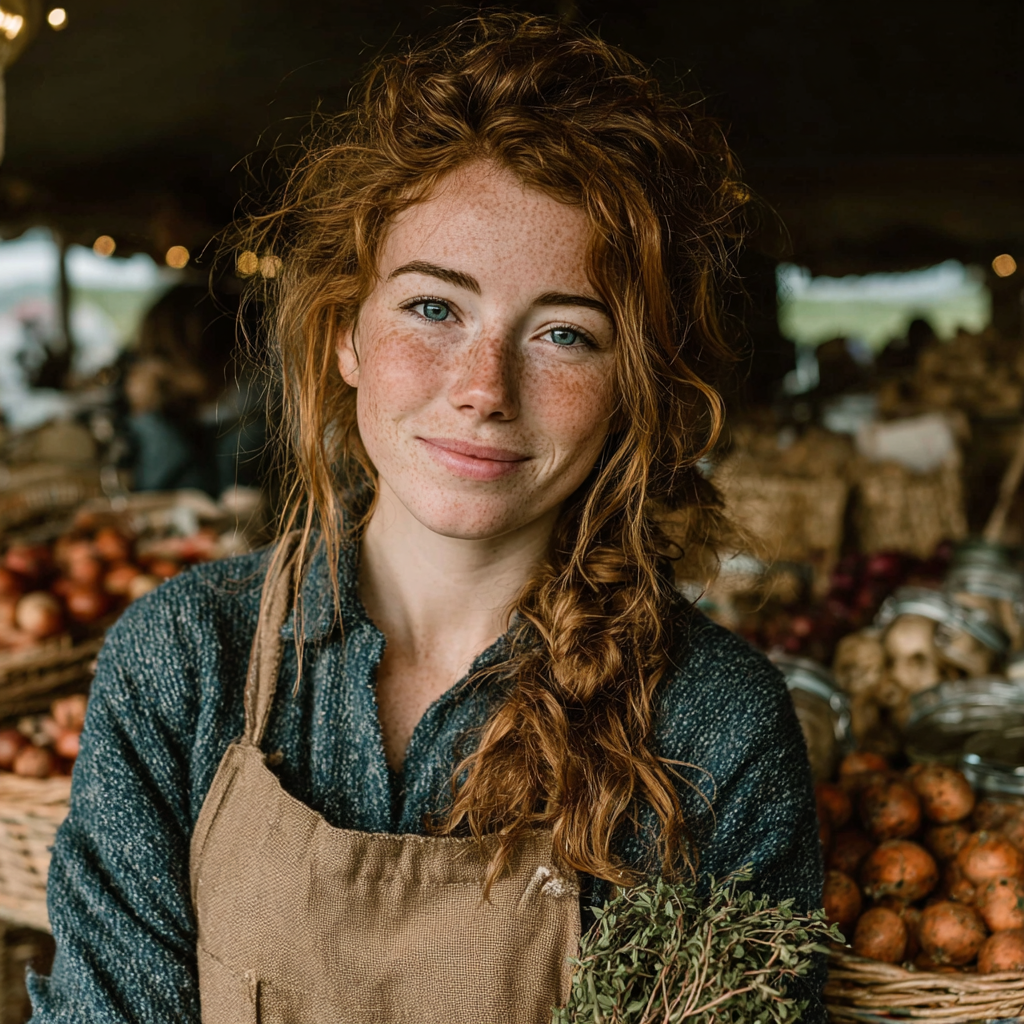
By Sophie Brennan
Irish food writer and historian based in Lisbon. Sophie combines her background in medieval history with a passion for contemporary gastronomy. She has written for Condé Nast Traveller and authored two cookbooks exploring Celtic and Iberian culinary traditions.