
Most travelers come to Florence for the Renaissance. They queue for hours at the Uffizi, crane their necks at the Duomo, and leave thinking they've experienced the city. They haven't. Florence is a city that runs on tripe, Tuscany's greatest wines, and the stubborn belief that butter has no place in proper cooking.
The local cuisine—cucina povera elevated to art form—predates the Medici and outlasts every tourist trend. This is the city that gave the world Chianti Classico, bistecca alla fiorentina, and the paradox of paying €1.50 for the best gelato of your life while a mediocre panino costs €8 near the Ponte Vecchio.
Meet Your Guide: Sophie Brennan
I came to Florence for a semester abroad and stayed for three years. I learned to drink espresso without sugar, to identify proper ribollita by the consistency of the bread crust, and to accept that lampredotto is not only edible but genuinely delicious. I've eaten at every restaurant in this guide multiple times. The prices and hours are current as of mid-2026. I still return to Florence every few months, and I update this guide accordingly. If you find a place closed or a price changed, let me know. Food this good deserves accuracy.
The Florentine Food Philosophy
Florentine cooking is not Italian cooking. It is Tuscan cooking, and that distinction matters. Tuscany is a land of rolling hills, olive groves, and sheep pastures. The cuisine developed from what the land produced: olive oil instead of butter, sheep's milk cheese instead of cow's milk, wild boar instead of veal, bread made without salt (a historical quirk dating to a medieval tax on salt).
Cucina povera—poor people's cooking—is the foundation. It is not a trend here. It is a methodology: use everything, waste nothing, transform humble ingredients through time and technique. The result is ribollita, a bread-and-bean soup that improves over three days of reheating. It is pappa al pomodoro, stale bread soaked in tomato until it becomes porridge. It is lampredotto, the fourth stomach of a cow, simmered until tender and served on a roll dipped in cooking broth.
This guide is organized thematically, not by day. Florence rewards the wandering eater. Walk between neighborhoods, eat standing at bars, save your sit-down meals for the evenings. The best food days in this city involve no itinerary at all—just appetite and curiosity.
The Morning Ritual: Coffee and Pastry
Florentines don't do breakfast. They do caffeine with strategic caloric support. The ritual is precise: stand at the bar, order quickly, consume efficiently, leave. Sitting down doubles the price. This isn't rudeness—it's choreography developed over centuries.
Caffè Gilli (Via Roma 1r, Piazza della Repubblica) claims to be Florence's oldest café, operating since 1733. The marble interior smells of roasted beans and old money. Hours: daily 7:00 AM–10:00 PM. Order a caffè macchiato and a sfoglia con ricotta—a flaky pastry filled with sheep's milk ricotta and candied orange peel. The combination costs around €3.50 standing. The same order at a table runs €8. During Carnevale season (January through February), their fritelle di riso—little rice-pudding fritters—are among the best in the city.
For something less grand, Caffè Rivoire (Piazza della Signoria 4r) has occupied the same corner since 1872. Hours: daily 8:00 AM–10:00 PM. Their hot chocolate—thick enough to stand a spoon in—is the genuine article, made from Venezuelan cacao and served with unsweetened whipped cream. It's €5.50 and worth every cent for the view of the replica David and the passing parade of tourists taking identical photos. Their schiacciate di Firenze, a local sponge cake, is also excellent.
Vincenzo (Via della Spada 30r), near the Santa Maria Novella station, attracts locals heading to work. Hours: Monday–Saturday 6:30 AM–8:00 PM, Sunday 7:00 AM–1:00 PM. The cornetto here isn't the French croissant transplanted south—it's lighter, less buttery, often filled with pistachio cream or apricot jam. A caffè and cornetto costs €2.20. The owner recognizes regulars by their order. After three mornings, he'll recognize you too.
Pasticceria Nencioni (Via dei Renai 24r, near Mercato Sant'Ambrogio) is chaotic, crowded, and perfect. Hours: Tuesday–Sunday 7:00 AM–8:00 PM, Monday closed. This is where locals who care about pastry actually go. Their fritelle di riso during Carnevale are exceptional. A cappuccino and pastry costs €3.50 at the bar. The pistachio cream cornetto is the correct order.
Ditta Artigianale (Via del Canto Rivolto 7r, near Piazza della Signoria) represents Florence's third-wave coffee movement. Hours: daily 8:00 AM–10:00 PM. If you need a flat white, a pour-over, or a brunch menu that includes eggs, this is your place. The coffee is excellent, though the pastries are not at Nencioni's level. A pour-over costs €4. Brunch runs €12–18.
The Sacred Sandwich: Lampredotto
Florence's definitive street food is boiled cow stomach served on a roll. Before you recoil, understand that lampredotto has sustained Florentine workers since the 15th century. It's tender, savory, and when properly prepared with salsa verde and chili oil, transcends its humble origins.
Nerbone (Mercato Centrale, ground floor, Via dell'Ariento) has been serving lampredotto since 1872. Hours: Monday–Saturday 7:00 AM–2:00 PM, Sunday closed. The market stall has no seats—lean against the counter with your €4 sandwich and watch the butchers nearby work through entire carcasses with surgical precision. The lampredotto here is simmered for hours until it resembles overcooked pasta in texture, not rubber. The bread is dipped in the cooking broth before assembly. Ask for "con tutto"—with everything. They also serve brisket sandwiches and, on certain days, duck ragù pappardelle.
Tripperia Pollini (Via Sant'Antonino 4r) offers a slightly more refined experience with actual stools. Hours: Monday–Saturday 10:00 AM–3:00 PM, Sunday closed. Their lampredotto panino costs €5 and comes with a choice of sauces. The traditional salsa verde—parsley, capers, anchovy, and bread soaked in vinegar—is the correct answer.
Il Trippaio di San Frediano (Piazza de' Nerli, near Porta San Frediano) serves lampredotto, trippa (another stomach variety), and the rarest of all: milza (spleen). Hours: Monday–Saturday 11:00 AM–8:00 PM, Sunday closed. The milza panino is €6 and tastes like irony, mineral-rich liver. It's not for everyone, but neither is Florence. The cart on Via Gioberti and the one in Piazza delle Cure are also reliable, though hours vary.
Panino Tondo (Piazza del Duomo area, Via dei Servi 75r) offers a modern, slightly sanitized take on Florentine street food. Hours: daily 10:00 AM–9:00 PM. The lampredotto here is good, but the real move is the panino con bollito—boiled beef with salsa verde on the same crusty roll. It costs €6 and occupies my dreams. This is one of the first things I eat when I arrive and one of the last.
The Art of the Aperitivo
The spritz has conquered Italy, but Florence maintains local traditions. The Negroni was invented here in 1919 at Caffè Casoni when Count Camillo Negroni requested an Americano with gin instead of soda. The city takes this heritage seriously.
Caffè Giacosa (Via della Spiga 15r—though note: the original Casoni location history is sometimes disputed, and Giacosa claims the heritage) occupies a historic space. Hours: daily 8:00 AM–11:00 PM. The Negroni costs €12 and arrives in a heavy crystal glass with an orange peel expressed over the surface. It's precise, balanced, and stronger than you expect. The interior—Art Nouveau mirrors, polished brass, marble floors—justifies the price.
Le Volpi e l'Uva (Piazza de' Rossi 1, near Piazza Pitti) is a wine bar that predates the aperitivo trend by decades. Hours: Monday–Saturday 11:00 AM–11:00 PM, Sunday closed. The focus here is natural wines from small Tuscan producers—orange wines from Trebbiano, skin-contact Vernaccia, Sangiovese fermented in amphora. Glasses run €6–12. The crostini with chicken liver pâté (€8) is a Tuscan classic: rich, slightly metallic, spread thick on unsalted bread.
Dito (Via dei Neri 19) offers aperitivo with actual food rather than the sad buffet of soggy pasta that plagues tourist bars. Hours: daily 6:00 PM–11:00 PM. For €15, you get a cocktail and access to small plates—pecorino aged in walnut leaves, finocchiona salami, marinated white beans. The standing room only policy means you'll meet your neighbors. Arrive before 7:00 PM or wait.
SE·STO on Arno (Piazza Ognissanti 3, rooftop of The Westin) is where I go when someone else is paying. Hours: daily 12:00 PM–1:00 AM. The Negroni is €18, the view over the Arno at sunset is priceless. Come for one drink, then go eat somewhere real.
Bistecca alla Fiorentina: The Main Event
The T-bone steak defines Florentine cuisine. It comes from Chianina cattle, aged at least 20 days, cooked exclusively over charcoal, served rare—"al sangue"—and weighed by the etto (100 grams) before cooking. A proper bistecca for two starts at 1.2 kilograms and costs €60–80. Anything cheaper involves inferior beef or smaller portions.
Trattoria Mario (Via Rosina 2r, near Mercato Centrale) has operated since 1953 with communal tables and no reservations. Hours: Monday–Saturday 12:00 PM–3:00 PM and 7:00 PM–10:00 PM, Sunday closed. The bistecca arrives unceremoniously on wax paper, seared black outside, raw red inside, seasoned only with olive oil and sea salt after cooking. The 1-kilogram portion for two costs €55. Side dishes—white beans, spinach sautéed in garlic—are ordered separately and served family-style. Arrive at 12:00 PM or 7:00 PM sharp. By 7:30 PM, the line stretches down the street.
Perseus (Via dei Federighi 3r) grills over oak rather than charcoal, imparting a subtle sweetness. Hours: Tuesday–Sunday 12:30 PM–2:30 PM and 7:30 PM–10:30 PM, Monday closed. The meat here is exceptional—dry-aged, deeply flavored, with fat that melts on your tongue rather than congealing. A 1.2-kilogram steak for two runs €72. The interior resembles a hunting lodge; the waiters have worked there for decades. Reservations essential.
Trattoria 4 Leoni (Via del Vellutini 1r) in the Oltrarno offers a more restrained experience. Hours: Tuesday–Sunday 12:30 PM–2:30 PM and 7:30 PM–10:30 PM, Monday closed. The bistecca is still proper—Chianina beef, wood fire, rare—but the setting is quieter, the wine list more curated. The 1-kilogram portion costs €68. Reserve a week ahead. Their pear ravioli with pecorino and asparagus is also excellent, particularly in spring.
l'Osteria di Giovanni (Via del Moro 22r, Oltrarno) is where I take people who want the steak experience without the hunting-lodge vibe. Hours: Tuesday–Sunday 12:00 PM–2:30 PM and 7:00 PM–10:30 PM, Monday closed. The bistecca is €70 per kilogram, perfectly executed, and the dining room is civilized. The pappa al pomodoro is also exceptional here.
Pasta Beyond the Red Sauce
Florentine pasta traditions diverge from the tomato-heavy south. The city's signature dishes rely on meat ragùs, wild boar, and the peppery bite of local olive oil.
Trattoria Sabatino (Via Pisana 2r) has been family-owned since 1956. Hours: Monday–Saturday 12:00 PM–3:00 PM and 7:00 PM–10:30 PM, Sunday 12:00 PM–3:00 PM. Their pappa al pomodoro—tomato and bread soup thickened into porridge—tastes of late summer and desperation, a dish invented to use stale bread. The pici al ragù—thick hand-rolled spaghetti with meat sauce—costs €12 and requires a fork and spoon to eat properly. No reservations; arrive at 12:30 or wait. This is non-fussy, honest food at its best.
Osteria del Cinghiale Bianco (Borgo San Jacopo 43r, Oltrarno) specializes in wild boar. Hours: Tuesday–Sunday 12:30 PM–2:30 PM and 7:30 PM–10:30 PM, Monday closed. The tagliatelle al cinghiale (€16) features meat braised for hours in red wine until it collapses into sauce. The flavor is intense—gamey, earthy, slightly sweet from the wine reduction. The restaurant occupies a 14th-century building with original wooden beams and stone floors. Reserve ahead.
Il Latini (Via dei Palchetti 6r) is a tourist institution that somehow maintains quality despite the crowds. Hours: Tuesday–Sunday 12:30 PM–2:30 PM and 7:30 PM–10:30 PM, Monday closed. The mixed antipasto—prosciutto, finocchiona, pecorino, crostini—arrives without ordering, piled on paper. The ribollita—cabbage and bean soup baked under bread—costs €10 and improves over three days of reheating, as tradition demands. The bistecca here is acceptable but overpriced at €75 per kilogram. Come for the atmosphere, the wine served in glass pitchers, and the old men singing at the corner table.
Osteria Vini e Vecchi Sapori (Via dei Magazzini 7r, near Piazza della Signoria) is a tiny, perfect room run by a family who has been doing this for decades. Hours: Tuesday–Saturday 12:30 PM–2:30 PM and 7:30 PM–10:00 PM, Sunday and Monday closed. The pappa al pomodoro is the best in the city. The bistecca is excellent. The pear ravioli with pecorino is a signature. No reservations taken; arrive at opening or wait outside. This is my favorite restaurant in Florence.
Wine: Tuscany in a Glass
You cannot eat in Florence without drinking wine. It is not optional; it is structural. The wine is how you understand the food. A glass of Chianti Classico with bistecca is not a pairing—it is a completion.
Enoteca Pitti Gola e Cantina (Piazza Pitti 16) is a proper wine bar with a list that spans Tuscany from Chianti to Brunello to Bolgheri. Hours: Tuesday–Sunday 11:00 AM–11:00 PM, Monday closed. Glasses run €8–18. The staff knows their list and will guide you. The tagliere—cheese and salumi board—is excellent. This is where I go to understand what I'm drinking.
Le Volpi e l'Uva (see above) is essential for natural wine. The Tuscan orange wine movement—white grapes fermented with skin contact, producing amber, tannic, complex wines—is happening here. Ask for recommendations. The staff is passionate and unpretentious.
Procacci (Via de' Tornabuoni 64r) has sold truffle products since 1885. Hours: Monday–Saturday 10:00 AM–8:00 PM, Sunday 11:00 AM–7:00 PM. Their panini tartufati—small rolls with truffle cream—cost €4 each and make an elegant snack while window-shopping on Florence's most expensive street. The truffle cream contains actual Tuber melanosporum, not synthetic flavoring. They also stock excellent wines by the bottle.
Mercato Centrale, Upstairs (Via dell'Ariento) has a wine bar that sells Chianti by the glass for €5–8. Hours: daily 9:00 AM–midnight. The selection is not curated, but the prices are fair and the atmosphere is lively. It is tourist-oriented but not worthless.
When ordering wine in a trattoria, look for the house wine by the carafe—"un quarto" (250ml) or "un mezzo" (500ml). It costs €4–8 and is usually local, honest, and perfect with the food. The expensive bottles are for tourists. The carafe is for Florentines.
Gelato: The Real Thing
Genuine gelato contains no cream, no eggs in most flavors, and no neon colors. It's milk, sugar, and flavoring—fruit, nuts, chocolate—churned slowly to incorporate minimal air. The result is denser than ice cream, served at a warmer temperature, and costs €2–4 depending on cup size.
Gelateria La Carraia (Piazza Nazario Sauro 25r, near Ponte alla Carraia) makes their gelato in-house daily from local ingredients. Hours: daily 11:00 AM–11:00 PM (midnight in summer). The crema di Giotto—based on the popular chocolate-hazelnut snack—tastes like childhood. The pistachio uses Sicilian nuts and actually tastes of something. The fragoline—wild forest strawberry—is exceptional in season. A small cup with two flavors costs €2.50.
Vivoli (Via dell'Isola delle Stinche 7r, near Santa Croce) has been family-operated since 1930. Hours: Tuesday–Sunday 8:00 AM–11:00 PM, Monday closed. They refuse to make stracciatella—"It's not traditional"—but their fior di latte (pure milk) and chocolate are benchmarks. The chocolate contains cocoa mass, not powder, resulting in bitterness rather than sweetness. A small cup is €3. Their affogato—gelato drowned in espresso—is the best in the city.
Gelateria Edoardo (Piazza del Duomo 45r) is the exception that proves rules can evolve. Hours: daily 10:00 AM–11:00 PM. They make cones fresh in the window, pressing the batter in a cast-iron press, rolling them while warm. The gelato itself is excellent—try the rose petal in spring—but watching the cone production justifies the slightly higher price (€4 for a small). The organic milk comes from their own farm.
Ara' (Via de' Macci 28r, near Sant'Ambrogio) is primarily a Sicilian street food spot, but their gelato—particularly the sheep's milk ricotta, pistachio, and wild strawberry—is among the best in Florence. Hours: daily 11:00 AM–10:00 PM. A small cup is €3. Their arancini are also excellent if you need savory sustenance.
Markets and Specialty Shops
Mercato Centrale (Via dell'Ariento) operates on two levels. The ground floor is the historic market—open Monday through Saturday, 7:00 AM to 2:00 PM. Butchers, fishmongers, produce sellers, and the tripe stands operate here. The upstairs food hall (open daily 9:00 AM to midnight) is tourist-oriented but not worthless. Individual stalls sell fresh pasta, wood-fired pizza, Chianti by the glass, and the inevitable overpriced truffle products. Come for the atmosphere, not the value. The ground floor is where you shop; the upper floor is where you snack.
Mercato Sant'Ambrogio (Piazza Ghiberti) is the local market. Hours: Monday–Saturday 7:00 AM–2:00 PM. It is smaller, cheaper, and more chaotic than Mercato Centrale. The produce is fresher, the vendors louder, and the crowd almost entirely Florentine. The trattoria da Rocco inside the market serves dirt-cheap, quality home-style Florentine fare. This is where I buy my pecorino, my porcini when in season, and my olive oil.
Pegna (Via dello Studio 8) is a specialty grocer operating since 1860. Hours: Monday–Saturday 9:00 AM–7:30 PM, Sunday closed. They stock aged balsamic vinegars from Modena (the 25-year variety costs €85 for 100ml), dried porcini mushrooms, and the full range of Italian pasta shapes unavailable elsewhere. It's worth visiting for the packaging alone—everything wrapped in paper, tied with string, weighed on mechanical scales.
Forno Canapa di Bruschi Ivana (Via San Antonino 4r, behind San Lorenzo Market) is a bakery that produces coccoli—fried, savory dough balls, especially the ones stuffed with mozzarella. Hours: Monday–Saturday 7:00 AM–7:30 PM, Sunday closed. They are hot, greasy, and perfect. A bag of three costs €3.
Friggitoria dell'Albero (Via dell'Albero 7r, near Santa Maria Novella station) is an off-path fried food stand. Hours: Monday–Saturday 11:00 AM–8:00 PM, Sunday closed. They do fried pizza, fried coccoli, and arancini. It is not healthy. It is not pretty. It is delicious.
What to Skip
The restaurants directly facing the Duomo. Every trattoria on Piazza del Duomo serves frozen food at tourist prices. The view is not worth €18 for microwaved pasta.
Gelaterias with mounded, brightly colored displays. If the pistachio is neon green, it contains no pistachio. If the lemon is bright yellow, it contains chemicals. Real gelato is matte, not shiny, and the colors are muted.
Any restaurant with a waiter standing outside urging you to enter. This is the universal signal of desperation. The food is frozen, the wine is overpriced, and the menu has photographs.
The "aperitivo buffet." Most tourist bars offer a €15 cocktail with access to a buffet of soggy pasta, wilting lettuce, and supermarket salami. The cocktail is watered down. The food has been sitting out for hours. Go to Dito instead.
The €20 personal-sized Florentine steak. A proper bistecca is charged by the kilogram, starts at 1 kilogram, and costs €55–75. Anything advertised for one person at €20 is disgraceful meat from a stressed animal. Skip it.
Caffè Scudieri near the Duomo. Yes, it is beautiful. Yes, the location is perfect. But the coffee is mediocre and the table service prices are insulting. If you must visit a historic café near a major monument, go to Gilli and stand at the bar.
Practical Logistics
When to eat: Florentines eat lunch at 1:00 PM and dinner at 8:00 PM. Arrive at a restaurant at 7:30 PM and you will be the only person there. Arrive at 9:00 PM and you might not get a table. Many trattorie close Sunday evening and all day Monday. Market stalls and street food vendors close by 2:00 PM or 3:00 PM. Plan your lampredotto accordingly.
Reservations: Essential Friday through Saturday for dinner at any reputable trattoria. Trattoria Mario takes no reservations—arrive at opening. Trattoria 4 Leoni and Osteria del Cinghiale Bianco require booking a week ahead. Osteria Vini e Vecchi Sapori takes no reservations—arrive at 12:30 PM or 7:30 PM and wait.
Getting around: Florence is walkable. The historic center is compact, and the best food is found on foot. The Oltrarno (south of the Arno) is where the locals eat. Cross the Ponte Vecchio or Ponte Santa Trinita and explore. Santo Spirito, San Frediano, and Borgo San Jacopo are where the real restaurants hide.
Money: The cover charge (pane e coperto, €1–3 per person) is legal and standard—it is not a tourist scam. Tipping is not expected; service is included. Water comes still (naturale) or sparkling (frizzante); tap water is not served unless specifically requested. Many small trattorie do not accept cards. Carry cash.
Language: A few words matter. "Al banco" means at the bar. "Al tavolo" means at a table. "Un caffè" is an espresso. "Un macchiato" is espresso with a drop of milk. "Un quarto di vino" is a quarter liter of house wine. "Con tutto" means with everything on your lampredotto.
Seasonal eating: Autumn is porcini mushroom season. Spring brings wild asparagus and young pecorino. Summer means tomatoes worth eating and gelato at midnight. Winter is ribollita season—cabbage, beans, and bread, made to warm you from the inside. Florence is good to eat in year-round, but each season offers something specific.
The final word: The best meals in Florence rarely happen in restaurants with English menus. They happen in places where you're the only non-Italian, where the waiter doesn't smile, and where the food arrives without flourish because it's simply what the kitchen does every day. Look for handwritten menus, local wine by the carafe, and the absence of any website. Those places don't need to advertise. They've been full since the Medici ruled.
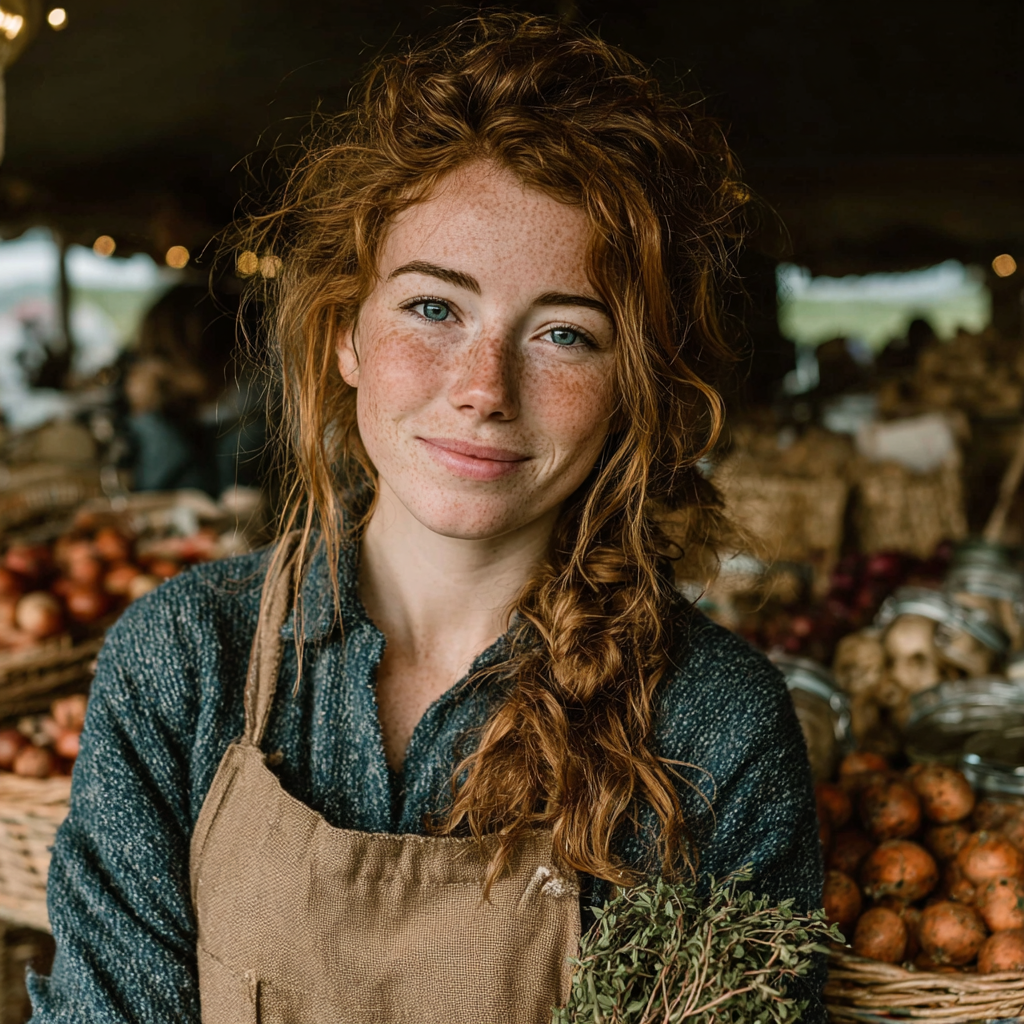
By Sophie Brennan
Irish food writer and historian based in Lisbon. Sophie combines her background in medieval history with a passion for contemporary gastronomy. She has written for Condé Nast Traveller and authored two cookbooks exploring Celtic and Iberian culinary traditions.