
Bologna: Where Tagliatelle Has a Legal Width, Mortadella Comes in Tree-Trunk Cylinders, and the Oldest University in Europe Still Shapes What You Eat
About This Guide
Sophie Brennan has been eating her way through Italy for fifteen years, and Bologna is the city that keeps pulling her back. Not for the monuments—though those are fine—but for the kitchens. She has eaten tagliatelle al ragù in every neighborhood, argued about Lambrusco with bartenders who take it personally, and learned the hard way that a Bologna trattoria without a queue is probably not worth finding. This guide is what she tells friends when they ask where to eat. It is not comprehensive. It is honest.
The City That Invented Itself
Bologna does not care what you think you know about Italian food. The city Italians call La Grassa—the Fat One—has been feeding itself for nine centuries, and it has no patience for shortcuts.
The first thing to understand is that Bologna is not a tourist city in the way Venice or Florence are. It is a working city of 400,000 people where the food culture runs so deep that it shapes the architecture, the economy, and the daily rhythm of life. The forty kilometers of porticoes that shelter the streets were built partly so that students from the University of Bologna—founded in 1088, the oldest in the Western world—could walk to lectures without getting wet. Those same students needed cheap, fast meals eaten standing up. The city built a food culture around that need, and it never stopped.
The result is a city where a €8 plate of pasta at a student osteria is made with the same technique as the €25 version at a trattoria with tablecloths. The difference is the room, not the skill.
What You Need to Know Before You Eat
The spaghetti bolognese problem: It does not exist here. What exists is tagliatelle al ragù: flat ribbons of egg pasta, exactly eight millimetres wide by regulation, dressed with a slow-cooked meat sauce that simmers for hours until the beef, pork, and tomato collapse into something darker and deeper than what most restaurants outside Emilia-Romagna serve. The Accademia Italiana della Cucina codified the recipe in 1972, and Bologna's cooks still treat it as scripture. If a menu offers "spaghetti bolognese," walk out.
Lunch runs from 12:30 to 2:30 PM. Dinner starts at 7:30 PM, though most locals arrive after 8:30. Reservations are essential on Friday and Saturday nights—call by Thursday if you want a table at the better trattorias. Many close Sunday evening and all day Monday. The Quadrilatero market stalls shut by 2:00 PM on Saturday and do not reopen until Monday morning.
The coperto: This €1-2 per-person cover charge appears on every bill. It covers bread and table service. It is not a scam. Budget for it.
Cash still matters. Many traditional trattorias prefer it, and some still do not take cards at all.
Tagliatelle and the Law
The ragù is the heart of Bolognese cooking, but the pasta is what makes it legal. Tagliatelle must be exactly eight millimetres wide when raw—regulation 14 of the Bologna Chamber of Commerce says so. This is not a joke. The city takes pasta geometry seriously.
You eat it at Trattoria Anna Maria on Via delle Belle Arti 17/a, where Anna Maria Monari has been making it since 1982. The dining room is small, the tables are covered in paper cloths, and the service is brisk because the room turns over fast. The tagliatelle arrives dressed in ragù that has been simmering since before you woke up. A plate costs €12-15. Hours: Lunch Tuesday-Saturday 12:30-3:00 PM; dinner 7:30-10:30 PM. Closed Monday. Phone: +39 051 266894. Reservations are essential, especially for dinner—book two to three days ahead.
For a cheaper, louder version, go to Osteria dell'Orsa on Via Mentana 1, near the university. The room is chaotic, the communal tables are shared with strangers, and the walls are covered in political posters that tell you exactly what kind of city this is. A plate of tagliatelle al ragù costs €10. House wine by the carafe is €5. Hours: Lunch 12:00-3:00 PM; dinner 7:00-11:00 PM. Open daily. No reservations—arrive by 7:00 PM on weekdays or queue 15-30 minutes. This is where students, professors, and construction workers eat side by side, and the atmosphere is half the reason to come.
Trattoria del Rosso on Via Augusto Righi 30 has been operating since 1964, serving enormous portions at prices that have barely moved in decades. The tagliatelle verde al ragù—green spinach pasta with the same slow-cooked meat sauce—is the specialty. A full meal with wine runs €15-20. Hours: 12:30-3:00 PM, 7:30-10:30 PM. Closed Sunday evening.
The Quadrilatero: A Medieval Market Still Working
The Quadrilatero is the medieval market district bounded by Via Drapperie, Via Pescherie Vecchie, and Via Clavature. It has been operating for close to a thousand years, and it looks it. Fresh pasta shops hang tagliatelle like curtains in open doorways. Salumerie stack mortadella in pink cylinders the size of tree trunks. The stalls open at 8:00 AM, and by noon the narrow streets smell of Parmigiano-Reggiano, aged balsamic vinegar, and freshly ground coffee.
This is where you come for lunch without a reservation. Paolo Atti & Figli on Via Caprarie 7 has been there since 1886, selling mortadella, fresh pasta, and tigelle—small round breads baked in a clay press. A mortadella sandwich costs €4-5. The shop opens at 8:30 AM and closes at 7:30 PM, Monday-Saturday.
Sfoglia Rina on Via Castiglione 5b makes fresh pasta to order. The tortelloni—the larger, ricotta-filled cousin of tortellini—are made while you watch. A plate costs €10-14. Open Monday-Saturday 9:00 AM-8:00 PM, Sunday 10:00 AM-2:00 PM. Expect to queue.
For a glass of wine in the market, Altro? on Via Pescherie Vecchie serves natural wines from small Emilian producers. A glass costs €5-7. They open at 11:00 AM and stay busy until late.
Mortadella: Bologna's Most Misunderstood Export
Outside Italy, mortadella becomes baloney—processed, bland, anonymous. In Bologna it is IGP-protected, made from finely ground pork shoulder studded with cubes of white fat and flavoured with myrtle berries and pistachios.
A thick slice, still warm from the blade, eaten with a piece of warm tigella bread at Paolo Atti & Figli is a different food entirely. The recipe has not changed since 1886.
For the mortadella experience taken seriously, visit Mo' Mortadella Lab on Via de' Monari. They serve mortadella in sandwiches, on boards, and in combinations that make the case for it as Italy's most underrated cured meat. A sandwich costs €6-9. Open Monday-Saturday 10:00 AM-8:00 PM.
The University at the Table
Founded in 1088, the University of Bologna is the oldest in the Western world, and its students have shaped the city's food culture in ways that still show. The arcades that cover forty kilometres of streets were built partly for them. The tradition of cheap, fast, standing-room meals came from their needs.
Osteria del Sole on Via dei Ranocchi 43/d is the purest expression of this tradition. It has operated since 1465 and still does not serve food. You bring your own—cheese from the market, mortadella from a salumeria, bread from a bakery—and buy wine by the glass while standing at wooden barrels. The house wine is €3 a glass. The atmosphere is worth ten times that. Hours: Monday-Saturday 10:30 AM-9:30 PM. Closed Sunday.
The university district around Via Zamboni is where you eat when you do not have a reservation anywhere else. The food is honest, the prices are low, and the company is better than anywhere charging twice as much.
Tortellini and the Chamber of Commerce
Tortellini are another Bologna invention, and the local argument about their proper size is serious enough to have reached the Bologna Chamber of Commerce, which keeps a golden sample of the "correct" tortellino on display. The legend says the shape was modelled after Venus's navel. The reality is more practical: small enough to fit on a soup spoon, filled with a mixture of pork loin, prosciutto, mortadella, and Parmigiano, they are served in brodo—in a clear capon broth—or, less traditionally, with cream.
For the broth version, go to Trattoria Meloncello on Via Porrettana 187, just outside the city centre, where the kitchen simmers the stock overnight and the tortellini are made by hand each morning. A bowl costs €12-14. Hours: 12:30-2:30 PM, 7:30-10:00 PM. Closed Tuesday and Wednesday lunch. Reservations recommended: +39 051 614 3073.
Trattoria da Me on Via San Felice 50 is a ten-table operation where the grandmother cooks in the back and her daughter serves up front. The handwritten menu changes daily. Tortellini in brodo is the Sunday specialty. €10-12 for primi. No reservations—arrive at 12:30 PM or 7:45 PM and hope. Cash preferred.
Crescentina and the BYO Institution
Crescentina, also called gnocco fritto, are squares of fried dough that puff up into hollow pillows. They are eaten warm, split open, and stuffed with cured meats or soft cheeses. The best come from Osteria del Sole, where you bring your own fillings and eat them with cheap wine at wooden barrels.
For a sit-down version, Osteria Satyricon on Via dei Piatti 23 serves changing menus based on what the market offers that morning. The owner sources directly from producers in the Colli Bolognesi hills. A three-course meal with wine runs €35. Hours: 12:30-2:30 PM, 7:30-10:30 PM. Closed Sunday and Monday.
For something more traditional, Da Cesari on Via de' Carbonesi 8 has been operating since 1955, serving classic Bolognese cuisine to locals who eat alone reading newspapers at lunch. A three-course meal runs €25-35. Hours: 12:30-2:30 PM, 7:30-10:30 PM. Closed Sunday evening. Reservations recommended for dinner.
The Aperitivo That Started Here
The practice of serving a buffet of small plates with your evening drink started in Bologna before it spread to Milan and became a fashion statement. At Cafè Zanarini on Piazza Galvani 1, the aperitivo spreads cover entire tables: small sandwiches, fried vegetables, slices of mortadella, cubes of Parmigiano. A spritz costs €8 and comes with access to the food from 6:30 PM until 9:00 PM. The crowd is mixed—professors, students, locals who have been coming for thirty years.
Bar Calice on Via Clavature 13 offers aperitivo with views across Piazza Maggiore from its terrace seating. The buffet is generous, the wine selection is serious, and the people-watching is unmatched. Aperitivo runs €10-12. Open from 6:00 PM.
Coffee, Properly
Bologna has its own rules for coffee. Caffè Terzi on Via Oberdan 19 is the reference point. The owner, Roberto Terzi, is a former champion barista who roasts his own beans and will argue with you about extraction times if you give him an opening. An espresso costs €1.20. Drink it standing at the bar, as the locals do. A cappuccino after 11 AM marks you as a tourist. Hours: Monday-Saturday 7:30 AM-8:00 PM. Closed Sunday.
The Modern Markets
The Mercato di Mezzo, recently restored under the glass roof of a nineteenth-century iron market hall, brings together the city's best food vendors in one space. Mozzarellaria on the ground floor sells burrata flown in from Puglia each morning. The fresh pasta counter makes tortelloni to order. Upstairs, the wine bar serves natural wines from small Emilian producers. The market is open daily 8:30 AM-midnight, and it is the safest bet for a good meal without a reservation.
Mercato delle Erbe on Via Ugo Bassi is where locals actually shop. It is less polished than Mercato di Mezzo but more authentic. The upstairs food court has stalls selling everything from fresh pasta to craft beer. Open Monday-Saturday 7:00 AM-2:00 PM, Thursday and Friday also 5:00-8:00 PM.
Wines Worth Arguing Over
Lambrusco, the fizzy red from the plains east of Bologna, spent decades as a sweet, cheap punchline outside Italy. The real thing is dry, slightly bitter, and a perfect match for the city's rich food. Try it at Enoteca Italiana on Via Marsala 2/b, where the owner stocks twenty different producers and will pour you a glass of Lini 910 Labrusca for €4. Hours: Monday-Saturday 10:00 AM-1:00 PM, 4:00-8:00 PM.
For white, Pignoletto is the local grape—crisp, mineral, grown on the hills south of the city. A bottle at Osteria del Cappello on Via del Cappello 12 costs €18 and pairs with fried seafood better than anything from Tuscany. Hours: 12:00-3:00 PM, 7:00-11:00 PM. Closed Monday.
Day Trips Worth Skipping Dinner For
Bologna sits at the center of one of Italy's richest food regions, and several day trips are essential for anyone serious about understanding what makes this kitchen tick.
Modena is thirty minutes by train (€4-6). This is where the real balsamic vinegar comes from—aged for a minimum of twelve years in wooden barrels, reduced to a syrup so complex that it costs €50 for 100ml. Visit Acetaia di Giorgio (Via F.lli Rosselli 93, Modena) for a tasting and education in what aged balsamic actually is. Book ahead: +39 059 223 314.
Parma is an hour west by train (€8-12). The city that gave the world Parmigiano-Reggiano and prosciutto di Parma is worth a day of eating. Salumeria Garibaldi on Strada Garibaldi 42 in Parma is the reference point for both.
FICO Eataly World in Castel Guelfo is twenty minutes by train from Bologna Centrale. It is the largest food park in the world, built inside a former factory, and it houses production facilities where you can watch Parmigiano, mortadella, and pasta being made by hand. Entry is free. Tastings are not. Hours: Daily 10:00 AM-midnight.
What to Skip
- Restaurants on Piazza Maggiore with multilingual menus and photographs of the food. They are not terrible, but they are generic, and in a city this good at eating, generic is a crime.
- Any place advertising "spaghetti bolognese." If they do not know the name of their own city's signature dish, they do not know how to cook it.
- The restaurants near the train station that stay open all afternoon. In Bologna, a kitchen that serves between 3:00 PM and 7:30 PM is cooking for tourists, not locals.
- Chain gelato shops with fluorescent colors. Go to Cremeria Santo Stefano instead.
- FICO Eataly World if you are short on time. It is impressive but corporate. Modena and Parma offer more authenticity in smaller packages.
Practical Logistics
Getting there: Bologna Guglielmo Marconi Airport (BLQ) is 6km from the city center. The Aerobus runs every 11 minutes to the train station and costs €6. Taxis cost €20-25.
Getting around: The historic center is walkable. The porticoes keep you dry in rain. Buses cost €1.50 for 75 minutes. Buy tickets at tobacconists before boarding.
Where to stay: The University Quarter around Via Zamboni is lively and affordable. The area around Piazza Maggiore is more polished and more expensive. For a quieter stay, look west of the center around Via San Felice.
Budget: Expect €20-35 per person for a full dinner with wine at a traditional trattoria. Street food and market lunches run €5-12. Mid-range dining with wine costs €30-45 per person.
When to visit: Spring (April-May) and autumn (September-October) offer the best weather and the most reliable restaurant hours. August is quiet—many family-run places close for holidays. Check before you go.
Cash: Many traditional trattorias prefer cash. Carry €50-100 in small bills.
Reservations: Essential for Friday and Saturday dinners at the better trattorias. Call two to three days ahead. Most do not take online bookings.
Language: English is widely spoken in the better restaurants, but a few words of Italian go a long way. The effort is appreciated.
The Last Word
Bologna is not a cheap city to eat in, but it is an honest one. The €8 plate of pasta at a student osteria is made with the same technique as the €25 version at a trattoria with tablecloths. The difference is the room, not the skill. The city's cooks—sfogline who roll pasta by hand, norcini who butcher and cure pork, pizzaioli who have never heard of pineapple—work under the assumption that you are hungry and that you know enough to appreciate the difference between good and merely adequate. If you do not, they will feed you anyway. They have been feeding people for nine hundred years. One more tourist will not change the recipe.
For dessert, gelato at Cremeria Santo Stefano on Via Santo Stefano 70. The flavours change with the season—fig in September, chestnut in October, mandarin in January. The owner, Gianni, makes each batch in a laboratory visible from the street. A small cup costs €3. The pistachio uses nuts from Bronte, Sicily, and the intensity of the flavour will ruin gelato elsewhere for you. Hours: Daily 10:00 AM-11:00 PM.
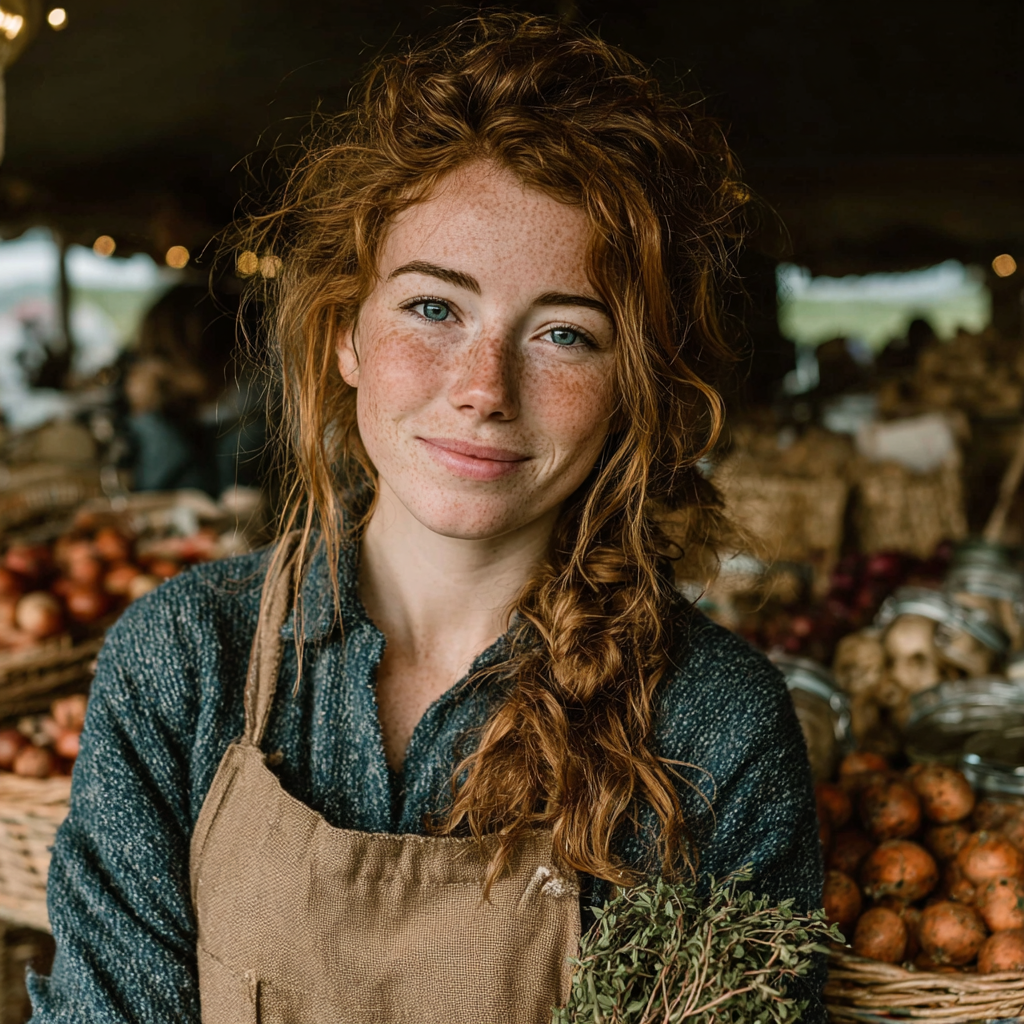
By Sophie Brennan
Irish food writer and historian based in Lisbon. Sophie combines her background in medieval history with a passion for contemporary gastronomy. She has written for Condé Nast Traveller and authored two cookbooks exploring Celtic and Iberian culinary traditions.