
Bari Food Guide: Where Nonnas Roll Pasta on Doorsteps and Fishermen Sell Sea Urchins at Dawn
Bari does not announce itself. The city sprawls along the Adriatic in Puglia's heel, and most travelers treat it as a ferry port or a cheap flight gateway to the prettier towns further south. Those travelers miss the point. Bari is not a stopover. It is a kitchen that has been operating for twenty-five centuries, and it has never once adjusted its recipes for visitors.
The Barese cook with the confidence of people who have never needed to impress outsiders. Their grandmothers made pasta on doorsteps, their fishermen sold octopus straight off the boat, and their bakers have been sliding focaccia into wood-fired ovens since before the city had a tourism office. The food here is not refined for visitors. It is exactly what it was when no one was watching. What changes is you — the longer you stay, the more you understand that Bari's rough edges are not flaws. They are the conditions that kept this cuisine honest.
Sophie Brennan, your guide through this city, is an Irish food writer and historian who has spent the last decade chasing culinary traditions across the Mediterranean. She approaches Bari not as a critic but as a student — someone who believes that the best meals are never found in polished dining rooms, but in doorways, on street corners, and at harbors where the fish was swimming an hour ago.
The Morning Ritual: Focaccia, Coffee, and the 11 AM Rule
Start in Bari Vecchia, the old town that sits on a thumb of land jutting into the harbor. The streets are narrow enough that you can touch both walls with outstretched arms, and in the early morning they smell of baking bread, drying oregano, and the faint salt of the Adriatic that seeps into everything. This is not a tourist district performing authenticity. It is a working neighborhood where families have lived in the same limestone houses for generations, and where the rhythm of the day is still measured by what comes out of the oven.
Head to Panificio Fiore at Strada Palazzo di Città 38, where the family has been baking since 1508. They claim the recipe has not changed in five centuries, and the focaccia that comes out of their oven at 11 AM makes you believe them. The timing matters. Focaccia barese is not the pale, dimpled bread you find in tourist bakeries elsewhere in Italy. It is thick, golden, and slick with tomato and olive oil. The dough is enriched with boiled potatoes, which gives it a weight and chew that holds up to the topping of cherry tomatoes, olives, and oregano. A slice costs €2. Locals fold it in half and eat it walking. By 2 PM it is gone, and the Barese do not apologize for this. You eat it when it is fresh, or you do not eat it at all.
If you miss the 11 AM window, Panificio Santa Rita on Strada dei Dottula 8 has been making focaccia since 1921 and serves it throughout the morning. Their version adds olives before baking, and the queue that forms outside is composed entirely of locals — the surest sign that you have found the right place. For a more contemporary take, Panificio Adriatico at Via N. De Giosa 113 uses ancient grain flours and organic ingredients, producing over twenty varieties of bread alongside their signature focaccia. They open at 7 AM and close at 2 PM, Monday through Saturday.
Coffee follows its own protocol. Stand at the bar, order a caffè (€1 to €1.50), drink it in two sips, and leave. Sitting at a table triples the price and marks you as someone who does not understand the rhythm of the city. The espresso here is short, bitter, and restorative — the kind that makes you understand why Italians do not drink it after 11 AM. In Bari, coffee is a utility, not a ritual.
Strada delle Orecchiette: The Living Museum of Pasta
Walk southeast to Arco Basso, the street locals call Strada delle Orecchiette. Here, women sit outside their homes with wooden boards and semolina flour, rolling orecchiette — "little ears" — with a thumb press so fast you barely see the movement. This is not performance for tourists. It is a household industry that predates the Roman Empire, and the pasta you buy from these women for €5 a bag is what they would serve their own families.
The shape matters in ways that industrial pasta cannot replicate. The concave curve catches sauce in a way that flat pasta cannot, and the rough surface — created by the thumb's drag against the semolina — holds oil and small particles of garlic and anchovy that would slide off machine-extruded alternatives. In Bari, the canonical pairing is cime di rapa, turnip greens sautéed with garlic, anchovies, and chili. The bitterness of the greens against the sweet wheat is the flavor the city was built on.
Watch for industrial impostors. Some stalls now sell machine-cut pasta as handmade. The real thing has slightly uneven edges and a rough surface that catches the light differently. The women of Arco Basso do not advertise. They do not need to. Their grandmothers sat in these same doorways, and their granddaughters will sit here after them.
For the definitive plate in a restaurant setting, Cala tin Puglia on Piazza Federico II di Svevia 70 guarantees handmade orecchiette and charges €10 to €15 for a portion with cime di rapa. The portions are generous, the room is plain, and the focus is entirely on the pasta. They are open daily from 12 PM to 3 PM and 7 PM to 11 PM. No reservations — you wait, you eat, you leave.
Terranima at Via Putignano 213-215 offers a more complete trattoria experience with orecchiette, tiella, and braciole al sugo. Dinner runs €35 to €50 per person. They are closed Sunday nights and Monday, and reservations are recommended at +39 334 660 8618.
For those who want to learn rather than just eat, several of the nonnas on Strada delle Orecchiette now offer informal pasta-making lessons. These are not polished cooking classes with aprons and recipe cards. They are hours spent in a kitchen that has not changed in fifty years, learning to feel the dough's readiness by touch rather than measurement. Prices vary — some women teach for €30 per person, others simply invite you to watch if you buy a bag of pasta. The lesson is in the observation: the angle of the thumb, the pressure against the board, the rhythm that comes from decades of repetition.
Killer Spaghetti and Sunday Tiella: The Dishes That Define Bari
Bari's other signature pasta was born as an act of culinary rebellion. Spaghetti all'assassina — "killer spaghetti" — was invented in the 1960s at Al Sorso Preferito on Via Vito Nicola De Nicolò 40. The cook, tired of boiling pasta in the traditional way, threw raw spaghetti directly into a pan of tomato sauce and cooked it risotto-style, letting the starch thicken the sauce and the edges char against the hot steel. The result is fiery, smoky, and deeply unfair to every other tomato pasta you will eat afterward.
The restaurant still serves the original version for €11, plus a €2 cover charge and house wine at €3 a glass. The spice level varies by who is working the stove. Ask for it extra assassina if you want the full burn. They are open Monday through Saturday, 12:30 PM to 3 PM and 7:30 PM to 11 PM. Closed Sunday. No reservations — the Barese do not reserve tables for spaghetti.
Then there is tiella, the Sunday dish that explains why Puglian families own the same terracotta baking dish for generations. Layers of rice, potatoes, and mussels bake slowly until the rice absorbs the brine and the potatoes collapse into the bottom layer. It is cucina povera in the truest sense: rice was once expensive in southern Italy, and stretching it with potatoes and the cheap protein of mussels was how large families fed themselves.
Ristorante Tiella on Via S. Cognetti 11-13 specializes in nothing else. A meal there runs €30 to €35 per person, and you will not need to eat again until the following evening. They are open Tuesday through Sunday, 12:30 PM to 3 PM and 7:30 PM to 10:30 PM. Closed Monday. Call +39 080 521 9420 to reserve — tiella takes hours to prepare, and they need to know you are coming.
For a more casual experience, La Uascezze in Bari Vecchia (the name means "convivial cheer" in dialect) serves a reliable tiella alongside other Puglian classics in a stone-walled room that feels like eating in someone's cellar. The menu changes with the catch and the season. All wines are from Puglia, including a softly sweet Primitivo amabile that is the ideal way to finish your meal. Dinner runs €30 to €40 per person. Open daily except Wednesday, 7:30 PM to midnight.
The Port: Raw Seafood and Working-Class Breakfast
The port defines Bari as much as the old town. At Porto Vecchio, fishermen still sell their catch directly from the boats in the early morning, and the raw seafood tradition — il crudo barese — is not a restaurant affectation but a working-class breakfast. Stand at a harborside stall and eat raw sea urchins, octopus, or mussels with a squeeze of lemon and a paper cup of white wine. The fish was swimming an hour ago. There are no seats, no menu, and no price list posted in English. Point, ask "quanto?", and pay in cash. Most portions run €4 to €6.
The best time to visit the port is between 7 AM and 10 AM, when the boats have just returned and the catch is still moving. After 10 AM, the selection thins and the prices rise. Bring cash — most vendors do not accept cards, and the ATMs in Bari Vecchia are unreliable. Wear shoes you do not mind getting wet. The harbor floor is slick with fish scales and seawater, and the Barese will laugh at you if you slip.
For a more composed version of the same idea, Mastro Ciccio on Corso Vittorio Emanuele II 17 serves the city's most famous octopus sandwich. The octopus is slow-cooked in a terracotta pignata with tomato, garlic, bay leaf, and parsley, then grilled over open flame until the edges crisp. It is tucked into bread with burrata, sun-dried tomatoes, rocket, and a salted corn crumble that adds crunch against the tender meat. The sandwich costs €6 to €8 and demands to be eaten immediately, while the burrata is still cold against the hot octopus. The shop opens at 11 AM and closes when they run out, which is usually before 3 PM. There is no website. There is no reservation system. There is only the line.
La Tana del Polpo — "The Octopus's Den" — is another seafood-focused spot where locals queue for grilled octopus and frittura mista. It is casual, no-frills, and often a line forms outside before they open at 12:30 PM. Do not expect fancy décor. Do expect seriously good seafood at prices that make you wonder how they stay in business. Most main courses run €12 to €18. Closed Monday.
Burrata, Panzerotti, and the Art of Eating While Walking
Burrata itself was invented just up the road in Andria in the early twentieth century, and in Bari it is treated with the casual abundance of a local invention. You will find it on sandwiches, torn over pasta, or served whole with a drizzle of oil and nothing else. The good stuff is made fresh daily from cow's milk mozzarella, and the outer shell gives way to a center of stracciatella — shredded mozzarella soaked in heavy cream. It is meant to be eaten within 24 hours of production. The burrata you buy in a supermarket outside Puglia has already died twice.
At Casa.Ro, you can watch mozzarella and burrata being made in the early morning, then book a cheesemaking workshop or simply enjoy a lunchtime platter. In Bari Vecchia, Antica Salumeria serves platters of charcuterie and cheeses in a historic setting that has been operating since before most of the city's restaurants existed.
Panzerotti are the city's portable addiction. These half-moon pockets of fried dough — the name comes from panza, belly — are filled with tomato and mozzarella and served so hot that every Barese has burned the roof of their mouth at least once. The protocol is specific: hold it vertically, lean forward at a ninety-degree angle, and bite. This prevents the molten cheese from dropping onto your shirt. Venezia 40 on Via Venezia 40 serves the definitive version for €2 to €3, but only from 8 PM to midnight. They face the sea, and the line forms before they open.
El Focacciaro on Via Cognetti 43 is also well known for its panzerotti, but their focaccia deserves equal attention. They are open from early morning through late evening, making them one of the most reliable stops for a quick bite between meals.
For a snack between meals, find sgagliozze — squares of fried polenta sold from carts near Largo Albicocca and the cathedral. They cost €1 to €2, are vegan by accident rather than design, and have the crunch of something that was never meant to be healthy. In winter you eat them warm with a beer. In summer you eat them anyway. The legendary Donna Carmela stall at Largo Albicocca was the most famous purveyor, but she passed away in late 2024 and the family has not yet decided whether to reopen. In her absence, several vendors on the same square sell sgagliozze of varying quality. The good ones are golden and crisp, not pale and greasy.
Then there are popizze — small fritters made from pizza dough, fried fresh and sold in bags. They are light, puffy, and wonderfully simple. You will often find sgagliozze and popizze sold together, made by the same vendor. Both are the kind of thing you eat standing in a doorway, slightly too hot to handle, completely unable to stop.
Pizza After Dark: The Barese Crust
Pizza in Bari follows its own logic. The Barese crust is thinner and crisper than the Neapolitan version, reflecting the hard wheat grown locally and a preference for structure over chew. Toppings stay minimal: stracciatella instead of mozzarella, cime di rapa instead of pepperoni, a thread of local olive oil that tastes like green pepper and grass.
Pizzeria di Cosimo serves a reliable dinner-only pie with the characteristic crunchy edge. Most pizzerias do not open before 7:30 PM. Pizza is dinner food here, not lunch. A margherita runs €7 to €9, while more elaborate toppings top out at €12. They are open nightly from 7:30 PM to midnight, closed Sunday.
For something closer to a full meal, Piccinni 28 serves excellent pizza alongside sgagliozze, sporcamuss, and spaghetti all'assassina. It is the kind of place where you order a pizza and, while waiting, grab some sgagliozze to eat on the street. The pizza arrives, you eat it, and somehow you have consumed three meals in the time it takes most restaurants to bring the bread basket. Dinner runs €15 to €25 per person. Open Tuesday through Sunday, 7 PM to midnight.
Wine: Primitivo, Negroamaro, and the Natural Wine Underground
Bari is one of Italy's top rosé wine areas, and all of Puglia's favorite native red grapes — Primitivo, Negroamaro, Nero di Troia, Susumaniello — find their finest expression in the surrounding countryside. The wines here are not subtle. They are sun-drenched, high-alcohol, fruit-forward expressions of a climate that does not do restraint. A good Primitivo from Gioia del Colle, about 35 kilometers south of Bari, clocks in at 14-15% alcohol and tastes like black cherries, plum, and the iron-rich soil of the Murgia plateau.
Mostofiore is an enoteca with an appealing bottle-lined interior, specializing in natural wines. Order what is available by the glass or ask to try something different. The food menu includes oysters and slow-cooked artichoke with fried basil. It is located in the heart of Bari's newer center and opens at 6 PM, closing around midnight. No reservations needed for the bar, but the small dining room fills quickly.
Enoteca del Centro features over 700 labels, with owner Gianluca De Napoli favoring small producers over industrial wineries. The evening menu has gourmet bites such as seafood carpaccio and braised beef, and the wine list is organized by grape rather than region — a refreshing approach in a country that usually privileges geography over varietal. Open Tuesday through Saturday, 6 PM to 1 AM. Closed Sunday and Monday.
For a more traditional experience, La Uascezze (mentioned above) serves exclusively Puglian wines, including the Primitivo amabile that pairs surprisingly well with the city's richer dishes. The stone arches and convivial atmosphere make it ideal for a long, unhurried evening.
House wine at most trattorias runs €3 to €6 per glass, or €10 to €15 per half-liter carafe. It is rarely labeled, rarely complex, and always drinkable. The Barese do not overthink wine. They pour it, they drink it, and they order more when the pitcher is empty.
What to Skip
The restaurants along the main corso that advertise "typical Puglian cuisine" in three languages with photos on the menu. The food is not dangerous, but it is not representative. If a menu has pictures, it was designed for people who do not know what they are ordering. The Barese do not need pictures. They know what orecchiette looks like.
Skip any orecchiette stall on Strada delle Orecchiette where the pasta looks too uniform. Handmade orecchiette vary slightly in size and thickness. Machine-cut pasta does not. The real thing has rough edges and a surface that catches the light. The fake stuff looks like it came from a factory, because it did.
The waterfront restaurants near Piazza del Ferrarese that cater to cruise ship passengers. They are not terrible, but they are not Bari. The same dishes cost half the price two streets inland, and the quality improves with every meter you move away from the harbor promenade.
Any establishment that serves pizza at lunch. In Bari, pizza is dinner food. A pizzeria open at noon is a pizzeria that has adjusted its hours for tourists, and the quality usually reflects that adjustment.
The burrata in supermarkets, even the fancy ones. Real burrata is made fresh daily and meant to be eaten within 24 hours. The industrial version, sealed in plastic and shipped across Italy, is a different product entirely. Buy it from a caseificio or a salumeria where you can see it being made, or do not buy it at all.
Practical Logistics
Getting There: Bari Karol Wojtyła Airport (BRI) is 8 kilometers northwest of the city center. A shuttle bus runs every 30 minutes to Bari Centrale train station (€4, 25 minutes). Taxis cost €25 to €30. Bari is also a major ferry port with connections to Greece, Albania, and Croatia.
Getting Around: Bari Vecchia is entirely walkable, though the streets are narrow, uneven, and not designed for rolling luggage. The modern city center (Murat district) has a grid layout and is easily navigated on foot. Buses exist but are unreliable. Taxis are inexpensive for short trips — most rides within the city center cost €8 to €12.
When to Visit: April through June and September through October offer the best balance of weather and manageable crowds. July and August are brutally hot, with temperatures regularly exceeding 35°C (95°F), and many local restaurants close for August holidays. Winter is mild but damp, and some street food vendors close for the season.
Timing Your Meals: Focaccia is best at 11 AM. The port fish market is active from 7 AM to 10 AM. Panzerotti vendors open in the evening. Most sit-down restaurants close between lunch and dinner (3 PM to 7 PM), and many close entirely on Sunday night. Plan accordingly — the Barese do not adjust their schedules for hungry tourists.
Cash vs. Cards: Cash is preferred at street stalls, small bakeries, and the port fish market. Most sit-down restaurants accept cards, but the transaction minimum is often €20. ATMs in Bari Vecchia are scarce and frequently empty on weekends. Withdraw cash in the modern center before heading to the old town.
Language: A few phrases in Italian — or in Barese dialect, which is not the same thing — will get you better portions and occasionally a discount. "Buongiorno," "per favore," and "quanto costa?" are the minimum. If you attempt "Bella" in Barese dialect, you will earn respect regardless of your pronunciation.
Dress Code: None, except in churches. Shoulders and knees must be covered at the Basilica di San Nicola and Bari Cathedral. Everywhere else, the Barese do not care what you wear. They care whether you know how to eat.
Safety: Bari Vecchia is safe but gritty. Petty theft exists, particularly around the train station and the port. Keep valuables secure, avoid empty alleys after midnight, and do not flash expensive cameras or jewelry. The worst that usually happens is someone tries to sell you counterfeit sunglasses.
About the Author
Sophie Brennan is an Irish food writer and historian based in Lisbon. She combines her background in medieval history with a passion for contemporary gastronomy, and she has spent the last decade documenting culinary traditions across Portugal, Spain, Italy, and the Balkans. She has written for Condé Nast Traveller and authored two cookbooks exploring Celtic and Iberian culinary traditions. In Bari, she found a city that reminded her of home — not in the flavors, but in the attitude. The Barese, like the Irish, do not trust people who try too hard. The best food, in both places, is the food that was never trying to impress anyone.
Bari does not dress up for you. The city is gritty, the traffic is bad, and the sidewalks in the old town were not designed for rolling luggage. But the food is honest in a way that more polished destinations have forgotten. Eat the focaccia while it is still too hot to hold. Watch the pasta being rolled on a wooden board that has been used for sixty years. Drink raw seafood at the harbor at 8 AM with men who have been doing the same thing since they were teenagers. Stand in line for panzerotti at midnight and burn the roof of your mouth because you could not wait for them to cool. The best meals in Bari are not in guidebooks. They are in doorways, on street corners, and at the end of alleyways that do not appear on maps. That is the point.
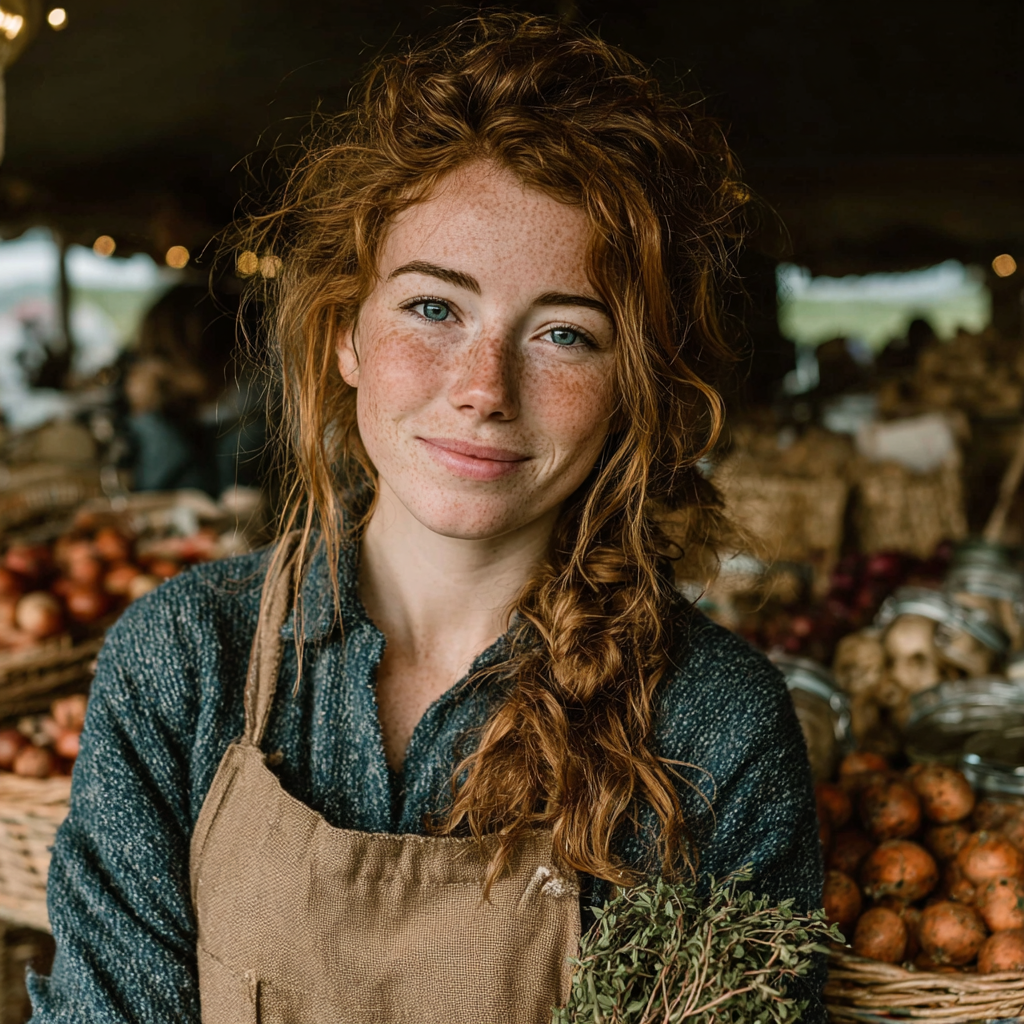
By Sophie Brennan
Irish food writer and historian based in Lisbon. Sophie combines her background in medieval history with a passion for contemporary gastronomy. She has written for Condé Nast Traveller and authored two cookbooks exploring Celtic and Iberian culinary traditions.