
Most tourists treat Parma as a drive-through. They arrive at ten, visit a cheese factory, eat prosciutto at noon, and leave by two on their way to Bologna or Florence. This is the wrong way to approach a city that has spent nine centuries building its reputation on what it puts on a plate.
Parma sits in the Po Valley, forty minutes by train from Bologna, an hour from Milan. It is not a hill town. There are no vine-covered terraces or Renaissance palazzos posing for postcards. The city is flat, foggy in winter, and built around the business of food production. The cathedral is beautiful, but the real cathedral is the cheese factory on the edge of town where 1,000-liter copper vats have been turning milk into Parmigiano Reggiano since the monks started the tradition in the 13th century.
The first thing to understand about Parma is that the name is not marketing. "Parma ham" and "Parmesan cheese" are generic terms the rest of the world uses for copies. In Parma itself, the products are Prosciutto di Parma and Parmigiano Reggiano, protected by EU law, produced under strict consortium rules within a defined geographic zone. If the pig was not raised in Italy, if the milk was not from local cows fed on specific fodder, it does not qualify. The distinction matters because the real products taste different from the supermarket versions that borrow the name.
The Cheese
Parmigiano Reggiano production starts at 5:00 AM. If you want to see the process, you need to book a factory tour and arrive early. The milk is poured into copper vats, heated, and curdled. Workers split the curd with a custom knife the size of a paddle, then hoist the mass with linen cloth and divide it into two twin wheels. Each wheel is pressed, salted, and left to age for a minimum of 12 months, though 24 and 36 months are standard for export quality.
A guided tour of a Parmigiano Reggiano factory costs between €55 and €90 depending on whether it includes transport from Parma and a tasting. The 2-hour basic tour at a caseficio just outside the city starts around €45 if you drive yourself. Tours run Monday through Saturday, though not all factories are open on Sundays. Book at least two days ahead through the consortium website or a local operator like Parma Food Tour. The tasting at the end is not a cracker-and-cube affair. You get chunks of 24-month and 36-month cheese, sometimes paired with local honey or Lambrusco. The difference between the two ages is obvious: the younger cheese is creamier and milder; the older one has crystalline crunch and a sharper, almost peppery finish.
Do not skip the Parmigiano Reggiano Museum, housed in an old cheese factory at the edge of town. Entry is €10 and includes a tasting of three ages. The museum explains the economics as well as the craft: why the consortium limits production, how the wheels are graded, and why a perfect wheel can sell for over €500 wholesale.
The Ham
Prosciutto di Parma is cured, not cooked. The process takes at least 12 months, and the best producers age theirs for 24 to 30. The requirements are specific: the pigs must be born and raised in Italy, the air must come from the Po Valley, and the curing rooms must have windows open to the hills. Salt is the only preservative allowed.
A combined cheese-and-ham tour runs about €120 to €150 for a half-day, with pickup from central Parma. The ham factory visit is colder and quieter than the cheese room. You walk through curing halls where thousands of hams hang from wooden racks, each stamped with the Parma crown logo. The guide will explain the sugnatura, the layer of fat smeared on the exposed end to keep the meat soft, and the stecchatura, the pressing stage that gives the ham its characteristic shape.
At the tasting, the ham is sliced paper-thin, almost translucent. Good Prosciutto di Parma should be sweet, not overly salty, with a nutty aftertaste. If it tastes like generic deli ham, you are in the wrong place or eating the wrong grade.
Where to Eat
The best meals in Parma happen at trattorias where the menu changes based on what the kitchen has in stock. Trattoria Corrieri, on Strada della Repubblica, has been operating since 1804. The terrace fills up by 12:30 PM for lunch. Order the tortelli d'erbetta, herb-filled pasta dressed in melted butter and Parmigiano. A plate costs around €14. The cotechino sausage, served with lentils in winter, is €16. The wine list is short and local, with several Lambruscos by the glass at €4 to €6.
Trattoria del Tribunale, near Piazza Garibaldi, serves smaller plates designed for sharing. The affettati misti, a cold cut board with Prosciutto di Parma, culatello, and salame, is €13. The torta fritta, puffy fried bread served as a vehicle for cured meat, comes free with most aperitivo orders after 6:00 PM.
For a more formal dinner, Ristorante Gallo d'Oro on Via Bodoni has a fixed-price tasting menu at €55 that includes three pasta courses, a main, and dessert. The tortelli di zucca, pumpkin-filled pasta with amaretti crumb, is the dish that brings people back.
Do not leave Parma without trying culatello di Zibello, the "king of salami." It is made from the muscular part of the pig's hind leg, cured in humid cellars near the Po River, and aged for at least 12 months. It is rarer and more expensive than prosciutto. A plate at Tabarro, a wine bar on Borgo della Salina, costs €18 but the portion is generous and the quality is the real thing. Tabarro also stocks over 200 Italian wines, with Lambrusco by the bottle starting at €22.
What Else to Eat
Parma's pasta is egg-based, not semolina. The local style is tortelli, large square ravioli filled with herbs, pumpkin, or potatoes, served al burro or in brodo. A bowl of tortelli in brodo at Rigoletto, a small restaurant near the Teatro Regio, costs €12 and is enough for a light lunch.
For pastry, Pasticceria Dolce Amaro on Strada Farini makes spongata, a dense tart filled with dried fruit, honey, and nuts, originally from Jewish-Spanish tradition. A slice is €3.50 and pairs with an espresso at the bar for €1.20.
Lambrusco deserves its own paragraph. The sparkling red wine from Emilia-Romagna was cheap plonk in the 1980s export market, but the real product is dry, tannic, and refreshing. It is the correct wine to drink with fatty cured meats because the acidity and bubbles cut through the salt. A good bottle of Lambrusco di Sorbara or Grasparossa at a restaurant costs €18 to €28. At an enoteca, €12 to €16. Do not drink it cold like white wine. cellar temperature, around 14°C, is correct.
The Market
Parma's covered market, Mercato delle Erbe, opens at 7:00 AM Tuesday through Saturday. It is not a tourist attraction; it is where locals buy produce, fresh pasta, and cheese. On Saturday mornings, producers from the hills set up stalls outside with fresh porcini mushrooms in autumn and white asparagus in spring. The pasta counter at Pasta Fresca Naldi, inside the market, sells tortelli by weight to take away. A kilo, enough for four people, costs €14.
What to Skip
The restaurants on Piazza Duomo are overpriced and underwhelming. The view of the baptistery does not justify €24 for a plate of prosciutto you can get for €12 two streets away. The "Parma gold" tours that promise visits to ten producers in a day are rushed and superficial. You cannot appreciate a 36-month cheese if you are already thinking about the ham factory bus scheduled for 45 minutes later.
Also skip the tourist-menu tasting platters that pile six unrelated products on one board. The flavors bleed together and the temperature is usually wrong. Eat ham first, then cheese, then pasta, with breaks between. The Italians do not mix everything at once for a reason.
Practical Notes
Parma is compact. You can walk from the train station to the historic center in fifteen minutes. Most trattorias close between 3:00 and 7:00 PM. Dinner service starts at 7:30 PM and peaks around 9:00 PM. Reservations are essential on weekends. Book Trattoria Corrieri at least two days ahead. Many food museums and factories close on Sunday afternoons and all day Monday.
If you stay overnight, the city changes character after the day-trippers leave. The fog rolls in from the Po, the streets empty, and the aperitivo bars fill with locals. Order a glass of Lambrusco, a plate of culatello, and accept that you will eat more in two days here than you planned. The weight gain is worth it.
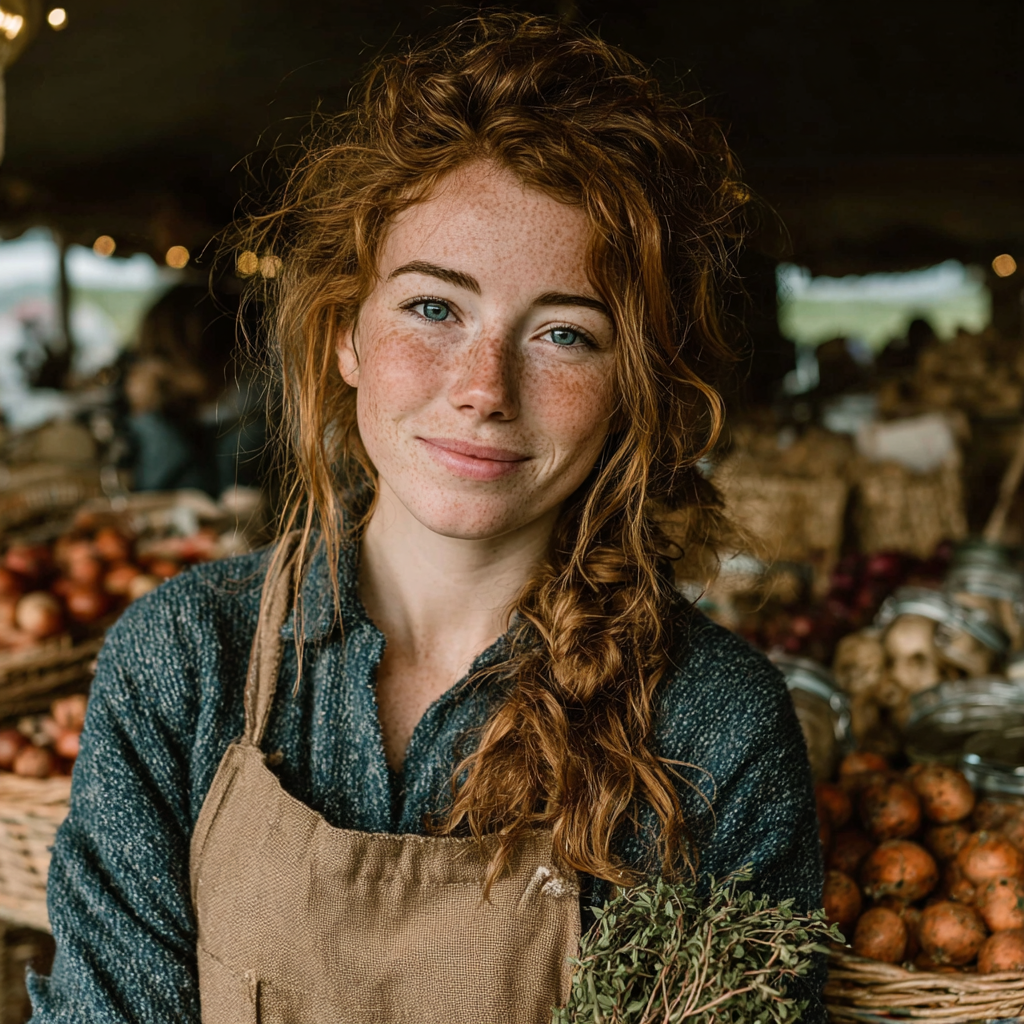
By Sophie Brennan
Irish food writer and historian based in Lisbon. Sophie combines her background in medieval history with a passion for contemporary gastronomy. She has written for Condé Nast Traveller and authored two cookbooks exploring Celtic and Iberian culinary traditions.