
Rome Food & Drink: Where Nonnas Still Rule and the Espresso Never Stops
Last Updated: August 2026
Reading Time: 20 minutes
Author: Sophie Brennan
About the Author
Sophie Brennan is a food writer and culinary historian based between Dublin and Rome. She spent three years eating her way through every rione of the Eternal City while researching a book on how working-class Roman neighborhoods shaped Italian gastronomy. She believes the best meal in Rome is always the one that teaches you something about who cooked it — and why they refuse to change the recipe.
Introduction: Roman Food Is a Language
Rome does not adapt. While Milan chases trends and Bologna polishes its reputation, Rome cooks the way it has cooked for generations — not out of nostalgia, but out of certainty. The shepherd's Pecorino from Lazio. The pork jowl from Norcia. The artichoke from the coastal plain. These ingredients built a cuisine so complete, so stubbornly itself, that the city never needed to look elsewhere.
I have eaten carbonara in forty-one Roman trattorias. I have watched a nonna at Da Enzo al 29 shape gnocchi at 6:30 AM, her hands moving faster than her conversation. Roman food culture is not performative. It is practical, generational, and deeply territorial.
This guide is a map of how Romans eat — the four pastas that define the city's identity, the Jewish artichokes that represent 2,000 years of diaspora cooking, the street food that fuels workers between shifts, the natural wine bars rewriting the rules, and the coffee etiquette that separates locals from everyone else. You will find specific addresses, real prices, and the exact hours these places actually open.
Best Time to Eat in Rome: October through November, when new olive oil arrives and white truffles from Umbria appear on menus. April and May bring artichoke season. Avoid August — many family-run trattorias close for ferragosto.
The Four Pastas: Rome's Culinary Constitution
No Roman meal begins without acknowledging the four dishes that define the city's identity. Each was born from poverty and perfected through repetition. Each relies on a technique so specific that a millimeter of deviation ruins the plate.
Cacio e Pepe: The Three-Ingredient Miracle
Pasta. Pecorino Romano DOP. Black pepper. That is the complete ingredient list. The technique — emulsifying starchy pasta water with grated cheese to create a creamy sauce without cream — is what separates a great cacio e pepe from a bowl of noodles with cheese on top.
Where to Eat It:
Da Felice a Testaccio — Via Mastro Giorgio, 29, 00153 Roma (Testaccio)
- Hours: Tuesday–Saturday 12:30–15:00, 19:30–23:00; Sunday 12:30–15:00; Closed Monday
- Price: €14–18 per pasta
- The Scene: This is the theatrical birthplace of tableside cacio e pepe. A waiter rolls a cart to your table, tosses the pasta inside a hollowed pecorino wheel, and serves it before the cheese fully sets. It is not subtle. It is not quiet. It is Roman food as performance — and the taste justifies the spectacle.
- Booking: Essential for dinner. Call +39 06 574 4214 or reserve online at least three days ahead. Weekend lunch requires a week of notice.
- Neighborhood Note: Testaccio was built around the city's slaughterhouses. The workers who lived here — the vaccinari — created Roman cuisine from offal and scraps. The neighborhood still feels working-class, still smells of roasting pork on Sunday mornings, still resents the tourists who discovered it ten years ago.
Roscioli Salumeria con Cucina — Via dei Giubbonari, 21, 00186 Roma (Campo de' Fiori)
- Hours: Daily 12:30–15:30, 19:00–23:00
- Price: €18–24 per pasta
- Why It Matters: The Roscioli family has been in the food business since 1824. Their cacio e pepe achieves a balance that almost no one else manages — the sharpness of the pecorino never overpowers the pepper. Order the pasta alla gricia too, and compare the two side by side.
Carbonara: No Cream, No Compromise
The most bastardized Italian dish on earth is also the simplest in its authentic form. Egg yolks. Pecorino Romano. Guanciale — cured pork jowl, not bacon, not pancetta. Black pepper. The sauce forms from the heat of the pasta cooking the egg yolks, creating a silky, rich coating that clings to every strand.
Where to Eat It:
Flavio al Velavevodetto — Via di Monte Testaccio, 97, 00153 Roma (Testaccio)
- Hours: Daily 12:30–15:00, 19:30–23:30
- Price: €13–16 per pasta
- The Setting: Built into Monte Testaccio, an ancient Roman pottery dump, this osteria has exposed terracotta amphorae embedded in its walls. The carbonara here is textbook — the guanciale rendered until crisp but not hard, the sauce coating each piece of rigatoni without pooling at the bottom of the bowl.
Da Enzo al 29 — Via dei Vascellari, 29, 00153 Roma (Trastevere)
- Hours: Monday–Saturday 12:30–15:30, 19:00–23:00; Closed Sunday
- Price: €12–15 per pasta
- The Reality: No reservations. Arrive at 12:15 or 19:00 sharp, or join the queue that stretches down the street. The carbonara is made in a kitchen the size of a closet by cooks who have prepared it thousands of times. The consistency is the point — every plate tastes like the last one, and the last one tasted like the first one, fifteen years ago.
- Pro Tip: If the queue is too long, walk to Flavio al Velavevodetto or cross the river to Felice a Testaccio.
Amatriciana: The Shepherds' Legacy
From the town of Amatrice in the Apennines, this sauce combines guanciale, tomatoes, Pecorino Romano, and chili. Romans serve it with bucatini — thick spaghetti with a hollow center that traps the sauce inside each strand. It is a dish built for shepherds who needed calories and flavor after days in the mountains.
Where to Eat It:
Trattoria Da Cesare al Casaletto — Via del Casaletto, 45, 00151 Roma (Monteverde)
- Hours: Tuesday–Sunday 12:30–15:00, 19:30–23:00; Closed Monday
- Price: €11–14 per pasta
- The Journey: In Monteverde, a working-class neighborhood west of the historic center, this trattoria is where Romans bring their families on Sunday. The amatriciana is made without shortcuts — no pre-made sauce, no substitutes for guanciale.
- Getting There: Take tram 8 from Largo di Torre Argentina to the end of the line, then walk ten minutes.
Gricia: The Purist's Choice
Remove the tomatoes from amatriciana and you have gricia — the "white amatriciana" that lets pork, pepper, and Pecorino speak without competition. Many Roman cooks consider this the purest expression of the four, the one that reveals the quality of every ingredient because nothing hides behind tomato.
Where to Eat It:
Checchino dal 1887 — Via di Monte Testaccio, 30, 00153 Roma (Testaccio)
- Hours: Tuesday–Saturday 12:30–15:00, 20:00–23:00; Sunday 12:30–15:00; Closed Monday
- Price: €16–20 per pasta
- The History: Operating since 1887 in a former butcher shop, Checchino built its reputation on the "quinto quarto" — the offal and organ meats that slaughterhouse workers transformed into delicacies. Their gricia is precise, respectful, and unadorned. The Mariani family still runs the restaurant six generations later.
- Also Order: The coda alla vaccinara (oxtail stew) is the benchmark by which all others are judged.
Beyond the Four: The Dishes That Define Roman Identity
Carciofi alla Giudia: 2,000 Years of Jewish Roman Cooking
Rome's Jewish community, the oldest in Western Europe, created one of the city's most iconic dishes from necessity and ingenuity. Whole artichokes are trimmed, flattened, and fried twice in olive oil until they become golden flowers — the leaves crisp as parchment, the heart tender and sweet.
The artichoke season is short: late February through May. Outside those months, most restaurants serve frozen or substitute varieties. A true carciofo alla giudia requires a fresh mammola.
Where to Eat It:
Nonna Betta — Via del Portico d'Ottavia, 16, 00186 Roma (Jewish Ghetto)
- Hours: Sunday–Thursday 12:00–23:00; Friday 12:00–15:00 (closes early for Shabbat); Saturday closed
- Price: €8–12 per artichoke
- The Context: The Jewish Ghetto has several restaurants serving carciofi alla giudia, but Nonna Betta produces the most consistent version. Eat it while walking the narrow streets where the community lived for nearly 350 years behind locked gates, from 1555 to 1870.
Ba'Ghetto — Via del Portico d'Ottavia, 57, 00186 Roma (Jewish Ghetto)
- Hours: Sunday–Friday 12:00–23:00; Saturday 19:00–23:00
- Price: €9–13 per artichoke
- Also Order: Carciofi alla romana — a completely different preparation, braised with garlic and mint. Two artichokes, two civilizations, one neighborhood.
Saltimbocca alla Romana: Jump in the Mouth
Veal scallops topped with prosciutto and sage, sautéed in butter and white wine. The name describes the effect — one bite and you understand why Romans have eaten this for centuries. It is not complex. It is perfect.
Where to Eat It:
Armando al Pantheon — Salita dei Crescenzi, 31, 00186 Roma (Pantheon)
- Hours: Monday–Saturday 12:30–14:45, 19:00–22:45; Closed Sunday
- Price: €18–22
- Booking: Essential. Call +39 06 6880 3034 weeks ahead.
- The Institution: Operating since 1961, this family-run trattoria near the Pantheon has hosted Roman politicians, actors, and three generations of the same families. Claudio Gargioli personally oversees every plate.
Coda alla Vaccinara: The Butchers' Legacy
Testaccio was built around slaughterhouses. The workers who processed cattle took the oxtail — the "quinto quarto" — and braised it for hours with tomatoes, celery, and wine until the meat fell from the bone into a sauce thick enough to coat bread. It is a dish of poverty that became a delicacy through time and technique.
Where to Eat It:
Both Flavio al Velavevodetto and Checchino dal 1887 serve exceptional versions. At Checchino, the dish is elevated to fine dining without losing its working-class soul — the oxtail is braised for six hours, the sauce reduced to a velvet coating. At Flavio's, it remains the hearty, unpretentious plate that sustained generations of slaughterhouse workers, served with rigatoni dressed in the sauce.
Roman Street Food: What Locals Eat Between Meals
Supplì: The Rice Croquette That Built a City
Arborio rice cooked in tomato sauce, mixed with mozzarella, shaped into oblong croquettes, breaded, and deep-fried until the cheese inside becomes a molten string that stretches from your mouth to your hand. The supplì is Rome's original street food, sold in pizzerias and friggitorie for less than €2.
The name comes from the French surprise — the surprise of biting in and finding cheese. A proper supplì must have a crisp exterior, a moist rice interior, and a mozzarella core that strings when pulled. If it does not string, it is not a supplì.
Where to Eat It:
Supplì Roma — Via di San Francesco a Ripa, 137, 00153 Roma (Trastevere)
- Hours: Daily 11:00–23:00
- Price: €2.50–3.50 each
- The Variety: Classic tomato and mozzarella, but also carbonara and cacio e pepe variations. Eat standing at the counter.
Trapizzino — Via Giovanni Branca, 88, 00153 Roma (Testaccio)
- Hours: Daily 11:00–23:00
- Price: €4.50–6.50
- The Invention: A pizza-pocket sandwich invented in 2008. The dough is pizza bianca, the fillings are traditional Roman dishes — tongue in green sauce, tripe, chicken cacciatore.
Filetti di Baccalà: Fried Salt Cod from the Ghetto
Salt cod, soaked for days to remove the salt, dredged in flour, and fried until the batter puffs into a golden cloud. This is the signature dish of Dar Filettaro a Santa Barbara — a tiny restaurant near the Campidoglio that has served nothing but fried cod and roasted peppers since 1950.
Dar Filettaro a Santa Barbara — Largo dei Librari, 88, 00186 Roma (Campo de' Fiori)
- Hours: Tuesday–Sunday 18:00–22:30; Closed Monday
- Price: €12–15 for a plate of filetti
- The Experience: No menu. No reservations. Plastic tablecloths. Ice-cold Peroni. The cod arrives hot enough to burn your fingers.
Natural Wine Rome: The Quiet Revolution
While the trattorias refuse to change, a new generation of Roman wine bars is rewriting the rules. Natural wine — made without industrial yeasts or chemical additives — has found its spiritual home in Rome, where the anti-industrial ethos fits the city's contrarian character.
Where to Drink:
VinoRoma — Via in Selci, 84/G, 00184 Roma (Monti)
- Hours: Tuesday–Saturday 16:00–23:00; Sunday 16:00–21:00; Closed Monday
- Price: €8–14 per glass; tastings from €35
- The Concept: A wine studio run by sommelier Hande Cohen, offering guided tastings of natural and low-intervention wines from across Italy. The space is tiny — six stools and a bar — and the wines change weekly.
Litro — Via Fratelli Bonnet, 5, 00152 Roma (Monteverde)
- Hours: Monday–Saturday 18:00–01:00; Sunday 18:00–24:00
- Price: €6–12 per glass
- The Vibe: A neighborhood vineria with a rotating selection of 40+ natural wines by the glass, served alongside small plates of cured meats and cheeses. The outdoor seating on a quiet Monteverde street is one of Rome's best-kept secrets.
Roman Pizza: Two Civilizations, One City
Pizza al Taglio: The Revolution Gabriele Bonci Built
Rectangular slices sold by weight, baked in large trays with a crust enriched by olive oil and long fermentation. It is designed for speed — eaten while standing, consumed between meetings, consumed after midnight. Gabriele Bonci transformed this humble format into an art form by focusing on dough fermentation and ingredient sourcing with obsessive precision.
Where to Eat It:
Pizzarium — Via della Meloria, 43, 00136 Roma (Prati, near Vatican)
- Hours: Daily 11:00–22:00
- Price: €3–6 per slice
- The Revolution: Bonci's dough ferments for 72 hours, creating a crust that is simultaneously crispy, chewy, and digestible. The potato and mozzarella slice is the signature. The mortadella and pistachio slice challenges every assumption about what pizza can be.
Antico Forno Roscioli — Via dei Chiavari, 34, 00186 Roma (Centro Storico)
- Hours: Monday–Saturday 07:00–19:30; Sunday 09:00–14:00
- Price: €2.50–5 per slice
- Also Try: Pizza bianca — no toppings, just olive oil, salt, and bread. The maritozzo, a sweet bun filled with whipped cream, is the traditional Roman breakfast. Arrive before 10 AM for the freshest bianca.
Pizza Romana: Thin, Crisp, and Unapologetic
Unlike Naples' puffy pies, Roman pizza is thin as a cracker, baked in wood-fired ovens, and eaten with a knife and fork. It is not meant to fold. It is meant to shatter.
Where to Eat It:
Da Remo — Piazza di Santa Maria Liberatrice, 44, 00153 Roma (Testaccio)
- Hours: Monday–Saturday 19:00–01:00; Closed Sunday
- Price: €8–12 per pizza
- The Atmosphere: A Testaccio institution since 1965. No reservations, communal tables, and fritti — fried starters of supplì and zucchini flowers — that are as essential as the pizza itself.
Gelato: Separating the Real from the Fake
Rome has hundreds of gelaterias. Most serve industrial mix pumped with air and artificial coloring, piled high in fluorescent mounds to attract tourists. Real gelato is dense, made with natural ingredients, and stored in covered metal containers called pozzetti that protect it from light and air.
The rules are simple: if the gelato is piled high in bright colors, it is fake. If it is stored in metal containers with lids, it is real.
Where to Eat It:
Gelato di San Crispino — Via della Panetteria, 42, 00187 Roma (near Trevi Fountain)
- Hours: Daily 11:00–24:00 (seasonal variation)
- Price: €3–6
- The Philosophy: No cream — San Crispino uses only milk and natural ingredients, making the gelato lighter and letting flavors like Sicilian honey and meringue stand on their own.
Fatamorgana — Multiple locations: Via dei Chiavari, Via Laurina, Via Bettoni
- Hours: Daily 11:00–23:00
- Price: €3–5.50
- The Innovation: All organic, all natural, with flavors that sound experimental but taste inevitable — pear and gorgonzola, panacea (mint, ginger, and lemon). The Via dei Chiavari location is the original and the best.
Günther Rohregasser — Via dei Pettinari, 43, 00186 Roma (Centro Storico)
- Hours: Daily 12:00–24:00
- Price: €3.50–6
- The Sourcing: An Austrian-Italian gelato maker who sources pistachios from Bronte in Sicily and lemons from Amalfi. His stracciatella is the standard by which others are judged.
Coffee: The Rules That Separate Romans from Tourists
Roman coffee culture is not a preference. It is a protocol. Break the rules and you mark yourself immediately.
The Non-Negotiables
- Cappuccino ends at 11:00 AM. After that, you drink espresso. No exceptions.
- Espresso is drunk standing at the bar. Sit at a table and the price doubles or triples.
- "Un caffè" always means espresso.
- No to-go cups. Coffee is not portable in Rome.
- Pay at the register first, then order at the bar.
Where to Drink
Sant'Eustachio Il Caffè — Piazza di Sant'Eustachio, 82, 00186 Roma (Pantheon)
- Hours: Daily 08:30–01:00
- Price: €1.30 at the bar; €3–4 at a table
- The Secret: Since 1938, this café near the Pantheon has roasted its own beans. Their "Gran Caffè" is whipped into a sweet, creamy foam through a method the family keeps secret. The result is almost dessert-like — a cappuccino without milk, an espresso with body.
Tazza d'Oro — Via degli Orfani, 84, 00186 Roma (Pantheon)
- Hours: Daily 07:00–20:00
- Price: €1.20 at the bar
- The Contrast: Operating since 1944, also near the Pantheon. Their coffee is stronger and less sweet than Sant'Eustachio — the "caffè della casa" comes with a natural crema layer that locals recognize as the signature. Romans divide into Sant'Eustachio people and Tazza d'Oro people. Choose your allegiance.
Caffè Propaganda — Via Claudia, 15, 00184 Roma (near Colosseum)
- Hours: Daily 07:00–02:00
- Price: €1.50–2 at the bar
- The Exception: For flat whites, pour-overs, or anything third-wave, this is the only address near the historic center that understands what you are asking for.
Markets: Where Romans Actually Shop
Mercato di Testaccio
- Address: Via Aldo Manuzio, 66b, 00153 Roma
- Hours: Monday–Saturday 07:00–15:30; Closed Sunday
- What to Know: A modernist food hall with stalls serving trapizzino, fresh pasta, and street food. Mordi e Vai (stall 83) serves Roman classics — tripe, oxtail, braised tongue — on fresh bread.
Mercato di Campo de' Fiori
- Address: Piazza Campo de' Fiori, 00186 Roma
- Hours: Monday–Saturday 07:00–14:00; Closed Sunday
- The Truth: Beautiful, historic, and heavily touristed. Prices are inflated, vendors are performing for cameras. Come for the spectacle. Buy your actual groceries elsewhere. The Forno Campo de' Fiori (Piazza Campo de' Fiori, 22) is the exception — their pizza bianca is genuine and excellent.
Mercato Trionfale
- Address: Via Andrea Doria, 00192 Roma (near Vatican)
- Hours: Monday–Saturday 07:00–14:00; Closed Sunday
- Why It Matters: This is where Vatican-area residents actually shop. Better prices, zero performance, authentic atmosphere.
What to Skip: The Tourist Traps and Overrated Spots
Campo de' Fiori restaurants after 18:00. The square is beautiful. The restaurants surrounding it are designed to capture tourists who have been walking all day. The food is overpriced, the service is rushed, and the "authentic" atmosphere is manufactured. The one exception: Forno Campo de' Fiori for pizza bianca.
Any restaurant with a waiter waving a menu outside. This is the universal signal that the kitchen is not busy because locals are not eating there. Keep walking. No Roman trattoria needs to solicit customers.
Gelato piled high in fluorescent colors. Real gelato is stored in covered metal containers. If you can see the gelato from the street through a window display of mountainous, brightly colored scoops, it is industrial mix with stabilizers and artificial coloring. The pistachio should be brown-green, not bright green.
Cappuccino after 11:00 AM. You will not be arrested. You will be identified immediately as a tourist. The barista will make it without comment, but the regulars will notice. After lunch, ordering cappuccino is practically a declaration of war.
Trevi Fountain-area trattorias. The pasta is pre-cooked and reheated. The carbonara contains cream. The prices reflect the view, not the kitchen. Walk ten minutes in any direction and the quality improves exponentially. Head toward the Jewish Ghetto or Quirinale instead.
"Best pizza in Rome" signs near the Colosseum. These are marketing claims, not culinary achievements. The pizza is typically pre-made, reheated, and priced for tourists who will not return. The best pizza near the Colosseum is at Li Rioni (Via dei SS. Quattro, 24) — a neighborhood pizzeria that does not advertise to tourists.
Restaurants with photos on the menu. Any restaurant that needs photographs to explain its food is not confident in its cooking. This is true everywhere in Italy, but especially in Rome.
The €5 espresso near the Vatican. As you approach St. Peter's Square, coffee prices triple. Walk ten minutes in any direction and return to normal Roman pricing.
Practical Logistics: Eating in Rome Without Friction
Meal Times
- Breakfast: 07:00–10:00. Coffee and cornetto standing at the bar. Ten minutes maximum.
- Lunch: 12:30–15:00. The main meal for many Romans. Restaurants fill at 13:00.
- Aperitivo: 18:00–21:00. A drink with snacks. The Roman version is modest — olives, chips, maybe bruschetta.
- Dinner: 20:00–23:00. Restaurants open at 19:30 at the earliest. Arrive at 20:30 and you will dine alongside locals.
Tipping and Service Charges
- Service is included on every bill ("servizio incluso" or "coperto").
- Coperto is a cover charge of €1–3 per person for bread and table service. It is not optional and not a scam. It is standard across Italy.
- Rounding up or leaving 5–10% for exceptional service is appreciated but never expected. Romans do not tip as a percentage.
- At the bar: No tipping. Leave the coins if you wish, but no one expects it.
Budget Reality (Per Person)
| Experience | Budget | Mid-Range | Splurge |
|---|---|---|---|
| Standing breakfast | €2–3 | €4–5 | €8+ |
| Pizza al taglio lunch | €5–8 | €10–15 | €20+ |
| Trattoria dinner | €20–30 | €35–50 | €70–100+ |
| Aperitivo | €5–8 | €10–15 | €20+ |
| Gelato | €3–4 | €5–7 | €10+ |
| Espresso at bar | €1–1.50 | €2–3 | €5+ |
| Natural wine bar | €8–12 | €15–25 | €40+ |
Booking Strategy
- Essential reservations: Da Felice, Armando al Pantheon, Checchino dal 1887. Book 3–7 days ahead.
- Queue-required: Da Enzo al 29. Arrive before opening or accept the wait.
- Walk-in friendly: Pizzarium, Antico Forno Roscioli, Da Remo, most gelaterias, wine bars.
- August closures: Call ahead. Many family trattorias close for 2–4 weeks during ferragosto.
Final Thoughts: Eating as a Roman
Roman cuisine does not evolve. It perfects. The carbonara at Da Enzo tastes the way it tasted ten years ago because the recipe is correct and changing it would be wrong. The artichoke at Nonna Betta is fried the way it was fried in the Ghetto three centuries ago because that method is the best method. The espresso at Tazza d'Oro is roasted the way it was roasted in 1944 because the founder got it right the first time.
This is not nostalgia. This is culinary confidence — the certainty that when a dish has been perfected over generations, the only correct approach is to repeat it exactly. The natural wine bars may innovate, the craft beer movement may grow, but the trattorias will not change. And that is why Rome remains the most reliably delicious city in Italy.
Eat the four pastas in their original forms. Try the artichoke both Jewish-style and Roman-style. Drink espresso at the bar. Queue for Da Enzo. Skip the places with translated menus. Eat supplì standing on the street. Try a natural wine from Lazio that you have never heard of. And remember: in Rome, the best meal is never the most expensive one. It is the one cooked by someone who has been making the same dish for longer than you have been alive.
Have you found a Roman trattoria that changed how you think about Italian food? Share your discovery in the comments.
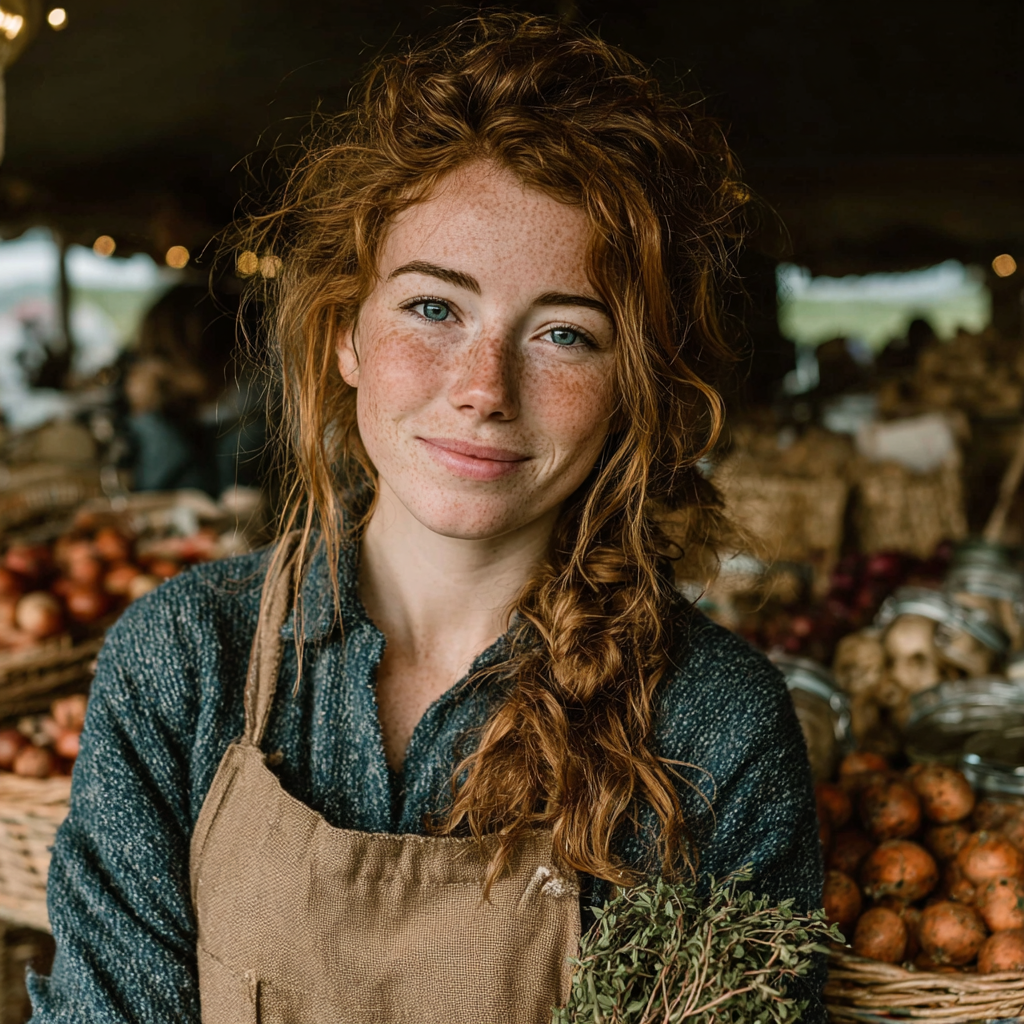
By Sophie Brennan
Irish food writer and historian based in Lisbon. Sophie combines her background in medieval history with a passion for contemporary gastronomy. She has written for Condé Nast Traveller and authored two cookbooks exploring Celtic and Iberian culinary traditions.