
From Cecina to Cacciucco: A Food-Lover's Guide to Pisa's Coastal Kitchen
Pisa is not a city that shouts. After the photo crowds thin out around the Leaning Tower, the real city emerges—marble-pale in the Tuscan light, threaded with medieval alleys that smell of wood-fired ovens and the salt breeze from the Ligurian Sea, barely twenty kilometers away. This is a place where physics professors queue at dawn for cecina still warm from the oven, where fishmongers have sold pesce azzurro from the same marble slabs since the 1400s, and where every trattoria owner will tell you (whether you asked or not) that their olive oil comes from cousin Marco's trees in the Monti Pisani.
The food here carries the weight of that maritime history. Pisa was once one of Italy's great naval republics, and the cuisine reflects it: chickpea flour, not wheat, defines the street food. Fish stews simmer with tomatoes and chili. The olive oil is delicate and almost sweet, pressed from olives grown in terraced groves that climb the hills separating the city from Lucca. This is not Florentine steak territory. This is something older, more specific, and far less concerned with what tourists expect.
What to Eat: The Pisan Pantry
Cecina (Farinata)
The signature street food of Pisa is a thin, crispy pancake made from chickpea flour, water, salt, and olive oil, baked in a wood-fired oven until the edges blister and curl. Called cecina here (and farinata in Liguria), it's sold by weight from bakeries and focaccerie starting around midday. A generous slice costs €2–4. Look for places where you can see the oven—if there's smoke and a baker with flour-dusted arms, you're in the right spot. The best cecina has a soft, almost custard-like center beneath its crackling top layer, and it's meant to be eaten immediately, wrapped in paper, while walking toward the Arno.
Cacciucco
This is Pisa's answer to bouillabaisse: a hearty fish stew made with whatever the morning catch brought in—typically red mullet, gurnard, cuttlefish, and mussels—simmered in a tomato broth spiked with chili and served over stale bread that's been rubbed with garlic. The bread is crucial; it soaks up the broth and transforms into something almost creamy. A proper cacciucco takes hours to prepare and is never cheap (expect €18–25 in a good trattoria), but it's the definitive taste of the city's maritime soul. Order it in winter, when the fishermen's boats come in heavy with pesce azzurro from the cold Ligurian waters.
Pici al Cinghiale
Thick, hand-rolled Tuscan pasta (imagine rustic, uneven spaghetti with the texture of a firm al dente udon) dressed with slow-braised wild boar ragù. The boar is hunted in the hills above Pisa, and the sauce simmers for hours with red wine, rosemary, and tomatoes until it clings to the pasta like a dark, meaty velvet. This is a Sunday dish, heavy and generous, and it pairs best with a young Chianti Colli Pisani.
Bordatino alla Pisana
A humble, warming soup of cornmeal, black cabbage, and beans, thickened with a touch of tomato and flavored with the rind of Pecorino Toscano. It's the kind of dish that doesn't appear on tourist menus because it requires patience—both to cook and to appreciate. You'll find it in autumn and winter at family-run trattorias, usually as a primo piatto for €8–12.
Mucco Pisano
The local breed of cattle, raised in the marshlands of the Parco di Migliarino-San Rossore, produces beef that's leaner and more flavorful than standard commercial cuts. While Pisa isn't known for bistecca the way Florence is, the tagliata di manzo here—seared rare and sliced over arugula with shavings of Pecorino—is exceptional. Look for it at Osteria dei Cavalieri, where they source from a single rancher in the park.
Torta co' Bischeri
A Pisan specialty that rarely appears outside the city limits, this dense tart is made with shortcrust pastry, rice, Swiss chard, raisins, pine nuts, and bittersweet chocolate. It sounds odd—the combination of savory rice and sweet chocolate confuses every first-time visitor—but the result is a complex, almost medieval flavor that makes sense once you understand that Pisan sailors brought chocolate back from the Americas while Arab traders introduced pine nuts and dried fruit centuries earlier. Look for it at La Pergoletta or at Pasticceria Salza, where they make it in small batches on Thursdays and Fridays.
Seasonal Specialties
Autumn (September–November): This is the season of the cinghiale (wild boar), when hunters bring their catch down from the hills and trattorias feature pappardelle al cinghiale and cinghiale in umido (slow-braised boar stew) on every menu. It's also mushroom season—look for tagliatelle ai funghi porcini at Osteria dei Cavalieri.
Winter (December–February): The time for cacciucco, bordatino, and ribollita. The markets overflow with cavolo nero (black cabbage), and every trattoria worth its salt serves fagioli con le cotiche (beans with pork rind) on Fridays.
Spring (March–May): Artichokes appear in April, served simply braised with garlic and olive oil or stuffed with breadcrumbs and Pecorino. Asparagus from the nearby hills is another spring specialty, often grilled and dressed with lemon and the delicate olive oil of the Monti Pisani.
Summer (June–August): The heat drives dining toward lighter fare—panzanella (bread salad with tomatoes and basil), grilled seafood, and gelato made with local figs and peaches. The Luminara di San Ranieri (June 16) sees the city lit by thousands of candles, and street vendors sell cecina and brigidini (anise-flavored wafers) along the river until midnight.
Where to Eat
Osteria dei Cavalieri
Address: Via San Frediano 16, 56126 Pisa, Italy
Phone: +39 050 580858
Hours: Monday–Friday, 12:30–2:30 PM and 7:30–10:30 PM; Saturday dinner only
Price Range: €25–40 per person
Must-Order: Pici al cinghiale, tagliata di manzo, cacciucco (weekends only)
This is the restaurant every Pisan will name if you ask where to eat. Housed in a 12th-century tower house near Piazza dei Cavalieri, it has been run by the same family since 1984. The dining rooms are stone-walled and candlelit, with vaulted ceilings that make every conversation feel conspiratorial. The menu changes with the market, but the pici al cinghiale is a permanent fixture, and the cacciucco—served only on Fridays and Saturdays—is the best in the city. The wine list is heavy on Colli Pisani and San Torpè labels, and the owner, Paolo, will steer you toward something interesting if you ask. Book at least two days ahead; it's full of university professors, local lawyers, and the occasional physicist from the nearby Scuola Normale Superiore.
Trattoria da Mario
Address: Via Luigi Bianchi 19, 56123 Pisa, Italy
Phone: +39 050 502520
Hours: Tuesday–Saturday, 12:00–3:00 PM and 7:00–11:00 PM; Sunday lunch only
Price Range: €15–25 per person
Must-Order: Cecina, ribollita, bordatino
A third-generation trattoria tucked into a backstreet near the Arno, Da Mario is where you go when you want to eat what the owner's grandmother ate. The cecina here is baked fresh throughout the day in a wood-fired oven that's older than most of the customers, and the ribollita—a thick vegetable and bread soup—is made with black cabbage from the family's garden in San Giuliano Terme. The dining room is small (maybe twelve tables), the tablecloths are paper, and the waiters don't speak much English. Point at what the table next to you is having. You'll be fine.
La Pergoletta
Address: Via delle Belle Torri 36, 56126 Pisa, Italy
Phone: +39 050 542458
Hours: Tuesday–Sunday, 7:30 PM–11:00 PM
Price Range: €30–50 per person
Must-Order: Tasting menu, seasonal pasta, tiramisù
If Da Mario is your grandmother's kitchen, La Pergoletta is where you take someone you want to impress. The dining room is candlelit and intimate, with exposed brick walls and a small courtyard garden where they grow herbs for the kitchen. The menu is modern Tuscan—traditional ingredients treated with precision rather than sentimentality. The tasting menu (€45) is worth the splurge: five courses that might include baccalà (salt cod) with chickpea cream, hand-rolled pici with rabbit ragù, and a torta co' bischeri (a local rice and pine nut tart) that's lighter than it has any right to be. The wine list includes hard-to-find labels from the Colli Pisani and a surprisingly good selection of natural wines.
Il Crudo
Address: Via Domenico Sartori 11, 56125 Pisa, Italy
Phone: +39 050 29651
Hours: Daily, 12:00 PM–12:00 AM
Price Range: €8–15 per person
Must-Order: Cecina, schiacciata with mortadella, local craft beer
A panineria and vineria that has become the unofficial canteen of Pisa's university students, Il Crudo serves some of the best sandwiches in the city. The schiacciata (a salty, olive oil-drenched flatbread) is baked fresh every morning and filled with mortadella di Prato, Pecorino Toscano, or soprassata (a spiced salami). Order at the counter, take a seat at one of the communal tables, and eavesdrop on arguments about Kant or quantum mechanics. The craft beer selection is better than it needs to be.
Morning Rituals: Coffee, Cornetti & Pasticcerie
The Italian breakfast is a standing affair: an espresso or cappuccino at the bar, a warm cornetto (the Italian croissant, less buttery than its French cousin but with a more substantial chew), and a quick scan of the newspaper before the workday begins. In Pisa, this ritual is taken seriously.
Bar La Tazza d'Oro
Address: Piazza Cairoli 13, 56125 Pisa, Italy
Hours: Daily, 6:30 AM–9:00 PM
Price: Cappuccino and cornetto, €2.50–3.50
A tiny bar on a quiet piazza near the university, La Tazza d'Oro pulls espresso shots that are short, bitter, and perfect. The cornetti are made in-house every morning—try the pistachio cream filling—and the outdoor seating is ideal for watching the city wake up. Locals crowd the bar at 8 AM; tourists rarely find it.
Pasticceria Salza
Address: Borgo Stretto 44, 56125 Pisa, Italy
Hours: Tuesday–Sunday, 7:30 AM–8:00 PM
Price: Pastries €1.50–3.00
Operating since the 1890s, Salza is Pisa's most famous pastry shop, and for good reason. The budino di riso (rice pudding tart) is the thing to order—crisp pastry, creamy rice filling, a dusting of powdered sugar. It's the breakfast of choice for professors from the nearby Scuola Normale, and the marble-topped bar has barely changed in a century.
Bar dell'Orologio
Address: Piazza Dante 11, 56126 Pisa, Italy
Hours: Daily, 7:00 AM–2:00 AM
Price: Aperitivo with buffet, €6–8
A student favorite near Piazza Dante, this bar is best known for its aperitivo (see below), but the morning cornetti are excellent and the coffee is strong enough to fuel an all-night study session. The outdoor terrace is prime people-watching territory.
Market Life: Piazza delle Vettovaglie
Address: Piazza delle Vettovaglie, 56126 Pisa, Italy
Hours: Monday–Saturday, 7:00 AM–2:00 PM (some vendors until 4:00 PM)
The market square is the living heart of Pisan food culture. Built in the 15th century with a loggia of striped marble columns, it houses butchers, fishmongers, cheese vendors, and produce sellers who have occupied the same stalls for generations. The fishmongers near the center sell pesce azzurro (sardines, anchovies, mackerel) brought in from Livorno each morning; arrive before 10 AM for the best selection. The butchers specialize in Mucco Pisano beef and wild boar from the San Rossore park. On Saturdays, the square fills with farmers from the surrounding hills selling olive oil, honey, and Pecorino aged in walnut leaves.
Pro Tip: Buy a wedge of aged Pecorino Toscano and a paper cone of cecina from a nearby bakery, then eat them on the steps of the loggia while watching the market transactions unfold. It's the most authentic lunch in Pisa, and it costs less than €5.
The Olive Oil & Truffle Connection
Pisa sits at the edge of the Strada dell'Olio dei Monti Pisani, a network of olive groves and frantoii (olive mills) that climbs the hills between Pisa and Lucca. The olive oil here is protected by IGP status—delicate, slightly peppery, and nothing like the heavy, grassy oils of southern Tuscany. If you have a car, drive the Strada dell'Olio through Vicopisano and Buti, where family-run mills offer tastings from November through January, when the olives are pressed.
Forty minutes east, the town of San Miniato is famous for its white truffle (tartufo bianco), hunted in the hills between October and December. The annual Mostra Mercato Nazionale del Tartufo Bianco (National White Truffle Fair) transforms the town each November, but even outside festival season, local restaurants shave fresh truffle over hand-rolled pasta with a generosity that would make a Florentine weep. Osteria dei Cavalieri occasionally features truffle dishes in season—call ahead to confirm.
The Art of the Aperitivo
The Pisan aperitivo is a civilized affair: a spritz or a glass of Vermouth di Torino, a small plate of olives and cheese, and the gradual transition from work to evening. The best spots are along the Arno, where the late light turns the water the color of amber.
Caffè delle Sette Chiese
Address: Via dei Mille 23, 56126 Pisa, Italy
Phone: +39 050 580585
Hours: Daily, 5:00 PM–12:00 AM
Price: Aperitivo with snacks, €8–12
Named for the seven churches visible from its terrace, this bar serves what might be the best Negroni in Pisa. The aperitivo spread is generous—bruschetta with lardo di colonnata, marinated olives, and small sandwiches with Pecorino and pear. Arrive at 6:30 PM to catch the sunset over the Arno.
Bar dell'Orologio
(See above for details)
The student crowd gives this place energy, and the aperitivo buffet (€6–8) is substantial enough to replace dinner. Expect a crush of people between 7 and 9 PM, but the atmosphere is infectious.
What to Skip
- Restaurants immediately adjacent to Piazza dei Miracoli: The places within sight of the Leaning Tower charge up to 300% more for inferior versions of Tuscan dishes. The food is often pre-made, the wine lists are inflated, and the staff are trained to turn tables fast. Walk eight minutes southeast to Borgo Stretto or Via San Frediano instead.
- Any restaurant with a multilingual photo menu: If the menu is laminated, features pictures of the dishes, or is displayed outside by a host beckoning passersby, keep walking. These are universal indicators of tourist-trap cuisine.
- Cafés directly facing the Tower entrance: A cappuccino and cornetto that costs €2.50 at Bar La Tazza d'Oro can cost €7–8 at the cafés on Piazza dei Miracoli. The view is not worth the markup.
- "Tuscan cooking class" experiences near the monuments: The ones marketed to day-trippers are usually overpriced and teach generic recipes you could find online. If you want a real class, look for ones held in the hills at agriturismi along the Strada dell'Olio.
- Gelato piled high in bright colors: Good gelato is stored in flat, covered containers (called * pozzetti*) to maintain temperature. If you see mountains of neon-pink strawberry gelato, it's industrial and overpriced.
Practical Logistics
Getting There: Pisa is easily reached by train from Florence (1 hour), Rome (2.5–3 hours), and Genoa (1.5 hours). The airport (Galileo Galilei) is a 5-minute train ride from the city center.
Getting Around: The historic center is entirely walkable. From the train station to Piazza dei Miracoli is a 20-minute stroll along the Arno. Buses are available but rarely necessary.
Best Time to Visit: Spring (April–June) and autumn (September–October) offer ideal weather and fewer crowds. Winter is excellent for cacciucco and ribollita, while summer brings the Luminara di San Ranieri (June 16), when the city is illuminated with thousands of candles along the river.
Budget: A full meal at a good trattoria costs €15–25 per person (excluding wine). Aperitivo runs €6–12. Breakfast at the bar is €2–3.
Tipping: Not expected. A coperto (cover charge, €1–2) is sometimes added to the bill; this is normal and replaces the tip.
Language: English is spoken in most restaurants, but attempts at Italian are appreciated. Key phrases: "Un caffè, per favore" (a coffee, please), "Il conto" (the bill), "Senza glutine" (gluten-free—many places offer cecina as a naturally gluten-free option).
Food Safety: Pisa is generally very safe. The main risk is overeating.
About the Author: Sophie Brennan is a food writer and culinary historian based in Dublin. She has spent the last fifteen years eating her way through Italy's lesser-known regions, and she believes the best meals are found in places where the menu is written on a chalkboard and the wine comes from a barrel with a spigot. She has never forgiven a certain restaurant in Pisa for running out of cacciucco before she arrived, and she returns every year to settle the score.
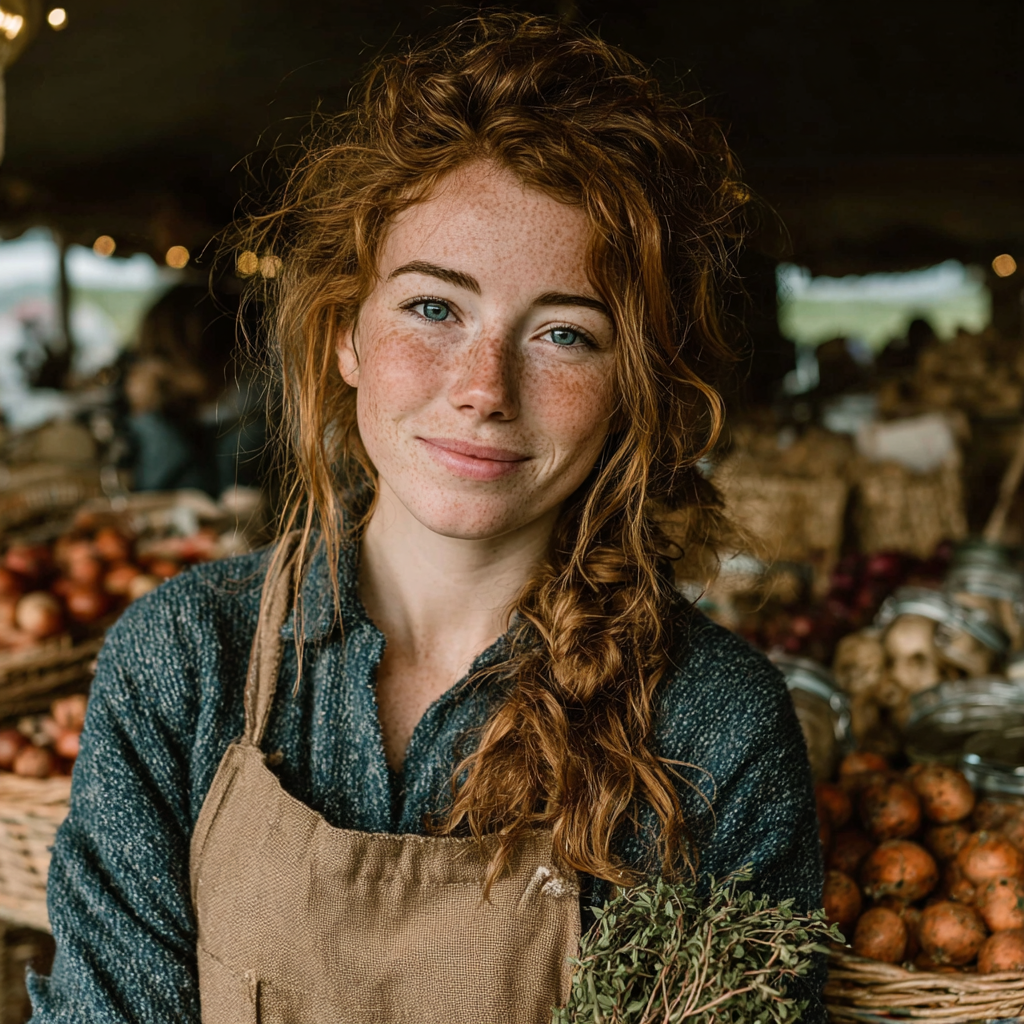
By Sophie Brennan
Irish food writer and historian based in Lisbon. Sophie combines her background in medieval history with a passion for contemporary gastronomy. She has written for Condé Nast Traveller and authored two cookbooks exploring Celtic and Iberian culinary traditions.