
Turin: Italy's Most Underrated City — Where Royal Palaces, Egyptian Mummies, and Fiat's Rooftop Test Track Share the Same Streets
By Elena Vasquez | Culture & History Correspondent
Elena is a historian and food writer who has spent the last fifteen years chasing stories through the lesser-known corners of Europe. She believes the best cities are the ones that don't try to impress you — they simply are. Turin, she argues, is the most honest city in Italy.
Most travelers to Italy head south to Rome or Florence and never consider what lies in the north. Turin is their loss. The city was the capital of a unified Italy before Rome took the title, the seat of the House of Savoy for centuries, and the engine room of Italian industry. It has the country's second-largest Egyptian museum, a coffee culture that predates Starbucks by two hundred years, and arcaded boulevards that feel more Parisian than Italian. The locals will tell you Turin is the most European city in Italy. They might be right.
The city sits on the Po River, pressed against the Alps, and its geography shaped everything about it. The Savoy dynasty built here in the 16th century, transforming a medieval town into a baroque showcase of power. They laid out the city on a grid, connected by straight avenues that run for kilometers. The result is a center that walks easily and logically, with porticoes covering over 18 kilometers of sidewalks. When it rains, you can cross half the city without an umbrella. This is a city built for pedestrians, not postcards — and that is precisely its charm.
The Royal Heart: Palaces, Churches, and the Shroud
Start at Piazza Castello, the historic core. The Royal Palace sits on the eastern edge, a vast baroque complex that housed the Savoys until 1865. The interior is gilt and marble and heavy velvet, but the real prize is the Shroud of Turin in the adjacent Cathedral of Saint John the Baptist. The shroud itself is rarely displayed — the last public exhibition was in 2015, and the next is scheduled at the Archbishop's discretion, typically once every several decades. But the chapel designed by Guarino Guarini to hold it is worth the visit regardless. His dome, built without a central support, is an engineering marvel of interlocking stone ribs that seems to float above the space. Whether you believe the relic is authentic or a medieval forgery, the architecture is undeniably real.
Palazzo Reale (Royal Palace): Piazza Reale 1, 10122 Turin. Open Tuesday–Sunday 8:30 AM–6:00 PM. Admission: €15 for the full royal apartments and armory; €10 for the palace only. Audio guide included in full ticket. The armory holds one of Europe's finest collections of medieval and Renaissance weapons, including armor worn by the Savoy dynasty. Allow two hours for the full circuit.
Cathedral of Saint John the Baptist: Via XX Settembre 87. Open daily 7:00 AM–12:30 PM and 3:00 PM–7:00 PM. Free entry. The shroud is kept in a climate-controlled case behind bulletproof glass in the chapel. Even when not on display, the chapel's baroque architecture and Guarini's dome are the main attractions.
Walk north through the arcades to the Mole Antonelliana, the city's most recognizable silhouette. The building was conceived as a synagogue in 1863, but financial troubles led the Jewish community to sell it to the city before completion. The result is an eclectic tower that rises 167 meters, capped with an aluminum spire added in the 1950s. The interior now houses the National Museum of Cinema, which traces the history of film from shadow puppets to digital projection. The collection includes original cameras, costumes from Fellini films, and the bed from "Anatomy of a Murder." Take the elevator through the center of the dome to the viewing platform. On clear days, you can see the Alps framing the city to the west.
Mole Antonelliana & National Museum of Cinema: Via Montebello 20, 10124 Turin. Open Tuesday–Sunday 9:00 AM–8:00 PM (until 11:00 PM on Saturdays). Admission: €13 for museum + elevator; €7 for elevator only. The elevator ride is genuinely spectacular — a glass cabin that climbs through the center of the dome. Go on a clear morning for the best views of the Alps. Last elevator ascent is 45 minutes before closing.
The Egyptian Museum: Better Than Cairo? Some Say Yes
Turin's Egyptian Museum is the best of its kind outside Cairo, and many Egyptologists consider it superior to the British Museum's collection for quality and organization. The museum holds over 30,000 artifacts, including the Tomb of Kha, a royal architect buried in 1400 BCE with everything he might need in the afterlife. His furniture, clothing, and even food were preserved by desert conditions and meticulous Italian excavation. The statue of Ramses II dominates the main gallery, a seated colossus that demands silence. The museum underwent a major renovation in 2015, replacing old display cases with immersive installations that use lighting and sound to evoke the Valley of the Kings. It works better than it sounds.
Museo Egizio (Egyptian Museum): Via Accademia delle Scienze 6, 10123 Turin. Open daily 9:00 AM–6:30 PM (last entry 5:30 PM). Admission: €18 for adults; €15 for students and seniors over 65; €3 for children 6–14. Audio guide: €5. This is a half-day visit minimum. The Tomb of Kha alone is one of the most complete non-royal burial assemblages ever discovered. The new multimedia installations can feel gimmicky in lesser museums, but here they genuinely enhance the material. Book tickets online in advance during peak season (April–October) to avoid queues.
Coffee as Religion: The Historic Cafés of Turin
The city's coffee culture runs deep. Turin was the birthplace of Lavazza in 1895, and the company still maintains its headquarters here. But the local ritual predates industrial roasting. Visit one of the historic cafes along Via Po or in Piazza San Carlo. Caffè San Carlo, open since 1822, served Cavour and Verdi. Caffè Fiorio, a few doors down, was where the Savoy court came for gelato in the 19th century. The order here is a bicerin, a layered drink of espresso, hot chocolate, and cream that originated in the 18th century. It arrives in a small glass, distinct strata visible before you stir. Drink it in the morning like a local, standing at the bar or seated if you are willing to pay the table service premium.
Caffè San Carlo: Piazza San Carlo 156, 10123 Turin. Open daily 7:30 AM–8:00 PM. A bicerin at the bar costs €3.50; at a table, expect €6–€8. The interior is a rococo fantasy of mirrors, chandeliers, and gilded stucco. It feels like drinking coffee inside a jewelry box.
Caffè Fiorio: Via Po 8, 10123 Turin. Open Monday–Saturday 8:00 AM–9:00 PM, Sunday 9:00 AM–9:00 PM. Famous for gelato and chocolate as well as coffee. The house hot chocolate (cioccolata calda) is essentially melted chocolate bar — thick, intense, and nothing like the powdered stuff.
Al Bicerin: Piazza della Consolata 1, 10122 Turin. Open Tuesday–Sunday 8:30 AM–7:30 PM, Monday 10:30 AM–7:30 PM. This is the original home of the bicerin, operating since 1763. The bicerin here costs €4 at the bar. The setting is tiny and intimate — six tables in a room that feels unchanged since the 18th century.
Industrial Giants: Fiat, Lingotto, and the Rooftop Test Track
Turin's industrial heritage is impossible to ignore. Fiat was founded here in 1899, and the Agnelli family shaped the city's economy and identity for generations. The Lingotto factory, south of the center, was the largest car plant in Europe when it opened in 1923. Its test track on the roof — a mile of banked turns where finished vehicles were driven before delivery — became an icon of industrial modernism. The factory closed in 1982 and sat empty for years before Renzo Piano converted it into a mixed-use complex. The test track remains, now open to visitors who walk the same concrete curves where Fiat engineers once validated engines. The building houses the Pinacoteca Giovanni e Marella Agnelli, a museum of the family collection that includes works by Canaletto, Matisse, and Picasso, displayed in a glass pavilion on the roof.
Lingotto & Pinacoteca Agnelli: Via Nizza 230, 10126 Turin. The test track is accessible during shopping center hours (daily 10:00 AM–10:00 PM) and is free to walk. The Pinacoteca is open Tuesday–Sunday 10:00 AM–7:00 PM. Admission: €10. The collection is small but impeccably chosen — twenty-three works in a glass pavilion designed by Renzo Piano on the factory roof. The experience of standing on the Lingotto roof, surrounded by art, with the test track curves visible beyond the glass, is uniquely Turin.
The Underground City: Tunnels, Mines, and the Gate of Hell
The automotive connection extends to the city's underground. Beneath the streets runs a network of tunnels dug by the Savoys for defensive purposes and expanded during World War II. The official tours cover the safer sections, but locals know the city sits on a honeycomb of passages. Some connect palaces to churches, allowing nobles to attend mass without facing the public. Others were wine cellars, storage vaults, or escape routes. The official Museo Civico Pietro Micca tells the story of the 1706 siege, when Turin withstood French attack thanks to mines and counter-mines dug beneath the citadel. The museum includes access to some tunnel sections, narrow passages where you can still see the pick marks on the stone.
Museo Civico Pietro Micca: Via Maria Vittoria 12, 10123 Turin. Open Tuesday–Sunday 10:00 AM–6:00 PM. Admission: €5. The tunnel visit is guided and lasts about 45 minutes. Bring a light jacket — the tunnels are cool even in summer. The museum is primarily in Italian, but English brochures are available.
Turin's reputation for mystery and the occult is not entirely marketing. The city sits at the intersection of two "black magic" ley lines, according to esoteric tradition, one connecting it to Lyon and Prague, the other to London and San Francisco. Whether you believe in such things, the symbolism is everywhere. The Piazza Statuto, west of the center, contains a monument to the workers who died building the Frejus Tunnel, but locals call it the "Gate of Hell" and claim the statue points directly toward the underworld. The Holy Grail is supposedly hidden somewhere in the city, according to various conspiracy theories. The Egyptian Museum's collection of mummies adds to the atmosphere. Turin leans into this reputation each winter with the Magico Natale festival, when light installations and esoteric tours draw visitors during the cold months.
Aperitivo as Dinner: The Art of the Free Buffet
For food beyond coffee, Turin offers the northern Italian tradition of aperitivo taken to its extreme. The ritual starts around 6 PM, when bars lay out buffet spreads that can substitute for dinner. Pay for a drink, usually €8 to €12, and eat from tables loaded with pasta, salads, cured meats, and bread. The inventors of this tradition were the Cafè-Biffi and the Stratta, both still operating near Piazza San Carlo, but the practice has spread to virtually every bar in the city. For a sit-down meal, the local specialties are agnolotti, small pasta pockets filled with roasted meat, and vitello tonnato, sliced veal in a tuna and caper sauce. The breadsticks called grissini were invented here to aid digestion for the young Duke Vittorio Amedeo II in the 17th century. They remain a point of local pride, thinner and crispier than industrial versions found elsewhere.
Cafè-Biffi: Piazza San Carlo 146, 10123 Turin. Aperitivo runs 6:00 PM–9:30 PM daily. Drink + buffet: €12. One of the originals, and the quality remains high. The interior is classic Turin — marble, brass, and mirrors.
Stratta: Piazza San Carlo 191, 10123 Turin. Aperitivo 6:00 PM–9:00 PM. Drink + buffet: €10–€13. Known for elaborate buffet spreads including fresh pasta, seafood salads, and local cheeses.
For a proper sit-down dinner: Try Porta Palazzo, Europe's largest open-air market, operating Monday–Friday 7:00 AM–2:00 PM and Saturday 7:00 AM–7:00 PM. The surrounding streets are filled with casual restaurants serving agnolotti, tajarin (thin egg noodles), and local wines. The market itself is a chaotic, vibrant mix of produce, clothing, and street food. It's not polished, but it's real.
Football, Class, and the Tragedy of Superga
The city has two football clubs, Juventus and Torino, and the divide between them maps onto class and history. Juventus, founded in 1897, became the team of the Italian establishment, supported by the Agnelli family and associated with industrial wealth. Their Allianz Stadium, northwest of the center, hosts matches for one of the most successful clubs in European history. Torino, founded in 1906, was the working-class alternative, the team of Fiat factory workers. The tragedy of Superga, when the entire 1949 Torino team died in a plane crash into the basilica on the hill overlooking the city, remains a wound that has never fully healed. The Basilica of Superga is accessible by a vintage rack railway from Sassi, a 20-minute ride through woods that suddenly opens to a panoramic view of the city and the Alps beyond. The graves of the football team are in the crypt.
Basilica di Superga: Strada Basilica di Superga 73, 10132 Turin. The Sassi-Superga rack railway departs from Piazza General G. A. Ferrari in Sassi. Trains run every 30–60 minutes depending on season. Round-trip ticket: €6. The basilica itself is free to enter; crypt access is €3. The view from the terrace is the best in Turin — the entire city laid out below, the Po River winding east, and the Alps forming a snow-capped wall to the west. On match days, the stadium roar drifts up the hill. It's audible, and strangely moving.
Allianz Stadium (Juventus Museum): Corso Gaetano Scirea 50, 10151 Turin. Museum open daily 10:00 AM–7:00 PM. Stadium tours available on non-match days. Museum admission: €15. Combined museum + stadium tour: €22. Even non-football fans will appreciate the museum's design and the stadium's atmosphere on match days. If you can get tickets to a Serie A match, do it — the atmosphere is electric.
What to Skip
The Holy Grail tours. Several companies offer esoteric "mystery of Turin" walking tours that promise to reveal the city's hidden magical symbolism. Most of these are overpriced nonsense — €30–€50 for two hours of speculative storytelling. The genuine esoteric history (the ley line theory, the Piazza Statuto monument) is freely available in any guidebook or credible blog. If you want the underground tunnels, visit the Pietro Micca museum instead. It's cheaper, historically accurate, and genuinely atmospheric.
The Lavazza museum for non-coffee obsessives. The Lavazza headquarters in the Aurora district houses a slick, corporate museum that costs €10 and is essentially a branded experience. If you're a coffee industry professional or a Lavazza superfan, it's worth it. For everyone else, the historic cafés in the center offer more atmosphere, better drinks, and no entry fee.
The Shroud exhibition hall when the shroud is not on display. The Chapel of the Holy Shroud is a masterpiece of baroque architecture and is always worth visiting. But the museum section dedicated to the shroud's history is small, text-heavy, and primarily in Italian. If you're not deeply invested in the relic's controversy, skip the museum and spend that time in the Egyptian Museum instead.
Piazza Vittorio Veneto after dark (for dining). This is the largest porticoed square in Europe and beautiful to walk through. But the restaurants lining it are uniformly mediocre and overpriced, catering to tourists who choose based on view rather than food. Walk five minutes in any direction for better, cheaper meals.
Practical Logistics
Getting There: Turin is served by Caselle Airport (TRN), 16 km north of the city. The SADEM bus runs to Porta Nuova station every 15–30 minutes, takes 45 minutes, and costs €3.50. A taxi is €35–€40. High-speed trains from Milan take 50 minutes; from Rome, 4–5 hours. Porta Nuova is the main station, centrally located.
Getting Around: The city center is entirely walkable. For longer distances, the GTT metro (single line) and trams are efficient. A single ticket costs €1.90 and is valid for 90 minutes. Day passes are €4.50. Buy tickets at tabacchi shops or metro stations. The metro is clean, fast, and underutilized by tourists — you'll have it mostly to yourself.
Best Time to Visit: Spring (April–June) and fall (September–October) are ideal. Summer is hot and humid, though the porticoes provide shade. Winter is cold and foggy, but the Magico Natale festival and Christmas markets add atmosphere. Avoid August if possible — many local businesses close for the traditional summer holiday.
Budget: Turin is cheaper than Rome, Florence, or Milan. A coffee at the bar: €1.20–€3.50. Aperitivo: €8–€12. Museum entries: €5–€18. A good mid-range dinner: €25–€40 per person. Accommodation in the center runs €80–€150 for a solid three-star hotel. You can experience the city's best offerings for under €60 per day excluding accommodation.
Safety: Turin is one of Italy's safest cities. Standard precautions apply in Porta Palazzo market (pickpockets) and around the train station at night. The city center is well-lit and active until late.
Language: English is widely spoken in museums, hotels, and restaurants. In traditional cafés and neighborhood trattorias, a few words of Italian are appreciated but not required. The local dialect (Piedmontese) is sometimes spoken among older residents but has no practical impact on visitors.
Turin does not announce itself. It lacks the postcard perfection of Florence or the operatic chaos of Naples. What it offers is substance: museums of world-class quality, architecture that rewards attention, food traditions that have not been simplified for export, and a sense of being in a real city where people work and live rather than one converted entirely for tourism. The Alps are visible from the center on clear days, a reminder that Turin has always been a frontier town, looking north toward France and Switzerland while anchoring the Italian state. Visit in spring or fall, when the weather is mild and the city empties of the students who fill its universities. Walk the porticoes. Drink the bicerin. Look up at Guarini's dome and wonder how it stays standing. Turin has been asking the same question for three hundred years.
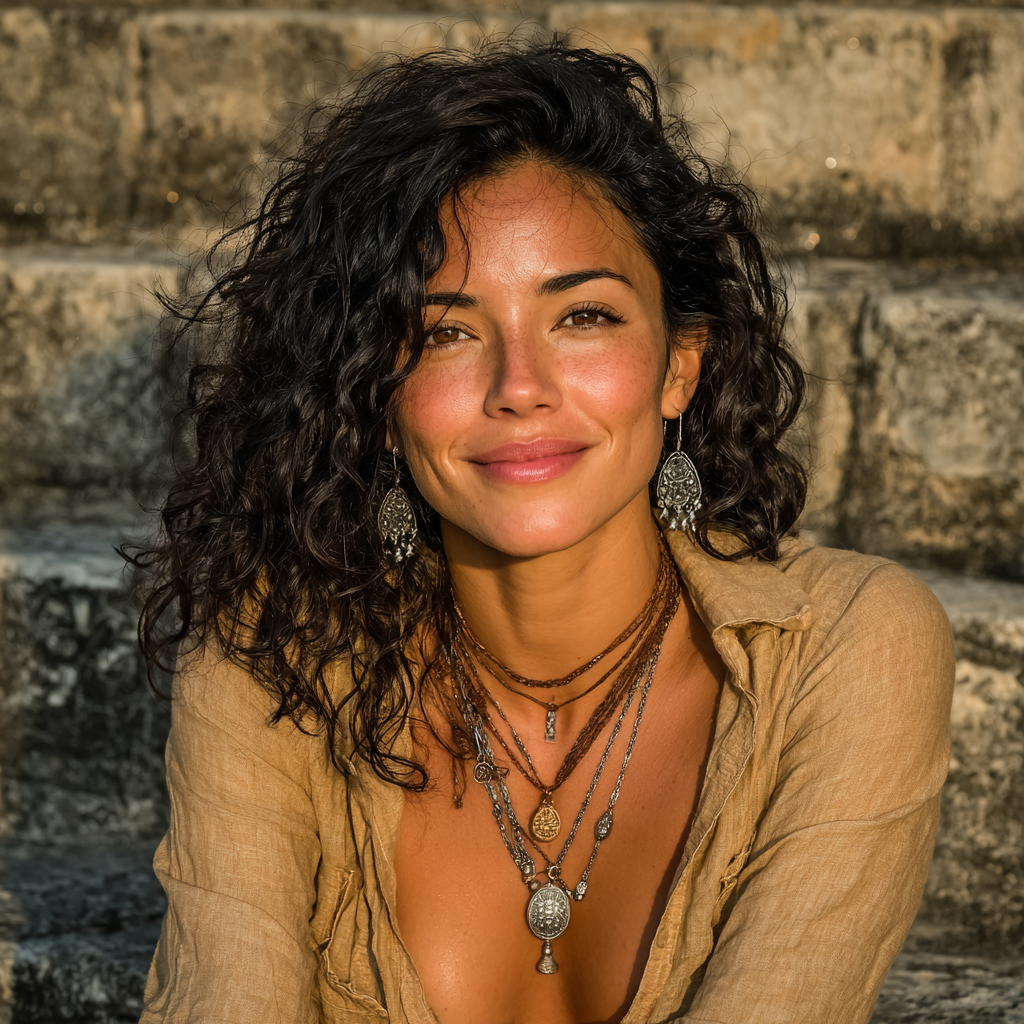
By Elena Vasquez
Cultural anthropologist and culinary storyteller. Elena spent a decade documenting traditional cooking methods across Latin America and the Mediterranean. She holds a PhD in Ethnography from Barcelona University and believes the best way to understand a place is through its kitchens and ancient streets.