
Siena's Defiant Soul: How a Medieval City Chose Its Own Path
The Shell-Shaped Heart of Tuscany
Most Tuscan cities bowed to Florence's cultural dominance during the Renaissance. Siena looked the Medici in the eye and said no.
Walk through Porta Camollia—the ancient northern gate where legend says a stone reads "Siena opens her heart wider than this gate"—and you'll understand why. The city didn't stagnate; it simply refused to abandon its medieval identity. While Florence built domes and championed humanist ideals, Siena doubled down on Gothic architecture, contrada loyalty, and a civic pride so ferocious it still shapes daily life seven centuries later.
This is a city where neighborhoods function as tribes, where horse races matter more than football, and where the Black Death isn't just history—it's the defining trauma that explains everything about how Sienese people see themselves. It's not a museum piece. It's a living, breathing, occasionally infuriating medieval organism that happens to serve excellent wine.
The Piazza That Swallows You Whole
Piazza del Campo isn't just a square. It's a seashell made of brick, sloping dramatically toward the Palazzo Pubblico like a giant amphitheater waiting for its audience. The nine sections of paving represent the Nove, the council of nine governors who ruled Siena at the height of its republican power. Sit on the warm bricks with a gelato from one of the perimeter cafés—Gelateria Grom on Via Banchi di Sopra 11/13 does excellent pistachio—and watch the piazza's personality shift from sleepy morning to chaotic evening. Around 7 PM, the square fills with aperitivo crowds spilling from Bar Bigè and Nannini Conca D'Oro, and the whole thing feels less like a tourist attraction and more like someone's enormous living room.
The Palazzo Pubblico dominates the downhill edge. Built between 1297 and 1310, this Gothic town hall still functions as Siena's civic administration. Its red-brick facade and arched windows are textbook Sienese Gothic—nothing like Florence's marble excess. Inside, the Civic Museum (Museo Civico) houses Ambrogio Lorenzetti's Allegory of Good and Bad Government, a series of frescoes from 1338-1339 that essentially served as a medieval political cartoon. The "Good Government" panel shows a thriving city; the "Bad Government" panel shows literal demons running amok. Given that Siena's actual government collapsed within decades of the painting's completion, the irony is almost too perfect.
Visitor information: Palazzo Pubblico & Civic Museum, Piazza del Campo 1. Open daily; hours vary by season: March 1–November 2, 10:00–19:00; November 3–December 24, 10:30–17:30; December 26–January 6, 10:00–19:00. Admission: €6 (or €15 combo with Torre del Mangia).
The Torre del Mangia rises 102 meters beside the palace—one of Italy's tallest medieval towers, built between 1338 and 1348. The name comes from Giovanni di Balduccio, the tower's first bell-ringer, whose nickname "Mangiaguadagni" (profit-eater) referenced his legendary appetite. Climbing the 400 narrow steps isn't for the claustrophobic, but the view from the top justifies every wheezing breath. You'll see the Duomo's striped facade, the terracotta sea of rooftops, and the rolling Chianti hills beyond the city walls.
Visitor information: Torre del Mangia, Il Campo 1. Timed entry every 45 minutes. March 1–October 30: 10:00–18:00 (last entry 18:00 at 18:00 slot); November 1–February 28: 10:00–15:15 (fewer slots). Closed December 25; January 1 opens 12:00–16:00. Admission: €10; combo with Civic Museum €15. Tickets sold on-site only—arrive early in summer as daily capacity is limited. The tower closes in bad weather.
The Cathedral Complex: Ambition Carved in Marble
Siena's Duomo should have been the largest church in Christendom. In 1339, the city began expanding it, planning a nave that would dwarf even St. Peter's. Then the Black Death arrived in 1348, killing half the population, and the project stalled forever. The unfinished facade—what locals call the "Facciatone"—now serves as a panoramic terrace, offering one of the most Instagrammable views in Tuscany.
What they did finish is staggering. The cathedral's exterior features black-and-white striped marble columns that have become Siena's visual signature. Inside, the Piccolomini Library—added in 1492—contains frescoes by Pinturicchio depicting the life of Pope Pius II, a Sienese native who somehow became one of history's most interesting popes. The ten frescoes are a Renaissance masterclass, but what makes the room unforgettable is the intricate inlaid woodwork and the sense that you're standing inside someone's extraordinarily ambitious diary.
The cathedral's marble pavement is another story entirely. Fifty-six panels of inlaid marble depict biblical scenes, philosophical allegories, and classical mythology. They're covered by protective boards for most of the year to prevent wear, but uncovered for public viewing from late June through July and again from mid-August through October. If you visit during these periods, you'll witness something genuinely extraordinary—medieval craftsmen competing to outdo each other in stone.
Beneath the cathedral lies the Crypt (Cripta del Duomo), rediscovered in 1999 after being sealed for centuries. The frescoes here are shockingly well-preserved, their colors still vibrant after 800 years in darkness. The scenes from the life of Christ, painted around 1270-1280, represent some of the earliest examples of the Sienese school that would later produce Duccio and Simone Martini.
Visitor information: Duomo complex, Piazza del Duomo 8. Buy the OPA SI Pass online in advance (operaduomo.siena.it). The pass costs €14 (€16 during floor-uncovering periods) and includes the Cathedral, Piccolomini Library, Museo dell'Opera, Facciatone terrace, Crypt, Baptistery, and Oratory of San Bernardino—valid for 3 consecutive days. Children 7–11: €3; under 6: free. Opening hours vary significantly by season; check the website before visiting. The Porta del Cielo (Gate of Heaven) rooftop tour costs an additional €7 and requires advance booking.
The Contrade: Where Neighborhoods Become Nations
Siena isn't divided into districts. It's divided into contrade—seventeen micro-nations, each with its own flag, anthem, museum, church, patron saint, and ancient rivalries that make the Montagues and Capulets look like Facebook drama.
Walk through the city and you'll know instantly which contrada you're in. The streets are lined with ceramic street signs bearing animal symbols: the crowned goose of Oca, the panther of Pantera, the tortoise of Tartuca, the snail of Chiocciola. Each contrada has its own fountain where newborns are "baptized" into the neighborhood—literally dipped in water while the contrada's anthem plays. You don't choose your contrada. You're born into it. Marry someone from a rival contrada, and you're expected to handle the family tension with medieval grace.
The rivalries are real and ancient. The Snail (Chiocciola) and the Tortoise (Tartuca) have hated each other since the 17th century—so fiercely that in 1686, clashes during the horse selection phase were so violent that both contrade were temporarily banned from the Palio. The Eagle (Aquila) and Panther (Pantera) are sworn enemies. The Owl (Civetta) and Unicorn (Leocorno) have feuded since the 1950s over a boundary dispute. Some contrade have no enemies—Selva (the Forest, symbolized by a rhinoceros at the base of an oak) maintains peaceful relations with everyone, perhaps because when your symbol is that aggressively weird, you don't need rivals.
Visit the contrada museums if you can. Each one houses the drappelloni—the silk victory banners won in the Palio, treated with the reverence usually reserved for religious relics. The Tortoise Museum on Via Tommaso Pendola is particularly good, displaying costumes, sacred furnishings, and the half-victory banner from 1713 (yes, the Tartuca won a half Palio—shared with Onda in a disputed race). Entry is usually free or donation-based, and the contrada members who show you around are often more entertaining than professional tour guides.
The Palio: Ninety Seconds of Controlled Chaos
Twice a year—July 2 and August 16—Siena stops being a city and becomes a gladiatorial arena. The Palio di Siena is a bareback horse race around Piazza del Campo, three laps of the shell-shaped square, approximately ninety seconds of absolute mayhem.
Ten of the seventeen contrade compete each race, selected by rotation and lottery. The horses are assigned by lot three days before the race, and the jockeys—fantini—are hired mercenaries who ride for money, not loyalty. Bribery, secret alliances, and last-minute betrayals are not just expected; they're practically required. A jockey might be paid by a rival contrada to block an opponent, or to fall off intentionally. The rules essentially say: do whatever you want, just don't grab the reins.
The race itself is terrifying. The horses thunder around the piazza's dirt track, packed so tightly that jockeys frequently get knocked off while their horses continue running riderless. In fact, a horse can win without its jockey—as long as the horse is wearing the contrada's colors when it crosses the finish line, the victory counts. The winning contrada celebrates for weeks, marching through the streets with their drappellone, singing their anthem at maximum volume at 3 AM, and generally behaving as if they've won an actual war rather than a horse race.
If you're visiting during Palio season (late June through mid-August), book accommodation a year in advance. Seriously. The city triples in population, prices quadruple, and the atmosphere shifts from charming to absolutely unhinged. If you're not there for the Palio, avoid these dates entirely—the crowds are suffocating, and the heat in the piazza is dangerous.
What to Eat in the City That Invented Comfort Food
Sienese cuisine is what happens when a city survives the plague and decides that food should be hearty enough to fortify the soul. This is rib-sticking, wine-drenched, fundamentally medieval cooking that makes Milanese cuisine look like diet food.
Pici is the pasta you came for. Thick, hand-rolled strands—imagine spaghetti that skipped leg day but got really good at arm wrestling—served with aglione (a garlic-tomato sauce that's milder than it sounds) or cinghiale (wild boar ragu). At Osteria Le Logge (Via del Porrione 33, +39 0577 48013), they do pici with ragù that takes twelve hours to reduce. Antipasti run €20, primi €23–25, secondi €30–32. The space occupies a former pharmacy with original marble counters, and the upstairs dining room is significantly less atmospheric—request a ground-floor table when booking.
La Taverna di San Giuseppe (Via Giovanni Duprè 132, +39 0577 42286, tavernasangiuseppe.it) is where locals actually eat. Housed in a 12th-century building with Etruscan foundations, the restaurant serves classic Sienese dishes without pretension. The pici al ragù senese is excellent, and the bistecca alla fiorentina is grilled over oak charcoal in the traditional style. Prices are moderate—expect €35–50 per person with wine.
For something truly unique, visit Antica Osteria da Divo (Via Franciosa 25–29, +39 0577 28438, osteriadadivo.it), where dining rooms are carved directly into the soft volcanic tufa rock beneath the cathedral. The subterranean cellars date to Etruscan times, and eating pici with cinghiale surrounded by stone walls that predate Rome is an experience that justifies the €40–60 per person price tag.
Ribollita—a Tuscan bread soup thickened with cavolo nero (black kale) and beans—is Siena's answer to "what do we do with yesterday's bread?" It's peasant food elevated to art, and every nonna has her own recipe. You'll find excellent versions at Trattoria Papei (Piazza del Mercato 6, +39 0577 280894), a no-frills spot where locals line up for the pappa al pomodoro and the house Chianti.
For something lighter, All'Orto de' Pecci (Via Porta Giustizia 39, +39 0577 222201, ortodepecci.it) is a cooperative-run restaurant inside a medieval garden beneath Piazza del Mercato. The terrace overlooks vegetable plots, orchards, and peacocks wandering between rosemary bushes, with the Torre del Mangia rising above. The food is simple, seasonal, and remarkably affordable—most mains under €15. It's the best lunch spot in Siena if the weather cooperates.
Ricciarelli are Siena's signature almond cookies—soft, chewy, and scented with orange peel. They were originally created for the pilgrimage trade (Siena sits on the Via Francigena, the medieval road from Canterbury to Rome), designed as long-lasting sustenance for religious travelers. Pasticceria Nannini (Banchi di Sopra) has been making them since 1883, and they're the standard by which all others are judged. A bag costs around €6.
Wine: Siena sits at the southern edge of Chianti Classico, and the local Sangiovese is superb. A glass of house Chianti at any trattoria runs €4–6. For something special, try Brunello di Montalcino (from 30 minutes south) or Vino Nobile di Montepulciano. The Enoteca Italiana inside Fortezza Medicea (Via di Fonteblanda) offers tastings of wines from every Italian region in a 16th-century fortress—an excellent rainy-day activity.
Beyond the Center: Where the Locals Hide
Most visitors never leave the shell of the centro storico, but Siena's periphery holds genuine rewards for those willing to walk.
The Fortezza Medicea dominates the western edge of the city, built by Cosimo I de' Medici after Florence conquered Siena in 1555. The fortress was designed to prevent rebellion—its cannons point inward at the city, not outward at invaders. Today it hosts summer concerts and the Enoteca Italiana, but the real draw is walking the fortress walls for views over the Chianti hills. Admission to the walls is free.
Santa Maria della Scala, opposite the Duomo, was one of Europe's oldest hospitals, founded in the 9th century to care for pilgrims on the Via Francigena. The complex is now a museum spanning archaeology, medieval art, and local history. The underground tunnels—originally used to transport patients and supplies—are genuinely creepy, and the 14th-century frescoes in the Pellegrinaio (Pilgrim's Hall) depict the hospital's daily operations with unflinching detail. Admission is included in some OPA SI Pass combos; otherwise around €8.
Orto de' Pecci is the city's secret garden—a medieval vegetable garden and orchard maintained by a social cooperative, complete with donkeys, goats, and peacocks. Accessed via stairs from Piazza del Mercato, it's a green oasis with arguably the best view of the Torre del Mangia. Entry is free; the restaurant serves lunch and aperitivo.
The Basilica di San Domenico stands on a hill northwest of the center, its austere brick facade belying the treasures within. This is where St. Catherine of Siena's head is displayed—yes, her actual head, preserved in a reliquary in the Cappella di Santa Caterina. Her thumb is in a separate reliquary nearby. Catherine was a 14th-century mystic who convinced the Pope to return from Avignon to Rome, and she's Siena's second patron saint after the Virgin Mary. The basilica is free to enter and offers a quieter spiritual experience than the Duomo's tourist circus.
What to Skip
The "Tourist Menu" traps around Piazza del Campo: The restaurants directly on the piazza charge premium prices for mediocre food. A €18 plate of pasta here would cost €10 two streets away and taste twice as good. Walk two minutes in any direction.
The Tortoise-Snail rivalry tourism: Some tour operators sell "contrada experiences" that are essentially tourist traps. Real contrada life is intense, insular, and not performative. If someone offers you a "Palio package deal" that includes a guaranteed view of the race, it's probably a scam—there are no reserved seats, and the piazza is first-come-first-served.
Day-tripping from Florence: Siena deserves at least one overnight. The city transforms after 5 PM when the tour buses leave, and the evening passeggiata—when locals stroll through the streets dressed impeccably for no particular reason—is one of Italy's great cultural experiences. If you must day-trip, arrive by 9 AM and stay until after dinner.
The "Gate of Heaven" tour if you're acrophobic: The Porta del Cielo rooftop tour involves walking on narrow ledges around the Duomo's exterior, 20 meters above the ground, with minimal barriers. The views are extraordinary, but so is the vertigo. If heights bother you, stick to the Facciatone terrace instead.
Summer midday sightseeing: Siena's streets are narrow, shadeless, and radiate heat like a pizza oven in July and August. Sightsee before 11 AM and after 4 PM. The midday hours are for long lunches and siestas—embrace the rhythm.
Practical Logistics
Getting there: Siena's train station is 2 km below the city center. Bus lines 3, 8, 9, and 10 connect to Piazza Gramsci (€1.50, buy tickets at station tabacchi). Driving into the centro storico is restricted to residents—park at the stadium or use one of the perimeter lots. The nearest airport is Florence (FLR), 75 km north; Pisa (PSA) is 120 km west.
Getting around: The centro storico is entirely pedestrian. The city is built on three hills, and the streets are steep, uneven, and occasionally stairs. Comfortable shoes are non-negotiable; heels are actively hostile. From the train station to Piazza del Campo is a 20-minute uphill walk that will remind you why medieval people were thin.
Where to stay: For atmosphere, stay inside the city walls. Hotel Athena (Via Paolo Mascagni 55) offers parking and Duomo views. Palazzo Ravizza (Pian dei Mantellini 34) is a converted 19th-century palazzo with a garden terrace. Budget travelers should consider Ostello Guidoriccio (Via Fiorentina 89), a hostel with private rooms 15 minutes' walk from the center. Book well ahead for Palio season.
Best time to visit: April-June and September-October offer ideal weather and manageable crowds. July and August are brutally hot and packed with tourists. November-February is chilly but magical—mist rising from the piazza, empty museums, and restaurants full of locals rather than tourists. The Duomo floor is uncovered late June–July and mid-August–October.
Essential Italian phrases: "Un bicchiere di vino della casa" (a glass of house wine); "Il conto, per favore" (the check, please—Italians don't rush you); "Dove è la contrada della Tartuca?" (Where is the Tortoise contrada?—useful for exploring neighborhoods).
Cash vs. cards: Most restaurants and shops accept cards, but small bakeries, market stalls, and some contrada museum donations are cash-only. Keep €50–100 in small denominations.
About the Author
Elena Vasquez is a cultural anthropologist and culinary storyteller who spent a decade documenting traditional cooking methods across Latin America and the Mediterranean. She holds a PhD in Ethnography from Barcelona University and believes the best way to understand a place is through its kitchens and ancient streets. Elena has eaten her way through seventeen Italian regions and still insists that Siena's pici al ragù is the single best pasta dish in the country.
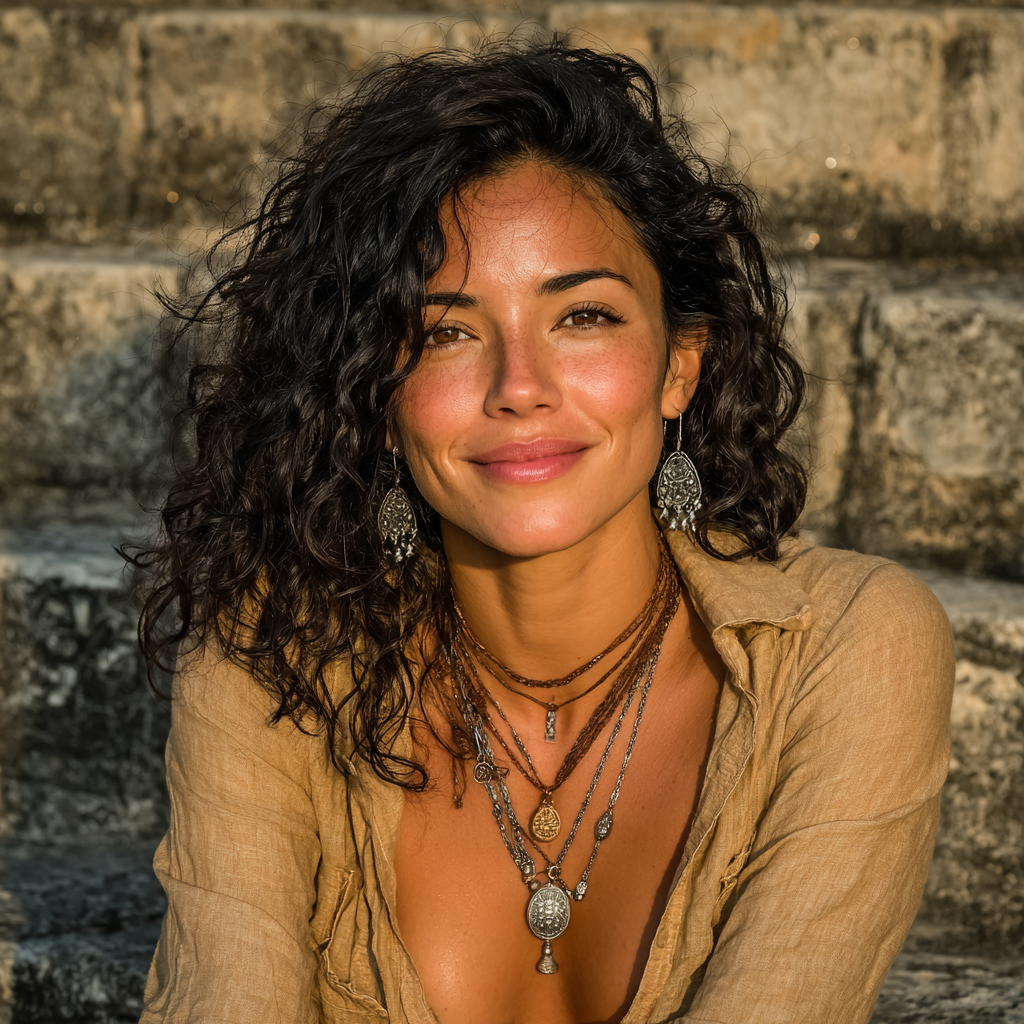
By Elena Vasquez
Cultural anthropologist and culinary storyteller. Elena spent a decade documenting traditional cooking methods across Latin America and the Mediterranean. She holds a PhD in Ethnography from Barcelona University and believes the best way to understand a place is through its kitchens and ancient streets.