
Siena Food Guide: Where Medieval Alleyways Still Smell Like Garlic and Neighborhood Pride
Last updated: September 2026
The first time I visited Siena, I made the mistake every tourist makes. I climbed the Torre del Mangia, photographed the scalloped Piazza del Campo, and treated the city like a museum piece—beautiful, historic, and somehow finished. Then I sat down at a tiny table in Osteria Il Grattacielo, a place no larger than a railway carriage, and a man who had been rolling pici pasta since before I was born asked me which contrada I belonged to. I didn't understand the question. He laughed, handed me a glass of house Chianti, and told me: "In Siena, you don't just eat. You declare allegiance."
That was the moment I understood. Siena's food isn't a performance for visitors. It's the living, breathing expression of 17 neighborhoods that have been competing, celebrating, and feeding each other since the Middle Ages. The contrada system—those 17 historic districts with their own flags, saints, rivalries, and triumphal banners—doesn't just influence the culture here. It is the culture. And the food is inseparable from it.
This guide is written for anyone who wants to eat like a Sienese local: slowly, loyally, and with full awareness that the pasta on your plate carries centuries of neighborhood pride.
About This Guide
Sophie Brennan is an Irish food writer and historian based in Lisbon. She combines her background in medieval history with a passion for contemporary gastronomy, and she has spent the last decade tracking how Europe's old city-states keep their culinary traditions alive in the age of mass tourism. She has written for Condé Nast Traveller and authored two cookbooks exploring Celtic and Iberian culinary traditions.
The Soul of Sienese Cooking: Understanding What You're Eating
Siena sits inland, surrounded by the Crete Senesi—rolling clay hills that turn silver-green in spring and burnt sienna in late summer. Unlike coastal Tuscany, seafood rarely appears on menus. Instead, the cuisine is built from what the harsh landscape provides: wild boar from the oak forests, Cinta Senese pork from a heritage breed that dates back to Etruscan times, and vegetables that must survive hot summers and damp winters.
The result is cucina povera in the truest sense—not poverty cuisine, but resourcefulness elevated to art. Every ingredient is stretched to its limit. Stale bread becomes ribollita and pappa al pomodoro. A few handfuls of flour and water become pici, a pasta so chewy and sauce-clinging that egg would only weaken it.
But the crucial layer most visitors miss is the contrada. Each of Siena's 17 neighborhoods has its own church, museum, fountain, and identity. They compete twice yearly in the Palio—a horse race that is simultaneously sport, religion, and blood feud. When a contrada wins, the entire district celebrates for weeks with street banquets where recipes passed down through generations are cooked in quantities that would feed armies. Eat at a neighborhood osteria and you are, whether you know it or not, entering that lineage.
Practical note: The Palio runs on July 2 and August 16. If you visit in the weeks before, you may encounter contrada dinners—massive communal meals in the streets. These are technically private events for members, but some contradas sell tickets to visitors. Ask at the tourist office (Piazza del Duomo 1) for current opportunities. Even if you can't attend, the energy in the city is electric: drums echo through the alleys at midnight, neighborhood flags hang from every window, and the trattorias fill with locals rehearsing ancient rivalries over glasses of Brunello.
The Essential Dishes: What to Order and Why
Pici all'Aglione
Thick, hand-rolled pasta resembling fat spaghetti, pici contains no egg—just flour and water. The dough is rolled by hand between palm and board, creating an uneven, rustic surface that grips sauce like Velcro. The classic preparation is aglione, a slow-cooked tomato and garlic sauce that simmers for hours until the garlic sweetens into something almost fruity.
The backstory: This dish comes from the Val di Chiana, the fertile valley that straddles Tuscany and Umbria. In Siena, you'll find it on virtually every traditional menu, but quality varies enormously. The best versions use San Marzano tomatoes and aglio from the local Chiana valley—a variety milder and sweeter than standard garlic. If the menu says "pici fatti in casa" (made in house), order it. If not, proceed with caution.
Price: €10–14 at traditional osterias, €16–20 at upscale restaurants.
Best enjoyed at: Antica Trattoria Papei, Osteria Il Grattacielo, or Osteria degli Svitati.
Ribollita
This thick vegetable and bread soup was originally peasant food, designed to use up leftover ingredients and stretch them across a week. The name literally means "reboiled." The base is cavolo nero (black kale, also called Tuscan kale or dinosaur kale), cannellini beans, carrots, celery, onions, and chunks of stale bread. A proper ribollita should be thick enough to eat with a fork, not a spoon.
The backstory: Friday was traditionally soup day. A large pot was cooked and reheated throughout the week, each reheating deepening the flavor. The bread dissolves into the broth, creating a porridge-like consistency that is profoundly satisfying on a cold January afternoon. This is winter food at its finest—honest, restorative, and built from ingredients that cost almost nothing.
Price: €8–12.
Best enjoyed at: Osteria Il Grattacielo, Osteria degli Svitati, or Trattoria Fonte Giusta.
Pappa al Pomodoro
Another bread-based soup, this one built around tomatoes rather than kale. Stale bread is soaked in tomatoes, garlic, basil, and exceptional olive oil, then slowly cooked until it becomes a thick, porridge-like consistency. Despite its simplicity, this dish is a direct test of ingredient quality: the olive oil must be peppery and fresh, the tomatoes deeply flavored.
Seasonal note: Best in late summer when tomatoes are at their peak. Some trattorias stop serving it after September. Price: €7–10.
Pappardelle al Cinghiale
Wide ribbon-like pasta paired with rich wild boar ragù. The boar is slow-cooked with red wine, herbs, and tomatoes until the meat collapses into a sauce that clings to every strand. This is hunting-tradition food, reflecting Siena's surrounding forests where wild boar have roamed since before the Romans.
Where to find it: Less common inside the city walls than in countryside trattorias, but La Taverna di San Giuseppe serves an excellent version. If you have a car, drive 20 minutes into the Chianti hills for the most authentic preparations. Price: €14–18.
Bistecca alla Fiorentina
The legendary T-bone steak, technically Florentine in origin but claimed with pride throughout Tuscany. Cut from Chianina cattle—one of the oldest cattle breeds in the world, native to the Val di Chiana—the steak is traditionally grilled over charcoal and served rare (al sangue) with just olive oil and lemon. A proper bistecca weighs at least 1 kilogram and is priced by weight.
What to expect: €45–65 per kilogram. It is always shared between two or more people. If a restaurant offers a 300g "individual" portion, it is not authentic bistecca alla Fiorentina.
Best at: Osteria Le Logge, Antica Trattoria Papei.
Cacio e Pepe
Roman in origin but adopted enthusiastically in Siena, where aged pecorino toscano is abundant. The best versions achieve a creamy sauce through technique alone—no cream added—creating a dish that is simultaneously simple and sophisticated. The black pepper must be freshly cracked, coarse, and abundant.
Local twist: In Siena, some restaurants finish the dish tableside in a hollowed wheel of pecorino, scraping the cheese into the hot pasta until it forms a second layer of sauce. Price: €12–16.
Panforte
Siena's most famous export is this dense, chewy fruitcake dating back to the 13th century. Originally created as travel food for pilgrims and soldiers, panforte contains nuts, candied fruit, honey, and spices. The traditional panforte nero includes black pepper and cocoa, while panforte margherita (invented in 1879 at Nannini to honor Queen Margherita) uses vanilla-scented sugar instead of spices.
Tasting tip: Buy it in thin slices, not whole wheels, unless you're feeding a monastery. A small slice with espresso or Vin Santo is the traditional finish to a Sienese meal. Price: €7–25 depending on size and quality.
Best at: Nannini (Via Banchi di Sopra 24) or Antica Drogheria Manganelli (Via di Città 71–75), a historic grocery operating since 1879.
Ricciarelli
Soft, almond-based cookies traditionally eaten at Christmas but available year-round. Made from almond paste, sugar, and egg whites, ricciarelli have a distinctive cracked surface and chewy interior, often flavored with orange zest and dusted with powdered sugar.
The story: Legend traces them to a nobleman returning from the Crusades with almond recipes from the Middle East. By the 14th century, they were a luxury item enjoyed by Sienese nobility. Today they're everyday treats, though they still feel special. Price: €2–4 each.
Best at: Nannini or Bar Pasticceria Nocino (Via Aretina 13).
Cavallucci
Less famous than panforte or ricciarelli but equally ancient, these spiced cookies contain anise, walnuts, and candied fruits. The name means "little horses," possibly linked to their popularity among travelers on horseback along the Via Francigena pilgrimage route. The recipe is essentially unchanged since the medieval period.
Where to find them: Look in historic pasticcerias like Pasticceria Sinatti, or ask at Nannini if they have them in stock. They are most common during the Christmas season but increasingly available year-round. Price: €3–5 per small bag.
Where to Eat: The Restaurants That Matter
Osteria Le Logge
Address: Via del Porrione 33, 53100 Siena
Phone: +39 0577 48013
Hours: Tuesday–Saturday 12:30–14:30, 19:30–22:30; Closed Sunday and Monday
Price Range: €€€ (€45–70 per person with wine)
Housed in a former grocery store dating back to 1880, Osteria Le Logge represents the sophisticated side of Sienese dining. Original wooden shelving and glass cabinets create an atmosphere of understated elegance. Chef Nico Atrigna's menu honors tradition without being bound by it—the pici cacio e pepe arrives perfectly executed, while more adventurous dishes like marinated cod with tomato confit demonstrate the kitchen's range.
What to order: The pici cacio e pepe (€16) and, if you're sharing, the bistecca alla Fiorentina (€55/kg). The wine list is exceptional—ask the staff for recommendations from their extensive cellar.
Reservation essential: Call at least two days ahead, or ask your hotel concierge to book. This is one of Siena's most sought-after tables.
La Taverna di San Giuseppe
Address: Via Giovanni Duprè 132, 53100 Siena
Phone: +39 0577 42286
Hours: Daily 12:00–14:30, 19:00–22:30
Price Range: €€–€€€ (€35–55 per person with wine)
Set within a 12th-century building with Etruscan foundations, this family-run restaurant delivers one of Siena's most atmospheric dining experiences. Vaulted ceilings, terracotta floors, and walls lined with over 600 wine bottles create an intimate setting. The ancient cellar, visible through glass panels in the floor, adds historical depth to every meal.
What to order: The pici al tartufo (€22, with black truffle) when in season—typically autumn through early winter. The wild boar ragù has earned a devoted following for good reason. The pappardelle al cinghiale here is arguably the best within the city walls.
Story worth knowing: The building's Etruscan foundations date back to before the Roman era. When you look through the glass floor panels, you're seeing soil layers that predate Siena's medieval identity by over a thousand years.
Osteria Il Grattacielo
Address: Via Pontani 8, 53100 Siena
Phone: +39 0577 289326
Hours: Monday–Saturday 12:00–15:00, 19:00–22:00; Closed Sunday
Price Range: € (€20–30 per person)
Don't let the name fool you—Il Grattacielo ("The Skyscraper") is actually one of Siena's smallest restaurants, operating continuously since 1840. This is where locals go for honest, unpretentious food at prices that seem frozen in time. The handwritten menu changes daily based on what's available at the market. There are only a handful of tables.
What to order: The ribollita (€8), pici with wild boar sauce (€12), and the antipasto platter of local salumi and pecorino (€10). The house wine is drinkable and absurdly cheap (€4/glass).
Sophie's note: This was where I was first asked my contrada allegiance. The owner, a man in his sixties with flour permanently dusting his shirtsleeves, told me that three of the restaurant's regulars belong to the Torre contrada, two to Leocorno, and one traitor who married into Nicchio and now sits at a separate table. "Not really," he said. "But we joke about it."
Arrive early or reserve: Space is limited and it fills with locals by 12:30.
Antica Trattoria Papei
Address: Piazza del Mercato 6, 53100 Siena
Phone: +39 0577 280894
Hours: Wednesday–Monday 12:30–14:30, 19:30–22:00; Closed Tuesday
Price Range: €€ (€30–45 per person with wine)
Located on a quiet square just steps from Piazza del Campo, this family-run trattoria has been serving traditional Sienese cuisine since 1938. The outdoor seating offers views of the medieval market square, while the interior feels like dining in someone's home.
What to order: The pici all'aglione (€12) is among the best in the city—thick, chewy pasta coated in a rich, slow-cooked tomato and garlic sauce. The grilled meats, particularly the tagliata di manzo (€18, sliced beef steak), showcase the quality of local Chianina beef.
Osteria degli Svitati
Address: Via della Galluzza 19, 53100 Siena
Phone: +39 0577 285322
Hours: Tuesday–Sunday 12:30–14:30, 19:30–22:00; Closed Monday
Price Range: €€ (€25–40 per person with wine)
Tucked away on a quiet street in the Contrada della Galluzza, this cozy osteria attracts a loyal local following. The menu focuses on seasonal ingredients and traditional preparations—the ribollita here is particularly praised for its depth of flavor. The atmosphere is relaxed and unpretentious, with exposed brick walls and simple wooden tables.
What to order: Ribollita in winter (€9), pappa al pomodoro in summer (€8). The house-made tiramisu (€7) is worth saving room for.
Trattoria Fonte Giusta
Address: Via Camollia 132, 53100 Siena
Phone: +39 0577 271272
Hours: Tuesday–Sunday 12:30–14:30, 19:30–22:00; Closed Monday
Price Range: €€ (€30–45 per person with wine)
Located in the northern part of the historic center, this trattoria offers a welcome escape from the tourist crowds around Piazza del Campo. The kitchen excels at hearty Tuscan classics.
What to order: The tortelli ricotta e spinaci (€14, ricotta and spinach ravioli) served with pecorino fondue and truffle. The wine list emphasizes smaller producers from the surrounding countryside.
Wine Bars and Enoteche: Tuscany in a Glass
Siena sits at the heart of one of Italy's most prestigious wine regions, surrounded by five DOCG appellations: Chianti Classico, Brunello di Montalcino, Vino Nobile di Montepulciano, Vernaccia di San Gimignano, and the lesser-known but excellent Morellino di Scansano.
Enoteca Italiana
Address: Fortezza Medicea, Piazza Caduti delle Forze Armate, 53100 Siena
Phone: +39 0577 1607520
Hours: Varies seasonally; typically Tuesday–Sunday 12:00–19:00 (check website)
Price Range: €€–€€€ (Wine tastings €15–35)
Housed within the 16th-century Medici Fortress, this is Italy's most prestigious state-sponsored wine bar. The selection process is rigorous—wines must score at least 85/100 to be admitted. The vaulted brick interior creates an atmospheric setting for exploring Tuscany's wine heritage. Tasting flights focus on the province's five DOCG wines, with knowledgeable staff guiding you through each pour. The outdoor terrace offers views over the fortress walls to the rolling Chianti hills beyond.
What to try: A tasting flight of the five DOCG wines (€25), or commit to a full glass of Brunello di Montalcino (€18) if you're serious.
Compagnia dei Vinattieri
Address: Via delle Terme 79, 53100 Siena
Phone: +39 0577 236568
Hours: Daily 12:00–15:00, 19:00–23:00
Price Range: €€–€€€ (€35–60 per person with wine)
Just steps from Piazza del Campo, this wine-focused restaurant occupies a medieval building with vaulted brick ceilings. The name translates to "Company of Wine Merchants," and the extensive list lives up to the legacy. The food menu complements the wine selection with refined takes on Tuscan classics.
What to order: The tagliata di manzo (€20) with rosemary potatoes, or the pici cacio e pepe (€15) finished tableside in a hollowed pecorino wheel.
Enoteca I Terzi
Address: Via dei Termini 7, 53100 Siena
Phone: +39 0577 44371
Hours: Tuesday–Sunday 12:30–14:30, 19:30–22:30; Closed Monday
Price Range: €€ (€25–40 per person with wine)
This intimate enoteca near Piazza del Campo specializes in small-producer wines and seasonal plates. The selection changes regularly based on what the owners discover during their travels through Tuscany's wine regions. Communal seating encourages conversation with fellow wine enthusiasts. Glasses start at €6.
Cantina del Brunello
Address: Via Rinaldini 9, 53100 Siena
Phone: +39 0577 287247
Hours: Monday–Saturday 11:00–20:00; Closed Sunday
Price Range: €€–€€€ (Glasses €8–18, bottles €40–150)
For those specifically interested in Brunello di Montalcino—Tuscany's most prestigious wine—this dedicated enoteca offers an unparalleled selection. The knowledgeable staff can guide you through the nuances of different producers and vintages. They also ship internationally if you find a bottle you love.
The Sweet Side: Gelato, Pastry, and Medieval Confections
Nannini
Address: Via Banchi di Sopra 24, 53100 Siena
Phone: +39 0577 236009
Hours: Daily 07:30–20:30 (hours may vary seasonally)
Price Range: € (Pastries €2–5, Panforte €7–25)
Founded in 1910, Nannini is Siena's most famous pastry institution. The historic location features elegant marble interiors and displays of traditional Sienese sweets. The panforte margherita was invented here in 1879.
What to buy: A few ricciarelli (€2.50 each) to eat immediately, a thin slice of panforte nero (€3), and a box of individually wrapped pastries to take home. They travel well and make exceptional gifts.
Bar Pasticceria Nocino
Address: Via Aretina 13, 53100 Siena
Phone: +39 0577 280593
Hours: Tuesday–Sunday 07:00–20:00; Closed Monday
Price Range: € (Pastries €1.50–4)
Located near Porta Romana, this local favorite offers a more authentic experience than the tourist-focused shops in the city center. The ricciarelli here are particularly praised—soft, fragrant, and generously sized. The morning cornetti (€1.50) filled with pastry cream provide the perfect start to a day.
Gelateria Kopakabana
Address: Via di Città 35, 53100 Siena
Hours: Daily 11:00–22:00 (summer), 11:00–19:00 (winter)
Price Range: € (€2.50–5 per cone/cup)
For gelato, this shop on one of Siena's main thoroughfares offers consistently excellent quality. Flavors change with the seasons—look for fresh fruit options in summer and rich chocolate or nut-based flavors in winter. The nocciola (hazelnut) and fior di latte showcase the quality of their base ingredients.
Antica Drogheria Manganelli
Address: Via di Città 71–75, 53100 Siena
Hours: Monday–Saturday 09:30–19:30; Closed Sunday
Price Range: €€ (Panforte €8–30, packaged goods vary)
Operating since 1879, this historic grocery store is where locals buy panforte, ricciarelli, dried pasta, olive oil, and wine. Less touristy than Nannini and equally historic. The staff will let you sample before you buy.
Market Morning: La Lizza and the Friday Ritual
If you want to understand how Siena eats when no tourists are watching, go to the farmers' market at La Lizza on Friday morning.
Mercato della Terra (Farmers' Market)
Where: La Lizza, the tree-lined boulevard running from the Medici Fortress into town
When: Fridays, 08:00–13:00
What you'll find: Local stoneground flour and fresh pasta (€3–5/package), pecorino cheese from the Crete Senesi (€8–15/kg), ricotta (€3/tub), organic fruit and vegetables, herbs, wine (€5–12/bottle), and extra virgin olive oil (€8–15/500ml) from producers who drive in from the surrounding countryside.
This is not a tourist market. This is where Sienese grandmothers buy their weekly produce, where contrada cooks source ingredients for Palio banquets, and where you can have conversations with the people who actually grow and make what you're eating. Bring a bag, buy some pecorino, and ask the vendor which contrada they belong to. They will have an opinion, and it will be strong.
Sophie's ritual: I buy a wedge of aged pecorino (€6), a loaf of unsalted Tuscan bread (€2), and a small bottle of olive oil (€8). I take it to the fortress terrace and eat lunch with a view over the Chianti hills. Total cost: under €10. Satisfaction level: medieval.
Food Experiences: Cooking Classes, Wine Tastings, and Market Tours
Tuscan Wine School
Address: Via di Città 92, 53100 Siena
Phone: +39 0577 247023
Hours: Classes daily by reservation
Price: €65–85 per person for 2.5-hour sessions
This intimate school offers hands-on classes in Sienese cooking, from pici-making workshops to full-menu preparation. The classes end with a sit-down dinner featuring what you've cooked, paired with local wines. The instructors are passionate about contrada traditions and will explain how neighborhood rivalries have shaped Sienese recipes. Booking at least 48 hours ahead is recommended.
What to book: The "Pici Masterclass" (€75) where you learn to roll pici by hand and prepare two classic sauces.
Siena Food Tour by Walkabout
Meeting Point: Piazza del Campo
Phone: +39 0577 222320
Hours: Daily at 10:00 and 16:00
Price: €55 per person for 3.5 hours
A guided walking tour that visits six family-run establishments across three contradas. You'll taste pici, pecorino, panforte, and wine while learning about the neighborhood system from a Sienese guide. The tour includes a visit to a historic cellar and a contrada museum. Groups are capped at 8 people.
Note: The 10:00 tour focuses on markets and savory foods; the 16:00 tour emphasizes wine and sweets.
Enoteca Italiana Guided Tastings
Address: Fortezza Medicea
Phone: +39 0577 1607520
Hours: Tuesday–Sunday by reservation
Price: €25–45 depending on flight
Beyond their standard bar service, the Enoteca offers structured tastings led by sommeliers. The "Five DOCGs of Siena" tasting (€35) compares Chianti Classico, Brunello, Vino Nobile, Vernaccia, and Morellino with detailed explanations of terroir and production methods.
Seasonal Food Calendar: When to Eat What
March–April: Spring vegetables arrive—artichokes, young asparagus, and fresh fava beans. Look for fave e pecorino (raw fava beans with young pecorino) on menus.
May–June: Wild asparagus season in the Crete Senesi. Pici with asparagus and pecorino appears on traditional menus.
July: Palio season. The city vibrates with energy. Many restaurants feature special Palio menus. Contrada dinners fill the streets on July 2.
August: Peak summer. Truffles begin appearing in late August. Some smaller trattorias close for ferragosto (August 15–20).
September–October: Prime food season. White truffles, wild boar, porcini mushrooms, and the grape harvest (vendemmia). This is when Sienese cuisine is at its most abundant.
November–December: Olive oil from the new harvest arrives. Panforte and ricciarelli production peaks for Christmas. Cavallucci appear in every pasticceria.
January–February: Ribollita and hearty soups dominate menus. This is the quietest season for tourism, meaning more authentic local dining.
What to Skip
Restaurants with laminated multilingual menus and food photographs: These cluster around Piazza del Campo and the Duomo. They serve the same generic "Tuscan menu" to bus tour groups. The pasta is rarely fresh, the wine is bulk-purchased, and the staff are too busy to care. If the menu has pictures, walk away.
The "Tuscan dinner experience" packages sold by hotels: These invariably take you to restaurants that pay commission, not restaurants that Sienese people actually patronize. You will eat decent food in a room full of other tourists. That is not the point of coming here.
Any gelato shop with neon colors or piled-high displays: Real gelato is kept in covered metal containers at approximately -12°C. If you can see mountains of bright green pistachio from the street, it's industrial mix with coloring. Kopakabana is the reliable choice.
Caffè Florian or similarly named "historic" cafés aimed at tourists: Siena does not have a grand café culture like Turin or Venice. The coffee is good everywhere, and the best cups are consumed standing at the bar of a neighborhood bar for €1.20, not sitting at a tourist terrace for €4.
Ordering bistecca alla Fiorentina well done: The kitchen will do it if you insist, but you will be judged, and you will have paid €50+ for ruined meat. If you don't eat rare beef, order the tagliata (€18) or a pasta instead.
Asking for cream in cacio e pepe: The sauce is made from pecorino, pasta water, and black pepper. Adding cream is not a "variation." It is a defeat.
The "free" aperitivo buffets near Piazza del Campo: These bars lure tourists with cheap spritzes and all-you-can-eat buffets. The food is uniformly terrible—dried-out pasta, supermarket salami, and cheese that's been sitting out for hours. Spend €10 on a proper plate at Il Grattacielo instead.
Buying panforte at airport gift shops: It will be triple the price and half the freshness of what you'll find at Manganelli or Nannini. Buy before you leave the city center.
Practical Logistics: Eating in Siena Without Frustration
Reservations: For dinner at popular restaurants like Osteria Le Logge or La Taverna di San Giuseppe, reservations are essential, especially on weekends. Call a day or two ahead, or ask your hotel concierge to book. In 2025–2026, many smaller trattorias now prefer WhatsApp or Instagram DMs to phone reservations—check their social media pages if phone calls go unanswered.
Timing: Italians eat late by North American standards. Lunch typically runs 12:30–14:30, dinner from 19:30 onwards. Many restaurants close between lunch and dinner. If you arrive at 18:00, you'll likely find the kitchen closed. Avoid restaurants serving continuously—this is often a sign of pre-cooked food for tourist turnover.
The Cover Charge (coperto): Most restaurants charge €1.50–3 per person for bread and table service. This is standard throughout Italy, not a tourist scam. Some tourist-zone restaurants have raised this to €3–5; check the menu outside before sitting down.
Tipping: Service is included in the bill (look for servizio incluso). Rounding up or leaving an additional 5–10% for exceptional service is appreciated but not expected.
Water: You'll be asked whether you want acqua naturale (still) or acqua frizzante (sparkling). Tap water is safe but rarely served in restaurants. A bottle typically costs €2–4.
Coffee culture: Order espresso at the bar and drink it standing for €1.20–1.50. Sitting at a table raises the price to €2.50–4. Cappuccino is a morning drink only—ordering one after 11:00 marks you as a tourist, though no one will actually refuse you.
Cash vs. card: Most restaurants accept cards, but small trattorias and market vendors may be cash-only. Carry €50–100 in cash per day.
Getting there: Siena is connected to Florence by bus (SITA, roughly 75 minutes, €8–10) and to Rome by train via Chiusi (roughly 3 hours). The historic center is pedestrian-only—park at one of the city gates and walk in.
Best time to visit for food: September and October for truffle season, wild boar, and the vendemmia (grape harvest). April and May for spring vegetables and fewer tourists. July and August for Palio energy, though restaurants are crowded and some close for August holidays.
Food-specific logistics: If you're serious about cooking, bring a small notebook to record recipes and techniques. Many chefs are happy to share basics if you show genuine interest. For wine purchases, ask about shipping—many enotecas can arrange international delivery, saving you luggage space.
Final Thoughts
Siena's food scene rewards those who embrace its traditions. This isn't a city for fusion experiments or Instagram-driven trends—it's a place where recipes have been refined over generations and where the quality of ingredients matters more than culinary pyrotechnics.
But more than that, Siena rewards curiosity about the contrada system. Learn the names of a few neighborhoods. Notice the flags painted on street corners. Ask your waiter which contrada they belong to. The answer will start a conversation that no guidebook can replicate.
Eat slowly. Drink generously. Take time to appreciate the connection between what's on your plate and the landscape that produced it, and between the landscape and the people who have defended their traditions for 800 years.
In Siena, every meal is a reminder that the best food doesn't need to be complicated. It just needs to be made with care, eaten with awareness, and shared with the understanding that you're participating in something much older than yourself.
Prices and hours are current as of September 2026 but may change seasonally. Always confirm directly with establishments before visiting. For contrada dinner tickets during Palio season, inquire at the tourist office at least one week in advance.
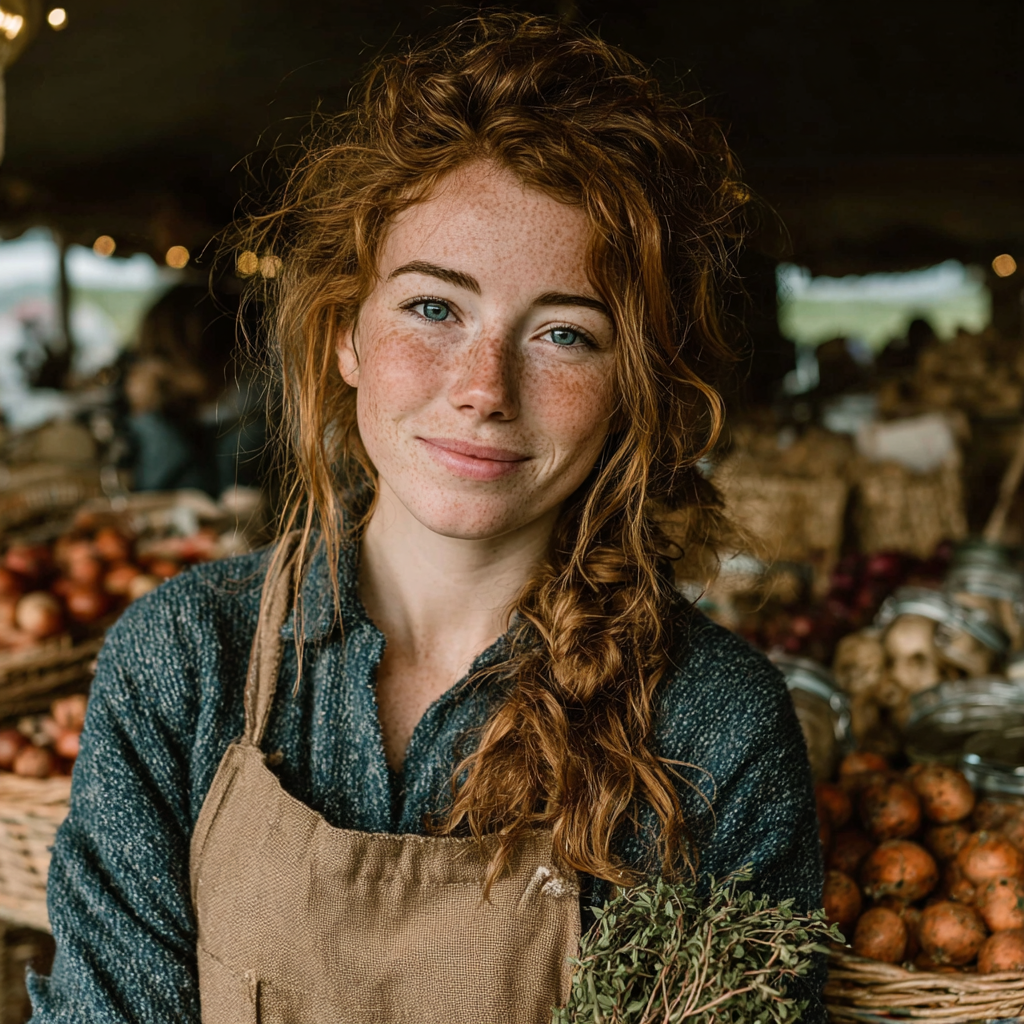
By Sophie Brennan
Irish food writer and historian based in Lisbon. Sophie combines her background in medieval history with a passion for contemporary gastronomy. She has written for Condé Nast Traveller and authored two cookbooks exploring Celtic and Iberian culinary traditions.