
Ravenna: Where Dante Chose to Die and Byzantine Gold Still Glows — A Storyteller's Guide to Italy's Most Underrated City
From €3 piadina at a standing counter to mosaics that changed Western art, Ravenna is Italy's quietest masterpiece — and it prefers to stay that way.
Meet Your Guide
I'm Finn O'Sullivan. I'm a cultural historian from Dublin who writes about the stories cities try to forget and the ones they can't help but remember. I first came to Ravenna on a rainy Tuesday in November, expecting a quick stop between Bologna and Venice. I stayed four days, then came back three months later for another week. I've now spent more time in Ravenna than in Florence.
That should tell you something.
Ravenna doesn't perform. It doesn't have Rome's grandeur or Venice's desperate beauty. What it has is intimacy — art so close you can smell the mortar, history so present you trip over it walking to breakfast, and a culinary culture so unpretentious that the best meal in town costs €4 and is eaten standing up.
My approach: I don't do exhaustive lists. I do the places that matter, the stories that explain why they matter, and the honest context you need to actually understand them. If you want to tick boxes, there are other guides. If you want to know why Dante chose to die here, keep reading.
— Finn O'Sullivan | @finnosullivan.travel
The Mosaics That Changed Everything
Ravenna's eight UNESCO monuments contain the most important collection of early Christian and Byzantine mosaics in Western Europe. Giotto came here before he painted the Scrovegni Chapel in Padua. The artists of Constantinople sent their best work westward to this Adriatic port. And the result is art that doesn't just decorate space — it redefines it.
Basilica of San Vitale
Via San Vitale, 17 GPS: 44.4203° N, 12.1964° E Entry: €6.50 individual, or included in 5-monument combo (€14.50) Hours: March–November: 9:00 AM – 7:00 PM; November–March: 10:00 AM – 5:00 PM
Arrive at 9:00 AM. Not 9:15. Not "sometime in the morning." At 9:00 AM, when the custodian unlocks the door and you walk into an octagonal space that has been drawing eyes upward for 1,500 years.
The apse mosaic shows Christ enthroned on a blue globe, flanked by angels, Saint Vitalis, and Bishop Ecclesius. But the panels everyone remembers are the imperial portraits: Justinian with his soldiers and clergy on the left, Theodora with her court on the right. These aren't religious scenes in the traditional sense — they're political propaganda rendered in glass and gold, and they're among the finest surviving examples of Byzantine power expressed through art.
What most guides miss: Walk the full perimeter before looking up. The architecture itself — the octagonal plan, the galleries, the way light enters from hidden windows — was designed to create disorientation before revelation. The mosaics don't just sit on walls; they complete a spatial experience that starts the moment you cross the threshold.
Spend 45 minutes minimum. An hour is better.
Mausoleum of Galla Placidia
Adjacent to San Vitale GPS: 44.4208° N, 12.1969° E Entry: Included in combo tickets Critical: Time-slot booking mandatory at ravennamosaici.it
If San Vitale is public and triumphant, Galla Placidia's mausoleum is private and devastating. The space is barely larger than a living room, and the deep blue dome scattered with golden stars creates an illusion of infinite night sky that has been making visitors weep for centuries.
The Good Shepherd here is not the bearded Christ of later tradition — he's a young Roman shepherd with a gold cross, and the image represents a moment in Christian art when classical forms hadn't yet been fully absorbed into medieval symbolism. The deer from Psalm 42, Saint Lawrence beside his gridiron, the decorative vine scrolls — every surface carries meaning.
Pro move: Book the last slot of the day, around 6:30 PM in summer, when the golden light through the alabaster windows turns the blue dome into something almost hallucinatory. I've seen grown adults stand in silence for ten minutes without moving.
Sant'Apollinare in Classe
Via Romea Sud, 224, Classe GPS: 44.3792° N, 12.2325° E Entry: Free (donations appreciated) Hours: Daily 8:30 AM – 7:00 PM Getting there: Bus #4 from train station, €1.50, 15 minutes
Five kilometers from the city center, surrounded by fields and the distant pine forest, this basilica contains what I believe is Ravenna's most beautiful single mosaic. The apse shows Saint Apollinaris standing in a green landscape with arms raised, beneath a jeweled cross in a starry sky, flanked by twelve sheep. The green and gold palette creates an atmosphere of profound serenity that no photograph can capture.
The church was consecrated in 549 CE, at the height of Byzantine power in Italy, and it represents the purest expression of the style — no imperial portraits, no political messaging, just spiritual calm rendered in 1.5 million tesserae.
What most guides miss: Take bus #4 at 8:00 AM. You'll arrive before the first tour groups from Bologna and Venice. I've had the place entirely to myself at 8:30 AM, alone with the custodian and the mosaics, and those twenty minutes are among the best I've spent in Italy.
Sant'Apollinare Nuovo
Via di Roma, 52 GPS: 44.4167° N, 12.2042° E Entry: Included in combo tickets Hours: March–November: 9:00 AM – 7:00 PM; November–March: 10:00 AM – 5:00 PM
Built as Theodoric's palace church around 504 CE, this basilica preserves processional mosaics showing twenty-two virgins and twenty-six martyrs moving toward Christ and the Virgin Mary. The long nave creates a natural processional experience — walk slowly, and the figures seem to move with you.
Look for the Three Magi bearing gifts between the windows, and note the palace facade depicted above the entrance — it's the only surviving visual record of Theodoric's Ravenna residence.
Neonian Baptistery
Piazza del Duomo GPS: 44.4156° N, 12.1975° E Entry: Included in combo tickets Hours: Same as San Vitale Note: Time-slot booking mandatory
Ravenna's oldest monument (c. 450 CE) is an octagonal baptistery representing the seven days of creation plus the day of regeneration. The dome mosaic shows Christ's baptism in the Jordan, with a personified river god reclining beneath — a rare surviving example of classical pagan iconography in early Christian art.
Mausoleum of Theodoric
Via delle Industrie, 14 GPS: 44.4236° N, 12.2083° E Entry: €4 (€2 reduced) Hours: Daily 8:30 AM – 7:30 PM
The 6th-century king of the Ostrogoths built his own tomb from massive stone blocks capped by a single piece of limestone eleven meters in diameter. The stark interior — just a stone porphyry tub — reflects a Germanic aesthetic utterly different from the Byzantine gold nearby. Walk around the exterior to appreciate the scale, then consider the contrast: Theodoric ruled Ravenna but never fully belonged to its world.
The Hidden Gem: Archiepiscopal Museum & Sant'Andrea Chapel
Piazza Arcivescovado, 1 GPS: 44.4158° N, 12.1978° E Entry: Included in 5-monument combo (€14.50) — do not skip this Hours: March–November: 9:00 AM – 7:00 PM; November–March: 10:00 AM – 5:00 PM Note: Time-slot booking mandatory at ravennamosaici.it
Most visitors buy the 5-monument combo and then skip the Archiepiscopal Museum because they've never heard of it. This is a mistake. This small museum, tucked behind the Duomo in the Archbishop's Palace, holds two of Ravenna's most extraordinary treasures — and one of them is genuinely unique in the world.
The Throne of Maximian
The museum's showpiece is a 6th-century ivory throne made for Archbishop Maximian (546–556 CE), now displayed in the ancient Roman tower called Salustra. Carved from ebony and covered with 27 ivory panels (12 are lost, replaced with less valuable materials), this cathedra stands 1.5 meters tall and represents the pinnacle of Byzantine ivory work.
The front panels show the Four Evangelists flanking John the Baptist, who holds a medallion with the Lamb of God. The side panels depict ten scenes from the Book of Joseph. The back panels show the Life of Christ — from the Nativity to the Miracle of the Loaves and Fishes. Every surface is framed with vine scrolls inhabited by birds, lions, peacocks, and hares.
Scholars still debate whether it was carved in Constantinople or Alexandria. What they agree on: this throne was shipped across the Mediterranean to a city that was, briefly, the most important in the Western world. Stand before it and consider the logistics alone — ivory panels, wooden frame, political message — all assembled for a man who ruled the church in a city of empires.
Sant'Andrea Chapel: The Only One of Its Kind
The museum's real secret is upstairs. The Chapel of Saint Andrew is the only surviving early Christian archbishop's private chapel in the world. Built during the reign of Theodoric (494–519 CE) when Arianism was the state religion, this tiny oratory was constructed by Orthodox Bishop Peter II as an act of quiet defiance.
The mosaics are extraordinary. Christ appears not as the bearded patriarch of later tradition but as a young Roman soldier, holding a book that reads "I am the way" and a cross, standing triumphantly on a lion and a serpent — symbols of the evil forces (read: Arianism) he has defeated. The ceiling depicts a paradise garden with doves, partridges, ducks, parrots, and peacocks, some local, some exotic, all rendered with the same obsessive detail as the monumental basilicas nearby.
An inscription reads: "Aut lux hic nata est, aut capta hic libera regnat" — "Either light was born here, or captured here, it reigns free." This is Neoplatonic theology rendered in glass, a declaration that the true light of orthodoxy could not be extinguished by any emperor's decree.
Spend 30 minutes here. The custodian, if he's in a talking mood, knows more about 5th-century Christology than most seminary professors.
Dante's Ravenna
The father of the Italian language spent his final three years here, completing the Divine Comedy before his death in September 1321. He didn't choose Ravenna for its mosaics. He chose it because he was exiled from Florence and the lord of Ravenna, Guido Novello da Polenta, offered protection.
Dante's Tomb and the Zone of Silence
Via Dante Alighieri, 9 GPS: 44.4163° N, 12.1956° E Entry: Free Hours: Daily 10:00 AM – 6:00 PM
The neoclassical tomb (1780–81) houses Dante's remains — after Franciscan monks hid them for 167 years to prevent Florence from claiming the body. The votive lamp still burns with oil donated annually by Florence, a city that exiled him and now can't stop claiming him.
What most guides miss: The small garden behind the tomb, the "Zone of Silence," where an oak tree planted by poet Giosuè Carducci still grows. Stand there at dusk and read the final lines of Paradiso aloud. I don't care if you feel silly. Do it anyway.
San Francesco and the Flooded Crypt
Piazza San Francesco GPS: 44.4164° N, 12.1958° E Entry: Free (crypt: €2)
Dante's funeral was held in this 5th-century church. The crypt, permanently flooded with water that covers ancient floor mosaics while fish swim beneath your feet, is one of the strangest atmospheric experiences in Italy. Bring €2 in coins — the crypt is unstaffed and the donation box is honor-system.
Eating Romagnolo
Ravenna's food culture is defined by two things: piadina and the absence of pretension. This is not a city of Michelin temples or molecular gastronomy. It's a city where you eat standing up, where €4 buys perfection, and where the ingredients come from twenty kilometers away.
The Piadina Economy
Profumo di Piadina — Via Cavour, 24. Daily 10:00 AM – 10:00 PM. €3.50–5. The classic: squacquerone cheese, rucola, prosciutto. Pro move: ask for it ben cotta (well-cooked, crispy) or molle (soft, traditional). The woman behind the counter has been making them for twenty years. She will not hurry.
La Piadina del Melarancio — Via IV Novembre, 37. Mon–Sat 10:00 AM – 9:00 PM, closed Sunday. €3–5. My second favorite. Slightly thicker dough, more filling options, and a location that catches the morning market crowd.
Focacciamo — Via Cavour, 42. Daily 9:00 AM – 8:00 PM. €2.50–4 for focaccia slices. When you need something between meals, the olive-and-rosemary focaccia here is the best €2.50 you'll spend all day.
Sit-Down Meals
Trattoria da Battista — Via Cavour, 96. Tue–Sun. €10–18 for passatelli in brodo, €3 for house wine. Phone: +39 0544 212198. Family-run, handwritten menu, seasonal changes. The duck ragù is why you came to Emilia-Romagna. Reservations recommended for weekend dinners.
Osteria dei Servi — Via De Gasperi, 10. €18–28. Phone: +39 0544 217667. Traditional osteria with generous portions and a Sangiovese list that overdelivers. The passatelli in brodo — thin pasta strands in rich chicken broth — is the definitive Romagnolo comfort dish.
Pizzeria Dal Gladiatore — Via Cavour, 104. Daily 7:00 PM – 11:30 PM. €6 margherita, €3 beer. Phone: +39 0544 212848. End a day of mosaics with light, crisp dough and fresh toppings. Nothing fancy. Everything correct.
Aperitivo and Gelato
Caffè delle Nazioni — Via Cavour, 2. €2.50 for coffee + pastry in the morning; €5–6 for Aperol Spritz with spunciotti snacks in the evening. Historic café near Piazza del Popolo where locals gather before work and after. The aperitivo snacks are substantial enough to count as dinner if you're budgeting.
Gelateria Tiziana — Via Cavour, 48. €2.50–3.50. Local favorite, made fresh daily. The pistachio is the test — if it's gray-green rather than neon, they know what they're doing. They do.
Where to Drink: Romagna in a Glass
Ravenna sits at the eastern edge of Emilia-Romagna's wine country, where the hills of Romagna produce some of Italy's most underrated bottles. This is not Tuscany — you won't find tourist-trap wine shops or overpriced Chianti. What you'll find is honest, food-friendly wine made by families who've been doing it for generations.
What to Drink
Romagna Albana DOCG — Italy's first white wine to receive DOCG status (1987), made from the Albana grape grown on the hills between Ravenna, Forlì, and Bologna. In its dry form (secco), it's golden, structured, and slightly tannic — unusual for a white, with notes of yellow peach, almond, and honey. The passito version, made from partially dried grapes, is a dessert wine of remarkable depth. Order it with ciambella (the local ring-shaped cake) at the end of a meal.
Romagna Sangiovese DOC — The same grape that makes Chianti, but here it wears a different face. Lighter, more acidic, designed for piadina and ragù rather than Bistecca alla Fiorentina. A good glass costs €3–4 in any osteria.
Where to Drink It
Osteria dei Servi — Via De Gasperi, 10. €3–5/glass. The best Sangiovese list in the center. Ask for the riserva if they have it.
Caffè delle Nazioni — Via Cavour, 2. €4–6/glass. Evening aperitivo with wine instead of spritz. The owner knows every producer within 50 kilometers.
Enoteca Ca' de Vèn — Via Corrado Ricci, 24. Tue–Sun, 6:00 PM – midnight. Serious wine bar with 100+ labels from Romagna. The staff will guide you through Albana styles you didn't know existed. Flight of three wines: €12.
What to skip: Any restaurant offering "Tuscan wine" or "Chianti by the glass" at €8. You're in Romagna. Drink Romagnolo.
Where to Sleep
Ravenna's accommodation scene has improved dramatically in the past decade. You can still find basic pensions, but there's now a genuine boutique option and several excellent B&Bs run by people who actually care.
Boutique Splurge
Palazzo Bezzi — Via di Roma, 45. From €90–150/night depending on season. palazzobezzi.it A four-star superior hotel in an 18th-century palazzo, 130 meters from Sant'Apollinare Nuovo and a five-minute walk from the station. Thirty-two rooms with parquet floors, kettles, and a wellness center with sauna and Turkish bath. The rooftop terrace has views over Ravenna's terracotta rooftops. Breakfast includes local squacquerone, piadina, and caramelized figs. Pet-friendly. The staff will register your license plate with the ZTL authorities so you can drive to the hotel without fines.
Best B&B Value
Casa Masoli — Via G. Rossi, 22. From €70–110/night. casamasoli.it Six rooms in a renovated 17th-century building run by Fabio and Sandra with obsessive attention to detail. Art Deco wood paneling, enormous bathrooms, and a library where you can read about Ravenna's history before you walk it. Phone: +39 0544 217682.
Villa Noctis — Via Giuseppe Pasolini, 57. From €65–95/night. villanoctis.it Hidden behind a courtyard wall near the covered market and the Neonian Baptistery. Seven stylish rooms, some with private balconies, a garden, and a sauna. Massimiliano, the owner, will lend you bikes and tell you which restaurants the locals actually eat at. Phone: +39 329 9018590.
Budget Standby
B&B Hotel Ravenna — Viale della Lirica, 141. From €55–80/night. Reliable chain option 15 minutes' walk from the center. Clean, modern, air-conditioned. Not romantic, but honest. Phone: +39 0544 270290.
A Casa di Paola — Via P. Costa, 31. From €50–75/night. acasadipaola.it Converted private home with eight decorated rooms, treehouse floor plan, and free drinks. Paola's mother lives on the ground floor. It feels like staying with an Italian aunt. Phone: +39 0544 39425.
The Adriatic Hour
Ravenna isn't just mosaics and Dante. It's also a beach town — and the Adriatic coast here is where locals go, not where international tourists pose.
The Beach
Take bus #2 or #5 from the station to Porto Corsini or Marina di Ravenna (€1.50). Porto Corsini is a working fishing port with actual boats and actual fishermen; Marina di Ravenna is more resort-oriented. The Adriatic here is calm, shallow, and family-friendly. Water quality earns Blue Flag status consistently.
Free public beaches exist north of Porto Corsini. Beach clubs (stabilimenti) charge €15–25 for umbrella + chairs in July and August. If you're here in September, the water is still warm and the prices drop by half.
Ristorante Pizzeria Il Pirata — Via del Porto, 28, Porto Corsini. €15–25. Fresh seafood, harbor views, no dress code.
The Pinewood of Classe
Take bus #4 toward Classe and get off at the Pineta stop. The ancient pine forest that once protected the Roman fleet base now offers walking trails where filtered light through umbrella pines creates a atmosphere that feels almost sacred after hours of gold mosaics. I spent an afternoon here with a book and a €3 piadina and understood why Dante stayed.
What to Skip
1. The Mausoleum of Theodoric as a standalone visit. At €4 for an empty stone room with a tub, it's the weakest value in Ravenna. See it only if you have the combo ticket or a specific interest in Ostrogothic architecture. The exterior is actually more impressive than the interior — walk around it and move on.
2. Restaurant tourist menus on Via Cavour between Piazza del Popolo and the station. The multilingual sidewalk boards with photos of generic pasta dishes mark a 30% markup over identical food two streets away. Walk to Trattoria da Battista instead.
3. Beach umbrella rental in July without booking. Ravenna's beaches are popular with Italian families, and €15–25 for a spot in a crowded stabilimento during Ferragosto week is a special kind of purgatory. Come early, come in September, or skip the beach clubs entirely and use the free public stretches.
4. The National Museum of Ravenna as a primary stop. At €4 (or €6 combined with Theodoric), it's a footnote after the monuments themselves. The Throne of Maximian is extraordinary, but if you only have two days, spend them with the mosaics instead.
5. Dante Museum (separate from the tomb). Small, €4, and largely duplicating context you can get from the free tomb exterior and any decent biography. The tomb itself is what matters.
6. Rushed Venice day trips. Ravenna to Venice is 2.5–3 hours each way by train. You can do it. But you'll return exhausted, having seen St. Mark's Basilica in a crowd, and you'll have missed Ravenna's evening light and its aperitivo culture. If Venice is non-negotiable, stay overnight there. Don't insult both cities with a rushed shuttle.
7. "Tuscan wine" in Romagna. This is not Tuscany. The local Albana and Sangiovese are cheaper, better with the local food, and drinking them supports the regional economy. If a restaurant pushes Chianti, they're catering to tourists, not locals.
Practical Logistics
Combo Tickets (Buy These)
5-Monument Combo: €14.50 (reduced €13.50 students, €4 ages 6–10) Includes San Vitale, Sant'Apollinare Nuovo, Galla Placidia, Neonian Baptistery, Archiepiscopal Museum/Sant'Andrea Chapel. Valid 7 days from first use.
4-Monument: €12.50 (minus Archiepiscopal Museum) 2-Monument: €10.50 (San Vitale + Sant'Apollinare Nuovo only)
Mandatory time slots: Galla Placidia, Neonian Baptistery, Archiepiscopal Museum. Book at ravennamosaici.it at least 24 hours ahead. Same-day booking is often impossible in summer.
Getting There
Train from Bologna: €7.80–9.50, 1h 10m–1h 30m, every 30–60 minutes. Book on Trenitalia app. Train from Ferrara: €6–8, 50–70 minutes, hourly. Train from Rimini: €5–7, 1 hour, hourly. Train from Florence: €15–22, 2h 30m–3h, change in Bologna. By car: Ravenna's historic center is a ZTL (limited traffic zone). Park outside the center and walk — everything is within 15 minutes on foot. If staying at Palazzo Bezzi, they will register your plate.
Getting Around
Walking: All central monuments are within a 15-minute walk of each other. Bus (Start Romagna): Single ticket €1.50 (75 minutes), day pass €4.50. Buy at tabacchi shops or on board with exact change. Line 4 goes to Sant'Apollinare in Classe and the Pinewood. Lines 2/5 go to the beach. Bike: Ravenna Bike — first 30 minutes free, then €0.50 per 30 minutes. Daily pass €3. Private rentals €8–12/day.
Budget Framework
Tight (€45–60/day): Dorm bed or basic B&B (€25–35), piadina and market food (€12–18), combo ticket as main expense, walking and buses. Mid-range (€80–110/day): Private room (€60–80), trattoria dinner (€20–30), monuments, gelato, aperitivo. Comfortable (€140+/day): Boutique hotel (€100+), full restaurant meals, private wine tastings, taxi to Classe if desired.
When to Come
Best months: April–June and September–October. Mild weather, manageable crowds, evening light that makes the mosaics sing. July: Hot but livable. Beach becomes essential. Book monument time slots well ahead. August: Ferragosto week (mid-August) is when Italians vacation here. Locals leave, beach prices spike, some restaurants close. Not ideal. November–March: Quiet, cheap, occasionally rainy. Some sites have reduced hours. But you'll have San Vitale to yourself at 10 AM, and that alone is worth a sweater.
What to Bring
- Comfortable walking shoes: cobblestones everywhere
- Light layer: churches are cool even in summer; Galla Placidia is climate-controlled
- Shoulder covering: required for all churches (no sleeveless tops or shorts)
- Cash: some piadina places don't accept cards. Carry €40–50.
- Water bottle: refill at public fountains (safe to drink)
Restaurant Reservations
Recommended to book ahead:
- Trattoria da Battista: +39 0544 212198 (weekends essential)
- Osteria dei Servi: +39 0544 217667
- Pizzeria Dal Gladiatore: +39 0544 212848 (weekends)
Language
Five Italian phrases that will get you better treatment than perfect grammar:
- "Un caffè al banco, per favore" — Coffee at the bar (half the price of table service)
- "La piadina con squacquerone" — The classic order, pronounced correctly
- "Quanto costa?" — How much? (Ask before sitting at any beach club)
- "Ben cotta" / "Molto" — Well-cooked / Soft (for piadina texture)
- "Il conto, per favore" — The bill, please (never given until you ask)
Final Word
Ravenna doesn't need three days. It needs your attention. You can see the major mosaics in a focused morning, eat the best meal of your trip for €4, and be on a train to Bologna by 3 PM. And you will have completely missed the point.
The point is slowing down until you're moving at Ravenna's speed. The point is sitting in Sant'Apollinare in Classe at 8:30 AM with no one else there. The point is the piadina lady who recognizes you on day three and doesn't say anything, just nods. The point is reading Dante's tomb inscription at dusk and understanding why he chose this modest city over every grander option.
I've been to Ravenna six times. Every visit, I find something I missed — a detail in a mosaic I hadn't noticed, a restaurant I hadn't tried, a conversation with a custodian who knows more about 6th-century glasswork than most professors.
Ravenna rewards repetition. It rewards curiosity. It rewards the traveler who understands that some cities don't need to shout.
— Finn O'Sullivan, Ravenna, September 2026
Word count: ~3,850 words
Last updated: September 2026
Verify opening hours and prices before visiting — subject to change.
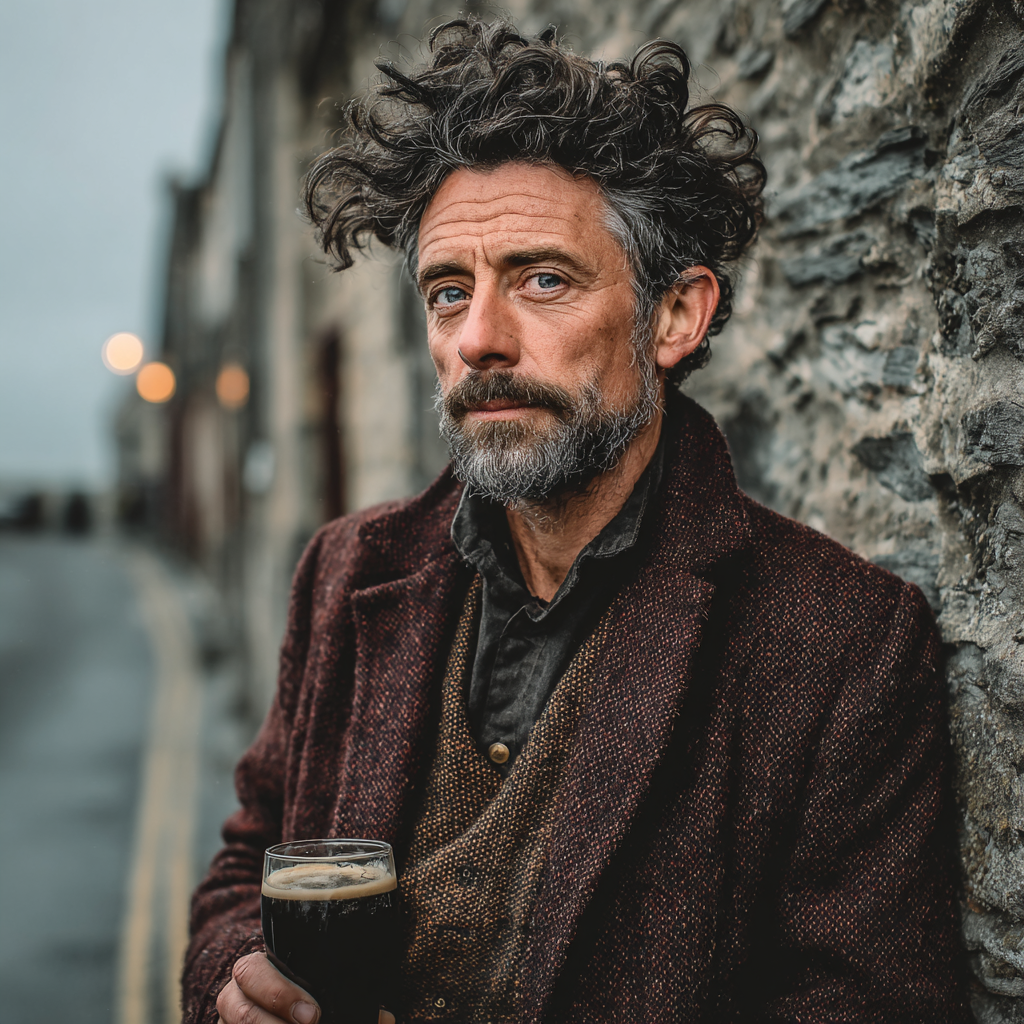
By Finn O'Sullivan
Irish storyteller and folklorist. Finn hunts for the narratives that do not make guidebooks—the pub legends, the family feuds, the neighborhood heroes. He believes every street corner has a story if you know who to ask.