
Eating in Matera's Sassi: Where to Find DOP Bread, Crispy Peppers, and Lamb in 9,000-Year-Old Stone Rooms
The first time I ate inside a cave, I didn't expect the bread to steal the show. It was a warm October evening in Matera, and I was sitting at a rough-hewn stone table inside Ristorante Francesca, surrounded by walls that humans had carved nine millennia ago. The waiter set down a loaf that looked more like modern art than food—an elongated, deeply scored oval with a crust so dark it was almost mahogany. I tore off a piece. The crack of the crust echoed in the stone chamber. Inside, the crumb was soft, yellow, and fragrant with something I couldn't name. "That's the water," the waiter said, noticing my expression. "Matera's water has minerals you won't find anywhere else. That bread has DOP protection. They tried to bake it in Bari once. Tasted like cardboard."
That was the moment I understood: Matera doesn't just serve food inside caves. The caves are the cuisine. The limestone water that carved these caverns also feeds the wheat. The harsh sun that beat down on cave dwellers for centuries also dried the peppers that became the region's most iconic ingredient. Every plate here is a conversation between human ingenuity and an unforgiving landscape—and after three visits and countless meals, I'm still listening.
What this guide covers: The dishes that define Basilicata's cave city, where to find them with exact addresses and prices, which cave restaurants justify the hype (and which don't), the local producers keeping ancient techniques alive, and the practical realities of eating in a town where dinner service starts when most tourists are already yawning.
The Author
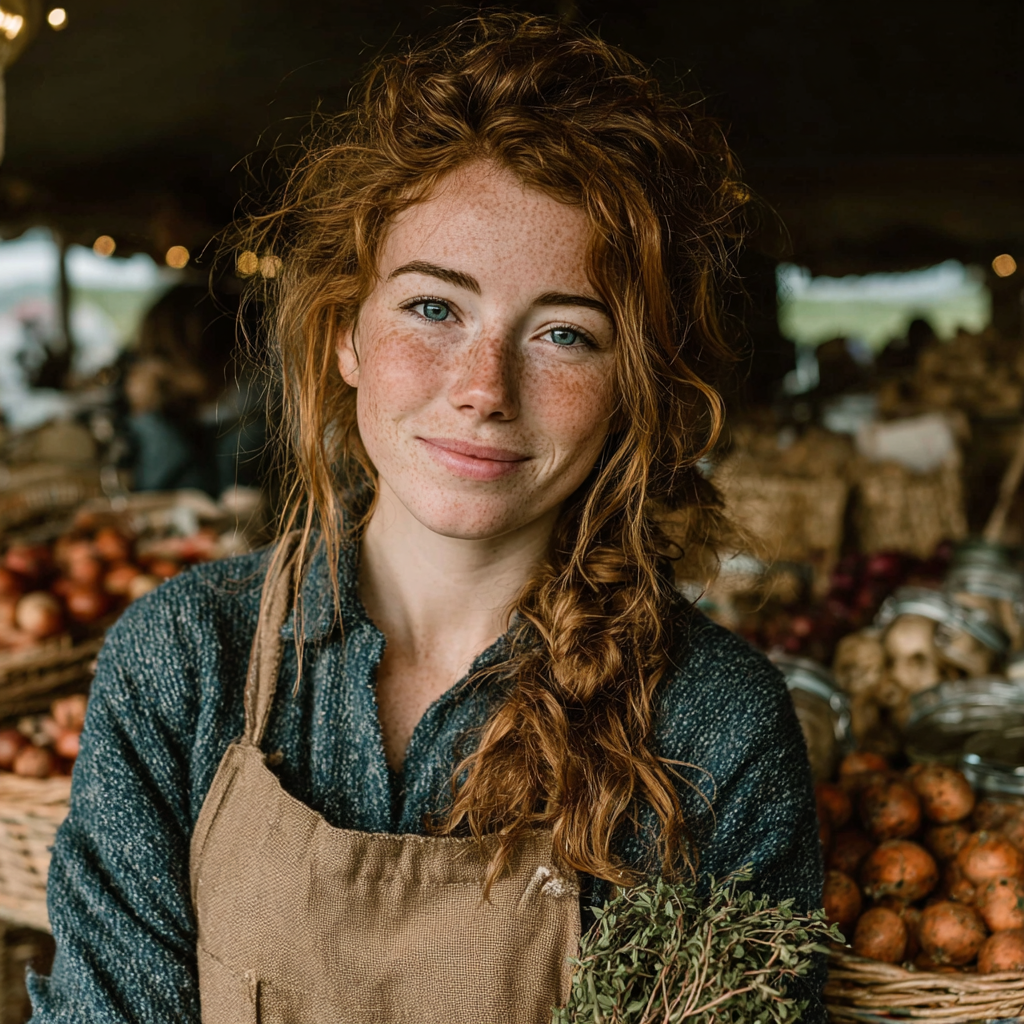
Sophie Brennan writes about the intersection of food and place. She has spent the last decade eating her way through Italy's lesser-known regions, from the pepper fields of Senise to the lamb pastures of the Murgia hills. She believes the best restaurant review is the one a nonna would agree with.
The Bread That Built a City
Pane di Matera: DOP-Protected Perfection
Pane di Matera isn't merely bread. It's a geological artifact. Made from 100% durum wheat semola rimacinata, mixed with mineral-rich local water, and baked in wood-fired ovens that have been operating since before Italy was a country, this DOP-protected loaf is perhaps the most celebrated bread in southern Italy. The elongated shape—locals call it "ciabatta di Matera" though it predates the famous northern ciabatta by centuries—was designed for longevity. Families baked once a week in communal ovens, and the dense, low-moisture crumb stayed fresh in cave conditions where refrigeration didn't exist.
The flavor is unmistakable: a deep, almost nutty sweetness from the durum wheat, a slight tang from natural fermentation, and a crust that crackles rather than crumbles. Don't bother with butter or olive oil on your first bite. Eat it plain. The bread demands nothing else.
Where to find the real thing:
Panificio Paoluccio — Via San Biagio 9, Matera. Operating since 1925, this fourth-generation bakery still uses the family's original wood-fired oven. The current baker, Antonio Paoluccio, starts his day at 3:00 AM to have fresh loaves ready for the first customers. A standard loaf costs €3.50; the larger "festa" size is €5. Open Monday-Saturday 7:00 AM-1:00 PM and 5:00-8:00 PM. Closed Sunday. Cash preferred.
Pane e Tradizione De Palo — Via Fiorentini 66, in the heart of the Sassi. This bakery offers hands-on bread-making workshops where you mix the dough, shape the loaf, and slide it into a wood-fired oven. The €25 per person workshop includes your own loaf to take home and a generous tasting spread with local cheeses and peperoni cruschi. Reservations essential—call +39 0835 331404 or book through their website at least 48 hours ahead. Workshops run Tuesday, Thursday, and Saturday at 10:00 AM.
Forno Santa Chiara — Via Bruno Buozzi 45, in the modern town. Family-run since 1967, known for their especially crusty exterior and airy, irregular crumb. Open Monday-Saturday 6:30 AM-1:30 PM. A loaf costs €3. Arrive before 9:00 AM for the freshest batch.
Peperoni Cruschi: Basilicata's Crispy Red Gold
If Pane di Matera is the foundation of Lucanian cuisine, peperoni cruschi are its soul. These thin, dried Senise peppers are fried for mere seconds in hot olive oil until they transform into something between a chip and a revelation—crispy, intensely flavored, slightly sweet, with a whisper of heat that builds rather than burns. The peppers are grown in the Val d'Agri and hold IGP status, meaning they're protected by the same European system that safeguards Parmigiano-Reggiano and Champagne.
The drying process is what makes them special. Harvested in late summer, the peppers are strung on cotton threads and hung under eaves or in attics for weeks until they become papery and brittle. When fried, the Maillard reaction works overtime, creating flavors that are simultaneously smoky, nutty, and fruity. Locals crumble them over pasta, use them to garnish soups, or eat them whole as a snack with cold beer.
The best places to experience them:
Trattoria del Caveoso — Via Bruno Buozzi 40, Matera. Their cavatelli con peperoni cruschi e mollica (pasta with crispy peppers and fried breadcrumbs) is the benchmark against which all others are measured. The pasta is handmade each morning, the peppers are sourced directly from a farm in Senise, and the breadcrumbs are fried in the same oil as the peppers, capturing every last molecule of flavor. €12-14 for the dish. Open for lunch 12:30-2:45 PM, dinner 7:30-10:45 PM. Closed Wednesdays. Bookings strongly recommended—this place turns people away nightly.
La Lopa — Via Bruno Buozzi 13, next door to Caveoso. Their ferricelli con salsa di peperoni cruschi e stracciatella is the pasta dish I dream about months after leaving Matera. The ferricelli—short, twisted pasta native to Basilicata—are dressed with a pesto-like sauce made from crushed cruschi peppers, then topped with creamy stracciatella cheese and a shower of breadcrumbs. It's sweet, smoky, rich, and somehow light all at once. After dinner, head downstairs to their tiny cinema room for a 20-minute film showing clips from every movie shot in Matera, from Pasolini's The Gospel According to St. Matthew to the James Bond film No Time to Die. €16 for the pasta dish; expect €35-45 per person with wine. Open Tuesday dinner 7:00-9:45 PM, Wednesday-Sunday lunch 12:30-2:30 PM and dinner 7:00-9:45 PM. Closed Mondays.
Osteria al Casale — Via Casale 4, a short walk from the Sassi. This family-run osteria serves peperoni cruschi as an antipasto with local bread and their own olive oil. The simplicity is the point—you taste the pepper in its purest form. €6 for the antipasto. Open Tuesday-Sunday 12:30-3:00 PM, 7:30-10:30 PM. Closed Monday.
The Peasant Dishes That Refuse to Disappear
Crapiata: The Soup of Survival
Crapiata is Matera's most honest dish. A thick soup of mixed legumes—cicerchie (a rare, ancient chickpea-like legume), lentils, beans, and chickpeas—slow-cooked with grains until the texture is halfway between soup and stew. It sustained cave dwellers through winters when meat was unaffordable and fresh vegetables nonexistent. Today, it remains a point of local pride, especially among older residents who remember when it was daily sustenance rather than restaurant nostalgia.
The best versions use locally grown cicerchie, which have a nutty, almost chestnut-like flavor you won't find in standard chickpeas. The soup is traditionally eaten on August 1st for the Festa della Crapiata, when families compete to make the most authentic version.
Where to find it:
- Ristorante Baccus — Via Sant'Angelo 58, in a cave in the Sasso Barisano. Their crapiata uses legumes sourced from a single farm in the Metapontino plains, and they cook it for six hours in a clay pot. The result is a depth of flavor that makes most bean soups taste like cafeteria food. €9 for a generous bowl. Open daily 12:30-2:30 PM, 7:30-10:30 PM.
Fave e Cicorie: Bitter Greens, Creamy Beans
Fave e cicorie—a purée of dried fava beans topped with sautéed chicory—is the other pillar of Lucanian peasant cooking. The dish sounds austere, and in bad hands it is: bland bean mush with bitter greens. In good hands, it's transformative. The secret is the olive oil, which must be the peppery, grassy oil from the hills around Matera, and the chicory, which should be wild-gathered rather than cultivated.
Where to eat it:
Trattoria del Caveoso serves a version that converts even bean-skeptics. Their fave e cicorie comes topped with a handful of peperoni cruschi and a drizzle of oil so green it looks like emerald. Order it as an antipasto to share.
La Lopa offers a more refined presentation: the bean purée is whipped until almost mousse-like, and the chicory is blanched just long enough to remove the harshest bitterness without losing its spine. €8 as an antipasto.
Orecchiette con Cime di Rapa
While orecchiette is more associated with Puglia, Matera's version with cime di rapa (turnip greens) is equally excellent. The ear-shaped pasta catches the slightly bitter, garlicky sauce in every fold, and when made by hand—as it should be—the irregular surfaces grip the oil in ways factory pasta never can.
- Trattoria Lucana — Via XX Settembre 48. A local institution since 1963. The pasta is made fresh each morning by the owner's mother, who has been rolling orecchiette for over fifty years. €10-12. Open Tuesday-Sunday 12:30-3:00 PM, 7:30-10:30 PM. Closed Monday.
Meat, Fire, and the Murgia Hills
Agnello alla Pastorale and Pignata
Lamb is non-negotiable in Basilicata. The Murgia hills surrounding Matera produce some of Italy's most flavorful lamb, raised on wild herbs and scrub that imparts a distinct, almost gamy character. Agnello alla pastorale features slow-cooked lamb with wild herbs, potatoes, and peppers. The more traditional pignata cooks the lamb in a clay pot with the same ingredients plus the rendered fat from lucanica sausage, creating a sauce you'll want to drink with a spoon.
Best spots:
Le Bubbole — Via Bruno Buozzi 71. Specializes in meat from farms within 30 kilometers of Matera. Their lamb is sourced from a single farm in the Murgia and arrives at the restaurant still smelling of wild rosemary. The agnello alla pastorale is €18-22 depending on portion size. Open Tuesday-Sunday 1:00-3:00 PM, 8:00-11:00 PM. Closed Monday.
Osteria al Casale serves a pignata that simmers for four hours. The meat falls apart at the touch of a fork, and the sauce is so concentrated it coats the roof of your mouth. €20. Order it a day ahead if possible—they make limited quantities.
Cave Restaurants: Where to Eat Inside History
Dining inside a cave is the signature Matera experience, but not all cave restaurants are equal. Some trade on atmosphere and serve forgettable food. Others use the setting as a stage for genuinely excellent cooking. Here's where the food matches the walls.
Ristorante Francesca — Via San Giovanni Vecchio 16
Set in a restored cave dwelling with vaulted stone ceilings and modern lighting that somehow makes the ancient stone look even older. The cooking straddles tradition and ambition: strascinati con ceci e cozze (pasta with chickpeas and mussels) is their signature, and it works because the chickpeas are cooked until creamy and the mussels are added at the last second so they barely surrender to the heat.
Details: €35-45 per person with wine. Reservations essential, especially for dinner—call +39 0835 332902. Open daily 12:30-3:00 PM, 7:30-11:00 PM.
Trattoria del Caveoso — Via Bruno Buozzi 40
The cave interior feels less like a restaurant and more like a particularly well-appointed family cellar. Stone walls, wooden tables, no pretension. The antipasti spread alone could be your entire meal—grilled vegetables, local cheeses, peperoni cruschi, and enough bread to soak up a flood. This is where locals bring out-of-town friends. €25-30 per person. Open lunch 12:30-2:45 PM, dinner 7:30-10:45 PM. Closed Wednesdays.
La Lopa — Via Bruno Buozzi 13
The most romantic cave dining in Matera without crossing into stuffy territory. Flickering candles, original cave walls, and a small courtyard for warm evenings. Their ferricelli with red pepper sauce is reason enough to book a table. After dinner, the cinema room downstairs shows film clips from movies shot in Matera. €35-45 per person with wine. Open dinner Tuesday 7:00-9:45 PM; lunch and dinner Wednesday-Sunday. Closed Mondays.
Soul Kitchen — Via Casalnuovo 27
Contemporary cave dining with creative takes on local ingredients. The interior features exposed cave walls contrasted with modern furnishings, and the tasting menu (€55) is genuinely ambitious: think slow-cooked octopus with sweet potato two ways, or veal tongue with apricot jam and chicory pesto. À la carte runs €30-40. Open Tuesday-Sunday 7:30-11:00 PM (dinner only). Reservations required.
Baccanti — Via Sant'Angelo 61
Takes cave dining in a contemporary direction without losing the soul. The vaulted stone cavern provides the atmosphere, but the cooking shows real ambition—dishes that respect tradition while pushing boundaries. The slow-cooked octopus with sweet potato and the veal tongue with apricot jam demonstrate a kitchen that wants you to remember the food as much as the walls. Save room for dessert. €40-50 per person. Dinner only, reservations essential—call +39 0835 332014.
Street Food, Quick Bites, and the Italian Art of the Aperitivo
Il Rusticone — Piazza Vittorio Veneto 14
The best fast food in Matera isn't a compromise—it's a destination. Il Rusticone specializes in puccia, a crusty baked bread pocket stuffed with cured meats, cheeses, and salad. Think of it as Matera's answer to the sandwich, except the bread is baked fresh every hour and the fillings are sourced from local producers. A puccia with caciocavallo and lucanica sausage is €6-8. Pizza slices are €2.50-3. Open daily 11:00 AM-11:00 PM.
Focacceria Il Forno — Via Ridola 32
Fresh focaccia with tomatoes, olives, and oregano, baked in a wood oven and sold by weight. €2-3 per slice depending on toppings. Open daily 8:00 AM-8:00 PM. The focaccia barese with cherry tomatoes and olives is the one to get.
Caffè del Corso — Corso Vittorio Emanuele II 19
Great for a quick panzerotto (fried calzone) stuffed with mozzarella and tomato. €3.50. Their coffee is solid too—€1.20 at the bar, €2.50 at a table. Open Monday-Saturday 7:00 AM-9:00 PM. Closed Sunday.
Terrazza Cavaliere — Locanda di San Martino, Via Fiorentini 71
The Italian aperitivo is non-negotiable, and in Matera it comes with views that justify the price of every overpriced Spritz. This rooftop terrace offers panoramic views over the Sassi ravine. Aperitivo with snacks runs €8-12. Open daily 6:00 PM-12:00 AM. Arrive by 6:30 PM to snag a sunset-facing table in summer.
Wine: Volcanic Soil in a Glass
Aglianico del Vulture
The king of Basilicata wines comes from the volcanic slopes of Monte Vulture, an extinct volcano about an hour's drive from Matera. Aglianico del Vulture is often called the "Barolo of the South," and while that comparison is useful for marketing, it undersells the wine's distinct character. This is a full-bodied red with flavors of dark berries, plum, tobacco, and something earthy—volcanic soil, maybe, or the ghost of the mountain itself. The tannins are firm when young, silky with age. It is the perfect pairing for Matera's lamb dishes and rich pasta sauces.
Where to drink it:
Enoteca Dai Tosi — Via Bruno Buozzi 12. Over 200 labels from Basilicata and beyond, with knowledgeable staff who will ask what you're eating before recommending a bottle. Aglianico by the glass €6-12 depending on vintage. Open Monday-Saturday 11:00 AM-11:00 PM. Closed Sunday.
Crialoss Cafe — Via Fiorentini 71. Wine bar with a panoramic terrace. Excellent selection of local wines with cheese pairings. €8-15 per glass with snacks. Open daily 10:00 AM-12:00 AM.
Agriristories — Via Sette Dolori 62. Their wine list is exceptional, and my glass of Aglianico (Stupor Mundi DOC 2012) was the best wine I tasted in Matera across three visits. Open Sunday-Tuesday and Thursday-Saturday lunch 11:30 AM-3:30 PM, dinner 7:30 PM-11:00 PM. Closed Wednesdays.
Other Local Wines Worth Your Time
- Greco di Matera — White wine with citrus and almond notes. Perfect with seafood. Most restaurants stock it by the bottle for €18-25.
- Primitivo di Matera — Fruity red, less tannic than Aglianico. A good entry point if you find Aglianico too aggressive. €15-20 per bottle in restaurants.
- Falanghina — Crisp white, excellent as an aperitif. €4-6 by the glass.
Markets, Producers, and the Ingredients Behind the Dishes
Mercato Rionale di Via Cappelluti
Matera's main food market operates Tuesday and Friday mornings from 7:00 AM to 1:00 PM on Via Cappelluti. This is where local nonnas shop, and where you'll find:
- Fresh produce from the Metapontino plains (tomatoes in August are worth planning a trip around)
- Local cheeses: pecorino di Filiano (sheep's milk, aged six months to two years), caciocavallo podolico (from the rare Podolica cow, semi-hard with a distinct tang)
- Cured meats: lucanica sausage (coarsely ground pork with wild fennel), soppressata
- Fresh pasta made that morning
- Local honey from Murgia wildflowers
- Dried peperoni cruschi to take home (buy the ones that are still whole, not pre-crumbled)
Arrive before 9:00 AM for the best selection. Bring cash—many vendors don't take cards.
Gourmet Shops for Souvenirs That Actually Taste Good
La Casa del Formaggio — Via Fiorentini 42. Artisanal cheeses from Basilicata and Puglia. The pecorino di Filiano and caciocavallo podolico are the stars. Cheese tastings available for €15 (includes five cheeses, local bread, and a glass of wine). Open Tuesday-Sunday 9:00 AM-1:00 PM, 5:00-8:00 PM. Closed Monday.
Antica Salumeria — Via del Corso 28. Cured meats, olives, and local specialties. Their selection of peperoni cruschi is the best in town—whole dried peppers still on the string, not the pre-fried crumbs sold to tourists. Gift baskets available from €25. Open Monday-Saturday 8:30 AM-1:00 PM, 5:00-8:30 PM. Closed Sunday.
What to Skip
Restaurants with "Tourist Menu" signs. Any place advertising a €15 three-course "menu turistico" in four languages is serving frozen lasagna to bus groups. Walk away. The worst offender is the cluster of restaurants near Piazza Vittorio Veneto facing the Sassi viewpoint—most have identical laminated menus and identical food.
The pre-fried peperoni cruschi sold in souvenir shops. Real cruschi are dried whole peppers that you fry fresh in hot oil. The pre-fried, pre-crumbled versions in plastic bags have all the texture of cereal and none of the flavor. Buy whole dried peppers at Antica Salumeria and fry them yourself, or eat them at any proper restaurant.
Gelato shops with neon colors. If the pistachio gelato is bright green, it's made with syrup, not Sicilian pistachios. The exception is I Vizi degli Angeli on Via Domenico Ridola 36, which makes exceptional artisanal gelato. Their dark chocolate and pistachio are both excellent, and they have plenty of vegan options. Open Monday-Tuesday and Thursday 12:00-9:00 PM, Friday-Sunday 12:00-10:00 PM. Closed Wednesdays.
Eating dinner before 8:00 PM. Restaurants that serve dinner at 6:00 PM are catering to tourists who want to eat early. The food will be adequate at best. In Matera, locals don't sit down before 8:30 PM, and the best kitchens hit their stride around 9:00 PM. Adjust your schedule.
Any "cave restaurant" in the new town. The genuine cave dining experience only exists in the Sassi (the old cave districts). Restaurants in the modern part of Matera sometimes use faux-stone wallpaper and dim lighting to simulate the effect. It's not the same. If the address doesn't say "Sasso Barisano" or "Sasso Caveoso," it's not a real cave.
Wine bars near the main viewpoint. The bars along Via Fiorentini with the best Sassi views charge €12-15 for a glass of basic Aglianico that costs €4 three streets away. Pay for the view once at sunset, then move to Enoteca Dai Tosi for serious drinking.
Practical Logistics: How to Eat in Matera Without Frustration
Timing Your Meals
- Lunch: 12:30-2:00 PM. Many restaurants offer a pranzo menu at good value—two courses plus wine for €15-20. This is when locals eat their main meal.
- Pausa: 3:00-7:30 PM. Most restaurants close. Plan accordingly. Cafes stay open, and tourist-oriented spots serve food, but the good kitchens are resting.
- Dinner: 8:00-10:00 PM. Italians eat late; restaurants get busy after 8:30 PM. A 7:30 PM reservation is early; 9:00 PM is normal.
- Aperitivo: 6:30-8:00 PM. Many bars offer snacks with drinks. It's a civilized way to bridge the gap between lunch and the late dinner hour.
- Breakfast: Most hotels include breakfast, and many have panoramic terraces. If yours doesn't, Caffè del Corso opens at 7:00 AM and does excellent cornetti (Italian croissants) for €1.50.
Reservations
Cave restaurants and popular spots fill up quickly, especially on weekends. Book at least a day ahead for dinner, and two days ahead for Friday or Saturday nights. Trattoria del Caveoso and Ristorante Francesca are the hardest tables to secure—call directly rather than relying on online booking platforms.
Tipping
Service is usually included (servizio incluso), but rounding up or leaving 5-10% for excellent service is appreciated. For a €40 meal, leave €2-3 in cash. No need to calculate percentages—Italians round.
Getting Around
The Sassi are steep, uneven, and challenging to navigate in the dark. Wear comfortable shoes with grip. Many cave restaurants are down narrow staircases or along uneven stone paths. If you have mobility issues, call ahead—some restaurants have accessible entrances, but many don't.
Budget Breakdown
- Budget meal: €8-12 (pizza, panzerotto, or pasta at casual spots)
- Mid-range dinner: €25-35 (trattoria with wine)
- Cave restaurant experience: €40-55 (specialty restaurant)
- Tasting menu: €50-70 (upscale cave dining)
- Coffee: €1.20-1.50 at the bar, €2.50-3 at a table
- Aperitivo: €6-10 with snacks
- Aglianico by the glass: €6-12
- Pane di Matera loaf: €3-5
The Final Bite
Matera doesn't reward the checklist traveler. It rewards the curious ones—the ones who ask the waiter what cicerchie are, who buy a loaf of bread and eat it plain while walking through stone alleyways, who sit in a cave restaurant long after the meal is finished because the walls have stories to tell.
The food here isn't refined in the way of Milan or Paris. It's something older and more honest: dishes born from necessity, elevated by time, and served in spaces that humans have inhabited for nine thousand years. Every bowl of crapiata connects you to generations who ate the same soup in the same caves. Every crack of Pane di Matera crust echoes against the same limestone walls that echoed for centuries before you arrived.
Eat slowly. Ask questions. Try the fave e cicorie everywhere and compare versions. Buy a bag of dried peperoni cruschi to take home. And when you find yourself in a cave restaurant, candlelight flickering against stone that was carved by hands three millennia ago, break off a piece of that magnificent bread, pour some olive oil, and let yourself be fully present.
Matera has been feeding people for nine thousand years. Tonight, it's your turn.
Sophie Brennan last ate at Trattoria del Caveoso in October 2025 and confirms the cavatelli with peperoni cruschi remains as good as ever. She is already planning her fourth visit.
By Sophie Brennan
Irish food writer and historian based in Lisbon. Sophie combines her background in medieval history with a passion for contemporary gastronomy. She has written for Condé Nast Traveller and authored two cookbooks exploring Celtic and Iberian culinary traditions.