
Ferrara, Italy: The Renaissance City That Time Forgot — Walls, Moats, and the Best Pumpkin Pasta in Emilia-Romagna
By Elena Vasquez, culture writer and recovering architecture obsessive. I came for the Este dynasty and stayed for the salama da sugo.
Most travelers bound for Bologna treat Ferrara as a footnote. They pass through on the train from Venice to Florence and never get off. The ones who do step onto the platform in Ferrara find a city that stopped competing with its neighbors centuries ago and became something stranger: a planned Renaissance experiment that actually worked, wrapped in nine kilometers of walls that have never been breached by tourists.
I have been coming to Ferrara for fifteen years, and I still get lost in the same way—not geographically, but temporally. You turn a corner and the twentieth century simply isn't there. No neon, no chain stores, no cars in the center. Just brick, moat water, and the kind of silence that makes you aware of your own footsteps. This is not a city that performs for visitors. It is a city that preserved itself by accident, and the result is one of the most coherent urban experiences in Italy.
The Este Legacy: A City Built by Paranoid Geniuses
The Este family ruled Ferrara from 1240 to 1598. They were not the Medici. They were more paranoid, more theatrical, and better at city planning. When the dynasty collapsed—after Alfonso II died without a legitimate heir and the Pope simply absorbed the duchy—Ferrara's importance evaporated overnight. The city froze. No new money meant no Baroque rebuilding, no industrial sprawl, no modernist erasure. What the Estes built in the fifteenth century is still what you see.
This historical accident is Ferrara's greatest gift. While Florence and Rome rebuilt themselves repeatedly, Ferrara slept. The Renaissance street plan survived. The walls stayed intact. The palaces remained in private hands or became public buildings without significant alteration. Walking through Ferrara today is as close as you can get to experiencing a planned Renaissance city without a time machine.
The Estes were prolific builders, but they were also collectors and patrons. They attracted poets—Ariosto and Tasso both worked at the Ferrara court—and artists who developed a distinctive local style. The Ferrara school of painting, active in the fifteenth and sixteenth centuries, produced work that is immediately recognizable: elongated figures, jewel-like colors, a slightly hallucinatory quality that suggests the artists were working under the influence of courtly intrigue and perhaps something stronger.
The Castle and the Cathedral: Power and Faith
Castello Estense Largo Castello, 1, 44121 Ferrara FE Full access: €13; towers and ground floor only: €9 Hours: 9:30 AM–5:30 PM (summer until 7:30 PM); closed some Mondays
Start at the Castello Estense, because there is no avoiding it. The moated brick fortress rises from the center of town like a threat. Construction began in 1385 after a popular uprising convinced the ruling Nicolò II d'Este that he needed better security. The result is one of Italy's few genuine castles in a city center—four towers, a drawbridge, and a moat that still holds water.
The interior is split between defensive austerity and ducal excess. The Ducal Apartments have sixteenth-century frescoes by artists from the Ferrara school. The dungeons are smaller than you expect, low-ceilinged and damp, with graffiti scratched into the walls by prisoners who died here. The most famous were Ugo and Parisina—Parisina was Nicolò III's wife, Ugo was his illegitimate son, and both were beheaded in 1425 for the crime of falling in love. The audio guide mentions this without sentimentality, which is appropriate.
The Garden of the Oranges on the upper level is worth the climb. It is a small walled garden with bitter orange trees and a view over the city rooftops. In spring, the scent is overwhelming. The Torre dei Leoni offers the best panoramic view of Ferrara, though the stairs are narrow and the ascent is not for the claustrophobic.
Cattedrale di San Giorgio Piazza della Cattedrale, 44121 Ferrara FE Cathedral: free; Museo della Cattedrale: €6 Museum hours: 9:30 AM–1 PM, 3 PM–6 PM; closed Mondays
Walk southeast for four minutes and you hit the Cattedrale di San Giorgio. The facade is white marble striped with pink, a Romanesque lower level from 1135 topped with a Gothic loggia added two centuries later. Inside, the nave is plain brick and heavy columns. The choir stalls are carved with grotesques and Biblical scenes.
The real surprise is the Museo della Cattedrale upstairs, reached by a spiral staircase. It holds Jacopo della Quercia's Madonna degli Impiccati—a marble relief of the Virgin that was once mounted outside the city gates at the gallows, where prisoners stopped to pray before execution. The museum also contains a twelfth-century manuscript of the Gospels, illuminated in gold and lapis lazuli, and a collection of ecclesiastical vestments embroidered with such density that they weigh more than a coat of armor.
The Planned City: Walking Corso Ercole I d'Este
From the cathedral, follow Corso Martiri della Libertà north. This was the medieval main street. At the end of it stands the Palazzo dei Diamanti.
Corso Ercole I d'Este, 21, 44121 Ferrara FE National Gallery entry: €12; rotating exhibitions: variable pricing Hours: 9 AM–7 PM; closed some Mondays
Named for the 8,500 diamond-shaped marble blocks that stud its two exterior walls, the palace was built in 1493 for Sigismondo d'Este and now houses the National Gallery of Ferrara. The collection includes Cosmè Tura's Saint George and the Princess, a late-Gothic panel with the kind of stiff, hallucinatory intensity that only Ferrara produced. The building also hosts rotating exhibitions—Banksy has shown here, as have exhibitions of Renaissance manuscripts.
The facade is free to look at, and you should spend time doing so. The diamonds are not decoration. They are load-bearing structural elements that allowed the builders to create thinner walls with larger windows. This is engineering as ornament, and it is characteristic of the Este approach: everything must serve multiple purposes.
Continue north on Corso Ercole I d'Este. This boulevard was laid out in 1492 as the spine of the "Herculean Addition," the first fully planned urban expansion in modern Europe. The street is perfectly straight, perfectly proportioned, and almost unnervingly empty compared to Italian city centers that grew organically. The palaces along it were built to a uniform height, with uniform cornices, as part of a deliberate architectural program. Biagio Rossetti, the architect, designed the whole thing. The result feels less like a Renaissance fantasy and more like a proof of concept.
At the far end sits the Palazzo Schifanoia.
Via Scandiana, 23, 44121 Ferrara FE Entry: €6 Hours: 9:30 AM–6 PM; closed Mondays
The name means "escape from boredom," and the Este dukes used it as a pleasure palace and hunting lodge. The Hall of the Months covers three walls with a fresco cycle from around 1470 that combines zodiac signs, courtly life, and astrological symbolism. The quality is uneven—some figures are masterful, others look hurried—but the overall effect is unlike anything else in Italy. The museum is small, and most visitors skip it entirely. Do not be most visitors.
The Jewish Ghetto: A Living History
Ferrara's Jewish ghetto is not a museum installation. It is a neighborhood where people still live. The community dates to the fourteenth century, and in 1492 Ferrara became a refuge for Sephardic Jews expelled from Spain. The Este family welcomed them for economic reasons—doctors, bankers, silk merchants—and the community thrived until the 1938 racial laws and 1943 deportations.
Sinagoga di Ferrara Via Mazzini, 95, 44121 Ferrara FE Entry to Jewish Museum: €4 Hours vary; contact the Jewish Community of Ferrara in advance for synagogue visits
The Synagogue on Via Mazzini is still active. The Jewish Museum of Ferrara, inside the synagogue complex, displays Torah scrolls, marriage contracts, and photographs of the community before the war. The nearby streets—Via Vignatagliata, Via Vittoria—have plaques marking the homes of deported families. There are eighty-five names.
The ghetto itself is atmospheric in the best sense. The buildings are tall and narrow, with internal courtyards that were once shared by multiple families. At number 79 Via Vittoria, a small plaque marks the house of Giorgio Bassani, author of The Garden of the Finzi-Continis, the novel that introduced Ferrara's Jewish community to the world. Bassani based the fictional Finzi-Continis family on real families he knew, and the garden of the title was inspired by several actual gardens in the ghetto.
If you are interested in this history, the Museo dell'Internamento e della Resistenza (Via Piangipane, 81; free entry; open Tuesday–Sunday 9:30 AM–1 PM, 3 PM–6 PM) is essential. It occupies the former prison where Jewish families were held before deportation. The exhibition is restrained, factual, and devastating.
The Walls: Nine Kilometers of Perfection
The city walls are Ferrara's best feature and its most honest one. Nine kilometers of brick and earth, built between 1493 and 1570, completely encircle the old city. They are not ruins. They are a functioning public park.
Locals jog on them at dawn. Couples walk them at sunset. In summer you can rent a bike at the train station—€3 per hour, €10 per day—and complete the full circuit in forty-five minutes. The walls are wide enough for two lanes of traffic, if traffic were allowed, which it is not.
UNESCO listed the entire fortified Renaissance city in 1995, but the walls themselves are the reason why. No other Italian city has a complete circuit this intact. Lucca has walls, but they are broader, tree-lined boulevards. Ferrara's walls are narrower, more intimate, and more closely integrated with the daily life of the city.
The best section for walking is the northern ramparts, between Porta degli Angeli and Porta di San Giovanni. Here the walls are at their highest, and the view over the Po Delta is uninterrupted. In spring, the poplars are bright green and the air smells of river mud and flowering acacia. In autumn, the light is golden and the walls are warm underfoot.
If you have energy for a longer walk, continue to the eastern ramparts and look out over the Po Delta. The flat green plain stretches to the horizon. This was the Este family's hunting ground, and before that it was the edge of the Etruscan world.
Museo Archeologico Nazionale Via XX Settembre, 122, 44121 Ferrara FE Entry: €5 Hours: 8:30 AM–7:30 PM; closed some Mondays
The museum holds artifacts from the ancient port of Spina—Greek vases, Etruscan bronzes, painted sarcophagi dredged from the lagoon. The collection is small but specific, and it explains why the Estes chose this location in the first place. Ferrara was not a random settlement. It was a strategic node on the water routes between the Adriatic and the Po Valley, and the family that controlled it controlled trade.
What and Where to Eat in Ferrara
Ferrara is in Emilia-Romagna, which means the baseline quality is high and the prices are low by Italian standards. But Ferrara is not Bologna. It does not have the same density of restaurants, and the ones it has tend to be more traditional, more local, and less interested in innovation.
The Signature Dishes
Cappellacci di zucca is pumpkin-filled pasta shaped like farmers' hats, dressed with butter and sage or ragù. The shape is functional—the thick rim holds the filling, the thin center cooks quickly. It is a dish of autumn and winter, though most restaurants serve it year-round.
Salama da sugo is a local sausage made from pork, red wine, and spices, slow-cooked until it collapses into a dark paste. It is served over mashed potatoes and looks like a crime scene. It tastes like concentrated umami. If you are squeamish about texture, order the cappellacci instead.
Where to Eat
Trattoria Il Mandolino Via Borgo di Sotto, 8, 44121 Ferrara FE Cappellacci: €12; full meal with wine: €30–€35 Open lunch and dinner; reservations recommended on weekends
A small, family-run trattoria in the medieval quarter. The cappellacci here are handmade daily, and the butter-and-sage dressing is properly browned, not just melted. The owner, who has been running the kitchen for thirty years, will tell you that his grandmother's recipe uses a specific variety of pumpkin that only grows in the Po Valley. Whether this is true or not, the pasta is excellent.
Osteria Al Brindisi Via degli Adelardi, 11, 44121 Ferrara FE Salama da sugo: €14; wine by the glass: €4–€6 Open daily 12 PM–3 PM, 7 PM–11 PM
Claims to be the oldest wine bar in the world (founded 1435). The claim is disputed by several other establishments, but the wine list is genuinely local and deeply knowledgeable. The salama da sugo is served in the traditional style, with a spoon because it is too soft to cut. The interior is wood-paneled and cramped, with barrels stacked against the walls and regulars who have been drinking here since the 1970s.
Pasticceria Cioccolateria Gioia Via Garibaldi, 92, 44121 Ferrara FE Pastries: €2–€4 Open 7:30 AM–8 PM; closed Sunday afternoon
For torta tenerina, the local chocolate cake. It is flourless, dense, and slightly underbaked in the center—the Ferrara answer to a brownie, but older and more bitter. A slice with an espresso costs €4.50 and is the correct way to end any meal in this city.
The Wine
The wine list in most Ferrara restaurants is local: Lambrusco di Sorbara, Pignoletto, and Sangiovese from the nearby Colli Bolognesi. A bottle of decent Lambrusco costs €15–€18 in a restaurant. Do not dismiss Lambrusco because of the cheap sweet versions that were exported in the 1980s. The real thing is dry, slightly fizzy, and perfect with the rich food of Emilia-Romagna.
Practical Logistics
Getting There
Ferrara is on the Bologna-Venice rail line. Trains from Bologna take twenty-six to fifty minutes depending on the service, and tickets cost €4.80 to €12. From Venice, it is an hour and a half. From Florence, you change in Bologna; total journey time is about two hours.
The train station is a ten-minute walk from the Castello Estense. The walk is straightforward: leave the station, turn left onto Corso della Giovecca, and continue until you see the castle moat.
The Ferrara Bus & Fly shuttle from Bologna Airport costs €19 and takes an hour, but the train from Bologna Centrale is faster, cheaper, and more reliable.
Getting Around
The historic center is flat, compact, and entirely walkable. Most major sites are within a fifteen-minute radius. Biking is easier than driving—the center is a Limited Traffic Zone, and parking is scarce.
Bike rental is available at the train station and at several points around the city walls. The standard rate is €3 per hour or €10 per day. The walls are the best bike route: flat, traffic-free, and with views over the city and the surrounding plain.
Where to Stay
The best area is inside the walls, ideally between the cathedral and Corso Ercole I d'Este. This puts you within walking distance of everything. There are no luxury hotels in Ferrara, but there are several excellent mid-range options in converted palaces.
Hotel Annunziata (Piazza della Repubblica, 44; doubles from €90) occupies a fifteenth-century building with a courtyard garden. The rooms are simple but comfortable, and the location is perfect.
For a more intimate experience, Locanda Borgonuovo (Via Cairoli, 29; doubles from €75) is a small guesthouse in a quiet street near the walls. The owner is a former art historian who will lend you maps and recommendations without being intrusive.
Budget: Ostello Estense (Corso Giovecca, 50; dorm beds from €22, private rooms from €55) is clean, well-located, and popular with cyclists doing the Po Valley route.
What to Skip
The modern outskirts. Generic Italian sprawl begins the moment you step outside the walls. There is no reason to go there unless you are catching a train.
August. The city empties as locals head to the Adriatic coast forty kilometers east. The heat is humid, the mosquitoes are relentless, and many restaurants close for two weeks. If you must visit in summer, come in June or early July.
The commercial zone around Via San Romano. This street, just outside the historic center, is where Ferrara goes to buy sneakers and phone cases. It has no historical interest and no good food.
Restaurants with English menus and photos of the dishes. These are not for you. They are for the rare tour groups that pass through. The best food in Ferrara is in places where the menu is handwritten and changes daily.
Trying to see everything in one day. Ferrara is compact, but it rewards slow looking. The Palazzo Schifanoia alone deserves an hour. The walls deserve a morning. If you have only a day, focus on the castle, the cathedral museum, and a walk on the walls. Save the rest for your return visit.
Best Time to Visit
April to June, or September to October. The Po Valley fog lifts, the walls are dry, and the city hosts the Ferrara Buskers Festival in late August—five days of street performers from around the world. If you do not mind crowds, it is the one time of year when Ferrara feels like a destination.
The rest of the year, it simply feels like a city that happens to be beautiful. In November and December, the fog rolls in and the walls disappear into the mist. This is my favorite time. The city becomes intimate, secretive, and slightly melancholic. The restaurants are warm. The wine is necessary. And you will have the castle almost to yourself.
In spring, the public gardens inside the walls bloom with wisteria and Judas trees. The Po Delta floods slightly, turning the surrounding plain into a mosaic of silver water and green fields. Birdwatchers come for the migratory species: herons, egrets, and the occasional flamingo.
The city does not have the blockbuster appeal of Florence or Venice. It does not need it. What Ferrara offers is coherence: a city planned by one family, built in one period, preserved by one accident of history. The walls still work. The castle still has a moat. The diamond palace still glitters in the afternoon light. And the tourists are still, for the most part, on the train to somewhere else.
That is their mistake. Make it yours.
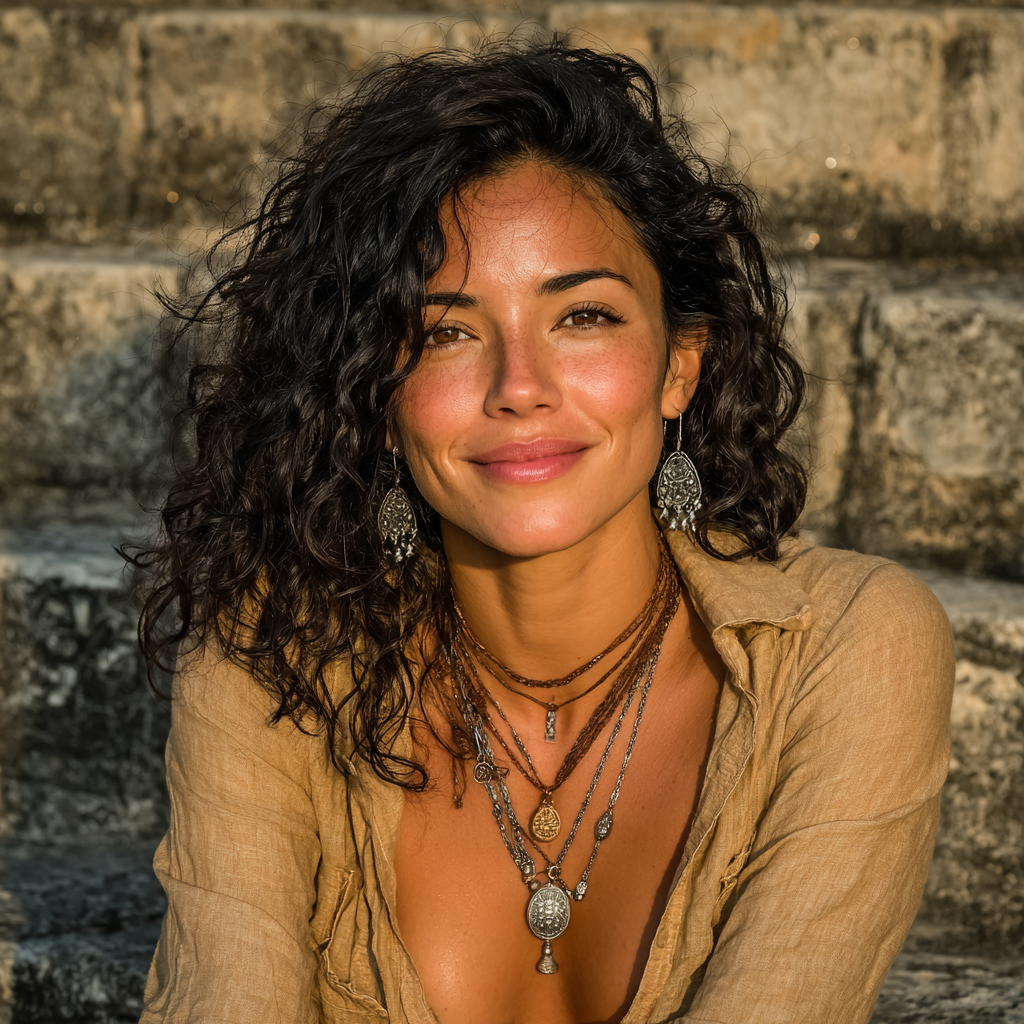
By Elena Vasquez
Cultural anthropologist and culinary storyteller. Elena spent a decade documenting traditional cooking methods across Latin America and the Mediterranean. She holds a PhD in Ethnography from Barcelona University and believes the best way to understand a place is through its kitchens and ancient streets.