
Most travelers speed through Lecce on their way to Otranto's cliffs or Gallipoli's beaches. They photograph the Basilica di Santa Croce, buy a postcard, and leave. This is a mistake. Lecce is the capital of Salento, the heel of Italy's boot, and its kitchen operates with the same baroque excess as its architecture. The pasticciotto was invented in nearby Galatina in 1745 by Nicola Ascalone, but Lecce perfected the art of eating it daily. The city has pastry shops that open before dawn, fish markets that smell like the Ionian Sea, and grandmothers who still roll orecchiette on their doorsteps. You do not visit Lecce for one meal. You visit because the entire city is a slow, carbohydrate-rich argument with the rest of Italy.
Entry Formalities and Money
Italy is Schengen. Passport holders from the US, UK, Canada, Australia, and New Zealand enter visa-free for 90 days in any 180-day period. Two new systems are worth understanding before you fly. The EES (Entry/Exit System) is fully operational since 10 April 2026: on your first crossing, a kiosk or border officer takes your photo and fingerprints, and the passport stamp disappears. Registration takes a few extra minutes at the border, and the system now tracks your 90/180-day allowance automatically. ETIAS, the pre-travel authorization long paired with it, has slipped again — as of late 2026 the EU has removed its 2026 launch target and 2027 is the realistic window. It will cost €20 when live. Any website selling you an "ETIAS" today is a scam. Watch travel-europe.europa.eu only.
The currency is the euro. Cards are accepted nearly everywhere, including Alvino and the market stalls, but carry €40–60 in small bills for pastry counters, tips, and the rare cash-only osteria. Restaurant prices in Puglia typically add a coperto of €1.50–2.50 per person and occasionally 10% servizio — check the menu footer before you sit. Tipping beyond rounding up is not expected. Water at the table is bottled and charged.
Getting There and Getting Around
Lecce sits at the end of the railway line. From Bari, Trenitalia's Frecciargento covers the run in about 1 hour 20 minutes (from ~€20–30 booked ahead); the slower Ferrovie del Sud Est (FSE) regional takes roughly 1 hour 50 minutes for around €9. From Brindisi airport (BDS), 35 km away, the easiest route is the direct train into Lecce — about 30 minutes and a few euros — rather than the old airport shuttle. Lecce station is a ten-minute walk from Porta San Biagio and the historic center. The old town is entirely walkable. You only need a car — or the cheap FSE lines — for the coastal towns and wine country beyond.
The Pasticciotto and the Morning Ritual
The day in Lecce starts with pasticciotto. This is non-negotiable. The pastry is a shortcrust shell filled with lemon-scented custard, baked until the top blisters and the center stays molten. The pasticciotto was born in Galatina in 1745, when pastry chef Nicola Ascalone folded leftover dough around custard to avoid waste, and Lecce has spent nearly three centuries perfecting the inheritance.
Caffè Alvino on Piazza Sant'Oronzo 30, founded in 1948, is the institution. Their pasticciotto leans heavy on the lemon zest and arrives warm from the oven first thing in the morning; the bar opens around 7 AM and runs late into the evening, so both dawn and midnight pastry are possible. Pasticceria Natale at Via Salvatore Trinchese 7 does a version with amarena cherries tucked into the custard and fields some forty-odd gelato flavors, but the pasticciotto is what the line is for; note it keeps shorter hours (roughly 9:30 AM onward) and closes Mondays. A warm pasticciotto now runs €2.00–3.00 at Alvino, €2.50–4.00 at Natale.
Eat it standing at the counter with a caffè leccese: espresso poured over ice, sweetened with almond milk — almond, not dairy, which is the whole point in a region of almond orchards. At the counter it costs €1.20–1.50; sit at a table on the piazza and the same drink becomes €3.50–5.00. Locals stand. Do not wait for the pastry to cool. The custard is designed to burn your tongue slightly. This is part of the experience.
Rustico Leccese: The Street Food That Replaces Lunch
At noon, the pasticciotto gives way to rustico leccese. This is a disc of puff pastry layered with béchamel, tomato sauce, and mozzarella, baked until the top flakes and the inside oozes. Caffè Alvino serves them alongside the pastries, and they are the standard mid-morning snack for anyone skipping a formal lunch. It costs about €2.50. A rustico and a beer on a plastic stool in Piazza Sant'Oronzo is a legitimate meal. Do not apologize for this.
Panzerotti are the fried alternative: bread pockets filled with mozzarella and tomato, sealed and dropped into hot oil until they inflate like balloons. They cost €2.50–3.00 at most bakeries in the historic center. The best ones are sold before 1:00 PM while the oil is still fresh. Watch for pittule, too — yeasted dough balls fried to order and sold by the paper cone at market stalls and sagre, especially around Christmas and village festivals.
Frisella and the Bread Drier Than the Salento Sun
Salento bread culture is defined by dryness. Frisella is a bagel-shaped loaf baked twice until it resembles terracotta. You wet it briefly under the tap — the soak is a skill, two seconds, no more — then top it with chopped tomatoes, olive oil, oregano, and salt, and eat it with your hands. The bread drinks up the tomato juice and oil and becomes something between a salad and a meal. Every trattoria serves it as an appetizer. It is the bread you will see on every table.
Puccia is the other bread: a round, flat loaf baked in wood ovens, split, and stuffed with grilled vegetables, lampascioni (wild hyacinth bulbs, bitter and wonderful), porchetta, or horse meat. Horse meat is common in Salento. It is lean, slightly sweet, and usually served as carpaccio or grilled, and dismissing it means missing a regional staple. Osteria Da Angiulino at Via Principi di Savoia 24 serves horse meatballs as a secondo. The restaurant is closed on Sundays and operates by phone reservation (+39 0832 246 768). A full meal of antipasti, primi, and secondi runs €25.00–35.00 per person.
Orecchiette and the Pasta You Will Recognize
Orecchiette, the ear-shaped pasta, belongs to Bari two hours north, but Lecce has its own version. The shape is slightly larger here, and the dough leans harder on semola rimacinata. The classic pairing is cime di rapa, turnip greens sautéed with garlic and anchovy. At Trattoria Le Zie on Via Colonnello Archimede Costadura 19, an all-female team rolls thimbles of orecchiette every morning in a dining room of patterned tiles, chequered cloths, and walls crowded with paintings. The old advice was to show up and wait; the trattoria has modernized slightly and now takes reservations by phone (+39 0832 245 178) and online via its website — still do it, because the room fills with locals by 1 PM. A plate of orecchiette with cime di rapa runs €11.00–14.00.
Ciceri e tria is the other essential pasta: half boiled chickpeas, half fried pasta squares, tossed with olive oil and rosemary. It is poor food elevated to complexity — the fried pasta stays audibly crisp against the soft chickpeas. Osteria Da Angiulino serves it as a primo; Le Zie does a version with herbs and sun-dried tomatoes. Expect €10.00–13.00.
Sagne ncannulate, a hand-twisted pasta with tomato and ricotta forte, appears on Sunday menus across the city. It is the dish grandmothers make when the family comes over. If you see it on a handwritten specials board, order it. Fave e cicoria — fava bean purée with wild chicory and raw oil — is the other plate of record: humble, ancient, perfect.
Beyond Nonna: Lecce's Fine-Dining Argument
If you want to see where Salento cuisine is headed, go to Primo at Via 47° Reggimento di Fanteria 7, which still holds its Michelin star under chef Solaika Marrocco — the youngest chef in Italy to earn one, back in 2021. In 2026 the restaurant celebrates its tenth anniversary with a dedicated "Primo Ten Times" tasting menu at €160 per person, alongside a seven-course surprise menu at €150 and an à la carte option of three dishes for around €110. This is not nonna food; it is the argument nonna's grandchildren are making, rooted in Salento produce and plated with restraint. Dinner only, 8:00–10:30 PM, closed Tuesdays, and you should book several weeks ahead.
For high tradition rather than reinvention, Le Due Corti (Via Prato 42) is the standard-bearer: Cristina Conte's kitchen serves rigorous, old-school Salentino cooking — horse meat, lamb, offal, the canon — in a vaulted historic dining room. It is where chefs from other regions eat when they visit. Less formal but equally serious, Osteria degli Spiriti (Via Guglielmo Paladini 4) pairs a deep Salento cellar with precise takes on the classics, mains around €14–22.
Wine: Primitivo, Negroamaro, and the Gospel of Rosato
Salento has two red wines and they do not apologize for being heavy. Primitivo di Manduria is high in alcohol, dark as tar, and tastes of ripe plum and baking spice. Negroamaro is slightly more acidic, with a bitterness that loves grilled meat. Both cost €4.00–6.00 per glass at any enoteca. And then there is rosato: Salento's rosé is deeper in color than anything from Provence, fuller in body, and it is what locals actually drink at lunch. €3.50–5.00 a glass.
Mastro at Via Giuseppe Libertini 56 stocks roughly two hundred wines and some forty Italian craft beers in a room that feels like the architect's own living room — because it essentially is. A bottle of Primitivo from a small producer runs €18.00–25.00 retail. La Cucina di Mamma Elvira pairs a wine shop and tasting counter (Via Umberto I 19) with a full restaurant around the corner on Via Maremonti 33; book ahead for dinner.
To go deeper, ride the FSE line into the Salice Salentino wine country. Leone de Castris, one of Puglia's historic houses (Via IV Novembre 3, Salice Salentino), essentially invented serious Puglian rosato with its Five Roses label and pours a cellar flight for around €15–25. Tormaresca's Puglian estates run more polished, tour-friendly visits. Check estate websites for current visiting hours — most require advance booking and close on Sundays.
Seafood from Two Coasts
Lecce is twenty minutes from the Adriatic and twenty minutes from the Ionian. The fish arrives in the morning and is on your plate by lunch. Octopus is boiled and served with celery and lemon. Mussels are baked with breadcrumbs and taralli crumbs. Sea urchin season runs November through April. Around Porta di San Biagio, Ristorante Blu Notte serves raw sea urchin when the boats bring it and grilled octopus with potatoes and olives as a standard secondo; specials change with the catch, so ask before ordering. A seafood dinner with wine costs €35.00–45.00 per person. For the full experience, take the FSE train twenty minutes to either coast — Gallipoli on the Ionian for the fish market and bay-front crudi, Otranto on the Adriatic for the castle views and linguine with sea urchin.
The Night: Pizzica, Tambourines, and Midnight Pastry
Salento's folk music is the pizzica — a hypnotic 6/8 beat built on the tamburello frame drum, once danced as a healing rite for the "bite of the tarantula" and now the region's living heartbeat. In summer it is everywhere: piazza concerts, dance circles, old men who have never stopped. The apotheosis is La Notte della Taranta, Europe's largest folk-music festival. The 2026 edition ran through July and August — the touring Festival Itinerante crossed some twenty Salento towns from 30 July, and the free Concertone finale drew well over 100,000 people to Melpignano, twenty minutes from Lecce, on Saturday 22 August 2026, with Ermal Meta as maestro concertatore. Dates rotate yearly, but late August is always Taranta season: check lanottedellataranta.it. In Lecce itself, summer nights mean aperitivo at Mastro or a streetside table, then a rustico, then one more pasticciotto at Alvino before bed — remember, the bar stays open late. Lecce is not a club city; it is a piazza city, and the party is the conversation.
When to Come
May, June, September, and early October are the sweet spots: warm enough for rosato outside, calm enough to get a table. July and August are peak heat, peak crowds, and peak festival — wonderful if you book ahead and surrender to the rhythm of the evening. Late August is fixed by the calendar of saints and tambourines: the Festa di Sant'Oronzo (24–26 August) fills Piazza Sant'Oronzo with processions, luminarie, and stalls, layered directly on top of the Taranta weeks. Winter is quiet, genuinely local, and many seasonal restaurants shutter — but pastry is year-round.
Honest Math
A day eating extremely well on the cheap — dawn pasticciotto and caffè leccese, a rustico lunch standing, an aperitivo, and a trattoria dinner with house wine — lands around €40–55 per person. A comfortable mid-range day, with a seafood lunch, a wine-bar evening, and a proper dinner, runs €80–120. The splurge tier — Primo's ten-anniversary menu with wine pairing, a beach-club day on either coast — starts around €250 per person and climbs. Add €60–110 for a decent double room in the historic center, more in August.
What to Skip
Skip the restaurants on Via Libertini near the amphitheater that display laminated menus in five languages. They serve generic Italian food to tourists who did not research. Skip the gelato shops with fluorescent flavors. Martinucci Pasticceri at Via Giacomo Arditi 11 makes gelato in traditional flavors without neon additives. Skip the wine bars that pour only mass-market Primitivo from industrial producers. If the bottle costs under €12.00 in a restaurant and the label has a picture of a tractor, order beer instead — Mastro has forty Italian craft beers; use them. Skip the guided food tours that promise "authentic nonna experiences." The real nonnas are at Trattoria Le Zie, rolling pasta, and they do not take reservations from tour companies. Skip the assumption that August 24–26 and Taranta weekend are walk-up affairs: book Lecce accommodation for festival dates months out, and use the special FSE trains and shuttles to Melpignano — parking near the convent is nearly impossible.
Practical Logistics
Eat breakfast standing at a pastry counter between 7:00 AM and 9:00 AM. Lunch starts at 1:00 PM. Dinner starts at 8:30 PM. Many kitchens close between 3:00 PM and 7:30 PM. Sunday means reduced hours. Monday means some restaurants close entirely — Pasticceria Natale is closed on Mondays, Osteria Da Angiulino on Sundays. A full day of eating, including pastries, lunch with wine, and dinner, costs €45.00–60.00 per person. Lecce's station is served by both Trenitalia and FSE; regional trains to the coast (Gallipoli, Otranto, Nardò, Galatina) are cheap and run hourly in season. For the airport, the Brindisi–Lecce train is the move. The Roman amphitheater on Piazza Sant'Oronzo opens for visits (small entry fee, around €3) when excavations allow — peek through the railings if the gate is shut.
The best pasticciotto is eaten before 8:00 AM while the custard is still warm from the oven. The best rustico is eaten at noon, standing, with the cheese still liquid. The best wine is poured by someone who knows the name of the farmer. In Lecce, this person is everywhere. Your only job is to show up hungry.
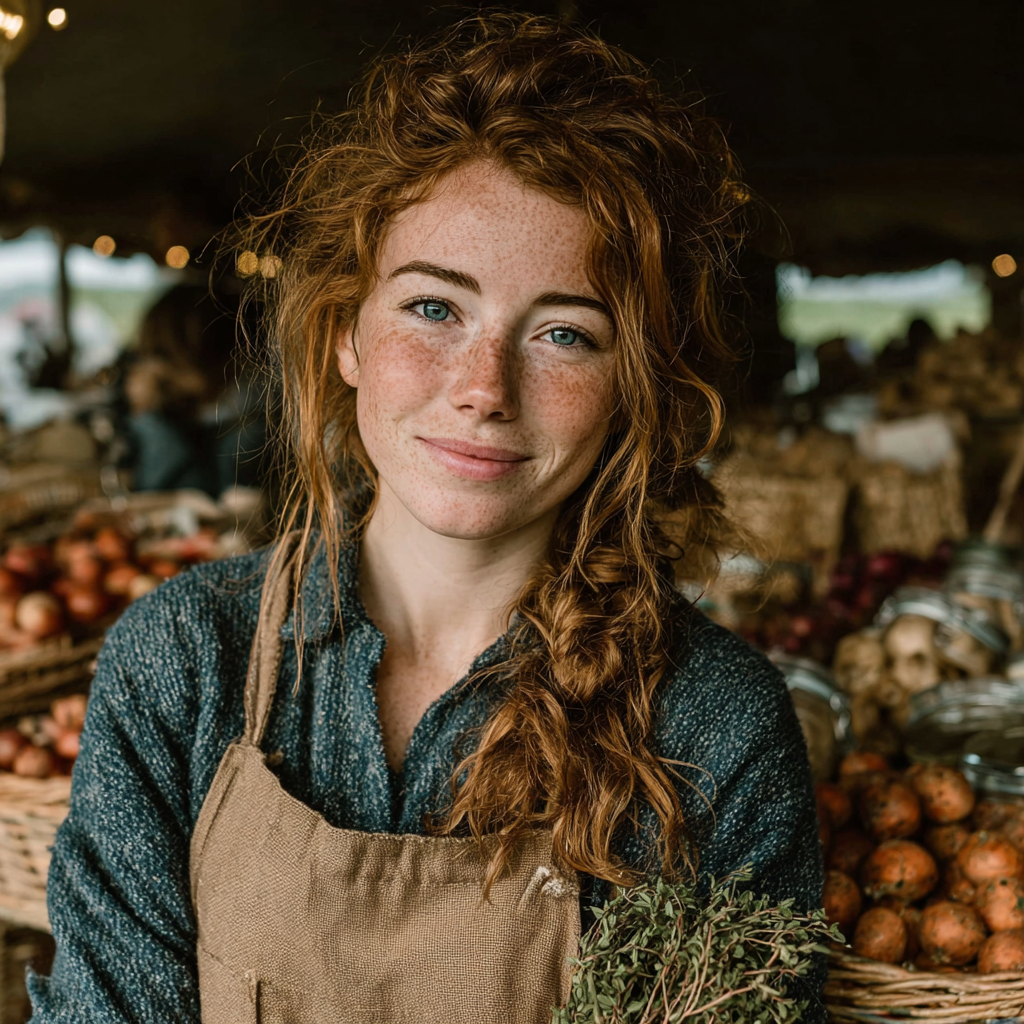
By Sophie Brennan
Irish food writer and historian based in Lisbon. Sophie combines her background in medieval history with a passion for contemporary gastronomy. She has written for Condé Nast Traveller and authored two cookbooks exploring Celtic and Iberian culinary traditions.