
Florence & Tuscany in Spring: The Chianti Hills, Empty Uffizi at Dawn, and Trattorias Serving Asparagus
By Elena Vasquez. I've been coming to Tuscany every spring for sixteen years—first as a broke art student sleeping in hostels near Santa Maria Novella, now as someone who plans her entire year around the week when the poppies bloom. I still get lost in the Oltrarno. I still cry at the Uffizi. And I still believe that the best Brunello is the one you drink in a vineyard at 4 PM with your shoes off.
Why Spring Changes Everything
Tuscany in spring is not Tuscany in summer. The difference isn't just temperature—though yes, the 40°C August afternoons that turn Piazza della Signoria into a frying pan are mercifully months away. The difference is that in spring, Tuscany still belongs to Tuscans.
The Chianti hills are electric green, not the exhausted gold-brown of late July. Wildflowers—poppies, broom, purple viper's bugloss—carpet the roadsides between Florence and Siena. The vineyards are budding, not harvested. And in Florence, the city breathes. You can get into the Uffizi without booking a month ahead. You can find a table at Trattoria Mario without queuing at 11:45 AM. You can walk across Ponte Vecchio at sunset and actually see the stones, not just a wall of selfie sticks.
Spring here means asparagi on every menu, artichokes the size of grapefruits, and strawberries from Terranuova Bracciolini that taste like sunlight. It means morning fog in the Val d'Orcia so thick you can't see the cypress trees until you're practically touching them. It means the Palio preparations are starting in Siena—horses aren't running yet, but the contrade are already rehearsing, flags flying, drums echoing through medieval streets at dusk.
When to Go: Timing Your Spring Visit
Late March (March 20–31): The earliest viable window. Days warming to 15°C but nights remain chilly at 5°C. First wildflowers appear in the Chianti hills. Easter week brings crowds and closed shops on Easter Sunday and Monday.
April (optimal): The sweet spot. Average highs of 18°C, lows of 8°C. Poppies bloom in the second week. The scoppio del carro (Explosion of the Cart) happens Easter Sunday in Florence—a 500-year-old tradition where a cart full of fireworks is ignited in Piazza del Duomo. The terraces open. The asparagus is young and tender.
May: Almost summer. Days hit 23°C, nights stay above 12°C. The hills are fully green. Tourist crowds arrive in force after May 15. Wildflowers begin to fade but lavender starts in the lower valleys.
What to Pack: Layers are essential. Mornings can be 8°C and foggy even when afternoons reach 22°C. A light waterproof jacket for brief spring rains. Comfortable shoes with grip—cobblestones are ankle-breakers when wet. Shoulders and knees must be covered for churches. A scarf serves double duty for warmth and modesty. A reusable water bottle—Florence has public fountains with drinkable water.
The Renaissance Heart: Florence's Art Without the Day-by-Day Script
Here's what I tell everyone: Florence rewards obsession, not efficiency. Don't race from the Duomo to the Uffizi to the Accademia in three days like you're ticking boxes. Florence is small. You can walk from one end of the historic center to the other in twenty minutes. The joy is in returning—to the same piazza at different hours, to the same café until they remember your order.
The Duomo Complex demands a whole morning. Start with the Baptistery at 8:15 AM—Ghiberti's Gates of Paradise are actually replicas now, but the originals in the Opera del Duomo Museum next door are worth the combined €30 Brunelleschi Pass. The museum also holds Michelangelo's haunting Pietà, carved for his own tomb and abandoned when he found a flaw in the marble. You can see where he attacked it in frustration.
Climb Brunelleschi's dome if your knees allow it—463 steps, narrow passages, and at the top you're walking between the inner and outer shells of the largest masonry dome ever built. Book at operaduomo.firenze.it at least two weeks ahead for spring.
Giotto's Campanile (414 steps, €30 combined) is the alternative if the dome is sold out—slightly easier climb, better views of the dome itself.
The Uffizi Gallery is where I go to grieve and to celebrate. Botticelli's Birth of Venus and Primavera are in Rooms 10-14, and here's the thing: they're smaller than you expect and more alive. The Primavera contains over 500 identified plant species, all botanically accurate, all blooming in an impossible season that exists only in paint.
Book the 8:15 AM slot at uffizi.it. The €20 entry plus €4 booking fee is non-negotiable, but arriving at opening means you'll have Botticelli almost alone for fifteen minutes. By 10 AM the tour groups arrive. Allow three hours minimum.
Michelangelo's David at the Accademia stands 5.17 meters tall, and the first thing that strikes you is his hands—they're disproportionately large, deliberately so, because Michelangelo designed him to be seen from below on the facade of the Duomo. He was never meant to be indoors. That tension between intention and reality is part of what makes him extraordinary.
Book at galleriaaccademiafirenze.it—€16 plus €4 fee, first slot essential. You need 90 minutes, no more.
Piazza della Signoria is free and always open. The copy of David in front of Palazzo Vecchio is where the original stood from 1504 to 1873. The Loggia dei Lanzi holds originals—Cellini's Perseus, Giambologna's Rape of the Sabines. I come here at night when the tourists have gone and the statues are lit from below.
Palazzo Vecchio itself (€16.50, tower included, open until 7 PM) contains the Salone dei Cinquecento, where Leonardo and Michelangelo were once commissioned to paint opposing walls. Neither finished.
Ponte Vecchio is beautiful at 6 AM and unbearable at noon. The gold shops are mostly tourist traps—overpriced, repetitive. But the bridge itself, rebuilt in 1345 and the only one spared by the retreating Germans in 1944 because Hitler supposedly found it too beautiful to destroy, still matters. Cross it early. Cross it late.
The Oltrarno: Where Florentines Actually Live
The Oltrarno—south of the Arno—is where I stay now. It's where the furniture restorers work behind wooden shutters, where the maestri at Scuola del Cuoio have been cutting leather since the 1950s, where elderly women hang laundry from fourth-floor windows and yell at teenagers on Vespas.
Piazza Santo Spirito is the neighborhood's living room. The church facade, designed by Brunelleschi but left unfinished, is plain stone and perfect proportion. The piazza fills at aperitivo hour with students, artists, and old men walking dogs. Volume (Piazza Santo Spirito 5r, +39 055 238 1460, 8 AM–2 AM, €6-12) makes a Negroni that will ruin all others.
The Boboli Gardens (€10, or €22 combined with Pitti Palace and Bardini Garden, 8:15 AM–6:30 PM) are the green lung behind Pitti Palace. In spring the azaleas and camellias are in full bloom. The Isolotto—a small island in a formal pond—is surrounded by citrus trees in terracotta pots.
Pitti Palace (€16, Tuesday–Sunday 8:15 AM–6:30 PM) was the Medici's second home. The Palatine Gallery holds Raphael's Madonna of the Chair and Titian's Mary Magdalene—a reclining nude so sensual the church covered it with a metal fig leaf for centuries. The leaf is gone.
Trattoria 4 Leoni (Via del Vellutini 1r, +39 055 218 562, €40-60, reservations essential). 15th-century tower house. The pear ravioli with pecorino and asparagus is why spring exists.
Il Santo Bevitore (Via di Santo Spirito 64/66r, +39 055 211 264, €45-65, closed Sunday). Creative Tuscan, refined but not stuffy. The tasting menu in spring might include raw fava beans with pecorino, nettle risotto, and lamb with artichoke.
All'Antico Vinaio (Via dei Neri 74r, +39 055 238 2113, 10 AM–8 PM, €5-10). The schiacciata—Florentine flatbread, crispy, olive-oil-slick—is worth the eternal queue. The "Favolosa" with cream cheese, porchetta, and artichoke cream made them famous.
The Views That Matter: Where to Stand and When
Piazzale Michelangelo is the postcard view. But go at sunrise, not sunset. Sunset is a carnival of buses and street vendors. Sunrise—6:30 AM in April, 5:45 AM in May—is almost empty. The Duomo rises from the mist. The Arno turns pink. Bring a coffee from the bar at the top (€2.50) and a jacket.
San Miniato al Monte, five minutes higher on foot, is better. The 11th-century Romanesque basilica is one of the purest buildings in Italy—striped marble facade, geometric precision. I've watched Easter sunrise mass here, Gregorian chant echoing off ancient walls.
Fiesole, 8 km northeast on Bus 7 (€1.50, 20 minutes), is where Florentines go to cool down. At 300 meters above the city, it's 3-4 degrees cooler. The Roman theater (€12, 9 AM-7 PM) is silent in spring, the stone seats warm in afternoon sun. The archaeological museum holds Etruscan bronzes from 500 BC.
The Bardini Garden is the alternative to Boboli that most tourists miss. Enter from Via dei Bardi and climb through wisteria tunnels to the belvedere. In late April the azaleas explode—thousands cascading down the slope. Entry is €10, or €22 combined.
The Chianti Roads: Wine, Oil, and the Art of Doing Nothing
The Chianti Classico region—the triangle between Florence, Siena, and Greve—is less than an hour from Florence by car, but operates on a different clock. The afternoon riposo is still observed. Shops close from 1 PM to 4 PM. Wineries take appointments, not walk-ins.
You need a car. Public buses to Greve exist (SITA, €6-8) but won't get you to the vineyards. Rent from Florence (€40-60/day) but be warned: the ZTL covers most of the historic center. Automatic cameras will fine you €100+. Pick up your rental from the airport or Villa Costanza tram terminus outside the ZTL.
Greve in Chianti is the unofficial capital. Macelleria Falorni (Piazza Giacomo Matteotti 71, +39 055 853 029, 9 AM-7:30 PM) has been here since 1729. Taste the finocchiona—fennel salami made from heritage Cinta Senese pigs. The owners are the eighth generation.
Le Cantine di Greve (Piazza Giacomo Matteotti 8/9, +39 055 853 297, 11 AM-7 PM, tastings €15-25) lets you try wines from multiple local producers. Start with a Chianti Classico (minimum 80% Sangiovese, black rooster seal), move to a Riserva, and finish with a Super Tuscan.
Radda in Chianti, 30 minutes south, is smaller and more medieval. Castello di Volpaia (Via della Volpaia 11, +39 0577 738 066, by appointment, €20-35) is a working winery in a restored medieval hamlet. Everything is organic.
Castellina in Chianti has the Via delle Volte—underground tunnels that once connected noble palaces. Rocca delle Macìe (Via di Fizzano 16, +39 0577 732 236, 10 AM-6 PM, €15-25) is family-owned and unpretentious.
For lunch, Osteria del Mulino (Via dei Fossi 12, +39 055 853 819, 12:30-2:30 PM and 7:30-9:30 PM, closed Wednesday, €30-45) occupies a converted mill. The pici al ragù—thick, hand-rolled pasta with slow-cooked meat sauce—is what pasta dreams about.
Drive the SR222, the Chiantigiana road, between Greve and Siena. It's 50 km of curves and views. Stop at every viewpoint. In May, the roadsides are red with poppies.
The Hill Towns: Siena, San Gimignano, and the Ones Nobody Visits
Siena is not a day trip. Bus from Florence SMN in 75 minutes (SITA, €8.40), train in 90 minutes (€9.50)—but Siena deserves an overnight. The city changes after 6 PM when the tour buses leave. The Palio rehearsals—drums, flag-throwing, medieval processions—happen in the evenings through spring.
The Piazza del Campo is the greatest medieval square in Europe. Shaped like a shell, sloping to the Palazzo Pubblico. Twice a year it becomes a dirt racetrack. The rest of the year it's a living room. Climb the Torre del Mangia (€12, 400 steps) but also visit the Civic Museum for Ambrogio Lorenzetti's Allegory of Good and Bad Government—a 14th-century political cartoon covering an entire wall.
The Duomo is black-and-white striped marble. The floor mosaics—56 panels—are uncovered only in late spring. Check operaduomo.siena.it for exact dates. The Piccolomini Library contains Pinturicchio's frescoes of Pope Pius II's life—vivid, narrative, colors unfaded in 500 years.
Eat at Osteria Le Logge (Via del Porrione 33, +39 0577 480 13, €40-60, closed Sunday evening). For cheaper, Pizzicagnoli Dei Rossi (Via Banchi di Sopra 44, €8-15) makes panini with porchetta and pecorino.
San Gimignano is the "Manhattan of Tuscany"—14 medieval towers from an original 72. Arrive before 9 AM or after 5 PM. The real reason to come is Gelateria Dondoli (Piazza della Cisterna 4, €3-5). Sergio Dondoli is a world champion gelato maker. The saffron cream flavor tastes like Tuscany distilled.
Volterra is the alternative nobody talks about. An Etruscan city before Rome existed. The Etruscan Museum (Via Don Minzoni 15, €10, 9 AM-7 PM) holds the Ombra della Sera—a bronze figurine so elongated it looks modern. Alabaster workshops line Via dei Sarti. Volterra is quieter, more authentic, infinitely preferable to San Gimignano's crowds.
Pienza is the Renaissance ideal made real. Pope Pius II rebuilt his birthplace as a perfect humanist city. The Via dell'Amore and Via del Bacio are pure Renaissance romance. Eat pecorino here; Pienza's sheep's milk cheese is the best in Tuscany.
Montepulciano, 60 km southeast of Siena, sits on a limestone ridge surrounded by vineyards. The Contucci Palace on Piazza Grande has been making wine since 1700; their cantina (free tastings, 10:30 AM–6:30 PM) is a vaulted medieval cellar. The Torre di Pulcinella on Piazza Michelozza strikes the hours with mechanical drama.
The Val d'Orcia: Cypress Trees, Thermal Springs, and the Most Photographed Road in Italy
South of Siena, the landscape changes. The Val d'Orcia is UNESCO-protected, a Renaissance painting made real—rolling hills, rows of cypress trees, isolated farmhouses.
The SP146 between San Quirico d'Orcia and Montalcino is the most beautiful drive in Tuscany. The Cappella della Madonna di Vitaleta—a tiny chapel between two cypress groves—is the view from every Tuscany calendar. Leave your car in San Quirico and walk 2 km.
Bagno Vignoni is a medieval spa town where the main piazza is a 16th-century stone pool of thermal water, steaming at 50°C. The Parco dei Mulini below town has free thermal waterfalls where locals soak. Adler Thermae (Via Bagno Vignoni 1, +39 0577 889 000, day pass €55, 10 AM–8 PM) is the upscale option with thermal pools and spa treatments.
Montalcino is Brunello country. Biondi-Santi (Via del Cerretano 1, +39 0577 847 817, by appointment, €30-50) invented Brunello di Montalcino in the 1880s. Il Leccio (Via Traversari 7, +39 0577 846 054, €35-50, closed Wednesday) serves pici with wild boar ragù and Rosso di Montalcino in a 13th-century tower.
The Food: Markets, Trattorias, and Spring on a Plate
Tuscan food is not subtle. It's bread without salt (a medieval salt tax tradition), olive oil that bites back, beans cooked until creamy, and meat—bistecca alla fiorentina, wild boar, rabbit. In spring, the markets burst with green: asparagus, artichokes, fava beans.
Mercato di Sant'Ambrogio (Piazza Lorenzo Ghiberti, Monday-Saturday 7 AM-2 PM) is where I shop. Smaller than Mercato Centrale, more local, cheaper. Caffè Sant'Ambrogio (Piazza Sant'Ambrogio 7r, +39 055 247 7277, 7 AM-11 PM, €5-10) is the neighborhood living room.
Mercato Centrale (Via dell'Ariento, upstairs 9 AM-2 PM and 5 PM-10 PM) is touristy but useful. Da Nerbone makes lampredotto—cow's fourth stomach, boiled, chopped, served on a roll with green sauce. It's €5 and will either convert you to offal or confirm your worst fears.
Trattoria Mario (Via Rosina 2r, +39 055 218 550, 12 PM-3:30 PM only, closed Sunday, €20-30, cash only). Communal tables. No reservations. Arrive at 11:45 AM and queue. The ribollita—bread and cabbage soup—is the best in Florence. The owners are the grandsons of the founder. They yell. It's affectionate.
Buca Mario (Piazza degli Ottaviani 16r, +39 055 214 179, €50-70, closed Sunday, reservations essential). 16th-century wine cellar. The bistecca alla fiorentina—T-bone from Chianina cattle, grilled rare over charcoal, priced by weight (€55/kg, minimum 1kg)—is the test of any Tuscan restaurant. If they ask how you want it cooked, leave. The correct answer is rare.
Il Vegetariano (Via delle Ruote 30r, +39 055 475 030, €15-25, closed Sunday evening). Pay-by-weight vegetarian buffet. Full of locals who've had enough meat for one week.
What to Skip (And What to Do Instead)
Skip the Duomo cathedral interior. The facade is free and extraordinary. The interior is underwhelming—bare, 16th-century rebuilt. Spend your time on the Baptistery, the dome climb, and the Opera del Duomo Museum instead.
Skip Ponte Vecchio at midday. It's a bottleneck of tourists and overpriced gold shops. Cross it at 7 AM or 10 PM.
Skip the big bus tours to Chianti. €120, 40 people on a coach, one winery visit with the cheapest wine they can pour. Rent a car. Or hire a driver for the day (€250-350).
Skip dining near the Duomo after 7 PM. The restaurants on Via dei Calzaiuoli are uniformly mediocre—high prices, low effort. Walk ten minutes in any direction. The food improves. The prices drop.
Skip Pisa as a day trip. The tower is a 15-minute photo and a 3-hour train roundtrip. If you must see it, combine it with Lucca—a walled city you can bike around.
Skip the "Tuscan cooking class" in your hotel. Book La Cucina di Giuditta (Via di Mezzo 21/23r, +39 055 234 0676, €80-120, 3-4 hours). Run by actual Florentines in an actual kitchen.
Skip buying leather at San Lorenzo market street stalls. The jackets dissolve in rain. For real quality, Scuola del Cuoio (Piazza Santa Croce 16, 9:30 AM-6 PM) is the leather school. Watch artisans work. Prices start at €80 for small goods, €300+ for jackets.
Skip the "free" walking tours. They're tip-based performances by underpaid students. For a real tour, book Context Travel (€95-120, 3 hours) or Florence Art Tours with Alexandra Lawrence (€120, 2 hours), who has a PhD in Renaissance art.
Skip the Gucci and Ferragamo museums unless you're genuinely interested in fashion history. Every hour here is an hour not spent with Botticelli.
Practical Logistics: The Boring Stuff That Saves Your Trip
Getting There: Florence Airport (FLR) is 4 km from center. Volainbus (€6, 20 minutes, every 30 minutes). Taxis: fixed fare €25 daytime, €27 nights/holidays. Pisa Airport (PSA), 80 km west, has more international flights. PisaMover train + connection to Florence takes an hour, costs €7.50 total.
Getting Around: Walk. Florence's historic center is compact. Buses (ATAF, €1.50 for 90 minutes, €5 for 24 hours) for Piazzale Michelangelo and Fiesole. Taxis: call +39 055 4242 or +39 055 4390. The ZTL covers the entire center—know the boundaries or face €100+ fines.
Money: Cash is king in trattorias and markets. Carry €100-200 daily. Tipping: service is included. Round up for good service.
When to Book: Uffizi and Accademia: 2-4 weeks ahead. Duomo dome: 2-3 weeks. Trattoria Mario: arrive at 11:45 AM, no reservations. Buca Mario and 4 Leoni: 2-3 days ahead. Wine tastings: 1 week.
Spring Weather: March 15°C/5°C. April 18°C/8°C with wildflowers. May 23°C/12°C. Rain is brief but real. Mornings foggy even when afternoons are warm. Layer.
Emergency: 112 general emergency, 113 police, 118 medical. Tap water is safe. Pharmacies rotate 24-hour service—check posted schedules.
The One Thing I Always Do: On my last morning, I buy a coffee at Caffè Sant'Ambrogio and walk to Piazza Santa Croce. I sit on the steps and watch the city wake up. The church facade glows. The leather school workers arrive with their tool bags. And I know I'll be back next spring, when the hills are green again and the asparagus is on every menu.
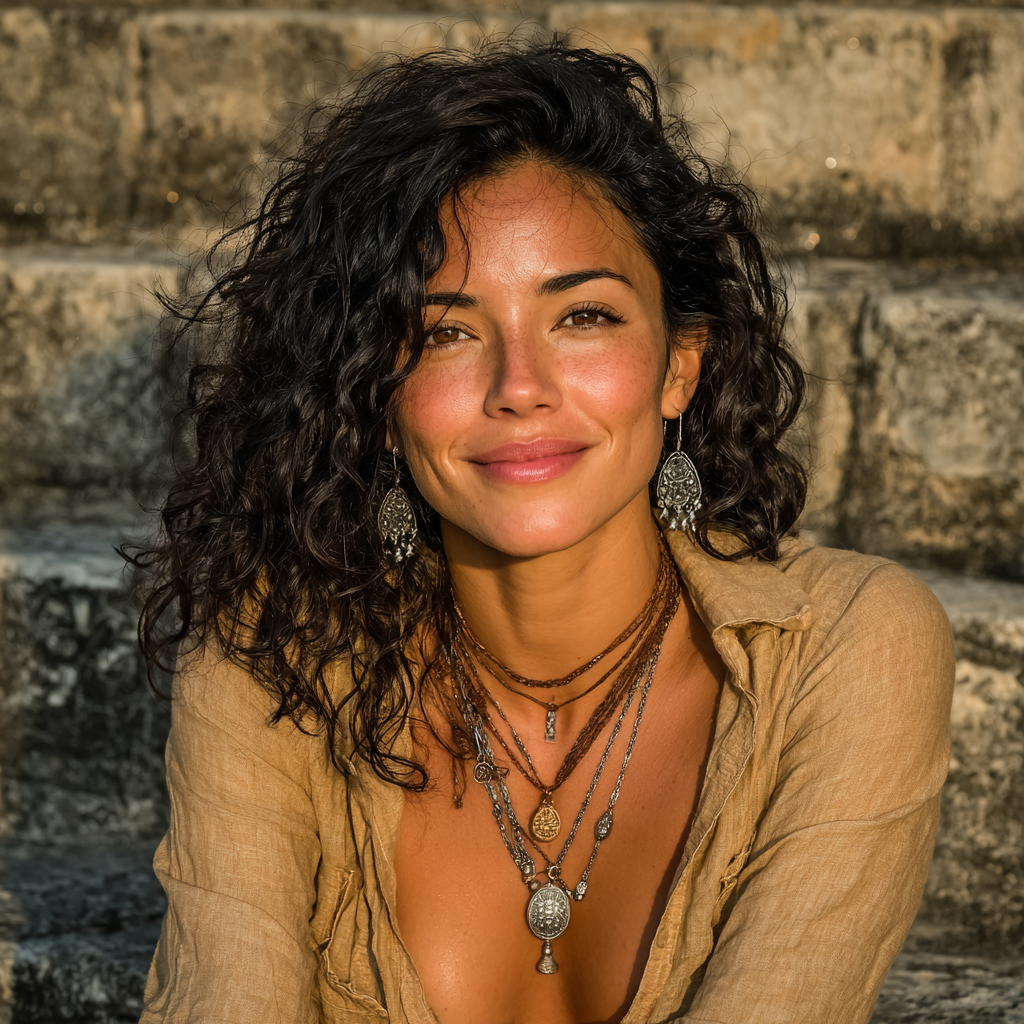
By Elena Vasquez
Cultural anthropologist and culinary storyteller. Elena spent a decade documenting traditional cooking methods across Latin America and the Mediterranean. She holds a PhD in Ethnography from Barcelona University and believes the best way to understand a place is through its kitchens and ancient streets.