
Built on Defiance: How Cinque Terre's Five Villages Outlasted Pirates, Gravity, and Time
By Finn O'Sullivan — Cultural historian, slow-travel advocate, and the guy who once missed three trains trying to photograph a single lemon grove.
The first thing you need to understand: these villages were never supposed to exist.
The Ligurian coast here rises from the Mediterranean like a wall. Geology said no. Agriculture said no. Every mapmaker from Rome to Genoa looked at these cliffs and drew nothing. Yet in the 11th century, people arrived—refugees from inland wars, pirates from the sea, families with nothing to lose—and began building a civilization on slopes that goats would hesitate to climb.
I came to Cinque Terre in November, off-season, when the rain turns the stone walls black and the ferries don't run. That's when you see the place. Summer visitors photograph the colors. November visitors meet the weight of the place. The terraces don't gleam in golden light then. They loom. You understand why UNESCO called this landscape a "human masterpiece" not for its beauty, but for its impossibility.
This is not a guide for day-trippers. This is for travelers who want to comprehend what they are looking at—and who are willing to climb 382 steps to do it.
The Origins: Why People Came Here
The first written record of Monterosso dates to 1056. Vernazza appears in documents shortly after. The others—Corniglia, Manarola, Riomaggiore—followed within two centuries. These were not settlers seeking paradise. They were people escaping feudal warfare in the inland valleys, and the cliffs offered what flat farmland could not: defensibility.
By the 13th century, all five villages had submitted to the Republic of Genoa, the maritime superpower of the Mediterranean. Genoa saw value in these harbors as waypoints between Genoa and Pisa. The villages saw protection. The arrangement lasted centuries, and it shaped everything: the Gothic architecture, the black-and-white striped marble churches, the fortified towers built into family homes.
The pirate threat was real. Ottoman and Barbary raiders plagued the Ligurian coast from the 14th through 16th centuries. The Torre Aurora in Monterosso, built in the 1500s, still stands on the headland dividing the old town from the beach. The Doria Castle in Vernazza, constructed in the 11th century and reinforced in the 15th, sits on rocks at the harbor entrance—still the oldest surviving fortification in Cinque Terre. You can climb to the castle ruins for free, any time of day. The view across Vernazza's harbor is the single most revealing perspective in all five villages: from there, you see how the houses form a natural amphitheater, how the breakwater creates a protected pocket, and why this village was worth fighting for.
The Republic of Genoa demanded taxes in wine and olive oil. The villagers responded by building terraces—an estimated 7,000 kilometers of dry-stone walls over the centuries, creating farmland where geologically there was none. This was not romantic farming. This was a tax obligation that required engineering on a scale rivaling Roman aqueducts. The walls were built without mortar so water could drain through, preventing the hydrostatic pressure that destroys mortared structures. The technique is still maintained by hand today, passed down through families who have tended the same terrace lines for twenty generations.
The Five Villages: What Geography Made Them
Monterosso al Mare — The Beach and the Divide
Monterosso is the outlier. It has sand. It has space. It has a statue of Neptune carved into the cliff face in 1910—a 14-meter giant that most visitors photograph without understanding why a beach resort needed a Roman sea god.
The village is split in two by a tunnel: Monterosso Vecchio (the medieval core) and Fegina (the 19th-century resort extension). The division matters historically. Vecchio was built for defense. Fegina was built for tourism before tourism had a name. Walk from the harbor through the tunnel and you cross from the 13th century into the 20th in under two minutes.
The Church of San Giovanni Battista (Via Roma, free admission, daily 08:00-19:00) dominates the old town with its Genoese Gothic striped marble façade—black slate and white Carrara marble in vertical bands. Inside, a crucifix attributed to a follower of Van Dyck hangs above the altar. The church dates to 1282. The bell tower was originally a defensive structure.
Monterosso was the birthplace of Eugenio Montale, who won the Nobel Prize for Literature in 1975. His poem "The Lemon Trees" captures the essence of the terraced groves above the village. The lemon houses, greenhouse structures built against terraces to protect citrus from winter cold, still exist above the town. You can see their stone skeletons from the Sentiero Azzurro trail between Monterosso and Vernazza.
Where to eat in Monterosso: Focacceria Antonia (Via Roma 38, focaccia €3-5, open daily 07:30-20:00) makes the thickest, softest focaccia in Cinque Terre. Ristorante Miky (Via Fegina 104, pasta €14-20, seafood mains €22-32, open 12:00-15:00 and 19:00-22:30, closed Tuesdays) is the best sit-down option in Fegina.
What to experience here: The Aurora Tower at sunset (free, no closing time). The difference between focaccia in Vecchio and Fegina. The old-town caruggi—alleyways so narrow you can touch both walls.
Vernazza — The Natural Harbor
Vernazza is the most physically perfect of the five villages. A narrow valley funnels down to a natural harbor protected by a breakwater. Houses in ochre, pink, and terracotta stack up the hillside in a composition that has become the visual shorthand for all of Cinque Terre.
The name derives from the Latin verna—"local" or "indigenous"—suggesting it was among the earliest permanent settlements. The Doria Castle (Piazza Marconi area, free to enter ruins) was built by the Genoese Doria family, who controlled much of the Ligurian coast. The cylindrical tower is 11th-century; the outer walls were added in the 15th century as Ottoman naval power expanded. Climb the rocks behind the castle for the classic harbor photograph, but also look down at the breakwater construction—rough-hewn stones fitted without mortar, the same technique used in the terrace walls.
The Church of Santa Margherita d'Antiochia (free admission, daily 07:30-19:30) sits directly on the waterfront, its octagonal bell tower visible from the sea. The current structure was rebuilt in 1751 after the original collapsed into the harbor—a reminder of the geological instability that defines this coast. Inside, the 16th-century baptismal font is carved from local sandstone, and a processional statue of Santa Margherita is carried through the village streets during the July 20 festival, a tradition maintained for centuries.
Vernazza was the primary port for Cinque Terre until the railway arrived in 1874. Wine, olive oil, and lemons were loaded onto gozzi—small wooden fishing boats painted in bright colors—and transported throughout the Mediterranean. The harbor is still working: local fishermen unload catch daily at dawn, and the cooperative founded in 1956 still supplies restaurants.
Where to eat in Vernazza: Taverna del Capitano (Via Visconti 5, pasta €13-18, mains €20-28, open 12:00-15:00 and 19:00-22:00, closed Wednesdays) is the best-value restaurant in the village, three streets up from the harbor. Battilo Battilo (Via Roma 23, focaccia €2.50-4, open daily 08:00-20:00) makes excellent farinata (€3.50).
What to experience here: Dawn at the harbor when the fishing boats return. The July 20 festival if your timing aligns. The fact that there is no beach—only rocks—and that this is why the village was spared the resort development that overtook Monterosso.
Corniglia — The Village That Refused the Sea
Corniglia is the only village not directly on the water. It sits on a marine terrace 100 meters above the sea, and reaching it requires climbing the Lardarina—a brick staircase of 382 steps from the train station. Alternatively, a shuttle bus runs every 30 minutes (€2.50 one-way, free with Cinque Terre Card).
The climb is the point. Corniglia's inaccessibility preserved it. While the other villages were transformed by tourism, Corniglia remained agricultural. Its residents tended vineyards while the coastal villages fished and traded. The narrow main street, Via Fieschi, runs between two medieval gates that once controlled all access. The village has 150 permanent residents, the smallest population of the five.
The Church of San Pietro (Via Fieschi, free admission, daily 09:00-18:00) was built in 1334 in the Gothic-Ligurian style, with a marble rose window imported from Carrara. The interior contains a baptismal font from 1568 and several Baroque altarpieces. The terrace in front of the church is the social center—a flat platform with views over the terraced vineyards toward Manarola and the sea. This is where farmers gathered after working the slopes above. It still functions that way, though the farmers are fewer now.
Corniglia's pesto is widely considered the best in Cinque Terre, made from basil grown in the small gardens behind the houses. The elevation means cooler temperatures and less tourist pressure, so restaurants here maintain lower prices and higher quality than in Vernazza or Monterosso.
Where to eat in Corniglia: A Cantina da Mananan (Via Fieschi 117, pasta €11-16, mains €18-24, open 12:00-15:00 and 19:00-21:30, closed Tuesdays) is the most authentic family-run restaurant in Cinque Terre. Their trofie al pesto (€13) is the benchmark. Pan e Vin (Via Fieschi 123, wine bar, aperitivo €8-12, open 17:00-23:00) is a local hangout with an excellent selection of Cinque Terre DOC wines by the glass.
What to experience here: The silence. The fact that you can sit on the church terrace for an hour and hear only church bells and wind. The 360-degree coastal views that no other village offers because no other village is at this elevation.
Manarola — The Wine Village
Manarola is the most photographed village in Cinque Terre, and the most economically dependent on a single crop: grapes. The village is surrounded by the most extensive vineyards in the region, and the local cooperative still produces wine using methods that have not changed in centuries.
The name may derive from the Latin Manium Arula—"small temple of the Manes," ancestral spirits. The church of San Lorenzo (Via Discovolo, free admission, daily 08:00-19:00) was built in 1338, with a distinctive rose window in the Ligurian Gothic style. The bell tower was originally a defensive structure. Below the church, a cemetery built into the cliff face contains the graves of generations of fishermen and farmers—names repeated across centuries, the same families still living in the village.
The wine is the story. Sciacchetrà, the sweet dessert wine made from dried grapes, has been produced here for centuries. The name derives from the Ligurian sciacâ—"to press"—referring to the grape-drying process. Because the terraces make mechanized harvesting impossible, every grape is picked by hand, often by workers suspended on harnesses against slopes of 45 degrees or more. Production is tiny: many producers make only a few hundred bottles annually.
Enoteca 5 Terre (near the harbor, Via Birolli 72, wine tastings €8-15, open daily 10:00-20:00) offers tastings of DOC Cinque Terre whites and Sciacchetrà. The cooperative's shop sells bottles starting at €18 for standard DOC wines and €35-50 for Sciacchetrà. Nessun Dorma (Via Fieschi 117, Manarola-adjacent cliff terrace, aperitivo €10-15, open 12:00-22:00) is famous for sunset views, but the real value is arriving at 17:00 before the crowd and watching the light move across the pastel houses.
Where to eat in Manarola: Il Porticciolo (Via Birolli 64, pasta €13-18, seafood mains €20-26, open 12:00-15:00 and 19:00-22:00, closed Mondays) is a working fishermen's cooperative restaurant. Pizzeria La Cambusa (Via Birolli 6, pizza €8-14, open 12:00-22:00) is the best budget option.
The Via dell'Amore—the coastal path to Riomaggiore—begins here. It was built in the 1920s for railway workers and only later became the "Path of Love." It closed for years due to landslide damage and partially reopened in 2024 with timed entry tickets (€10 supplement plus Cinque Terre Card required, book in advance at cinqueterre.eu). The path itself is a 20-minute walk; the romance is mostly marketing. The engineering is genuine.
What to experience here: Buying Sciacchetrà directly from a producer who tends their own terraces. The cemetery cliff. The harbor at blue hour, when the lights reflect in the water and the village looks like a painting.
Riomaggiore — The Gateway and the Vertical City
Riomaggiore is the easternmost village, closest to La Spezia, and the one most visitors reach first. Its name derives from the valley (rio) of the Maggiore stream. Founded in the 8th century by Greek refugees fleeing iconoclastic persecution, it is technically the youngest of the five villages, though "youngest" here means a mere 1,200 years of continuous habitation.
The village layout is unique: Via Colombo, the main street, descends from the train station to the harbor in a series of steps and turns, with narrow alleys (caruggi) branching off at irregular intervals. The houses are tall and narrow, built upward rather than outward due to the constrained terrain. This vertical architecture creates the classic Cinque Terre image: stacked houses in pastel colors rising from the water.
The Church of San Giovanni Battista (Via Colombo, free admission, daily 08:00-19:00) was built in 1340 and contains a 15th-century polyptych by the Master of the Cinque Terre, an anonymous painter whose work appears in churches throughout the region. The Castello di Riomaggiore ruins (free, steep 10-minute climb from the harbor) offer panoramic views and date to the 13th century. From the waterfront, the railway tunnel that connects the village to the outside world is visible—a 19th-century engineering achievement that finally made these villages accessible without sea or footpath.
Riomaggiore has the most restaurants, bars, and accommodation options of the five villages, making it the practical base for most travelers. Restaurant pricing along Via Colombo is competitive: pasta dishes €12-18, seafood mains €18-28, cover charge €5-8 per person.
Where to eat in Riomaggiore: Dau Cila (Via San Giacomo 65, pasta €15-20, seafood mains €22-30, open 12:00-15:00 and 19:00-22:00, closed Wednesdays) is the best seafood restaurant in the village. Bar Centrale (Piazza Vignaioli 15, coffee €1.50, aperitivo €8, open 07:00-23:00) is the best people-watching spot.
What to experience here: The fact that this is where the Via dell'Amore starts (or ends, depending on direction). The blue hour at the harbor, when the water is still enough to reflect the houses. The understanding that this village was historically the beginning of Cinque Terre for travelers arriving from the south, and that the railway made it the beginning for everyone.
The Terraces: Engineering as Culture
The defining feature of Cinque Terre—and the reason for its UNESCO World Heritage status—is the terraced landscape. Over 7,000 kilometers of dry-stone walls create agricultural platforms on slopes that should be barren. This is not scenery. This is infrastructure built over a thousand years, maintained by hand, and now threatened by the same force that built it: human labor.
The younger generation left for Genoa, La Spezia, Milan. The older generation died. Terraces that are not maintained collapse within a few seasons, causing landslides that destroy the terraces below. The flood of October 25, 2011 killed nine people and severely damaged Vernazza and Monterosso not only because of extreme rainfall, but because abandoned terraces that would have absorbed water had been left to fail.
Following the flood, the "Save Vernazza" organization raised millions for reconstruction. The national park now offers subsidies to farmers who restore abandoned land. But the fundamental problem remains: maintaining these walls requires continuous physical labor, and there are fewer people willing to do it.
What you can do: Buy wine and olive oil from local producers who still work their own terraces. The cooperative in Manarola and the family producers throughout the region sell directly from cellars and small shops. A bottle of Sciacchetrà from a terrace farmer costs €35-60 and represents an agricultural tradition that may not survive another generation. The supermarket version costs half as much and represents nothing.
The dry-stone technique is still taught locally. If you see elderly men working on walls above the trails, they are not performing heritage. They are farming. The technique—placing stones so that their weight and interlocking angles hold the soil, without mortar, allowing water to drain—was refined over centuries and cannot be replicated by machinery.
Maritime Life: The Sea as Lifeline
For centuries, the sea was both connection and livelihood. The traditional fishing boats of Cinque Terre, called gozzi, are small wooden vessels painted in bright colors—each family used distinctive colors so fishermen could identify their homes from the water. This tradition evolved into the painted-house aesthetic that defines the region today.
The fishing cooperative of Monterosso, founded in 1956, remains active. Fresh anchovies—cleaned and marinated in lemon juice and olive oil—are the foundational local dish. Trofie, the short twisted pasta traditionally served with pesto, includes potatoes and green beans in the Ligurian preparation. Focaccia varies by village: Monterosso's is thicker and softer; Corniglia's is thinner and crisp at the edges.
Hiking the Villages: Trails That Connect
The Sentiero Azzurro (Blue Trail) is the main coastal path connecting all five villages. The most famous section—Monterosso to Vernazza—is 3.5 km of steep climbs and descents, taking 90 minutes to 2 hours. Entry requires the Cinque Terre Card (€7.50/day). The trail is narrow, rocky, and exposed in sections. Proper hiking shoes are mandatory; the number of tourists attempting this in flip-flops is genuinely dangerous.
The Vernazza-to-Corniglia section (4 km, 90 minutes) is less crowded and offers the best coastal views. Corniglia-to-Manarola (3 km, 60 minutes) passes through vineyards and is the most agriculturally revealing. Manarola-to-Riomaggiore is the Via dell'Amore (1 km, 20 minutes), currently requiring advance booking and a €10 supplement.
Trail conditions: Check parconazionale5terre.it before hiking. Trails close after heavy rain due to landslide risk. The off-season (November-March) sees free trail access but also more closures due to weather.
What to bring: 1.5 liters of water per person minimum (no water sources on trails), sun protection, proper hiking shoes, and snacks.
Local Festivals & Events
July 20: Santa Margherita Festival in Vernazza. Processional statue and harbor fireworks. The most important religious festival in Cinque Terre.
August 10: San Lorenzo Festival in Manarola. Religious procession and local wine tastings.
Third weekend of September: Grape harvest festivals across all villages. Manarola's is the most active, with grape stomping and cooperative wine tastings.
What to Skip
1. The Via dell'Amore as a romantic essential. It is a 20-minute paved path between two villages. The engineering history is interesting; the romance is manufactured. If it is closed (which happens frequently), the alternative is a 5-minute train ride. Do not plan your trip around it.
2. Eating at harbor-front restaurants in Vernazza and Monterosso after 12:00. The views are excellent; the prices are inflated; the quality drops proportionally to the number of photographs being taken at neighboring tables. Walk three streets inland and pay 30% less for better food.
3. Day-trip timing. Arriving at 10:00 and leaving at 16:00 means you experience crowds, not villages. The best hours are before 09:00 and after 18:00. If you cannot stay overnight, do not come.
4. Swimming expectations outside Monterosso. There is one sandy beach in all of Cinque Terre. The other villages have rocks, pebbles, and ladders into the sea. Bring water shoes. Accept that the coastline is not tropical.
5. The Cinque Terre Card as a convenience purchase. If you are hiking only one trail section or visiting off-season (November 3-March 13, when trails are free), the card is poor value. Calculate your actual usage before buying.
6. Photographing without context. The villages are photogenic, yes. But photographing the houses without understanding why they are painted, why they are stacked, and why they are crumbling in places is tourism without travel. Read about the 2011 floods. Notice the abandoned terraces. See the place as a living struggle, not a postcard.
7. Trying to "do" all five villages in one day. You will spend more time on trains and in crowds than experiencing anything. Pick two villages and stay overnight. Quality over quantity.
8. Buying Sciacchetrà from souvenir shops. The €15 bottles are not the real thing. Buy from producers or the cooperative in Manarola. Expect to pay €35-60 for authentic, terrace-produced Sciacchetrà.
Practical Logistics
When to Come
April-May and September-October offer the best balance: temperatures 18-25°C, reduced crowds, 20-30% lower accommodation prices than summer, and reliable weather. Spring brings wildflower blooms on trails; autumn brings grape harvest activity.
July-August is peak season: 30°C+ temperatures, standing-room-only trains, trail congestion, and accommodation requiring 90-day advance booking at €150-250 nightly. Winter (November-February) offers 30-40% lower rates and empty trails, but 40% of restaurants close and ferry service suspends.
Getting Here
By train: Regional trains from La Spezia (8 minutes to Riomaggiore) and Genoa (90 minutes to Monterosso) run year-round, every 20-30 minutes. The Cinque Terre Train Card (€7.50/day, €14.50/2-day, €21/3-day) includes unlimited regional trains and shuttle buses.
By car: Do not drive to the villages. They are car-free. Park in La Spezia or Levanto and take the train. Monterosso has limited parking at €25-35/day.
By ferry: Ferries run between villages April-October, €12-35 for day passes. The sea perspective reveals the geological logic of the settlements.
Getting Around
Walk. The villages are small; even the longest village-to-village walk (Monterosso to Vernazza) takes only 90 minutes. The train connects all five villages in minutes. Buses run infrequently and are unnecessary.
Money and Practicalities
Cash is essential for small purchases under €10, church donations, and some family-run shops. ATMs exist in all villages. Cover charges (€5-8 per person) are standard at sit-down restaurants. Tipping is not expected; round up if service was exceptional.
Italian is essential for conversations with older residents. English is spoken in tourist-facing businesses. Learn: Buongiorno (good day), grazie (thank you), quanto costa? (how much?), and il conto (the bill).
Water shoes are essential for swimming at rocky beaches. Comfortable walking shoes with ankle support are mandatory for trails and village steps.
Accommodation Strategy
Stay in one village for at least three nights. Moving daily wastes time and money. Riomaggiore and Manarola offer the best balance of restaurants, atmosphere, and train access. Corniglia offers quiet but requires steps or shuttle. Monterosso offers the beach but the least authentic atmosphere. Vernazza offers beauty but the highest prices.
Price ranges by village (double room, April-October):
- Monterosso: €120-200 (beach access, resort amenities)
- Vernazza: €140-250 (harbor views, highest demand)
- Corniglia: €90-160 (quiet, fewer amenities)
- Manarola: €110-190 (best balance of access and atmosphere)
- Riomaggiore: €100-180 (most options, best transport links)
Budget alternatives in La Spezia (€80-120 nightly) or Levanto (€80-120) require 10-20 minute train commutes but save €200-400 over multi-day stays.
The Question of Survival
Cinque Terre hosts over 2 million visitors annually. The five villages have fewer than 4,000 permanent residents, down from over 6,000 in the 1950s. Most working-age residents now work in hospitality, not agriculture. Second homes, owned by wealthy Italians and foreigners, sit empty for much of the year.
The national park, established in 1999, attempts to manage tourism through the card system and trail limits. Enforcement is inconsistent. The villages are often overwhelmed.
The question is whether these communities can maintain their essential character while accommodating the world. The terraces can be preserved with funding and labor. The churches can be maintained with restoration. But the knowledge of how to prune vines on 45-degree slopes, how to read weather patterns for fishing, how to rebuild a dry-stone wall after winter rains—that requires people who stay.
When you visit, buy from producers who live here. Stay long enough to have conversations. Walk slowly enough to notice the wall construction, the irrigation channels, the small chapels built into cliff faces. The beauty of Cinque Terre was not discovered by tourism. It was created through centuries of difficult labor.
That labor is ending. See it while you can.
Finn O'Sullivan writes about places where history is still being lived. He has missed more trains than he has caught, and considers this an acceptable trade-off.
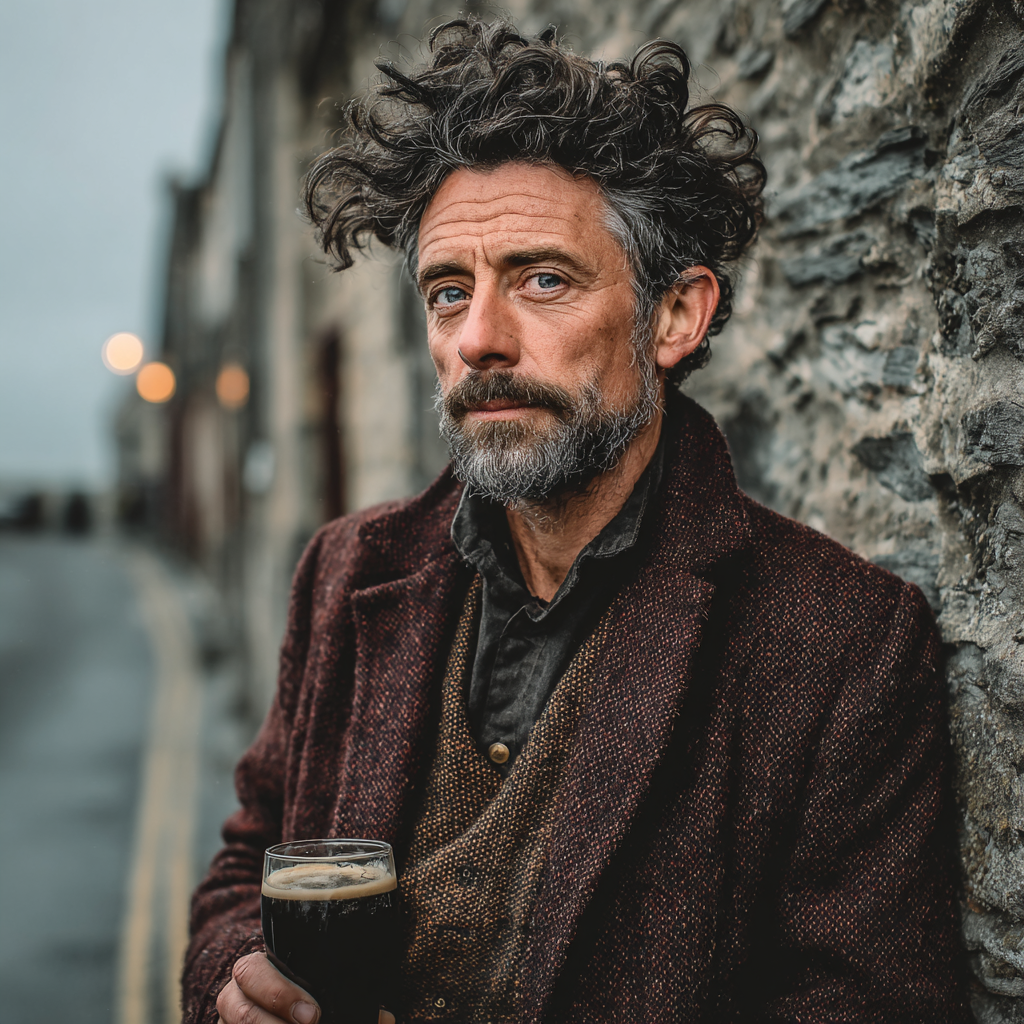
By Finn O'Sullivan
Irish storyteller and folklorist. Finn hunts for the narratives that do not make guidebooks—the pub legends, the family feuds, the neighborhood heroes. He believes every street corner has a story if you know who to ask.