
Salt, Stone, and Sciacchetrà: A Food Writer's Walk Through Cinque Terre
By Sophie Brennan | Last updated: August 2026
The first time I tasted proper pesto in Liguria, I understood why the Genoese guard this sauce like a state secret. The basil here is different—smaller-leaved, almost peppery, grown in terraced gardens that cling to cliffs above the Mediterranean. The pine nuts are local. The olive oil is green and grassy. And the cheese? Parmigiano-Reggiano and Pecorino Sardo, aged just so, grated while still cold.
That pesto changed how I think about Italian food. Not as a cuisine frozen in time, but as something alive, tied to specific plots of land, specific hands, specific villages that have been making it this way since before Columbus sailed.
Cinque Terre—the "Five Lands"—is where that revelation happens. Monterosso, Vernazza, Corniglia, Manarola, Riomaggiore. Five villages strung along a crumpled stretch of Ligurian coastline, connected by footpaths older than the roads, held together by a railway line that tunnels through mountains and bursts out at each village like a cork from a bottle.
This is not a place for rushing. The magic here rewards slowness: a morning hike through vineyards terraced into impossible angles, a long lunch of anchovies and local wine, an afternoon swim from rocky harbors where fishing boats still unload the day's catch.
I have walked every trail, eaten at every level from focaccia on a bench to tasting menus with sea views, and talked to the people who actually live here—the winemakers, the fishermen, the grandmothers still rolling trofie pasta by hand. This guide is what I would tell a friend who asked me where to go, what to eat, and what to skip.
Meet the Author
I am a food and travel writer based between Dublin and Bologna. I spent three years eating my way through every region of Italy for a book on regional pasta shapes, and Cinque Terre keeps pulling me back—not for the views, which I have photographed to death, but for the people who make the food. I believe the best meal you will ever eat is the one cooked by someone who has been making the same dish for forty years and still cares whether you like it.
The Villages: What Each One Actually Offers
Most guides treat the five villages as interchangeable postcards. They are not. Each has a distinct character, and choosing where to base yourself—or how to split your time—matters enormously.
Monterosso al Mare: The Beach and the Border
Monterosso is the largest, the most accessible, and the only village with a proper sandy beach. This makes it the entry point for most visitors, but it also makes it the most resort-like. The beach clubs line Fegina with their neat rows of umbrellas. Day-trippers arrive by the trainload in summer.
And yet, Monterosso has two faces. The new town, Fegina, is where the beach crowds gather. The old town, Monterosso Vecchio, is something else entirely—a medieval grid of narrow streets that climbs uphill from the harbor, anchored by the thirteenth-century Church of San Giovanni Battista with its distinctive striped marble facade, black and white, like a zebra in stone.
What to seek out in Monterosso:
- The Giant (Il Gigante): A 14-meter concrete statue of Neptune built in 1910, clinging to the rocks at the edge of Fegina. It was damaged by shelling in World War II and a flood in 1966, but it still stands guard over the beach, one arm raised as if holding an invisible trident. Most visitors walk past it on their way to the sand without knowing its history.
- Aurora Tower: A sixteenth-century defensive tower at the top of the old town, offering panoramic views across the Gulf of Genoa. Entry is €2. Open daily 10:00 AM–6:00 PM (shorter hours in winter).
- The Capuchin Monastery: Above the old town on a rocky promontory, this monastery dates to 1619. The cemetery here, with its graves facing the sea, is hauntingly beautiful. The church contains a notable Crucifixion attributed to Van Dyck. The walk up takes about 15 minutes from the harbor.
Where to eat:
- Ristorante Miky (Via Fegina 104, +39 0187 817 608) — Michelin-recommended seafood on the beach. The spaghetti alle vongole (€18) is textbook Ligurian: clams, garlic, white wine, no cream. The mixed seafood grill (€28–32) changes with the morning catch. Outdoor tables are essential in summer; book 2–3 days ahead.
- Focacceria Antonio (Via Vittorio Emanuele 11, €4–6) — The local move is to buy a slab of pesto focaccia here and eat it on the beach. The dough is made with local olive oil, and the pesto is applied generously while still warm. Open daily 7:00 AM–8:00 PM.
- Enoteca da Eliseo (Via Roma 63, €8–15) — A wine bar with an extraordinary selection of Ligurian whites. Try the Cinque Terre DOC from the local cooperative, or splurge on a bottle of Sciacchetrà, the rare dessert wine made from raisins dried on racks under the sun. Open Tuesday–Sunday 11:00 AM–11:00 PM, closed Monday.
Vernazza: The Harbor Everyone Photographs
If you have seen one image of Cinque Terre, it was probably Vernazza. The cylindrical tower of the Doria Castle rising above a cluster of pastel houses, boats bobbing in a natural harbor, the church of Santa Margherita d'Antiochia sitting right on the water's edge like a stone ship.
Vernazza is the most photogenic village, and it knows it. This is both its blessing and its curse. The main street, Via Roma, is a slow-moving procession of visitors between the station and the harbor. The restaurants on Piazza Marconi charge a premium for their positions.
But Vernazza repays effort. Climb past the castle to the terraced gardens above the village, and you find yourself almost alone, looking down at the scene everyone else is photographing from below.
What to seek out:
- Doria Castle: Built by the Genoese in the fifteenth century to defend against pirate raids. The climb is steep but short (€1.50 entry). The view from the top is the classic Vernazza shot, but arrive before 9:00 AM or after 5:00 PM to have it without crowds.
- Santa Margherita d'Antiochia: A fourteenth-century church built in the harbor itself, on a rock foundation. The octagonal bell tower was added later. The interior is simple but atmospheric, with a polychrome wooden ceiling and a small collection of ship ex-votos—paintings left by sailors giving thanks for surviving storms.
- The trail to Monterosso: The section between Vernazza and Monterosso is the most dramatic of the coastal path. It takes 1.5–2 hours, climbs about 200 meters, and offers the single most famous view in Cinque Terre: your first glimpse of Vernazza from above, the village cupped in its cove like a handful of colored stones.
Where to eat:
- Gambero Rosso (Piazza Marconi 7, +39 0187 812 265) — Yes, it is touristy. Yes, it is expensive. But the seafood is genuinely excellent, and the terrace over the harbor is unbeatable. The trofie al pesto (€16) is made with pasta rolled by hand in the kitchen. The mixed grill (€28) is generous. Book a week ahead for dinner in July or August.
- Taverna del Capitano (Via Roma 62, €14–20) — Smaller, less flashy, better value. The owner, a former fisherman, prepares anchovies three ways—marinated, fried, and stuffed—and will explain the difference between the local catch and the imported ones if you ask. Open daily 12:00–3:00 PM, 7:00–10:30 PM; closed Wednesday in winter.
- Gelateria Vernazza (Via Roma 19, €3.50) — The honey-ricotta gelato is a local invention, and it works surprisingly well: the ricotta adds a faint cheesiness that balances the sweetness of the honey.
Corniglia: The Village the Day-Trippers Skip
Corniglia is the only village not directly on the water, perched on a clifftop 100 meters above the sea. To reach it from the train station, you climb 382 steps up the Lardarina staircase—or take the shuttle bus (€2.50, every 15 minutes in season, 8:00 AM–8:00 PM).
That climb is why Corniglia sees fewer visitors. It is also why Corniglia feels the most authentically local. The average age here is older. The community is tighter. The restaurants do not need to pander to passing tourists because they rely on repeat customers—summer residents, hikers who know where to stop, Ligurians who drive up from La Spezia for Sunday lunch.
What to seek out:
- The Belvedere di Santa Maria: The terrace in front of the church of San Pietro offers what I consider the best single viewpoint in Cinque Terre. You look south over terraced vineyards that cascade toward Manarola, with the sea beyond. Morning light is best.
- San Pietro: A fourteenth-century church with a mix of Gothic and Baroque elements. The rose window is original; the Baroque interior was added in the eighteenth century.
- The maze of caruggi: Corniglia's alleyways are narrower and more convoluted than the other villages. Getting deliberately lost here is a pleasure. You will find unexpected staircases, gardens spilling over walls, and doorways with fishing nets hung out to dry.
- The trail to Manarola: This section remains closed due to landslides, with no firm reopening date. Take the train instead (4 minutes, €2.50).
Where to eat:
- A Cantina da Mananan (Via Fieschi 117, €10–18) — A tiny wine bar with communal tables and views that would command triple the price in Vernazza. The bruschetta sampler (€10) comes with various toppings: crushed tomatoes, local anchovies, pesto, olive tapenade. Mananan himself is usually behind the bar, pouring local wine (€5 a glass) and telling stories about Corniglia life that you will not find in guidebooks. Open daily 11:00 AM–11:00 PM; closed Tuesday in winter.
- Caffe Matteo (Via Fieschi 40, €5–12) — Excellent for a morning coffee and cornetto. The terrace catches the sun early, making it ideal for breakfast before a hike. Open daily 7:00 AM–7:00 PM.
Manarola: The Sunset and the Wine
Manarola is my favorite village to end a day. The main street, Via Discovolo, descends from the station to the harbor in a straight line, lined with shops and restaurants. But the real action is on the rocks beside the harbor, where people gather with bottles of wine to watch the sun drop behind the western cliffs.
Manarola is also the center of Cinque Terre winemaking. The local cooperative, Cantina Cinque Terre, produces the bulk of the region's DOC wines, and their shop here offers tastings. The vineyards around Manarola are the most extensive of the five villages, terraced into slopes that would make a goat hesitate.
What to seek out:
- Nessun Dorma (Punta Bonfiglio, Manarola) — This outdoor wine bar on a terrace above the harbor is the most famous sunset spot in Cinque Terre, and the fame is deserved. The pesto tasting platter (€15) and bruschetta sampler (€12) are simple but excellent, and the view of the harbor below is the postcard shot from a better angle. Critical details for 2026: Nessun Dorma operates on an app-based queue system—download their app before you go. The queue opens 30 minutes before service begins. No traditional reservations. Open daily except Tuesday, 4:45 PM–9:00 PM (March–October). Closed November–February. The climb up from the harbor is steep—wear proper shoes, not flip-flops. Cash preferred; cards accepted but not always reliable.
- Cantina Cinque Terre (Via Rollandi 122, +39 0187 920 633, €6–12 for tastings) — The cooperative's tasting room. Try the Bianco delle Cinque Terre DOC and the Sciacchetrà, the passito dessert wine made from grapes dried on bamboo racks under the Ligurian sun. Production is tiny—only about 10,000 bottles a year across all producers—and prices reflect that. Open daily 9:00 AM–7:00 PM; shorter hours in winter.
- The harbor rocks: Manarola has no beach, but the flat rocks beside the harbor are perfect for swimming and sunbathing. The water is deep and clear. Bring water shoes for comfort. In the hour before sunset, the rocks fill with people sharing wine and waiting for the light to change.
- Trattoria dal Billy (Via Aldo Rollandi 122, +39 0187 920 628, €15–22) — If Nessun Dorma is too crowded, this family-run restaurant on the upper part of the village serves excellent seafood pasta with harbor views from its terrace. The catch of the day (€20–25) is simply grilled with olive oil and lemon. Open daily 12:00–2:30 PM, 7:00–10:00 PM; closed Monday.
Riomaggiore: The Gateway and the Verticality
Riomaggiore is the easternmost village, closest to La Spezia, and for many visitors it is the first or last stop. Its tall, narrow houses are stacked along a steep valley in a way that feels almost claustrophobic after the openness of Monterosso's beach.
Riomaggiore is the most urban of the five villages, with the liveliest street life and the youngest crowd. It is also where you will find the best cheap eats.
What to seek out:
- Via Colombo: The main street descends from the station to the harbor in a straight line. It is lined with shops, cafes, and the most nightlife in Cinque Terre. Bar Centrale (Via Colombo 144) is perfect for an early evening aperitivo—spritz (€6) and olives on the sidewalk. Open daily 7:00 AM–11:00 PM.
- The Castle ruins: Climb above the village to the remains of the thirteenth-century castle for panoramic views over the eastern end of the coast. Entry is free.
- Il Pescato Cucinato (Via San Giacomo 50, €10–12) — Fried seafood cones to go. The mix of anchovies, squid, and shrimp is dusted in flour and fried fresh while you wait. Eat it on the harbor wall, feeding scraps to the cats that have learned to gather here. Open daily 11:00 AM–8:00 PM.
- Dau Cila (Via San Giacomo 65, +39 0187 760 032, €14–18) — Specializes in anchovies, the true local delicacy. Try the acciughe ripiene (stuffed anchovies, €14) or the trofie with anchovy and walnut sauce. Open daily 12:00–2:30 PM, 7:00–10:30 PM; closed Tuesday.
The Food of Cinque Terre: What to Eat and Where
Ligurian cuisine is Italy's most underrated regional food. It is not the heavy pasta and meat of Emilia-Romagna, nor the tomato-driven southern Italian cooking. It is light, herbaceous, maritime, and intensely local.
The Essentials
Pesto Genovese: The real thing is made with basilico genovese DOP (a specific small-leaved variety grown in the plains around Genoa), Ligurian extra-virgin olive oil, Parmigiano-Reggiano and Pecorino Sardo, pine nuts, garlic, and salt. Traditionally pounded in a marble mortar with a wooden pestle. In Cinque Terre, look for trofie (short, twisted pasta) or trenette (flat noodles) with pesto. A good plate should cost €12–16.
Acciughe (Anchovies): The local anchovy fishery is a Slow Food Presidium. The fish are caught in the waters off Cinque Terre, processed within hours, and served marinated in lemon juice and olive oil, or fried fresh. A plate of acciughe fritte should cost €8–12.
Focaccia: Ligurian focaccia is thinner, oilier, and saltier than the fluffy versions sold elsewhere in Italy. In Cinque Terre, the local variation includes olives, rosemary, or a thin layer of pesto. A slab costs €3–5.
Farinata: A chickpea flour pancake baked in a wood-fired oven until the edges are crisp and the center is creamy. It is a Genoese specialty that you will find in Monterosso and Riomaggiore. A slice costs €4–6.
Sciacchetrà: The jewel in Cinque Terre's wine crown. A passito dessert wine made from Bosco, Albarola, and Vermentino grapes that are dried on bamboo racks (called "canicci") under the sun for several weeks before pressing. The result is a honeyed, complex wine with notes of apricot, honey, and almonds. It pairs with biscotti for dipping. A glass in a restaurant costs €8–12; a bottle to take home starts at €25.
Where to Eat: A Practical Breakdown
Best splurge: Ristorante Miky, Monterosso (€50–65 per person with wine). The tasting menu (€65) showcases the full range of Ligurian seafood.
Best value with a view: A Cantina da Mananan, Corniglia (€15–25 per person). The quality-to-view ratio is unmatched.
Best casual lunch: Focacceria Antonio, Monterosso (€5–8). Eat on the beach.
Best sunset aperitivo: Nessun Dorma, Manarola (€12–20 per person). Download the app, arrive by 5:00 PM, bring cash.
Best cheap dinner: Il Pescato Cucinato, Riomaggiore (€10–14). Fried seafood eaten standing on the harbor wall.
Best wine experience: Cantina Cinque Terre, Manarola. The Sciacchetrà tasting is worth the detour alone.
The Trails: Walking Between Villages
The Sentiero Azzurro (Blue Trail) connects all five villages along the coast, and hiking it is the single best way to understand Cinque Terre. The trail is not a gentle seaside stroll. It climbs steeply, descends abruptly, and offers views that make the effort worthwhile.
What You Need to Know
The Cinque Terre Card: Required for access to the coastal trail sections. In 2026, pricing uses dynamic attendance bands rather than fixed seasonal rates:
- Trekking Card (trails only): €7.50–€15 per day, depending on demand
- Treno Card (trails + trains): €22–€35 per day, depending on demand. Includes unlimited train travel between Levanto and La Spezia.
Buy at any train station, tourist office, or online at parconazionale5terre.it. Keep your card with you—rangers do check.
The Via dell'Amore: The famous paved path between Riomaggiore and Manarola reopened in July 2024 after twelve years of closure. Access is one-way only (Riomaggiore to Manarola), requires a timed reservation in 30-minute slots, and is included in the Cinque Terre Card. However, trail status is volatile—sections can close temporarily after rain or maintenance. Always check the park's live status page before planning your route.
Trail conditions: Sections of the trail close periodically due to landslides, erosion, or maintenance. The Manarola–Corniglia section has been closed for years with no firm reopening date. Check the park website before planning your route.
Footwear enforcement: The park now strictly encloses footwear rules. Flip-flops, sandals, and smooth-soled shoes are banned on all trails, with fines starting at €50. Proper hiking shoes with grip are mandatory.
What to bring: Comfortable hiking shoes with grip (the stone can be slippery), sun protection, at least 1 liter of water per person (refill at public fountains in each village), and a hat. Trekking poles help on the steep descents.
The Sections, Ranked
Monterosso to Vernazza: The most spectacular section. 3.5 kilometers, 1.5–2 hours, moderate difficulty with steep climbs and uneven stone steps. The view of Vernazza from above is the money shot. Start early (8:00 AM) to avoid crowds and heat. On high-traffic dates, this section may operate one-way only (Monterosso to Vernazza, 9:00 AM–2:00 PM).
Vernazza to Corniglia: 4 kilometers, 1.5–2 hours, moderate. Less dramatic than the Monterosso-Vernazza section but quieter and more vineyard-heavy. The approach to Corniglia involves a long descent (or the shuttle bus from the trailhead if your knees object).
Corniglia to Manarola: Closed due to landslides. No firm reopening date. Take the train (4 minutes).
Manarola to Riomaggiore: Normally 20–25 minutes on the Via dell'Amore when open. Requires timed reservation. If closed, the alternative is the Via Beccara (trail 531)—a steep local path with roughly 600 steps up and down, no card needed, but genuinely strenuous. Or take the train.
Practical Logistics: Getting There, Getting Around, Staying
Getting There
By train: The Cinque Terre Express runs every 15–20 minutes in peak season, connecting all five villages with La Spezia (to the south) and Levanto (to the north). Journey time between villages: 2–5 minutes. From Pisa International Airport (PSA), take the Pisamover shuttle to Pisa Centrale, then a train to La Spezia (change at Pisa Centrale; total journey about 1.5 hours). From Genoa, direct trains to Monterosso take about 1 hour 15 minutes.
By car: Not recommended. The villages are car-free, parking is limited and expensive (€25–35/day), and the coastal road (SS370) is narrow and winding. If you must drive, park in La Spezia or Levanto and take the train.
By boat: Ferries connect Portovenere, La Spezia, and the four coastal villages (all except Corniglia) from April to October. A day pass costs €41–45. The boat is slower than the train but offers the best views of the villages from the sea.
Where to Stay
Base yourself in one village. Moving between villages with luggage is a headache. Pick one and do day trips.
Monterosso: Best for beach access, most hotels, easiest train connections. The most family-friendly option. Hotels range from budget pensioni (€80–120/night) to boutique properties (€200+/night).
Vernazza: Most picturesque, but also the most crowded. Limited accommodation—book 2–3 months ahead for summer.
Manarola: Best sunset views, quieter evenings, strong wine culture. A good base for couples.
Corniglia: Most authentic, least touristy, best food value. But you are climbing stairs every time you return from a day out.
Riomaggiore: Liveliest nightlife, most budget options, easiest access to La Spezia for day trips further afield.
La Spezia (budget alternative): 40–50% cheaper than the villages, 10–20 minutes by train. More dining options open year-round. Best for budget travelers or those visiting in off-season when village restaurants close.
When to Visit
April–May: Wildflowers on the trails, mild weather, fewer crowds. The ideal time. Easter week is an exception—busy.
September–October: Warm sea, grape harvest, pleasant temperatures. Nearly as good as spring. The harvest festival in late September is a local highlight.
June–August: Hot, crowded, expensive. Trains are packed, restaurants are full, and the trails feel like highways. If this is your only option, book accommodation 3 months ahead and start hikes at 7:00 AM.
November–March: Many restaurants and hotels close. Ferry service stops. Some trail sections may be closed for maintenance. But prices drop by half, and you will have the villages to yourself. Best for budget travelers who do not mind limited options.
What to Pack
- Comfortable hiking shoes with ankle support and good grip
- Sunscreen and a wide-brimmed hat (the sun reflects off the sea and stone)
- Swimsuit and a quick-dry towel
- Refillable water bottle
- Light layers for evening (the breeze off the sea can be cool even in summer)
- Cash (some smaller restaurants and bars, including Nessun Dorma, prefer cash)
- A small daypack for hikes
Budget Reality Check
Budget traveler: €280–330 for 3 days. Accommodation in a hostel or La Spezia (€75–90), food focused on focaccia and fried seafood (€90–105), Cinque Terre Card and local trains (€50–60), minimal paid activities (€30–45).
Mid-range: €450–550 for 3 days. Private room in a village (€180–240), one sit-down meal per day plus casual lunch (€140–170), Cinque Terre Card (€60–75), one boat trip or wine tasting (€70–80).
Comfortable: €700–900 for 3 days. Boutique hotel (€300–450), two good meals daily (€180–220), private boat tour (€80–120), wine experiences (€60–80).
What to Skip
Not everything in Cinque Terre is worth your time. Here is what I would steer a friend away from:
The Via dell'Amore when the timed slots are fully booked. If you cannot get a reservation for the famous lovers' path, do not waste half your day waiting. The inland alternative or the higher trails offer more solitude and better scenery.
Restaurants on Piazza Marconi in Vernazza after 12:00 PM. The terrace tables at Gambero Rosso are worth booking ahead. The neighboring spots with identikit menus and aggressive touts are not.
The "Cinque Terre" souvenirs sold in every shop. The mass-produced magnets and T-shirts are identical to those sold in Florence and Rome. If you want a meaningful souvenir, buy a bottle of Sciacchetrà from the cooperative, a jar of local honey, or a bag of pine nuts.
Swimming at Monterosso beach in August after 11:00 AM. The sand disappears under a carpet of bodies. Go early (before 9:00 AM) or late (after 5:00 PM), or swim from the rocks at Manarola instead.
Day-tripping from Florence or Milan. The marketing makes it sound easy: "See Cinque Terre in a day!" It is technically possible—you can spend four hours on a bus and train each way, walk one trail, eat a focaccia, and take the required photo. But you will leave with a postcard and no understanding of what makes this place special. Stay at least two nights.
The "best viewpoint" Google Maps pins. The algorithmically popular viewpoints are crowded by 9:00 AM. The best views are found by walking 10 minutes past where the crowd stops, or by taking the less popular trail sections.
Wearing flip-flops on the trails. The park now fines people €50+ for improper footwear. It is not a suggestion—it is enforced. Bring proper hiking shoes.
Final Thoughts: What Makes Cinque Terre Matter
Cinque Terre is not a secret. It has not been a secret since the Grand Tourists discovered it in the nineteenth century, and Instagram has done nothing to restore its obscurity. What matters is not whether you can find an empty village—you cannot, in summer—but whether you can find the real village beneath the tourism.
That real village is still there. It is in the winemaker checking his grapes on a terrace that has been cultivated for six centuries. It is in the nonna rolling trofie on a wooden board in a kitchen that smells of basil. It is in the fisherman mending nets on the harbor wall at dawn, long before the first train arrives.
To find it, you need to slow down. Stay three days, not one. Hike the trails that connect the villages, not just the easiest section. Eat at the places where locals eat, not just the ones with harbor views. Learn the names of the wines. Ask questions. Accept that you will not see everything, and choose depth over breadth.
Cinque Terre is not a checklist. It is a place that rewards the traveler who is willing to work a little harder, walk a little farther, and stay a little longer. The pesto tastes better after a hike. The wine tastes better at sunset. And the villages, when you stop trying to photograph them and start trying to understand them, reveal layers that no camera can capture.
Buon viaggio.
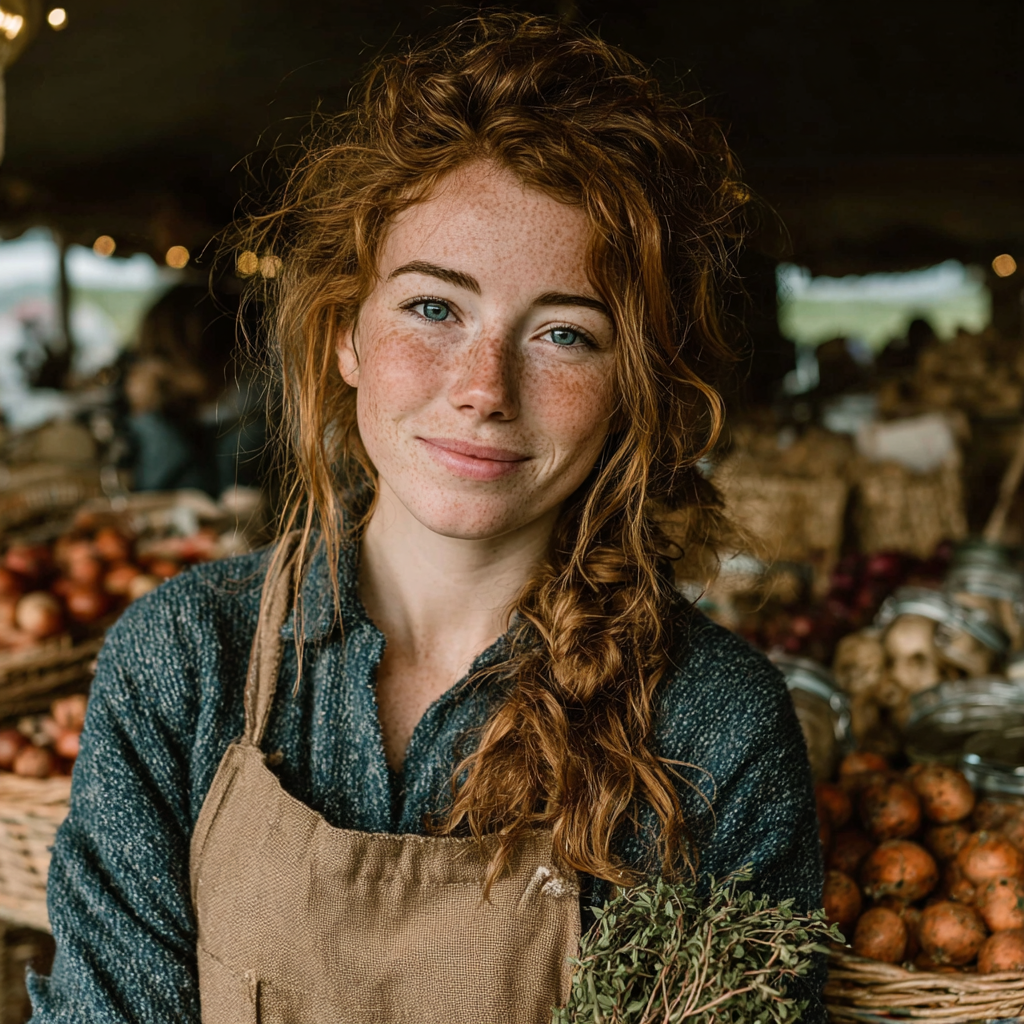
By Sophie Brennan
Irish food writer and historian based in Lisbon. Sophie combines her background in medieval history with a passion for contemporary gastronomy. She has written for Condé Nast Traveller and authored two cookbooks exploring Celtic and Iberian culinary traditions.