
Bologna: Forty Kilometers of Porticoes, Two Leaning Towers, and the Ragù That Made Me a Believer
About This Guide
I arrived in Bologna hungry and skeptical. Every city in Italy claims to be the food capital, and I had eaten my way through enough of them to know that "best food in Italy" usually translates to "most tourist restaurants per square meter." Bologna changed my mind within six hours. Not because of a single transcendent meal—though I had several—but because this city treats eating as a civic responsibility, a historical inheritance, and a daily art form.
Bologna does not reveal itself quickly. The porticoes that line nearly every street create a kind of architectural patience: you walk slowly, you look up, you stop for coffee, you talk to strangers. The city has been a university town since 1088, making it the oldest in Europe, and that scholarly energy still hums beneath the surface. Students argue philosophy over €3 glasses of wine. Butchers sell mortadella with the reverence usually reserved for religious relics. Medieval towers lean over piazzas like elderly relatives who refuse to leave.
This guide is not a checklist. It is an argument for spending time in a city that rewards curiosity over efficiency. I will tell you where to eat, what to climb, what to skip, and how to move through Bologna in a way that respects its rhythms. Come hungry. Come willing to walk. Leave with a new standard for what Italian food should taste like.
About the Author: Elena Vasquez
I am a food writer and culinary historian based between Madrid and Mexico City. I spent five years researching Italian regional cuisine for a book that I am still not brave enough to finish, and Bologna is the city that keeps me from giving up. I have eaten tagliatelle al ragù in sixty-three restaurants across Emilia-Romagna. I can tell you the precise moment when a tortellino has been overcooked (it sinks rather than floats, and the broth goes cloudy). I believe that food is the most honest way to understand a place, and Bologna is the most honest city I know.
My philosophy is simple: eat what the grandmothers eat, drink what the students drink, and never trust a restaurant with a laminated menu in five languages. Bologna tests this philosophy daily, and it passes every time.
Bologna at a Glance
Why it matters: The oldest university in Europe (1088), the longest portico system in the world (40 km), and a food culture so protected that the Chamber of Commerce keeps a golden replica of the official tagliatelle width.
Best for: Food travelers, architecture enthusiasts, anyone who believes the best way to understand Italy is through its kitchens.
Skip if: You want famous paintings, beach access, or a city that reveals itself in an afternoon.
How long: Three days is the minimum. Five days lets you eat slowly and take a day trip.
Best time to visit: April–May and September–October for mild weather and peak produce. August is hollow—many restaurants close. December has Christmas markets and atmospheric portico lighting.
Budget per day: €60–80 (budget), €100–150 (comfortable), €200+ (full experience).
Getting here: High-speed train from Rome (2h 15m, €35–50), Milan (1h 5m, €25–40), Florence (35m, €15–25). Bologna Guglielmo Marconi Airport (BLQ) is 6 km from the center; Aerobus to station in 20 minutes for €6.
The Porticoes: Bologna's Greatest Invention
If you do nothing else in Bologna, walk the porticoes. All forty kilometers of them. The city has the longest continuous portico system in the world, built between the 11th and 20th centuries, and walking under them is the single most distinctive urban experience in Italy.
The porticoes began as wooden extensions built by property owners who wanted extra space. The city eventually mandated stone construction for fire safety, and what emerged is a covered city-within-a-city: marble colonnades, brick vaults, Renaissance arches, and modern concrete walkways, all threaded together into one continuous shelter.
Via dell'Indipendenza is the grand stage: wide, elegant, lined with shops and cafés, the porticoes here feel like a marble ballroom. Via Zamboni, cutting through the university quarter, is the intellectual version: narrower, livelier, filled with students and bookshops. Via Santo Stefano is the romantic route, leading through medieval passages toward the complex of churches that gives the street its name.
The most extraordinary portico walk is the Portico di San Luca, which climbs 3.8 kilometers and 300 vertical meters from Porta Saragozza to the Sanctuary of the Madonna di San Luca on Colle della Guardia. It contains exactly 666 arches—a number the Bolognese will tell you is symbolic, though of what depends on who you ask. The walk takes about an hour each way, and the reward is not just the sanctuary but the panoramic terrace that looks across the entire Po Valley. The sanctuary itself, built between 1723 and 1757, houses a Byzantine icon of the Virgin Mary that supposedly arrived in Bologna by miraculous means in the 12th century.
- Sanctuary address: Via di San Luca 36, 40135 Bologna
- Hours: Daily 7:00 AM–12:30 PM, 2:30–6:00 PM
- Cost: Free (€2 suggested donation)
- Alternative transport: San Luca Express tourist train from Piazza Maggiore, €10 round trip, operates seasonally
- Tip: Start at 8:00 AM to avoid the midday heat and the tourist groups that arrive by bus after 10:00 AM
The Arco del Meloncello, a baroque arch at roughly the halfway point, marks where the flat city section meets the climbing hillside section. Stand beneath it and look back at the portico stretching all the way to the city gates. That view alone is worth the walk.
The Towers: Medieval Ambition in Brick
Bologna once had over 180 defensive towers, built by wealthy families in the 12th and 13th centuries to assert status and, occasionally, to fight each other. Most were demolished or collapsed over the centuries, but a few remain, and they define the skyline.
The Torre degli Asinelli is the one you climb. At 97.2 meters, it is the tallest leaning tower in Italy—leaning 2.2 degrees, which does not sound like much until you are on the 498th wooden step and the wind picks up. The view from the top is the best in the city: you can see the red-tiled roofs, the porticoes stretching like veins, and the Apennines on the horizon.
- Address: Piazza di Porta Ravegnana, 40126 Bologna
- Hours: Daily 9:30 AM–7:30 PM (last entry 6:45 PM)
- Cost: €5
- Booking: https://torredegliasinelli.it (strongly recommended; only 25 people allowed at the top)
- Tip: Do not climb if it has rained recently—the wooden stairs are treacherous when wet
The shorter Torre Garisenda leans far more dramatically—4 degrees, more than the Leaning Tower of Pisa—and is closed to climbing for safety reasons. It stands beside the Asinelli like a warning. The contrast between the two towers, one climbable and one defiant, captures something essential about Bologna: it preserves its history without sanitizing it.
A lesser-known tower is the Torre della Prendiparte, which now operates as a bed and breakfast. You can sleep inside a 12th-century tower for €180 per night. It is absurd, it is unforgettable, and it is the kind of experience that only Bologna offers.
- Address: Via Prendiparte 5, 40126 Bologna
- Booking: Available through boutique hotel platforms
- Note: Only one room; book months in advance
The Food That Built a City
Bologna's cuisine is not a style. It is a legal code. The city takes its food so seriously that in 1982 the Chamber of Commerce registered the official recipe for tagliatelle al ragù: egg pasta cut to exactly 8 millimeters wide when cooked, served with a meat sauce that contains no garlic, no oregano, and no shortcuts. Restaurants that deviate are not breaking a law, but they are breaking a covenant.
Tagliatelle al ragù is the dish that matters most. Not "spaghetti bolognese," which does not exist here and will get you quietly judged. The ragù is slow-cooked for hours—beef, pork, tomato, wine, milk, soffritto—until it clings to the fresh egg pasta like a second sauce. The official width matters because it changes the sauce-to-pasta ratio.
Tortellini in brodo is the other non-negotiable. These tiny stuffed pastas—traditionally filled with pork loin, prosciutto, mortadella, Parmigiano, and nutmeg—must be small enough that ten of them fit on a soup spoon. They are served in a clear capon broth that has simmered for six hours. When done right, the broth is golden, the tortellini are tender, and the nutmeg hits the back of your throat like a memory.
- Official standard: 2 grams per tortellino, must fit on a 1-euro coin
- Where to eat them:
- Trattoria Anna Maria, Via delle Belle Arti 17A, 40126 Bologna. Phone: +39 051 266894. Open Monday–Saturday 12:30–2:30 PM, 7:30–10:30 PM. Closed Sunday. A meal costs €35–40. Reservations are essential; call three days ahead.
- Osteria dell'Orsa, Via Mentana 1, 40126 Bologna. Open daily 12:00–3:00 PM, 7:00–11:00 PM. A student institution since the 1970s. Tagliatelle al ragù €12–15, tortellini in brodo €14. Communal tables, no reservations, arrive by 12:15 or wait forty minutes.
- Trattoria dal Biassanot, Via Piella 16a, 40126 Bologna. Open Tuesday–Sunday 12:30–2:30 PM, 7:30–10:30 PM. Closed Monday. Near the hidden canals. The lasagna verde here—made with spinach pasta—is the best in the city. €16–18.
Mortadella is Bologna's most misunderstood export. What passes for "bologna" in American delis has no relationship to the real thing. True mortadella di Bologna carries a PGI (Protected Geographical Indication) status and must be produced within the province using a specific recipe: finely ground pork, cubes of fat, myrtle berries, pistachios in some versions, slow-cooked in brick ovens. The texture is silky, the flavor is subtle, and a thin slice on warm bread is one of the great Italian breakfasts.
- Where to taste: Salumeria Simoni, Via Drapperie 5, 40124 Bologna. Open Monday–Saturday 8:30 AM–1:00 PM, 4:30–8:00 PM. Closed Sunday. A tasting plate of mortadella, prosciutto, and Parmigiano costs €6–8. The staff will explain the PGI regulations with the intensity of constitutional lawyers.
The Quadrilatero—the maze of streets between Via Pescherie Vecchie, Via Drapperie, and Via Clavature—is the historic food market where butchers have worked since the Middle Ages. Walk through in the morning and you will hear the sound of cleavers on wood. Stop at Tamburini (Via Caprarie 1) for a €6 panino with mortadella and squacquerone cheese. Go to Atti (Via Caprarie 7) for bread that has been baked on the same street since 1880.
For aperitivo—the ritual of pre-dinner drinks and snacks that defines Bolognese social life—go to Osteria del Sole (Vicolo Ranocchi 1d, 40124 Bologna). This wine bar has operated since 1465 and maintains one ironclad rule: they sell drinks, not food. You buy your wine by the glass (€3–5) and bring your own food, which you purchase from the shops in the Quadrilatero. Stand at the wooden bar, open your paper bag of cheese and salumi, and drink among locals who have been doing this for decades.
Seasonal Eating in Bologna
Bologna's food calendar is as reliable as its porticoes:
September–October: Fresh porcini mushrooms appear in ragù and pasta fillings. The grape harvest brings new Lambrusco. The autumn truffle market in Piazza Maggiore runs on Saturday mornings.
November–December: Tortellini production goes into overdrive for Christmas. The "Tortellini Brotherhood" holds their annual festival in early December. Freshly pressed olive oil from the Colli Bolognesi hills arrives in shops.
January–February: Carnevale brings sfrappole—fried dough ribbons dusted with sugar. The winter pork slaughter season means fresh prosciutto and cotechino sausage.
March–April: Spring asparagus and artichokes appear. The Quadrilatero stalls overflow with fresh produce. Easter brings colomba cake and chocolate eggs filled with mortadella (yes, really).
May–June: Strawberries from the Po Valley. Fresh pecorino cheese. The first basil of the season for pesto (though true Bolognese cooks will tell you ragù is the only sauce that matters here).
The Sacred and the Scholarly
Bologna's intellectual history is inseparable from its physical spaces. The University of Bologna, founded in 1088, educated Dante, Petrarch, Copernicus, and, more recently, a significant percentage of Italy's current parliament. The university buildings are scattered through the center, and many are open to visitors.
The Archiginnasio, on Piazza Galvani, was the university's main building from 1563 to 1803. The interior courtyard is lined with thousands of painted coats of arms—one for every graduating student, each required by statute to commission a portrait of their family emblem. The coats of arms climb the walls in dense layers, a visual history of Bolognese elite families.
Upstairs is the Anatomical Theater, built in 1637 for medical dissections. It is a single room of carved spruce wood, with a central marble table surrounded by tiered seating. A seated statue of Apollo looks down from the ceiling. Inscriptions in Latin warn students that only the dead may be dissected here, though history suggests the rule was not always followed. The room was almost entirely destroyed by Allied bombing in 1944 and rebuilt using the original pieces recovered from the rubble.
- Address: Piazza Galvani 1, 40124 Bologna
- Hours: Monday–Friday 9:00 AM–6:00 PM, Saturday 9:00 AM–1:00 PM. Closed Sunday.
- Cost: €3
The Basilica di San Petronio dominates Piazza Maggiore with an interrupted facade that tells the story of papal politics. Construction began in 1390 with plans to make it the largest church in the world. The Pope objected—he did not want a secular city outbuilding St. Peter's—and funding was cut. The result is a facade half-clad in white marble, half in raw brick, that looks like an architectural argument frozen in time.
Inside, the Cassini meridian line runs 66.8 meters along the floor, designed by Gian Domenico Cassini in 1655. At noon, a sunbeam enters through a hole in the ceiling and strikes the line, marking the solar date with an accuracy that still impresses astronomers. The terrace, accessible for €5, offers views across the piazza and down the portico-lined streets.
- Address: Piazza Maggiore, 40124 Bologna
- Hours: Daily 8:30 AM–12:30 PM, 3:00–6:00 PM
- Cost: Free (terrace €5)
- Dress code: Shoulders and knees must be covered
The Fountain of Neptune in adjacent Piazza del Nettuno was sculpted by Giambologna in 1566 and immediately caused scandal. The Church objected to the nudity. Bologna's elite women supposedly refused to walk past it. The sculptor supposedly modeled Neptune's face after Pope Pius IV, who had commissioned the work, which adds a layer of irony to the controversy. Look at the statue from a specific angle and Neptune's hand appears to cover his nudity in a deliberate optical illusion.
The Hidden City: Canals, Courtyards, and Corners
Bologna was once a city of canals. Waterways powered silk mills and transported goods from the Po Valley. In the 20th century, most were buried under roads and buildings, but small windows—finestrelle—reveal what remains.
The most famous is on Via Piella: a small opening in a stone wall that frames a view of the Canale delle Moline, with water, greenery, and the backs of medieval houses. It takes thirty seconds to see, and you will photograph it, and you will be surprised by how affecting such a small glimpse can be. A second viewpoint exists on Via Alessandrini, less known and rarely crowded.
The Basilica di Santo Stefano is a complex of four interlocking churches that occupy an entire block near Via Santo Stefano. Legend says the original builders intended to replicate the Church of the Holy Sepulchre in Jerusalem, and walking through the sequence of courtyards, cloisters, and medieval chapels does produce a sense of architectural pilgrimage. The Pilate's Courtyard contains a basin said to be the same one where Pontius Pilate washed his hands, though historical provenance is, to put it gently, disputed.
- Address: Via Santo Stefano 24, 40125 Bologna
- Hours: Daily 9:30 AM–12:00 PM, 3:30–6:00 PM
- Cost: Free
- Tip: Visit at sunset when the light falls through the cloister arches
For a completely different mood, walk through the Cimitero Monumentale della Certosa on the city's western edge. This 19th-century cemetery contains elaborate neoclassical tombs, sculptures, and cloisters that feel more like a museum than a burial ground. It is where Bologna's wealthy industrial families competed to build the most impressive memorials, and the result is a strangely beautiful outdoor gallery.
Day Trips: What Lies Beyond the Porticoes
Bologna's train connections make it an ideal base. Four day trips are worth serious consideration:
Modena (30 minutes by regional train, €5.20 each way) is home to the Duomo, a UNESCO World Heritage site and one of Italy's finest Romanesque cathedrals. The Piazza Grande in front of it is where the traditional balsamic vinegar producers have their shops. A guided tasting at an acetaia—where vinegar has been aged for twelve, twenty-five, or even fifty years—costs €15–25 and will ruin you for supermarket balsamic forever. The Enzo Ferrari Museum (€22) is worth it for car enthusiasts. Try Osteria Francescana if you can book months ahead, or Trattoria Aldina for €15 lunches above the market.
Ferrara (30 minutes by train, €5.20 each way) preserves its Renaissance walls almost completely intact. You can rent a bicycle and ride the full 9-kilometer circuit. The Este Castle, moated and crenelated, looks like a stage set for a Shakespeare play. The Jewish Ghetto and the Cathedral Museum are standout stops. Pasticceria Cioccolateria Gollini on Corso Ercole I d'Este has been making chocolate since 1840.
Ravenna (one hour by train, €8.40 each way) contains the finest Byzantine mosaics outside Istanbul. The Basilica di San Vitale and the Mausoleum of Galla Placidia are UNESCO sites, and the mosaics—gold, lapis, emerald glass—have not faded in fifteen centuries. Dante's tomb is here, and the city feels quieter and more contemplative than Bologna.
Parma (50 minutes by train, €8.50 each way) is the other capital of Emilia-Romagna's food triangle. See the Teatro Farnese, one of the world's oldest working theaters, and eat prosciutto di Parma at Trattoria Corrieri (€20–25 for a full meal). The difference between Parma and Bologna prosciutto is a conversation that can last an entire dinner.
What to Skip
Not everything in Bologna deserves your time. Here is what I would quietly remove from the average itinerary:
FICO Eataly World as your primary food experience. This massive food theme park on the outskirts is impressive in scale and undeniably well-organized, but it is a simulation of Italian food culture, not the real thing. Go once if you are curious, but do not let it replace meals in the Quadrilatero or trattorias in the university quarter. Bus 35 from the center takes 25 minutes. Admission is free; individual food stations charge €5–15 per item.
The standard "Two Towers" photo from Piazza di Porta Ravegnana. Everyone takes the same shot. Climb the Asinelli instead, or walk to Piazza di Porta Ravegnana at dawn when the light is horizontal and the square is empty. The best tower photograph is actually from Piazza di Porta Ravegnana at 7:00 AM, when the Garisenda's lean looks most dramatic against the empty sky.
Ordering "spaghetti bolognese." It does not exist in Bologna. The dish was invented outside Italy, probably in Britain or the United States. If you want meat sauce with pasta, order tagliatelle al ragù. The width of the pasta matters. The Bolognese Chamber of Commerce has a golden replica of the official dimensions on display.
Climbing the Asinelli tower at midday in July or August. The wooden stairs are enclosed, there is no ventilation, and the temperature at the top can exceed 40°C. Go early morning or late evening. If you have any fear of heights or any tendency toward claustrophobia, skip it entirely and admire the towers from the piazza.
Piazza Maggiore at noon on a summer Saturday. The square fills with tour groups, street vendors, and the kind of energy that makes thoughtful observation impossible. Return at 7:00 AM or 9:00 PM, when the basilica is lit and the porticoes are nearly empty.
Any restaurant with a host standing outside encouraging you to come in. This is the universal sign of a tourist trap in Italy. The best places in Bologna do not need to recruit customers. They need reservations.
The "Bologna Welcome" tourist card. At €25 for 48 hours, it rarely pays for itself unless you are visiting every museum. Most of Bologna's best experiences—walking the porticoes, exploring the Quadrilatero, climbing the Asinelli—are either free or cheaper à la carte.
Hotel breakfast buffets. Italian hotel breakfasts are famously underwhelming: packaged croissants, instant coffee, sliced ham. Do what the Bolognese do: leave the hotel hungry and eat a €3 panino with mortadella at a bar near Piazza Maggiore.
Practical Logistics
Getting There and Around
By train: Bologna Centrale is a major hub on Italy's high-speed network. Rome is 2 hours 15 minutes (€35–50), Milan 1 hour 5 minutes (€25–40), Florence 35 minutes (€15–25). The station is a 15-minute walk from Piazza Maggiore.
By air: Bologna Guglielmo Marconi Airport (BLQ) is 6 kilometers from the center. The Aerobus connects to the station in 20 minutes for €6. A taxi costs €20–25. The Marconi Express monorail (€11) is faster but more expensive.
ZTL warning: Bologna's historic center is a Limited Traffic Zone. Do not drive in. If your hotel is inside the ZTL, they can register your license plate for temporary access, but parking is expensive and scarce. Leave the car at a garage outside the center.
Walking: The center is compact. Most attractions are within 15 minutes of each other on foot. The porticoes make walking pleasant even in rain or strong sun.
Bus: Single tickets €1.50, valid 75 minutes. Buy at tabacchi shops, newsstands, or ticket machines. Day pass €5.80. The historic center is small enough that you will rarely need buses.
Bike: Mobike and other sharing services operate throughout the center. €0.50–1 per 30 minutes.
Where to Sleep
Budget: Dopa Hostel, Via Irnerio 41, 40126 Bologna. Dorms from €25, private rooms from €65. Clean, modern, excellent common area. A 10-minute walk from the towers.
Mid-range: Hotel Corona d'Oro, Via Gherardi 21, 40121 Bologna. €110–160 per night. Boutique hotel in a 15th-century palazzo, 3 minutes from Piazza Maggiore. The rooms have original ceiling beams.
Splurge: Grand Hotel Majestic "già Baglioni," Via Indipendenza 8, 40121 Bologna. €220–350 per night. Bologna's historic luxury hotel, where celebrities and opera singers stay during the season. The restaurant, I Carracci, has a painted ceiling by the Bolognese School.
What to Budget
€60–80 per day (budget): Hostel, market lunches, trattoria dinners, aperitivo at Osteria del Sole, walking everywhere.
€100–150 per day (comfortable): Mid-range hotel, one sit-down lunch and one dinner, tower climb, museum entries, one cooking class or day trip.
€200+ per day (full experience): Boutique hotel, meals at Anna Maria or I Portici, private balsamic tasting in Modena, taxi from airport, shopping in the Quadrilatero.
When to Come
April–May and September–October are ideal. Mild weather, long days, local produce at peak flavor.
August is problematic. Many restaurants close for vacation—the owners go to the mountains or the coast. The city feels hollow.
September brings the university students back, which enlivens the city but drives accommodation prices up by 20–30%.
December has Christmas markets in Piazza Maggiore and Santo Stefano, plus the atmospheric lighting of the porticoes. Cold, but beautiful.
Essential Italian Phrases
- "Un caffè, per favore" — A coffee, please (order at the bar, drink standing, pay €1–1.20)
- "Il conto, per favore" — The bill, please (restaurants rarely bring it unprompted)
- "Senza aglio" — Without garlic (unnecessary in Bologna, but useful elsewhere in Italy)
- "Fresco o fatto in casa?" — Fresh or house-made? (ask about pasta)
- "Posso assaggiare?" — Can I taste? (at delis and markets)
Safety and Practical Notes
Bologna is safe. Petty theft exists near the station and in crowded markets, but violent crime is rare. The university quarter stays lively until 2:00 AM and feels secure.
Tap water is excellent and free. Fill your bottle at the fontanelle—public fountains—scattered through the center.
Tipping is not expected. Round up to the nearest euro at casual places, leave 5–10% at nicer restaurants if service was exceptional, but never feel obligated.
WiFi is widely available. Most cafés have it. The city center has public hotspots, though they require registration.
The Verdict
Bologna will not dazzle you with a single monument. It will not overwhelm you with famous paintings or grand palaces. What it offers is slower: a city that has been refining the same pleasures for a thousand years and sees no reason to change. The porticoes still shelter pedestrians. The ragù still simmers for hours. The students still argue in bars at midnight.
Three days is enough to understand why Bolognese people rarely leave. It is also enough to understand why visitors return. The city does not reveal itself all at once. But under the porticoes, with a glass of wine and a plate of pasta made that morning, it reveals enough.
Elena Vasquez
Madrid / Mexico City
Written after four visits and approximately eighty-seven plates of tagliatelle
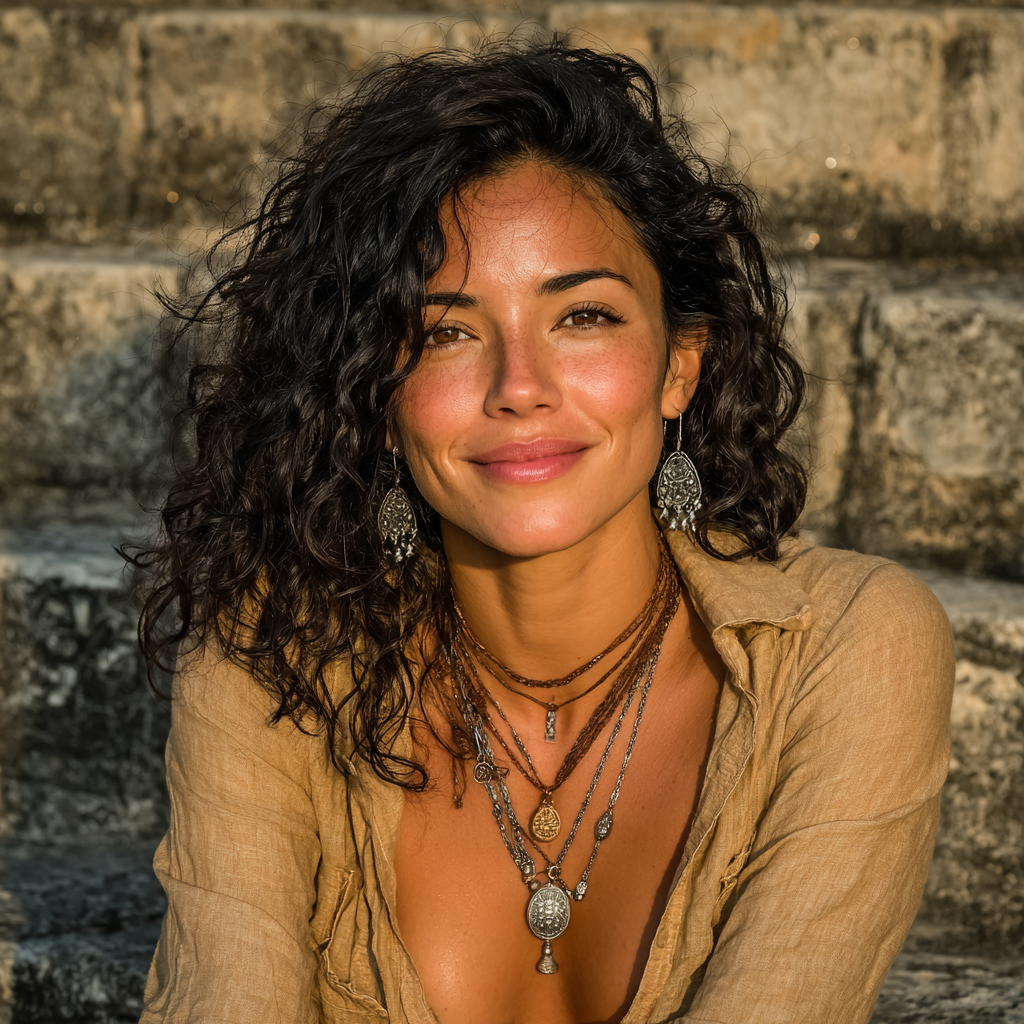
By Elena Vasquez
Cultural anthropologist and culinary storyteller. Elena spent a decade documenting traditional cooking methods across Latin America and the Mediterranean. She holds a PhD in Ethnography from Barcelona University and believes the best way to understand a place is through its kitchens and ancient streets.