
Bergamo: The City That Invented Stracciatella and Refuses to Apologize for Putting Cookies in Its Pasta
Last updated: September 2026
Meet Your Guide
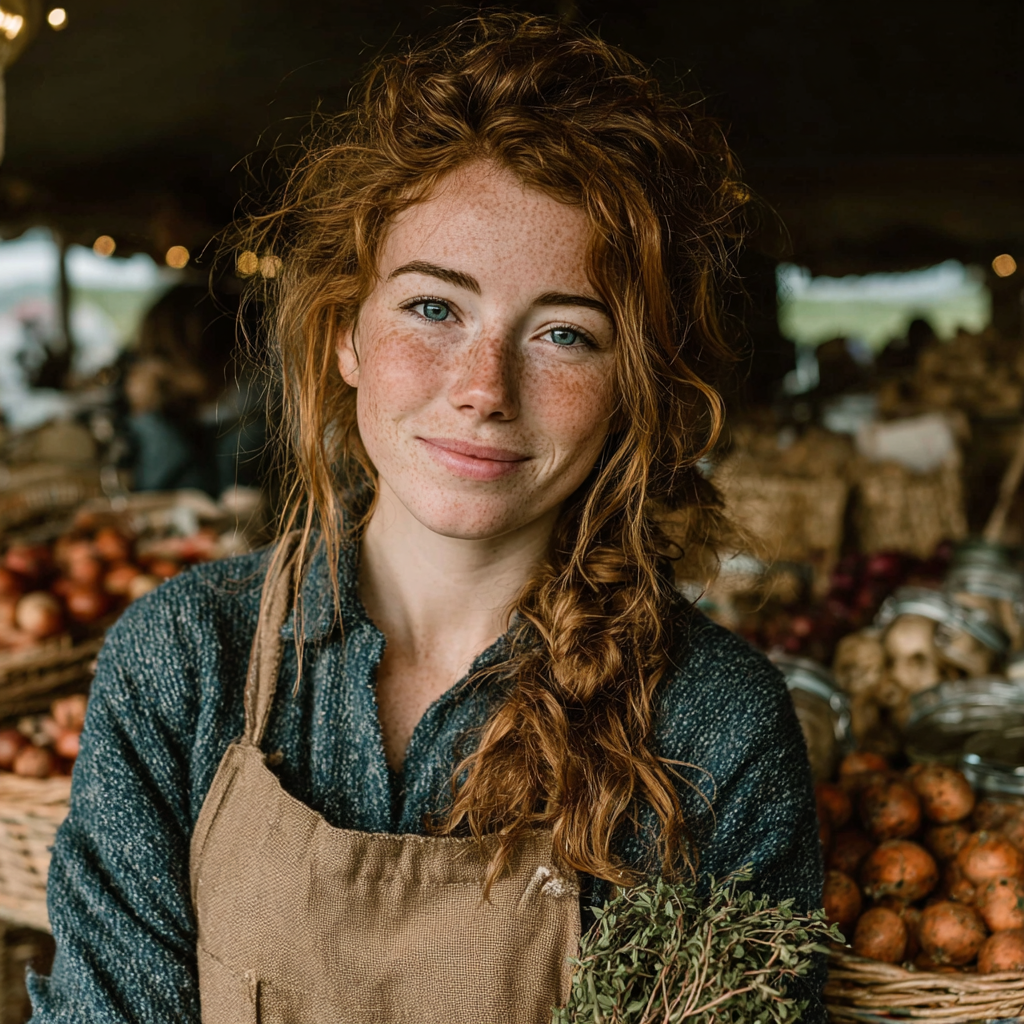
I'm Sophie Brennan, and I have a theory: the best Italian food isn't in Rome, Florence, or Bologna. It's in the places that scare tourists. The places where the menu doesn't translate itself into six languages, where the waiter looks confused when you ask for "gluten-free options," and where the local specialty involves a combination of ingredients that would make a Tuscan nonna cross herself.
Bergamo is that place.
I came here on a wet Tuesday in November, fleeing a Milan fashion week party where someone had explained the "mouthfeel" of a €45 Negroni for twenty minutes. A friend had mentioned casoncelli—"ravioli with raisins and cookies in them"—and I had assumed she was joking. She wasn't. I took the train from Milano Centrale (47 minutes, €5.20), walked through Città Bassa's sensible grid of boulevards, and rode the funicular up to Città Alta as the fog rolled in from the Orobian Alps.
Three hours later, I was eating casoncelli at Trattoria Parietti, and the sweet-savory filling—beef, pork, Grana Padano, raisins, and crushed amaretti biscuits—made me put down my fork and stare at the frescoed ceiling like I'd just witnessed something I wasn't spiritually prepared for.
I've been back six times. This guide is everything I've learned.
The Bergamasco Paradox: Sweet Meets Savory
Bergamo's culinary identity is geographic heresy. The city sits at the foothills of the Orobian Alps, where the Brembana, Seriana, and Cavallina valleys funnel cold air, mountain cheeses, and buckwheat down to a town that spent four centuries under Venetian rule. The result is a cuisine that behaves like neither typical Alpine cooking nor classic Lombard food. It's sweeter, stranger, more fearless.
The sweet-and-savory combination isn't affectation. It's survival. Mountain winters were long, meat was precious, and dried fruit and biscuits stretched the filling. What began as peasant necessity became regional pride. Today, Bergamasco cooks don't explain the raisins in casoncelli—they defend them.
This is a city of two halves. Città Alta, the medieval upper town perched on a hill, is where you'll eat casoncelli under frescoed ceilings and drink aperitivo in Piazza Vecchia as the Campanone tower chimes. Città Bassa, the lower town, is where the locals actually live, where the best trattorias hide on unglamorous streets, and where you can eat better for half the price.
Casoncelli: The Half-Moon Heresy
If you eat one thing in Bergamo, eat casoncelli. These half-moon ravioli are thinner and more delicate than anything you'll find in Emilia-Romagna, with a crimped edge that resembles a candy wrapper. The filling is the city's culinary thesis statement: beef, pork, breadcrumbs, Grana Padano, raisins, amaretti biscuits, and spices. They're served with melted butter infused with sage, topped with crispy pancetta and a dusting of Grana.
The amaretti aren't a garnish. They're structural. The almond biscuits absorb meat juices and create a filling that's simultaneously savory, sweet, and textured in a way that shouldn't work but absolutely does.
Where to Eat Them
Trattoria Parietti (Via Costantino Beltrami, 52, Città Alta) — A family-run institution for over fifty years. Checkered tablecloths, seventeenth-century landscape frescoes, and casoncelli handmade daily. The portions are generous, the house wine is honest, and the atmosphere is what Italians mean when they say locale storico. €12–15. Hours: Tue–Sun 12:00–14:30, 19:00–22:30, closed Monday. Phone: +39 035 221072. GPS: 45.7042° N, 9.6628° E.
Trattoria D'Ambrosio Da Giuliana (Via Broseta, 58/A, Città Bassa) — Over eighty years of operation in the Loreto neighborhood, run by the formidable Mrs. Giuliana. The casoncelli here strike a perfect balance between sweet and savory, and the bill is suspiciously light. €11–14. Hours: Mon–Sat 12:00–14:30, 19:00–22:30, closed Sunday. Phone: +39 035 402926. GPS: 45.6989° N, 9.6745° E.
Antica Trattoria La Colombina (Via Borgo Canale, 12, Città Alta) — Next to Gaetano Donizetti's birthplace. A €33 tasting menu lets you work through Bergamasco classics: salami and polenta, casoncelli, rabbit gnocchi, braised beef with taragna polenta. €13–16 à la carte. Hours: Tue–Sun 12:00–14:30, 19:00–22:30. Phone: +39 035 261402. GPS: 45.7021° N, 9.6615° E.
Il Circolino Città Alta (Vicolo Sant'Agata, 19, Città Alta) — A former monastery, later a prison, now a restaurant with seventeenth-century frescoes and a summer garden. The casoncelli are traditional, the wine cellar is serious, and the setting is unforgettable. €12–16. Hours: Tue–Sun 12:00–14:30, 19:00–22:30. Phone: +39 035 218568. GPS: 45.7045° N, 9.6632° E.
Osteria Al Gigianca (Via Broseta, 113, Città Bassa) — Modern Bergamasco cooking that names its Slow Food Presidia suppliers on the menu. The casoncelli are classic; the sweet pepper risotto and smoked goat cheese from Val Saviore show where Bergamasco cuisine is headed. Six-course tasting menu €55. Hours: Tue–Sat 12:00–14:30, 19:00–22:30, closed Sun–Mon. Phone: +39 035 5684928. GPS: 45.6995° N, 9.6752° E.
Hostaria La Ciccia (Via Colleoni, 8, Città Alta) — Small, no-reservations spot beloved by locals for classic casoncelli and a warm, unpretentious atmosphere. The handwritten menu changes daily. €10–13. Hours: Tue–Sun 12:00–14:30, 19:00–22:00. GPS: 45.7039° N, 9.6629° E.
Polenta Taragna: Mountain Religion
Bergamo doesn't do plain polenta. The taragna variety mixes cornmeal with buckwheat flour, creating a darker, nuttier base traditionally enriched with butter and Taleggio or Branzi cheese until it becomes polenta onta—unctuous, almost liquid, deeply comforting. It serves as canvas for wild mushrooms from Alpine forests, rabbit stewed with rosemary, sausages from Bergamo's distinctive salame tradition, or simply more cheese melted into the steaming mound.
Where to Eat It
Ol Giopì e la Margì (Via Borgo Palazzo, 27, Città Bassa) — Their polenta taragna is the reason I return to Bergamo. Served with rotating seasonal toppings; the polenta e cinghiale (wild boar) in autumn is exceptional. €10–14. Hours: Wed–Mon 12:00–14:30, 19:00–22:30, closed Tuesday. Phone: +39 035 223228. GPS: 45.6942° N, 9.6778° E.
Polentone (Piazza Mercato delle Scarpe, 1, Città Alta) — A casual spot near the funicular station serving excellent polenta taragna with salami and cheese, perfect for a quick lunch between museum visits. €8–12. Hours: Daily 11:00–20:00. GPS: 45.7035° N, 9.6625° E.
Trattoria del Colleoni (Piazza Vecchia, 7, Città Alta) — Historic setting with views of the Campanone. Their polenta with rabbit stew is a winter classic. €14–18. Hours: Daily 12:00–14:30, 19:00–22:30. Phone: +39 035 238836. GPS: 45.7037° N, 9.6631° E.
Scarpinocc, Polenta e Osei, and the Pastry Canon
Scarpinocc di Parre are the refined cousins of casoncelli—shaped like old-fashioned shoes (scarpinocc means "little shoes" in Bergamasco dialect), filled with a delicate mixture of breadcrumbs, cheese, butter, and eggs. No meat, no sweetness, just pasta craft at its purest. Try them at Ristorante Vineria Cozzi (Via Bartolomeo Colleoni, 22, Città Alta) with butter and sage, €14–17. Hours: Tue–Sun 12:00–14:30, 19:00–22:30. Phone: +39 035 238558. GPS: 45.7041° N, 9.6628° E.
Polenta e Osei (sweet version) is a dome-shaped cake made from sweet polenta, sponge cake, and almond paste, decorated with marzipan birds and chocolate. It's an edible symbol of Bergamo, and every pastry shop in Città Alta has its own version.
- Pasticceria Cavour 1880 (Via Gombito, 7, Città Alta) — Operating since 1880, famous for both polenta e osei and Torta Donizetti. €5–7. Hours: Tue–Sun 08:00–20:00, closed Monday. GPS: 45.7038° N, 9.6620° E.
- Babilonia 1907 (Via Gombito, 12, Città Alta) — Another excellent option with traditional recipes. €5–7. Hours: Daily 07:30–20:00. GPS: 45.7039° N, 9.6621° E.
- Pasticceria Barini (Via XX Settembre, 78, Città Bassa) — Local favorite away from the tourist circuit. Their Torta Donizetti is arguably the best in the city. €4–6. Hours: Mon–Sat 07:30–19:30, closed Sunday. GPS: 45.6940° N, 9.6780° E.
Torta Donizetti, named after Bergamo's composer son, is a ring-shaped butter cake with candied fruits. Local legend claims "a slice of Turta del Dunizet cures heartbreak." Find it at Pasticceria Cavour 1880 or Pasticceria Barini, €4–6.
Aperitivo in Piazza Vecchia
Aperitivo in Bergamo follows the Lombard tradition—order a drink, receive snacks—but in Piazza Vecchia, the city's most beautiful square, the ritual takes on special weight. As the Campanone tower casts shadows across Renaissance buildings, locals gather for pre-dinner drinks and conversation.
Caffè del Tasso (Piazza Vecchia, 3) — Founded in 1476, one of Italy's oldest cafes. Outdoor seating facing the Campanone. Classic spritz with views. €6–10 including snacks. Hours: Daily 08:00–23:00. GPS: 45.7037° N, 9.6631° E.
Bar Crema & Cioccolato (Piazza Vecchia, 7) — Modern café with excellent people-watching. Moscato di Scanzo by the glass. €5–9. Hours: Daily 07:30–22:00. GPS: 45.7036° N, 9.6632° E.
La Marianna (Largo Colle Aperto, 4) — Historic restaurant and gelateria with panoramic terrace. This is where stracciatella gelato was invented in 1961 by Enrico Panattoni, who named it after the stracciatella soup he'd seen in Rome—the chocolate shreds reminded him of the egg strands in the soup. The original is still served here. Aperitivo €6–12. Hours: Tue–Sun 11:00–23:00, closed Monday. GPS: 45.7048° N, 9.6618° E.
Caffè della Funicolare (Via Vittorio Emanuele II, 31, Città Bassa) — Aperitivo with a view of the funicular climbing to Città Alta. Local crowd, reasonable prices. €5–8. Hours: Mon–Sat 07:00–22:00, closed Sunday. GPS: 45.7030° N, 9.6610° E.
Bergamo's Local Wines: The Undiscovered Valley
The Valcalepio DOC zone, covering the slopes between Bergamo and Lake Iseo, produces wines that remain surprisingly unknown outside the region.
Valcalepio Rosso — A blend of Merlot and Cabernet Sauvignon (minimum 55% Merlot), elegant and medium-bodied with notes of cherry, plum, and spice. Perfect with casoncelli or polenta with meat ragù.
Valcalepio Bianco — Typically Chardonnay and Pinot Bianco, fresh and aromatic, ideal with scarpinocc or as an aperitivo.
Where to taste:
- Enoteca Valcalepio (Via Borgo Canale, 8, Città Alta) — Dedicated tasting room. €8–15 for tastings. Hours: Tue–Sun 10:00–19:00. GPS: 45.7025° N, 9.6618° E.
- Cantina Il Fontanile (Via Fontanile, Gandosso) — Winery in the Valcalepio hills offering tours and tastings. €15–25 including light lunch. Hours: Tue–Sat 09:00–17:00 by appointment. GPS: 45.6667° N, 9.8833° E.
- La Fiaschetteria (Via Borgo Santa Caterina, 8, Città Bassa) — Wine bar with excellent selection. €8–12 per glass. Hours: Mon–Sat 17:00–24:00, closed Sunday. GPS: 45.6956° N, 9.6767° E.
Moscato di Scanzo DOCG
One of Italy's rarest wines, produced on just 31 hectares in Scanzorosciate, east of Bergamo. A red Moscato passito—sweet, aromatic, with notes of dried roses, cherries, and honey. Grapes are dried for at least 21 days before pressing; the wine ages for at least two years.
Where to taste:
- Azienda Agricola Moscato di Scanzo (Scanzorosciate) — Visit the source. €20–30 for guided tasting. Hours: By appointment only. GPS: 45.7112° N, 9.7356° E.
- La Fiaschetteria (Via Borgo Santa Caterina, 8, Città Bassa) — Wine bar with excellent selection. €8–12 per glass. GPS: 45.6956° N, 9.6767° E.
The Cheese Vaults of the Valleys
Bergamo's valleys produce nine DOP/PDO cheeses, making it one of Italy's most important cheese regions.
Taleggio — The famous soft, washed-rind cheese with a pungent aroma but mild, fruity flavor. Essential with polenta. Aged 40–60 days in natural caves. Pair with Valcalepio Rosso.
Strachitunt — A rare blue-veined cheese from Valle Brembana. Complex, spicy, sweet, and earthy. Only five producers remain. Pair with Moscato di Scanzo.
Branzi — Semi-hard mountain cheese with nutty, slightly sweet flavor. Made from raw cow's milk in the Upper Brembana Valley.
Formai de Mut — From Alta Valle Brembana, hard cheese with intense, savory notes. Aged up to two years.
Salame della Bergamasca — Unlike salami from other regions, Bergamo's uses the entire pig (not just choice cuts) and feeds the animals exclusively on cereals like corn. The result is distinctive and nearly impossible to find outside the province.
Where to buy:
- Salumeria Gironda (Via Ponte Pietra, 24, Città Alta) — Historic deli with exceptional selection. Hours: Tue–Sun 08:30–19:30, closed Monday. GPS: 45.7045° N, 9.6615° E.
- La Fiaschetteria (Via Borgo Santa Caterina, 8, Città Bassa) — Excellent cheese and charcuterie platters. GPS: 45.6956° N, 9.6767° E.
- Mercato delle Erbe (Piazza delle Erbe, Città Alta) — Monday–Saturday mornings. Buy directly from producers.
Coffee, Breakfast, and the Morning Ritual
Bergamasco mornings begin with a standing espresso at a zinc counter, not a leisurely cappuccino at a sidewalk table. This is Lombardy, not Rome—coffee is fuel, not performance.
Caffè del Tasso (Piazza Vecchia, 3) — Founded 1476. One of Italy's oldest cafes. The morning espresso here, standing at the marble counter, is a meditation. Coffee €1.20–1.80, pastries €4–8. Hours: Daily 08:00–23:00. GPS: 45.7037° N, 9.6631° E.
Pasticceria Cavour 1880 (Via Gombito, 7) — The morning brioche and cappuccino here are worth the climb to Città Alta. €3–5. Hours: Tue–Sun 08:00–20:00. GPS: 45.7038° N, 9.6620° E.
Bar Centrale (Piazza Guglielmo Marconi, 1, Città Bassa) — Where actual Bergamaschi drink their morning coffee. No tourists, fast service, perfect crema. €1–1.50. Hours: Mon–Sat 06:30–20:00, closed Sunday. GPS: 45.6945° N, 9.6780° E.
Historic Cafes and Where Gelato History Was Made
Caffè del Tasso (Piazza Vecchia, 3) — Founded 1476. One of Italy's oldest cafes. Coffee €2–3, pastries €4–8. GPS: 45.7037° N, 9.6631° E.
Pasticceria Cavour 1880 (Via Gombito, 7) — Operating since 1880. Famous for Torta Donizetti and polenta e osei. €3–7. GPS: 45.7038° N, 9.6620° E.
La Marianna (Largo Colle Aperto, 4) — Birthplace of stracciatella gelato, 1961. The original combination of fiordilatte gelato with chocolate shavings is still made here. Try the yogurt and lemon combination too. €2.50–5. Hours: Tue–Sun 11:00–23:00. GPS: 45.7048° N, 9.6618° E.
Carmen Gelato (Via Bartolomeo Colleoni, 20C) — Artisanal gelato, excellent stracciatella. €2–4. Hours: Daily 11:00–22:00. GPS: 45.7041° N, 9.6628° E.
Markets: Where the Valleys Come to Town
Piazza delle Erbe Market (Città Alta) — Monday–Saturday 07:30–14:00. Fresh produce, local cheeses, cured meats. Near Piazza Vecchia. This is where mountain producers bring their goods directly—Taleggio from Val Taleggio, honey from the Prealps, wild mushrooms in autumn. Arrive before 09:00 for the best selection. GPS: 45.7035° N, 9.6630° E.
Mercato di Città Bassa (Via XX Settembre area) — Daily mornings 07:00–13:00. Fresh produce, local specialties. More everyday than the Città Alta market, with better prices. This is where Bergamaschi actually shop. GPS: 45.6940° N, 9.6790° E.
Mercato delle Scarpe (Piazza Mercato delle Scarpe, Città Alta) — Tuesday and Saturday mornings. Clothing, household goods, and some food stalls. The polenta stand here is surprisingly good. GPS: 45.7035° N, 9.6625° E.
Seasonal Eating: The Bergamo Calendar
Spring (March–May): Asparagus from the valleys appears in April. Fresh goat cheese from Val Saviore. Wild herbs in the markets. Easter brings colomba (dove-shaped cake) to every pastry shop.
Summer (June–August): Tomatoes, peaches, and figs from the plains. Outdoor dining on every terrace. Gelato consumption reaches religious levels. Many Città Bassa trattorias close for August holidays—call ahead.
Autumn (September–November): The season Bergamo was built for. Wild porcini mushrooms, chestnuts, new wine, polenta with cinghiale (wild boar), and the first pressing of olive oil from Lake Iseo. The Festa della Polenta in October features competitive polenta-eating.
Winter (December–February): Truffle season. Braised meats. Casoncelli in brodo (in broth instead of butter). Christmas markets in Piazza Vecchia. Torta Donizetti for the holidays. This is when the mountain cheese is at its peak.
What to Skip
Piazza Vecchia restaurants with aggressive touts. Any place where a man with a laminated menu tries to pull you in by the elbow is serving reheated frozen casoncelli to tourists who don't know better. The real trattorias don't need to recruit.
FICO Eataly or equivalent "food experiences." Bergamo's food culture lives in eighty-year-old trattorias and family delis, not in branded food halls designed for Instagram. Skip the simulation; eat the real thing.
"Spaghetti Bolognese" on any menu in Bergamo. If you see this, you're in the wrong restaurant. Bergamasco cuisine is distinct from Bolognese tradition, and any kitchen offering both is cooking for tourists, not locals.
The funicular at 13:00 on a Saturday in summer. The queue is a punishment. Walk up the Salita della Scaletta stairs instead—it's twenty minutes of effort for views that make the funicular feel like a cop-out.
Restaurants with photo menus longer than ten pages and translations into six languages. The best kitchens in Bergamo have handwritten menus, no photos, and a waiter who assumes you know what you're doing.
The "Bergamo Airport" restaurants. Orio al Serio has perfectly adequate airport food, but eating there before you've seen the city is like listening to a ringtone and claiming you've heard the opera.
Practical Logistics
Getting There
By air: Orio al Serio Airport (BGY) is 5 km from the city center. ATB Airport Bus Line 1 runs every 20 minutes, reaching Città Bassa in 15–20 minutes and Città Alta in 25–30 minutes. Single ticket €2.60 (90 minutes, valid for transfers). Taxi €20–35. Ryanair, Wizz Air, and easyJet operate here—it's often cheaper to fly to Bergamo than Milan Malpensa.
By train: From Milano Centrale, frequent regional trains take 47–60 minutes, €5.20–7. From Venice, 2.5–3 hours. Bergamo station is in Città Bassa.
By car: From Milan, take the A4 Torino-Trieste motorway, exit Bergamo. Parking in Città Alta is extremely limited—park in Città Bassa and take the funicular.
Getting Around
Funicular to Città Alta: Runs from Via Vittorio Emanuele II in Città Bassa. Single ride €1.70. Included in ATB day passes. Frequency: every 7–10 minutes. First departure 06:30, last 00:30 (Fri–Sat until 01:30).
ATB tickets: Single one-zone €1.70 (75 min), three-zone €3.00 (90 min, covers airport). Bergamo City 24h pass €4.90 (includes funicular). Whole network 24h €8.50, 72h €14.50. Buy at machines, newsstands, ATB Mobile app, or via Passa e Vai contactless on board.
Walking: Città Alta is compact and entirely walkable. Città Bassa requires more navigation but rewards walking.
Budget Framework
- Tight: €30–45/day (market picnics, aperitivo for dinner, gelato as dessert)
- Mid-range: €55–85/day (trattoria lunch and dinner, wine, one museum)
- Comfortable: €100–140/day (tasting menus, Moscato di Scanzo by the bottle, taxi back from Città Alta)
Best Time to Visit
April–June and September–October are ideal. The weather is mild, the valleys are green, and restaurant terraces are open. July–August is hot and crowded but all restaurants are open. November–March is quiet and atmospheric—perfect for polenta season—but some rural wineries close for winter.
Reservations
Essential for dinner at popular Città Alta restaurants Friday–Sunday. Call 2–3 days ahead for Parietti, Circolino, and La Colombina. Many trattorias in Città Bassa don't take reservations—arrive by 12:15 for lunch, 19:15 for dinner. August closures are common—verify before you go.
Language
English is spoken in most Città Alta restaurants. In Città Bassa trattorias, a few Italian phrases go a long way. The Bergamasco dialect is still spoken by older locals—don't worry, they switch to Italian for outsiders.
Essential Phrases
- Un caffè, per favore — A coffee, please
- Il conto, per favore — The bill, please
- Casoncelli alla Bergamasca — The local ravioli (say it confidently)
- Senza aglio — Without garlic (Bergamasco cooking rarely uses it anyway)
- Un bicchiere di Valcalepio — A glass of local red
Tipping and Etiquette
Tipping is not expected. Italians round up or leave €1–2. A coperto (cover charge) of €1–3 per person is standard at restaurants. Water is not free—specify acqua del rubinetto (tap water) if you want to avoid paying €2 for bottled.
Food to Take Home
- Polenta flour: Bramata cornmeal from local mills (€3–5/kg)
- Taleggio or Strachitunt: Vacuum-packed for travel (€8–15)
- Valcalepio wine: €10–25 for quality bottles
- Moscato di Scanzo: €25–40 for this rare DOCG
- Salame della Bergamasca: Whole salami (€12–20, check customs regulations)
- Amaretti biscuits: The same ones in your casoncelli (€4–6)
Dietary Notes
Bergamasco cuisine is meat-heavy, but vegetarians can survive on polenta with mushrooms, scarpinocc, and the excellent local cheeses. Gluten-free options are increasingly available in Città Alta but still rare in traditional Città Bassa trattorias. Vegan travelers will find options limited—stick to Città Alta restaurants.
Final Word from Sophie
Bergamo doesn't need your approval. It doesn't care if the raisin-and-amaretti filling in its casoncelli sounds strange to your ears. It invented stracciatella gelato in 1961 and never bragged about it. It feeds its pigs exclusively on corn and makes a salami you can't find in Milan, let alone Manhattan.
What Bergamo offers is something harder to find in Italy's bigger cities: authenticity without performance. The trattorias aren't styling themselves for TikTok. The pastry shops have been using the same recipes since 1880. The wine bars pour bottles from hills you've never heard of, and they're genuinely confused when you ask for a Chianti.
Come hungry. Leave with a new understanding of what Italian food can be when it stops trying to please everyone.
Sophie Brennan
@sophiebrennan.travel
Lisbon, with a return ticket to Bergamo already booked
By Sophie Brennan
Irish food writer and historian based in Lisbon. Sophie combines her background in medieval history with a passion for contemporary gastronomy. She has written for Condé Nast Traveller and authored two cookbooks exploring Celtic and Iberian culinary traditions.