
Galway's Rebel Tables: Where Atlantic Salt Meets Michelin Stars in Ireland's Most Stubborn City
By Sophie Brennan, Irish food writer and historian
The First Bite
I grew up hearing that Galway was where Dublin sent its misfits. The city sits on Ireland's ragged western edge, facing the Atlantic with its chin up, and has spent centuries building a food culture out of proximity to rough water, stubborn independence, and the understanding that a town of 85,000 people can support a Michelin-starred tasting menu and a seafood shack on the same street.
The first time I brought a London editor to Aniar, he asked why anyone would open a fine-dining restaurant in a city where it rains two hundred days a year. JP McMahon walked past our table with a tray of foraged sea aster and raw langoustine, and the editor stopped talking. That is Galway's answer to every stupid question: put it on the plate and let the food speak.
This guide covers the restaurants, pubs, and producers that make Galway the most exciting food city in Ireland right now. Every venue has been visited multiple times. Every price was checked in summer 2026. Every recommendation comes with a specific address and a reason to go.
The Lay of the Land
Galway's food geography is simple once you understand it. The city centre is compact — everything in this guide is within a fifteen-minute walk of Eyre Square — but the character shifts dramatically from one street to the next.
Dominick Street and the West End are where the serious kitchens cluster. Aniar, Dela, Oscar's, and Monroe's all sit within a five-minute stroll of each other. This was a residential neighbourhood until the early 2010s, when chefs started converting warehouses and terraced houses into restaurants. It is now the densest food strip in the city, and the best place to eat on any given night.
Quay Street and the Latin Quarter are tourist-heavy but not without merit. The pubs here are genuine — Tigh Neachtain has been operating since 1894 — but the restaurants mostly cater to foot traffic. McDonagh's is the exception: it is popular because it is good, not because it is convenient.
The Docks and Dock Road are where the newer places have opened. Rúibín overlooks the historic harbour. The area feels industrial in daylight and romantic after dark, when the water reflects the restaurant lights.
Outside the city, Moran's Oyster Cottage sits thirty-five minutes south in Kilcolgan, on the weir of the Dunkellin River. It is worth the detour. I have driven there in a storm for two dozen oysters and a pint of Galway Hooker, and I have never regretted it.
Where to Eat: The Serious Kitchens
Aniar
53 Dominick Street, Galway City
Open: Wednesday–Saturday, dinner from 6:30 PM; Friday lunch 12:30–2 PM
Price: Tasting menu €95; wine pairing €55; reserve two weeks ahead in summer
Phone: +353 91 535 947
JP McMahon has held a Michelin star here since 2013, but Aniar is not a temple of fine dining. It is a manifesto for west Irish cooking. The tasting menu runs to eighteen small dishes that change with what the land and sea provide. You might get trout with sheep's yoghurt and sea buckthorn, or beef with nasturtium and pumpkin miso. McMahon wrote The Irish Cookbook, and the kitchen treats that project seriously — they are documenting and reviving techniques that were fading.
The room is plain at lunch: white walls, wooden tables, no tablecloths. By candlelight it becomes romantic. Either way, you are there for what arrives on the plate. The service is knowledgeable without being performative. Ask about the foraging programme — McMahon's team works with botanists to identify edible plants along the Galway coast, and the results show up on your plate within hours of picking.
I have eaten here six times. The consistency is remarkable. The kitchen never phones it in, even on quiet Tuesday nights. If you can only have one meal in Galway, make it this one.
Ard Bia at Nimmos
Spanish Arch, Long Walk, Galway City
Open: Daily 10 AM–10 PM (kitchen closes 9:30 PM)
Price: Breakfast €8–14; dinner mains €22–32; natural wines €8–12 by the glass
Phone: +353 91 561 114
This stone building sits directly on the harbour wall beside the Spanish Arch, and it has been operating under various configurations for over two decades. The interior is waxy candles, dried flowers in old vases, and mismatched furniture that looks collected rather than designed. It feels like the home of a slightly eccentric aunt who happens to cook exceptionally well.
The menu is built around community producers within a fifty-kilometre radius. Breakfast brings chorizo and red pepper hash, or hot cured mackerel with brown bread. At dinner, you will find Connemara scallops with black pudding, and hand-rolled tagliatelle with pumpkin and herb pesto. They bake their own cakes — the lemon polenta is worth the trip alone — and pour natural wines that taste like the countryside.
Reservations are essential for dinner. Walk-ins work for weekday lunch, and the window seats are the best in the house. I have spent rainy afternoons here with a book and a glass of orange wine, watching the tide come in. It is one of my favourite places in Ireland.
Oscar's Seafood Bistro
8 Dominick Street Upper, Galway City
Open: Tuesday–Saturday, dinner from 6 PM
Price: Mains €22–32; oyster gin martini €14
Phone: +353 91 582 180
Michael O'Meara built this kitchen around ethical, sustainable wild catch. The menu changes daily depending on what the fishermen bring in — monkfish, scallops, by-catch species you will not find on standard menus. The oyster gin martini is the signature drink; the bartender shucks the oyster at your table and drops it into the glass with a splash of the brine.
This is not cheap fish-and-chip fare. It is a bistro in the French sense — relaxed, unpretentious, serious about ingredients. The room is warm wood and white walls, no tablecloths, music low enough for conversation. I have had conversations here with fishermen who supply the restaurant, still in their boots, eating their own catch prepared by O'Meara's kitchen.
Rúibín
1 Dock Road, Galway City
Open: Wednesday–Saturday, dinner from 5:30 PM; Sunday brunch 11 AM–3 PM
Price: Dinner mains €20–28; cocktails €12–14
Phone: +353 91 563 833
Rúibín overlooks the historic docks from a converted harbour building. The kitchen works with fresh, organic, seasonal ingredients and the cocktail list is serious — try the smoked rosemary old fashioned. The wild garlic gnocchi with egg yolk and asparagus is a spring fixture, and the stracciatella with marinated zucchini is a reliable starter.
The view across the harbour helps, but the food would hold up anywhere. I come here for Sunday brunch when the light is flat and grey and the coffee tastes necessary. The staff know their ingredients and will talk you through the menu without reciting a script.
Where to Eat: The Casual Spots
Dela
51–53 Dominick Street Lower, Galway City
Open: Tuesday–Friday 9 AM–4 PM, 5:30–10 PM; Saturday–Sunday 9 AM–4 PM
Price: Brunch €10–16; dinner mains €18–26
Phone: +353 91 449 252
Dela occupies a converted warehouse with floor-to-ceiling windows and exposed brick. The owner sources carefully and the brunch menu draws locals who queue on Saturday mornings. The full Irish breakfast is the main event — eggs however you want them, black pudding from McGeough's in Oughterard, soda bread baked in-house — but the evening menu shifts to wild venison with harvest vegetables and pork shoulder bonbons.
The window seats are best, and they fill first. I have waited twenty minutes for a table here on a wet Sunday, and I would do it again. The coffee is excellent, the atmosphere is relaxed, and the staff treat regulars like family.
The Dough Bros
2 Middle Street, Galway City
Open: Monday–Thursday 12–10 PM; Friday–Saturday 12–11 PM; Sunday 1–9 PM
Price: Pizzas €12–18; no reservations
Phone: +353 91 562 494
This started as a food truck and now ranks among the top fifteen pizzerias in the world according to 50 Top Pizza. Their Neapolitan-influenced pies use Irish flour and local produce. The Boujee Margherita is the test — simple, sharp, balanced. The crust is blistered and chewy, the sauce is bright, and the mozzarella comes from Toons Bridge Dairy in Cork.
The room is casual: communal tables, loud music, fast turnover. Good for a quick lunch between pub stops. I have eaten here with fishermen, students, and a Michelin-starred chef who arrived in his whites after service. The pizza does not discriminate.
Cava Bodega
4 Middle Street, Galway City
Open: Tuesday–Thursday 5:30–10 PM; Friday–Saturday 5:30–10:30 PM; Sunday 1–8 PM
Price: Small plates €8–16; sherry €6–10 by the glass
Phone: +353 91 539 899
Also owned by JP McMahon, Cava Bodega draws from Galicia and Catalonia but uses Irish seafood and pork. The jamón ibérico is imported. The octopus is local. The sherry selection is the best in the city, and the staff will guide you through it if you ask.
This is where I bring people who think Irish food is just stews and potatoes. The patatas bravas are made with Kerr's Pink potatoes from Donegal. The chorizo comes from a producer in Cork. McMahon's team finds the connections between Iberian and Irish ingredients and makes them taste inevitable.
McDonagh's
22 Quay Street, Galway City
Open: Daily 12–10 PM
Price: Fish and chips €12–15; no reservations
Phone: +353 91 565 001
Frying fish since 1902. The queue often stretches onto the pavement. The cod and chips are textbook — crispy batter, soft flesh, proper malt vinegar. It costs €12–15 and is the best-value meal in the city centre. Eat it on the wall by the harbour, where the seagulls will watch you with murderous intent.
I grew up eating here. My father brought me as a child, and I still come back every time I am in Galway. The recipe has not changed in decades, and that is the point.
Murphy's Ice Cream
16 Church Lane, Galway City (also at 20 High Street)
Open: Daily 11 AM–10 PM
Price: Single scoop €3.50; double €5.50
Phone: +353 91 563 873
Flavours from local ingredients: Dingle sea salt, Irish brown bread, caramelised kelp. The staff will keep handing you samples until you decide. The line moves fast. I am not generally an ice cream person, but the brown bread flavour — made with actual soda bread — is one of the most Irish things you can put in your mouth.
The Detour: Moran's Oyster Cottage
The Weir, Kilcolgan, County Galway
Open: Daily 10:30 AM–11 PM (kitchen until 9:30 PM)
Price: Dozen oysters €24; seafood chowder €14; crab claws €18
Phone: +353 91 796 113
Distance: 35 minutes south of Galway city
The building is a thatched cottage with red doors and stone walls, sitting on the weir of the Dunkellin River. They have served oysters here for generations — Clarenbridge natives and Gigas rock oysters, opened at the bar and eaten at wooden tables overlooking the water.
The seafood chowder and crab claws are honest. The Galway Hooker pale ale is on tap. This is not a place for fast turnover. It is a place for two dozen oysters and a slow afternoon, watching the herons fish in the river and listening to the locals argue about hurling.
I drove a food editor here from Dublin once. She said the oysters tasted "like the Atlantic in a shell," which is either profound or obvious, depending on your perspective. Either way, she ate three dozen and missed her train back.
Where to Drink: The Pubs
Galway's pub culture is not decorative. The city has the highest density of traditional music sessions in Ireland, and the drinking happens in rooms that have been operating for centuries.
Tigh Neachtain
17 Cross Street, Galway City
Open: Daily 10:30 AM–11:30 PM
Price: Pint of Guinness €5.50; whiskey from €6
The building dates to the seventeenth century, and the pub has operated since 1894. The front bar is small, dark, and often packed by 6 PM. The back room has stained glass and settles into conversation after the early crowd thins. They pour a serious pint of Guinness and keep a large whiskey selection behind the bar.
This is my first stop in Galway, every time. I have written portions of two cookbooks in the back room, listening to the rain on the windows and the murmur of Irish from the regulars at the bar. The staff know my order and do not rush me.
The Crane
2 Sea Road, Galway City
Open: Daily 4 PM–12 AM (later on weekends)
Price: Pint of Guinness €5; no food after 6 PM
A music pub. Traditional sessions run every night, and the standard is high. The back bar — the "Crane Bar" — is where serious musicians gather after their paid gigs finish. The Guinness here is widely considered the best in Galway. The room is bare: wooden floors, no screens, no pretence.
I have sat here until 2 AM on a Tuesday, listening to a fiddle player from Connemara and a guitarist from Donegal trade tunes they learned from their grandfathers. No one was paid. No one was filmed. It was just music, pints, and the kind of conversation that only happens in rooms with no mobile signal.
Tig Coílí
25 Mainguard Street, Galway City
Open: Daily 12:30 PM–11:30 PM
Price: Pint of Guinness €5.50
Traditional music sessions daily. Sunday afternoons are the busiest, with multiple musicians and a crowd that spills onto the street. The bar is narrow and the music is loud. Order at the counter, find a corner, and stay for three hours.
This is where tourists and locals mix most freely. I have seen Japanese tourists weeping at a sean-nós song they did not understand, and local farmers in their Sunday suits tapping their feet. The music transcends explanation.
Monroe's Tavern
14 Dominick Street Upper, Galway City
Open: Daily 12 PM–12 AM (later on weekends)
Price: Pints €5.50–6.50; food until 8 PM
Larger than the traditional pubs — a music venue with a pub attached. They run Irish dance nights, midweek gigs, and late sessions that stretch past midnight. The crowd is mixed, local and visitor, and the energy is higher than the traditional pubs. Food is basic. Come after dinner.
An Púcán
11 Forster Street, Galway City
Open: Daily 12 PM–12 AM
Price: Pints €5.50–6.50
High-energy — live music, sport screenings, big groups. It is loud and unapologetic. The Guinness is solid and the craic is the point. Good for a late Friday or Saturday when you want noise rather than a quiet pint.
The BierHaus
2 Henry Street, Galway City
Open: Daily 3 PM–11:30 PM (later on weekends)
Price: Bottled beers €5–12; pints €6–8
Over a hundred bottled beers, including the local Galway Hooker pale ale. The selection runs from Belgian lambics to American IPAs. There are DJs some nights, a jukebox others. The crowd is younger and the conversation is about the beer.
The Galway International Oyster and Seafood Festival
If you are in the city during the third weekend of September, you are in for something special. Founded in 1954, this is the oldest oyster festival in Europe. The programme includes the Irish Oyster Opening Championships — watching professionals shuck twenty-four oysters in under two minutes is strangely compelling — street food stalls along the Docks, and popup events at venues across the city.
Book every meal in advance. Expect the pubs to be at capacity from Thursday through Sunday. The atmosphere is chaotic, joyful, and slightly drunken. I have attended six times and would not miss it.
What to Skip
The pubs on Quay Street with live music advertised on sandwich boards are not bad, but they are designed for maximum throughput. The musicians are often hired to play the same set three times a night, and the crowd is mostly tourists taking photos. If you want a session, walk two minutes to Tigh Neachtain or The Crane instead.
Any restaurant on Shop Street with a laminated menu in five languages is a tourist trap. The Latin Quarter has good options, but they are the ones without barkers outside.
The "Irish stew" at pubs that do not specialise in food is usually microwaved lamb and watery potatoes. If you want stew, go to Ard Bia or Dela. If you want pub food, order the cheese toastie or the soup.
The Galway Bay boat tours that promise "fresh seafood dining on the water" serve frozen prawns and prosecco. Eat on land. The sea is for looking at, not dining on.
Any restaurant claiming "authentic Irish cuisine" with a leprechaun on the menu. Galway is better than this. Do not reward laziness.
Practical Notes
Getting Around: Galway is compact. Every restaurant and pub listed here is within a fifteen-minute walk of Eyre Square. You do not need taxis to eat well. If you are staying outside the centre, the bus station is beside Eyre Square and most local routes pass through.
Reservations: Essential at Aniar, Ard Bia, Oscar's, and Moran's. Book two weeks ahead for weekend tables at Aniar. The Dough Bros and McDonagh's do not take bookings — queue or go at off-peak times (before 12:30 or after 2:30 for lunch; before 7 or after 9 for dinner).
Weather: The city is wet. Carry a coat. No one stays inside because of rain, and the pubs do not empty when the weather turns. That is when they fill up. The best food experiences I have had in Galway have been during storms, when the windows fog up and the kitchen slows down and the conversation deepens.
Budget: A standard dinner at a mid-range restaurant runs €35–50 with wine. A tasting menu at Aniar is €95 plus €55 for wine pairing. A pint of Guinness is €5–6. A fish and chips at McDonagh's is €13. The city is not cheap, but it is honest about what things cost.
Local Produce to Know: Connemara lamb, Galway Bay oysters, and wild Atlantic seafood are not marketing terms here. McGeough's butchers in Oughterard supplies lamb to several of the top restaurants. The oysters come from beds a few kilometres offshore. The menus mean it when they say local. If you see " wild garlic" or "sea aster" on a menu in spring, order it.
Tipping: Service is not included. Tip 10–12.5% for good service in restaurants. In pubs, round up or offer to buy the barman a drink. Musicians in traditional sessions are not paid by the venue — if you enjoy the music, buy them a pint or leave a note in the hat.
Language: Irish is spoken by about 10% of the population, and you will hear it in the traditional pubs, particularly The Crane and Tig Coílí. Do not worry — everyone speaks English. But learning "go raibh maith agat" (thank you) will earn you a smile.
The Last Word
If you leave Galway without having eaten oysters beside a thatched cottage and listened to trad music in a seventeenth-century pub, you have missed the point. The food is excellent. The atmosphere is why you remember it.
Galway does not perform for visitors. It does not need to. The city has been feeding people well for centuries, and it will continue long after the latest food trend has passed. That is why I keep coming back. Not because it is perfect, but because it is real.
Slán abhaile. Safe home. Or better yet, stay another night.
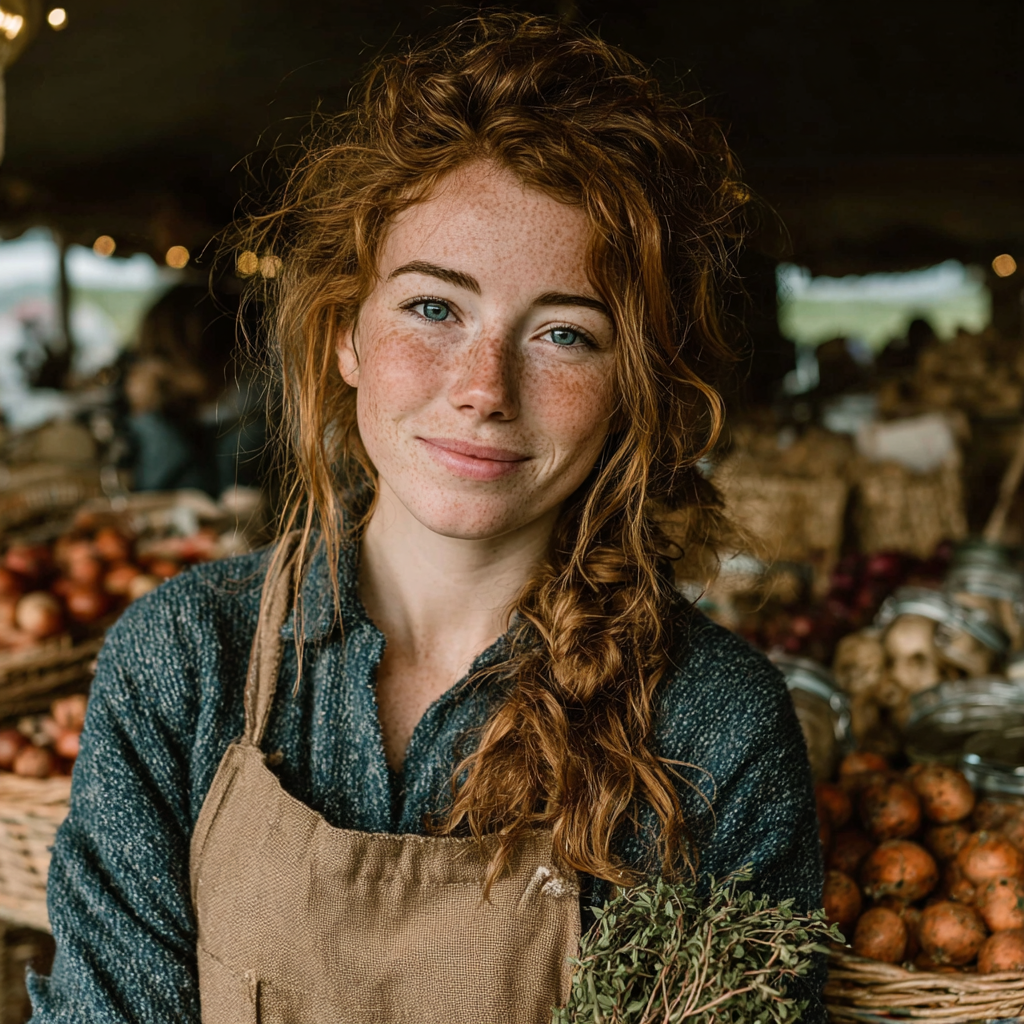
By Sophie Brennan
Irish food writer and historian based in Lisbon. Sophie combines her background in medieval history with a passion for contemporary gastronomy. She has written for Condé Nast Traveller and authored two cookbooks exploring Celtic and Iberian culinary traditions.