
Cork is not interested in Dublin's opinion about food. For three centuries, the city has fed itself through the English Market, a vaulted Georgian hall on Princes Street that opened in 1788 and still opens its iron gates six days a week. The market is where you understand how Cork actually eats: no pretension, no Instagram staging, just butchers who remember your grandmother's order, fishmongers who can tell you which boat caught your mackerel, and sandwich counters where the bread is still warm.
This is Ireland's second city, and it has never accepted second place. Cork's culinary identity runs deeper than trend-chasing. It runs through Frank Hederman's smokehouse in Ballycotton, through the Ferguson family's Gubbeen farm in Schull, through Murphy's stout flowing from taps that predate most of Dublin's craft beer bars by a century and a half. The food here is not innovative in the Copenhagen sense. It is consistent, local, and unapologetically proud that it was here long before the food writers arrived.
What follows is not a day-by-day itinerary. Cork is too compact and too interconnected for that. The restaurants on Oliver Plunkett Street are five minutes from the English Market. The pubs on MacCurtain Street are a ten-minute walk from the market's Grand Parade entrance. The best way to experience Cork's food culture is to wander, eat, drink, and let the city show you what it has been doing for three hundred years.
The English Market: Where Cork Begins
The English Market is not a tourist attraction. It is a working food hall that happens to welcome visitors, and the distinction matters. Locals shop here daily. Restaurant chefs buy their fish and meat here before service. The market's four entrances — on Princes Street, Grand Parade, and Oliver Plunkett Street — mean you are never more than a minute away from its vaulted interior, and each entrance drops you into a different rhythm of the market.
Enter from Princes Street and you walk straight into the historic heart: the ornamental fountain, the family butchers, the Farmgate Cafe balcony above. Enter from Grand Parade and you hit the grab-and-go hub: artisan stalls, olive vendors, quick-lunch counters. The Oliver Plunkett Street entrance is the seafood avenue, a corridor of fishmongers with crushed ice mountains and the morning's catch still glistening.
Tom Durcan's stall, straight ahead from the Princes Street entrance, has been here since 1978, though the spiced beef recipe is generations older. The beef is brined in coriander, cloves, and black pepper, then boiled until it collapses under a bread knife. A sandwich costs €5.50 and comes with pickled red cabbage on thick-cut batch bread. Durcan opens at 8:00 AM and often sells out by 2:00 PM. There are no seats. You eat standing at the counter or take it to the stone arcade outside, where the sandwich tastes better anyway.
Two aisles over, Frank Hederman sells smoked fish from Ballycotton, a working fishing village twenty-five minutes east of the city. Hederman smokes salmon, mackerel, and eel in a converted railway shed near the harbor. His smoked salmon is sliced thick and sold by weight at the market stall: €18.00 for 200 grams. The eel is less common and costs €22.00 for the same portion. Ask for a sample if he is not busy — he usually says yes, and the conversation is worth the stop even if you do not buy.
Gubbeen cheese comes from the Ferguson family's farm in Schull, ninety minutes west on the Wild Atlantic Way. The original Gubbeen is a semi-soft cow's milk cheese with a pinkish rind from repeated brine-washing. It sells at the English Market for €28.00 per kilo, or €7.50 for a generous wedge. The smoked version, made in a separate building near the farmhouse, is firmer and tastes of oak and bog. Both are sold at On the Pig's Back charcuterie stall, which also stocks cured meats from Irish producers and French imports. A plate of Gubbeen, air-dried ham, and cornichons costs €12.00 and is enough for lunch.
Farmgate Cafe occupies the upper balcony, overlooking the market floor. The kitchen buys from the stalls below and changes the menu daily. Breakfast runs from 9:00 AM to 11:15 AM: soda bread with Gubbeen and chutney (€8.50), or kippers with brown butter (€10.00). Lunch starts at 12:15 PM and ends at 3:30 PM. The lamb stew, when available, is made with shoulder from O'Flynn's Gourmet Sausages three stalls down. It costs €14.50 and comes with mashed potato and pickled beetroot. The cafe has no reservations. Arrive before 12:30 PM or wait twenty minutes. The entrance is on the ground floor via the Prince's Street gate, opposite the Farmgate stall and beside the My Goodness stall.
For coffee inside the market, Coffee Central is a family-run stall that has been pouring excellent organic coffee and specialty loose-leaf teas since 2000. You will frequently hear Irish being spoken and encouraged by the staff here, adding a touch of local character that no tourist-oriented cafe can replicate. Cafe Marius, tucked in the Princes Street corner, sources almost entirely from County Cork farmers and fellow market traders. It is the ideal spot for a coffee and a light bite while watching the market go about its business.
Bubble Brothers, on the Grand Parade side of the market, is one of Cork's premier wine shops. They specialize in natural, organic, and biodynamic wines, and the staff are exceptionally knowledgeable. Tell them what you are eating and they will pick a bottle to match. Prices range from about €12 for an everyday bottle to €40+ for something special. It is the perfect finishing stop after a market shop, and it is rare to leave without discovering something new.
Practical note: The English Market is open Monday to Saturday, 8:00 AM to 6:00 PM. Most food stalls close by 4:00 PM. The best time to visit is between 10:00 AM and 1:00 PM, when everything is open and the aisles are not yet packed. Sunday the market is closed and the surrounding streets are quiet. Bring cash for small purchases under €5 — some smaller stalls still prefer it. Bring a reusable bag. And chat to the vendors. They know their product inside out, and they genuinely enjoy sharing that knowledge.
Breakfast and Coffee
Cork's breakfast scene is less documented than its dinner scene, which is a shame, because the city knows how to start a day properly. The morning rhythm here is different from Dublin's rushed espresso-and-croissant culture. In Cork, breakfast is something you sit down for.
Farmgate Cafe is the obvious choice — see above for details — but it is not the only one. Nash 19, at 19 Princes Street, is a restaurant and food shop that opens at 8:15 AM Tuesday through Saturday. The menu changes daily based on what is fresh. Specialties include seafood, roasts, and salads, but breakfast might mean a proper full Irish with black pudding from O'Flynn's, or poached eggs on sourdough from Alternative Bread Company across the street. They close at 4:00 PM. Phone: +353 21 427 0880.
Filter, at 19 George's Quay, is Cork's epicenter for serious coffee drinkers. Assembled from recycled materials, it sports the clean, spare lines of a lab with none of the sterility. Partner-proprietors Eoin McCarthy and Alex O'Callaghan have established an off-site bakery supplying the shop with an inventive range of confections and baked goods. They carry an impressive range of beans from top Irish roasters. Hours: Monday to Friday 8:00 AM to 4:00 PM, Saturday 9:00 AM to 3:00 PM, Sunday 10:00 AM to 3:00 PM. Phone: +353 21 455 0050.
Cork Coffee Roasters, at 2 Bridge Street / French Church Street, roasts their own beans in-house. Their Rebel Blend is the flagship: robust, full-bodied, and named after the city's nickname. The space has vintage decor and a micro-roaster visible from the counter. Hours: Monday to Friday 7:30 AM to 6:30 PM, Saturday 8:00 AM to 6:30 PM, Sunday 9:00 AM to 5:00 PM. A coffee and pastry will cost €3-6.
Ali's Kitchen, on Rory Gallagher Place at Paul Street, is an artisan bakehouse offering in-house food creation and casual dining. Hours: Monday to Saturday 8:30 AM to 5:00 PM, Sunday 10:30 AM to 3:00 PM. Phone: +353 21 239 0680. The sausage rolls here — made with either pork sausage or black pudding in flaky pastry — are a proper Cork breakfast.
Lunch: From Market Stalls to Restaurant Tables
Lunch in Cork falls into two categories: the standing sandwich eaten in the English Market, and the sit-down meal that uses the same ingredients but charges for table service. Both are worth your time.
Market Lane, at 5/6 Oliver Plunkett Street, has been here since 2008 and serves the kind of food that uses the same suppliers as the market but plates it properly. Starters run €9.00-€14.00: crab claws with garlic butter, or black pudding with apple relish. Mains are €19.00-€28.00. The hake, when it is on the menu, comes from Union Hall and is roasted with fennel and saffron potatoes. Hours: Monday to Thursday 12:00 PM to 10:00 PM, Friday to Saturday 12:00 PM to 10:30 PM, Sunday 1:00 PM to 9:00 PM. Book a table for dinner; lunch is walk-in only. Phone: +353 21 427 4710.
Orso, on Pembroke Street, opened in 2019 and does a shorter, more precise menu. The chef sources from the English Market and local farms. A three-course dinner costs €65.00, or €85.00 with wine pairings from small Irish producers. The restaurant seats thirty people and books two weeks ahead on weekends. The tasting menu changes monthly but usually includes Hederman's smoked fish in some form, and a beef course from a Cork county farm.
Iyer's Cafe, on Pope's Quay, is a tiny south Indian ayurvedic cafe that does not get enough attention in Cork food writing. The menu is short, the spices are ground fresh, and the dosas are among the best in Ireland. A masala dosa costs around €10.00. The cafe is tiny — maybe fifteen seats — so arrive early or expect to wait. It is worth it.
The Quay Co-op, at 24 Sullivan's Quay, is a Cork institution. The ground floor is a whole-foods store selling excellent breads and cakes. The main attraction is on the second floor, reached by a narrow, steep staircase. The self-service vegetarian restaurant serves hot and cold dishes: spinach and sun-dried tomato roulade, spanakopita, lentil and coconut soup. Homemade breads and cakes are especially good here. Dinner main courses run €7.00-€9.00. Open daily 9:00 AM to 9:00 PM. Phone: +353 21 431 7026.
Dinner: From Vegetarian Institutions to Michelin Stars
Cork's dinner scene punches above its weight. A city of 200,000 people should not have a Michelin-starred kaiseki restaurant, a 30-year-old vegetarian institution, and a craft brewery serving wood-fired Neapolitan pizza. But Cork does.
Cafe Paradiso, at 16 Lancaster Quay, has been vegetarian since 1993. Chef-owner Denis Cotter has published four cookbooks and won the inaugural World Restaurant Awards' Collaboration of the Year in 2018 for his partnership with Gort na Nain farm. The cooking is ambitious and the portions are large. A main course costs €24.00-€29.00: Jerusalem artichoke gratin with Cashel Blue cheese, or roast squash with hazelnut pesto and Gubbeen cream. The seasonal menu might feature ewe's milk cheese cappelloni with sweetcorn, jalapeno, and lime butter, or grilled cauliflower with cashew korma, spinach, and pickled raisins. Hours: Tuesday to Saturday 12:30 PM to 3:00 PM and 6:30 PM to 10:30 PM. Closed Sunday and Monday. Reservations essential. Phone: +353 21 427 7939.
Ichigo Ichie, on Sheares Street, is Cork's Michelin-starred restaurant. Chef Takashi Miyazaki serves a kaiseki-style tasting menu that costs €110.00 and runs twelve to fifteen courses. The menu uses Japanese technique on Irish ingredients: Ballycotton crab with yuzu, West Cork wagyu with sansho pepper, Hederman's smoked eel with dashi. The restaurant seats sixteen people and books a month in advance. There is no a la carte option. If the price or the wait is prohibitive, Miyazaki also runs Miyazaki on Evergreen Street, where ramen bowls cost €16.00-€20.00.
Pompeii Pizza, at the Franciscan Well Brewery on 14 North Mall, serves wood-fired Neapolitan pizza from an oven in the beer garden. The dough is made with a combination of house-milled Irish heritage grains and Italian tipo 00 flour. They have developed an in-house vegan mozzarella for dairy-free pies. A margherita costs around €12.00. Charcuterie and cheese platters are available at the cocktail bar upstairs. The setting — pizza and craft beer in a converted brewery courtyard — is one of the most enjoyable dinner experiences in Cork.
Jacques Restaurant, at 23 Oliver Plunkett Street, is the longest-established restaurant in Cork. The sisters Eithne and Jacqueline Barry serve simple, fresh food in a friendly, relaxed atmosphere. The menu changes regularly but always includes fresh seafood and Irish meats. Hours: Monday 10:00 AM to 4:00 PM, Tuesday to Saturday 10:00 AM to 10:00 PM. Phone: +353 21 427 7387.
Drinking: Stout, Craft Beer, and Whiskey
Cork is a stout city. Murphy's Irish Stout has been brewed here since 1856, first on the Lee Road and now at the Heineken brewery on the north side. The stout is sweeter and less roasted than Guinness, with a creamier head. A pint in most Cork pubs costs €5.00-€5.80.
The Franciscan Well Brewery, on the North Mall, has brewed craft beer since 1998. Their Rebel Red ale is the flagship: malty, amber, and named after the city's nickname. A pint costs €6.20. The brewery runs tours at 2:00 PM on Saturdays for €15.00, including four tastings. Pompeii Pizza operates in the beer garden.
Rising Sons Brewery, on Cornmarket Street, opened in 2013 and brews on-site behind glass walls visible from the bar. Their Capel Single Malt Ale, made with Irish whiskey malt, costs €6.50 a pint and has a following among local tradesmen who visit after work.
Elbow Lane, off Oliver Plunkett Street, is a brewpub that serves food and house beers. The house stout is brewed in a tank behind the bar and costs €6.00. Food is straightforward: burgers, wings, and a Friday fish special that uses Hederman's smoked haddock in a chowder for €16.00.
Whiskey is distilled twenty minutes east at Midleton. The Jameson Experience runs tours from 10:00 AM to 5:00 PM, but the real reason to visit is the single pot still whiskeys that are not widely exported: Redbreast, Green Spot, and Yellow Spot. A guided tasting of four premium whiskeys costs €35.00 and books online. The standard distillery tour, which includes one tasting, costs €23.00. Both require advance booking in summer.
For a drink without a tour, The Shelbourne Bar on MacCurtain Street stocks an extensive Irish whiskey collection. A pour of Redbreast 12 Year costs €9.50. The Long Valley, on Winthrop Street, is a narrow Victorian pub that has not changed its interior in decades. A Murphy's pint costs €5.20. The pub serves toasted sandwiches at the counter: ham and cheese for €4.50, or spiced beef for €5.00. An Spailpín Fánach, on South Main Street, combines traditional music sessions with pints. Music starts at 9:30 PM on Thursdays and Saturdays. There is no cover charge. The pints cost the same as everywhere else.
Day Trips: Kinsale, Ballycotton, and Ballymaloe
Thirty minutes south, Kinsale is a harbor town that rebranded itself as Ireland's gourmet capital in the 1970s. The claim is partly true. Fishy Fishy, on Crowley's Quay, serves whole grilled sole for €32.00 and a seafood chowder for €14.00 that is thicker than most Dublin versions. The Old Head of Kinsale, a headland ten minutes west, has a golf course and walking trails but no food worth the detour. Eat in town.
Ballycotton, east of Cork city, is smaller and less polished. The village pier has a fish shop that sells Hederman's smoked fish directly from the source, though the prices are the same as the English Market. The cliff walk, five kilometers along the headland, is free and ends at the lighthouse. There is no cafe at the end. Bring water.
Ballymaloe Cookery School, in Shanagarry thirty minutes east, is where Darina Allen has taught Irish cooking since 1983. The school runs one-day courses for €195.00 and week-long programs for €1,450. The restaurant at Ballymaloe House, adjacent to the school, serves lunch and dinner using ingredients from the farm and gardens. A three-course lunch costs €55.00 and requires booking two weeks ahead. The farm shop sells Gubbeen cheese, Ballymaloe relish, and Allen's cookbooks.
What to Skip
The Old Head of Kinsale for food. The golf course is spectacular if you play, but the headland has no restaurants worth the drive. Eat in Kinsale town instead.
Chain restaurants on Patrick Street. Cork's main shopping street has the same international chains you will find in any European city. The interesting food is on Oliver Plunkett Street, the side lanes, and the English Market — not in the glass-fronted shopping centers.
Guinness in Cork. This is not a value judgment on the stout itself, but ordering Guinness in Cork is like ordering Coca-Cola at an independent coffee shop. The city has its own stout — Murphy's — and it is better here than anywhere else in the world. If you must drink Guinness, do it in Dublin.
Kinsale on a summer Saturday afternoon. The town is genuinely charming, but the narrow streets clog with day-trippers from 2:00 PM to 5:00 PM. Visit for lunch at 12:30 PM or dinner at 6:00 PM to avoid the crush.
Any restaurant claiming "modern Irish fusion" without specifying what that means. Cork's food identity is specific: local producers, traditional techniques, and ingredients that have been here for centuries. Vague fusion concepts usually mean a chef who has not figured out what Cork actually tastes like.
Practical Information
Getting around: Cork is compact. The restaurants on Oliver Plunkett Street and the English Market are within ten minutes' walk of each other. Taxis are unnecessary for central dining. A food-focused day in the city, with breakfast at Farmgate, lunch at the market, and dinner at Market Lane or Orso, costs €60.00-€80.00 per person without alcohol. Add €20.00-€30.00 if you are drinking Murphy's or whiskey with each meal.
Best time to visit: The English Market is at its best between 10:00 AM and 1:00 PM, when all stalls are open and the aisles are lively but not packed. For dinner, book restaurants like Ichigo Ichie and Orso at least two weeks ahead for weekends. Cafe Paradiso requires reservations any night.
Payment: Most restaurants and pubs accept cards, but the English Market's smaller stalls still prefer cash for purchases under €5.00. There is an ATM near the Grand Parade entrance.
Language: English is universal. You will hear Irish spoken at Coffee Central in the market and occasionally in traditional pubs, but English is the language of dining and commerce.
Tipping: Tipping is not obligatory in Ireland, but 10% is standard for good table service. Some restaurants include a service charge for larger groups. Check your bill.
The city does not have Dublin's international restaurant diversity. There is no strong Chinatown, no dedicated Little Italy. What Cork has is a tight network of producers, stallholders, and chefs who have worked with the same ingredients for decades. The food is not innovative. It is consistent, local, and proud of the fact that it was here long before the tourists arrived.
About the Author
Sophie Brennan writes about Irish food and the people who make it. Born in Galway and based in Cork, she has been covering the country's culinary scene for fifteen years, from farmhouse cheesemakers in West Cork to Michelin-starred kitchens in Dublin. She believes the best meals in Ireland happen in places with no website, no reservations, and no dress code — just good ingredients and someone behind the counter who cares about what they are selling. She still thinks the spiced beef sandwich at Tom Durcan's is the best lunch in Ireland, and she is not interested in arguments on this point.
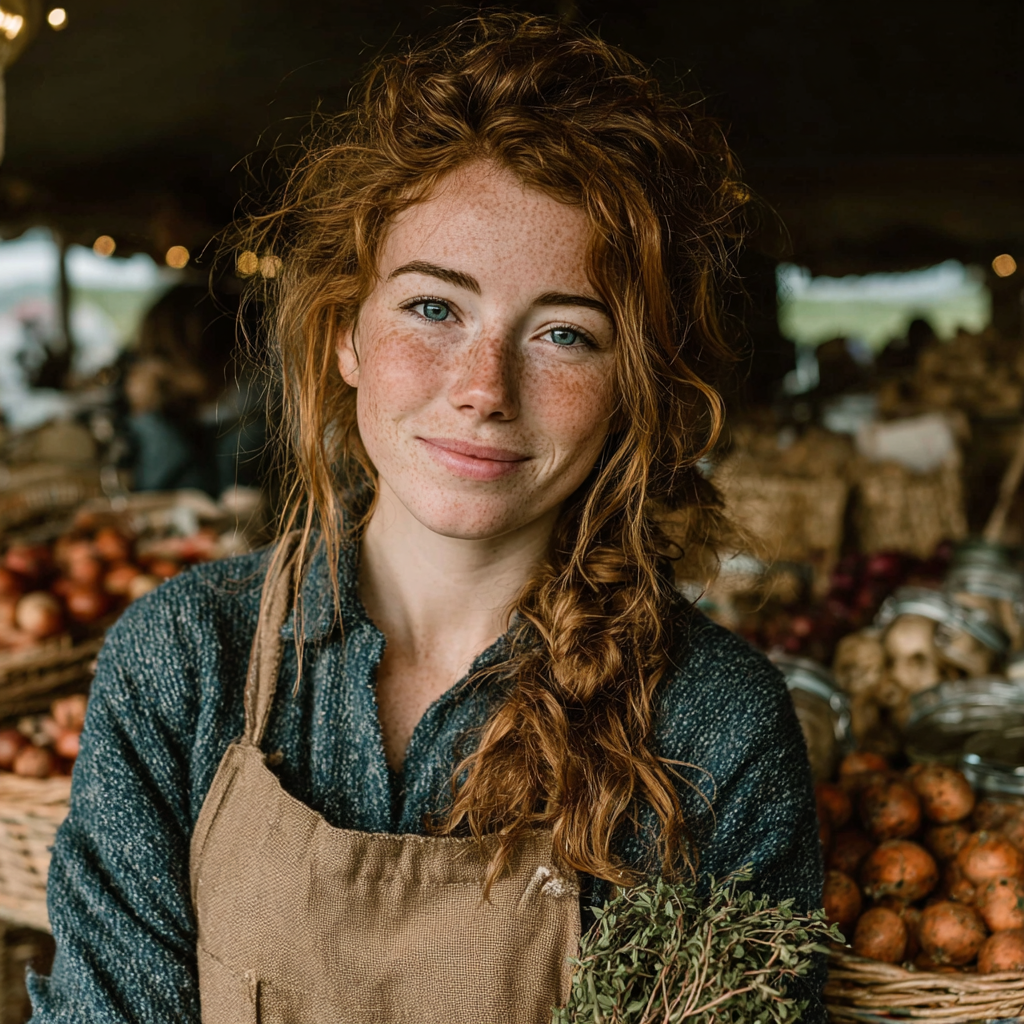
By Sophie Brennan
Irish food writer and historian based in Lisbon. Sophie combines her background in medieval history with a passion for contemporary gastronomy. She has written for Condé Nast Traveller and authored two cookbooks exploring Celtic and Iberian culinary traditions.