
Sulawesi looks like a question mark someone twisted. The island sits in the center of the Coral Triangle, and marine biologists measure its reef biodiversity in numbers that embarrass every other Indonesian destination. This is not Bali. There are no beach clubs, no Instagram swings, and no one selling you a spiritual awakening for fifty dollars. What you get instead is a ferry schedule that changes with the tide, eco-lodges that run on generators from dusk until ten, and coral reefs that are still alive because the villages decided to keep them that way.
The Togean Islands are the reason most sustainable travelers come. They sit in Tomini Bay, a four-hour ferry ride from Ampana or an overnight boat from Gorontalo. The archipelago is part of the Togean Islands National Park, and the only way to reach most of it is by wooden boat. Kadidiri Island has three small eco-lodges. The largest, Poya Lisa, charges 250,000 Indonesian rupiah per night for a bamboo bungalow with a shared bathroom and a mosquito net. Meals are included: fish caught that morning, rice, and whatever vegetables the boat brought from the mainland. Electricity runs from six in the evening until ten. There is no Wi-Fi, and the only signal comes from a single Telkomsel tower on a neighboring island that works when the wind is right.
Diving here is cheap and unregulated in the best way. A single tank dive with a local guide costs 300,000 rupiah. The guide is usually a Bajo fisherman who grew up free-diving these reefs and knows where the coral shelves drop to forty meters and the barracuda circle in the current. The Bajo are sea nomads, and several villages in the Togeans still live on stilt houses over the water. You can visit Pulau Papan, the largest Bajo settlement, but you should bring a gift of rice or sugar. The village head decides whether tourists are welcome on any given day, and photography of the houses requires permission. The Bajo children will swim out to your boat and ask for candy. Do not give them candy. The lodges have a no-candy policy because the wrappers end up in the water.
The Togeans have a jellyfish lake on Kakaban Island. It is smaller than Palau's version but has the same stingless golden medusae. You can swim through them without a guide, though the boat operators will tell you to wear fins anyway. The lake is a thirty-minute walk through the forest from the beach, and the path is slippery after rain. There is no entrance fee, but the boat operators charge 100,000 rupiah per person for the trip from Kadidiri. There are also mangrove forests on several islands where you can kayak through narrow channels at high tide. The kayaks are free to use at Poya Lisa if you ask the staff. The mangroves are full of juvenile reef sharks that swim in the shallow water at dawn.
Wakatobi is the other major marine destination. It sits off Southeast Sulawesi and is a UNESCO Biosphere Reserve. The reefs here are in the top three most biodiverse in the world, and the diving is expensive. A liveaboard trip starts at $1,800 for five nights. The cheaper option is to stay at Wakatobi Dive Resort on Tomia Island, where bungalows are $120 per night and diving is $45 per tank. There are also local homestays on Tomia for 150,000 rupiah per night, but they book out months in advance because there are only eight of them. The best snorkeling is at the House Reef, which you can reach by walking off the beach. I saw pygmy seahorses there at three meters. The resort has a strict no-touch policy for the coral, and the dive guides will end your dive if you kick the reef.
Bunaken National Park is the easiest access point. It sits off the coast of Manado in North Sulawesi, and the public ferry from Manado harbor costs 30,000 rupiah each way. The park charges a conservation fee of 50,000 rupiah for a day visit, or 150,000 for a one-year pass. The wall diving here is dramatic: the reef drops straight down to three hundred meters. You can see green sea turtles on every dive, and the coral is healthier than in the Togeans because the park has had a no-fishing zone since 1991. Day trip packages from Manado cost 800,000 rupiah including two dives, lunch, and equipment. The dive shops on Bunaken Island are more expensive than the mainland operators, but they are better equipped and have Nitrox. The island has a small trash collection system run by the dive shops, and you will see the staff picking up plastic from the beach every morning.
Tana Toraja is inland, in the central highlands. It is not a marine destination, but it is one of the most culturally intact regions in Indonesia. The Toraja people build houses with boat-shaped roofs called tongkonan and hold funeral ceremonies that can last a week. You can stay in homestays in Rantepao for 200,000 rupiah per night, and the owners will invite you to attend a funeral if one is happening. You should bring a gift of cigarettes or sugar. The rice terraces around Batutumonga are three hundred years old and still irrigated by the same bamboo channels. The trekking is self-guided, and the paths are marked by local guides who charge 150,000 rupiah for a half-day. The air is cool at night, and you will need a jacket. The local coffee is grown at sixteen hundred meters and costs five thousand rupiah per cup at the morning market.
Lore Lindu National Park is near Palu, in Central Sulawesi. It has cloud forests above two thousand meters and is home to the maleo, a bird that incubates its eggs in geothermal sand. The park entrance is 150,000 rupiah for foreigners, and guides are mandatory for the multi-day treks. A three-day trek to the Bada Valley, where there are megaliths older than Stonehenge, costs 1,200,000 rupiah including guide, porter, and food. The megaliths are called watu, and the locals will tell you they have been there since the ancestors arrived. No one knows who carved them. The forest is also home to the anoa, a dwarf buffalo found only on Sulawesi, and the babirusa, a pig with curved tusks that grow upward through its snout. The best chance to see the anoa is at dawn near the park entrance, where they come to drink from the stream.
What to skip: the resort developments near Manado that bill themselves as eco but have infinity pools and air conditioning. The dolphin-watching tours in Lovina that chase pods with outboard motors. The traditional Toraja dance performances staged for tour groups in Rantepao. The packaged jungle trips in Tangkoko that guarantee tarsier sightings by shining flashlights into their sleeping trees. The souvenir shops selling mass-produced ikat textiles that are woven in Java. The large group tours to Wakatobi that anchor on the reef and damage the coral.
Getting to Sulawesi is the hardest part. International flights land in Makassar, the main city in the south, or Manado in the north. From Makassar to Ampana, the gateway to the Togeans, you fly to Palu and then take a shared taxi for six hours. The shared taxi costs 150,000 rupiah. From Palu to Ampana, there are also public buses that take eight hours and cost 80,000 rupiah. The ferry from Ampana to Kadidiri leaves at nine in the morning, takes four hours, and costs 50,000 rupiah. There is no online booking. You buy the ticket at the harbor office the day before. The office opens at six in the morning, and the tickets sell out by seven during the July peak.
From Gorontalo to the Togeans, the overnight ferry leaves at eight in the evening and arrives at five in the morning. A cabin with a bed costs 200,000 rupiah. The deck class costs 75,000. The ferry does not run every day. The schedule is Monday, Wednesday, and Friday, but it changes with the weather and the captain's discretion. If the seas are rough, the ferry stays in port. There is no announcement system. You show up at the harbor and wait.
The best time to visit is May through October, the dry season. The Togean Islands have the calmest seas in July and August. Wakatobi is diveable year-round, but the visibility is best in March and April. Bunaken has a rainy season from November to March, but the diving is still possible. The maleo birds in Lore Lindu lay eggs from October to March. If you visit during Ramadan, the ferries run on a reduced schedule and some restaurants in Muslim villages are closed during daylight hours.
Bring cash. There are no ATMs in the Togean Islands, and the ones in Ampana often run out of money. The eco-lodges accept payment in rupiah only. Bring a headlamp, reef-safe sunscreen, and a book. The generator turns off at ten. After that, you listen to the geckos and the water. If you need to check your email, you will have to wait for the boat back to the mainland.
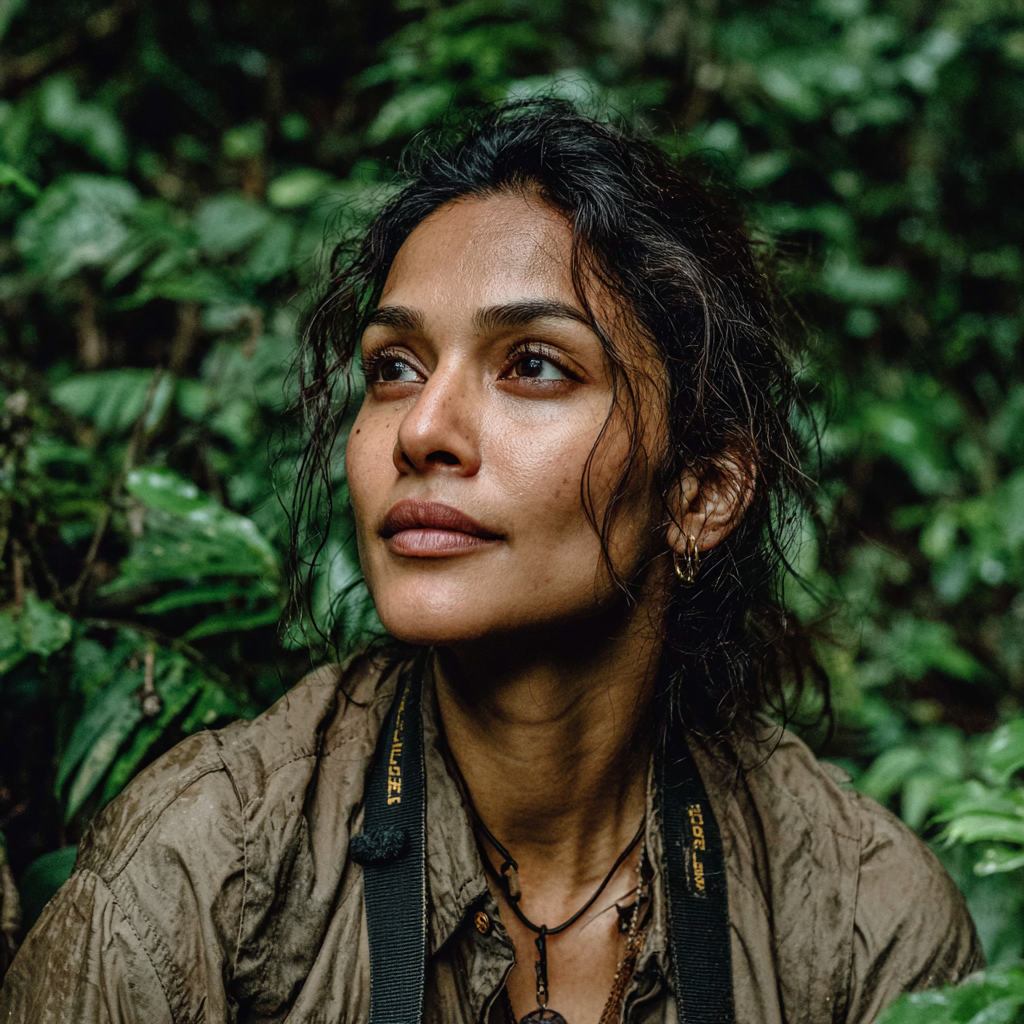
By Priya Sharma
Conservation biologist and sustainable tourism advocate. Priya works with eco-lodges and wildlife sanctuaries to promote ethical travel practices. She holds an MSc in Biodiversity Conservation and has spent years tracking endangered species across the Indian subcontinent.