
Antigua Guatemala: Volcanoes, Ruins, and Resistance — The Real Culture & History Guide
By Elena Vasquez | Cultural Anthropologist & Travel Writer | 3,200 words | 16-minute read
The Spanish founded Antigua Guatemala in 1543 after the previous capital crumbled beneath Volcán de Agua. They built the new city to last. Workers laid cobblestones in the highland valley at 1,530 meters above sea level, carving Baroque facades that would dominate Central America for two centuries. Then the earth shook in 1717, and again in 1773, and the colonial administrators finally abandoned the city, moving the capital to Guatemala City. They left Antigua to the ruins and the resilient few who refused to leave.
Today, the UNESCO World Heritage city sits ringed by three volcanoes—Agua, Fuego, and Acatenango. The air thins here. Mornings arrive clear and cold. Afternoon clouds roll in from the Pacific and cling to the mountain ridges. You will feel the altitude in your lungs on the first day, and you will notice the cobblestones in your knees by the second. This is not a city that accommodates casual visitors. It demands sturdy shoes, an awareness of colonial history, and the willingness to look beyond the restored facades to the living culture that persists in the spaces between.
The tension is visible everywhere. Luxury hotels and Spanish schools occupy buildings once owned by colonial elites and Catholic orders. Maya women in traditional huipiles sell textiles on the sidewalks outside those same courtyards where tourists sip flat whites. The workers who clean the rooms and wash the dishes commute from villages where poverty rates exceed 70%. The volcanoes that provide the dramatic backdrop could bury the city again in hours. This is what makes Antigua worth visiting—not the postcard perfection, but the layering of histories, the visible struggle between preservation and reality, the daily negotiation between a UNESCO site and the living city it contains.
The Architecture of Ambition and Loss
Start at the Arco de Santa Catalina before 7 AM. The yellow colonial arch frames Volcán de Agua perfectly in the morning light, before the clouds obscure the summit by midday. Built in the 17th century, the arch allowed nuns from the Santa Catalina convent to cross the street without being seen by the public. The volcano behind it rises to 3,765 meters, a dormant sentinel that has watched over the city since before the Spanish arrived. By 8 AM, the Instagram crowds arrive. The magic dissolves. Come early or not at all.
The Catedral de Santiago on Parque Central reveals the scale of colonial ambition and seismic reality. The original structure, begun in 1545, collapsed in the 1773 earthquake. What stands today is a rebuilt portion—roughly the size of a normal church—while the original ruins sprawl behind the altar like a broken skeleton. The ruins are managed by the Consejo Nacional para la Protección de la Antigua Guatemala (CNPAG) and are open daily from 9 AM to 5 PM. Foreigners pay Q40 (approximately $5 USD) in cash. Guatemalan citizens pay Q5. Walk through the roofless nave where moss grows on centuries-old stonework, and you will understand why the Spanish eventually gave up on this valley.
La Merced Church, three blocks north at the corner of 1a Avenida Norte and 6a Calle Poniente, survived better than most. Built in 1767, just six years before the devastating earthquake, its facade represents the finest example of Churrigueresque Baroque in Central America. The white stucco work includes twisted columns, shell motifs, and geometric patterns that Spanish craftsmen copied from Mexican pattern books. What most visitors miss: the rooftop is accessible for a small fee, and it offers the best vantage point in the city for photographing the Santa Catalina Arch with the volcanoes beyond. The climb is narrow and steep, but the perspective is unmatched. The church is open daily from 9 AM to 5 PM.
The Convento de las Capuchinas, on the eastern edge of the historic center at 2a Avenida Norte and 2a Calle Oriente, offers the most architecturally unusual ruins. Built for Capuchin nuns in 1736, the complex includes circular retreat cells arranged around a central patio. The design reflected the Counter-Reformation emphasis on individual contemplation. The earthquake cracked the domes and collapsed the upper floors, but the circular ground plan remains intact. Open 9 AM to 5 PM, Q40 for foreigners. The symmetry of the ruins against the surrounding garden creates a haunting beauty that rewards photographers who stay past the tour groups.
If you visit only one ruin, make it the Ruinas del Convento Santa Clara, two blocks east of Parque Central. The convent, founded in the 1600s, was damaged in both the 1717 and 1773 earthquakes. The surviving structure features graceful stone archways surrounding a central garden with a fountain, creating a photogenic symmetry that changes with the light throughout the day. The quiet here is profound—most tourists cluster at the cathedral and Capuchinas, leaving Santa Clara nearly empty by late afternoon.
Semana Santa: The Living Tradition
If you visit during Holy Week—March 23-30 in 2026—Antigua transforms into something that exists nowhere else in the Americas. The religious processions began in the 16th century as tools of evangelization. Spanish priests used elaborate street theater to teach Catholic narratives to indigenous Maya populations. The tradition evolved into something uniquely Guatemalan, a fusion of Catholic ritual and indigenous craft that anthropologists call syncretism—not a mixing that erases difference, but a layering that preserves multiple meanings.
Local families and churches spend weeks creating alfombras—carpets of colored sawdust, flowers, and pine needles that cover entire city blocks. Designs include religious iconography, Maya cosmological symbols, and geometric patterns. The processions leave churches early in the morning, carrying andas (religious floats) weighing thousands of pounds on the shoulders of cucuruchos—penitents dressed in purple robes and pointed hoods. The floats pass over the alfombras, destroying hours of work in seconds. This is the point. The ephemeral art exists only to honor the passage of the sacred. Photographers crowd the streets, but the participants maintain solemn focus. The fusion of Catholic ritual and indigenous craft traditions represents what makes Antigua genuinely extraordinary rather than merely photogenic.
Hotels book six to twelve months ahead for Semana Santa. Prices triple. The experience justifies the cost only if you care about religious tradition and folk art. Otherwise, avoid this week entirely—the crowds make normal exploration impossible, and many restaurants and shops operate on limited hours. The weeks before and after offer similar processions on smaller scales without the crowds, and the alfombras, while smaller, are still remarkable.
The Volcanoes: Fire and Observation
Three volcanoes dominate Antigua's horizon, and they are not merely scenic backdrop. They are active geological forces that shape daily life in the valley.
Agua, the southern sentinel, has been dormant since the 16th century when a lahar buried a previous capital. It rises to 3,765 meters and dominates the southern skyline. Fuego, to the west, erupts regularly—small explosions of ash and lava several times per hour on active days. The rumble is audible in Antigua on clear nights. Acatenango, Fuego's twin peak, offers the viewing platform for the most dramatic natural spectacle in Central America.
The overnight trek to Acatenango has become Antigua's signature adventure. Tours depart around 9 AM, drive thirty minutes to the trailhead at 2,400 meters, then climb through pine forest and alpine grassland to base camp at 3,600 meters. The physical demand is real. The altitude affects even fit hikers—you are carrying yourself and your gear up 1,200 meters of vertical gain in thin air. You carry your own gear—sleeping bag, warm clothes, water—or pay a local porter Q150 ($18 USD) to haul it. Temperatures at base camp drop below freezing at night. The summit push begins at 4 AM for sunrise views across the Guatemalan highlands. As darkness falls, Fuego puts on a show: lava bursts illuminate the ash cloud. The ground rumbles beneath your sleeping bag. This is not a theme park volcano. It is an active geological force, and the experience is as terrifying as it is beautiful.
Pacaya offers an easier alternative for those who want volcanic proximity without the physical punishment. The active volcano lies an hour south of Antigua. Day hikes reach the lava fields in two hours. Guides carry marshmallows to roast over volcanic vents—gimmicky but genuinely memorable. The terrain is loose volcanic scree, slippery and steep but manageable for most fitness levels. Tours cost Q200-240 ($25-30 USD) including transport and park entrance. The hike is popular and can feel crowded on weekends, but the experience of standing on active lava rock while Fuego rumbles in the distance is worth the group tour format.
For a view without the climb, take a tuk-tuk or hike to Cerro de la Cruz, a hill north of the city center. The panoramic view captures the entire colonial grid, the yellow arch, and the three volcanoes arrayed behind. The climb takes twenty minutes from the base. Go at sunset when the clouds part and the light turns golden against the volcanic ridges.
Food and Coffee: Highland Ingredients
Guatemalan cuisine in Antigua carries Spanish, Maya, and Mexican influences. The altitude and volcanic soil produce distinct ingredients: black beans, tomatoes, chilies, and heritage corn varieties that Guatemalans defend against agricultural industrialization. The dining scene has evolved rapidly in recent years, and Antigua now hosts some of the most interesting restaurants in Central America.
El Comalote, at 4a Calle Poniente, focuses on heirloom corn and indigenous culinary tradition. The kitchen nixtamalizes their own corn and hand-makes tortillas on-site. The menu includes pepián—a classic spicy meat stew with pumpkin seeds and tomatoes—and hilachas, served with the house specialty tortillas. The restaurant was featured on Netflix's Somebody Feed Phil, and for good reason: this is food connected to place and process rather than the usual tourist-friendly "Central American" plate. Ask for the tortilla tasting to experience the difference between white, yellow, red, and black corn varieties. Open daily 8 AM to 6:30 PM, Sundays until 5 PM. Most main dishes Q40-80 ($5-10 USD). They occasionally host evening workshops on maize traditions—ask when you arrive.
La Fonda de la Calle Real, operating since 1975 in three connected colonial courtyards, serves traditional comida típica that has become a local institution. Their caldo real—a chicken soup with vegetables and mint—has been the standard-bearer for decades. The restaurant stays open late, unusual in a city where many kitchens close by 9 PM. The setting is genuinely atmospheric: wooden beams, stone walls, courtyard dining. Main dishes Q60-120 ($7.50-15 USD). Open Monday to Saturday 11 AM to 10 PM, Sundays 11 AM to 8 PM.
For contemporary Guatemalan cuisine, Quiltro offers a ten-to-twelve course tasting menu that applies European technique to local ingredients. Chef Rodrigo Salvo builds each day's menu from market ingredients found that morning. Expect venison with chile cobanero, sea bass with huisquil, or black garlic cauliflower that somehow tastes like a main event. The space is intimate—maybe twenty seats total—and the experience is genuinely creative rather than pretentious. Reservations are essential. Dinner runs Q800-1,000 ($100-125 USD) with wine pairing. Open Tuesday to Saturday, 7 PM to 10 PM. Closed Sundays and Mondays.
Nanik, a newer entry, has gained rapid attention for its "ancestral-modern" fusion. Chef Fernando Solís offers either a short four-course casual menu or a full eight-course degustation that traces Guatemala's micro-climates—from the coast to the highlands. The plating is meticulous, the space modern-minimal, and the ingredients unmistakably local. Reservations required. Open Tuesday to Saturday evenings. Expect Q600-900 ($75-115 USD) depending on the menu.
Coffee defines Guatemalan mornings. The country has grown arabica since the 18th century, and the highland volcanic soil produces beans with bright acidity and chocolate notes. Artista de Café, on 5a Avenida Norte, has become the current gold standard for aesthetics and execution. The minimalist space serves single-origin pour-overs with scientific precision. The beans are roasted in-house, and the baristas can explain the flavor profile of each region. Open daily 7:30 AM to 7 PM. A pour-over costs Q25-35 ($3-4.50 USD).
Fat Cat Coffee House, in a converted colonial home on 6a Avenida Norte, offers cupping sessions where you taste three different regional coffees side by side. The focus is on the science of roasting and extraction methods, and the sessions are genuinely educational rather than tourist window-dressing. The space attracts coffee professionals and serious enthusiasts. Open daily 8 AM to 6 PM. Cupping sessions Q50-75 ($6-9 USD) by reservation.
Markets and Maya Craft
The Mercado Central, located on the western edge of the historic center, is where Antigua's daily life actually happens. Saturdays are the biggest market days, when vendors from surrounding villages arrive with fresh produce, flowers, spices, and handmade goods. The market is chaotic, crowded, and genuinely local—this is not a tourist souvenir market, though you will find textiles and ceramics. The upper floors house food stalls where workers eat lunch for Q15-25 ($2-3 USD). The mercado opens at 6 AM and runs until 6 PM, though the best action is between 8 AM and 2 PM.
For artisan crafts, the Mercado de Artesanías El Carmen, near the historic El Carmen church ruins, offers a more curated selection of handmade textiles, ceramics, woven goods, and paintings. The prices are fair and the quality is higher than the street vendors near Parque Central. The market is open daily from 9 AM to 6 PM, though many vendors close early on Sundays. The adjacent church ruins, with their baroque facade still standing, make for a striking contrast between colonial ambition and indigenous craft.
Nightlife and Drinking
Antigua's drinking scene has matured significantly. Ulew, hidden behind a red phone booth entrance at 3a Calle Poniente #4, is the city's best cocktail bar. There is no printed menu. The bartenders ask what flavors and spirits you like, then craft a bespoke cocktail using local ingredients and precise technique. The space is intimate, candle-lit, and genuinely creative. Arrive early if you want a bar seat—it is small and fills fast. Open Tuesday to Saturday, 6 PM to midnight. Cocktails Q60-90 ($7.50-11 USD).
Café No Sé, down a narrow street near the center, is not your average café. It leans into mezcal bar territory with a deep, thoughtfully curated list and a rustic, grungy atmosphere that feels lived-in rather than designed. The music runs toward indie and funk rather than background lounge. The crowd is mixed—locals, expats, travelers—and the energy is genuine. Open daily until late, usually midnight or 1 AM.
For wine drinkers, Suelo is Antigua's first proper natural wine bar. Located in a cozy space with a wood-fired oven, it serves orange wines, biodynamic selections, and pet-nats alongside sourdough pizza that is surprisingly excellent. The mushroom pizza is the standout. Open Tuesday to Sunday, 5 PM to 10 PM. Wines by the glass Q40-70 ($5-9 USD).
What to Skip
The tuk-tuk drivers who cluster near Parque Central offering "cheap volcano tours" are not licensed guides. They subcontract to the lowest-bid operators, and the safety record on those tours is poor. Book volcano hikes through established operators like OX Expeditions or Tropicana, even if it costs 30% more. Your knees and your sleep quality will thank you.
Restaurants on the main tourist arteries around Parque Central generally serve food adapted to expectations rather than tradition. The places with laminated menus in four languages and photos of every dish are not where you want to eat. Walk three blocks in any direction and quality improves dramatically.
The tannery viewing platforms and leather shops that cluster near the main ruins exist primarily to sell goods. The views are genuine. The sales pressure afterward is aggressive. Visit the ruins independently and skip the attached shops.
Spanish school packages that include "homestay with meals" can be excellent, but verify the housing location. Some schools place students in families who live far outside the historic center, requiring a 30-minute commute each way. Ask for the specific neighborhood before booking.
Practical Realities
The cobblestones demand sturdy shoes. Heels are impossible. Sandals catch between stones. The altitude means sunburn happens faster than at sea level—SPF 30 minimum. Tap water is not safe to drink. Even locals use filtration or bottled water.
Antigua lies 45 kilometers west of Guatemala City. The airport shuttle takes 60-90 minutes depending on traffic. New direct flight routes, including Air Canada's Montreal-Guatemala City service, have made access easier in 2026. Shared shuttles from the airport cost Q100 ($12.50 USD). Private transfers run Q400-600 ($50-75 USD). Taxis from the airport without reservation will charge double—negotiate firmly or book ahead through your hotel.
Spanish schools dominate the local economy. Students arrive for one-to-four-week immersion programs, staying with local families who provide meals and conversation practice. The schools keep restaurant and cafe culture viable during slow seasons. You will hear English, German, and Japanese in the streets alongside Spanish and the Kaqchikel Maya spoken by indigenous workers who commute from surrounding villages.
Safety requires standard urban awareness. The historic center is heavily patrolled and generally safe during daylight. After dark, stick to well-lit streets around Parque Central and the main avenues. The outer neighborhoods, particularly south toward the bus terminal, see more petty theft. Do not display expensive cameras or phones while walking alone after 9 PM.
When to Visit: Dry season runs November through April. Mornings are clear, afternoons sunny, evenings cool. December and January bring peak crowds and premium prices. February and March offer the best balance of weather and manageable tourism. Rainy season—May through October—follows a predictable pattern: mornings stay clear until noon, afternoon thunderstorms arrive between 2 and 4 PM, then clear by evening. Prices drop 30-50%. The landscape turns vivid green. The volcanoes disappear behind clouds for hours at a time, then emerge suddenly, dramatic against dark skies.
Semana Santa requires booking six months in advance. The weeks before and after offer similar processions on smaller scales without the crowds. If you must visit during Holy Week, book lodging immediately and confirm your reservation three times. Hotels overbook routinely.
Etiquette: The city is conservative despite its international population. Dress modestly when visiting churches and ruins—shoulders and knees covered. Bargaining is acceptable in markets but not in restaurants or cafes. Tipping 10% is standard in restaurants. Many places include a service charge; check your bill before adding extra.
The Essential Detail
Antigua exists because of colonial extraction and religious ambition. It survived because of indigenous labor and seismic luck. Today it functions as Guatemala's cultural showcase—a cleaned-up version of history where tourists photograph the yellow arch while Maya women carrying loads on their heads walk past the frame.
Book the volcano hike. Visit the ruins. Drink the coffee. Eat the pepián. But notice the indigenous women who commute two hours each way to sell textiles on the sidewalk. They are Antigua's present, not its past. The volcanoes will outlast all of us. The city may not. That is exactly what makes it worth seeing now—while the Baroque facades still stand, while Fuego still rumbles, while the tension between preservation and reality remains visible to anyone who looks closely enough.
Bring sturdy shoes. The cobblestones are unforgiving. The altitude is real. The history is heavy. And the coffee, when you finally sit down after a morning of ruins and volcanic views, tastes better than anywhere else in Central America.
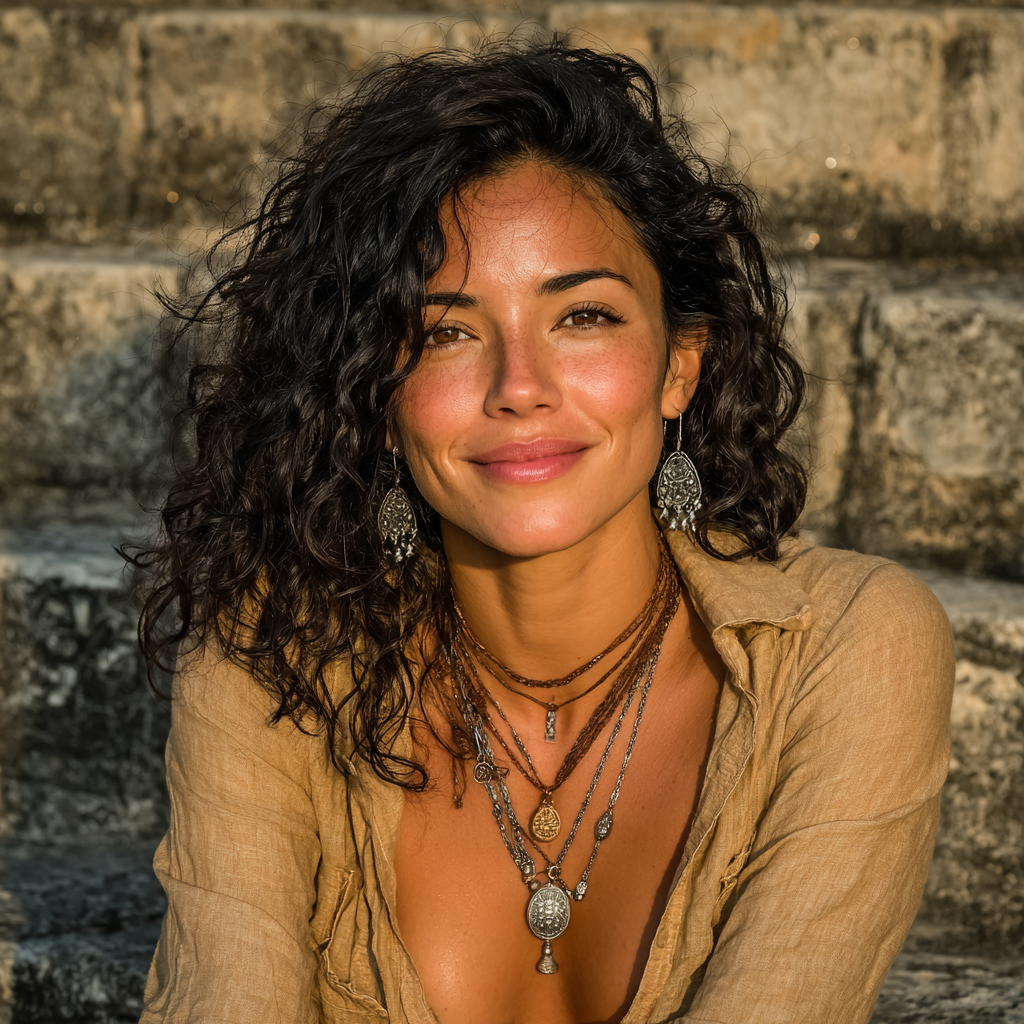
By Elena Vasquez
Cultural anthropologist and culinary storyteller. Elena spent a decade documenting traditional cooking methods across Latin America and the Mediterranean. She holds a PhD in Ethnography from Barcelona University and believes the best way to understand a place is through its kitchens and ancient streets.