
Tikal: Where the Jungle Eats the City and Howler Monkeys Set the Alarm
The howler monkeys start at 4:30 in the morning. If you are staying inside the park, their guttural roar rolls through the canopy like a warning siren. It is not a gentle wake-up call. It is a territorial broadcast that has been running for two thousand years, long before the first tourists arrived. By 5:00 AM the spider monkeys are crashing through the branches overhead, and the coatis have already worked out which rooms at the campground leave fruit on the windowsill. Tikal is not a museum. It is a functioning ecosystem that happens to contain one of the most important archaeological cities in the Americas, and the way you visit determines whether you are helping preserve it or accelerating its decline. I am a conservation biologist by training. I came for the ruins. I stay for the forest. This guide is how to do both without wrecking either.
The City in the Forest
The ruins cover 16 square kilometers of dense tropical forest in the Peten Basin, deep in northern Guatemala. Tikal was a Maya superpower from around 300 BC to 900 AD, with a population that peaked at an estimated 60,000 to 100,000 people — a city-state that waged war with Calakmul, married into Copan's royal line, and collapsed with the rest of the Classic Maya world around the tenth century. UNESCO inscribed Tikal National Park as a World Heritage Site in 1979, one of the first listings anywhere to recognize both cultural and natural value together, and the designation still fits: this is as much a wildlife reserve with ruins in it as an archaeological site with wildlife around it. What makes the site extraordinary is not just the scale of the stone temples but the fact that the jungle was never fully evicted. The city and the forest grew back together. Temple I, the 47-meter pyramid that dominates the Grand Plaza, was completely buried in vegetation when archaeologists reached it in the late 19th century. Temple IV, at 70 meters the tallest structure at the site, puts you above the tree line with nothing but green in every direction.
A few things to know before you walk in. The climbable structures are Temple II (the pyramid facing Temple I across the Grand Plaza), Temple IV at the far west of the site, and the Mundo Perdido ("Lost World") pyramid in the southwestern complex, all reached by wooden staircases bolted to the stone. Temple I itself — the tomb of Jasaw Chan K'awiil, who died around 734 AD — is closed to climbing to protect it. Beyond the headline pyramids, budget time for the North Acropolis, where generations of rulers were buried under stacked terraces, and the quieter Plaza of the Seven Temples on the east side, where you can stand in a courtyard that sees maybe one tourist for every fifty at the Grand Plaza. Plan on six to eight kilometers of walking on uneven limestone if you do the site properly. Bring binoculars. The wildlife does not wait for you to look up.
The Wildlife Is the Point
The species list is absurd for a site this visited. Black howler monkeys and spider monkeys are near-guaranteed sightings within a few hours. Keel-billed toucans, ocellated turkeys with their peacock-blue heads, and montezuma oropendolas are common along the main trails. Over 300 bird species have been recorded in the park, including the ornate hawk-eagle and the endangered orange-breasted falcon. If you are lucky, a jaguarundi will slink across the Mundo Perdido trail in front of you. You will almost certainly not see a jaguar. That is a good thing — it means they still have enough undisturbed forest to avoid you.
Tikal sits inside the Maya Biosphere Reserve, 2.1 million hectares of protected tropical forest that is one of the largest in Central America. It is also under constant pressure from illegal logging, cattle ranching, and the trafficking corridors that cut north toward the Mexican border. Your entrance fee funds the rangers who patrol it. This is not abstract: the same forest that keeps the howlers loud keeps the archaeological looters out, because intact jungle is hard to dig in.
One rule overrides everything else: never feed the wildlife. The coatis that beg around the visitor center look charming and half-tame. They are not. Feeding them habituates them to humans, spreads disease, and ends with rangers having to destroy an animal that got aggressive. If a "guide" offers to call animals in with food, report them to park administration. That single behavior does more damage per tourist than anything else at Tikal, and it happens every day.
Tickets, Money, and the 2026 Rules
The standard foreigner entry is 150 quetzals, about $20 at the current rate of roughly Q7.7 to the US dollar. Children nine and under enter free but still need their passports as proof of age. The day ticket is valid from 6:00 AM to 6:00 PM, and you do not need a guide for standard hours. Guatemalan citizens pay Q25 and enter free on Sundays.
The ticketing system changed, and old guides get this wrong. Since 2023 there is an official online platform (search "boletos Tikal" — the Ministry of Culture and Sports system) where you can buy every ticket type in advance and receive a QR confirmation by email. Print it or screenshot it; there is little reception at the gate. You can also buy in person at Banrural and Bantrab bank branches nationwide — cash in quetzales only, passport required — including a Banrural at the Metroplaza Mundo Maya mall in Santa Elena across the causeway from Flores, open until 7:00 PM. Buy at the park entrance gate if you must, but never from touts on shuttle buses or in Flores streets: fake tickets are common and there are no refunds.
If you want sunrise or sunset, the math is different. You need three things: the day ticket (Q150), a sunrise or sunset extension (Q100 each, children nine and under free), and a certified guide — park authorities will not let anyone into the ruins before 6:00 AM or after 6:00 PM without one, full stop. Sunrise tickets cannot be bought on the day. The realistic total is Q150 + Q100 + about Q250 per person for a group guide, so budget Q500, roughly $65, all in. Sunrise tours leave Flores around 4:00 AM, walk Temple IV in the dark with headlamps, and deliver you above the canopy as the mist burns off. Sunset runs from the Lost World pyramid. Both are worth it once. The standard-day ticket, spread over two unhurried days, is worth it more.
The two small site museums — the Sylvanus G. Morley ceramics museum and the Stelae Museum near the visitor center — cost Q30 extra and are worth it if rain interrupts your day. Camping at the park campground runs Q50 per person per day; bring your own hammock or tent, rent a hammock with mosquito net if available, and douse yourself in repellent either way.
Getting There and Around
Nearly everyone bases in Flores, the island town on Lake Peten Itza, 65 kilometers south of the ruins. The gateway airport is Mundo Maya International (FRS) in Santa Elena, ten minutes by tuk-tuk or taxi from the island — negotiate Q30 to Q40 before you get in, as nothing runs on meters. TAG Airlines and Avianca fly Guatemala City to Flores in about 50 minutes; one-way fares run $80 to $150 depending on season, $150 to $220 round trip, and booking two months out matters in high season. The overland alternative from Guatemala City is the overnight bus, Q150 to Q200, nine to ten hours on winding highland roads, departing Zone 1 in the early morning and around 9:00 PM. It is reliable, cheap, and not remotely restful.
The Flores-to-Tikal shuttle is the workhorse: Q60 to Q80 round trip per person on shared minibuses that leave the island from around 6:00 AM and take 90 minutes to two hours on paved roads. Book through your hotel or any agency on the island the afternoon before. A private transfer runs Q400 to Q600 one way and only makes sense for groups of four or more, or if you are combining Tikal with Uaxactun in a day. If you are continuing overland after Tikal, the Flores to Semuc Champey shuttle leaves daily at 8:00 AM, costs Q300, and takes eight hours to Lanquin.
Once inside the park there is no transport — walking only. From the entrance gate it is a 15-minute walk to the visitor center complex and another 20 to the Grand Plaza. In Flores itself everything is on foot; the tuk-tuks that circle the island charge about Q5 for hops across the causeway to Santa Elena, where the bus terminal, Metroplaza mall, and cheaper comedores are.
Where to Stay
Inside the park. Three lodges sit within the boundaries: the Jungle Lodge (the "hostal" block from around $66, rooms with shared baths, plus a pool and restaurant), the Tikal Inn, and the Jaguar Inn, with doubles generally $60 to $120. The in-park advantage is real — you are at the gate when the howlers start, you can break the day in two with a pool swim, and sunrise tours from here cost less because there is no 4:00 AM shuttle. The disadvantages are equally real: mediocre food at captive prices, thin Wi-Fi, patchy power, and no alternatives. Inside the park makes sense for exactly one night, bracketed by a sunrise and a full day.
Flores island. For most travelers this is the right base. The island packs over 100 hostels, guesthouses, and small hotels into a few walkable streets. Dorm beds run $10 to $20; clean double rooms with air conditioning and private bath go for $20 to $40 at places like Hotel Petenchel near the shuttle stop; mid-range lakefront options like Hotel Casazul run $60 to $100 with sunset terraces. Los Amigos is the long-standing social hub for backpackers, and Hotel Peten Express Tikal combines lake views, a pool, and included breakfast at dorm prices. The island has ATMs, a growing restaurant scene, kayak rentals on the lake, and every tour agency you need. Take the island's one lakeside promenade at sunset at least once. One warning: lake swimming from the island shoreline is fine for a cooling dip, but the cleaner entry points are the hotel docks and the designated spots west of the causeway, not the murkier water near the boat ramps.
El Remate and the lakes. If the island feels too touristy, the lakeside villages east of the airport — El Remate and San Miguel — offer quieter, greener bases 20 to 30 minutes closer to Tikal. Alice Guesthouse in El Remate runs dorms from $12 and doubles around $44 with a fire pit and treetop lookout. Hotel Mon Ami offers private bungalows from $20 to $25 with its own dock and beach. Hotel Gringo Perdido at $78 includes both breakfast and dinner and sits on the lake in hammock-strung isolation. The trade-off is simple: fewer restaurants, and you need your lodge to arrange the Tikal shuttle.
When to Come
November through April is the dry season and the comfortable window — sunny days around 30 to 35 degrees Celsius, trails firm, mornings clear. May through October is wet: afternoon downpours, slick limestone, mosquitoes carrying dengue, and genuinely miserable midday humidity. The park stays open and the forest is at its lushest, but sunrise views are a gamble in rainy season because dawn cloud cover is common. If you come in the wet months, plan two dawn attempts and treat any clear one as a gift. The sweetest weeks are late November and February: post-rain greenery, dry trails, and thinner crowds than the December-to-January holiday peak. Avoid Semana Santa (Easter week) and the mid-year school holidays unless you enjoy sharing temples with half of Guatemala City.
The Honest Math
Guatemala is the cheapest country in Central America, and the Peten is cheaper than Antigua. Per person per day excluding international flights: a backpacker sharing shuttles, sleeping in Flores dorms or the campground, and self-catering can do Tikal on $35 to $55. A mid-range traveler with a private Flores double room, restaurant meals, the standard park day plus a guided sunrise, comes in at $90 to $140. A comfort traveler with an in-park lodge, private transfers, and a Uaxactun add-on should budget $220 to $350. The big variables are the sunrise tour (about $65 all-in), flights versus the overnight bus from Guatemala City (a $100-plus swing each way), and how many days you give the site. Two full days plus a sunrise is the sweet spot.
Carry quetzales in small bills. Cards work at Flores hotels and restaurants but nowhere reliable inside the park — the one ATM at the visitor complex has fluctuating availability, so treat it as a bonus, not a plan. Tipping 10 percent is expected in restaurants. And buy your water and snacks in Flores, not at the park gate, where prices roughly double.
Uaxactun and the Longer Game
If you have a second day and any curiosity about what Tikal felt like before the tour buses, go to Uaxactun. It is a smaller, older Maya site 23 kilometers north on a rough dirt road, and its early-Classic architecture is among the most intact in the Maya world. The Q50 road-access ticket is bought in addition to your Tikal entry, and you need a private driver or an organized tour because there is no public transport. It sees a fraction of Tikal's visitors. The same forest, the same birds, a fraction of the footsteps. For the truly committed, the five-to-six-day El Mirador trek departs from Flores with mule support and runs around Q400 in park fees alone — the largest known Maya pyramid by volume, La Danta, rising out of almost untouched jungle. But that is a different guide. Start with Tikal, done properly.
What to Skip
Skip the sunset crowds that pile onto Temple II. The behavior is poor, the tripods multiply, and the view is not significantly better than what you get from the Lost World pyramid on a guided sunset ticket or from the Grand Plaza at golden hour. Skip the souvenir vendors inside the park selling carved masks and replica stelae — the wood is rarely from sustainable sources and the "handicrafts" are often mass-produced in Guatemala City. Buy directly from certified artisan cooperatives in Flores instead. Skip the horseback rides offered near the park boundary; the horses are poorly kept and the trails cut through sensitive forest outside the management plan. Skip anyone selling discounted tickets anywhere but the official platform, a bank branch, or the gate — fake bracelets are a known scam. Skip the idea that one day is enough. Tikal is large, hot, and layered; one day gets you the postcards, two days gets you the place. And skip feeding the coatis, no matter how politely they beg.
The Forest Keeps the Records
The final thing to understand about Tikal is that it is not a finished story. LIDAR surveys have mapped thousands of previously unknown structures under the forest canopy, and the work continues — the city was far larger than anyone walking the plazas ever guessed. Every year the forest reclaims a little of what the archaeologists cleared. Ceiba trees push through limestone foundations. Strangler figs wrap the stelae in their roots. The howler monkeys do not care about the Classic Maya collapse; they are not a backdrop for your photographs. They are the current residents, and they were here first. Treat the place like a living neighborhood, not a theme park — buy the real tickets, carry your trash out, keep your snacks sealed, and hire the licensed guides. That is the deal. The forest holds up its end every single dawn.
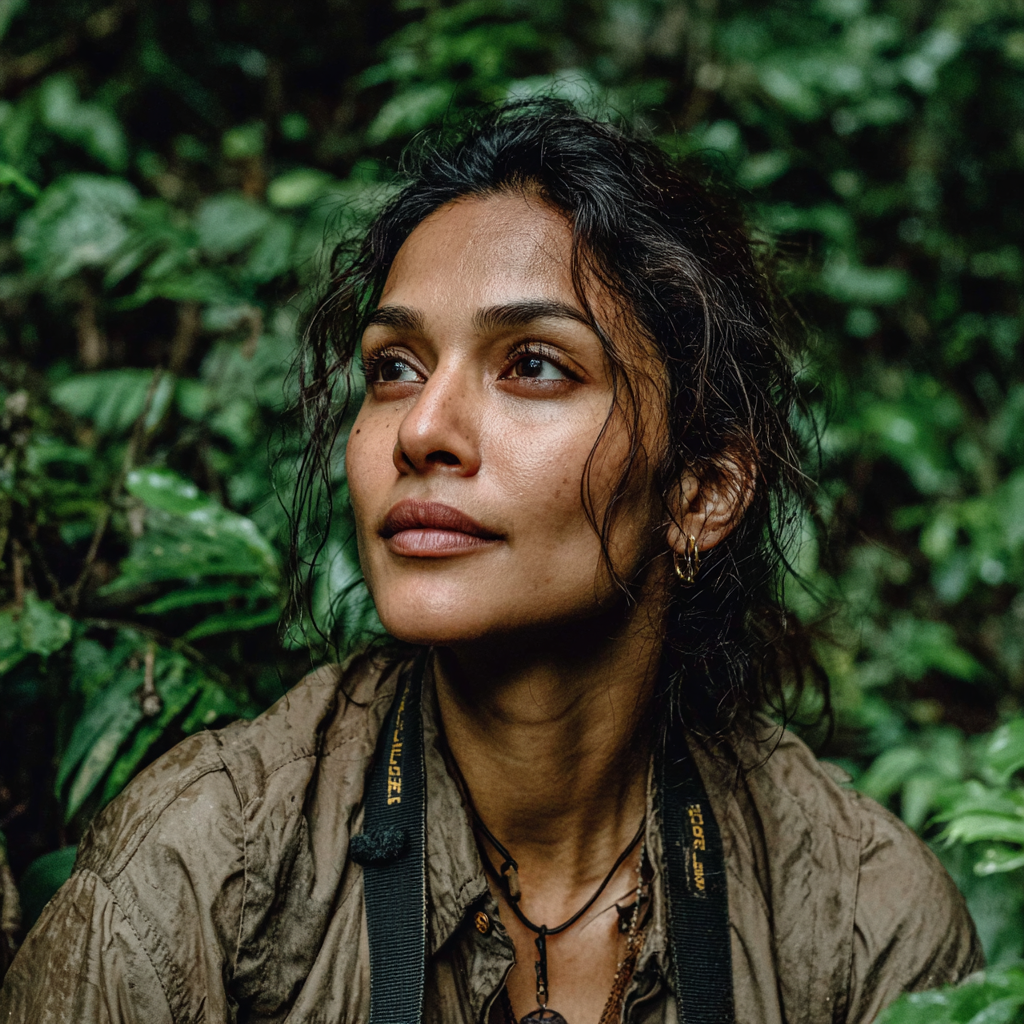
By Priya Sharma
Conservation biologist and sustainable tourism advocate. Priya works with eco-lodges and wildlife sanctuaries to promote ethical travel practices. She holds an MSc in Biodiversity Conservation and has spent years tracking endangered species across the Indian subcontinent.