
I've inspected 340 luxury hotels across 40 countries. Santorini is the only place where I've checked into a €1,200/night suite, sat on the terrace with my clipboard, and thought: This would be a lot nicer if there weren't 10,000 people standing on that cliff over there.
And yet — I keep coming back. Because when you get it right, when you time it right, when you stay in the right room and eat at the right table away from the crowds, Santorini delivers a geological spectacle that exists nowhere else on earth. A 300-meter cliff of volcanic ash and pumice, painted white, dropped into a sapphire caldera. It's not overrated because it's bad. It's overrated because most people experience it wrong.
This is how to experience it right.
Entry Formalities: The New Schengen Reality
Greece is fully inside the Schengen Area, and 2026 changed how you enter it. Here's the current state of play:
- Visa-free 90/180: US, UK, Canadian, Australian, Japanese, and 50+ other nationalities enter visa-free for 90 days in any rolling 180 — counted across all Schengen countries, not per country. Don't try the "Greece doesn't count my Spain days" trick; that's how bans happen.
- EES is live: The Entry/Exit System replaced passport stamps at every Schengen external border on April 10, 2026. Expect fingerprint scans and facial recognition on arrival and departure. Your days are now counted by a computer, not a friendly officer with a stamp.
- ETIAS is coming: The European Travel Information and Authorisation System launches Q4 2026 (€20 for ages 18–70, free under 18 and over 70, valid three years). It's an ESTA-style pre-authorization, not a visa. If it goes live before your trip and you don't have it, the airline won't board you. Check travel-europe.europa.eu/etias before booking.
- Passport: Must be valid at least 3 months beyond your departure date, issued within the last 10 years.
- Onward proof: Airlines and border officers can ask for a return ticket and proof of funds (formally €50/day). Have both handy in your inbox.
- Insurance: Not mandatory for visa-exempt nationals, but a luxury trip without medical cover is a bet I wouldn't take. Get a policy with at least €30,000 medical coverage.
The Inspection Doctrine
Most guides tell you where to go. I'm telling you where to base yourself, because on this island, that decision determines everything.
Caldera-side (Imerovigli, Oia, Fira, Firostefani) is what you flew here for. The vertigo view, the white infinity pools hanging over the abyss, the sunset from your private terrace. You're paying 40-60% more for the same room quality — and it's worth it once. If this is your first time and your budget allows, stay caldera-side for at least 3 nights.
Beach-side (Perivolos, Kamari) is where the sand is black, the umbrellas are orderly, and the prices drop 30-50%. You're trading the postcard for actual relaxation. The water is cleaner, the restaurants are better value, and you can still drive to Oia for sunset.
Inland (Pyrgos, Megalochori, Exo Gonia) is the insider move. Boutique cave hotels at half the caldera price, tavernas where locals actually eat, and a 10-minute drive to either coast. Pyrgos, the former capital, sits at the island's highest point — you get a 360-degree panorama that beats Oia's one-directional sunset.
My prescription: Split your stay. Three nights caldera-side for the drama, two nights inland or beachside for the reality. If you can only stay in one place, make it Imerovigli — it's the quiet shoulder between tourist-heavy Fira and selfie-saturated Oia, with the widest caldera views on the island.
Where to Stay: The Inspector's Shortlist
I've slept in most of the island's serious hotels. Here's where your money actually converts to experience.
Grace Hotel Santorini, Auberge Resorts Collection (Imerovigli) — Still the gold standard for the "classic Santorini" fantasy. Champagne-hour infinity pool, 363-degree caldera views, service that anticipates rather than reacts. The champagne lounge at sunset is the island's best hotel ritual. From ~€1,200/night in shoulder season; suites with private plunge pools run €2,500-3,500 in peak. Book 6+ months out for June-September.
Canaves Oia Suites (Oia Main Road, 84702) — The original luxury cave suites, carved into the caldera cliff. Suites here start around €600-900; the upper suites with private infinity pools hit €1,500+. The Sunday brunch is the best hotel breakfast on the island. Avoid July-August unless you enjoy sharing your infinity pool view with a cruise-ship audience of 8,000.
Vedema, a Luxury Collection Resort (Megalochohri 84700) — My contrarian pick. A 15th-century winery converted into suites around a central courtyard, no caldera view but authentic Cycladic bones. From ~€400-800/night, and the attached Alati restaurant serves the best hotel Greek food I've had on the island. This is where you stay when you want Santorini without the theme park.
Perivolas (Oia 84702) — The minimalist's choice. Cave suites stripped to whitewashed curves, a famous infinity pool that appears to pour into the caldera, no TVs, no clocks. From ~€700/night, suites €1,200-1,600. It's aggressively serene — some find it sterile, I find it medicinal.
Cavo Tagoo (Tagoo, Mykonos-style design transplanted to Fira's outskirts) — Flashy, pool-suite-heavy, popular with a younger luxury crowd. From ~€700/night. The cave pool suites are the ones to book; skip the standard rooms, which are forgettable.
Booking tactics: Book direct for upgrades — the hotel's own site or a phone call beats OTA rates on suites. Shoulder season (May, late September-October) drops rates 30-40% and doubles availability. Never book a "caldera view" room without a photo of the actual view from that specific room; "partial caldera view" is hotel-speak for "crane and a sliver of water."
When to Come
Santorini's season has widened, but the sweet spots haven't moved.
- May and early June: The goldilocks window. Warm enough to swim (sea ~20°C), wildflowers on the caldera, hotel rates 30-40% below peak, and the cruise hordes haven't fully mobilized.
- Late September to mid-October: My personal pick. The sea is at its warmest (~23-24°C), the light turns honeyed, harvest is underway in the vineyards, and the crowds thin by half. Rates drop sharply after September 20.
- July-August: Only if you must. Temperatures hit 30-35°C, the caldera path is a conga line, and Oia's sunset becomes a mosh pit. If you come now, book everything — hotels, restaurants, ferries — 4-6 months out, and base yourself in Imerovigli or Pyrgos, not Oia.
- November-March: Most caldera hotels close. What remains open is atmospheric, empty, and genuinely local — Pyrgos tavernas keep their ovens lit — but ferry schedules shrink and weather is a coin flip. For inspectors only.
- Orthodox Easter (May 2, 2027 — the dates coincide with Western Easter in 2028, April 16): The island's biggest weekend. Fireworks over Pyrgos, roasted lamb in every courtyard, and zero availability anywhere. Book a year out, or skip it entirely.
One 2026 development in your favor: Santorini is now officially classified by the Greek government as a "saturated zone" (May 2026 Spatial Framework). New hotel construction faces strict bed caps, no building within 25 meters of the coastline, and no new structures on protected beaches. The island you visit now is, blessedly, the most developed it will ever be.
Eating Without Regret
Santorini's restaurant scene has a dirty secret: most caldera-view restaurants serve mediocre food at premium prices because they don't need to try. The good news — the island's actual best tables are hiding in plain sight.
The splurge: Selene (Katikies Garden Hotel, Fira Town, 84700; +30 22860 22249) — Santorini's most decorated kitchen, now Michelin-starred under chef Ettore Botrini, set in the candlelit courtyard of an 18th-century Catholic monastery. The tasting menu maps the island's volcanic terroir through 12+ courses — fava with caper leaves, smoked eggplant, tomato fritters deconstructed. ~€220-240 with wine pairings pushing €350. Dress code: smart. Book 2-4 weeks out in season.
The local favorite: Metaxi Mas (Exo Gonia 84700, +30 22860 31312) — The taverna that every islander will recommend if you promise not to tell the tourists. Slow-roasted lamb, fava with caramelized onions, grilled octopus that tastes like it was caught an hour ago (it was). €35-45/person with house wine. Reservations essential after 7 PM. This is the meal you'll describe to friends back home.
The caldera-view exception: Lycabettus (Oia) — The one cliff-side restaurant where the food matches the view. A wooden platform suspended over the caldera, tables spaced like a chess board. Sunset seating requires the full tasting commitment (~€150-180/person). Come for a long lunch instead — same view, half the price, half the crowd.
The winery table: Domaine Sigalas (Baxes, Oia) — The terrace restaurant at the island's most serious estate serves grilled fish and island vegetables that belong in a much bigger city. Lunch here, tasting after, is the best food-and-wine pairing on Santorini. Mains €25-40.
The honest warning: That romantic dinner-at-sunset-with-a-view package your hotel is offering? €120-180/person for food that costs them €15 to produce. The sun sets at 8:15 PM in June and nobody clears the tables between seatings. Skip the package. Eat inland at 7 PM, watch the sunset from a free vantage point with a €10 glass of Assyrtiko in hand.
Budget reality check: A gyros pita at Lucky's in Fira (€4) or a bakery cheese pie (€3) will not ruin your luxury narrative. I eat both, between inspections, in a linen suit.
Drinking the Volcano
Santorini's Assyrtiko is one of the world's great white wines — grown in basket-trained vines coiled low to the ground like wreaths to survive the wind, rooted in volcanic ash that forces them to dig deep for water. The result is a wine with searing acidity and a saline mineral finish that tastes like the caldera looks. You cannot leave without tasting it properly.
Santo Wines (Pyrgos) — The island's cooperative, representing 1,200+ growers, with the largest caldera-edge terrace. In 2026: the 20-minute production tour is €12 (ends with two tastings), tasting flights run €18-55 depending on whether you add rare Vinotheque vintages, and a typical 4-wine flight with snacks lands around €45. Open roughly 9:00-22:00 daily, later on summer evenings. Honest take: the sunset here is a scrum July-September. Go at 11 AM, get the same wine, better service, and a terrace you can hear yourself think on.
Venetsanos (Megalochori, caldera side) — Built 1947, gravity-fed production cascading down the cliff before electricity reached the island. The engineering story alone justifies the €12-28 tastings, and the terrace rivals Santo's with a fraction of the buses. Golden light hits between 4-7 PM; sunset sessions book out days ahead in summer.
Domaine Sigalas (Baxes, Oia) — The critics' favorite; Robert Parker scores above 90 are routine. Flights €12-40; the premium vineyard-gastronomy experiences run €100-150 and are worth it for serious drinkers. Book 1-2 weeks ahead in season.
Estate Argyros (Episkopi Gonias) — The island's benchmark producer, family-run since 1903. Tastings €15-35. Their aged Vinsanto (sun-dried grape dessert wine, oak-matured) is the single best bottle to bring home. Pair with nearby Canava Roussos (€8-15 tastings, producing since 1836) for the most intimate cellar experience on the island.
Art Space (Exo Gonia) — A 300-year-old cave winery doubling as a contemporary art gallery. €10-20 tastings among the barrels and sculptures. The wine is decent; the atmosphere is unforgettable. Naturally cool on a 35°C August afternoon.
Organized route: Group tours hitting 3-4 wineries with transport run €45-80/person; private versions €80-150. Worth it if you don't want to navigate Santorini's narrow, crowded summer roads after three tastings. Going independently with a hired driver (€50-70 for a half day) gives you the most flexibility.
The purchase math: Buy at the winery door — Argyros and Sigalas bottles are 20-30% cheaper than in Fira shops. Pack 2-3 bottles in checked luggage wrapped in clothing; Fira wine shops sell bubble-wrap sleeves designed for exactly this.
What to Skip
1. The Oia sunset from the castle ramparts. Six thousand people, one hour of standing, one minute of sun. The same sun sets over the same caldera from Imerovigli's Skaros Rock with 60 people, from your hotel terrace with six, or from Santo Wines' terrace with a glass in hand. Oia at sunset in high season is a crowd-control exercise, not a travel memory.
2. Sunset dinner packages with mandatory minimums. €40-60/person minimums for a table wedged against a footpath with waiters hustling you out for the second seating. Eat earlier, watch from a wall, spend the difference on Selene.
3. Pre-paid island-hopping cruise packages booked online. The catamaran day-trips are genuinely lovely (caldera sailing, hot springs, grilled-seafood lunch, €130-180/person) — but booking through your hotel's concierge or a local operator in Fira's port area saves 20-30% over the same itinerary bought online. Book 2-3 days ahead on the island, after you've seen the weather forecast.
4. Santo Wines at sunset in July-August. I love Santo. But the 7-8:30 PM window transforms the terrace into a standing-room bar with camera tripods. The 11 AM visit is a different winery entirely — same wines, half the price in practice, and the staff has time to talk.
5. The donkey ride up from the Old Port. Yes, it's still offered. No, you shouldn't. The 587 steps (or the cable car, €10 one-way) treat the animals and your spine better.
6. "Caldera view guaranteed" rooms booked blind through aggregators. I've inspected rooms advertised as "breathtaking caldera views" where the actual view was a staircase and a satellite dish. If the view matters — and here, it does — book direct, request the specific room number in writing, and ask for a photo of the view from that room.
Honest Math: What a Week Actually Costs
Santorini is Greece's most expensive island — full stop. The volcanic soil grows vines and tomatoes, not cheap anything. Here's the real arithmetic for 2026:
The view-tax tier (caldera hotel, fine dining, private transfers): €800-1,200/day for two. Suite €700-1,200, dinners €150-250, wine tastings €60-120, car+driver or ATV €80-150. A week: €6,000-9,000.
The smart-luxury tier (inland boutique + one caldera splurge night): €400-600/day for two. Cave hotel €300-500, dinners at Metaxi Mas and winery terraces €80-120 total, tastings €40-60, rental car €45-60/day. A week: €3,000-4,500.
The don't-try-this tier (budget travel in peak season): Technically possible at €120-180/day, but you'd be fighting for €100 hostel beds and queueing for everything, on an island architecturally designed for honeymoons. If budget is the constraint, come in October, or go to Naxos instead and day-trip here.
Currency is the euro. Cards are accepted everywhere worth going, but small tavernas in inland villages still prefer cash — carry €200-300. Tipping: round up at tavernas, 5-10% at fine dining. VAT is included in menu prices by law; if a restaurant adds a "service charge" on top, dispute it — that's not how Greece works.
Small Print: The Inspector's Notebook
Getting around: Rent a car (€45-80/day, book early for summer) or an ATV (€35-50/day, more fun, less safe). The island is 18km long — everything is 25 minutes away, except in August when it's 50. Taxis are scarce (literally ~40 on the island); your hotel can pre-book, but don't rely on hailing one. The local bus (KTEL) connects Fira-Oia-Kamari-Perissa for €1.80-2.50 and runs reliably, packed with a cheerful chaos in season.
The cruise reality: Santorini now enforces a hard cap of 8,000 cruise passengers per day (introduced 2025, tightened for 2026 with ships counted at 100% occupancy), plus a €20/person peak-season cruise levy (June-September; €12 shoulder, €4 off-peak). If you're visiting by cruise, book any independent tour for 90 minutes after scheduled arrival — the tender-plus-cable-car bottleneck eats the first hour. If you're staying on the island, check the port schedule at santoriniports.gov.gr before planning your Oia day: two-ship mornings mean 5,000 extra people on those lanes.
The caldera path: The 10km Fira-to-Oia cliff walk is the island's best free experience. Start at 7:30 AM (before the heat and the crowds), bring 2 liters of water, and budget 3-4 hours with photo stops. The section through Imerovigli and past Skaros Rock is the dramatic peak. No shade, no water fountains, no shortcuts — respect it.
Akrotiri (€12, Tue-Sun 8:00-20:00 in summer, closed Mondays) — The Minoan city preserved in volcanic ash for 3,600 years, opened in sections with roofs and walkways. It's the single most underrated site in Greece. Give it two hours. Combine with the nearby Red Beach (park at Akrotiri and walk 10 minutes — the cliff parking is a scam and a landslide risk) and lunch at a taverna in the village of Akrotiri itself.
Museums: The Museum of Prehistoric Thera in Fira (€6) houses the Akrotiri frescoes and is the essential companion to the site. The Lost Atlantis Experience (€12, Megalochori) is a fun, shamelessly commercial 3D interpretation of the Minoan eruption theory — go on a windy day when the beach is pointless.
The small laws: Drone flights over the caldera settlements are restricted — you'll need permits or you'll meet the local police. It's illegal to paint your house any color but white (or a specific range of earth tones) in the traditional settlements — that's why Oia photographs so consistently. This isn't a styling choice; it's zoning law with a 60-year head start on Instagram.
What I pack: Linen everything. The wind is constant, the sun is perpendicular, and the steps are medieval — leave the heels, bring real walking sandals. A light jacket for evening (the meltemi wind drops the temperature fast after sunset). And a corkscrew, for the Argyros Vinsanto you'll smuggle home.
How to Get Here (and Away)
Flights: Athens to Santorini (JTR) is 45 minutes, €80-250 depending on how far ahead you book. Direct summer flights from most major European cities run May-October; from further afield, connect through Athens. Book 3+ months out for reasonable fares. The airport is 10 minutes from Fira by taxi (€20-25, pre-arrange) or bus (€1.80).
Ferries: The classic approach. Blue Star Ferries from Piraeus (Athens) take 7-8 hours — book a business-class airplane seat (€50-65, or super-economy from €20-25 if you book 2+ months out) and treat it as a slow, glorious entrance. Seajets high-speed catamarans do it in 4.5-5 hours (€90-120) but bounce around in August meltemi winds; if you're prone to seasickness, take the big slow boat. Book at least 2-3 weeks ahead for summer sailings — the good cabins go fast. Ferryhopper and the operators' own sites both work; prices are the same.
The departure tax: None currently for air passengers departing Santorini (Greece folded it into tickets years ago). If a "local tax" line item appears on a third-party booking, it's fabricated.
The Inspector's Verdict: Santorini is not overrated. Bad Santorini is overrated — and bad Santorini is what you get when you follow the cruise-ship crowd, book the view-blind package, and eat where the view is the chef. Take the inspector's route: sleep on the caldera but dine inland, taste the volcano properly, walk the path before the crowds wake up, and let Oia keep its sunset to itself. The island rewards the picky. Be picky.
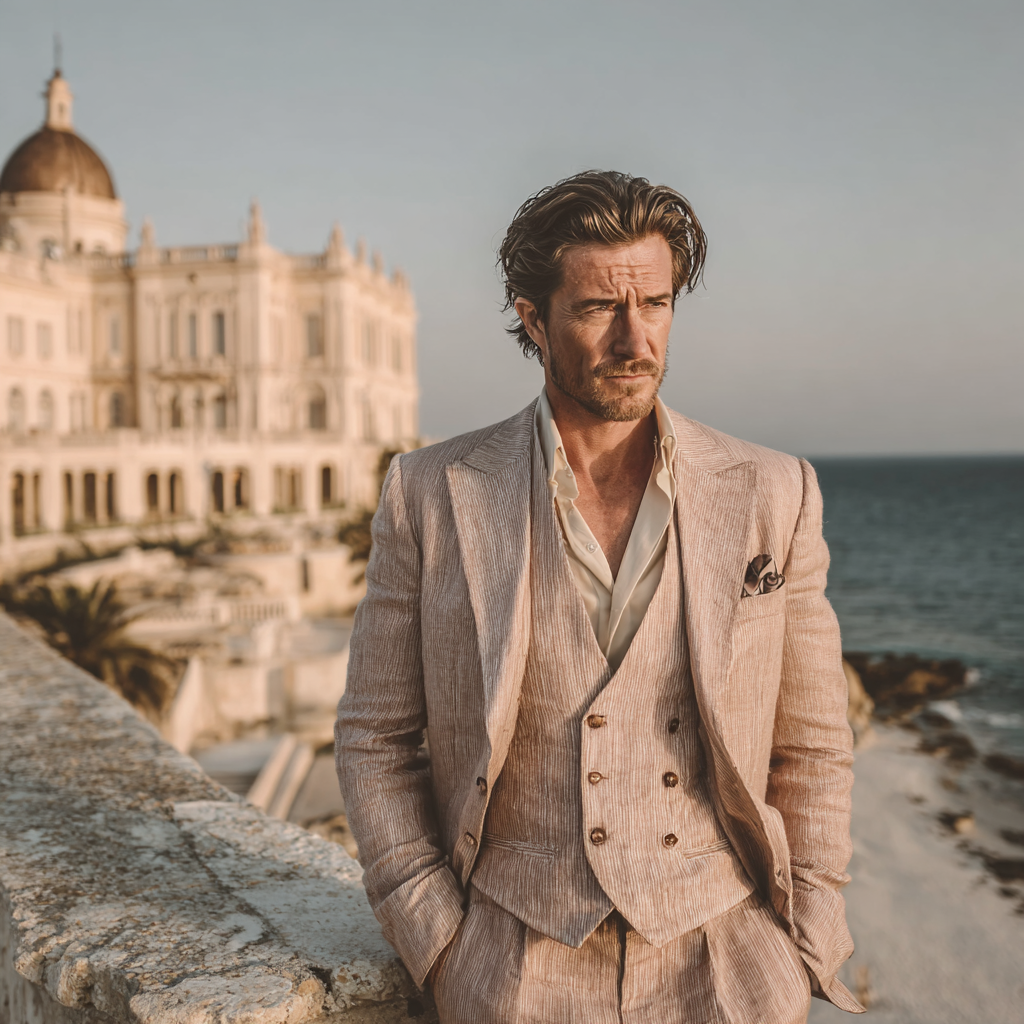
By Leo Novak
Luxury hospitality critic and former hotel inspector. Leo has slept in over 500 five-star properties across 40 countries. He notices the thread count, sure—but more importantly, he notices whether the staff remember your name and if the concierge actually knows the city.