
Meteora: Where Hermits Built Monasteries in the Sky
About This Guide
I'm Elena Vasquez, and I came to Meteora expecting postcard views. I left with something far heavier: the understanding that human beings once climbed 600-meter sandstone pillars with nothing but rope nets and faith. This guide is for travelers who want more than a checklist of monasteries. I've spent time in the kitchens of family tavernas in Kastraki, hiked the hermit trails at dawn, and sat with monks who remember when the only way up was a wooden ladder that could be pulled away at will. Meteora is not just a UNESCO site. It is a monument to what people will endure to be left alone.
What You Need to Know First
Meteora means "suspended in the air" in Greek, and the name is not metaphor. Twenty-four monolithic pillars of sandstone and conglomerate rise from the Thessalian plain near the town of Kalambaka, and perched on their summits — some over 600 meters high — are six active Orthodox monasteries that have survived wars, occupations, and centuries of isolation.
The rocks themselves are geologically ancient, formed roughly 25 million years ago when the region was seabed. Tectonic shifts pushed the land upward, and millions of years of wind and water erosion carved the softer material away, leaving these impossible towers behind. The first hermits arrived in the 9th or 10th century, climbing the pillars with bare hands and living in caves. By the 14th century, organized monastic communities had formed, and at Meteora's peak in the 15th–17th centuries, over thirty monasteries existed here. Today, only six remain active.
The area is a UNESCO World Heritage Site and one of the most important Orthodox monastic centers in the world. But what makes Meteora truly unforgettable is not just the architecture — it is the physical reality of what the monks accomplished. Until the 1920s, the only way to reach most monasteries was by rope ladders, nets, and wicker baskets hoisted by hand. Even building materials had to be hauled up this way. The steps and bridges you will climb today were carved into the rock in the 1920s, making the monasteries accessible for the first time in roughly 600 years.
The Hermit Story: Why the Rocks Matter
Before there were monasteries, there were caves. The earliest hermits who came to Meteora were not building anything. They were escaping — from Ottoman raids, from political turmoil, from the world itself. Historical records suggest the first ascetics arrived in the 9th or 10th century, though local tradition pushes the date even earlier. These men climbed the pillars using nothing but cracks and ledges, hauling up minimal supplies, and lived in natural cavities in the rock.
By the 11th and 12th centuries, the hermits had formed a loose community. They built a small church dedicated to the Virgin Mary — the Kyriako, or "Sunday church" — where they gathered for communal worship. This was the beginning of organized monastic life at Meteora. But the real transformation came in the 14th century, when Saint Athanasios the Meteorite climbed the highest pillar and founded the Holy Monastery of the Transfiguration, now known as Great Meteoron. He was followed by other monastic founders, and over the next three centuries, the peak of Meteora's spiritual and architectural achievement took shape.
The monks built using the only materials available: stone, wood, and faith. Everything — from timber beams to water barrels to food supplies — had to be hauled up in nets and baskets. The Monastery of Varlaam still preserves the original net and winch system in its tower, a visceral reminder of how precarious life was. When the monks needed to ascend or descend, they entered a wicker basket suspended from a rope and were winched up by their brothers above. This system remained in use until the 1920s, when the first carved staircases were constructed.
The hermit caves of Badovas, near Kastraki, are still visible today. A cluster of small chapels and shelters built into rock cavities, this was where the last true hermits of Meteora lived — monks who chose the most isolated caves rather than the communal monasteries. Visiting Badovas gives you a sense of what the earliest ascetics experienced: total solitude, exposure to the elements, and a deliberate removal from every human comfort.
The Six Active Monasteries: What to See and How to Visit
All six active monasteries charge an entry fee of €5 per person, payable in cash only at the entrance. There are no combined tickets — you pay at each monastery separately. Each monastery also has its own closing day, so plan your route accordingly.
Great Meteoron (Megalo Meteoro)
The largest and oldest of the monasteries, founded by Saint Athanasios in the mid-14th century. The monastery complex is extensive, with multiple courtyards, chapels, and a remarkable library that holds one of the richest collections of manuscripts and religious texts in Greece — including classical works by Homer, Sophocles, and Aristotle alongside Byzantine religious writings.
The main cathedral, or Katholikon, contains exceptional 16th-century frescoes, and the Ecclesiastical Museum displays historical codices and icons of significant value. The Sacristy and the Hall of Colored Historical Lithography are also worth your time. But the real reward is the summit terrace, which offers the most panoramic view in all of Meteora.
Hours: Summer (Apr–Oct): 09:00–17:00; Winter (Nov–Mar): 09:00–14:00. Closed Tuesdays.
Varlaam
The second-largest monastery, founded in the 14th century by the ascetic monk Hosios Varlaam, who lived in a cave on the rock before any construction began. In 1541, the brothers Theophanes and Nectarios built the main church and renovated the entire complex. The wall paintings are attributed to Frangos Catelanos, one of the finest hagiographers of the period.
Varlaam's tower contains the original net and winch mechanism used to haul monks and supplies up the rock. The 16th-century oak water barrel in the courtyard is another highlight — it was carved from a single tree trunk and held the monastery's water supply. The old refectory has been converted into a museum with a collection of Renaissance-era painted icons and priestly vestments.
Hours: Summer: 09:00–16:00; Winter: 09:00–14:00. Closed Fridays.
Rousanou (Agia Varvara)
Perched on a slender pillar with dramatic views, Rousanou is one of the most photographed monasteries in Meteora — and with good reason. The approach bridge and the monastery's position on a narrow rock formation make it visually striking. It is also one of two active female monasteries.
The interior is smaller than Great Meteoron or Varlaam, but the frescoes are well-preserved and the atmosphere is more intimate. The nuns here are known for their hospitality and will often answer questions about monastic life.
Hours: Summer: 09:00–17:00; Winter: 09:00–14:00. Closed Wednesdays.
Holy Trinity (Agia Triada)
The most difficult monastery to reach, requiring a steep climb up rock-hewn stairs cut into the cliff face. It was founded in the 15th century and is famous for its inclusion in the 1981 James Bond film For Your Eyes Only — though the monastery itself predates Hollywood by half a millennium.
The main church was built in the 15th century, with frescoes added in 1741 by the brothers Antonios and Nicolaos. The chapel of Timios Stavros, a tiny circular rock-hewn church with wall paintings from 1682, is one of the hidden gems here. The setting is spectacular: the monastery occupies one of the most dramatic rocks in the entire complex, and the view from the terrace is worth the climb.
Hours: Summer: 09:00–17:00; Winter: 09:00–14:00. Closed Thursdays.
Agios Stefanos
The most accessible monastery — you simply cross a small bridge to reach the entrance. Founded around 1400, this is the other active female monastery. The old Catholikon was rebuilt in 1545 with wall paintings by priest Ioannis from Stagoi, while the newer Catholikon of Agios Charalambos was built in 1798.
Agios Stefanos suffered damage during World War II and the Greek Civil War, and was abandoned for a period before being re-inhabited by nuns in 1961. The monastery has a small museum with religious vestments and objects, and the nuns sell handmade embroideries. The views over the Thessalian plain and the Pindus mountain range are exceptional.
Hours: Summer: 09:30–13:30 and 15:30–17:30; Winter: 09:00–14:00. Closed Mondays.
Agios Nikolaos Anapausas
Built on a lower rock than the others, this monastery is often overlooked by visitors rushing to the higher-profile sites — which is a mistake. The main church contains remarkable frescoes by the famous 16th-century Cretan painter Theophanes Strelitzas, who also worked at Mount Athos. The intimacy of the space and the quality of the wall paintings make this one of the most spiritually affecting monasteries in Meteora.
Hours: Summer: 09:00–16:00; Winter: 09:00–14:00. Closed Fridays.
The Hiking Trails: Meteora Without the Tour Bus
If you only visit the monasteries by car, you will see Meteora's architecture but miss its soul. The hiking trails that connect the pillars and wind through the forests at their base are where the landscape reveals itself. You will walk through oak and pine forest, past abandoned hermitages, and along paths that monks have used for a thousand years.
The most rewarding trail starts from Kastraki village and follows a marked path through the foothills, passing the Badovas hermit caves before ascending toward the monasteries. This route takes roughly 3–4 hours at a moderate pace and covers most of the active monasteries while avoiding the main road. The trail is well-marked but includes some steep sections and loose rock — proper hiking shoes are essential.
A shorter alternative is the trail from Kalambaka to Agios Nikolaos Anapausas and onward to Varlaam, which takes about 2 hours and offers excellent views of the rock formations without the full commitment of the longer hike.
For experienced hikers, the path to the summit of the Agia rock (unmonasteried) provides a 360-degree panorama of the entire Meteora complex and the Thessalian plain beyond. This is an unmarked scramble in sections and should only be attempted by confident hikers with appropriate footwear and water.
Practical note: Summer temperatures in Thessaly can exceed 35°C (95°F). Start hikes early — 07:00 is ideal — and carry at least 2 liters of water. There are no water sources on the trails.
Where to Eat: Tavernas That Have Earned Their Reputation
Kalambaka and Kastraki are not culinary destinations in the way that Thessaloniki or Athens are, but the best tavernas here serve honest, unpretentious mountain food made by families who have been cooking the same dishes for generations. The cuisine is rooted in Thessalian tradition: slow-cooked meats, fresh cheeses from local shepherds, wild greens (horta) foraged from the hillsides, and pies made with handmade filo pastry.
Stefanos Meteora Tavern
Address: Main street, Kastraki 422 00, Greece Price: ~€15–20 per person
Family-owned since 1998, this taverna is where locals eat when they want a proper meal. The interior is simple — wooden tables, checked tablecloths, photographs of the family with monks and climbers — but the food is the reason you come. The slow-cooked goat in tomato sauce (katsikaki kokkinisto) is exceptional, falling off the bone after hours in the oven. The grilled feta wrapped in filo with honey and sesame is a textbook example of why this dish became a Greek classic. The house wine is rough, local, and exactly right.
Meteora Restaurant
Address: Trikalon 2, Kalambaka 422 00, Greece Price: ~€20 per person
Located in Kalambaka proper, this is a larger, more established restaurant that has been serving visitors for decades. The menu is broader than the village tavernas — expect souvlaki, moussaka, stuffed vegetables (gemista), and a selection of mezedes. The portions are generous, the service is efficient, and it is a reliable choice if you want a full meal after a day of monastery climbing. The outdoor seating in summer is pleasant, though it fills quickly with tour groups.
Valia Calda
Address: Trikalon 91, Kalambaka 422 00, Greece Price: ~€18–25 per person
Named after the Valia Calda National Park to the north, this restaurant specializes in game meats and mountain cuisine. The wild boar stew (afelia) and the rabbit in wine sauce are standouts, and the cheese selection includes local graviera and feta that you will not find in supermarkets. The interior is rustic, with stone walls and wooden beams, and the atmosphere is quieter than the more tourist-oriented spots on the main road.
Panellinio
Address: Central Square, Kalambaka 422 00, Greece Price: ~€12–18 per person
Located on Kalambaka's main square, Panellinio is the kind of place where you sit with a coffee and watch the town go by. The food is straightforward — grilled meats, Greek salads, fresh bread — but the location makes it ideal for a relaxed lunch or an evening drink. The baklava here is worth the calories.
What to Order
- Horta: Wild greens boiled and dressed with olive oil and lemon. The specific greens change with the season.
- Spanakopita: Spinach pie with handmade filo. Look for versions with wild greens mixed in.
- Kokoretsi: Spiced lamb offal wrapped in intestine and roasted on a spit. Not for everyone, but a true local specialty.
- Bougatsa: A breakfast pastry of filo filled with sweet semolina custard or savory cheese. Available at bakeries in Kalambaka — Mekras is a reliable choice.
- Tsipouro: The local spirit, similar to ouzo but without anise. Served in small bottles with mezedes. Approach with respect.
Where to Stay
The two base towns are Kalambaka (larger, more transport connections, more restaurants) and Kastraki (smaller, quieter, closer to the monasteries). Both are practical, but Kastraki has the edge for atmosphere — it is a traditional village at the foot of the rocks, and on quiet mornings you can hear the bells of Agios Stefanos drifting down from above.
Hotel Doupiani House
Address: Kastraki, Kalambaka 422 00, Greece Price: ~€90–130 per night
Perched on the slopes of Kastraki with direct views of the Meteora pillars, this family-run hotel is one of the best-value options in the area. Rooms are comfortable rather than luxurious, but the balconies — facing the rocks — are the reason you book here. The owners are knowledgeable about hiking routes and monastery schedules, and the breakfast includes local cheeses and honey. Free Wi-Fi and parking.
Tsikeli Boutique Hotel Meteora
Address: 100m from Kastraki center, Kalambaka 422 00, Greece Price: ~€100–150 per night
An adults-friendly boutique property with well-designed rooms, a garden café, and a reputation for excellent breakfasts. The location is quiet but walkable to Kastraki's tavernas. The rooms with rock views book out months in advance — reserve early if you want to wake up to the sight of monasteries suspended against the morning sky.
Meteora Hotel at Kastraki
Address: 2nd km Kalambakas-Ioanninon, Kastraki, Kalambaka 422 00, Greece Price: ~€120–180 per night
A four-star property with a swimming pool, free parking, and Wi-Fi. The rooms are modern and well-appointed, and the pool terrace offers one of the best sunset views in the area — the monasteries glow orange as the light fades. This is a solid mid-range choice if you want reliable comfort after long days of hiking and climbing stairs.
Dellas Boutique Hotel
Address: Kastraki, near Agios Nikolaos Anapausas, Kalambaka 422 00, Greece Price: ~€110–160 per night
Located at the base of the Meteora rocks in Kastraki, within walking distance of the monastery trailhead. The rooms are elegant with free Wi-Fi, and the proximity to the hiking paths makes this ideal for travelers who plan to walk rather than drive. The owners provide detailed trail maps and can arrange guided hikes.
Budget Option: San Giorgio Villa
Address: Kastraki 422 00, Greece Price: ~€50–80 per night
A basic but clean guesthouse with balconies overlooking the Meteora formations. Breakfast is included, and the location is quiet. It is old-fashioned — expect older furniture and simpler bathrooms — but the price and the views make it a solid budget choice, particularly in the shoulder season.
Practical Logistics
Getting There
By Train: Kalambaka has a direct train connection to Athens (roughly 4.5–5 hours) and Thessaloniki (roughly 3 hours). The train station is in the center of Kalambaka, walking distance to most hotels. Book tickets in advance during summer — the route is popular and seats sell out.
By Bus: KTEL buses run from Athens and Thessaloniki to Trikala, with connections to Kalambaka. The bus station in Kalambaka is on the main road through town.
By Car: Meteora is roughly 350 km from Athens and 230 km from Thessaloniki. The drive from Athens takes about 4 hours via the A1 and E65. Having a car is useful for reaching the monasteries, though the hiking trails allow you to see everything on foot if you prefer.
Getting Around
Car: The most flexible option. Parking is available at each monastery, though spaces are limited at the popular ones — arrive before 09:30.
Taxi: Taxis from Kalambaka to the monasteries cost roughly €15–20 one way. Negotiate a return pickup time, as taxis are not always waiting at the monastery gates.
Bus: A local bus runs from Kalambaka to the monasteries in summer (May–October), departing from the main square. The schedule varies — check at the tourist office.
Walking: The hiking trails connect all six monasteries. Allow a full day if you plan to walk the entire route.
What to Wear
Modest dress is required inside all monasteries: shoulders and knees must be covered for both men and women. Skirts are provided at the entrance for women wearing pants, but bringing a shawl or light wrap is more comfortable. Proper footwear is essential — you will be climbing stone staircases and uneven surfaces. In summer, a hat and sunscreen are non-negotiable. In winter, temperatures drop sharply and the rocks can be slippery.
Best Time to Visit
Spring (April–May): Ideal. Mild temperatures, wildflowers in the valleys, and the monasteries are open full hours. This is my favorite time.
Summer (June–August): Hot — often above 35°C — and crowded. Start monastery visits at 09:00 and hike early or late. Book accommodation well in advance.
Autumn (September–October): Excellent. Cooler temperatures, fewer crowds, and the light on the sandstone rocks at sunset is extraordinary.
Winter (November–March): Quiet and atmospheric, with snow possible on the higher rocks. Monastery hours are reduced (09:00–14:00), and some hiking trails may be icy. Many tavernas and smaller hotels close for the season.
Budget Expectations
- Monastery entry: €5 × 6 monasteries = €30 total if you visit all
- Mid-range meal: €15–25 per person
- Coffee: €2–3
- Local beer: €3–4
- Tsipouro (200ml): €4–6
- Mid-range hotel: €90–150 per night
- Train from Athens: ~€25–35 one way
A comfortable 3-day visit costs roughly €250–350 per person excluding transport to Kalambaka.
What to Skip
The sunset viewpoint at the main road turnoff. Every tour bus stops here, and the experience of watching the sunset shoulder-to-shoulder with fifty other people taking the same photograph is underwhelming. Instead, hike one of the lower trails — the view from the path between Kastraki and Agios Nikolaos Anapausas at dusk is superior and nearly empty.
The "Meteora panoramic" restaurants on the main road. These are designed for tour groups: overpriced, mediocre food, and views you can get for free by walking five minutes. Eat in Kastraki or Kalambaka instead.
Rushing all six monasteries in one day. It is physically possible but spiritually pointless. You will spend more time climbing stairs and paying entry fees than absorbing anything. Choose three or four monasteries and visit them slowly. Great Meteoron and Varlaam are essential. Add one or two based on your interests: Rousanou for the setting, Holy Trinity for the climb, Agios Stefanos for accessibility, Agios Nikolaos for the frescoes.
The packaged "Meteora sunset tour." These tours drive you to a viewpoint, hand you a glass of wine, and charge €40 for the privilege. You can walk to equally good viewpoints for free.
Local Stories: The Net That Built a World
In the tower of Varlaam Monastery, there is a wicker basket hanging from a rope and pulley system that looks like it belongs in a museum. It does — but until 1923, it was functional. Monks, pilgrims, supplies, and even building materials were hoisted up in this basket, pulled by hand by brothers stationed above. There was no staircase. No bridge. Just a rope, a winch, and faith that the rope would hold.
The story goes that when the monks of Varlaam needed to build their church in the 16th century, the brothers Theophanes and Nectarios constructed a wooden tower and installed the winch system specifically to haul stone and timber to the top. The net remained the primary access method for nearly 400 years. When you stand on Varlaam's terrace and look down at the void below, the basket becomes less of an artifact and more of a miracle.
Another story, less documented but widely told in Kastraki, concerns the Cave of Agios Georgios Mantilas on the steepest slope above the village. According to local tradition, a Muslim landowner in the 17th century cut trees from a forest dedicated to Saint George and was struck with paralysis in his hand. He was cured only after offering his wife's veil to the saint — a valuable gift in Muslim tradition. To this day, believers hang colorful scarves on ropes at the cave once a year to commemorate the miracle. Whether you believe the story or not, the scarves fluttering against the rock face are an arresting sight.
The Last Word
Meteora is not a place you tick off a list. It is a place that asks something of you — a climb, a pause, a willingness to imagine lives lived at the edge of what seems possible. The monks who built these monasteries were not architects or engineers. They were men who believed that solitude and proximity to God were worth any physical price. The rope nets are gone, replaced by stone steps and bridges, but the vertigo remains. So does the silence.
Go early. Walk the trails. Eat slowly in Kastraki. And when you stand on the terrace of Great Meteoron looking out over the plain of Thessaly, remember that the view has not changed in six hundred years — only the way we reach it has.
— Elena Vasquez
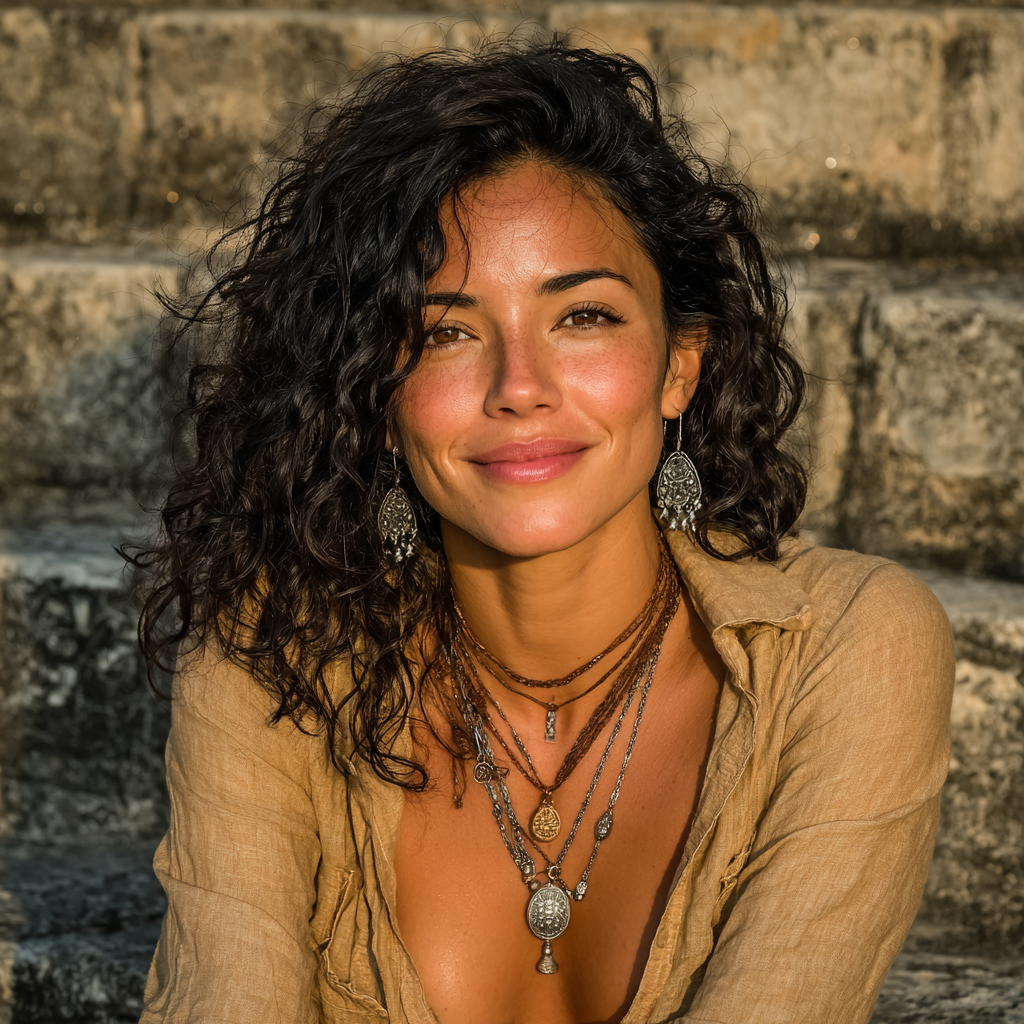
By Elena Vasquez
Cultural anthropologist and culinary storyteller. Elena spent a decade documenting traditional cooking methods across Latin America and the Mediterranean. She holds a PhD in Ethnography from Barcelona University and believes the best way to understand a place is through its kitchens and ancient streets.