
Berlin does not care if you show up alone. The city has more single occupants than married couples, and the hospitality industry built itself around travelers who arrive solo with a backpack and a loose itinerary. You will not get pitying looks at restaurants. You will not struggle to meet people. The only challenge is deciding which of the twelve viable neighborhoods to sleep in.
Maya Johnson spent six years traveling solo through fifty countries. She has eaten alone in Tokyo, navigated Medellín after dark, and survived a week in the Sahara with only a guide and a camel. Berlin is among the easiest cities she has ever walked into alone. This is how to do it without wasting money or time.
Where to Stay
Solo travelers in Berlin fall into two camps: hostel people and apartment people. Hostels here are not the grim dormitories of your college years. The Circus Hostel in Mitte has private pods with curtains, a basement microbrewery, and staff who remember your name. A bed in a four-person dorm costs €32–€38 in summer, €22–€28 in winter. Plus Berlin in Friedrichshain is enormous, clean, and has an indoor pool. Dorms from €26.
If you want an apartment, Neukölln and Wedding offer the best value. A studio on Airbnb averages €55–€75 per night, often with a washing machine and a kitchen that saves you €20 a day on meals. Avoid Mitte for apartments. You will pay €90 for a room above a souvenir shop.
Prenzlauer Berg is the quiet choice. Wide streets, cafés full of laptops, and families who have lived there since reunification. Good if you want early nights. Bad if you want to stumble home at 3 AM without a twenty-minute taxi ride.
Getting Around
Berlin's public transit is your friend. The BVG day pass costs €8.80 and covers buses, trams, U-Bahn, and S-Bahn until 3 AM the following day. A single ticket is €3.20, so the day pass pays for itself after three rides. Download the BVG app and buy digitally. Ticket inspectors wear plain clothes and fine freeloaders €60 on the spot. No excuses.
Walking is viable in the center. From Brandenburg Gate to Museum Island is twenty minutes. Kreuzberg to Friedrichshain is forty minutes along the Spree. But Berlin is sprawling. Do not try to walk from Mitte to Neukölln unless you have three hours and comfortable shoes.
What to Do
The Reichstag dome is free. Book two weeks ahead through the Bundestag website. Walk-ups without a reservation are turned away by guards who have heard every story. The dome closes at midnight in summer and 10 PM in winter. Go at sunset for views that stretch to the Teufelsberg.
The Memorial to the Murdered Jews of Europe is also free. It is a field of 2,711 concrete slabs near Brandenburg Gate. Walk through it alone. The design intentionally disorients, and solitude makes it more effective. Expect to spend twenty minutes inside, longer if you visit the underground information center (€4, free for under-25s).
Museum Island houses five museums and charges €22 for a day pass. The Pergamon Altar and the Ishtar Gate are the main draws. Go on Thursday evenings when the Pergamon Museum stays open until 8 PM and the crowds thin. If you only have time for one, make it the Neues Museum for the bust of Nefertiti.
The East Side Gallery is a 1.3-kilometer stretch of the Berlin Wall covered in murals. It is free, always open, and takes thirty minutes to walk. Go early on a weekday if you want photos without fifty people posing in front of the kiss mural.
Tiergarten is Berlin's Central Park but bigger and wilder. Rent a bike from a Donkey Republic station (€12 per day) and ride past the Victory Column to the Café am Neuen See, a beer garden on a lake where solo diners are the norm. A liter of Berliner Pilsner costs €5.80.
Food and Drink
Currywurst is the city's signature dish and costs €3.50–€4.50 at any Imbiss stand. Curry 36 near Mehringdamm and Konnopke's under the elevated U-Bahn in Prenzlauer Berg are the famous names, but the stand outside Görlitzer Bahnhof at 2 AM is equally good and has shorter lines.
Döner kebab was reportedly invented in Berlin in 1972. A standard döner costs €5.50–€6.50. Mustafa's Gemüse Kebap in Kreuzberg draws queues of forty minutes. The Gemüse Döner at Kottbusser Damm is faster and, according to most locals, better.
Markthalle Neun in Kreuzberg opens Thursday evenings for Street Food Thursday. Vendors serve everything from Peruvian ceviche to Georgian khinkali. Dishes run €6–€12. Arrive before 7 PM or fight the crowds.
For sit-down meals alone, Berlin cafés expect it. Roamer in Neukölln has communal tables and a breakfast plate of eggs, avocado, and sourdough for €9.50. Five Elephants near Görlitzer Park serves what many consider the best specialty coffee in the city. A flat white is €3.80.
Beer gardens are built for solos. Prater Garten on Kastanienallee is Berlin's oldest, with chestnut trees and long benches. Order a Mass (liter) of Berliner Kindl for €5.50 and someone will ask to share your table within ten minutes.
Nightlife
Berlin's club scene is legendary and intimidating. Berghain has a door policy famous for rejecting groups, couples, and celebrities with equal unpredictability. Solo travelers actually have better odds. Dress in black, speak minimal German or English, and do not arrive in groups larger than two. The cover is €25 on weekends. The queue starts at midnight and lasts two hours.
If Berghain sounds like too much work, try ://about blank in Friedrichshain. The garden opens in summer, the crowd is friendlier, and the cover is €15. Renate in Neukölln is a labyrinth of rooms in a converted apartment building. Entry is €12–€18. Sisyphos is an outdoor complex near Ostkreuz with a beach area and daytime hours on Sundays. Entry €12–€18.
For quieter nights, Clärchens Ballhaus in Mitte hosts tango and swing nights where strangers dance together. Entry €8. The karaoke bar Monster Ronson's in Friedrichshain lets audience members perform on a lit stage while the crowd sings backup. No cover on weekdays.
Safety and Practicalities
Berlin is statistically one of the safest capital cities in Europe. Violent crime against tourists is rare. The main risk is pickpocketing at Alexanderplatz, on the U8 line between Kreuzberg and Neukölln, and at outdoor markets. Keep your phone in a front pocket on the U-Bahn.
At night, stick to well-lit streets in Mitte and Prenzlauer Berg. Kreuzberg and Neukölln are generally safe but have pockets that feel rougher after dark, particularly around Görlitzer Park and Kottbusser Tor. Trust your instincts. If a street feels wrong, take a different one. Berlin's grid makes detours easy.
Tap water is safe and excellent. Restaurants will look at you strangely if you ask for tap water, but they will provide it. Carry a bottle and refill at public fountains.
Day Trips
Potsdam is thirty minutes by S-Bahn (covered by the day pass). Sanssouci Palace and the Dutch Quarter fill a full day. Palace entry €14, gardens free.
Sachsenhausen Concentration Camp is forty minutes north by train. Entry is free. Guided tours in English run at 11 AM and 1 PM for €16. Go with a guide. The site is large and the context matters.
The Müggelsee is a lake in the eastern suburbs, reachable by tram in forty minutes. Rent a kayak for €15 per hour or swim from the public beach. Locals come here on weekends to escape the city without leaving it.
What to Skip
Checkpoint Charlie is a tourist trap. The museum costs €14.50 and the street is lined with actors in fake military uniforms charging €5 for photos. Walk five minutes to the Topography of Terror instead. It is free and documents the SS and Gestapo headquarters that once stood on the same ground.
Madame Tussauds and the Sea Life aquarium at Alexanderplatz exist for families with bored children. You are a solo traveler. You have better options.
The TV Tower observation deck costs €25 and the queue often exceeds an hour. The view from the Reichstag dome is better, free, and includes the TV Tower itself in the frame.
Budget
A comfortable solo day in Berlin costs €55–€75: €30 for accommodation (hostel dorm), €8.80 for transit, €15 for food (currywurst, market lunch, supermarket dinner), €10 for museums or attractions, and €6 for coffee. Add €25 if you are clubbing. A thrifty day drops to €35 by cooking your own meals and sticking to free sights.
The Bottom Line
Berlin rewards the solo traveler with efficiency, affordability, and a social culture that does not require a companion. You can eat well for under €10, see world-class museums for under €25, and meet people in beer gardens without effort. The only thing you cannot do alone is split a döner. Order your own. It is big enough for two anyway, and now you do not have to share.
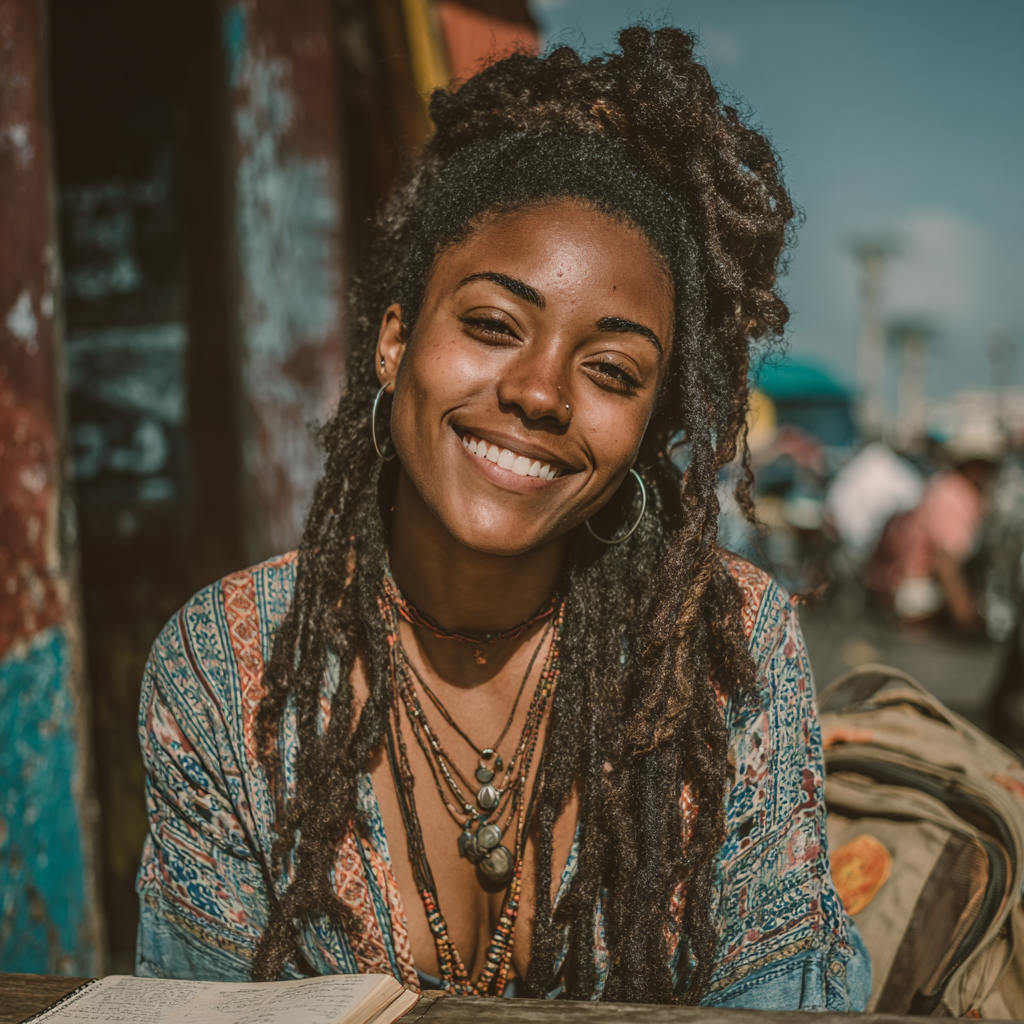
By Maya Johnson
Solo travel evangelist and digital nomad veteran. Maya has spent six years traveling alone across 50+ countries on a freelance writer budget. She writes honest, practical guides for women who want to explore the world independently and safely.