
Berlin for the Thrifty Soul: Where €40 a Day Still Buys the Real City
Berlin does not care how much money you have. It cares whether you showed up. I learned this in 2014, when I arrived with €23 in my pocket, a busted ATM card, and a hostel booking I could not afford to keep. I stayed for three weeks. I ate currywurst at 2 AM on Mehringdamm. I swam in Wannsee with locals who brought their own beer. I stood inside the Reichstag dome for free and watched the city turn pink at sunset. By the end, I had spent less per day than I would have in Prague — and I had experienced more.
Berlin is the original budget-traveler city. Not because it is cheap, though it is. Because it refuses to charge admission for its best qualities: its history, its radical openness, its 4 AM energy, its parks that used to be airports. This guide is not about surviving Berlin on a shoestring. It is about thriving there — because Berlin was built for people who arrive with more curiosity than cash.
I am James Wright. I have traveled to 70 countries on budgets that would embarrass a college student, and I once ran a backpacker hostel in Lisbon where the only rule was "do not set fire to anything." I wrote this guide because Berlin is the city I return to when I need to remember that expensive does not mean better — it just means different.
The Berlin Budget Reality Check
Berlin is not "cheap" in the way Sofia or Tirana is cheap. A cocktail in Mitte can cost €14. A hotel near Brandenburg Gate can run €250. But Berlin is honest — it does not hide its affordable soul behind tourist pricing. Walk ten minutes from any major sight and the prices drop by half.
The city operates on parallel tracks. Track one: the tourist economy of Unter den Linden, Potsdamer Platz, and the Zoo district, where restaurants add English translations and 20% to every bill. Track two: the lived economy of Neukölln, Wedding, and Friedrichshain, where the same meal costs €8, the same beer costs €3, and nobody cares what language you speak as long as you do not block the sidewalk.
My tested daily budget:
| Category | Thrifty (€35) | Comfortable (€50) | Relaxed (€70) |
|---|---|---|---|
| Sleep | €18-22 (hostel dorm) | €25-35 (private room/Airbnb) | €45-60 (hotel split) |
| Eat | €10-14 | €15-22 | €25-35 |
| Move | €0-8.80 | €8.80 | €11.40 |
| Do | €0-5 | €8-15 | €20-30 |
| Total | €35 | €50 | €70 |
The €40-50 range is the sweet spot. It gets you a bed, three solid meals, a museum or two, and enough U-Bahn freedom to explore every neighborhood that matters.
Where to Sleep Without Selling a Kidney
Neukölln is my first pick. The area around Weserstraße and Reuterstraße has Turkish grandmothers sharing sidewalks with Australian designers, and the döner shops outnumber the craft coffee bars by ten to one. A dorm bed runs €18-24. An Airbnb room in a shared flat runs €30-45. You are on the U8 line, twenty minutes from Alexanderplatz, ten minutes from Kreuzberg.
The Turkish market on Maybachufer (Tuesdays and Fridays, 12:00-18:30) is your kitchen. A kilo of tomatoes costs €2. Flatbread costs €1. Feta costs €3. You can assemble a picnic that feeds two people for €6 and eat it on the canal bank while watching the city drift by.
Friedrichshain is for the night people. The area around Boxhagener Platz never fully sleeps. Hostel beds start at €20. The trade-off is noise — request a back room or bring earplugs. The upside is walking distance to the East Side Gallery, RAW-Gelände's club complex, and some of the best street food in the city.
Wedding is the secret weapon. Most tourists never go north of Gesundbrunnen, which means you get authentic Berlin at 1970s prices. Hostel beds from €15. Turkish bakeries where breakfast costs €3. The Plötzensee lake for summer swimming. The U6 and U8 lines connect you to everything. The only catch: fewer English speakers, which is actually a feature, not a bug.
Kreuzberg (eastern edge, near Görlitzer Park) splits the difference. You are close to the action without paying central Kreuzberg premiums. Beds from €20. The park's grassy slopes are Berlin's unofficial living room on summer evenings.
Specific Beds I Have Actually Slept In
The Cat's Pajamas Hostel — Urbanstraße 84, Neukölln. Dorms from €18, privates from €55. Small, independent, kitchen facilities, backyard beer garden in summer. U8: Schönleinstraße. Book direct for €2/night discount.
PLUS Berlin — Warschauer Platz 6-8, Friedrichshain. Dorms from €20. Indoor pool and sauna included — a ludicrous value proposition. S-Bahn Warschauer Straße is outside the door. The trade-off: 200+ beds, so it can feel impersonal. Request a lower-floor room for faster WiFi.
Circus Hostel — Weinbergsweg 1a, Mitte. Dorms from €24, privates from €65. The free walking tours are the best in the city, the staff actually know Berlin, and the Rosenthaler Platz location puts you within walking distance of Museum Island. If you are only in Berlin for two days and want maximum sight density, this is your move.
Jets and Books Hostel — Kienitzstraße 39, Lichtenberg. Dorms from €15. The cheapest decent bed I have found in Berlin. Shared bathrooms, no-frills kitchen, but clean and safe. The neighborhood is working-class Berlin — Vietnamese restaurants, discount supermarkets, zero tourists. U5: Kienitzstraße. Perfect if you are staying a week or longer.
Hotel Elba — Behaimstraße 11, Wedding. Doubles from €45. A small family-run hotel. Rooms are basic but spotless. The owner, Herr Krause, has lived in the building since 1987 and will tell you about Wedding before the Wall fell if you ask. U6: Reinickendorfer Straße.
Eating Like Berlin, Not Like a Tourist
The Street Food Trinity
Berlin has three holy street foods, and none of them cost more than €6. Master these and you will never go hungry.
Currywurst is not a joke. It is a theology. The sauce was invented in Berlin in 1949 by Herta Heuwer. A proper currywurst costs €3.50-4.50 and should be eaten standing up.
Go to Curry 36 at Mehringdamm 36 (€3.90, daily 09:00-04:00, U6/7: Mehringdamm). It is not the absolute best — that title belongs to Konnopke's Imbiss under the U2 tracks at Schönhauser Allee 44b (€3.50, Mon-Sat 11:00-20:00, U2: Eberswalder Straße) — but Curry 36 is open until 4 AM, which makes it the default choice when you emerge from a Kreuzberg club at 2:30 and need protein before the U-Bahn home.
Döner Kebab is Berlin's real native cuisine, despite what the Bavarians tell you. There are an estimated 1,500 döner shops in the city. A good döner costs €4.50-6.00.
Mustafa's Gemüse Kebap at Mehringdamm 109 (€5.50, daily 10:00-23:00, U6/7: Mehringdamm) is the famous one. The line is part of the experience — forty minutes on a Saturday afternoon. Is it worth the wait? Once, yes. After that, go to Imren Grill at Boppstraße 5 (€5.00, daily 11:00-23:00, U1: Kottbusser Tor) for the same quality without the queue.
Falafel fills the gap when you want something lighter. K'UPS Gelateria & Café at Kastanienallee 4 (€4.50, daily 10:00-22:00, U2: Eberswalder Straße) does a falafel plate that could feed two people. Maroush on Sonnenallee (various locations, €5-6) is the old-school choice, run by a Lebanese family since 1987.
Supermarket Survival
If you are staying more than three days, learn the supermarket hierarchy. It will save you €15-20 per day.
- Aldi, Lidl, Netto — The discount trinity. Bread, cheese, fruit, pasta, wine. A full day's groceries for €8-12.
- Penny, Rewe — Mid-range. Better selection, slightly higher prices.
- Edeka, Bio Company — Premium. Use only for specific items.
Pro moves:
- Shop after 18:00 for 30-50% discounts on fresh items approaching expiration
- Turkish supermarkets along Sonnenallee and Weserstraße sell better produce at lower prices than German chains
- Bakeries discount yesterday's bread after 18:00 — often 50% off
- A bottle of drinkable German wine at Lidl costs €3-4
Budget Restaurants That Do Not Feel Like Budget Restaurants
Markthalle Neun at Eisenbahnhalle, Pücklerstraße 34 (Street Food Thursday 17:00-22:00, U1: Schlesisches Tor) is the single best food event in Berlin for budget travelers. €6-12 per dish, rotating vendors, communal tables, and a crowd that is 90% local. Arrive before 18:00 or queue for twenty minutes.
Hofbräu Berlin at Karl-Liebknecht-Straße 30 (main dishes €9-15, daily 11:00-24:00, S/U: Alexanderplatz) is a massive Bavarian beer hall that happens to be affordable. The schweinshaxe is €14.50, the liter of beer is €8.90.
Lemke am Schloss at Luisenplatz 1 (house beers €4.20, mains €10-16, daily 11:00-23:00, S: Charlottenburg) is a brewery restaurant near Charlottenburg Palace. The schnitzel is €12.50. The terrace overlooks the palace gardens.
Doyum Grill at Adalbertstraße 5 (mains €7-12, daily 11:00-23:00, U8: Kottbusser Tor) is a Kurdish family restaurant in Kreuzberg. The lahmacun is €3.50 and better than most €15 flatbreads in Mitte.
Drinking Without Going Broke
Berlin's drinking culture is democratic. You can spend €2 on a beer at a Späti and drink it on the canal bank, or you can spend €12 on a cocktail in a Prenzlauer Berg bar. Both are valid. Both are Berlin.
The Späti Economy: Every neighborhood has Spätis — convenience stores open until midnight or later. A 0.5L bottle of Berliner Kindl or Schultheiss costs €1.20-1.80. Drinking in public is legal in Berlin, so you buy your beer, walk to the nearest park or canal, and join the locals. This is not being cheap. This is the culture.
Happy Hours: Many bars offer 2-for-1 or discounted drinks 17:00-19:00:
- BRLO Brwhouse at Schöneberger Straße 16: €4 beers during happy hour (17:00-19:00), U7: Yorckstraße
- Vagabund Brauerei at Antwerpener Straße 3: €4.50 pints before 19:00, U9: Nauener Straße
- Hops & Barley at Wühlischstraße 22: €3.80 house beers, S5: Frankfurter Allee
Weinerei at Veteranenstraße 14 (U8: Bernauer Straße) operates on a "pay what you want" model. Average payment: €8-12 for an evening.
Free Attractions That Beat the Paid Ones
Berlin's greatest experiences cost nothing. This is a structural feature of the city.
The East Side Gallery at Mühlenstraße (S3/S5/S7/S9: Warschauer Straße) is 1.3 kilometers of the Berlin Wall, painted by 101 artists in 1990. Free, open 24 hours, best at 07:00 before the tour buses arrive. Walk the full length — the cumulative effect is overwhelming.
The Holocaust Memorial at Cora-Berliner-Straße 1 (U5: Brandenburger Tor) is 2,711 concrete stelae on 19,000 square meters. Free, open 24 hours, genuinely disorienting to walk through. Go at dusk. The information center beneath (free, 10:00-18:00 Tuesday-Sunday) adds historical depth without sentimentality.
Tempelhofer Feld at Columbiadamm (U6: Platz der Luftbrücke) is a former Nazi airport turned public park. You cycle the runways. You picnic on the grass where cargo planes once landed. Free entry, bike rental €12/day.
The Reichstag Dome at Platz der Republik 1 (U5: Bundestag) offers 360-degree city views through Norman Foster's glass structure. Entry is free, but register online at bundestag.de two to three weeks ahead. Last entry at 21:45 in summer, 17:45 in winter.
Topography of Terror at Niederkirchnerstraße 8 (U/S: Potsdamer Platz) is an exhibition on Nazi history built on the former Gestapo headquarters. Free entry, 10:00-18:00 daily. The 200-meter section of excavated Berlin Wall on the property is one of the most haunting fragments remaining.
Tiergarten is Berlin's Central Park — 210 hectares of forest, lakes, and monuments. The Victory Column (Siegessäule) costs €4 to climb (285 steps, worth it for the view), but the park itself is free and magnificent.
Mauerpark on Sundays (U8: Bernauer Straße or S1/S2: Nordbahnhof) hosts the city's best flea market (09:00-18:00) and the Bearpit Karaoke at 15:00 — a concrete amphitheater where anyone can sing and hundreds of people watch, cheer, and drink beer. The karaoke is free. The beer is from Spätis. The atmosphere is pure Berlin.
Cheap Paid Attractions Worth the Money
Museum Island (S/U: Friedrichstraße) is a UNESCO World Heritage cluster of five museums. The day pass costs €24 (all five museums, one day). The Berlin Museum Pass costs €32 for three days and covers 30 museums.
Individual museum prices (as of 2026):
- Neues Museum (Nefertiti): €14
- Pergamon Museum (closed until 2027; Das Panorama across the street is €14)
- Altes Museum (Greek/Roman antiquities): €14
- Bode-Museum (Byzantine/medieval): €14
- Alte Nationalgalerie (19th-century art): €14
DDR Museum at Karl-Liebknecht-Straße 1 (€9.80/€6, daily 10:00-20:00, U/S: Alexanderplatz) is interactive East German history — you can sit in a Trabant and walk through a reconstructed Plattenbau apartment. Budget 90 minutes.
Jewish Museum Berlin at Lindenstraße 9-14 (€8/€3, free for under-18s, Tue-Sun 10:00-18:00, U6: Kochstraße) is Daniel Libeskind's architectural masterpiece. Budget two hours.
Berliner Unterwelten at Brunnenstraße 105 (€12-€18, daily English tours, U6: Naturkundemuseum) runs tours of WWII bunkers and Cold War fallout shelters. Book at berliner-unterwelten.de. The "Dark Worlds" tour (€12, 90 minutes) is the essential one.
Day Trips That Cost Almost Nothing
Potsdam and Sanssouci — Take the RE1 regional train from Hauptbahnhof or Alexanderplatz (€3.80 with an ABC day ticket, 40 minutes). Sanssouci Palace, the summer residence of Frederick the Great, costs €14 entry, but the park itself — 290 hectares of vineyards, temples, and follies — is free and magnificent. Budget a full day.
Sachsenhausen Concentration Camp — Take the RE5 or RB12 from Ostkreuz or Lichtenberg to Oranienburg (€3.80, 35 minutes), then bus 804 or walk 20 minutes to the memorial. Entry is free. The audio guide costs €3. Budget four to five hours including travel.
Spreewald — Take the RE2 from Ostkahnhof to Lübbenau (€6.50, 1 hour 15 minutes). The Spreewald is a UNESCO biosphere reserve of canals, forests, and traditional Sorbian villages. Rent a kayak for €15/day and paddle through waterways lined with birch trees. Pack a picnic from Aldi.
Getting Around for Pennies
Berlin is flat, gridded, and built for walking. Mitte to Kreuzberg is 25 minutes on foot. Kreuzberg to Neukölln is 20 minutes.
Cycling: Donkey Republic app: €12/day, pickup/dropoff anywhere. Nextbike: €9/day, stations throughout the city. The Berlin Wall Trail (160km) is the ultimate free cycling experience. For a shorter ride, loop through Tiergarten (10km) or follow the Landwehr Canal from Kreuzberg to Charlottenburg.
Public Transport: The BVG system (U-Bahn, S-Bahn, buses, trams) is efficient and affordable.
- Single ticket (AB zone): €3.20, valid 2 hours, one direction
- 24-hour ticket (AB): €8.80, unlimited travel
- 7-day pass (AB): €36, worth it for stays of 4+ days
- Group day ticket (up to 5 people): €25.50 (€5.10/person)
The AB zone covers all central neighborhoods and major sights. The ABC zone (€3.80 single, €10.50 day) only matters for Potsdam or BER Airport.
Money-saving hacks:
- Validate your ticket before boarding — €60 fine for unvalidated tickets
- Night buses run all night on weekends at no extra cost
- The U-Bahn runs 24 hours Friday-Saturday; Sunday-Thursday it closes 00:30-04:00
Airport Transfers:
- Regional train (RE7/RB14): €3.80, 45 minutes to Alexanderplatz
- Express bus X7 + U-Bahn: €3.80, 50 minutes
- Taxi: €50-60 (avoid unless splitting 3+ ways)
Neighborhood Character: Where to Actually Spend Your Time
Kreuzberg (around Oranienstraße and the canal) is the Berlin of Turkish markets, anarchist bookshops, and canal-side bars. The Turkish market on Maybachufer is the best free show in the city. Walk the Landwehr Canal at sunset.
Neukölln (Weserstraße, Reuterstraße, Schillerkiez) is where the city is becoming whatever it will be next. Vietnamese noodle shops next to natural wine bars. Kurdish bakeries next to co-working spaces. Tempelhofer Feld is the backyard.
Friedrichshain (Boxhagener Platz, RAW-Gelände) is for the night people. The RAW-Gelände complex hosts everything from techno clubs to Sunday flea markets. The East Side Gallery is your morning walk.
Wedding is the working-class Berlin that tourists miss. The Plötzensee memorial is sobering. The See itself is a summer swimming spot for locals.
Prenzlauer Berg (Kollwitzplatz, Kastanienallee) is gentrified but still essential. The Sunday farmers market at Kollwitzplatz (09:00-15:00) is the best in the city for people-watching.
What to Skip
Checkpoint Charlie and the Mauermuseum — The museum costs €14.50 and offers thin content in a cramped space. The checkpoint itself is a replica surrounded by costumed actors demanding tips for photos. Walk 15 minutes to the Berlin Wall Memorial at Bernauer Straße instead — it is free, authentic, and profoundly moving.
Restaurants on Unter den Linden — The boulevard between Brandenburg Gate and the Berlin Cathedral is lined with restaurants that exist solely for tour groups. Prices are 40-60% higher than equivalent quality elsewhere. Walk ten minutes south to Gendarmenmarkt or north to Hackescher Markt for better food at lower prices.
The DDR Museum at peak hours — It is genuinely worth seeing, but arrive at 10:00 opening or after 17:00. Between 11:00 and 16:00, it is packed with school groups and cruise-ship passengers, and the interactive exhibits become unplayable.
Hop-on hop-off bus tours — Berlin's public transport is faster, cheaper, and more authentic. The U1 elevated line from Warschauer Straße to Kurfürstendamm is essentially a sightseeing tour for €3.20. Sit by the window and watch the city unfold.
Berliner doughnuts at tourist bakeries — The "Berliner" is a generic German pastry, not a Berlin specialty. The bakeries near major sights sell day-old versions at inflated prices. If you want pastry, go to Bäckerei Siebert at Winterfeldtstraße 14 (€1.20-2.50, U7: Nollendorfplatz) in Schöneberg, a 1920s bakery that still uses wood-fired ovens.
Clubbing without research — Berghain's door policy is famously opaque, and the queue on Saturday midnight can be two hours with no guarantee of entry. If you are on a budget, do not waste your night and €15-20 cover on a gamble. Research alternative clubs — ://about blank, Sisyphos, OHM — with more forgiving entry and equally good music.
Hotel breakfasts — They typically cost €12-18 and consist of the same bread, cheese, and cold cuts you can buy at Aldi for €4. Skip it. Walk to a bakery and eat breakfast like a Berliner.
The Berlin TV Tower (Fernsehturm) — At €24.50 for the observation deck, it is the worst value in the city. The view is fine, but the Reichstag dome is free and offers a better perspective. If you want a skyline photo, take it from the tower's base.
Potsdam's Sanssouci Palace interior at peak season — The park is free and magnificent. The palace interior costs €14 and requires timed-entry tickets that sell out weeks ahead in summer. If you miss the window, do not stress. The exterior, the terraces, and the park are the real experience.
Practical Logistics
Getting to Berlin
By air: BER Airport (Brandenburg) is the main hub. The FEX airport express train costs €11.20 and reaches Hauptbahnhof in 30 minutes. Regional trains (RE7/RB14) cost €3.80 and take 45 minutes.
By train: Berlin Hauptbahnhof is one of Europe's largest rail hubs. ICE trains from Hamburg (€25-45, 1h 40min), Munich (€35-70, 4h), Amsterdam (€45-80, 6h 20min), and Prague (€25-45, 4h 30min) run frequently. Book 2-3 weeks ahead for the best prices.
By bus: FlixBus operates services from most European cities. Paris to Berlin costs €35-55 and takes 12-14 hours. Warsaw to Berlin costs €20-35 and takes 6 hours.
Best Times to Visit
March-May: Ideal. Mild weather, blooming parks, museum crowds manageable. Accommodation is 20-30% cheaper than summer.
June-August: Peak season. Long days, outdoor events, lakes swimmable. But accommodation costs spike. Book hostels 3+ weeks ahead.
September-November: My personal favorite. Warm days, cool evenings, and the Christmas markets begin in late November. Museum Sunday (first Sunday of the month) offers free entry to many museums.
December-February: Cold, dark, and cheap. Hostel beds drop to €15-18. The Christmas markets (free entry, glühwein €3-5) are magical. January-February are the cheapest months — if you can handle 4 PM sunsets.
Daily Budget Tiers
- €35-40/day: Hostel dorm, supermarket food, free attractions, walking/biking. Requires discipline but is genuinely comfortable.
- €50-60/day: Private room or Airbnb, one restaurant meal daily, one paid attraction, 24-hour transport pass. The sweet spot.
- €70-90/day: Hotel, two restaurant meals, multiple attractions, taxi occasionally. Relaxed without being wasteful.
Cash vs. Card
Berlin is increasingly cashless, but not universally. Carry €50-100 in cash for street food vendors, Spätis, small bakeries, and tips (5-10% in restaurants). Most hostels, supermarkets, and restaurants accept cards. Visa and Mastercard are standard; Amex is less accepted.
Language
English is widely spoken in tourist areas and among anyone under 40. In Wedding and deep Neukölln, you may encounter less English. Learn these basics — they earn goodwill: "Danke" (thank you), "Bitte" (please), "Ich hätte gerne..." (I would like...), "Sprechen Sie Englisch?" (Do you speak English?), "Die Rechnung, bitte" (The bill, please).
Safety
Berlin is generally safe, but follow standard urban precautions:
- Görlitzer Park and parts of Neukölln after midnight can be sketchy — stay alert, do not flash valuables
- Bike theft is rampant — always lock both wheels
- Pickpockets operate on U-Bahn lines U8 and U9 and at Alexanderplatz — keep your bag closed and in front of you
- Emergency number: 112 (fire/ambulance), 110 (police)
Connectivity
Free WiFi is available at U-Bahn stations, public libraries (Stadtbibliothek), and most cafes. The "Berlin_Free_WiFi" network operates at major tourist spots.
James Wright's Berlin Doctrine
After two decades of returning to this city, these are the principles that work:
Start with street food. Your first meal in Berlin should cost under €5 and be eaten standing up. Currywurst, döner, falafel — pick one. It calibrates your budget mindset and connects you to the city's democratic eating culture.
Cross neighborhood boundaries. The biggest mistake budget travelers make is staying in one district. Berlin changes radically every ten minutes on the U-Bahn. Spend a day in Neukölln, a day in Wedding, an evening in Friedrichshain. The city only makes sense in aggregate.
Use the parks as living rooms. Berliners do not sit in cafes all day. They sit in Tiergarten, on Tempelhofer Feld, by the Landwehr Canal. Buy a €1.50 beer at a Späti and join them. This is not being cheap. This is the culture.
Do not overplan the nightlife. The best nights in Berlin are the ones you stumble into. Start with dinner in Kreuzberg, walk toward the canal, follow the bass. If the queue is too long, walk to the next place. There is always a next place.
Save one splurge for the unexpected. Budget travel works because it creates slack. One night, you will meet someone who knows a bartender, or you will find a pop-up gallery, or you will hear about a concert in a former power station. Have €20 unallocated for that night. It will be the best money you spend.
Author's Note
Berlin taught me that the best travel experiences do not come from what you buy. They come from what you are willing to see without paying for the privilege. The Wall Memorial is free. The Reichstag dome is free. Tempelhofer Feld is free. The Turkish market is free to enter. The Späti beer costs €1.50.
I keep coming back to Berlin because it keeps reminding me why I started traveling — not to consume places, but to be in them. To sit on a concrete runway at sunset and watch a city that reinvented itself so many times it stopped counting. To eat currywurst at midnight and know that somewhere, a historian is writing a footnote about the woman who invented the sauce, and you are living in the city she built.
Berlin does not care what is in your wallet. It cares that you showed up. Show up.
James Wright is a budget travel writer and former hostel owner who has traveled to 70+ countries. He believes expensive does not mean better — it just means different. Find him at @jameswright.thrifty.
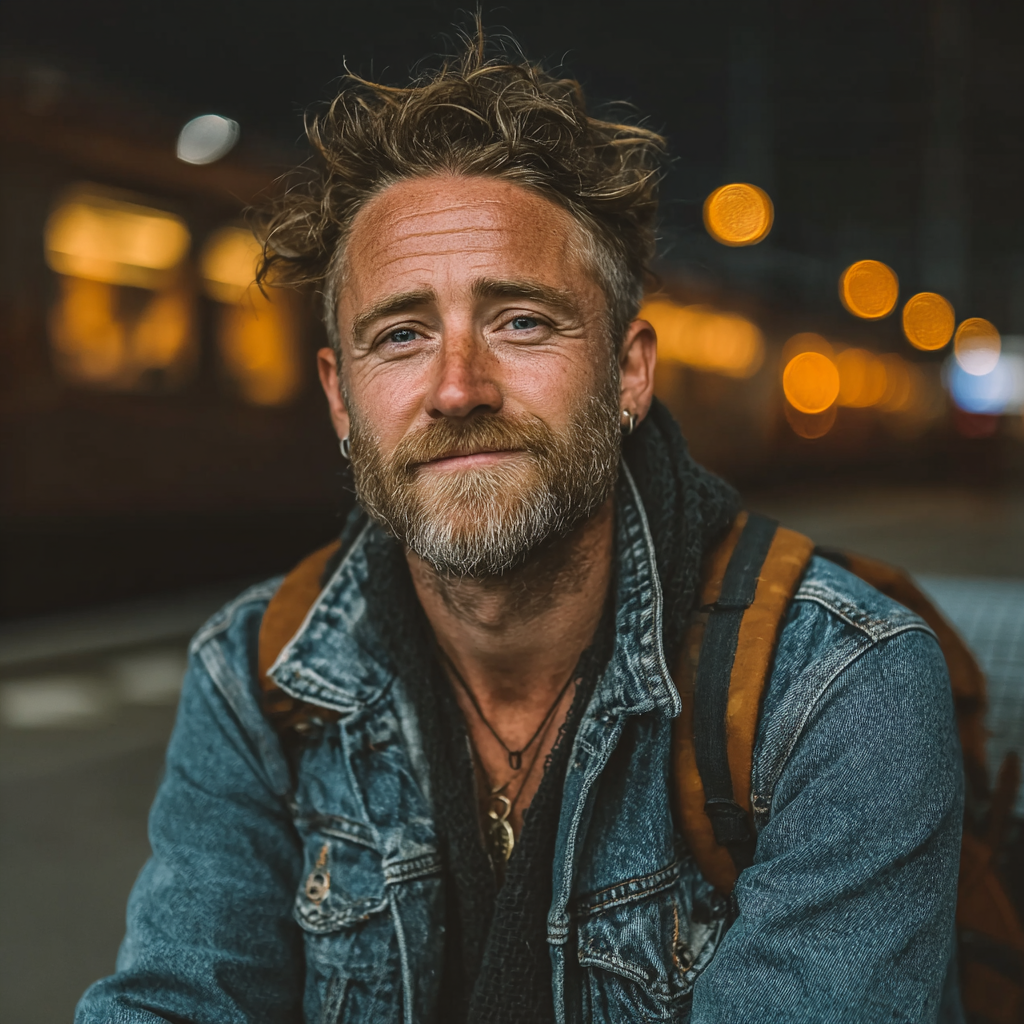
By James Wright
Budget travel expert and former backpacker hostel owner. James has visited 70+ countries on shoestring budgets, mastering the art of authentic travel without breaking the bank. His mantra: "Expensive does not mean better—it just means different."