
Vannes Unpacked: Where Breton Oysters, Medieval Walls, and Salted Butter Conspire Against Your Diet
Vannes doesn't announce itself as a food destination. It doesn't need to. The walled city on the Gulf of Morbihan has been feeding people well since the Middle Ages, and the rhythm of eating here follows a logic older than tourism itself. You eat what's in season, what's been pulled from the water that morning, and what the woman at the market stall tells you is best today. No menus translated into six languages. No Instagram backdrops engineered for engagement. Just a city that happens to be very, very good at feeding you.
I came to Vannes on a rainy Tuesday in March, expecting a quiet stop between Quimper and Nantes. I stayed four days and left with butter stains on my coat, a bag of salted caramel, and the conviction that some of France's best eating happens in cities the guidebooks barely mention. Vannes is one of those places.
What makes it different from other Breton towns is the Gulf. This inland sea, dotted with islands and oyster beds, creates a microclimate and a micro-cuisine that you won't find in Rennes or Brest. The oysters here have a distinct taste—briny but with a sweetness that comes from the mix of fresh and salt water. The fish stew called cotriade was practically invented in these waters, using whatever the fishermen brought back that day, not what a recipe demanded.
There's a split in Vannes between the restaurants that cater to tourists and the ones where locals actually eat. The tourist spots cluster around the port, with multilingual menus and views of the boats. The local spots are harder to find—tucked into the narrow streets of the intra-muros (inside the walls), or in the Saint-Patern neighborhood, where the buildings are older than most countries and the landlords still argue in Breton. This guide focuses on both, but tells you which is which.
Must-Try Local Specialties
Huîtres du Golfe du Morbihan
The oysters from the Gulf of Morbihan are the real reason to come here. Over sixty oyster farms operate around the Rhuys peninsula, taking advantage of the unique conditions where fresh and salt water mix. The result is an oyster that's briny upfront but finishes with a surprising sweetness. The locals eat them year-round, though they'll tell you the 'r' months are best—and then proceed to eat them in May anyway.
The first time I stood at a market stall watching an oysterman shuck a dozen with a knife worn smooth by decades of use, I understood something about this place. He didn't ask where I was from. He didn't offer a sauce. He just handed them over with a wedge of lemon and said, "Ces-là, elles viennent d'Arradon. Elles sont parfaites aujourd'hui." These ones are from Arradon. They're perfect today. That was the entire sales pitch. He was right.
Where to eat them:
- Poissonnerie du Port (Port de Vannes) - Seafood bar attached to the fish market. Oysters shucked to order, served with rye bread and salted butter. No chairs, just a counter and a view of the boats. This is where fishermen eat after their morning catch.
- Maison Jégat (Arradon, south of Vannes | +33 2 97 54 82 15 | Open daily 10:00-19:00 in summer, weekends only in winter) - Oyster farm with on-site tasting. Worth the short trip for the full experience—you'll walk the beds, meet the farmer, and understand why these oysters taste different from Cancale or Arcachon. Tasting platters from €12.
- Marché des Lices (Place des Lices | Wed and Sat 8:00-13:30) - Buy direct from producers. Walk to the port wall, buy a bottle of Muscadet from the cave across the square, and have an impromptu picnic that costs less than a sandwich in Paris.
Cotriade
Brittany's answer to bouillabaisse, but humbler. Cotriade is a fish stew made with whatever the boats brought in—typically conger eel, red mullet, sea bream, monkfish, and pollock. Potatoes thicken the broth, and there's no saffron (this isn't Marseille). The best versions taste like the sea itself, not like a restaurant trying to impress you. I had one at La Table de Jeanne on a Friday afternoon when the rain was coming in sideways, and the warmth of that bowl felt like something earned.
Where to try it:
- La Table de Jeanne (13 Place de la Poissonnerie, 56000 Vannes | +33 2 97 54 04 30 | Tue-Sat 12:00-14:00, 19:00-21:30 | €18-35) - Fish-focused restaurant across from the market. The cotriade here is made with the morning's catch, and the formule at €18.50 is one of the best-value lunches in the city.
- L'Atlantique (16 Place Gambetta, 56000 Vannes | +33 2 97 54 01 58 | Daily 12:00-14:30, 19:00-22:00 | €25-45) - Port-side brasserie with a solid, traditional version. The terrace is the place to be on a sunny afternoon.
Crêpes and Galettes
The distinction matters: galettes are savory, made with buckwheat flour (blé noir or sarrasin), while crêpes are sweet, made with wheat flour. In Vannes, the galettes tend to be heartier than in other parts of Brittany—filled with Guémené andouille sausage, local cheese, or Gulf seafood. The crêpes are thinner, almost translucent, and properly served with salted butter caramel that makes you question every other dessert you've ever had.
Where to eat them:
- Crêperie Dan Ewen (3 Place du Général de Gaulle, 56000 Vannes | GPS: 47.6583, -2.7598 | +33 2 97 47 31 61 | Tue-Thu 11:30-13:45, 18:30-21:00; Fri-Sat 11:30-13:45, 18:30-21:30; Closed Sun-Mon | €12-20) - Open since 1997 in the oldest part of Vannes. The Galette Patern—with andouille, potatoes, onions, and mushrooms—hasn't changed in 25 years. Celtic music and Breton decor that could be tacky but somehow isn't. Françoise has been running the place since the beginning, and she still checks every galette before it leaves the kitchen.
- La Crêperie du Port (Port de Vannes | €15-25) - Touristy but competent, with a view of the boats. Fine if you're with children or need a terrace.
Kouign-Amann
The name means 'butter cake' in Breton, which undersells it. This is layers of bread dough laminated with salted butter and sugar, baked until the exterior caramelizes and the interior stays soft. It's sweet, salty, and rich enough that one piece is plenty. The Vannes version tends to be less sweet than the Douarnenez original, letting the butter shine. I've seen grown adults argue over the last piece at François. I'm not proud to say I've been one of them.
Where to find it:
- François (6 Rue des Halles, near Halles des Lices | Tue-Sat 7:00-19:30, Sun 7:00-13:00 | €3-6 per piece) - Specializes in kouign-amann and Far Breton. Ideal for a post-market treat. The kouign-amann here is baked in small batches throughout the day, so it's usually warm when you buy it.
Breizh Cola and Local Cider
Breizh Cola was launched in 2002 as a local alternative to Coca-Cola, and it caught on in a way that surprised even its creators. It's made with cane sugar and has a slightly spicier, more herbal profile than the American original. You'll find it at every café terrace in summer, often served in the bottle with no glass. The cider here is different from Normandy's—drier, more acidic, often served in a ceramic cup (bolée) rather than a glass. Look for cider from the Pays de Vannes or the Rhuys peninsula; theDomaine de Kerveguen produces an excellent brut that's sharp enough to cut through a rich galette.
Where to drink:
- Brasserie Lancelot (Val d'Oust, 15 min drive from Vannes | +33 2 97 93 05 20 | Tue-Sat 10:00-18:00) - Local brewery making Breton beers including their own cola, and worth the trip for enthusiasts. The tour is in French but the tasting is universal.
- Any crêperie - Cider is the traditional accompaniment to galettes. Order 'bolée' for a ceramic cup. A full bolée is about 250ml and costs €3-5.
Restaurant Recommendations
Fine Dining
Le Roscanvec (19 Rue des Halles, 56000 Vannes | GPS: 47.6578, -2.7536 | +33 2 97 47 15 96 | Tue-Sat 12:15-14:00, 19:15-21:30 | €80-120 | Michelin: 1 star)
Housed in a 15th-century mansion in the heart of the old town. Chef Thierry Seychelles trained under Alain Passard and brings that precision to Breton ingredients. The dining room is contemporary, the service is warm without being familiar, and the tasting menu (€95) is worth the splurge if you're celebrating something—or if you just want to understand what Gulf seafood can become in the right hands. Sister-run operation with Sarah and Carine Kaczorowski managing the dining room. Also has 4 guest rooms if you want to make a night of it.
Signature dishes: Lotte de nos côtes with poireau, kiwi et langue d'oursin; Tarte au concombre with langoustines et caviar; Poitrine de pigeon au sang de Bertrand Théraud.
Empreinte (15 Place Valencia, 56000 Vannes | +33 2 97 46 06 42 | Tue-Fri 12:00-14:00, 19:00-23:30; Sat 12:00-14:00 | €45-70 | Michelin: Selected)
Husband-and-wife operation on a small square in the city center. The room has untreated wooden floors and warm lighting—rustic-chic without trying too hard. The focus is on short supply chains and local producers. Marine greets you like you're coming to her home, which in a way you are. The menu changes with what's available, but expect Gulf seafood treated with respect rather than transformation. The weekday lunch menu at €28 is a steal for this level of cooking.
Seafood
Poissonnerie du Port (Port de Vannes, 56000 Vannes | +33 9 81 25 17 07 | Tue-Sat 10:00-19:00 | €15-30)
Not a restaurant in the traditional sense—this is a fish market with a counter where you can eat. Oysters are the main draw, served with lemon, rye bread, and salted butter. Also does grilled seafood and tapas-style small plates. The setting is basic, the seafood is impeccable, and you'll be eating next to locals who know what they're doing. Open for lunch and early dinner. Closed Sunday and Monday.
L'Atlantique (16 Place Gambetta, 56000 Vannes | +33 2 97 54 01 58 | Daily 12:00-14:30, 19:00-22:00 | €25-45)
Brasserie on the port with a shaded terrace and a view of the boats. The menu covers all the Breton classics—cotriade, moules marinières, grilled fish. It's not groundbreaking, but it's consistent and the location is hard to beat for a leisurely lunch. Tourists come here, but so do locals when they want the view without the pretension. The moules marinières (€18) are a generous portion and genuinely good.
La Table de Jeanne (13 Place de la Poissonnerie, 56000 Vannes | +33 2 97 54 04 30 | Tue-Sat 12:00-14:00, 19:00-21:30 | €18-35)
Directly across from the fish market, which tells you everything about their sourcing. The menu is fish and seafood, simply prepared. Formules at €18.50 offer excellent value. The wok of fresh vegetables is a standout side. This is where you eat when you want to taste the Gulf without the fine-dining markup. I've sent more people here than anywhere else in Vannes, and no one has complained.
Crêperies
Crêperie Dan Ewen (3 Place du Général de Gaulle, 56000 Vannes | GPS: 47.6583, -2.7598 | +33 2 97 47 31 61 | Tue-Thu 11:30-13:45, 18:30-21:00; Fri-Sat 11:30-13:45, 18:30-21:30; Closed Sun-Mon | €12-20)
Established in 1997 in the Saint-Patern neighborhood, the oldest part of Vannes. Françoise and her team have been making the same recipes for over 25 years. The decor is a collection of Breton artifacts accumulated over decades—part restaurant, part museum. The Galette Patern (andouille, potatoes, onions, mushrooms, emmental) is the house specialty. The Île de Logoden combines caramel, sautéed apples, and vanilla ice cream for a sweet-savory experience. Celtic music, wooden beams, and the sense that nothing here has changed because nothing needed to.
La Crêperie du Port (Port de Vannes | €15-25)
More tourist-oriented, with multilingual staff and a prime waterfront location. The galettes are competent, the cider is cold, and the view of the harbor is genuinely lovely. A safe choice if you're with a group that wants the postcard experience. But if it's just you, or you and one other person, walk ten minutes to Dan Ewen instead.
Local Bistros
Restaurant Agora (4 Rue des Halles, intra-muros | +33 2 97 47 20 00 | Tue-Sat 12:00-14:00, 19:00-21:30 | €20-35)
Consistently rated the top local spot by Vannetais. Small, unpretentious, and focused on doing simple things well. The kind of place where the waiter remembers your name on the second visit. The menu is short—three starters, three mains, two desserts—and changes weekly based on market availability. The andouille sausage from Guémené appears regularly, treated with more care than it gets in most places.
Le Bistrot de Jeanne (17 Rue Saint-Vincent | +33 2 97 54 15 32 | Mon-Sat 12:00-14:00, 19:00-22:00 | €18-30)
Sister establishment to La Table de Jeanne, with a broader menu and more casual atmosphere. Good for a relaxed dinner without the seafood focus. The burger made with local beef and Breton cheese is unexpectedly good, and the wine list is short but well-chosen.
Chez la Mère 6 Sous (8 Place de la Cohue | +33 2 97 47 20 16 | Tue-Sat 12:00-14:00, 19:00-21:00 | €15-25)
Traditional Breton cooking in a setting that hasn't changed in decades. The name refers to an old French coin, suggesting value—and the portions back that up. The cassoulet de la mer (seafood cassoulet) is the thing to order here, a hearty bowl of beans and fish that feels like it was designed for Breton weather.
Markets & Food Shopping
Marché des Lices
Location: Place des Lices and surrounding streets Hours: Wednesday and Saturday, 8:00-13:30
The main market of Vannes takes over the Place des Lices twice a week. This is where the city comes together—locals doing their weekly shopping, chefs picking up ingredients for the day's menu, tourists trying to figure out what that vegetable is. The Gulf of Morbihan oyster producers have stalls here, and you can buy a dozen to take away or eat on the spot with a glass of white wine.
I spent a Saturday morning here once, moving from stall to stall with no plan. By noon I had oysters, a bag of tomatoes that smelled like tomatoes, a wheel of cheese I couldn't identify, and a conversation with a fisherman about why conger eel is underrated. That lunch—eaten on the port wall with bread from the boulangerie on Rue des Halles—cost less than €15 and was one of the best meals I had in France that year.
What to buy:
- Oysters from the Gulf of Morbihan—ask for 'huîtres du Golfe'
- Fresh fish from the morning catch
- Guémené andouille sausage
- Local vegetables from the Rhuys peninsula
- Salted butter caramel from the artisan confectioners
- Breton cider—ask for brut or demi-sec
Tips: Arrive early for the best selection, especially for seafood. The market starts winding down after 12:30, and by 13:00 the deals appear as vendors try to clear stock. Bring cash—some stalls don't take cards for small purchases.
Halles des Lices
Location: Place des Lices Hours: Monday-Saturday, 8:00-14:00
The permanent indoor market, open six days a week. While the outdoor market is the main event, the Halles are where you find the butchers, cheesemongers, and specialty food shops that locals rely on year-round. The fishmongers here supply many of the city's restaurants. The cheese counter at Maison Guillet is worth a stop—they carry a rotating selection of Breton cheeses including the sharp, crumbly Bouton de Culotte and the creamy Saint-Nectaire.
What to Skip
The restaurants with picture menus on the main port drag. The ones with a host standing outside trying to wave you in. They're not all terrible—some are genuinely fine—but you're paying 30% more for the view and getting seafood that was frozen, not fresh. If you want the port view, go to L'Atlantique or Poissonnerie du Port. If you want the best food, walk inland.
Any crêperie that's open on Sunday. The good ones close Sunday and Monday. The ones that stay open seven days are catering to a different audience, and it shows in the batter.
Pre-packaged "Breton" souvenirs from the shops around the cathedral. The salted caramel in the tourist shops is industrial. Walk to François or the Halles des Lices and buy from the people who made it.
Trying to eat after 14:30 or before 19:00. This is France, and Vannes is more traditional than Paris. Kitchens close. Plan your day around meal times, not the other way around.
Practical Information
Best Areas to Eat
Intra-muros (Inside the Walls) The historic center, with narrow streets and half-timbered houses. Restaurants here range from tourist traps to genuine gems like Le Roscanvec and Agora. Higher prices, but you're paying for atmosphere and history. Best for: Dinner, special occasions, atmosphere.
Port de Vannes The harbor area, with restaurants lining the quays. More tourist-oriented, but the views are genuine and the seafood is often fresh. Good for lunch with a view of the boats. Best for: Lunch, seafood, people-watching.
Saint-Patern The oldest neighborhood, just outside the walls. This is where locals eat—less polished, more authentic, better value. Crêperie Dan Ewen is the standout here. The Place du Général de Gaulle has a village-square feel that makes you forget you're in a city. Best for: Authentic experience, value, local atmosphere.
Price Expectations
- Budget: €12-20 for crêperies and casual spots
- Mid-range: €25-45 for brasseries and bistros
- Fine dining: €80-120 for Michelin-starred experiences
- Market lunch: €10-15 if you buy oysters, bread, and wine and eat by the water
Getting There
By train: Vannes is on the TGV line from Paris Montparnasse (2.5-3 hours). The station is a 10-minute walk from the intra-muros center.
By car: From Rennes, take the N165 west (1 hour). From Nantes, the N165 south (1.5 hours). Parking in the intra-muros is limited; use the Port de Vannes parkings and walk.
Reservation Tips
- Le Roscanvec: Essential, especially for dinner. Call +33 2 97 47 15 96 or book online at roscanvec.com.
- Empreinte: Recommended, particularly on weekends.
- Crêperie Dan Ewen: Walk-ins welcome, but expect a wait on Friday and Saturday evenings. No reservations for small groups.
- Poissonnerie du Port: No reservations needed—counter service.
- Marché des Lices: No reservations, but arrive before 10:00 for the best selection.
Local Etiquette
- Cider is traditionally served in a ceramic cup (bolée), not a glass.
- Galettes are eaten with a fork and knife, not rolled up like a burrito.
- It's acceptable to eat oysters with your fingers at casual spots.
- Lunch service typically ends at 14:00—don't expect to eat at 15:00.
- Many restaurants close Sunday evenings and all day Monday.
- Tipping is not obligatory; service is included. Round up or leave €2-5 for good service.
About the Author
Sophie Brennan is an Irish food writer and historian based in Lisbon. She combines her background in medieval history with a passion for contemporary gastronomy, and she believes the best meals are the ones that teach you something about where you are. She has written for Condé Nast Traveller and authored two cookbooks exploring Celtic and Iberian culinary traditions. She came to Vannes for the oysters and stayed for the kouign-amann.
Sources: Michelin Guide France 2025, Golfe du Morbihan Tourism Board, Restaurant websites, Local market schedules from Vannes Tourism, Personal visits January and March 2026
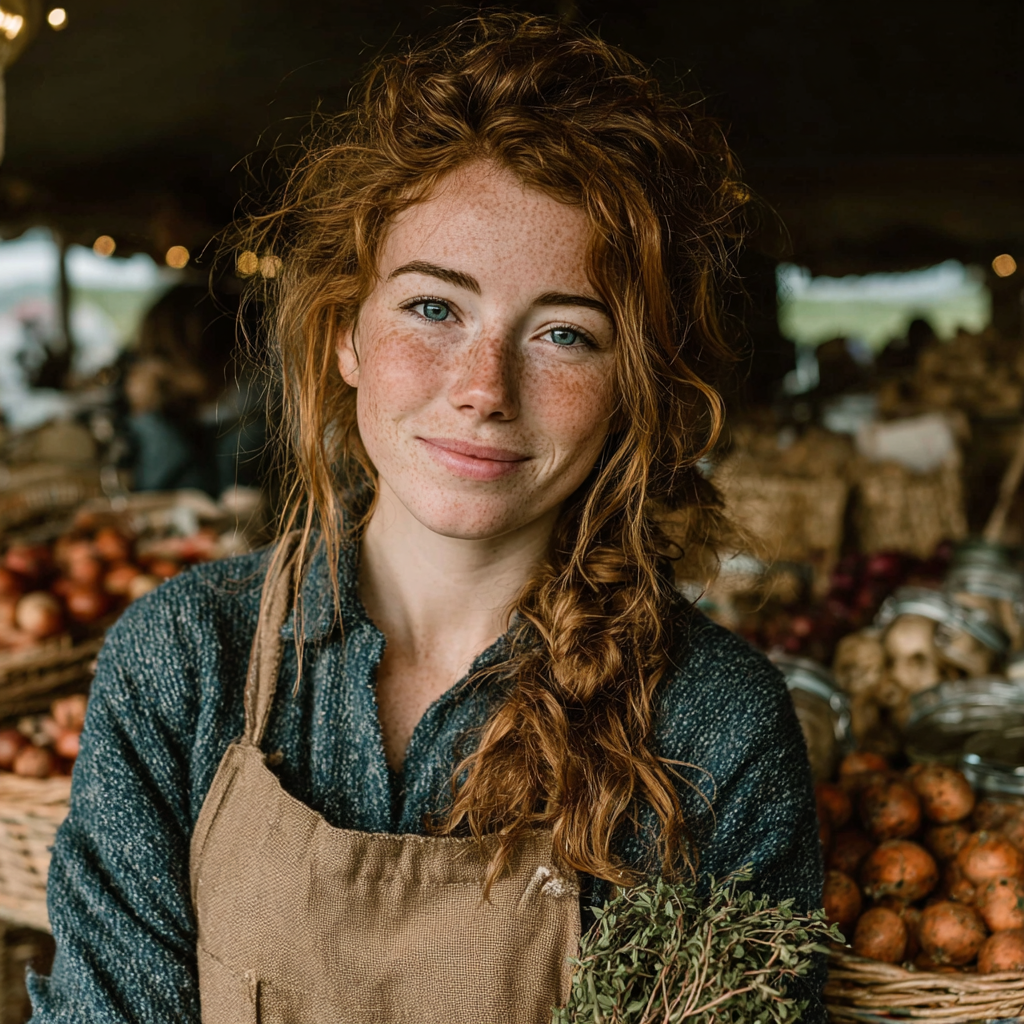
By Sophie Brennan
Irish food writer and historian based in Lisbon. Sophie combines her background in medieval history with a passion for contemporary gastronomy. She has written for Condé Nast Traveller and authored two cookbooks exploring Celtic and Iberian culinary traditions.