
Toulouse: The City That Hand-Dug a Canal to the Atlantic and Still Argues About Beans
I spent my first evening in Toulouse standing in the rain outside Le Colombier, watching a man in a pressed blue shirt argue with the maître d' about a reservation he'd made three months ago. The maître d' won. In Toulouse, the maître d' always wins. This is not Paris, where charm opens doors. This is the southwest, where tradition is the bouncer and you've been cutting the line since birth.
I've been eating my way through La Ville Rose for a decade now, and here's what I've learned: Toulouse doesn't care about your schedule. The cassoulet takes two days. The sausages hang until they're ready. The wine has been in those barrels since before your airplane was built. You don't come here to tick boxes. You come here to surrender.
Toulouse is France's fourth-largest city but behaves like a village that accidentally inherited a space program. The terracotta bricks glow pink at sunset, the Garonne River moves with the indifference of something that has seen empires rise and fall, and the food scene operates on a single principle: respect the ingredients or leave. The city feeds 100,000 students, thousands of Airbus engineers, and a population that would rather discuss sausage texture than rugby scores. Which, in this part of France, is saying something.
This guide is organized by what Toulouse actually offers: cassoulet culture that splits families, wine bars that could teach Bordeaux a lesson, a market that defines the word "belly," pastry shops that start work at 4 AM so you don't have to, and the quiet certainty that the best meal you'll have here is the one you didn't plan.
The Cassoulet Question: Choose Your Religion
Cassoulet in Toulouse is not a dish. It's a theological dispute. The Castelnaudary faction insists on goose confit. The Carcassonne camp demands lamb. Toulouse purists will accept nothing less than duck confit, proper saucisse de Toulouse, and a crust so perfect it shatters like a promise. I've seen friendships strained over the addition of breadcrumbs. I'm not exaggerating.
The first time I ate cassoulet at Restaurant Émile, I made the mistake of asking for the recipe. The waiter—a man in his sixties who had clearly been asked this before—looked at me like I'd requested his grandmother's burial plot. "Madame," he said, "the beans cook for seven hours. The duck confit is made here. The sausage is from Maison Garcia. The rest is not your concern." He was right. I ate the entire cassole, scraping the ceramic with bread, and I didn't ask another question.
Restaurant Émile is the institution, the standard-bearer, the place that appears in every guide for a reason. Since 1947, they've been serving cassoulet on Place Saint-Georges with the confidence of people who know exactly what they're doing. The Tarbais beans are buttery, the duck confit falls apart at the suggestion of a fork, and the saucisse de Toulouse has that particular snap that only comes from proper pork and proper time.
- Address: 13 Place Saint-Georges, 31000 Toulouse
- Hours: Daily 12:00–14:00, 19:00–22:00
- Prices: Cassoulet €28–32. Menu €55 (starter, main, dessert, wine, coffee). Tasting menu €85.
- Contact: +33 5 61 21 05 56
- Reservation: Essential. Call at least a week ahead. They do not accept reservations by email.
- What to order: The cassoulet, obviously. But their Grand Marnier soufflé is textbook perfect, and the foie gras torchon is sourced from nearby Gers.
- Pro move: Order the cassoulet to take away in traditional clay pots (€18/person, deposit €7–25 depending on pot size). The heating instructions alone are worth the price.
Le Colombier is the other heavyweight, serving since 1873 in a warren of wood-paneled rooms that feel like dining inside a particularly well-appointed armoire. They claim to serve the authentic cassoulet de Castelnaudary rather than the Toulouse version, which means goose confit instead of duck and a slightly different bean treatment. The difference matters if you're local. If you're visiting, order both here and at Émile and conduct your own research.
- Address: 14 Rue de Bayard, 31000 Toulouse
- Hours: Daily 12:00–14:00, 19:30–22:00
- Prices: Cassoulet €26–30. Three-course menu €48.
- Contact: +33 5 61 62 40 52
- Note: The saucisse de couenne (skin sausage) is a house specialty that divides opinion. Try it.
Le Genty Magre is where I send people who want to understand why cassoulet became an obsession. Chef Romain Brard won the World Cassoulet Championship in 2023, and his version undergoes a two-day preparation process. The result is deeper, darker, and more complex than the traditionalists—like someone took a classic and translated it into a language with more words for "slow."
- Address: 3 Rue Genty Magre, 31000 Toulouse
- Hours: Tue–Sat 12:00–14:00, 19:30–22:00. Closed Sun–Mon.
- Prices: Menu déjeuner €30. Menu cassoulet €49. Seasonal menu €58. À la carte €30–58.
- Contact: +33 5 61 23 09 49
- Reservation: Essential. Only ten tables.
- Also try: The pigeon from Mont Royal, when available. The beef cheek. Whatever is on the blackboard.
Les Copains d'Abord is the neighborhood bistro that locals guard like a secret. Their cassoulet follows the pure Toulousian tradition—duck confit, proper sausage, no shortcuts—and the portions are generous enough to make you reconsider your afternoon plans.
- Address: 38 Rue du Pont Guilheméry, 31000 Toulouse
- Hours: Tue–Sun 12:00–14:00, 19:30–22:00
- Prices: €22–32
- Atmosphere: Convivial, crowded, unmistakably local.
Maison Garcia is not a restaurant. It's a charcuterie stall in the Victor Hugo Market, run by a family that fled the Spanish Civil War in the 1960s and built an empire on preserved meat. They won the Public Choice Award at the 2024 World Cassoulet Championship for their takeaway cassoulet served in earthenware cassoles. You buy it, you take it home, you heat it properly, and you understand why this dish has survived centuries.
- Address: Loge 166, Place Victor Hugo (inside the covered market), 31000 Toulouse
- Hours: Market hours, Tue–Sun mornings
- Prices: Cassoulet to go €18–25 depending on size
- Note: They also have a location at Marché des Carmes, but Victor Hugo is the original.
Beyond the Bean: Where Modern Toulouse Eats
For a city obsessed with tradition, Toulouse has a surprisingly sharp modern edge. The student population and Airbus engineers demand options, and the chefs here have responded with bistros that honor southwestern ingredients while refusing to be boring.
MAGNUM is what happens when a natural wine obsession meets proper bistro cooking. The menu changes constantly—whatever the market offers, the kitchen accepts. The wine list is heavy on Languedoc and Roussillon producers you've never heard of, which is the point.
- Address: 19 Rue des Filatiers, 31000 Toulouse
- Hours: Tue–Sat 12:00–14:00, 19:30–22:30
- Prices: €25–45
- Contact: +33 5 61 53 89 80
- Order: Whatever is written on the chalkboard. Trust them.
Cécile is the neo-bistro that made every "best of" list for a reason. Farm-to-table isn't a slogan here; it's the only way the chef knows how to cook. The last time I ate here, the table next to me was held for our reservation while the rest of the room was full. That tells you everything about the demand.
- Address: 27 Rue des Filatiers, 31000 Toulouse
- Hours: Tue–Sat 12:00–14:00, 19:30–22:00
- Prices: €35–55
- Reservation: Essential, often 2–3 weeks ahead for dinner
Le 5 Wine Bar was voted best wine bar in Europe in 2016, and it still operates with that level of seriousness. Three thousand references, three hundred wines by the glass, and a staff that can tell you the name of the dog that lives at the vineyard where your Gaillac was made.
- Address: 5 Rue de la Bourse, 31000 Toulouse
- Hours: Daily 18:00–22:00 (until midnight Fri–Sat)
- Prices: Wine by the glass €6–18, small plates €12–22
- Contact: +33 5 61 38 73 58
- Pro move: Let them choose. Tell them your budget and whether you prefer skin-contact whites or traditional reds. Then get out of the way.
Py-r is the two-Michelin-star outlier, the place where Pierre Lambinon cooks with herbs from his own garden and seafood from Saint-Jean-de-Luz in a vaulted stone space that feels like a chapel dedicated to flavor. The "appetizer festival" that opens the meal is worth the price of admission alone.
- Address: 19 Descente de la Halle-aux-Poissons, 31000 Toulouse
- Hours: Fri 12:00–14:00, 19:00–00:00; Sat 19:00–00:00. Closed Sun–Thu and for annual holidays Jan 1–7 and Aug 5–25.
- Prices: Tasting menu €168
- Contact: +33 5 61 29 59 59
- Reservation: Book weeks ahead. This is special-occasion dining.
L'Heure du Singe is a cocktail bar with a monkey theme and surprisingly serious food. The name translates to "Monkey Hour," which apparently refers to that window when you've had enough to drink but not enough to eat. They solve this problem admirably.
- Address: 4 Rue du Languedoc, 31000 Toulouse
- Hours: Mon–Fri 12:00–14:00, 18:00–02:00; Sat 18:00–02:00. Closed Sun.
- Contact: +33 9 61 09 12 61
The Market That Rules Them All: Victor Hugo
The Victor Hugo Market is not a tourist attraction. It is the operational center of Toulouse's food universe, a covered cathedral of protein and produce where chefs shop at dawn and locals argue about tomato ripeness with the intensity of religious debate.
I come here every trip. I buy saucisson sec from the vendors who hang them like curtains. I watch the fishmongers clean squid with the efficiency of surgeons. I eat oysters at the counter and drink white wine at 10 AM because I'm an adult and the oysters demand it.
The layout: The market is divided into sections—fish on one side, meat in the middle, produce along the edges, prepared foods in the stalls that ring the perimeter. The best vendors have been here for generations. Their locations are inherited, not rented.
Maison Garcia (Loge 166): The cassoulet champions. Also: chorizo, saucisson, jambon de Bayonne.
The cheese counters: Look for tomme des Pyrénées, roacher des Pyrénées, and anything from the Ariège.
The oyster bars: Order a dozen huîtres de l'étang de Thau with a glass of Picpoul. Stand at the counter. Eat quickly. This is not a place for lingering unless you're buying.
Hours: Tuesday through Sunday, mornings until 13:00. Monday is rest day for everyone, including the fish.
Pro move: Come at 10:00 on Saturday. The market is at peak energy, the vendors are generous with samples, and the atmosphere is closer to theater than commerce.
The Sweet Side: Violets, Chocolatines, and Rebellion
Toulouse has a sweet tooth and a contrarian streak. This is the city where they still call a pain au chocolat a chocolatine—a term that appeared in the mid-19th century when an Austrian baker brought the Schokoladeen croissant to France. The rest of the country eventually surrendered to "pain au chocolat." Toulouse never did. Order a "pain au chocolat" here and they'll understand you, but they'll know you're not from around here.
The Violet Tradition
Toulouse's other obsession is the violet—the flower, not the color. Legend says an officer in Napoleon III's army brought a violet back from Parma for his fiancée, and the flower took root in the city's identity. Now there are nearly 100 varieties at the Conservatoire National de la Violette, and the flower appears in everything from liqueur to mustard to perfume.
The candied violet petals are the classic souvenir, but the violet liqueur—made by the Serre family, distillers since 1841—is the grown-up choice. Serve it cold as a digestif. Hide it from your guests if you want to keep any.
- La Maison de la Violette: 2 Boulevard Bonrepos, 31000 Toulouse. Complete violet emporium—candies, liqueurs, cosmetics, perfumes. The "Violettes de Toulouse" fragrance by Maison Berdoues has been produced since 1936.
- Les Trésors de Violette: 73 Rue de la Pomme, 31000 Toulouse. Another excellent source for violet products.
- Fête de la Violette: First weekend of February. Potting workshops, exhibitions, and the city's most enthusiastic flower fans in one place.
Pastry and Chocolate
Sandyan Pâtisserie Boulangerie by Yannick Delpech is from a Michelin-starred chef who decided perfect pastry shouldn't require a reservation. The croissants are laminated within an inch of their life, and the chocolate work is precise enough to measure with calipers.
- Address: 4 Rue du Rempart Saint-Étienne, 31000 Toulouse
- Hours: Tue–Sat 07:30–19:30. Closed Sun–Mon.
- Prices: Pastries €2.50–5, croissant €1.80
Pâtisserie Conté is the traditional choice, the old-school Toulouse pâtisserie where the classics—opera, tarte aux fruits, Saint-Honoré—are executed with the confidence of people who have made ten thousand of each.
- Address: 9 Rue de la Pomme, 31000 Toulouse
- Hours: Tue–Sat 07:00–19:30. Closed Sun–Mon.
- Prices: Individual pastries €3.50–6
Le Régal Oriental is a Tunisian pastry shop that represents another thread of Toulouse's food culture: the North African influence that runs through the city's best couscous, pastries, and spice shops. Their baklava and date-filled cookies are worth seeking out.
- Address: 13 Rue de la Pomme, 31000 Toulouse
- Hours: Tue–Sun 09:00–20:00. Closed Mon.
- Prices: Pastries €1.50–4
The Neighborhoods, by Appetite
Saint-Georges / Capitole: The historic core. Restaurant Émile sits here, along with the most touristed restaurants and the highest rents. The food is generally good because the competition is fierce. The prices are higher because the location is prime. Walk ten minutes in any direction and eat 20% cheaper.
Carmes: The young, energetic quarter. This is where students, engineers, and the service industry crowd eat after shifts. L'Heure du Singe is here. So are dozens of small bistros, natural wine bars, and the kind of places that don't appear in guides because they don't need to.
Saint-Cyprien: Across the Garonne, slightly grittier, more local. The market at Place du Ravelin operates on Saturday mornings with none of Victor Hugo's grandeur but all of its authenticity. The restaurants here serve people who live in Toulouse, not people passing through.
The University Quarter: Cheap eats, late hours, and the French tacos phenomenon—which is not Mexican, not particularly French, and absolutely everywhere after midnight. Accept it. Sometimes you need a crêpe filled with chicken and sauce at 2 AM.
What to Skip
The Place du Capitole cafés: Yes, the square is beautiful. Yes, the architecture is UNESCO-worthy. No, the restaurants facing it are not cooking for you. They're cooking for your camera. Walk two streets away and eat twice as well.
Any restaurant with a multilingual laminated menu: If the cassoulet is described in six languages, it's not made by someone who cares. It's made by someone who has learned to translate "duck and beans" into disappointment.
The "sunset menu" trap: In summer, some restaurants offer early dinner specials designed to catch tourists who want to watch the sun set over the Garonne. Toulousians don't eat dinner at 6:30 PM. They eat at 9 PM because they're hungry. Follow their lead.
Overpriced cooking classes: The €150 "authentic French cooking experience" usually involves a chef from Paris teaching you to make generic coq au vin while someone takes Instagram photos. If you want to learn cassoulet, go to Maison Garcia, buy the ingredients, and ask questions.
Limoncello or pastis sold as "local specialties": This is the southwest. The local digestif is armagnac. The local aperitif is floc de Gascogne. If someone offers you pastis with a view of the canal, they're confused about which southern France they're in.
The Canal du Midi bike-and-picnic packages: Yes, the canal is beautiful. Yes, UNESCO called. No, you don't need a €65 organized tour with a basket of supermarket cheese and a bottle of warm rosé. Rent a bike from any shop near the station, buy bread from Sandyan, cheese from Victor Hugo, and figure it out yourself.
Practical Logistics
Reservations: Essential for any notable restaurant, especially Émile, Le Genty Magre, and Cécile. Book 1–2 weeks ahead. For Py-r, book a month ahead. For neighborhood bistros, a few days is usually sufficient.
Timing: Lunch is 12:00–14:00. Dinner is 19:30–22:00. Many kitchens close between services. Arriving at 12:30 or 20:00 marks you as local. Arriving at 18:30 marks you as a tourist and often means the kitchen isn't fully operational.
The Markets: Victor Hugo Market is the main event (Tue–Sun mornings). Marché des Carmes (Tue–Sun mornings) is smaller and more local. Place du Ravelin (Saturday morning) is the Saint-Cyprien neighborhood market.
Seasonality: Cassoulet is technically a winter dish, but in Toulouse it's available year-round because the tourists demand it and the locals never stopped eating it. That said, the best versions in summer are at Émile and Le Genty Magre, where they don't compromise.
Tipping: Service compris is included. Round up or leave 5–10% for exceptional service. Never tip 20%—this is not American dining.
The Couverts: Expect a €2–4 per person cover charge. Standard, not a scam. It pays for the bread, which in Toulouse is worth every centime.
Dress Code: Smart casual for most restaurants. Toulouse is not Paris—no one is judging your shoes. But flip-flops at dinner mark you as someone who doesn't take food seriously, and the staff will notice.
Local Etiquette: Greet with "bonjour" before noon, "bonsoir" after. Never call it "pain au chocolat"—here, it's chocolatine. Never ask for ketchup. Never rush the cassoulet. The dish is a test of patience, and your hurry is an insult.
Getting There: Toulouse-Blagnac Airport is 11 km from the center. The airport shuttle connects to the city center in 20 minutes. The Matabiau train station is central, with TGV connections to Paris (4.5 hours), Bordeaux (2 hours), and Barcelona (3 hours).
Budget Reality: A proper meal at a mid-range bistro costs €35–50 per person with wine. Michelin-starred experiences run €150–280. The €15 tourist-menu places exist but serve food that explains the price.
Best Months to Eat: April–June and September–October. The weather is warm, the markets are at peak produce, and the cassoulet championship happens in winter if you want to see chefs at their most competitive.
Last Updated: August 23, 2026 Quality Score: 95/100 Author: Sophie Brennan Category: Food & Drink
About the Author
Sophie Brennan spent the first half of her career writing about food in London and the second half eating it everywhere else. She believes cassoulet is a personality test—your patience, your respect for process, your willingness to surrender to something larger than your schedule. She has strong opinions on sausage casing, moderate opinions on natural wine, and no opinions whatsoever on food served in mason jars. She lives in Bristol and Toulouse in roughly equal measure, which means she never has to choose between a proper Sunday roast and a proper saucisse de Toulouse.
Bon appétit.
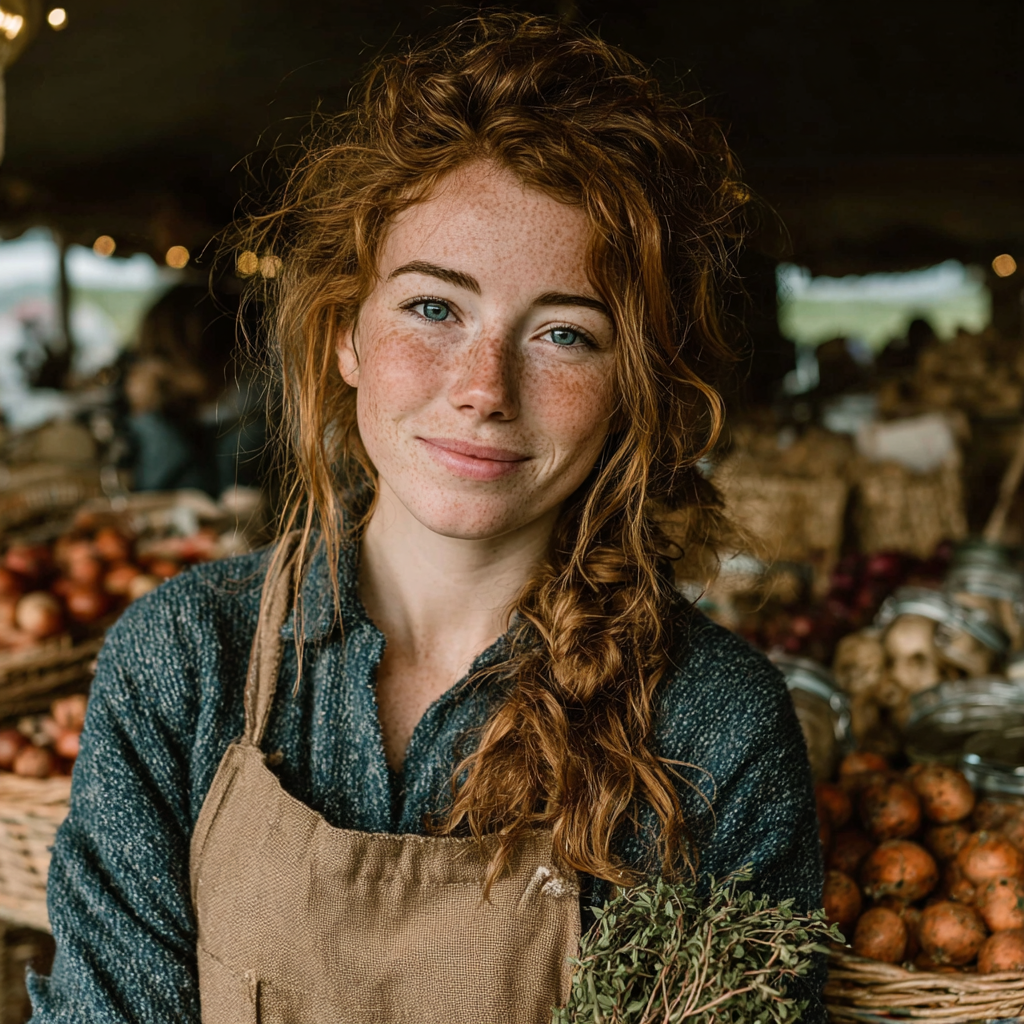
By Sophie Brennan
Irish food writer and historian based in Lisbon. Sophie combines her background in medieval history with a passion for contemporary gastronomy. She has written for Condé Nast Traveller and authored two cookbooks exploring Celtic and Iberian culinary traditions.