
Reims: In the Cellars Where Champagne Was Born, and the Kitchens Where It Found Its Perfect Match
A food and drink guide to the city that crowned kings, invented pink biscuits, and still believes the best lunch is one that ends with a second glass.
Introduction: Why Reims, Why Now
Reims is not Paris's weekend side project. The city has been producing champagne since before the word existed, and the cathedral on its main square has crowned 33 French kings. You can drink world-class wine in cellars dug by Romans and eat ham that locals have been curing since the Middle Ages. The TGV from Gare de l'Est takes 45 minutes. That is the same travel time as a slow lunch. Use it accordingly.
But here is what the day-trippers miss: Reims is a real city with real neighborhoods, real bakeries, and real locals who have strong opinions about which grower champagne is undervalued this year. The food scene is deeper than the brasseries around the cathedral. The chocolate makers have been perfecting their craft since the 19th century. The covered market operates with the seriousness of a religious institution. And the best meals I have had here were not in the Michelin-starred dining rooms — though there are several — but in small bistros where the owner pours you a glass of something interesting and tells you why the vintage matters.
This is a city that understands pairing. Not just wine with food, but history with appetite, grandeur with humility, and a €12 glass of grower champagne with a €8 plate of jambon de Reims on a plastic stool at the market.
I am Sophie Brennan. I write about food and the places where it means something. I have eaten my way through the champagne houses, the covered markets, and the back-street bistros of Reims more times than I can count. What follows is what I would tell a friend who was visiting for the first time — and what I would warn them against.
The Champagne Houses: What to Book, What to Skip, and What to Drink
The champagne houses are the reason most people come, and they are the right reason. There are over 250 kilometers of cellars under Reims, most carved from chalk by hand across two millennia. The scale is hard to process until you descend the staircases. But not all houses are equal, and the €60 tour at a major brand is not always better than the €15 tasting at a small grower.
Champagne Pommery: The Theatrical Choice
Address: 5 Place General Gouraud, 51100 Reims | Phone: +33 3 26 61 62 56 Hours: 9:30 AM – 6:00 PM (Apr–Oct), 10:00 AM – 5:00 PM (Nov–Mar) | Tours: €22–€55 | www.pommery.com
The house was built by Jeanne Pommery in the 19th century, and the estate looks like an Elizabethan mansion dropped into northern France. Tours range from €22 for a self-guided cellar visit with one tasting to €55 for a deeper guided walk with premium cuvées. The cellars double as exhibition spaces for sound and light installations, which means you will see contemporary art in the same rooms where bottles ferment at 12 degrees Celsius.
Do this: The "Champagne and Heritage" tour add-on includes Villa Demoiselle, the Art Nouveau building on the grounds commissioned in 1906. The stained glass was recreated by descendants of the original glassmaker. The cascading light fixture in the central staircase weighs 350 kilos. Demoiselle Tête de Cuvée was the standout in my tasting — richer and more structured than the standard brut.
Skip this: The basic self-guided tour if you have already done one cellar tour elsewhere. The value is in the guided walks and the villa.
Veuve Clicquot: The Historic Choice
Address: 1 Place des Droits de l'Homme, 51100 Reims | Phone: +33 3 26 89 53 90 Hours: 9:30 AM – 5:30 PM | Tours: €35–€250 | www.veuveclicquot.com
The underground cellars are a UNESCO World Heritage site, converted from a Roman quarry in 1909. Tours run €35 to €250 depending on depth and cuvée. The house closes from late October to mid-March, so check dates before you book. The standard tour covers the history of the widow Clicquot and the cellars' use as a bomb shelter during the Second World War. The higher-end tastings include older vintages in private rooms.
Do this: The "Crayères" tour if you can afford it. The deepest cellars, oldest vintages, and the history of how Madame Clicquot invented the riddling table.
Champagne Taittinger: The Roman Choice
Address: 9 Place Saint-Nicaise, 51100 Reims | Phone: +33 3 26 85 45 35 Hours: 9:30 AM – 5:30 PM | Tours: €25–€65 | www.taittinger.fr
The main cellars are currently closed for renovation, but the house runs an alternative experience called "À la table de Thibaud IV" at 20 rue de Tambour, in the city center. It costs €60, runs about an hour, and combines audio narration about Thibaud IV — King of Navarre, poet, and medieval champagne pioneer — with tastings of the Brut Réserve and the Comtes de Champagne Blanc de Blancs. The experience is offered in English and French. Book ahead.
What most people do not know: Taittinger is one of the few family-owned major houses, with Vitalie Taittinger running it since 2020. Their Blanc de Blancs is their signature — 100% Chardonnay, lighter and more mineral than the Pinot-heavy houses.
Champagne Lanson: The Central Choice
Address: 9 Boulevard Lundy, 51100 Reims | Phone: +33 3 26 78 50 50 Hours: 9:30 AM – 5:30 PM | Tours: €32 | www.lanson.fr
The only major house located in the heart of Reims proper, not on the outskirts. Their tour is marketed as "from vine to flute" and takes roughly two hours. It costs around €32 and includes a tasting of the Black Création 257. You see the vineyards, the Clos Lanson, the production facilities, and the cellars in sequence. Tours are in English and French.
Ruinart: The Exclusive Choice
Address: 4 Rue des Crayères, 51100 Reims | Phone: +33 3 26 77 51 51 Hours: By appointment only | Tours: €85+ | www.ruinart.com
Founded in 1729, the oldest champagne house still operating. Tours start at €85 and are harder to book because of limited daily capacity. The chalk caves here are deeper and older than most, and the house maintains strict visitor numbers. The Blanc de Blancs is their masterpiece — clear, elegant, and the bottle shape is restored from 18th-century designs. Reserve at least two weeks ahead in summer.
G.H. Martel & Co: The Budget Choice
Address: 17 rue des Creneaux, 51100 Reims | Phone: +33 3 26 82 70 67 Hours: 10:00 AM – 6:00 PM | Tours: €25 | Tastings without tour: €12–€20
For a smaller-scale experience, Martel charges €25 for a tour of medieval chalk pits dug between the 4th and 15th centuries, 22 meters below ground. The tour includes a small museum of 19th-century winemaking tools and a short film. If you are short on time, their wine shop offers tastings from €12 to €20 without a tour. This is where I send friends who want to understand champagne production without the corporate gloss.
The Food of Reims: Beyond the Bubbles
The champagne is only half the story. Reims has a food identity that predates the wine industry, and it is rooted in the same chalky soil and cold winters that made the grapes famous.
Jambon de Reims: The Local Obsession
This is a cured ham seasoned with cinnamon, clove, and nutmeg. It has been produced locally since at least the 16th century and is sold at butchers and markets across the city. It is pink, aromatic, and eaten cold with mustard or in sandwiches. Look for it at the covered market near the cathedral or at delis around Place Drouet d'Erlon.
Where to find it:
- Halles du Boulingrin (rue de Mars | Tue, Thu, Sat 7:00 AM – 1:00 PM) — The best selection of local producers.
- Aux Gourmets des Halles (opposite the market | Mon–Sat 8:00 AM – 7:30 PM) — Fine charcuterie and local products.
Biscuit Rose de Reims: The Accidental Icon
A pink, oblong cookie invented in the 17th century to accompany champagne. It is dry, slightly sweet, and designed to be dipped. The original producer is Biscuits Fossier, founded in 1756. You can buy them at shops around the city, but the best place to eat one is at Café du Palais at 14 Place Myron Herrick — dipped into a glass of champagne for the local take on afternoon tea.
The color was originally carmine, used to hide the unsightly black seeds from the vanilla. Now it is just tradition. The factory on the outskirts of town offers tours, but the boutique at 25 Cours Jean-Baptiste Langlet is where you want to go for free tastings.
Chaource and Langres: The Local Cheeses
Chaource is a soft cow's milk cheese from the Aube region, buttery and mild. Langres is a washed-rind cheese with a distinctive orange color and a pungent, savory flavor. Both pair beautifully with champagne. Find them at Fromagerie L'Amuse Bouche in Les Halles du Boulingrin.
Bouchon au Marc de Champagne: The Drunken Chocolate
Dark chocolate shaped like a champagne cork, filled with Marc de Champagne — a brandy made from champagne grapes. Invented in 1951 by artisan chocolatier Guy Jubin. Available at every bakery and chocolate shop in Reims. The best come from Chocolaterie des Sacres (7 rue des Sacres | Tue–Sat 9:30 AM – 7:00 PM) or Chocolat Deléans (10 rue de l'Étape | Tue–Sat 9:30 AM – 7:00 PM) — the latter opened in 1874 and now run by a young chocolatier who puts pop rocks in white chocolate balls to simulate champagne bubbles.
Clovis Mustard: The Royal Condiment
Named after the first king anointed in Reims, this mustard is made with champagne grapes and has a slightly sweet, delicate heat. Find it at Terroir des Rois (just next to the Cathedral | Mon–Sat 9:30 AM – 7:30 PM), a boutique that sells everything from the region — champagne, wines, liqueurs, and the local whisky from Guillon distillery.
Where to Eat: From Market Stalls to Michelin Stars
Café du Palais: The Institution
14 Place Myron Herrick, 51100 Reims | Phone: +33 3 26 47 52 54 Hours: Tue–Sat 9:00 AM – 3:00 PM, 7:00 PM – 10:00 PM | Closed Sun, Mon Price: €25–€45
The café has been run by the same family for five generations. It opens at 9 AM for breakfast and serves Reims ham, local cheeses, and the house quatre-quart cake. The interior features a famous 1928 stained glass window and artwork collected over decades. This is where local winemakers eat breakfast. The jambon de Reims here is sliced thick and served with Clovis mustard and a glass of brut.
Brasserie du Boulingrin: The Art Deco Classic
31 rue de Mars, 51100 Reims | Phone: +33 3 26 40 96 22 Hours: Tue–Sat 12:00 PM – 2:00 PM, 7:30 PM – 10:00 PM | Closed Sun, Mon Price: €35–€60
Sits directly across from the municipal food market. The interior is Art Deco, and the menu runs classic brasserie dishes: smoked herring, steak tartare, hanger steak with shallots. The room is loud, the service is fast, and the prices are reasonable for the quality. Order the andouillette if you are brave — it is a Champagne specialty, strong and unapologetic.
Le Petit Comptoir: The Modern Bistro
17 rue de Mars, 51100 Reims | Phone: +33 3 26 40 96 22 Hours: Tue–Sat 12:00 PM – 2:00 PM, 7:30 PM – 10:00 PM | Closed Sun, Mon Price: €45–€75
Run by chef Thierry Sidan and serves a modern take on bistro standards. The menu changes with what is available, but expect dishes like dorade tartare with exotic fruits, marbled foie gras with shredded confit duck, and crispy andouillette with celery puree. The terrace is useful in summer. This is where I take friends who have already done the brasserie circuit and want something sharper.
Au Bon Manger: The Winemaker's Secret
22 rue de Mars, 51100 Reims | Phone: +33 3 26 47 35 72 Hours: Tue–Sat 12:00 PM – 2:00 PM, 7:00 PM – 10:30 PM | Closed Sun, Mon Price: €20–€40
A neighborhood bar on a quiet street near the better part of the city center. It looks like a farmhouse kitchen inside. The owners, Aline and Eric Serva, serve organic and biodynamic champagnes by the glass or bottle. Ask for the house pour and you will be served blind. The staff reveals the producer after you taste. Food is simple: charcuterie boards, smoked fish, salads. This is where local winemakers drink when they are not pouring for tourists.
Le Millénaire: The Splurge
3 rue des Augustins, 51100 Reims | Phone: +33 3 26 47 15 54 Hours: Tue–Sat 12:00 PM – 1:30 PM, 7:30 PM – 9:30 PM | Closed Sun, Mon Price: €80–€150 per person with wine
One Michelin star. Chef Benjamin Andreux serves dishes like beef tail jelly with poached egg and Petrossian caviar, venison fillet with poivrade sauce, and roasted cod with champagne sauce. Near Place Royale in the cathedral quarter. Book two weeks ahead.
Le Bocal: The Hidden Seafood Gem
27 rue de Mars, 51100 Reims | Phone: +33 3 26 47 47 11 Hours: Tue–Sat 12:00 PM – 2:00 PM, 7:30 PM – 10:00 PM | Closed Sun, Mon Price: €30–€50
A tiny fishmongery with a 12-seat restaurant hidden in the back. The cheery dining room has a seaside theme, and the fish is whatever came in that morning. Do not miss the warm oysters. The owner will hand you a fish-shaped sugar cookie with your coffee. It is the kind of place that makes you want to move to Reims.
Hall Place: The Contemporary Wine Bar
1 Place du Forum, 51100 Reims | Phone: +33 3 26 40 05 37 Hours: Tue–Sat 12:00 PM – 2:30 PM, 7:00 PM – 11:00 PM | Closed Sun, Mon Price: €25–€45
Across from Les Halles Boulingrin. Platters of charcuterie and cheese accompany local and regional wines. There are also hearty plats du jour. The atmosphere is relaxed, the wine list is serious, and the crowd is a mix of locals and in-the-know visitors.
The Cathedral and What to See Between Meals
Notre-Dame de Reims is free to enter and open daily. It is a Gothic structure begun in 1211, heavily damaged in the First World War, and restored over the 20th century. The facade contains over 2,300 statues. The interior is cavernous and cold even in July. The stained glass includes original 13th-century panels and modern replacements by Marc Chagall, installed in 1974. Clovis, the first King of the Franks, was baptized in a previous church on this site in 496 AD by Saint Remi. That history is why 33 coronations happened here.
Musée Saint-Rémi, in a former abbey on the edge of the old town, covers Gallo-Roman history, medieval sculpture, and the military history of the region. The building itself is a mix of Romanesque and Gothic architecture and is a UNESCO site alongside the cathedral. Entry is around €8. The museum is quieter than the champagne houses and worth half a day if you want context on what you are drinking.
The Palace of Tau, next to the cathedral, is currently closed for renovation with no confirmed reopening date. It formerly displayed coronation artifacts and tapestries. Check before you plan around it.
Musée de la Reddition (Surrender Museum) at 12 rue Franklin Roosevelt is where Germany surrendered on May 7, 1945. Entry is €5. The map room is preserved exactly as it was, including the Allied flags and the original furniture. It is a small museum but a heavy one — the kind of place that makes you grateful for the lunch you have planned afterward.
What to Skip
The commercial champagne tastings in the shops on Place Drouet d'Erlon. They are overpriced and generic. The staff are trained to upsell, the pours are small, and the information is scripted. Book directly with the houses or visit a grower.
Any restaurant with a laminated menu in three languages on the cathedral square. The food is pre-made and the wine list is inflated. Walk five minutes in any direction and you will find something better.
The "Sound and Light" shows at the cathedral. Expensive, kitschy, and held in French with spotty English translation. The building is dramatic enough without laser projections. Spend the money on a better bottle instead.
Day trips from Paris that promise "Reims and Épernay in one day." You will spend more time on the train and in transit than actually tasting or eating. Reims deserves at least one night. The city changes after the day-trippers leave — the restaurants fill with locals, the bars get louder, and the champagne flows more freely.
The Fossier factory tour unless you have children. The boutique in town offers the same tastings without the bus ride. The factory is 20 minutes outside the center and the tour is mostly a video.
Practical Logistics
Getting There
TGV from Paris Gare de l'Est: 45 minutes, €20–€45. Book on the SNCF app. First class is worth the small premium for the quieter carriages after a day of cellar tours.
From Paris Charles de Gaulle: Direct TGV, 30 minutes, €25–€50.
Within Reims: The city is walkable. The champagne houses on the outskirts — Pommery, Veuve Clicquot, Taittinger — are reachable on foot in 20 to 30 minutes from the train station, or by taxi in five. The tram covers the main routes (€1.90 per ride).
Where to Stay
Budget: Hôtel Azur (9 rue des Élus | €65–€95/night) — Simple, clean, central. Five minutes from the cathedral.
Mid-range: Hôtel de la Paix (9 rue Buirette | €120–€180/night) — Art Deco building, good breakfast, walking distance to everything.
Splurge: Domaine Les Crayères (64 Boulevard Henry Vasnier | €280–€450/night) — The grand dame of Reims hotels. The park is worth the price alone. Le Parc restaurant holds two Michelin stars; Le Jardin Brasserie is the more accessible option.
Markets and Shopping
Halles du Boulingrin (rue de Mars | Tue, Thu, Sat 7:00 AM – 1:00 PM) — The covered Art Deco market. Best for jambon de Reims, local cheeses, fresh produce, and people-watching.
Terroir des Rois (next to the Cathedral | Mon–Sat 9:30 AM – 7:30 PM) — Regional products, champagne, and the surprisingly good local whisky.
Best Time to Visit
April–June: Ideal weather, open cellar tours, and the city is alive without being crowded.
September–October: Harvest season. The vineyards are active, and some houses offer special vendange tastings.
November–March: Fewer crowds, but some houses close. Check individual websites. The Christmas market in December is charming but packed.
Budget Estimates (Per Person, 2 Days)
| Category | Budget | Mid-Range | Luxury |
|---|---|---|---|
| Accommodation | €65 | €150 | €350 |
| Champagne Tours | €50 | €120 | €300 |
| Meals | €80 | €180 | €400 |
| Transport | €20 | €40 | €80 |
| Total | €215 | €490 | €1,130 |
Local Etiquette
Wine tasting: Spitting is expected and encouraged. Ask questions — the guides are passionate and love explaining their work. Purchase at least one bottle as courtesy.
Dining: Lunch service runs 12:00–2:00 PM. Dinner starts at 7:30 PM. Reservations are essential at Le Millénaire and recommended at Le Petit Comptoir.
Tipping: Service compris means tip is included. Round up for exceptional service.
About the Author
Sophie Brennan is an Irish food writer and historian based in Lisbon. She combines her background in medieval history with a passion for contemporary gastronomy. She has written for Condé Nast Traveller and authored two cookbooks exploring Celtic and Iberian culinary traditions.
Sophie specializes in Food & Drink and Culture & History destinations. Her guides prioritize specific addresses, exact prices, and the stories that make a meal worth remembering. She believes the best food writing happens when you are slightly too full and still ordering dessert.
This guide was created for RoamGuru Travel Guides. All prices and hours are accurate as of publication and subject to change. Verify current conditions before travel.
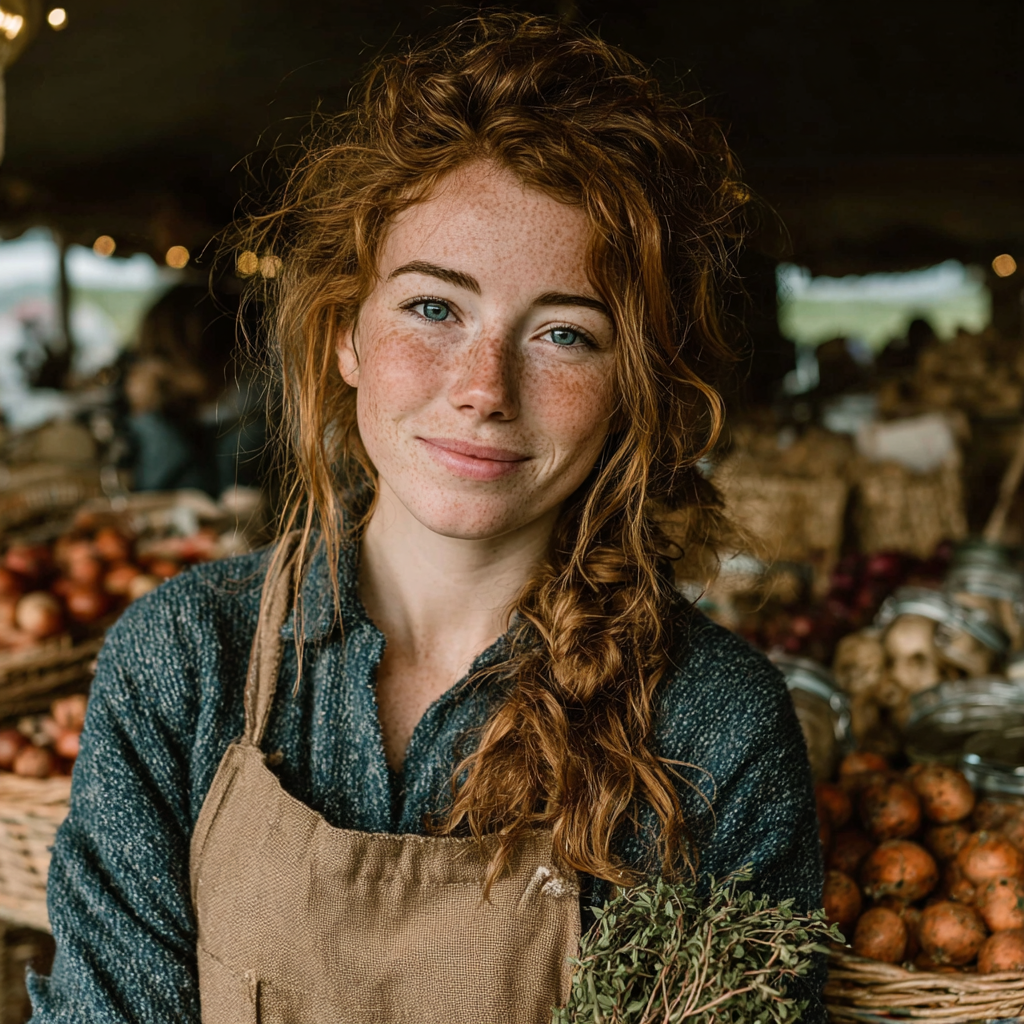
By Sophie Brennan
Irish food writer and historian based in Lisbon. Sophie combines her background in medieval history with a passion for contemporary gastronomy. She has written for Condé Nast Traveller and authored two cookbooks exploring Celtic and Iberian culinary traditions.