
Salt Winds and Zinc Bars: La Rochelle's Real Food Scene Beyond the Tourist Port
By Sophie Brennan | Irish food writer and historian. I came to La Rochelle for the oysters and stayed for everything else: the wine bar that's been pouring since 1933, the mussel farmer who turned his harbor canteen into a seafood institution, and the cognac heritage that paid for half the city's facades. This is the food city France's Atlantic coast has been quietly keeping to itself.
La Rochelle doesn't try to be Paris, and that's exactly why you should eat here. This Atlantic port has been feeding sailors, merchants, and now tourists for nearly a thousand years, and the result is a food culture that's unpretentious, seafood-heavy, and wired directly into its region—Charente-Maritime's oyster beds, the Île de Ré's salt marshes, and the cognac country that starts an hour inland.
I arrived on a Tuesday in late October, when the summer crowds had thinned but oyster season was hitting its stride. The city smelled of low tide and roasting coffee. Within an hour I was standing at a counter in the market hall, eating Marennes-Oléron oysters that had been in the water that morning, watching a fishmonger argue with a regular about whether the week's best catch came off the north shore or the south. This is how La Rochelle works: the food is inseparable from the people who produce it, and nobody lets you forget that.
Oysters: The Main Event
If you eat one thing in La Rochelle, make it oysters. The city sits at the heart of France's largest oyster-producing region, and the difference between an oyster shucked here and one trucked to Paris is immediate—briny, metallic, faintly sweet, alive.
The Marennes-Oléron basin, just south of the city, produces the majority of France's oysters. The secret is the claires—shallow salt ponds where oysters are finished for weeks or months. The algae-rich water gives the best of them a greenish tinge and a complex, almost nutty depth. In Tokyo and New York you pay a premium for these. Here, they're everyday food.
Marché Central (Place du Marché, 17000 La Rochelle; daily 8:00 AM–1:30 PM; street market spills into surrounding streets Wednesday and Saturday 7:30 AM–1:30 PM) is where locals actually eat them. The 19th-century glass-and-iron hall—Rochelais simply call it les Halles—houses dozens of stalls, and the oyster vendors near the fish section will shuck to order. Stand at the counter, eat a dozen Marennes-Oléron for €9–14 depending on size, and drink a glass of cold white standing up. Nobody will rush you. Saturday is the big market day; go by 9 AM or the best trays are gone. On Friday afternoons the market stretches along Rue Gargoulleau to Place de Verdun (1:30–7:30 PM), which is a lovely slow-food way to end the week.
A five-minute walk away, Le Comptoir Saoufé (12 Rue du Port, 17000 La Rochelle; open daily, evenings until around 10–11 PM) is the city's best oyster bar. It's a small, warmly cluttered room a block off the old port, and it's as famous for its atmosphere as for its shellfish—expect a line of locals at the zinc counter most evenings. The menu is short and seafood-obsessed: a dozen house Gillardeau N°3 oysters run about €31, a dozen pleine mer (open-sea) oysters noticeably less, and the snack plates—shrimp, whelks, smoked salmon—are built for sharing over a bottle of Chablis or a pitcher of Muscadet. This is aperitif culture at its finest: order a plate, nurse a glass, and let the evening happen around you.
For a proper sit-down seafood feast, Le Panier de Crabes (9 Rue de la Fourche, 17000 La Rochelle; reservations strongly recommended, tel 09 53 56 59 97) is the address Rochelais give when asked where they eat. Tucked behind the harbor in a lane most visitors walk straight past, it built its name on generous trays piled with crab, oysters, shrimp, and whelks—order the plateau for the table (budget €25–45 per person depending on ambition) and add a bottle of Sauvignon de Touraine. In summer, book days ahead; this is a locals' institution, not a tourist find.
And for the most romantic version of the oyster ritual, find Le P'tit Bleu, the little blue boat moored on the Cours des Dames near the Tour de la Chaîne. It's part food truck, part boat: oysters, sardines, and mussels served at quayside tables with the old port's towers in view. Simple, fresh, and cheaper than anything on the waterfront terraces twenty meters away. Weather-dependent—this is an outdoor experience—so save it for a clear day.
The Fishing Port: Where the Boats Come In
The smartest food move in La Rochelle is leaving the postcard harbor and going to where the fishermen actually land their catch: the Port de Pêche at Chef-de-Baie, on the industrial edge of La Pallice. It's a €10 taxi or a short bus ride from the center, and it feels like a different city—working docks, crates of fish, gulls screaming over trawlers.
Tonton Louis (Port de Pêche, Chef-de-Baie, 17000 La Rochelle; roughly noon–2 PM and 7–10 PM, closed selected weekdays—check before you go) is the institution. Founded in 2010 by Bernard Bouyé, a mussel farmer who wanted to feed people the way he ate at the dock, it's become a Rochelais rite of passage. The signature move is the all-you-can-eat seafood buffet—around €41 per person in 2026—with everything from stuffed clams and fish terrines to crab, shrimp, and whelks, plus a handful of hot mains. Arrive hungry, work in courses, and don't skip the fish soup. Bernard or his team often circulate between tables, and the room fills with everyone from dockworkers to multi-generation families celebrating Sunday lunch. Some summer mornings you can even join "Un matin à la criée," a guided visit to the fish auction that meets at dawn in front of the restaurant (book via the tourist office, +33 5 46 41 14 68)—one of the great food experiences on this coast.
Next door, Moules Brothers (Port de Pêche, Chef-de-Baie) is a no-frills cabane devoted almost entirely to mussels—moules marinières, moules à la crème, moules au pineau—served by the pot with frites for roughly €15–20. Cash-card casual, paper napkins, harbor views. This is where you eat what the Atlantic gives, minutes from where it landed.
If you can't make it to Chef-de-Baie, Le Merluberlu (37 Quai Valin, 17000 La Rochelle), a "comptoir marin" on a quieter quay, channels the same spirit in the city center—fish and shellfish treated simply, a short chalkboard menu that follows the auction, and a wine list that leans Loire and Atlantic.
Cognac, Pineau, and the Drinking Culture
La Rochelle sits an hour from Cognac, and the connection runs deep: in the 17th and 18th centuries the city's Protestant merchants shipped brandy to England and Holland from this very quay, and the wealth from that trade built much of the grand arcaded architecture you'll eat dinner beneath. Today you can drink the results without leaving town.
Bar André (5 Rue Saint-Jean-du-Pérot, 17000 La Rochelle; open daily roughly 9 AM–11 PM) is the essential stop. Founded in 1947 and far more than a bar, it's a wood-and-memorabilia institution that has fed the port for generations—expect a long zinc counter, maritime photographs, and a dining room doing serious seafood in the €25–50 range. Since 2021 it's been run by chef Johan Leclerre, a Meilleur Ouvrier de France, and his partner Stéphanie, who refreshed the kitchen without touching the soul of the place. Come for an aperitif of pineau des Charentes at the bar, stay for oysters, langoustines, or whatever the day's fishing brought. It's tourist-famous but genuinely local—the two aren't mutually exclusive when a place is this good.
Pineau des Charentes, the region's fortified aperitif—fresh grape juice arrested with cognac, then aged—is what you drink before the meal. White pineau, chilled, is slightly sweet, nutty, and dangerously easy (€4–6 a glass almost everywhere; look for aged expressions, which drink closer to sherry). After the meal, cognac itself: a VSOP pour runs €8–14 in most bars, and if you want to go deeper, La Rochelle has specialist cavistes—Cognac Only, a local artisan spirits shop, is the kind of place where the owner will walk you from a €35 VS to a single-estate XO while explaining why Grande Champagne terroir earns its price. Buy a bottle to take home; it travels better than the memory of it.
For wine rather than spirits, La Guignette (8 Rue Saint-Nicolas, 17000 La Rochelle) is the city's beloved neighborhood bar, pouring since 1933. It takes its name from the house drink—la guignette, a light, fizzy, fruit-infused wine cooler that tastes like summer in a glass and costs around €3–4. The room is tiled, loud, and gloriously unrenovated; the crowd mixes students, regulars, and tourists who wandered in by luck. Be warned: they close at 9 PM sharp, a famously unsentimental last call. Get there by 8:30, order two, and don't argue.
Le Rouge aux Lèvres (4 Rue des Cloutiers, 17000 La Rochelle; +33 5 46 50 08 17; closed Monday–Tuesday, Wednesday 9:30 AM–7:30 PM, Thursday 2–9 PM, Friday–Saturday 9:30 AM–9:45 PM, Sunday 9:30 AM–2:30 PM) is the wine-lover's answer. Run by Stéphane Lerouge—a former sommelier who poured at the Louis XV in Monaco before coming home—it's a cave à manger stocking almost exclusively organic, biodynamic, and natural French bottles, with a joyfully mismatched flea-market decor. You can buy to take away or sit down to simple, seasonal market cooking—whatever arrived from the stalls that morning, served on small plates built for sharing and drinking. This is the best glass-of-wine-and-plate-of-something in the old town, full stop.
For cocktails, Le Mary Lili (20 Rue de la Chaîne, 17000 La Rochelle; open until midnight) is the locals' favorite near the port—a proper mixed-drink bar with a serious back shelf and none of the old-town pose. And if you just want a classic grand-café coffee on a handsome terrace, Café Leffe (54 Cours des Dames, 17000 La Rochelle) has anchored its corner by the Tour de la Chaîne for decades; the chocolat chaud and people-watching are both excellent.
The Port Restaurants: What's Actually Worth It
The terraces ringing the Vieux Port are a mixed bag, and the sorting principle is simple: places with laminated photo menus in six languages exist for the foot traffic, full stop. But a handful of waterfront tables genuinely earn their view.
Les Copains d'Abord (28 Quai Duperré, 17000 La Rochelle) occupies one of the prime old-port addresses, but the kitchen backs up the location—classic Atlantic seafood, well-sourced fish, and a prix-friendly lunch menu that makes it one of the better value-per-view deals on the quay (mains €20–32; lunch formule under €25). Book an outside table an hour before sunset and watch the towers light up.
For the splurge of a lifetime, Christopher Coutanceau holds three Michelin stars at the Plage de la Concurrence, cooking seafood with a precision that has made him one of France's most celebrated fish chefs (tasting menus from around €300; reserve weeks ahead). His more relaxed sibling, La Yole de Chris, sits next door on the same beach—same ocean, same sourcing, a fraction of the formality and price (mains €25–45). If the big room is beyond budget, the Yole is where you taste the philosophy without the ceremony.
One block back from the water is where values improve dramatically, and Iséo Bistrot de la Mer (4 Place de la Chaîne, 17000 La Rochelle) is a good example—an old-port address with a loyal local following, Asian-inflected seafood, and a €€€ menu that still respects your wallet. For a working lunch away from the crowds, Le Bistrot du Port (5 Bis Rue du Port) does honest, well-reviewed bistro cooking a block from the aquarium at fair prices.
Île de Ré on the Plate
The salt marshes of nearby Île de Ré produce some of France's finest fleur de sel, and La Rochelle's chefs use it aggressively. You'll notice it in simple preparations—grilled fish, boiled new potatoes—where the salt's mineral complexity has room to speak.
The harvest is done by hand, as it has been for centuries. The sauniers rake the top layer of crystals from the evaporating ponds on hot, windy days, leaving the grey salt below. Buy a 125g box at the market for €6–8; it weighs nothing, lasts months, and beats any other souvenir you'll find. The island's other famous contribution is the potato—pommes de terre primeur, new potatoes so delicate they're sold with the dirt still on them—boiled, buttered, and showered with fleur de sel. When you see them on a menu in season (spring), order them without hesitation.
Markets and the New Wave
Beyond the oysters, Marché Central rewards wandering. Look for chabichou du Poitou (the region's wrinkled little goat cheese, €3–5 each—sharp, lemony, made for white wine), jambon de pays (locally cured ham around €20/kg, subtler and smokier than its famous cousins), and gâteau charentais (cognac-soaked cake, a couple of euros a slice). Coffee at one of the little cafés fringing the market—standing at the counter like a local, un express €2–2.50—is the correct way to end a market morning. If you buy shellfish at the stalls, a handful of nearby counters will shuck and plate it for you for a small corkage-style fee; ask at the poissonnerie.
The city's younger food energy clusters around the old fish market on Place Bernard Moitessier, facing the maritime museum. La Fabuleuse Cantine (+33 5 46 09 86 14) took over the 400 m² former market hall with a zero-waste mission: it rescues organic surplus from local producers and turns it into comfort food—fish and chips, a famous "Superwaste" burger (meat or falafel), seasonal plates—all at gentle prices (mains roughly €12–18), with a bar, occasional live music, and a sunny terrace. It's the kind of place that feels inevitable in hindsight, and it's where La Rochelle's under-35 food scene actually eats.
Seasonal Eating
La Rochelle's food calendar follows the sea and the soil, not the tourist season.
September–October: Oyster season begins in earnest, and this is the connoisseur's window—fleshy, briny, and cheap at the market. Nearby villages hold oyster festivals; the city breathes shellfish.
November–February: Cognac country is distilling the autumn harvest—eau-de-vie runs in the stills. In town, menus turn to fish soups, gratins, and braises. Tourists vanish; locals reclaim the port, and some smaller restaurants trim their hours, so check ahead.
March–May: Spring produce arrives—white asparagus, peas, the first strawberries—and the fishing improves for sole and turbot. The salt marshes wake up.
June–August: Peak season. Everything is open, everything is crowded, and quayside prices jump 20–30%. Eat lunch out and dinner one block inland, where the menus don't change with the sunsets.
Practical Logistics
Getting There: La Rochelle-Île de Ré Airport (LRH) has direct flights from London, Dublin, Brussels, and several French cities. The TGV from Paris Montparnasse takes roughly 3 hours; the station is a 15-minute walk from the old town.
Getting Around: The center is compact and walkable—everything in this guide is within about 20 minutes of the Vieux Port on foot. The city runs an excellent bike-share system and flat cycle lanes; for Chef-de-Baie, take a taxi (€10–15) or local bus. For Île de Ré, regional buses run from the station area (30–40 minutes), and the island itself is famously flat with superb bike paths.
Best Time to Visit: Late September to mid-October for oysters without crowds, or March–May for spring produce and calmer streets. Summer delivers long luminous evenings but peak prices; winter is atmospheric and quiet, with reduced hours at smaller spots.
Budget: A serious eating day—market oysters for lunch, a proper dinner, coffee, a few glasses—runs €60–80 per person. Do it on €30–40 by leaning on the market and the bistros. Lunch formules are the local cheat code: two courses for €15–22, often the same kitchen as dinner at half price.
Tipping: Service is included (service compris); rounding up or 5% for good service is appreciated. At zinc bars, leaving the small change is customary.
Reservations: Essential for weekend dinners at the popular places—call between 3 and 5 PM, when kitchens will actually pick up. In July and August, book Tonton Louis and Le Panier de Crabes several days out.
Language: English works in tourist areas; basic French is warmly received. Menus are commonly bilingual. At the fishing-port places, a smile and bonjour go a long way.
Payment: Cards are accepted nearly everywhere, but keep €20–30 cash for market stalls and the smallest cafés.
What to Bring: Shoes that handle cobblestones, and a light jacket year-round—the Atlantic wind never fully clocks out.
What to Skip
Skip any restaurant displaying a laminated "menu touristique" with food photography out front; the kitchen is cooking for foot traffic, and the bill will reflect the view, not the cooking. Skip the crêpe and ice-cream stands directly on the main quay, where prices run 40–50% above the same product one street inland—and the ice cream, sadly, is usually industrial. Skip the waterfront terraces after 7 PM in July and August: you're paying a heavy premium for a sunset that is, famously, free from the seawall promenade with your own bottle of pineau. And skip the reflex to book dinner on Quai Duperré every night—the best eating is one to three blocks inland, where Rochelais eat.
The Bottom Line
La Rochelle rewards the curious. The best meals here aren't at the famous tables with the famous views—they're at the oyster counter in the market hall, at the dockside buffet in Chef-de-Baie, in a 1933 wine bar that kicks you out at nine, at a natural-wine cave where the owner once poured for Monaco's palace. Eat seafood, drink local, stand at counters, and let the Atlantic set the schedule. This city has been fed by the sea for a thousand years; trust it.
I left with a suitcase of fleur de sel, a bottle of pineau from a caviste who explained the blend down to the percentage, and the certainty that this is one of France's most honestly delicious cities—not the most decorated, but the most real. Come hungry. Come curious. And come ready to eat oysters with your fingers while a fisherman argues about the morning's catch. It was worth the 4 AM wake-up. It always is.
Sophie Brennan is an Irish food writer and historian based in Lisbon. She has written for Condé Nast Traveller and authored two cookbooks exploring Celtic and Iberian culinary traditions. She believes the best restaurant review is the one written at the zinc counter, between the second dozen oysters and the third glass of Muscadet.
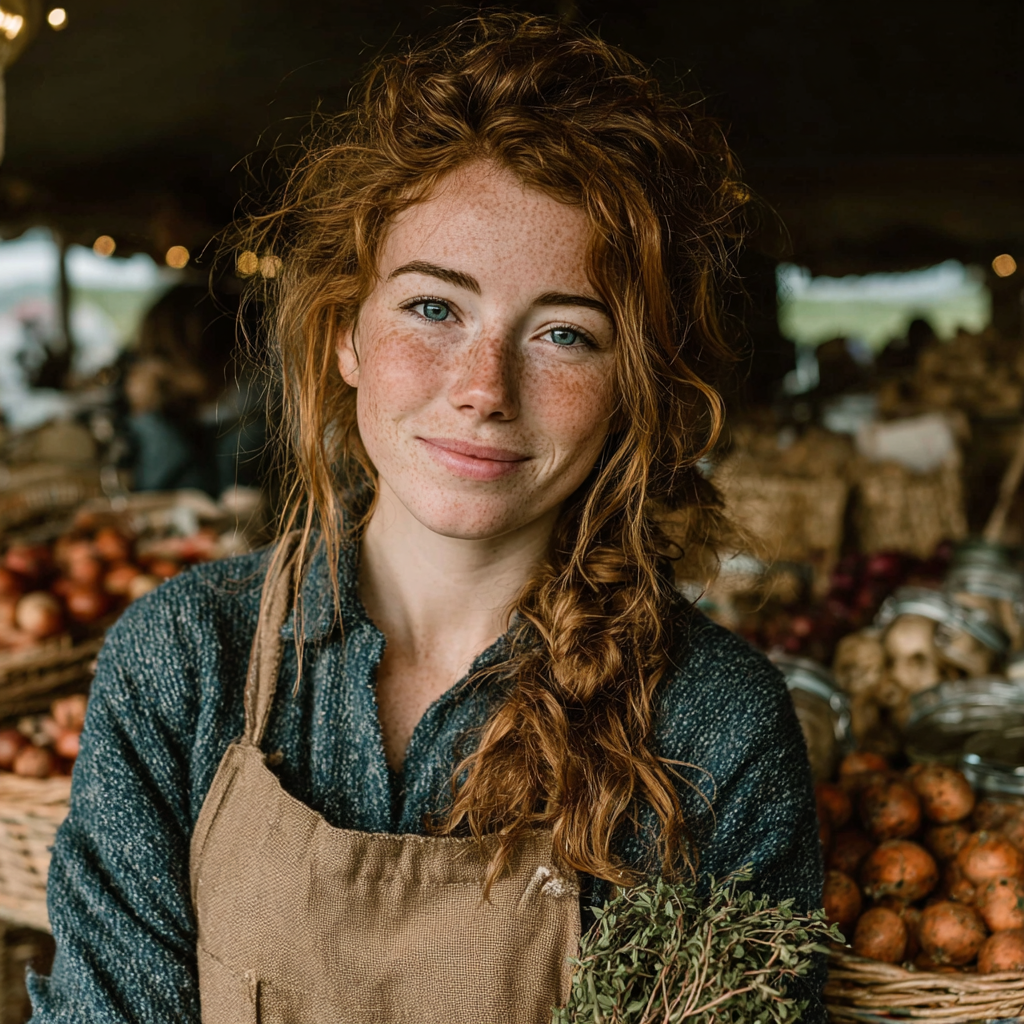
By Sophie Brennan
Irish food writer and historian based in Lisbon. Sophie combines her background in medieval history with a passion for contemporary gastronomy. She has written for Condé Nast Traveller and authored two cookbooks exploring Celtic and Iberian culinary traditions.