
Where Sauerkraut Meets Riesling: Sophie Brennan's Guide to Eating Colmar Like a Local
Colmar does not look like the rest of France, and it does not eat like it either. The houses lean together over cobbled lanes with timber frames painted in ochre, burgundy, and teal. Canals cut through the old town, earning the district of Petite Venise its name. The locals speak French with a clipped German rhythm, and the menus read like a culinary treaty between two nations that spent centuries fighting over this strip of land and finally decided to split the difference.
This is Alsace, and Colmar—population 68,000, roughly the size of a London borough—is where you eat it best. The city sits at the heart of the Alsace Wine Route, surrounded by vineyards that produce some of France's most misunderstood wines. Riesling here is dry, not sweet. Gewürztraminer smells like lychee and rose petals. Pinot Gris has the body and spice of a red wine dressed in white clothing. The region also makes Crémant d'Alsace, a sparkling wine produced by the same method as Champagne, and it costs half the price.
The food is neither fully French nor fully German. It is Alsatian: heavy on pork, cabbage, and potatoes, but executed with the precision of a French kitchen. The portions are generous, the flavors are bold, and the wine flows in quantities that would make a Burgundian blush. This is a cuisine built by farmers and winemakers who needed sustenance through cold winters, refined over centuries by chefs who understood that the best ingredients need little intervention.
Sophie Brennan writes this guide from personal experience. She has eaten her way through Colmar's winstubs, markets, and Michelin-starred dining rooms across four visits spanning three years. She believes that the best way to understand a place is through its food, and Colmar offers one of the most distinctive culinary identities in France.
The Alsatian Pantry: What You're Actually Eating
Before you sit down, you need to understand the vocabulary. Alsatian cuisine has its own dictionary, and mistaking one dish for another can lead to unexpected portions.
Choucroute garnie is the signature: a mountain of fermented cabbage piled with smoked pork shoulder, sausages, ham, and often a knuckle of ham, served with boiled potatoes and mustard. It is not a light lunch. It is a commitment. The sauerkraut here is milder than its German cousin, rinsed and braised in white wine and goose fat until it loses its sharp edge.
Baeckeoffe—"baker's oven" in the local dialect—is a slow-cooked casserole of marinated beef, pork, and lamb, layered with sliced potatoes and onions, sealed with dough, and baked for three hours. The legend holds that Alsatian women would prepare the pot on Monday morning, drop it at the bakery on their way to church, and collect it after Mass. The baker's wood-fired oven, still hot from the morning's bread, did the rest.
Flammekueche (or tarte flambée) is the region's answer to pizza: a paper-thin rectangle of dough spread with crème fraîche or fromage blanc, topped with raw onion and bacon lardons, then baked in a wood-fired oven for 90 seconds. The result is blistered, slightly charred, and meant to be folded in half and eaten with your fingers. A classic version costs €9 to €12. Variations with Munster cheese and cumin, or goat cheese and honey, run €11 to €14.
Kugelhopf is an Alsatian brioche baked in a ceramic ring mold, studded with raisins soaked in kirsch, and topped with almonds. It is neither breakfast nor dessert. It is both. You will find it at bakeries and market stalls throughout the city, usually sold by weight or as individual portions for €4 to €5.
Spaetzle are soft egg noodles, roughly the size of small peas, typically pan-fried in butter until golden. They appear as a side dish or baked with cheese as Käsespätzle, the Alsatian equivalent of mac and cheese.
The wines are white, almost exclusively, because Alsace's dry, sunny climate and complex geology produce grapes with intensity and acidity. Riesling is the king—dry, mineral, and age-worthy. Gewürztraminer is the extrovert: aromatic, floral, and sometimes polarizing. Pinot Gris offers a middle path, with body and spice. Sylvaner is the locals' everyday wine, crisp and underrated. And Crémant d'Alsace—made by the Champagne method from Pinot Blanc, Riesling, or Pinot Noir—provides bubbles at €9 to €15 a bottle retail.
Market Morning: Starting at the Marché Couvert
The covered market on Rue des Tanneurs is where Colmar's food culture begins. The building is a brick and cast-iron hall from 1865, restored to its original purpose after years of alternate uses. Inside, two dozen vendors sell everything from Munster cheese to smoked pork chops, fresh spaetzle to seasonal vegetables.
Address: 1 Rue des Tanneurs, 68000 Colmar
Hours: Tuesday–Saturday, 8:00 AM–12:30 PM; Friday afternoons until 6:00 PM. Closed Sunday and Monday.
Arrive before 10:00 AM for the best selection. The cheese counter at Fromagerie Alsacienne sells Munster fermier, the real farmhouse version with a pungent rind and creamy interior, for €18 to €24 per kilogram. The smoked pork chops (côtes fumées) at Boucherie Traiteur Alsacienne are thick-cut and deeply flavored, sold by weight. The bakery stall produces kugelhopf fresh each morning—buy a slice for €3.50 and eat it while you walk.
The market also offers an introduction to Alsatian charcuterie: presskopf (head cheese), lewerwurscht (liver sausage), and knack (the local frankfurter, thinner and more lightly smoked than its German relative). These are acquired tastes, but they are authentic tastes, and the vendors will offer samples if you ask.
In late spring and early summer, the market overflows with white asparagus from the Rhine plain, thick as a thumb and sweeter than its green cousin. In autumn, wild mushrooms—chanterelles, porcini, and hedgehog mushrooms—appear in wooden crates. In December, during the Christmas markets, the hall hosts additional stalls selling gingerbread, mulled wine, and hot roasted chestnuts.
Winstubs: The Soul of Alsatian Dining
If you eat nowhere else in Colmar, eat at a winstub. These traditional wine taverns—wood-paneled rooms with checkered tablecloths, ceramic storks on the shelves, and wine barrels repurposed as tables—are the spiritual home of Alsatian cuisine. The word itself is a contraction of "Wien" (wine) and "Stube" (room), and the format has remained essentially unchanged for centuries.
Wistub Brenner
Address: 1 Rue Turenne, 68000 Colmar (Petite Venise quarter)
Phone: +33 3 89 41 32 14
Hours: Daily, 11:30 AM–2:00 PM and 6:30 PM–10:00 PM
Price: €18–€28 for mains; glass of house Riesling €5–€7
Chef Daniel Queille has run the kitchen here for over a decade with a simple philosophy: buy the best ingredients and do as little as possible to them. The choucroute garnie arrives as a plate of sauerkraut piled with smoked pork, sausages, and ham, served with boiled potatoes and a dollop of mustard. The portion is large enough for two, though the menu does not advertise this. The terrace in summer overlooks the Lauch canal, and the setting alone justifies a long lunch.
Brenner holds a Michelin Plate, which in practical terms means the inspectors found the food consistently good at a moderate price point. It is not competing with the city's starred restaurants, nor is it trying to. It is competing with your grandmother's cooking, and it often wins. The wine list leans heavily on local producers, with Rieslings from Domaine Weinbach and Pinot Gris from Zind-Humbrecht available by the glass.
Jadis et Gourmande
Address: 8 Rue des Écoles, 68000 Colmar
Phone: +33 3 89 41 37 49
Hours: Tuesday–Saturday, 11:30 AM–2:00 PM and 6:30 PM–9:30 PM
Price: €16–€24 for mains
This is where locals go when they want traditional cooking without the tourist crowds. The room is decorated in brocante style—vintage furniture, teddy bears on shelves, checkered tablecloths. The menu extends beyond the standard choucroute and flammekueche to include fleischnakas (meat-filled pasta rolls), lawerknepfla (liver dumplings), and savory meat pies. Portions are generous. The rhubarb meringue tart, when in season, is among the best in the city.
Le Fer Rouge
Address: 52 Grand'Rue, 68000 Colmar
Phone: +33 3 89 41 37 49
Hours: Daily, 12:00 PM–2:00 PM and 7:00 PM–10:30 PM
Price: €16.90–€34.90 for mains; classic flammekueche €9–€12
Built into a former forge in the historic center, Le Fer Rouge occupies a dark, atmospheric room with exposed brick and iron fixtures. The flammekueche comes out blistered and slightly charred from the wood-fired oven, as it should. They also make a version with Munster cheese and cumin, which sounds aggressive but works surprisingly well. The baeckeoffe, cooked in Alsatian red wine rather than white, is a signature and requires ordering in advance for dinner.
The restaurant is informal, loud, and convivial—the kind of place where strangers share tables during busy periods and no one minds. During the Christmas markets, they stop taking reservations entirely and operate on a walk-in basis.
A Lighter Hand: Modern Alsatian Dining
Not every meal in Colmar needs to induce a food coma. A new generation of chefs is reinterpreting Alsatian traditions with lighter techniques and broader influences.
La Cour des Anges
Address: 6 Rue des Têtes, 68000 Colmar
Phone: +33 3 89 24 43 55
Hours: Tuesday–Saturday, 12:00 PM–2:00 PM and 7:00 PM–9:30 PM
Price: €22–€32 for mains; set lunch menu €18–€24
Tucked away on a quiet street near the Maison des Têtes, La Cour des Anges uses organic and local produce, lists its suppliers on the menu, and offers vegetarian and vegan versions of traditional dishes. Their tartes flambées are made with homemade pastry, which is rarer than it should be. The courtyard terrace is sheltered from the main tourist corridors, and the atmosphere is calm enough for a long lunch with wine.
The chef here understands that Alsatian cuisine does not need to be heavy to be authentic. A vegetable baeckeoffe, layered with seasonal produce and baked in a lighter broth, proves the point. The wine list includes natural and biodynamic producers from the region, including bottles from Domaine Marcel Deiss that are difficult to find elsewhere in the city.
L'Échevin at Hôtel Le Maréchal
Address: 4–6 Place des Six Montagnes Noires, 68000 Colmar (Petite Venise)
Phone: +33 3 89 41 60 32
Hours: Tuesday–Saturday, 12:00 PM–2:00 PM and 7:00 PM–9:30 PM. Closed Sunday and Monday.
Price: Menu du jour at lunch €28–€35; dinner tasting menu €65–€95
This is the gastronomic restaurant of Hôtel Le Maréchal, a four-star property on the banks of the Lauch canal that has been welcoming guests since 1973. The dining room is baroque—gilded mirrors, oil paintings, crystal chandeliers—and in summer, tables spill onto a terrace hung with strings of lights overlooking the water.
Executive chef Paul Fabuel holds two toques from Gault & Millau (14/20), and his cooking respects the regional product while applying French haute cuisine technique. The coq au Riesling substitutes the region's dry white for Burgundy's red, producing a lighter, more aromatic sauce. The freshwater fish comes from the Rhine plain, and the seasonal vegetables are sourced from farms within 30 kilometers. Pastry chef Laurent Liermann's hot chocolate soufflé with black garlic and lemon caviar has become a signature, though the homemade kugelhopf at breakfast is equally accomplished.
Service here is formal—some find it stiff, others find it proper. Reservations are essential, particularly for dinner and during the Christmas market season when hotel guests fill most tables.
The High End: Where Alsatian Tradition Meets Michelin Stars
La Maison des Têtes
Address: 19 Rue des Têtes, 68000 Colmar
Phone: +33 3 89 24 43 55
Hours: Tuesday–Saturday, 12:00 PM–1:30 PM and 7:00 PM–9:00 PM. Closed Sunday and Monday.
Price: Lunch menu €45–€65; dinner tasting menu €95–€140; wine pairing €55–€85
The building itself is a masterpiece: a 1609 Renaissance mansion covered in 106 sculpted heads and grotesque masks, built for a wealthy merchant named Anton Burger. Auguste Bartholdi—the Colmar-born sculptor who created the Statue of Liberty—designed the cooper's statue that still stands above the entrance. The restaurant occupies the ground floor and courtyard, and the dining rooms preserve the building's historic character while adding modern comfort.
Eric Girardin, named Aubergiste of the Year in the 2026 Pudlo guide, oversees a kitchen that treats Alsatian ingredients with reverence and precision. The baeckeoffe is served in individual ceramic pots with a crown of golden potatoes, the meat so tender it separates at the touch of a fork. The choucroute aux trois poissons replaces pork with pike, perch, and salmon, a nod to the region's river fishing tradition that would scandalize purists if it were not so well executed.
The wine list is exceptional, with vertical selections from Domaine Zind-Humbrecht, Domaine Weinbach, and Trimbach. A 2015 Riesling from Zind-Humbrecht's Hengst vineyard costs €85; the same bottle in Paris would run €140. The sommelier, Mathieu, speaks English and German and will guide you through the list without pretension.
This is where you come for a celebration, or simply to understand how high Alsatian cuisine can rise when tradition meets ambition.
Beyond the City: The Route des Vins d'Alsace
Colmar is the geographic center of the Alsace Wine Route, a 170-kilometer ribbon of vineyards and villages that runs from Marlenheim to Thann. The villages surrounding Colmar—Riquewihr, Kaysersberg, and Eguisheim are all within 15 kilometers—are among the most photographed in France, and for good reason. But the real reason to leave town is the wine.
Domaine Marcel Deiss
Address: 2 Place du Marché, 68750 Bergheim (20 minutes north of Colmar)
Phone: +33 3 89 73 63 63
Hours: Monday–Saturday, 9:00 AM–12:00 PM and 2:00 PM–6:00 PM. Closed Sunday.
Tasting: €12–€15 for five wines
Jean-Michel Deiss farms biodynamically and produces field blends that challenge the region's obsession with single-varietal wines. His Burg plot—a mix of Riesling, Pinot Gris, and Gewürztraminer grown together and fermented as one—produces a wine of uncommon complexity. The tasting room is in the family courtyard, and Jean-Michel or his son Mathieu often pours themselves. This is not a polished tourist experience. It is a conversation with a farmer who happens to make extraordinary wine.
Domaine Zind-Humbrecht
Address: 78 Route du Vin, 68230 Turckheim (10 minutes west of Colmar)
Phone: +33 3 89 27 02 06
Hours: Monday–Friday, 9:00 AM–12:00 PM and 2:00 PM–5:00 PM. Tastings by appointment.
Tasting: €15–€20
Olivier Humbrecht, the first French Master of Wine, produces some of the most powerful and mineral Rieslings in Alsace. His Pinot Gris has the weight and structure of a red wine, and his Gewürztraminer from the Hengst vineyard is a masterclass in balance. The tasting room is modest—a few tables in a stone cellar—but the wines speak loudly enough. Call ahead, as they limit daily visitors to maintain quality.
Cave de Turckheim
Address: 30 Rue du Conseil, 68230 Turckheim
Phone: +33 3 89 27 02 02
Hours: Monday–Saturday, 9:00 AM–12:30 PM and 2:00 PM–6:30 PM
Price: Crémant d'Alsace Brut €9–€11; Gewürztraminer €8–€10
For everyday drinking, this cooperative sells reliable wines at honest prices. A bottle of their Crémant d'Alsace Brut costs less than a cocktail in Paris. They also ship internationally, which is worth remembering when you taste something you want to take home in quantity.
Sweet Endings and Afternoon Treats
Pâtisserie Gilg
Address: 36 Rue des Marchands, 68000 Colmar
Hours: Tuesday–Saturday, 7:00 AM–7:00 PM; Sunday, 7:00 AM–1:00 PM. Closed Monday.
This family-run bakery has occupied the same spot near the Bartholdi Museum since 1938. They bake kugelhopf fresh each morning in ceramic molds lined with almonds, and they also produce bredalas—the small, spiced Alsatian Christmas cookies—year-round if you ask. A small kugelhopf costs €4.50. The tarte aux mirabelles, when plums are in season (July through September), is worth crossing the city for.
Chocolatier Jacques Bockel
Address: 19 Grand'Rue, 68000 Colmar
Hours: Monday–Saturday, 9:30 AM–7:00 PM. Closed Sunday.
Jacques Bockel produces chocolate versions of Colmar's architectural landmarks. The edible Maison Pfister, rendered in milk chocolate with dark chocolate timber framing, costs €6 and makes a better souvenir than a refrigerator magnet. His kugelhopf en chocolat—a dense, rum-soaked chocolate cake baked in the traditional ring mold—is a modern invention that feels inevitable once you taste it.
Beer, Briefly
Beer is not the first drink you associate with Colmar, but Alsace has a brewing tradition that predates the wine industry. Meteor, the oldest brewery in the region, has produced beer in Hochfelden since 1640. Their Meteor Pils is crisp and bitter, and their Alsace Bière de Noël is a dark winter ale spiced with cinnamon and orange. You can find Meteor on tap at most winstubs for €4 to €5 a half-liter.
For craft beer, La Brasserie de Colmar produces a range of seasonal and experimental beers in a modern facility north of the city center. Their IPA, uncommon in Alsace, is citrus-forward and pairs surprisingly well with flammekueche. Bottles are available at the Cave de Turckheim and select grocery stores.
What to Skip
The restaurants on Place de la Cathédrale with laminated menus in six languages. The choucroute there is pre-portioned and reheated. The wine is marked up 300 percent. Walk two minutes in any direction and you will eat better for less.
The flammekueche chains near the train station. Flammekueche needs a wood fire and a skilled hand, not a conveyor oven and a teenager on summer break. If the menu includes "Hawaiian" or "four cheeses" as options, keep walking.
The "Alsatian menu" tourist traps on Rue des Marchands. These places advertise choucroute, baeckeoffe, and flammekueche on sandwich boards outside, serve all three in 20 minutes, and clear the table before you've finished your wine. Real Alsatian cooking takes time. If your baeckeoffe arrives five minutes after you order it, it was not baked this morning.
The overpriced wine bars near the Unterlinden Museum. The setting is beautiful, but you are paying €12 for a glass of Crémant that costs €9 a bottle at the Cave de Turckheim. Buy a bottle and drink it by the canal instead.
Eguisheim and Riquewihr on weekend afternoons in summer. These villages are stunning—there is a reason they are photographed so often—but by 2:00 PM on a Saturday in July, they are shoulder-to-shoulder with tour groups. Go early, go late, or go in November.
Practical Logistics
Getting There: Colmar has a train station with direct connections to Strasbourg (30 minutes), Basel (45 minutes), and Paris (2 hours 20 minutes via TGV). The old town is a 10-minute walk from the station.
Getting Around: The historic center is compact and entirely walkable. The Petite Venise district, where most restaurants cluster, covers roughly one square kilometer. Bicycles can be rented at the tourist office for €8 per half-day.
Timing: Alsatian restaurants serve lunch from noon to 2:00 PM and dinner from 7:00 PM to 9:30 PM. Many kitchens close entirely between services. Winstubs are more flexible, but do not expect a full menu at 3:00 PM. The Marché Couvert closes at 12:30 PM most days, so shop in the morning.
Reservations: Book ahead for La Maison des Têtes and L'Échevin, particularly on weekends and during the Christmas market season (late November through December). Winstub Brenner accepts walk-ins but recommends reservations for dinner. Le Fer Rouge takes reservations except during Christmas markets.
Budget: A daily food budget runs €40 to €65 if you eat one restaurant meal and snack from the market. A glass of good wine in a winstub is €5 to €8. A bottle of excellent Riesling from a domaine costs €15 to €25 retail. The best value in town is the flammekueche: it costs less than a sandwich in Paris and feeds two people.
Seasonal Considerations: Wineries along the Route des Vins are open year-round, but January and February are quiet—call ahead. During the Christmas markets, every restaurant in Colmar is packed. Book two weeks ahead, or eat at 11:30 AM and 6:00 PM to beat the crowds. In late spring and early summer, asparagus and strawberries from the Rhine plain appear on every menu. In autumn, the vendange brings fresh grape juice and new wine.
Language: Most restaurant staff in the city center speak English and German. In the smaller village domaines, French is helpful but not essential—wine is a universal language, and the pours are generous.
Dietary Notes: Traditional Alsatian cuisine is built around pork and meat. Vegetarians will find more options at La Cour des Anges and some flammekueche variations, but the classic winstub experience is not easily adapted. Vegan travelers should plan around modern bistros and self-catering from the market.
The Author
Sophie Brennan is a food writer and former restaurant critic based in Lyon. She has eaten in over forty countries and believes that the best meals are never the most expensive ones. She first visited Colmar on a rainy November weekend and returned three times, each visit longer than the last. She wrote this guide after a five-day stay in April 2026, during which she gained three kilograms and zero regrets.
Last updated: August 2026
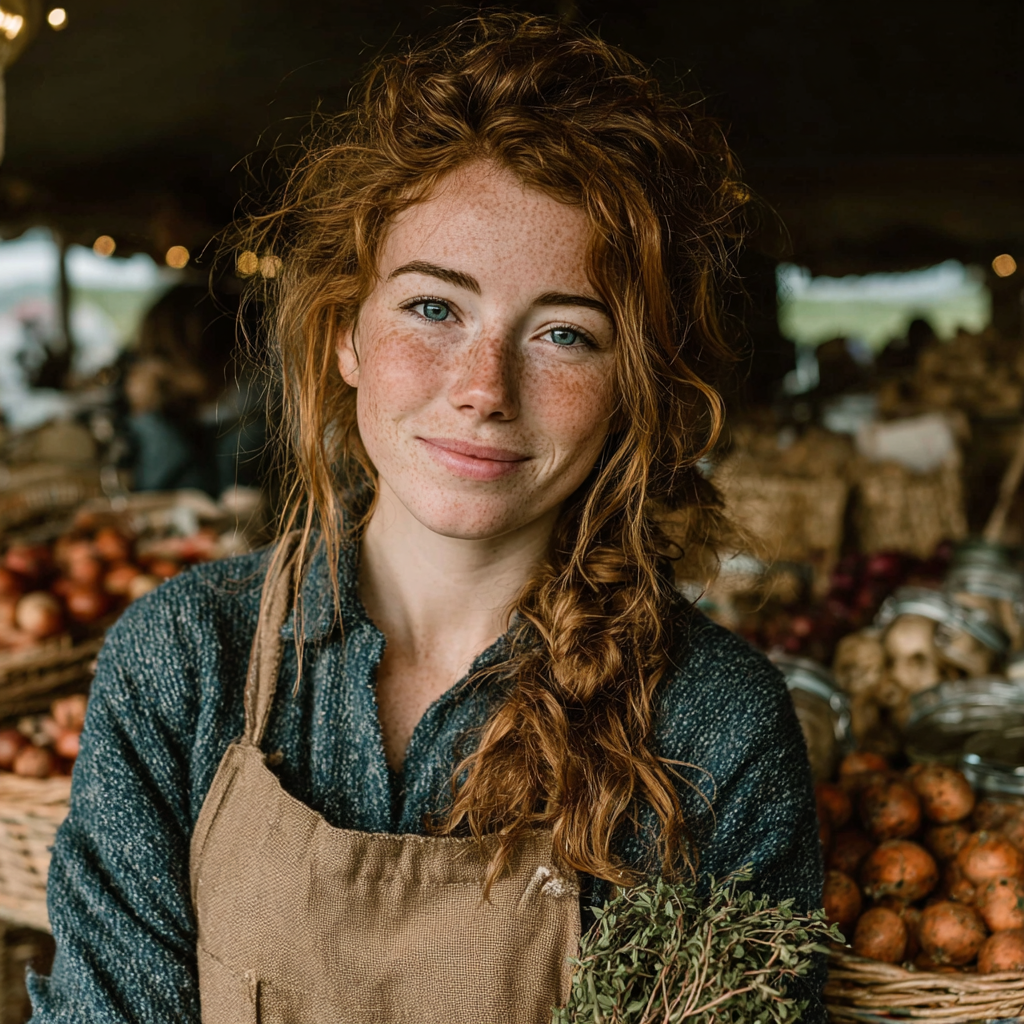
By Sophie Brennan
Irish food writer and historian based in Lisbon. Sophie combines her background in medieval history with a passion for contemporary gastronomy. She has written for Condé Nast Traveller and authored two cookbooks exploring Celtic and Iberian culinary traditions.