
Eating Caen: Tripe, Camembert, and the Heavy Truth of Norman Cooking
By Sophie Brennan — Food writer, former restaurant critic for The Irish Times, and a woman who believes the best meals are the ones that frighten you slightly before you take the first bite.
Caen doesn't charm you at first glance. The city center is a patchwork of medieval stones and post-war concrete, the legacy of bombing that destroyed 70% of the old town in 1944. But the food? The food is why you come. This is Normandy's belly, a place where butter flows like water and the cheese has its own AOP protection.
I've eaten my way through enough French cities to know the difference between a place that performs Frenchness for tourists and a place that simply is French because it never learned to be anything else. Caen is the latter. There is one Michelin star in town — À Contre Sens, down on the Presqu'île — and even there, the cooking tastes unmistakably of apple orchards and dairy pasture. What Caen mostly offers is something rarer than celebrity temples: unbroken culinary tradition, dishes that have survived wars and revolutions because they are simply too good to forget, and a stubborn local pride that regards Parisian food trends with polite indifference.
The Norman kitchen is not light. It is not delicate. It is heavy with cream, aggressive with cheese, unapologetic about offal, and deeply, profoundly rooted in the agricultural landscape of this region — the apple orchards, the dairy pastures, the fishing villages along the Channel coast. You do not come to Caen for a salad. You come for honesty.
The City and Its Food Identity
To understand what Caen eats, you have to understand what Caen is. This was William the Conqueror's city. He built the Abbaye aux Hommes and the Abbaye aux Dames here before sailing for England in 1066. The medieval streets that survived the 1944 bombing still carry names like Rue de Geôle (Prison Street) and Rue du Vaugueux, a narrow lane that was once the butchers' and tanners' quarter and still smells faintly of wood smoke at dinner time.
The war did something profound to Caen's food culture. When 70% of your city disappears in a few weeks, you rebuild not just buildings but identity. The post-war concrete is everywhere, but so are the families who stayed, who reopened their shops, who kept making tripe the way their grandfathers did because that was one thing the bombs couldn't take. Caen's food is survivor's food — heavy, nourishing, made to fill and sustain.
The city sits at the convergence of three food regions: the Pays d'Auge (apples, cheese, cream), the Bessin (coastal fish and seafood), and the plain of Caen itself (dairy, beef, vegetables). This convergence is what makes the eating here so varied within such a compact city. In a single morning, you can buy Camembert from a village 40 minutes away, scallops from the Channel, and cider pressed within the last month.
The Dish You Can't Ignore: Tripes à la Mode de Caen
Let's address the offal in the room. Tripes à la mode de Caen is the city's signature dish, and yes, it's cow stomach slow-cooked in cider and Calvados with onions and herbs. The recipe supposedly dates to the Middle Ages, when the monks of the Abbaye aux Hommes developed it to use every part of the animal. There is something fitting about a dish created by monks still being argued over in Caen's restaurants a thousand years later.
The preparation is serious business. The tripe — four stomach chambers of beef, cleaned, blanched, and cut — simmers for anywhere from 12 to 24 hours in a sealed pot with Norman cider, Calvados, carrots, onions, leeks, a bouquet garni, and a clove or two. The result should be tender but not mushy, in a sauce that coats the back of a spoon and tastes of earth, apples, and patience.
Where to try it:
Le Bouchon du Vaugueux (12 rue Graindorge, in the Vaugueux quarter; +33 2 31 44 26 26) serves the version I keep coming back to. The kitchen cooks its tripes long and low until they surrender without quite dissolving, and serves the house cassolette de tripes bubbling in its own little ceramic pot — around €18, with boiled potatoes on the side and bread for the sauce. Open Tuesday to Saturday, lunch 12:00–14:00, dinner 19:00–22:00. Reservations recommended on weekends, when the tiny dining room fills with locals who have been coming for years.
The Friday Marché Saint-Sauveur is the other way in. Several of the market's charcutiers-tripiers sell tripes à la mode de Caen by the tub — vacuum-sealed 500g portions run about €12 — made to family recipes. Look for stalls displaying a Tripière d'Or trophy or certificate; this is a real local competition, and winning it is taken very seriously indeed. The best stalls will happily tell you which spice blend they use and how many hours they simmer.
My honest take: The first bite is always a psychological hurdle. The second bite, you start to understand why this dish survived 800 years. By the third, you're mopping up the sauce with bread. I have seen grown adults — sophisticated, well-traveled eaters — sit before a bowl of tripes à la mode de Caen and genuinely struggle with their own prejudice. Every single one who pushed through ordered it again the next day.
Cheese: This Is Camembert Country
The village of Camembert is only an hour away, and Caen's markets and shops are where much of that cheese passes through. But not all Camembert is equal. Look for Camembert de Normandie AOP — the protected designation means it's made from raw Normande cow milk in the traditional way, ladled by hand into molds, aged on straw mats, and turned daily. The industrial Camembert sold in supermarkets outside France is a different product entirely — pasteurized, machine-molded, bland.
The difference when you taste real AOP Camembert is the difference between a photograph and a memory. The rind is wrinkled and white with patches of brown. The paste beneath should be straw-colored, not chalk-white, and when ripe it will bulge slightly at the sides and smell like mushrooms, earth, and barnyard. The flavor is complex — mushroomy, slightly garlicky, with a finish of cultured cream.
Aux Fromages de France (12 rue Saint-Pierre) is the address serious cheese people know. This is a proper old-school fromagerie-épicerie with a real aging cellar — the smell when you walk in is aggressive and wonderful. Livarot, the pungent square cheese wrapped in five strips of sedge (it's nicknamed "the colonel" for its stripes), is the house flagship, but the Camembert de Normandie AOP is the thing to buy: €8–12 depending on age and ripeness. They also stock Pont-l'Évêque, the oldest Norman cheese with documented production dating to the 12th century. Ask what's at peak ripeness that day — a good fromager will never steer you wrong.
Les Accords Parfaits (17 rue Neuve Saint-Jean, open daily) is a cave à vin and épicerie fine with a curated cheese and regional-product selection. This is where you assemble a picnic or a hotel-room supper: a wedge of something raw-milk, a bottle of brut cider (€5–8), and a Pommeau de Normandie — the fortified apple aperitif, €14–18 per bottle. The staff pour tastes if you're genuinely deciding.
The Markets: Caen's Beating Food Heart
If you want to understand Caen's food culture, go to the markets. Not the tourist stalls selling keychains and postcards — the real markets, where Caennais have bought their Friday fish and Sunday vegetables for generations.
Marché Saint-Sauveur (Place Saint-Sauveur, Friday roughly 07:30–13:30) fills the square and the streets between rue Pémagnie and the Fossés Saint-Julien with around 150 stalls. The produce section sprawls with seasonal vegetables — in autumn, look for Norman apples (Belle de Boskoop, Reine des Reinettes), winter squash, and wild mushrooms from the nearby forests. But I head straight for the prepared food stalls. Look for:
- Teurgoule: A rice pudding baked for hours until it forms a caramelized crust. The name comes from Norman dialect — to turn the mouth — because it was served so hot it would burn you. Made with full-fat milk, cinnamon, and sugar, it's the kind of dessert that makes you understand why Normandy has a dairy reputation. €3–4 per portion.
- Andouillette: A sausage made from pork intestines, with a distinct barnyard smell that divides people absolutely. Either you love it or you cross the street to avoid it. When done well, the interior is creamy and peppery rather than rubbery. €5–7 per link.
- Cider: The good stuff, bottled by small producers in the Pays d'Auge. A 75cl bottle of brut cider runs €5–7. Ask the vendor which one is le plus brut (the driest) — the drier ciders pair better with cheese and seafood.
Come hungry and arrive early: the fishmongers — several selling catch landed at Ouistreham, down the Orne canal — do their best business before 10:00, and there's a brocante corner where old Normandy turns up in boxes.
Marché Saint-Pierre (Bassin Saint-Pierre, around the marina at the Port de Plaisance, Sunday roughly 08:00–14:00) is Caen's biggest market — several hundred stalls ringing the pleasure-boat basin. This is the weekly ritual: Caennais doing proper Sunday shopping, coffee cups in hand. The fishmongers here sell fresh catches from the Channel — sole, mackerel, scallops in season (October through March is prime time). The atmosphere is less hurried than Friday, the vendors have time to talk, and if you arrive before 10:00 you can watch restaurant chefs buying their Sunday produce. The setting — boats, gulls, the rebuilt quays — is the most pleasant market scenery in the city.
The Neighborhoods That Feed You
Caen's food isn't scattered randomly. It clusters in neighborhoods, each with its own character and its own eating rhythm.
Le Vaugueux is the oldest eating quarter, a tangle of narrow streets that survived the 1944 bombing. The name comes from the Norman vau (valley) and gueux (beggars) — this was once the poor district, home to butchers and tanners. Today it's where you find the best concentration of traditional restaurants, wine bars, and the occasional Irish pub that exists for reasons no one can quite explain. Come here for dinner, stay for the late-night bars.
Rue Saint-Pierre and the medieval core is where the bakeries, chocolatiers, and specialty shops cluster — Hotot and L'Atelier du Chocolat are both on this street. It's tourist-friendly but not tourist-trap — these are shops Caennais actually use.
The Presqu'île and Port is newer, built after the war around the reconstructed harbor on the Orne. The Sunday market fills its basin, the city's one Michelin-starred restaurant sits on its quay, and several seafood brasseries line the water. It's pleasant for a lunch overlooking the boats, though the food gets more generic the closer you get to the water.
Saint-Jean (north of the center) is the residential district where locals eat and shop. Alban Guilmet has a boutique here, the excellent organic Cave Saint Jean holds down rue Saint-Jean itself, and if you see a restaurant with a parking lot full of Caen plates at Sunday lunch, follow them in. I had the best galette complète of my life at a nameless crêperie on this side of town, eaten standing at a counter with a glass of brut cider, surrounded by families in their Sunday clothes.
Where to Eat: From Market Counters to a Michelin Star
The Special-Occasion Meal
À Contre Sens (37 Quai François Mitterrand, on the Presqu'île; about a ten-minute walk from the Château) is where I send people who want to see what modern Norman cooking can do. Chef Anthony Caillot has held a Michelin star here since 2012 — a remarkable run for a city this size. After closing the original location in late 2023, the restaurant re-opened on the Presqu'île in February 2025 in a lighter, more contemporary space. The menus run €52 for three courses, €78 for five, and €98 for seven (Saturday evenings only), and the cooking reads like Caen itself: Channel scallops with apple, Normandy beef, black pudding, cider reductions — local products pushed somewhere more interesting without losing their roots. The room is small; book a few days ahead. Lunch and dinner Tuesday to Saturday, closed Sunday and Monday.
The Honest Mid-Range Dinner
Le Bouchon du Vaugueux (12 rue Graindorge; +33 2 31 44 26 26) is the room I recommend most often in Caen, full stop. A proper bouchon — warm, crowded, unpretentious — doing Norman bistro classics with care. Beyond the famous cassolette de tripes, expect duck confit, fish from the coast, and whatever the kitchen is proudest of that week. The weekday lunch formule lands in the €30s for three courses; dinner à la carte runs €18–28 for mains. Open Tuesday–Saturday, lunch 12:00–14:00, dinner 19:00–22:00.
El Olivo (32–34 rue du Vaugueux) is the quarter's other solid table — traditional French cooking with fresh products and, from some seats, a straight-on view of William's castle floodlit at night. Mains land in the low €20s; the romantics' choice on a summer evening. Reserve for the terrace-side tables.
The Casual Lunch
Les Quilles, tucked into the Vaugueux lanes, is a bar à vins in the modern Caen mode: affordable Norman-inspired sharing plates, a serious by-the-glass list, and no ceremony. Order a board of charcuterie and local cheese, a carafe of something red, and watch the quarter go by. Perfect when you don't want a formal meal.
Funky Doughny (7 rue de Geôle) is Caen's cult doughnut shop — yes, doughnuts, done with Norman ingredients and a sense of humor. Grab one to eat on the medieval street outside; it pairs better with cider than it has any right to.
The Working-Person's Breakfast
Caen is not a city of long café breakfasts. The morning routine is quick: a coffee and a buttered tartine at the counter, maybe a croissant if you're feeling indulgent. Le Fournil de Mathilde (60 boulevard Clémenceau) makes the croissants I'd cross town for — laminated with Isigny butter, which has its own AOP and a higher fat content than standard French butter. The difference is visible in the golden color and the shatter of the layers. Around €1.60 per croissant, and it will ruin you for airport croissants forever. Go early — the good stuff sells out, and hours shift with the baker's day, so check the door.
What to Drink: Cider, Calvados, and the No-Wine Rule
Normandy doesn't do wine — the climate is too wet, too cold, the soil too clay-heavy. What it does is cider, and Calvados, and Pommeau, and a growing craft beer scene that respects tradition while quietly pushing boundaries.
Cider comes in brut (dry), demi-sec (semi-dry), and doux (sweet). The brut pairs with seafood and cheese. A good bottle from a small producer costs €5–8 in shops, €15–20 in restaurants. The best producers — look for names like Domaine Dupont or Clos de la Hurrière — use traditional methods: wild yeast fermentation, no filtration, bottle conditioning. The result is complex, slightly funky, with a gentle effervescence rather than aggressive carbonation. Order it by the bolée (the wide ceramic cup) with galettes or crêpes.
Calvados is apple brandy, aged in oak barrels. Young calvados (2–3 years) is fiery and apple-forward. Older expressions (10+ years) develop vanilla and caramel notes. A digestif pour after dinner is traditional — supposedly it makes a hole in the stomach to help digestion. €8–14 per glass in bars. The best value is often the 6–8 year range, where the apple intensity has softened into something more complex without the steep price of the older bottlings.
Pommeau de Normandie is a mix of fresh apple juice and young Calvados, fortified and aged for at least 14 months in oak. It drinks like a lighter port, sweet but not cloying. Perfect as an aperitif. A good bottle costs €14–18.
Where to drink and buy:
La Cave du Vaugueux (2 rue des Chanoines, in the Vaugueux; +33 6 18 39 31 97) is quite simply one of the best wine shops in Caen — the kind of cave where you come in for one bottle and leave with an education. Julien, who runs it, is warm, patient, and genuinely passionate, with a cellar full of small-producer wines and an unexpectedly serious rum and whisky shelf. Tell him your budget and your dinner plans; he will respect both.
Les Mets Chai (17 rue des Équipes d'Urgence) is the natural-wine counterweight — over a thousand references of natural and organic wine, craft beer, and Norman cider and Calvados from small producers. You can taste before you commit. If you want a bottle that tastes like a specific orchard or a specific farm, this is where to find it.
Sweet Things and Small Indulgences
Alban Guilmet is Caen's modern patisserie success story — and the details matter. Founded in 2011 by Alban Guilmet after years in the kitchens of Fauchon and Pierre Hermé, it's a young house by French standards, not a venerable one, and it operates like it: precise, creative, slightly cheeky. The signature macaron is L'Eden — rose, lychee, raspberry — and the Tatin revisitée, an deconstructed take on the upside-down tart, is the thing locals actually argue about. Macarons run about €2.20 each; gift boxes from €12. Two addresses: the flagship atelier-boutique at 80 boulevard Yves Guillou (Tuesday–Saturday 08:30–19:30, Sunday 08:30–13:30; 02 31 45 36 06) and a city-center boutique at 6 rue Saint-Jean in the Saint-Jean quarter.
Chocolaterie Hotot (13 rue Saint-Pierre) is the old guard — a genuine Caen chocolate house on the medieval shopping street, known for its Drakkar chocolates. For a gift that says Caen rather than France, this is the box to bring home. Neighbor L'Atelier du Chocolat (34 rue Saint-Pierre) offers a more modern counterpoint, and in summer the Témoins ice-cream cart appears on rue Saint-Pierre selling house-made scoops for around €3.
For pastry beyond Guilmet, walk the Rue Froide — a street name that has referred to its north-facing chill since the Middle Ages and now refers to the density of talent. Atelier Rambaud (39 rue Froide) is the young-pâtissier workshop of Quentin Rambaud, worth visiting for the season's fruit tarts alone, and C&Choux (35 rue Froide) does exactly what its name promises, with real technique. Pâtisserie Roussel (26 rue Guillaume-le-Conquérant) is the reliable neighborhood classic.
And for teurgoule — the baked rice pudding with the cinnamon-caramel crust — skip the restaurants and buy it from the fermier stalls at the Friday market, still warm from the oven if you time it right.
Day Trips: The Cheese Villages
If Caen's markets make you hungry for the source, two easy excursions repay the drive.
Livarot (about 50 minutes southeast): The Graindorge Village Fromager (42 rue du Général Leclerc, 14140 Livarot) is a working cheese village run by a family dairy that has made cheese since 1910 — the one place that produces all four Norman AOP cheeses (Camembert, Livarot, Pont-l'Évêque, Neufchâtel). The self-guided visit is free, as is the tasting of the four AOPs at the end. Come on a weekday morning if you can — you'll watch Livarot being wrapped in its sedge stripes through the viewing windows.
Camembert (about an hour southeast): The village that named the cheese is smaller than its reputation — a handful of houses, a church, and the Maison du Camembert, which tells the story of Marie Harel, the farmer's daughter credited with the recipe in 1791. Farmstead producers around the village sell camembert fermier au lait cru at the door for around €5 — a cheese with nothing in common with the supermarket version except the shape.
Both pair naturally with a stop at a Pays d'Auge cider farm; look for ferme cueillette signs selling bottles from the orchard you're standing in.
What to Skip
Not everything in Caen deserves your time or stomach space. After multiple visits, here is what I actively avoid:
The terrace restaurants with château views and identical laminated menus. These places have the location — views of William the Conqueror's fortress — and they trade on it. The menus are identical (moules-frites, steak frites, crêpes), the prices are 30% higher than equivalent quality elsewhere, and the food is assembly-line French. You are paying for the view. The view is free from the sidewalk.
Any crêperie advertising "100% buckwheat" with fluorescent signage. Real galettes are made with sarrasin (buckwheat), yes, but the marketing is a red flag. The best crêperies don't need to tell you this on a neon sign. They just make good food.
The "Norman specialty" menu at hotel restaurants. If you see a laminated menu with photographs of tripes, Camembert, and apple tart arranged in a triangle, run. These are tourist menus designed by people who have never eaten the dishes they're selling. The tripes will be reheated from a vacuum bag. The Camembert will be industrial. The tart will be bought from a wholesaler.
Calvados labeled simply "Calvados" with no age statement and no producer name. Cheap Calvados is a headache in liquid form. The good stuff has an age (VSOP, XO, Hors d'Âge) and a producer you can look up. If the bottle just says "Calvados" and costs under €15, it's industrial alcohol that happens to be made from apples. Pour it on a fruit cake, don't drink it.
Practical Logistics
When to eat: Lunch formules run 12:00–14:00 in most restaurants. Dinner starts at 19:00 and kitchens typically close at 21:30 or 22:00. The Vaugueux stays lively later. Sunday evenings and all day Monday, many restaurants close — plan accordingly, and note that Monday is also a common closing day for shops and some fromageries.
Lunch formules (fixed-price menus) are your friend. Most restaurants offer a two-course option for €18–25, three courses for €26–35. This is how locals eat out, and the quality is usually excellent because the restaurants are cooking for their regulars.
Market mornings end early. By 12:30, vendors are packing up. Arrive before 11:00 for best selection. Bring cash — many stalls don't take cards for small purchases, though restaurants and shops are card-friendly.
Tipping is included in the bill (service compris), but rounding up or leaving €2–5 extra for good service is appreciated. At bars, round to the nearest euro.
Getting around: Caen's center is compact and walkable. The Vaugueux, Saint-Pierre, and the Port are all within 15 minutes of each other on foot. For the Sunday market at the Port, wear comfortable shoes — it's cobblestone.
Language: Most restaurant staff in the center speak basic English. In the neighborhood places and at market stalls, a few words of French go a long way. "Je voudrais..." (I would like), "L'addition, s'il vous plaît" (The bill, please), and "C'était délicieux" (It was delicious) will earn you better treatment than pointing at a menu.
Seasonal notes: Autumn (September–November) is the best time to eat in Caen. The apple harvest is fresh, the scallop season opens in October, the mushrooms appear in the markets, and the weather is cool enough that heavy Norman food feels exactly right. Summer can be warm and humid — the butter-rich dishes sit heavier. Winter is atmospheric but some market stalls and smaller restaurants close for January holidays.
The Bottom Line
Caen rewards the curious eater. The city's food isn't polished or trendy — it's honest, heavy, rooted in agricultural tradition. You come here for butter that tastes like something, for cheese with character, for dishes that have survived wars and revolutions because they're simply too good to forget.
The first time I ate tripes à la mode de Caen, I sat in Le Bouchon du Vaugueux at a corner table, listening to the rain on the ancient cobblestones outside, and I understood something about this city that no guidebook had explained. Caen doesn't need your approval. It doesn't care if you find it pretty. It has been bombed, occupied, rebuilt, and ignored by the tourist trail that rushes past it on the way to Mont Saint-Michel. What it has is its food — unbroken, unapologetic, and deeply, stubbornly itself.
Bring an appetite and an open mind. The tripe, at least, deserves a chance.
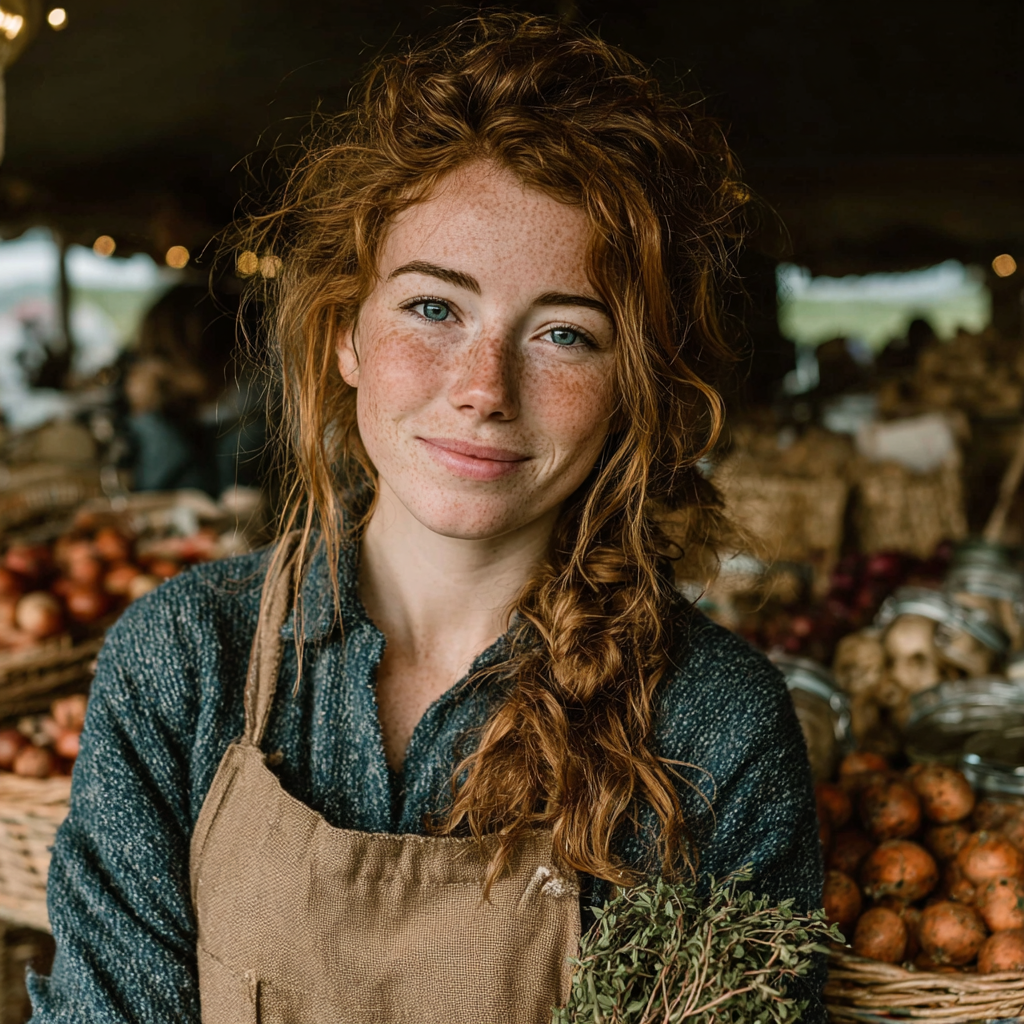
By Sophie Brennan
Irish food writer and historian based in Lisbon. Sophie combines her background in medieval history with a passion for contemporary gastronomy. She has written for Condé Nast Traveller and authored two cookbooks exploring Celtic and Iberian culinary traditions.