
Rouen Eats Duck Blood and Apples: A Food Writer's Guide to Normandy's Most Dramatic Table
Introduction: The City That Made Julia Child Cry
Rouen does not do subtle. This is the city where Joan of Arc burned, where Monet painted thirty versions of the same cathedral, and where Julia Child ate her first meal in France—a sole meunière at La Couronne that was so perfect she later described it as "an opening up of the soul and spirit." That was 1948. The fish was probably €2. The restaurant had already been open for 613 years.
I came to Rouen for the same reason most serious eaters do: to understand what happens when medieval ambition meets dairy country abundance. Normandy is France's butter bowl, its apple orchard, its cheese cellar. Rouen sits at the center of all three, a port city that has been importing salt, exporting cloth, and perfecting the art of excess since Roman times. The result is a cuisine that is simultaneously refined and barbaric—duck blood pressed tableside, tripe stewed for six hours, apples caramelized until they weep.
What follows is not a list of restaurants. It is a guide to eating in a city where food is inseparable from history, where every menu carries six centuries of baggage, and where the locals will judge you for ordering cider with fish. (Don't. The acidity cuts through butter sauces better than white wine ever could.)
I am Sophie Brennan. I write about food because I believe the way a culture eats is the fastest route to understanding what it values. In Rouen, they value drama, tradition, and butter. Lots of butter.
The Three Norman Food Groups: Blood, Butter, and Apples
Canard au Sang: The Most Theatrical Meal in France
There are perhaps six restaurants in the world that still prepare canard au sang—the Rouen duck press—according to the original 19th-century recipe. La Couronne is one of them. The process is medieval in spirit if not in age: a roasted duck is wheeled to your table on a silver trolley, its carcass placed in a polished brass press, and its blood squeezed out into a sauce enriched with liver, Cognac, and red wine. The sauce is flambéed. The breast is carved. The legs are sent back to the kitchen to be finished separately.
It costs €65. It takes forty minutes. It is not for vegetarians, the squeamish, or anyone who prefers their dinner without existential commentary.
What struck me was not the theater but the precision. The press is calibrated to exact pressure. The blood is tempered so it does not coagulate. The sauce is finished with a touch of lemon to cut the richness. This is not stunt cooking; it is conservation chemistry applied to cuisine, the result of two centuries of refinement by chefs who understood that the best sauces come from parts of the animal most kitchens throw away.
Where to experience it:
- La Couronne — 31 Place du Vieux Marché. Founded 1345. The full press menu €65, available dinner only. Reserve 2-3 weeks ahead. Tuesday–Saturday 12:00–14:00, 19:00–21:30. Closed Sunday–Monday. Phone: +33 2 35 71 40 90.
- Gill — 9-11 Quai de la Bourse. Chef Gilles Tournadre's Michelin-starred interpretation (€145 tasting menu) uses the same press but adds modern technique. Tuesday–Saturday 12:00–13:30, 19:30–21:00. Closed Sunday–Monday. Phone: +33 2 35 71 16 26. Book 3-4 weeks ahead.
My advice: Do this once, and do it at La Couronne. Gill is extraordinary, but the original press at France's oldest inn is the reason you came to Rouen. Split the cost with someone you love or someone you want to impress. Do not Instagram the blood. The staff hate that.
The Butter Belt: Cheese That Fights Back
Normandy produces 45% of France's butter and a disproportionate share of its most pungent cheeses. The trio you need to know:
Camembert de Normandie AOP — The real thing, made with raw milk from Normande cows, hand-ladled into molds, and aged on spruce boards. The AOP label is non-negotiable; without it, you are eating Camembert-style cheese made in a factory in Lille. Look for the green casein plaque that certifies traditional methods. A perfect wheel should have a creamy, straw-colored paste that oozes slightly when pressed. The rind smells of mushrooms and wet earth. The flavor is ammoniated, barnyardy, and utterly addictive.
Livarot — Wrapped in five strips of reed (the "colonel's stripes"), this is the smelliest cheese in Normandy. The paste is golden, the rind is sticky, and the flavor is somewhere between beef broth and overripe pineapple. Locals eat it with Calvados, which seems medically inadvisable but tastes correct.
Pont-l'Évêque — The oldest Norman cheese, square instead of round, with a washed rind that develops salmon-pink tones. Milder than Livarot but more complex than industrial Camembert. The texture is custard-like when ripe.
Where to buy:
- Les Halles du Vieux Marché — Place du Vieux Marché. Tuesday, Friday, Sunday 7:00–13:00. The fromagerie on the north side stocks all three AOP cheeses from small producers. Camembert €4-6, Livarot €5-7, Pont-l'Évêque €4.50-6. Ask for "bien fait" (well-aged) if you want the full sensory assault.
- La Cave Saint-Marc — 45 Rue Saint-Romain. A wine shop that also stocks exceptional farmhouse cheeses. The owner, Philippe, will pair your selection with cider or Calvados. Open Tuesday–Saturday 10:00–13:00, 15:00–19:30. Closed Sunday–Monday.
Apples in Every Form
Normandy's apple culture is older than its cheese tradition. The region grows over 800 varieties, many of them too bitter or acidic to eat raw but perfect for cider, Calvados, and cooking.
Cidre Normand — Nothing like English or Spanish cider. Norman cidre is lighter, more acidic, and designed specifically to accompany food. The brut (dry) styles have 4-6% alcohol and a crisp, mineral quality that cuts through cream sauces. Bouché means corked; brut means dry. Together they indicate the most traditional style.
- La Cave Saint-Marc stocks small producers like Domaine Louis Dupont (€8-12) and Domaine du Manoir de Grandouet (€7-10). Ask for "cidre fermier" (farmhouse cider) for the most authentic product.
- Most restaurants offer cidre by the glass (€4-6) or bottle (€15-22).
Calvados — Apple brandy aged in oak. The minimum aging is two years for VS, four for VSOP, and six for XO. A good VSOP (€35-50) will have notes of baked apple, vanilla, cinnamon, and a gentle alcohol warmth. The legendary producers—Christian Drouin, Pierre Huet, Château du Breuil—are all within an hour's drive and stocked at La Cave Saint-Marc.
Pommeau — The gateway drug. Unfermented apple juice blended with young Calvados, aged together for at least 14 months. 17% alcohol, sweet but not cloying, served chilled as an apéritif. Every restaurant in Rouen offers it (€5-8 per glass). Try it before committing to a €40 bottle of Calvados.
Tarte Tatin — Technically from the Loire, but perfected here through the quality of Norman apples. The tarte normande variation adds crème fraîche to the caramel, creating a richer, wetter filling.
- Pâtisserie Guillaume — 95 Rue du Gros-Horloge. €4.50 per slice. Tuesday–Saturday 7:30–19:00, Sunday 7:30–13:00. Closed Monday. Their tarte normande uses Reinette apples from the Pays d'Auge and a salted caramel that borders on genius.
- Les Halles du Vieux Marché — The boulangerie stall sells individual tartes (€3.50) warm from the oven on market mornings.
Where to Eat: From Michelin Stars to Back-Room Bistros
La Couronne — The Essential
31 Place du Vieux Marché
€45-120 | Tuesday–Saturday 12:00–14:00, 19:00–21:30
Closed Sunday–Monday | +33 2 35 71 40 90
You do not skip La Couronne. You may grumble about the prices, complain about the tourists, or wish the chairs were more comfortable, but you do not skip the place where Julia Child began. The building dates to 1345. The beams are original. The duck press is older than the United States.
Beyond the canard au sang, the Normandy menu (€65) includes scallops from Dieppe, veal from the Pays d'Auge, and a cheese course that will make you reconsider your life choices. The wine list is deep in Burgundy and Champagne.
Insider note: Request the small back room. The main dining hall is beautiful but loud. The back room has six tables, quieter conversation, and a fireplace that actually works in winter.
Gill — Modern Precision
9-11 Quai de la Bourse
€95-180 | Tuesday–Saturday 12:00–13:30, 19:30–21:00
Closed Sunday–Monday | +33 2 35 71 16 26
Gilles Tournadre has held his Michelin star for over twenty years, which in the restaurant world is either a sign of consistency or stagnation. Having eaten here twice, I can confirm it is the former. The cuisine is modern French with Norman foundations—line-caught sea bass with beurre blanc, venison from the Forêt de Lyons with blackcurrant, apple textures that appear in four forms on the same plate.
The tasting menu (€145) is the way to go if you can afford it. The à la carte options are excellent but the tasting menu shows the kitchen's full range. The natural wine pairings (€65 supplement) are thoughtfully chosen by a sommelier who actually drinks natural wine rather than just selling it.
Reservation reality: Book 3-4 weeks ahead for weekends. Tuesday and Wednesday lunch are easier to secure and 40% cheaper.
La P'tite Auberge — The Local's Secret
42 Rue de l'Hôpital
€18-32 | Monday–Friday 12:00–14:00, 19:00–22:00; Saturday 19:00–22:00
Closed Sunday | +33 2 35 71 47 32
I found this place by following a group of hospital workers at lunch. That is my primary restaurant research method: follow people in scrubs. La P'tite Auberge is two rooms, ten tables, a chalkboard menu, and no website. The owner, Madame Leclerc, cooks everything herself. Her husband, Monsieur Leclerc, serves it and apologizes for the wait even when there isn't one.
The €22 lunch menu includes a starter (usually velouté or terrine), a main (andouillette with mustard sauce, or whatever fish was at the market that morning), and coffee. The €28 dinner menu adds cheese or dessert. The andouillette here is the best I have eaten in France—firm, not sulfurous, served with a Dijon mustard that clears your sinuses.
The catch: They close for the entire month of August. Madame goes to Brittany. Monsieur fishes.
Le Bistrot d'Arthur — Young Blood
16 Rue des Bons Enfants
€28-48 | Tuesday–Saturday 12:00–14:00, 19:00–22:00
Closed Sunday–Monday | +33 2 35 71 67 67
Arthur Le Caisne is in his early thirties and cooks like someone who has already made all the mistakes and decided which ones were worth repeating. The restaurant occupies a 15th-century building with beams so low I hit my head twice. The menu changes weekly but usually includes scallops with cauliflower purée and hazelnut butter, pork belly with apple compote, and a dessert that reinterprets tarte tatin in some improbable way.
The natural wine list is exceptional—Arthur's brother is a sommelier in Paris and sends allocations of small producers. If you see anything from Domaine de l'Ecu, order it.
Best value: The €32 lunch formula includes two courses and coffee. The portions are generous enough that you will not need dinner.
Neighborhood Food Walk: Eating Rouen by District
Vieux Marché: The Historic Core
The area around Place du Vieux Marché is where history and hunger collide. Start at Pâtisserie Guillaume (95 Rue du Gros-Horloge) for a morning tarte normande, then walk through the market square where Joan of Arc met her end. The halles themselves are the anchor—come Tuesday, Friday, or Sunday before 11:00 AM for the best selection. After the market, walk five minutes to La Couronne for lunch or continue down Rue du Gros-Horloge to browse specialty food shops. The Maison du chocolat de Normandie at 47 Rue du Gros-Horloge sells apple-flavored chocolates and Calvados truffles that make excellent souvenirs.
Saint-Romain: The Wine & Cheese Quarter
This neighborhood around Rue Saint-Romain is where locals stock their pantries. La Cave Saint-Marc (45 Rue Saint-Romain) is the center of gravity—Philippe has been advising customers for twenty years and remembers what you bought last time. The surrounding streets have bakeries, charcuteries, and small produce shops that open early and close for lunch. This is where you come to assemble a picnic: cheese from Philippe, bread from Boulangerie Pascale at 12 Rue Saint-Romain, and cider from the cave. Walk ten minutes west to the Jardins de l'Hôtel de Ville for one of the prettiest picnic spots in the city.
Quai de la Bourse: Fine Dining Row
The docks along the Seine have transformed from working port to restaurant row. Gill anchors the high end, but the surrounding streets offer more accessible options. L'Espiguette at 18 Quai de la Bourse does excellent seafood platters (€35-45) with views of the river. Le 6ème Sens at 22 Quai de la Bourse is a reliable mid-range option for modern Norman cuisine (€35-50). The walk along the quais at sunset, past the boats and the illuminated courthouse, is worth the trip alone.
Rue de l'Hôpital: The Local's Labyrinth
This narrow street behind the hospital is where Rouennais eat when nobody's watching. Beyond La P'tite Auberge, you'll find Chez Marcel at 38 Rue de l'Hôpital—a working-class bistro where the €16 plat du jour changes daily and the regulars argue about football. No website, no reservations, no English menu. Arrive at 12:00 or risk standing. This is not charmingly rustic; it is simply where people who work nearby eat lunch. The food is honest, the portions are large, and the coffee is terrible. I love it.
Where to Shop Like a Norman
Les Halles du Vieux Marché — The Cathedral of Food
Place du Vieux Marché
Tuesday, Friday, Sunday 7:00–13:00 | Best 9:00–11:00 AM
The site where Joan of Arc burned is now a food market. History does not get more Norman than that—violent piety transformed into commerce, martyrdom into mussels. The market building is a 1960s concrete structure that everyone agrees is ugly and nobody wants to replace because the acoustics are perfect for shouting about oyster prices.
What to buy:
- Oysters from Saint-Vaast-la-Hougue (€9-14 per dozen) and mussels from the Baie de Somme (€5-7 per kilo). The poissonnerie on the east side opens at 7:00 and sells out by 11:00 on Sundays.
- Boudin noir (blood sausage, €12/kg) and andouille de Vire (smoked tripe sausage, €15/kg) from the charcuterie stall near the entrance.
- Tarte normande from the boulangerie—warm, €3.50, best eaten standing at the counter with a coffee (€1.20).
- Apples from the Pays d'Auge in autumn: Reinette, Cox, and the bitter cooking varieties used for tartes.
The discount window: After 12:30, vendors discount perishables by 20-30%. I have bought Camembert at half price because it was "too ripe for tomorrow." It was perfect.
Marché Saint-Marc — The Local Alternative
Place Saint-Marc
Tuesday, Thursday, Saturday 7:00–13:00
Few tourists find this market, which is precisely why you should. The prices are 15-20% lower than Vieux Marché, the vendors have time to talk, and the produce is identical because most of them sell at both markets. The difference is atmosphere: Saint-Marc is where Rouennais shop, Vieux Marché is where they bring visitors.
Find: The maraîcher (produce vendor) on the south side who grows his own apples in a orchard near Cambremer. His Reinettes in October are worth the trip alone.
What to Skip
The City Pass for food travelers. It bundles museum entry with restaurant discounts, but the restaurant selection is tourist-oriented and the savings barely cover the €25 cost. Skip it and spend that money on cheese.
Tourist crêperies near the cathedral. The galettes are premade, the cider is industrial, and the prices are 40% higher than anywhere else. If you must eat crêpes, walk ten minutes to Rue de la République.
La Couronne at 13:00 on a Saturday. The tour buses arrive at 12:30. The kitchen rushes. The press ceremony feels mechanical. Book for 19:30 or Tuesday lunch.
Hotel breakfasts. French hotel breakfasts are universally depressing: stale croissants, UHT orange juice, coffee from a thermos. Walk five minutes to any bakery and eat a tarte normande for €3.50 with a proper café crème.
Calvados under €20. Cheap Calvados is young, harsh, and gives you a headache that feels personal. The minimum for quality is €30-35 for a VSOP from a recognized producer.
The "Julia Child tour." A company offers a €45 walking tour that visits sites from Child's memoir. You can find all of them yourself in twenty minutes. The money is better spent on a second glass of Pommeau.
The Practical Stuff
Getting Here
From Paris: Direct trains from Gare Saint-Lazare take 1 hour 25 minutes. Book 30+ days ahead on SNCF Connect for €15-22; last-minute tickets are €35-42. The first train departs 6:05, the last returns 21:45.
From London: Eurostar to Paris Nord (2h15), then Metro to Saint-Lazare and train to Rouen. Total journey 4-5 hours if connections align. Not efficient for a food trip; stay overnight.
By car: A13 from Paris, 90 minutes without traffic. Parking in Rouen's center is expensive (€2.50/hour) and the streets are medieval-narrow. Park at Parking Vieux Marché (€18/day) and walk.
Getting Around
Rouen's historic center is compact and walkable. Most restaurants in this guide are within a 15-minute walk of each other. The Métro has one line that runs north-south; the useful stops are Gare-Rue Verte (train station) and Palais de Justice (near Vieux Marché). A single ticket costs €1.70; a day pass is €4.50.
Bus lines 1, 2, and 3 connect the center to outlying neighborhoods. For late nights, taxis are scarce after midnight—book ahead or use Uber, which operates in Rouen but with limited drivers.
Budget Reality
€40-55/day: Breakfast at a bakery (€5), lunch at La P'tite Auberge (€22), market snacks and cider (€15). Sleep at a budget hotel outside the center.
€70-95/day: Breakfast (€8), lunch at Le Bistrot d'Arthur (€32), dinner at a mid-range bistro (€35), cheese and cider from the market (€20).
€120+/day: Breakfast (€12), lunch at Gill (€65 with wine), dinner at La Couronne (€85 with wine), market splurges on aged Calvados.
My recommendation: The €70-95 tier gives you the full Rouen experience without missing anything essential. Save the €120+ day for a special occasion.
When to Come
Spring (April–June): Asparagus from the Pays de Caux, new goat cheese, first cider pressings. The best season for markets.
Autumn (September–November): Apple harvest, game season (venison, wild boar), mushroom foraging. The ideal time for canard au sang and Calvados tasting.
Avoid: August. Half the restaurants close for vacation. The remaining half are crowded with Parisians escaping the city. Madame Leclerc goes to Brittany.
Language Notes
Most restaurant staff in the historic center speak enough English to manage orders. In neighborhood bistros and markets, basic French helps. Essentials:
- "Je voudrais..." (I would like...)
- "L'addition, s'il vous plaît" (The check, please)
- "C'est fait maison?" (Is it homemade?)
- "Quel âge a ce fromage?" (How old is this cheese?—a question that will earn you respect at any fromagerie)
Market Etiquette
Always greet the vendor with "Bonjour" before asking questions. Handling produce yourself is considered rude; let the vendor select and bag items. Saying "C'est pour aujourd'hui?" (Is this for today?) when asking about ripeness shows you understand cheese and earns better recommendations.
The Author
Sophie Brennan writes about the intersection of food, history, and place. She has eaten in 34 countries, worked a harvest season at a cidery in Normandy, and believes that the best way to understand a city is to follow its markets at dawn. She owns no restaurant stocks, accepts no sponsored trips, and pays for every meal she writes about. Her first book, The Geography of Hunger, is forthcoming.
Last updated: August 2026. Prices and hours subject to change—verify before visiting. If a restaurant is closed, find another. There is always another good meal in Rouen.
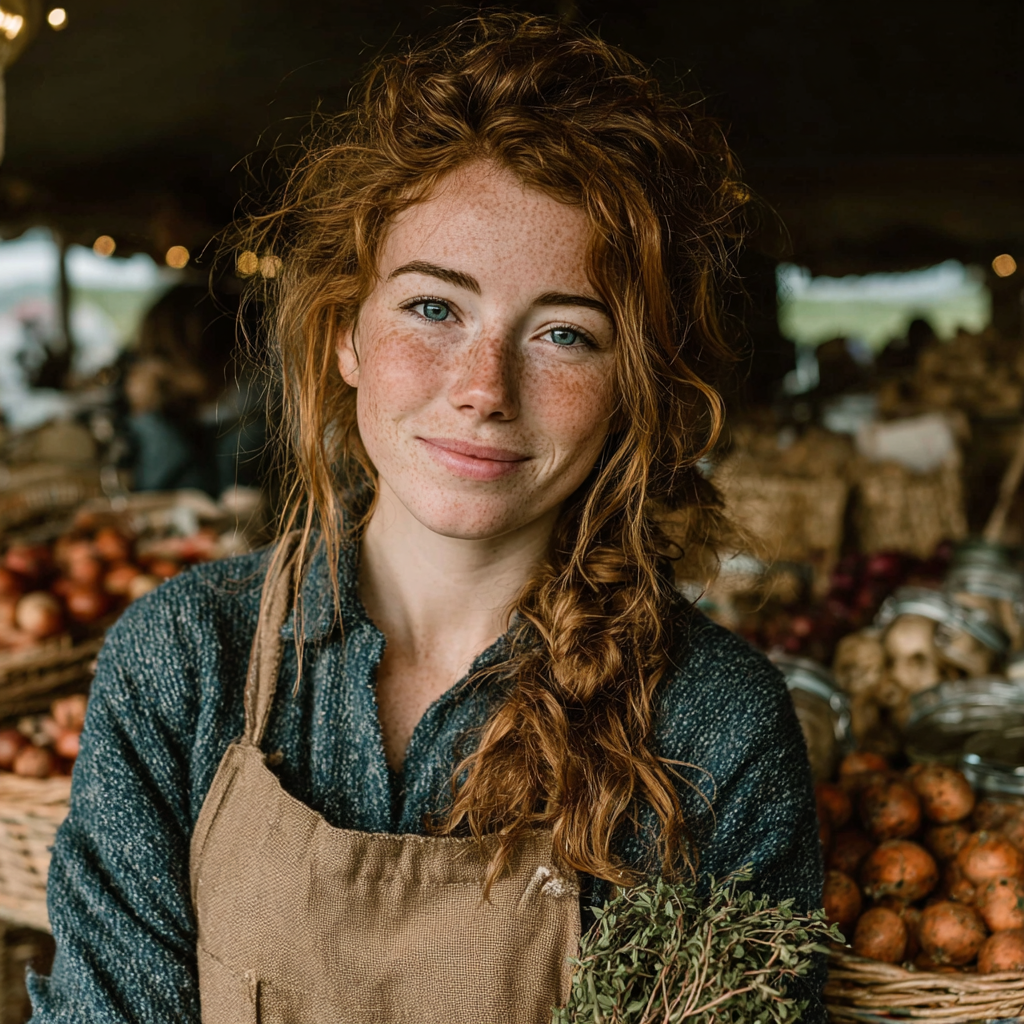
By Sophie Brennan
Irish food writer and historian based in Lisbon. Sophie combines her background in medieval history with a passion for contemporary gastronomy. She has written for Condé Nast Traveller and authored two cookbooks exploring Celtic and Iberian culinary traditions.