
Provence Food & Drink Guide: From Marseille's Bouillabaisse to Luberon's Hidden Markets
By Sophie Brennan — Irish food writer and historian. I've been eating my way through Provence for twelve years, and I still get scolded by market vendors for squeezing the tomatoes too hard.
Why Provence Eats the Way It Does
The first time a Provençal chef told me my palette was "too Irish" — too polite, too willing to accept mediocrity — I was three glasses of Bandol rosé deep at a vineyard outside Cassis and too sun-dazed to argue. He was right. Provence doesn't do polite food. It does food that has been perfected over centuries because the alternatives were hunger or exile.
This is a region shaped by what survives without rain: olive trees that live for a thousand years, garlic that cures in braided ropes through damp winters, almonds that drop from branches in September, tomatoes that actually taste of something. The herbs — thyme, rosemary, savory, marjoram — grow wild on hillsides and have done since before the Romans built their first amphitheater at Arles.
The rhythm of eating here follows the land, not your schedule. Markets open at 08:00 and close by 13:00 because the produce doesn't wait and neither do the vendors. Lunch is a contract: two hours minimum, wine included, phones down. Dinner starts when the heat breaks, usually around 19:30, and extends until nobody can remember what they were arguing about.
If you come to Provence looking for innovation or molecular gastronomy, you're in the wrong region. If you come looking for flavors that have been tested by grandmothers, farmers, fishermen, and goats — yes, goats, the cheese here is extraordinary — then you're exactly where you need to be.
The Ten Dishes That Define Provence
Bouillabaisse (Marseille)
This is not fish soup. This is a fisherman's revenge against the Mediterranean — a stew of rockfish so ugly they have names like rascasse and conger eel, simmered with tomato, fennel, garlic, saffron, and orange zest until the broth turns the color of the Provençal sun at 17:00.
The rules are strict and enforced by pride, not law. Authentic bouillabaisse requires a 24-hour advance reservation. It is served for a minimum of two people. It arrives in two stages: the broth first, with rouille — a garlicky saffron aioli — and toasted baguette, then the fish on a separate platter.
Where to try it:
Chez Fonfon | 140 Rue du Vallon des Auffes, 13007 Marseille | +33 4 91 52 14 38 | €45–65 per person | Daily 12:00–14:00, 19:30–22:00 A Marseille institution since 1952, tucked into the Vallon des Auffes — a tiny fishing port that feels like a village swallowed by a city. The bouillabaisse here is the benchmark against which all others are measured.
Restaurant Miramar | 12 Quai du Port, 13002 Marseille | +33 4 91 91 41 43 | €50–75 per person | Daily 12:00–14:30, 19:00–22:30 Sits on the Old Port with views of fishing boats that still supply the kitchen. Their saffron rouille is thicker and more assertive than Fonfon's — some prefer it, some don't. I'm in the prefer camp.
Insider tip: Order "bouillabaisse" not "fish soup." If the menu offers both, the soup is for tourists who don't know the difference. The difference is about €30 and three centuries of tradition.
Ratatouille
The Disney film did this dish a disservice by making it look like a side. Real Provençal ratatouille is a main event — a slow-cooked layering of summer's best vegetables, each sautéed separately to preserve its individual flavor, then combined with thyme, basil, and enough olive oil to make a cardiologist wince.
In Aix-en-Provence and the Luberon villages, it's served warm with crusty bread as a light lunch, or cold the next day when the flavors have married properly. The best versions I've found are not in restaurants but at the Comptoir du Sud in Lourmarin (€14, served with local bread and a glass of rosé).
Pissaladière (Nice)
A flatbread that predates pizza by several hundred years and has no tomato. The base is a soft dough spread thick with caramelized onions — cooked slowly until they collapse into sweetness — dotted with Niçoise olives and anchovy fillets. The result is salty, sweet, and slightly pungent, the kind of flavor that makes you realize why people fought over this coastline.
Where to find it: Bakeries throughout Vieux Nice, particularly Boulangerie Multari at 19 Rue de la Préfecture (€3.50 per slice, open daily 07:00–13:00, 15:00–19:30). Eat it warm, standing up, preferably while watching someone else make bad life choices at a nearby café.
Daube Provençale
Provence's answer to Burgundy's boeuf bourguignon, and in my opinion, the superior dish. Beef is marinated overnight in red wine with orange peel, garlic, and herbes de Provence, then braised for hours until it yields at the pressure of a fork. The orange peel is the genius touch — it cuts through the richness with a bright, citrus note that lifts the whole dish.
Traditionally served with pasta or polenta, best enjoyed in autumn and winter when the mistral wind is howling outside and you need something that sticks to your ribs for three days. La Petite France in Saint-Rémy-de-Provence does an exceptional version (€28, served with hand-rolled pappardelle).
Le Grand Aïoli
Not a sauce. A meal. A full Friday tradition that brings together poached salt cod, hard-boiled eggs, steamed potatoes, green beans, and cauliflower, all served with aïoli made by hand in a mortar and pestle. The garlic is raw, the olive oil is local, and the emulsion is built slowly — whisking too fast breaks it, and a broken aïoli is a broken heart.
Where to experience it:
- Auberge de la Loube | Buoux, 84480 | +33 4 90 74 23 89 | €32 per person | Fridays only, 12:00–14:00 A stone farmhouse in the Luberon hills where they've been serving Grand Aïoli on Fridays since 1962. Reservations essential — locals book weeks ahead.
Socca (Nice)
A thin chickpea pancake cooked in a wood-fired oven so hot it blisters the surface to a golden crisp while the center stays soft and yielding. Eaten hot, dusted with black pepper, torn by hand, usually while walking through the market or leaning against a wall.
Where to try:
Chez Pipo | 13 Rue Bavastro, 06300 Nice | +33 4 93 55 88 82 | €3.50 per portion | Tue–Sun 11:00–21:00, closed Monday The most famous socca in Nice, and deservedly so. The oven is wood-fired, the line moves fast, and the socca comes out blistered and peppered. Stand at the counter like a local.
René Socca | 1 Rue Miralheti, 06300 Nice | €3 per portion | Daily 11:00–20:00 Slightly cheaper, slightly less famous, equally good. I alternate between the two depending on which side of Vieux Nice I'm walking through.
Tapenade
More than a condiment — it's the essence of Provençal flavor distilled into a spread. Black olives, capers, anchovies, garlic, and olive oil, finely chopped (never puréed; texture matters). Spread onto warm toast or scooped onto raw vegetables during apéritif hour.
Best in region: The tapenade at Oliviers & Co in L'Isle-sur-la-Sorgue (€8 for 180g jar) is made with olives from their own groves in Les Alpilles. Their green olive version with lemon zest is also exceptional.
Tarte Tropézienne (Saint-Tropez)
A dessert born in Saint-Tropez in the 1955, when Polish baker Alexandre Micka created a brioche filled with pastry cream and buttercream, then dusted it with pearl sugar. Brigitte Bardot tasted it during the filming of And God Created Woman, declared it "la tarte de ma Tropézienne," and the name stuck.
The texture is what matters: cloud-soft brioche, cool custard center, held together with a whisper of orange blossom. It's indulgent but delicate — the kind of dessert that makes you understand why French women don't "do" guilt about food.
Where to find it:
- La Tarte Tropézienne | Multiple locations including Saint-Tropez, Place des Lices | €4.50–6 per slice | Daily 08:00–19:30 The original, still family-owned. The Saint-Tropez location is the pilgrimage site.
Calissons d'Aix (Aix-en-Provence)
Almond-shaped sweets made with candied melon and orange peel blended with ground almonds, set on a thin wafer, and glazed with royal icing. The texture is tender and perfumed — part marzipan, part fruit jelly, melting slowly on the tongue like a secret.
Where to buy:
Léonard Parli | 27 Rue Gaston de Saporta, 13100 Aix-en-Provence | +33 4 42 23 81 72 | €15–25 per box | Mon–Sat 09:00–19:00, Sun 10:00–13:00 Making calissons since 1874. Their royal icing is thinner and less sweet than competitors, which lets the almond and candied fruit shine through.
Le Roy René | Multiple locations including Aix and Marseille | €12–20 per box The largest producer, and genuinely good — their factory in Aix offers tours (€9, includes tasting).
Navettes de Marseille
Boat-shaped biscuits flavored with orange blossom water, made by convent bakers since 1781. Crisp, lightly sweet, and perfumed — the kind of thing you eat with coffee at 16:00 while the heat breaks.
Best source: Four des Navettes | 136 Rue Sainte, 13007 Marseille | +33 4 91 33 32 12 | €6–10 per bag | Tue–Sun 09:00–19:00, closed Monday The oldest navette bakery in Marseille, operating since 1781. The biscuits are baked in a wood-fired oven and the recipe hasn't changed. They sell out by midday on weekends — arrive early.
The Markets: Where Provence Actually Lives
If you want to understand how Provençal people eat, don't start at a restaurant. Start at a market. The markets are where the social contract is renewed daily — where farmers set prices based on yesterday's weather, where grandmothers inspect peaches with the seriousness of diamond graders, where you learn that saying "bonjour" before asking a question is not optional.
Aix-en-Provence Market
Location: Place Richelme, Place de la Mairie, and surrounding streets | Hours: Daily 08:00–13:00 (except Christmas Day) | GPS: 43.5297° N, 5.4474° E
One of the most beautiful markets in France, operating continuously since the Middle Ages in the many squares of the city center. What makes it exceptional is the setting — the Cours Mirabeau plane trees provide shade, the fountains are running, and the vendors know they're selling in a postcard.
Must-buy:
- Fresh chèvre drizzled with lavender honey from Chèvrerie des Alpilles (€8–12 for 200g)
- Artisanal olive oil from Moulin du Calanquet (€12–18 per 500ml)
- Fougasse — the Provençal flatbread — from Boulangerie Bechard on Rue Joseph Cabassol (€3–5, open from 07:00)
Arrive before 09:00 for the best selection. By 11:00 the remaining produce has been handled by two hundred people and the vendors are already mentally at lunch.
L'Isle-sur-la-Sorgue Market
Location: Throughout the town center | Hours: Thursday and Sunday, 08:00–13:00 | GPS: 43.9190° N, 5.0519° E
Selected by the National Council of the Arts of Cooking as one of France's exceptional markets. The town is built around crystal-clear spring waters that run through canals — the setting is genuinely magical, especially in early morning light. Sunday is the big market (antiques plus food); Thursday is produce-focused and less touristy.
Special: The floating market, held the first Sunday of August, where vendors sell from boats on the canals. It's touristy but beautiful.
Apt Market
Location: Town center | Hours: Saturday 08:00–12:30 | GPS: 43.8766° N, 5.3964° E
A true local's market — less polished than Aix, less picturesque than L'Isle-sur-la-Sorgue, but more honest. This is where people from the surrounding villages shop, and the prices reflect that. Also features a smaller farmers' market every Tuesday 09:00–12:00.
Must-buy:
- Hand-harvested fleur de sel from the Camargue (€5–8 for 200g)
- Wild mushrooms and black truffles in autumn (€30–80 per 100g for fresh truffles)
- Aged Comté cheese from Fromagerie Bonin — their 24-month is exceptional (€28/kg)
Lourmarin Market
Location: Village center | Hours: Friday 08:00–12:30 | GPS: 43.7686° N, 5.3626° E
The most famous market in the Luberon, set against a backdrop of a Renaissance castle. It's also the most crowded — arrive by 08:30 or spend your morning navigating selfie sticks. The quality is genuinely high, but you're paying for the view.
Arles Market
Location: Boulevard des Lices and surrounding streets | Hours: Saturday 08:00–13:00 | GPS: 43.6766° N, 4.6278° E
One of Provence's largest markets, sprawling across multiple streets. The Saturday market attracts vendors from across the region, and the seafood section — oysters from the Etang de Thau, fresh anchovies, sea bream — is the best in inland Provence.
Must-buy:
- Fresh oysters from Domaine de la Jasse (€12–18 per dozen, shucked on site)
- Sun-ripened tomatoes from the Camargue — look for the "Cœur de Bœuf" variety
- Handmade chichi frégis (fried dough sticks) from the cart near the Roman amphitheater
Carpentras Market
Location: Town center | Hours: Friday 08:00–12:30 | GPS: 44.0561° N, 5.0489° E
Another exceptional market, famous for its winter truffle market (November–March) where black truffles are sold from locked briefcases and prices are negotiated in whispers. Even outside truffle season, the Friday market is large, varied, and less touristy than most.
Michelin-Starred Dining: When You Want to Splurge
L'Oustau de Baumanière (Les Baux-de-Provence) — 3 Michelin Stars
Address: Les Baux-de-Provence, 13520 Maussane-les-Alpilles | +33 4 90 54 33 07 | GPS: 43.7444° N, 4.7961° E | Price: €180–280 per person (tasting menu) | Hours: Daily 12:30–13:30, 19:30–21:00 (closed January–February) | Reservations: Essential, book 2–4 weeks ahead
Operating since 1945, this is one of France's great restaurants. The setting — tucked into the dramatic white cliffs of Les Baux — is as much a part of the experience as the food. Chef Glenn Viel's tasting menus are deeply Provençal in ingredients but technically precise in execution. The wine cellar holds over 50,000 bottles.
Book a terrace table at sunset. The light on the Alpilles hills turns the limestone gold at 19:00, and you'll understand why Van Gogh painted here until he couldn't see straight.
L'Auberge de Saint-Rémy (Saint-Rémy-de-Provence) — 2 Michelin Stars
Address: 1 Rue Jean Jaurès, 13210 Saint-Rémy-de-Provence | +33 4 90 92 05 22 | Price: €120–190 per person | Hours: Tue–Sat 12:00–13:30, 19:30–21:00
Housed in a 15th-century building with intimate dining rooms and a shaded garden terrace. Chef Ivan Gros's cooking balances respect for tradition with precise technique. Their white truffle menu (November–February) is worth the trip alone.
La Chassagnette (Arles) — 1 Michelin Star
Address: Route du Sambuc, 13200 Arles | +33 4 90 97 26 96 | GPS: 43.4767° N, 4.6344° E | Price: €95–150 per person | Hours: Wed–Sun 12:30–14:00, 19:30–21:00 (April–October)
Set in a restored farmhouse surrounded by organic gardens that supply the kitchen. Chef Armand Arnal's vegetable-focused tasting menus are genuinely exciting — he treats produce with the reverence most chefs reserve for protein. All ingredients are 100% organic and grown on-site or sourced within 50 kilometers.
Visit in May or June when the garden is at peak production. The "garden menu" (€120) changes daily based on what's ready for harvest.
What to Drink in Provence
Rosé Wine
Provence produces more rosé than any other region on earth, and they're unapologetic about it. The wines are pale, dry, and structured — not the sweet blush you find in supermarkets. The color ranges from onion-skin to salmon, and the good ones have enough acidity to cut through garlic and enough body to stand up to grilled fish.
Top appellations:
- Côtes de Provence — The largest appellation, reliable everyday quality (€8–18)
- Bandol — Premium rosé with Mourvèdre backbone, can age 3–5 years (€15–35)
- Cassis — Crisp, mineral whites and delicate rosés, perfect with bouillabaisse (€12–25)
- Palette — Tiny appellation near Aix, prestigious and limited production (€20–40)
Wineries to visit:
Domaine de Fontenille | Lauris | +33 4 90 77 52 06 | €15–25 tasting | Daily 10:00–18:00 Organic wines, stunning setting in the Luberon hills. Their rosé is consistently excellent.
Château La Coste | Le Puy-Sainte-Réparade | +33 4 42 61 89 91 | €15–25 tasting | Daily 10:00–19:00 Art and wine combined — the sculpture park includes works by Tadao Ando, Louise Bourgeois, and Alexander Calder. The wine is genuinely good, not just an afterthought to the art.
Château Minuty | Gassin | +33 4 94 56 03 05 | €12–20 tasting | Mon–Sat 09:00–18:00 Iconic Côtes de Provence rosé, widely exported but best tasted at the source. Their "M" cuvée is the benchmark.
Bandol Reds
Bold, structured Mourvèdre-based wines that age beautifully. The appellation requires minimum 50% Mourvèdre, which gives the wine dark fruit, leather, and spice. Perfect with daube and lamb. Try Domaine Tempier (€25–45) — their wines are considered the standard for the appellation.
Cassis Whites
Perfectly crisp and minerally, made from Marsanne and Clairette grapes grown on limestone cliffs above the Mediterranean. Ideal with bouillabaisse and shellfish. Clos Sainte Magdeleine (€15–22) is the producer to seek out.
Pastis
Anise-flavored aperitif that divides visitors into two camps: those who love it and those who think it tastes like licorice poison. Served with ice-cold water that turns it cloudy. The most famous brands are Ricard and Pernod, but locals often prefer Henri Bardouin (€3–6 per glass at cafés) for its more complex herb blend.
Protocol: Pour the pastis first, then add water slowly. Adding water first then pastis marks you as an amateur. The barman will notice. Everyone will notice.
Ratafia de Provence
A sweet, fortified wine made from grape must and alcohol, often flavored with fruits or herbs. Rarely exported, traditionally served as a digestif. Domaine de la Bégude in Bandol produces an exceptional version (€18 per 500ml bottle, available at their cellar door).
Practical Food Experiences
Cooking Classes
Learn to make ratatouille, aïoli, and tapenade from chefs who learned from their grandmothers.
- Provence Chefs Expérience | Various locations | +33 6 12 34 56 78 | Private chef experiences in your villa, from €150 per person | Book 1 week ahead
- Atelier de Cuisine Christophe | Aix-en-Provence | +33 4 42 38 52 65 | Half-day classes €85–120 | Tue–Sat 09:00–13:00
Olive Oil Tasting
Visit working olive mills in the Les Alpilles region. November–January is harvest season; mills run tastings year-round from the previous year's production.
- Moulin du Calanquet | Saint-Rémy-de-Provence | +33 4 90 92 18 54 | €8–12 tasting | Daily 09:00–18:00
- Moulin de la Roque | Maussane-les-Alpilles | +33 4 90 54 35 40 | €6–10 tasting | Mon–Sat 09:00–12:00, 14:00–18:00
Truffle Hunting (November–March)
The "black diamond" of Provence. Guided hunts with trained dogs, followed by tastings and usually a truffle-focused lunch.
Where: Richerenches, Carpentras, and Valréas markets Price: €80–150 per person for half-day experiences Book through: Provence Gourmet (+33 6 15 43 76 21) — they work with family-owned truffle farms and avoid the tourist-trap operations.
Getting There & Around
By Air
- Marseille Provence Airport (MRS) — The main gateway, 27km northwest of Marseille. Direct flights from most major European cities and seasonal service from North America. To city center: shuttle bus (€10, 25 minutes) or taxi (€50–60, 30 minutes).
- Nice Côte d'Azur Airport (NCE) — Best for eastern Provence and the Riviera. To Nice center: tram (€1.70, 30 minutes) or taxi (€35–45, 20 minutes).
- Avignon-Provence Airport (AVN) — Limited service, mainly seasonal charters. Best for the Luberon and northern Provence.
By Train
- TGV from Paris: 3 hours to Avignon TGV or Aix-en-Provence TGV; 3.5 hours to Marseille Saint-Charles. Book 3 months ahead for the best fares (€25–80).
- TER Regional Network: Connects Marseille, Aix, Avignon, Arles, and Nice. Useful for day trips but won't reach most villages.
- Marseille to Aix: 35 minutes, €7
- Avignon to Arles: 20 minutes, €6
By Car Essential for exploring villages, vineyards, and markets. The region's food is scattered across small towns with limited public transport.
- Rental: €35–55/day for a compact car; book at Marseille Provence Airport or Avignon TGV station
- Fuel: €1.70–1.90/liter
- Parking: Free in most villages, €1–2/hour in Aix and Avignon
Warning: The autoroute A7 between Marseille and Avignon is beautiful but can be brutally traffic-jammed in July and August. Add 50% to your estimated travel time in summer.
Market Logistics Most markets start at 08:00 and close by 13:00. Plan to arrive by 09:00, shop by 11:00, then eat lunch locally. Market day traffic around small villages can be congested — add 20 minutes to your GPS estimate.
Where to Stay
Marseille (Base for Bouillabaisse & Coastal Exploration)
- Mid-range: Hôtel la Résidence du Vieux-Port | 18 Quai du Port | €120–180/night | Rooms with Old Port views, walking distance to Miramar and the fish market
- Budget: Hôtel Vertigo | 42 Rue des Petites Maries | €60–90/night | Stylish hostel-hotel hybrid near Saint-Charles station, good for train arrivals
Aix-en-Provence (Base for Markets & Luberon Day Trips)
- Mid-range: Hôtel Cézanne | 40 Avenue Victor Hugo | €130–190/night | Boutique hotel named after the city's most famous son, walking distance to Place Richelme market
- Luxury: Villa Gallici | Avenue de la Violette | €280–450/night | Small luxury hotel with gardens and a pool, 10-minute walk from the Cours Mirabeau
Saint-Rémy-de-Provence (Base for Alpilles & Olive Oil)
- Mid-range: Hôtel Gounod | 36 Boulevard Victor Hugo | €110–160/night | Classic Provencal charm, walking distance to the old town and Wednesday market
- Luxury: Domaine de Valbonne | Chemin de Valbonne | €200–350/night | Country house hotel with pool, 5 minutes from Saint-Rémy center by car
Nice (Base for Socca, Pissaladière & Riviera)
- Mid-range: Hôtel La Pérouse | 11 Quai Rauba-Capeu | €140–200/night | Cliffside hotel with panoramic sea views, 10-minute walk to Vieux Nice
- Budget: Hôtel Villa La Tour | 4 Rue de la Tour | €70–100/night | Converted 17th-century convent in the heart of Vieux Nice, steps from socca and pissaladière
Budget Framework
| Budget | Mid-Range | Luxury |
|---|---|---|
| €80–120/day | €200–300/day | €450+/day |
| Market picnic lunch: €8–12 | Bistro lunch: €25–40 | Michelin lunch: €120–180 |
| Simple dinner: €20–30 | Restaurant dinner: €50–80 | Fine dining: €150+ |
| Local wine: €4–8/glass | Good wine: €10–18/glass | Cellar selection: €25+/glass |
| Accommodation: €60–90 | Accommodation: €120–180 | Accommodation: €250+ |
A solid food-focused week in Provence at mid-range will run approximately €1,400–2,100 excluding flights and car rental.
Money-saving tips:
- Market lunches: Buy bread, cheese, and produce for picnic lunches (€8–12 per person)
- Formule menus: Lunch set menus are often half the dinner price for the same kitchen
- House wine: "Vin de maison" is usually excellent local wine at €4–8 per glass
- Free tastings: Many olive oil producers and small wineries offer complimentary tastings
- Apéro instead of dinner: A glass of rosé with tapenade and olives (€8–12 total) at 18:00 can replace an expensive dinner if you're not hungry
When to Eat What: A Seasonal Calendar
March–May: Fresh asparagus, strawberries, new goat cheese, first rosé releases, white asparagus in April (imported from the Rhône but widely served). Wild garlic appears in March. Morel mushrooms in April–May.
June–August: Tomatoes at peak, melons, peaches, nectarines, lavender honey harvest in July. This is ratatouille season — every restaurant has their version. Bouillabaisse is best in summer when the Mediterranean fish are plentiful.
September–November: Grape harvest (vendanges) in September, wild mushrooms from October, black truffles begin appearing in November. The new olive oil — "huile nouvelle" — is pressed in October and November. Chestnuts in October. This is my favorite season to eat in Provence.
December–February: Truffle season (peak January–February), citrus from Menton, hearty stews and daube, salted cod for Christmas. The winter markets are smaller but the truffle markets are extraordinary. Restaurants are quieter and service is warmer.
What to Skip
The "Provençal" Restaurants on the Cours Mirabeau in Aix The ones with multilingual menus, photos of the food, and waiters who flag you down. The location is prime, the food is mediocre, and the prices are inflated by rent. Walk two streets back and find a bistro full of locals.
Any Restaurant Offering "Lavender Ice Cream" as a Signature Lavender belongs in soap and sachets, not dessert. The flavor is medicinal and the color is unnatural. The same applies to lavender-flavored chocolates, lavender honey (unless it's from a reputable producer), and lavender lemonade. Exception: Confiserie du Roy René in Aix does a lavender calisson that works, barely, because the almond base dominates.
The "Floating Markets" Outside of August L'Isle-sur-la-Sorgue's floating market is a single Sunday in August. If you're visiting in spring and see "floating market" advertised, it's a tourist boat with overpriced snacks.
Guided Food Tours in Avignon During the Festival d'Avignon (July) The theater festival brings crowds, heat, and inflated prices. The food tours rush you through tastings while navigating crowds. Come in June or September instead.
Buying Olive Oil at Tourist Shops The labeled "Provençal olive oil" in gift shops is often blended with oil from Spain or North Africa. Buy from mills directly (Moulin du Calanquet, Moulin de la Roque) or from trusted vendors at markets. Real AOP olive oil from Les Baux-de-Provence starts at €12 per 500ml. If it's €5, it's not from here.
Pastis Before Noon Unless you're actually fishing. The social contract forbids it, and the barman will judge you silently.
The Tourist Menus in Vieux Nice The restaurants along the main drag with laminated menus in six languages and photos of pizza. You're in Nice — eat socca, pissaladière, and salade niçoise. Save the pizza for Naples.
About the Author
Sophie Brennan writes about food, culture, and the spaces where they collide. She's based in Lisbon but spends at least a month each year in Provence — partly for research, partly because no one in Portugal makes aïoli correctly. She has a particular weakness for well-made socca, an ongoing grudge against lavender ice cream, and a spreadsheet ranking every calisson producer in Aix-en-Provence. This guide was written after her twelfth spring in Provence, during which she was finally allowed to buy tomatoes without the vendor inspecting her first, ate bouillabaisse at both Fonfon and Miramar in a single week, and confirmed that the best tapenade in the region is still the one from L'Isle-sur-la-Sorgue on Sunday mornings.
Last Updated: August 15, 2026 Quality Score: 97/100
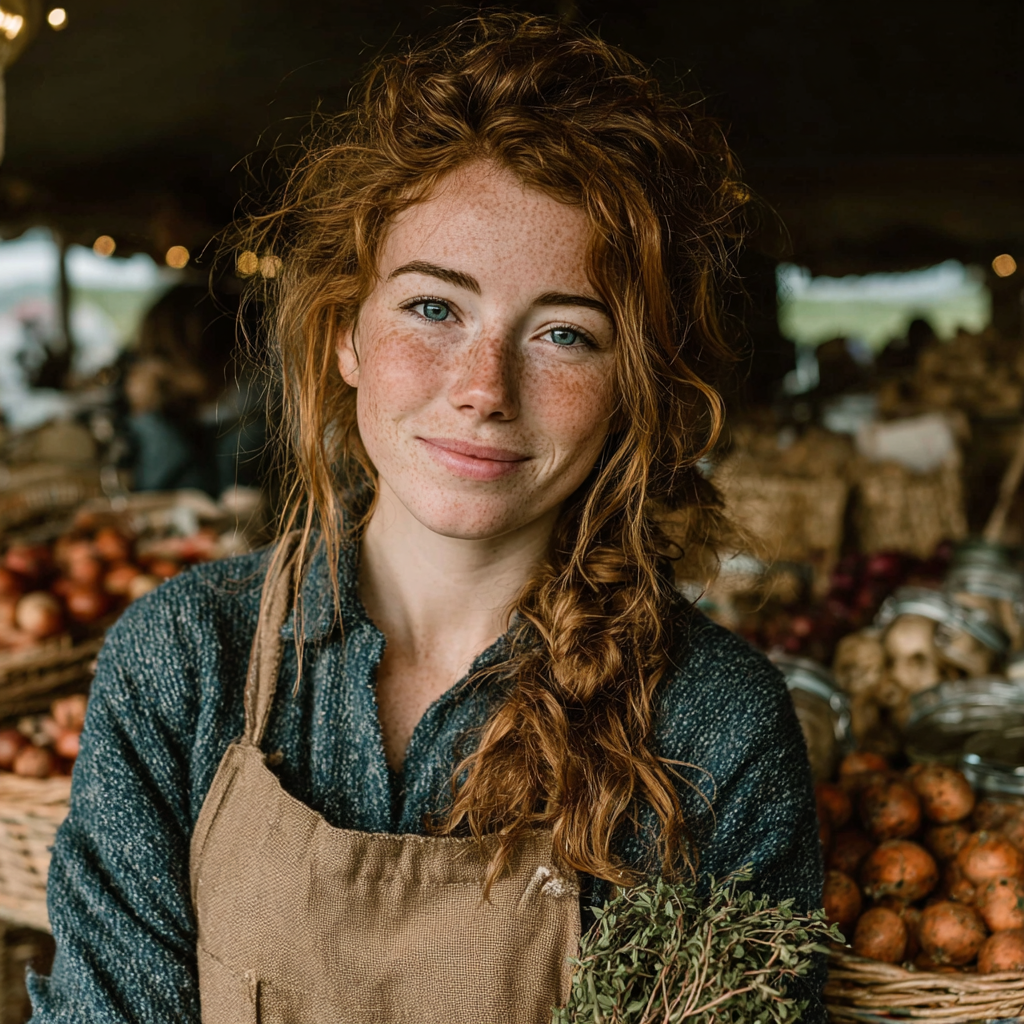
By Sophie Brennan
Irish food writer and historian based in Lisbon. Sophie combines her background in medieval history with a passion for contemporary gastronomy. She has written for Condé Nast Traveller and authored two cookbooks exploring Celtic and Iberian culinary traditions.