
Paris Food & Drink Guide: Where Locals Eat, What to Skip, and the Back-Alley Spots That Matter
Paris has a reputation that precedes it. The city where every meal is transcendent, where bistros overflow with charm, where you can't throw a baguette without hitting a Michelin star. I've heard this narrative for years, and after multiple visits, I can tell you it's both true and complete nonsense.
The reality is messier. Yes, you can eat spectacularly well in Paris. You can also pay €28 for a mediocre steak frites in a tourist trap near the Eiffel Tower and wonder what all the fuss was about. The difference between a transcendent meal and a forgettable one often comes down to knowing where to look—and more importantly, where not to.
This guide is for travelers who want to eat like locals actually eat, not like Instagram thinks they should.
About the Author: Sophie Brennan
I'm Sophie Brennan, a food writer and culinary historian who has spent the better part of fifteen years eating my way through Europe's great food cities. I started in Dublin, trained in London, and found my spiritual home in the markets and back rooms of Paris, Lisbon, and Bologna. I write about food not as spectacle but as culture—the way a grandmother's hands shape dough, the way a wine bar owner remembers every regular's order, the way a neighborhood boulangerie becomes a community anchor. I believe the best meal in any city is rarely the most expensive one. It's the one that teaches you something about who lives there.
The Bakery Reality Check
Let's start with the obvious: bread. Paris has approximately 1,200 boulangeries, and maybe 50 worth your time. The rest are industrial bread factories masquerading as artisanal shops, pumping out baguettes that taste like cardboard with a crust.
Du Pain et des Idées (34 Rue Yves Toudic, 10th arrondissement) is the real deal. Christophe Vasseur's bakery has been turning out what might be the best bread in Paris since 2002, and the fact that it's tucked away on a quiet street in the 10th rather than some tourist corridor tells you everything. The pain des amis—a dense, nutty sourdough sold by the slab—is worth crossing the city for. A whole loaf runs €6-8 ($6.50-8.70). Hours: Monday-Friday 6:45 AM-8:00 PM, closed weekends. GPS: 48.8719°N, 2.3636°E.
I keep coming back to the escargot chocolat-pistache here—a spiral pastry that looks like its namesake, with pistachio cream and chocolate chips woven through laminated dough. It's €4.20 ($4.60), which is absurd for a pastry until you taste it. Then it feels like a bargain.
Boulangerie Utopie (20 Rue Jean-Pierre Timbaud, 11th arrondissement) represents the new wave of Parisian baking. Charcoal-black bread, inventive viennoiserie, and a line out the door that moves fast because locals know exactly what they want. The pain au sesame is €2.80 ($3.05), and the black sesame croissant has developed a cult following for good reason. Hours: Tuesday-Sunday 7:00 AM-8:00 PM, closed Monday. GPS: 48.8665°N, 2.3744°E.
Poilâne (8 Rue du Cherche-Midi, 6th arrondissement) is an institution, which usually means it's resting on laurels. Not here. The punitions—tiny butter cookies—are dangerously addictive at €6 ($6.50) for a small sack. The signature sourdough miche, with its distinctive "P" carved into the crust, is €12-18 ($13-19.50) depending on size. Hours: Monday-Saturday 7:15 AM-8:15 PM, Sunday 7:15 AM-7:30 PM. GPS: 48.8516°N, 2.3289°E.
A note on croissants: Everyone asks where to find the best one. My honest answer? The difference between a very good croissant and a transcendent one is smaller than the difference between a good one and a bad one. Find a busy neighborhood boulangerie with a line of locals before 9 AM, and you'll do fine. The €1.20 ($1.30) croissant from your corner bakery will likely beat the €4 ($4.35) Instagram-famous version.
Bistros: The Heart of Parisian Eating
The bistro is Paris's contribution to civilization—small plates, checked tablecloths (sometimes), wine by the carafe, and the understanding that dinner is an event, not a refueling stop. But the word "bistro" has been stretched so thin that it now covers everything from authentic neighborhood institutions to themed restaurants for tourists.
Bouillon Chartier (7 Rue du Faubourg Montmartre, 9th arrondissement) is a time capsule. Opened in 1896, this Belle Époque dining hall serves classic French comfort food at prices that seem like a mistake. The steak frites is €13.50 ($14.70), the confit de canard is €13 ($14.15), and the atmosphere—high ceilings, mirrored walls, waiters in black vests who've seen everything—is priceless. Yes, it's touristy now. Yes, the lines are long. But there's something honest about a place that hasn't changed its menu in a century. Hours: Daily 11:30 AM-12:00 AM. GPS: 48.8719°N, 2.3447°E.
Le Comptoir du Relais (9 Carrefour de l'Odéon, 6th arrondissement) is Yves Camdeborde's temple of bistro cooking, and it represents everything I love about Parisian dining. The menu changes with what's good at the market, the portions are generous without being American, and the wine list is full of discoveries. A proper dinner here runs €45-65 ($49-71) per person with wine. The terrine de campagne and cochonaille plate are standout starters. Hours: Monday-Friday 12:00 PM-11:00 PM, Saturday-Sunday 9:00 AM-11:00 PM. Reservations essential for dinner. GPS: 48.8494°N, 2.3386°E.
Bouillon Pigalle (22 Boulevard de Clichy, 18th arrondissement) is Chartier's younger sibling, opened in 2017 to prove that affordable French classics weren't extinct. The formula works: €11 ($12) for blanquette de veau, €10.50 ($11.45) for boeuf bourguignon, and the same high-energy, shared-table atmosphere. The 18th arrondissement location means fewer tourists, more locals. Hours: Daily 12:00 PM-12:00 AM. GPS: 48.8836°N, 2.3334°E.
Chez Gladines (30 Rue des Cinq Diamants, 13th arrondissement) is technically a Basque restaurant, but it's become a Paris institution. The salads are enormous, the poulet basquaise is €14 ($15.25), and the conviviality is genuine. This is where Parisians go when they want a relaxed, affordable dinner with friends. Hours: Daily 12:00 PM-3:00 PM, 7:00 PM-11:00 PM. GPS: 48.8286°N, 2.3503°E.
Markets: Where the Real Action Happens
If you want to understand how Paris actually eats, go to the markets. Not the tourist-oriented ones, but the neighborhood marchés where locals shop for Tuesday dinner.
Marché d'Aligre (Place d'Aligre, 12th arrondissement) is my favorite in Paris. It's messy, loud, slightly chaotic, and absolutely authentic. The covered market hall has cheese specialists, butchers, and fishmongers. The outdoor stalls sell produce at prices that make supermarket shoppers weep. The surrounding streets have North African spice shops, Jewish delis, and Portuguese bakeries.
Come hungry. The socca (chickpea flour pancake) from the Niçoise vendor is €3 ($3.25). A bag of fresh-made merguez sausages runs €5-7 ($5.45-7.60). The cheese selection at Fromagerie Beillevaire inside the market is exceptional—ask for something affiné (aged) and prepare for a religious experience. Hours: Tuesday-Sunday 7:30 AM-1:30 PM, closed Monday. GPS: 48.8483°N, 2.3825°E.
Marché des Enfants Rouges (39 Rue de Bretagne, 3rd arrondissement) is Paris's oldest covered market, dating to 1615. It's become somewhat trendy, but the quality remains high. The Japanese vendor Café Aki does excellent bento boxes for €12-15 ($13-16.30). L'Estaminet serves market-fresh French cooking at communal tables. The cheese from Fromagerie Jouannault is worth the trip alone. Hours: Tuesday-Saturday 9:00 AM-8:00 PM, Sunday 9:00 AM-2:00 PM, closed Monday. GPS: 48.8630°N, 2.3620°E.
Marché Bastille (Boulevard Richard Lenoir, 11th arrondissement) is where the 11th arrondissement shops, which means it's young, diverse, and unpretentious. The rotisserie chicken vendor near the Bréguet-Sabin end sells birds that perfume the entire market. The North African pastry vendor does m'hanncha (snake-shaped almond pastry) that disappears by noon. Hours: Thursday 7:00 AM-2:30 PM, Sunday 7:00 AM-3:00 PM. GPS: 48.8534°N, 2.3692°E.
Wine: Drinking Like You Know What You're Doing
Paris has undergone a wine revolution in the past decade. The natural wine movement—vin nature—has transformed the city's drinking culture, and while I have mixed feelings about some of the funkier bottles, there's no denying the energy it's brought to Parisian wine bars.
Le Verre Volé (67 Rue de Lancry, 10th arrondissement) is ground zero for natural wine in Paris. The selection is uncompromising, the staff is knowledgeable without being pretentious, and the small plates—tartines, charcuterie, cheese—are the perfect accompaniment. Glasses start at €6 ($6.50), bottles at €28 ($30.50). The cave à manger format means you can buy bottles to take home too. Hours: Tuesday-Saturday 12:00 PM-2:30 PM, 7:00 PM-11:00 PM, Sunday 12:00 PM-4:00 PM, closed Monday. GPS: 48.8711°N, 2.3636°E.
Le Barav (6 Rue Charles-François Dupuis, 3rd arrondissement) occupies that perfect middle ground between serious wine bar and neighborhood hangout. The selection leans natural but not aggressively so. The assiette de fromages is €14 ($15.25), the charcuterie plate is €13 ($14.15), and both are generous. Come early evening for l'apéro and watch the Marais transition from workday to nightlife. Hours: Tuesday-Saturday 6:00 PM-2:00 AM, closed Sunday-Monday. GPS: 48.8656°N, 2.3630°E.
Septime La Cave (3 Rue Basfroi, 11th arrondissement) is the more accessible sibling of the impossibly booked Septime restaurant. The wine selection is exceptional, the staff is passionate, and the small plates—€8-15 ($8.70-16.30)—are genuinely good. This is where Parisian wine nerds drink, which tells you everything. Hours: Tuesday-Saturday 4:00 PM-11:00 PM, closed Sunday-Monday. GPS: 48.8536°N, 2.3844°E.
Cave du Pantheon (56 Rue de la Montagne Sainte-Geneviève, 5th arrondissement) is an old-school cave that predates the natural wine craze by decades. The selection is traditional, the prices are fair, and the owner knows his Burgundies like his own children. Bottles start around €15 ($16.30), and they'll open anything on the shelf for a small corkage fee if you want to drink in. Hours: Monday-Saturday 10:00 AM-10:00 PM, Sunday 4:00 PM-9:00 PM. GPS: 48.8483°N, 2.3494°E.
The Sweet Side
Paris does dessert seriously. Not American-style sugar bombs, but carefully constructed pastries that balance sweetness with acidity, texture with temperature.
Jacques Genin (133 Rue de Turenne, 3rd arrondissement) makes what might be the best chocolate in Paris. The éclairs—particularly the caramel and passion fruit—are €7 ($7.60) and worth every cent. The millefeuille is constructed to order, which means you wait five minutes and receive something that defies physics. Hours: Tuesday-Sunday 11:00 AM-7:00 PM, closed Monday. GPS: 48.8636°N, 2.3658°E.
La Pâtisserie du Meurice par Cédric Grolet (228 Rue de Rivoli, 1st arrondissement) is where pastry becomes art. Grolet's trompe-l'œil fruits—lemons, apples, peaches made from chocolate, mousse, and careful engineering—are €18-24 ($19.60-26.10). Yes, that's absurd for a single pastry. No, I can't quite justify it. But watching the man work through the glass-walled kitchen is theater, and the results taste as good as they look. Hours: Daily 9:00 AM-7:00 PM. GPS: 48.8653°N, 2.3284°E.
Breizh Café (109 Rue Vieille du Temple, 3rd arrondissement) proves that crêpes deserve respect. The buckwheat galettes are properly crispy at the edges, the fillings are quality (try the complète with ham, egg, and cheese for €12/$13), and the cider selection is serious. This is Breton food done right in the heart of the Marais. Hours: Daily 11:00 AM-11:00 PM. GPS: 48.8611°N, 2.3636°E.
Coffee: The Revolution Continues
Parisian coffee used to be a punchline—burnt espresso served with a sneer. That's changed dramatically in the past decade, though you'll still encounter the old guard in traditional cafés.
Boot Café (19 Rue du Pont aux Choux, 3rd arrondissement) is tiny—like, four-stools tiny—but the coffee is exceptional. The Australian owner sources carefully, roasts thoughtfully, and pulls shots with precision. A flat white is €4.50 ($4.90), which is standard for specialty coffee in Paris. Hours: Tuesday-Sunday 10:00 AM-6:00 PM, closed Monday. GPS: 48.8608°N, 2.3639°E.
Fragments (76 Rue des Tournelles, 3rd arrondissement) combines excellent coffee with a genuinely pleasant space to work or read. The breakfast plates—avocado toast, granola, eggs—are €8-14 ($8.70-15.25) and generously portioned. The coffee is consistently well-executed. Hours: Daily 9:00 AM-6:00 PM. GPS: 48.8547°N, 2.3675°E.
Café de Flore (172 Boulevard Saint-Germain, 6th arrondissement) is here for historical context, not coffee quality. Sartre and de Beauvoir wrote here, Hemingway drank here, and now tourists pay €8 ($8.70) for mediocre espresso to say they did. I include it because you should know what it is—and then go literally anywhere else for your caffeine fix.
What to Skip (And Why)
The restaurants on the Champs-Élysées. The crêpe stands near major monuments. Any place with a "Tourist Menu" sign in multiple languages. The café at the Louvre. The overpriced macarons at Ladurée on the Champs-Élysées (the original on Rue Royale is different—still touristy, but at least it has history).
I'm not being snobbish here. These places exist to separate visitors from euros, and they do it efficiently. The food is rarely terrible, but it's never good, and the prices are always 40% higher than equivalent quality elsewhere.
Also skip the "best croissant in Paris" chase. I've already told you: find a busy neighborhood boulangerie before 9 AM. The marginal difference between the #1 and #10 croissant in the city is not worth the metro ride, the queue, or the €4 price tag.
Skip dining near the Eiffel Tower after dark unless you've done your homework. That €28 steak frites I mentioned? It happens every night, and the victims all have one thing in common: they wandered in hungry from the Trocadéro without a plan.
Finally, skip any restaurant that seats you within thirty seconds of arrival without a reservation. In Paris, a full dining room is the best review a restaurant can get. Empty tables at 8 PM on a Saturday are a warning, not an invitation.
Practical Logistics: How to Eat in Paris
Reservations: For bistros and wine bars, book two to three days ahead for dinner. For Michelin-starred or hyped spots, two to four weeks. Many excellent bistros do not take reservations at all—Le Comptoir du Relais is walk-in only for lunch, reservation-only for dinner. When in doubt, call. The French still answer phones.
Timing: Parisians eat lunch between 12:00 and 2:00 PM and dinner from 8:00 PM onward. Arriving at 7:00 PM marks you as a tourist and may get you a table in the section they reserve for people they don't expect to tip well. Bakeries sell out of the best pastries by 10:00 AM. Markets close by 1:30 PM. Wine bars fill up around 7:00 PM for l'apéro.
Neighborhoods: The 10th, 11th, and 12th arrondissements are where the best affordable eating happens right now. The Marais (3rd and 4th) is more polished but still excellent. The 6th is beautiful and expensive. The 1st, 7th, and 8th are where tourist traps concentrate. The 18th and 20th are emerging, rough-edged, and full of discovery if you're willing to explore.
Metro: The Paris Métro is your friend. A single ticket is €2.10, a carnet of ten is €16.90. Most food destinations in this guide are within a twenty-minute metro ride of each other. Download the Citymapper app. The RATP app works too but is less intuitive.
Language: A little French goes a long way. "Bonjour" before you ask for anything. "Je voudrais..." to order. "L'addition, s'il vous plaît" for the bill. Attempting French, however badly, earns more goodwill than fluent English delivered with entitlement. Most staff in the places I've listed speak enough English to help you, but they appreciate the effort.
Tipping: Service is included by law (service compris). Rounding up to the nearest euro or leaving 5% for exceptional service is polite. Leaving 20% is American, not Parisian, and marks you as someone who doesn't know the local rules.
The Terrace Tax: Coffee at the bar is cheaper than coffee on the terrace. At a traditional café, an espresso at the bar might be €1.50; the same espresso on the terrace could be €3.00. You're paying for the seat and the view. Choose accordingly.
August: Many family-run bistros and bakeries close for two to four weeks in August while owners vacation in Brittany or the countryside. Check hours before you make a special trip. The chains and tourist spots stay open, which tells you something.
Water: Tap water is safe and excellent. Ask for "une carafe d'eau" and it's free. Bottled water is a choice, not a necessity.
Menu du Jour: At lunch, look for the formule or menu du jour—a set meal of starter, main, and sometimes dessert for €15-25. This is often the best value in any bistro and gives you a sense of what the kitchen actually wants to cook that day.
The Honest Truth About Eating in Paris
Paris rewards preparation and punishes wandering in hungry. The best meals I've had here came from research—knowing which boulangerie opens at 7 AM, which market runs on Sunday, which wine bar takes reservations and which doesn't need them.
The city also rewards flexibility. That bistro you read about might be closed for August vacation. The bakery with the cult following might have sold out of croissants by 9:30. Having backup options isn't failure—it's Parisian wisdom.
Finally, Paris rewards curiosity. The best meal of your trip might come from following a local into a nondescript restaurant with no English menu. It might come from ordering the plat du jour at a neighborhood café because everyone else is eating it. It might come from accepting that the €4 ($4.35) baguette sandwich eaten on a park bench can be as satisfying as the €80 ($87) tasting menu.
Paris doesn't care about your expectations. It just offers some of the best eating in the world, if you know where to look.
Budget Summary:
- Pastry and coffee breakfast: €6-10 ($6.50-10.90)
- Market lunch (sandwich/drink): €8-12 ($8.70-13.05)
- Bistro dinner (main + wine): €25-40 ($27.20-43.50)
- Wine bar evening (glasses + snacks): €20-35 ($21.75-38.10)
- Splurge meal (Michelin or equivalent): €80-150 ($87-163)
Daily food budget: €45-75 ($49-81.50) for comfortable eating, €25-40 ($27.20-43.50) if you're strategic, €100+ ($109+) if you're indulgent.
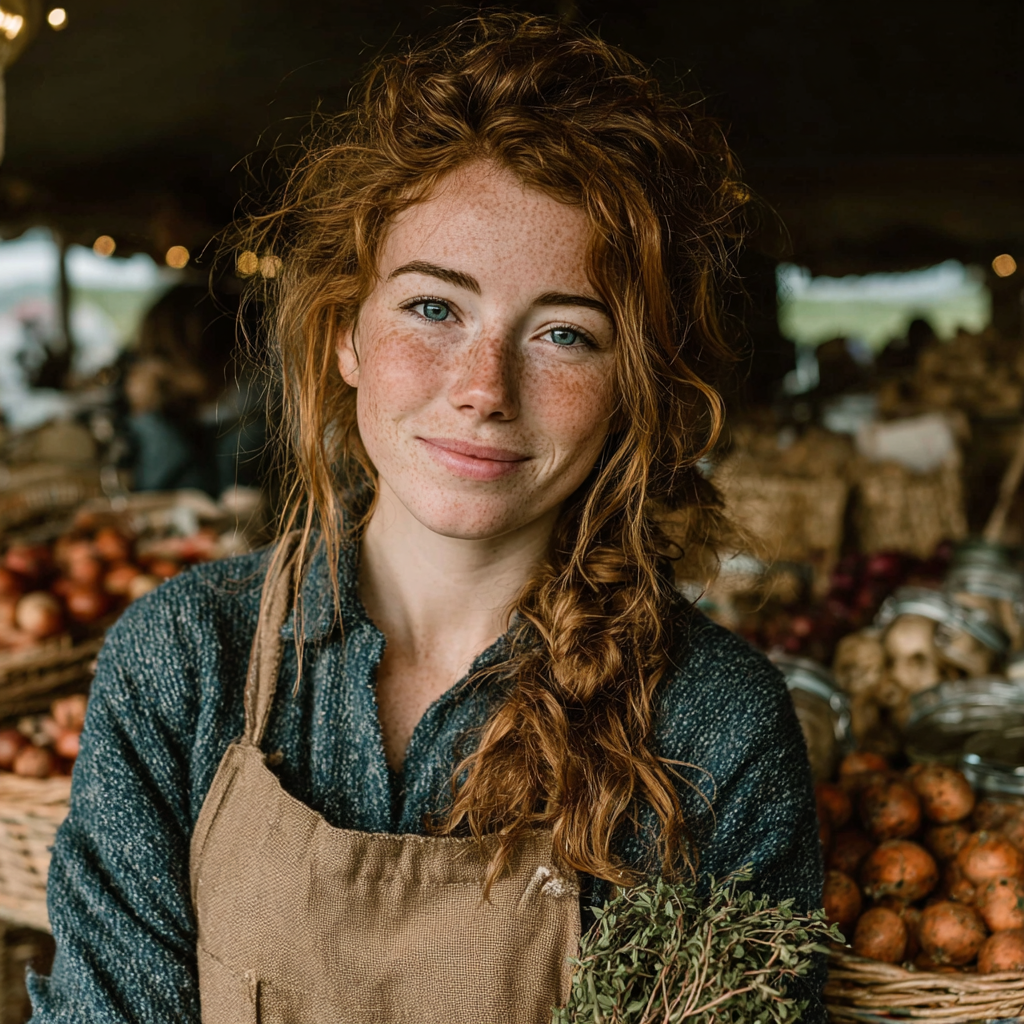
By Sophie Brennan
Irish food writer and historian based in Lisbon. Sophie combines her background in medieval history with a passion for contemporary gastronomy. She has written for Condé Nast Traveller and authored two cookbooks exploring Celtic and Iberian culinary traditions.