
Dijon's Culinary Underworld: Inside the City Where Mustard Guilds Still Rule and Lunch Is a Non-Negotiable Contract
Author: Sophie Brennan | Specialty: Food & Drink, Culture & History
Cred: Former pastry chef, recovered sommelier, forever skeptical of anything labeled "authentic." I spent three weeks in Dijon eating my way through every tier of Burgundy's food chain, from €4 market sandwiches to a three-star tasting menu that cost more than my first car. If a place doesn't have an opinion about mustard, I don't trust it.
Dijon doesn't whisper about its food. It states it, firmly, with the same confidence that built the Palace of the Dukes and put mustard on tables from Paris to Pasadena. This is a city where lunch is a sacred interval—sharply bounded from 12:00 to 1:30 PM, after which the city collectively naps or returns to making things taste better—and where the word "casual" is treated as a culinary insult.
Curnonsky, France's most celebrated gastronome, called Burgundy "a paradise of gastronomy." But Dijon isn't paradise. Paradise implies effortlessness. Dijon is work. Every dish here carries the weight of centuries: the 1390 mustard-makers' guilds, the 1856 innovation of verjuice, the 2022 opening of a €250 million gastronomy temple that the locals initially treated with suspicion. Dijon earned its reputation one stone-ground seed, one slow-simmered beef cheek, one meticulously delineated vineyard parcel at a time.
The city is compact—its historic center spans barely two square kilometers—but the concentration of culinary ambition is almost obscene. Within a fifteen-minute walk, you can taste mustard made on traditional millstones, drink Grand Cru Pinot Noir poured by a sommelier who inherited his father's cellar notes, and eat boeuf bourguignon that has simmered for two days in wine older than most restaurants. The Dijonnais don't find this impressive. They find it normal.
That is the first thing you need to understand about eating in Dijon: the baseline is higher than most cities' ceiling.
The Mustard Wars: Fallot, Maille, and 690 Years of Culinary Politics
Edmond Fallot Moutarderie
Address: 16 Rue de la Chouette, 21000 Dijon
Hours: Monday–Saturday 9:30 AM – 6:30 PM, Sunday 10:00 AM – 6:00 PM
Price: Tasting bar free; guided tours €8–12
GPS: 47.3216° N, 5.0415° E
In 1840, when Edmond Fallot founded his mustard factory in nearby Beaune, Dijon had thirty-eight active mustard producers. Today, Fallot is the last family-run independent mustard maker in the city. The others were absorbed, consolidated, or simply outcompeted by industrial giants. Fallot survived by refusing to industrialize.
Walk into the boutique on Rue de la Chouette and the first thing you notice is a wooden barrel of mustard seeds. Clémence, who often runs the tasting bar, will invite you to run your hands through them. It is strangely therapeutic, and it serves a purpose: these are brown and black mustard seeds, the sharp, pungent varieties that define true Dijon mustard, not the mild white seeds used in American yellow mustard.
The defining moment in mustard history happened here in 1856, when local producer Jean Naigeon replaced vinegar with verjuice—the tart, unfermented juice of unripe grapes. The move was brilliant and deeply Burgundian: why import acidity when your region produces millions of tons of grapes? Verjuice gave Dijon mustard its signature smoothness and complexity, less aggressively acidic than vinegar-based versions. Today, most commercial Dijon mustard uses white wine or wine vinegar, but Fallot still honors the tradition.
The Mustard Bar: Fallot's tasting station offers over fifteen varieties. The Pinot Noir mustard (€4.50/200g) is the crowd-pleaser—earthy, wine-kissed, unmistakably Burgundian. The blackcurrant mustard surprises with a sweet-tart complexity that transforms a cheese board. For something genuinely unusual, try the gingerbread mustard, a collaboration with Mulot & Petitjean that pairs startlingly well with roasted pork.
The Tour: The 45-minute guided tour (English available by reservation) is worth the €8. You'll grind seeds on traditional millstones, learn why the Dijon mustard guild placed itself under the patronage of Saint Vincent (the patron saint of wine growers), and understand why the city's mustard peak of thirty-eight factories in the 19th century collapsed to a handful today. Spoiler: it involves industrialization, Canadian mustard seeds, and the fact that "Dijon mustard" is not a protected designation—anyone, anywhere, can make it.
La Maison Maille
Address: 32 Rue de la Liberté, 21000 Dijon
Hours: Monday–Saturday 10:00 AM – 7:00 PM, Sunday 10:00 AM – 1:00 PM
Price: Mustard from €3.50; tasting on tap available
Maille is Fallot's historic rival, founded in 1747 and now owned by multinational Unilever. The Dijon boutique, with its polished wood facade, is a beautiful anachronism. There's a mustard-on-tap station where you can fill your own jar—a gimmick, yes, but a charming one. The flavor range is wider than Fallot's (white truffle, parmesan, rosé wine, grapefruit) and the quality is solid, though purists will argue it lacks the depth of stone-ground production.
Verdict: Visit Maille for the spectacle and the history. Buy Fallot for your suitcase.
Les Halles de Dijon: The Epicenter of Burgundian Flavor
Address: Rue Claude-Ramey, 21000 Dijon
Hours: Tuesday, Friday, Saturday 7:00 AM – 12:30 PM
GPS: 47.3233° N, 5.0419° E
Gustave Eiffel's iron-and-glass market hall—yes, that Eiffel—houses 246 stalls where Burgundy's finest producers gather. This is not a tourist attraction. It is where Dijon's chefs buy their produce, where grandmothers queue for the same parsley ham they've eaten for sixty years, and where the city's culinary identity is negotiated every Tuesday, Friday, and Saturday morning.
The market follows a rhythm. At 7:00 AM, stallholders are unpacking, arranging, and gossiping. By 8:30, the first wave of shoppers arrives—retirees with woven baskets, young couples with canvas totes, restaurant buyers with rolling crates. By 11:00, the market is a controlled chaos of shouted orders, free samples, and the particular French skill of carrying a conversation, a baguette, and a double espresso simultaneously.
What to Seek Out:
Jambon Persillé (€18–22/kg at Le Gourmet Dijon stall): This marbled parsley ham is Burgundy's answer to head cheese—silky, herb-flecked, and utterly addictive. The classic version combines ham, knuckle of veal, calf's feet, white wine, and a bouquet garni. It is served year-round, not just at Easter, though it remains a traditional Eastertide dish. Find the best at Le Gourmet Dijon.
Époisses Cheese (€8–12/piece): Napoleon's favorite cheese, washed in Marc de Bourgogne until its rind turns sunset-orange and its interior becomes spoonably soft. The smell is aggressive. The flavor is profound. Do not bring this on a train unless you enjoy making enemies.
Burgundy Truffles (seasonal, December–March, €800–1,200/kg): The Périgord black truffle thrives in Burgundy's limestone soils. Around ten tonnes are harvested in the Côte-d'Or annually. The Truffle Route, an eight-stage 118-kilometer circuit, passes through producers, hotels, and restaurants that specialize in the region's "black diamonds." In Dijon, L'Or des Valois boutique (5 Rue de la Chaudronnerie) stocks truffle-infused everything.
Pain d'Épices Ganache (€6/box): Mulot & Petitjean's genius creation—paper-thin gingerbread sandwiches filled with chocolate ganache. The Dijon version contains no rye flour and uses only aniseed for spice, making it lighter and more delicate than Alsatian gingerbread.
Blue-Legged Bresse Chickens (€28/kg): Sold with their heads still attached—a sign of quality and provenance. Philippe, a food tour guide I met, put it simply: "Yes, they are expensive. But if you eat this, you really taste chicken."
The Market Café: La Buvette, the market's central café, is jammed by 10:00 AM. Somehow, the regulars always find seats. Order a platter of Beaufort cheese, salami, and ham with a glass of Mâcon chardonnay. Watch the stallholders conduct business in handshakes and half-sentences. This is Dijon at its most unguarded.
Local Secret: Arrive at 7:00 AM. Stallholders are generous with samples before the crowds arrive, and you'll see chefs from Dijon's top restaurants—Le Pré aux Clercs, L'Aspérule, Cibo—selecting their produce with the gravity of jewelers appraising stones.
Wine: The Other Religion
Cité Internationale de la Gastronomie et du Vin
Address: Parvis de l'Hospital, 21000 Dijon
Hours: Daily 10:00 AM – 7:00 PM
Entry: €12 (includes wine tasting)
GPS: 47.3264° N, 5.0289° E
The Cité opened in 2022 after a €250 million investment, and the Dijonnais were initially suspicious. A gastronomy theme park? Built by bureaucrats? In the city that invented the aperitif? But the Cité won them over. The permanent exhibition on Burgundy's "climats"—the precisely delineated vineyard parcels that earned UNESCO World Heritage status in 2015—is genuinely illuminating. You will finally understand why a vineyard separated from its neighbor by a stone wall can produce wine that costs ten times as much.
The Experience: Your entry includes access to the tasting room, where automated dispensers pour 3cl samples from thirty different producers. Start with a village-level Gevrey-Chambertin (€3/sample) to understand Pinot Noir's earthy elegance, then progress to a Premier Cru from Vosne-Romanée (€6/sample) to taste what elevation and limestone soil achieve. The "climats" map alone—showing how Burgundy's vineyards are classified from regional to Grand Cru—is worth the admission.
Les Clos Vivants
Address: 12 Rue de la Chouette, 21000 Dijon
Hours: Tuesday–Saturday 10:00 AM – 7:00 PM
Tasting: €15–25 for guided sessions
For a more intimate experience, descend into this vaulted cellar where sommelier-led tastings demystify Burgundy's deliberately complex classification system. Their "Grand Crus Discovery" session (€35, 90 minutes) includes pours from six legendary vineyards including Chambertin and Romanée-Saint-Vivant. The sommeliers here inherited their father's cellar notes and speak about winemakers with the familiarity of cousins.
Pro Tip: Don't try to "understand" Burgundy wine in one visit. The classification system—Regional, Village, Premier Cru, Grand Cru, with over 600 Premier Cru climats alone—is designed to resist easy comprehension. Instead, learn to trust your palate. A €15 village-level wine from a good producer often delivers more pleasure than a €80 Grand Cru from a mediocre one.
Where to Eat: From Bib Gourmand to Backroom Bistro
Cave
Address: 29 Rue Jeannin, 21000 Dijon
Hours: Lunch 12:00–1:30 PM, Dinner 7:00–9:30 PM (closed Sunday/Monday)
Price: €30 for three-course lunch menu
Michelin: Bib Gourmand
Cave is the casual sibling of Cibo—Angelo Ferrigno's Michelin-starred restaurant just across the street—but it is not an afterthought. The single set lunchtime menu changes daily based on what the chef found at Les Halles that morning. In the evening, the format shifts to shared plates: boards of charcuterie, ceviche of trout with celery and kalamansi, rib eye of beef for two.
What distinguishes Cave is its unwavering commitment to naming its sources. The menu doesn't say "green bean salad." It says "French green bean salad of Mr. Vachon, Burgundy mozzarella sorbet, and dried beef." The Saône catfish comes from Simon Collin. The strawberries are from Jean Luc Valliot. This isn't pretension; it's accountability. In Burgundy, provenance is theology.
I ate here twice. The first time, I ordered the "Chef's Surprise" lunch menu and received a green bean salad with dried beef, catfish with cauliflower puree and fermented cream sabayon, and strawberry panna cotta with raspberry ice cream. It was €30. It was one of the finest three-course meals I've had in France. I returned the following week.
L'Évidence
Address: 48 Rue de la Préfecture, 21000 Dijon
Hours: Lunch 12:00–1:30 PM, Dinner 7:00–9:30 PM (closed Sunday/Monday)
Price: €25–35 for two- to three-course lunch menus
Michelin: Bib Gourmand
L'Évidence occupies a quieter street and attracts fewer tourists than Cave, which is part of its appeal. The menu changes regularly, offering two-, three-, or four-course options. The parsley ham starter—marbled, chilled, served with mustard and whipped cream—is a masterclass in texture. The rack of veal cooked at low temperature, sliced with hazelnut butter, demonstrates the kitchen's precision without straying into molecular theatrics.
The dining room downstairs, in the cave portion, has beautiful stone vaulting. Request a table there if you can.
SPICA
Address: 48 Rue de la Préfecture, 21000 Dijon
Hours: Lunch 12:00–1:30 PM, Dinner 7:00–9:30 PM (closed Sunday/Monday)
Price: €27 for three-course lunch menu
Michelin: Bib Gourmand
SPICA is the third Bib Gourmand in Dijon's tight cluster, and it holds its own with confident, well-prepared dishes. The tomato soup with stracciatella and speck ham, the green bean salad with poultry liver mousse and raspberry vinaigrette, and the rotating fish of the day all demonstrate technical competence without fuss. The wine-by-the-glass list features Premier Crus at reasonable prices. At €27 for three courses, SPICA represents the democratic spirit of the Bib Gourmand designation: excellent food, accessible prices, no ceremony.
Dr. Wine
Address: 16 Rue des Godrans, 21000 Dijon
Hours: Daily 12:00 PM – 12:00 AM
Price: €25–40 per person
This wine bar-cum-restaurant embodies Dijon's convivial spirit. Owner Clément, a former sommelier, curates 200+ wines available by the glass (€5–15). The small plates menu changes weekly based on market finds—house-cured charcuterie, local cheeses, seasonal vegetables dressed simply with Fallot mustard vinaigrette.
Must-Order: The "Planche Bourguignonne" (€22) feeds two with jambon persillé, Comté aged 24 months, gherkins, and baguette from Maison Guyard bakery. Pair it with a glass of Hautes-Côtes de Nuits (€6) and you have the definitive Burgundian aperitif experience.
Warning: Dr. Wine is popular. Reservations are essential for dinner. If you arrive without one, you may find yourself eating in the garden with a 9:00 PM curfew, as I did on my first attempt. The garden is lovely. The curfew is real.
Le Pré aux Clercs
Address: 2 Place de la Libération, 21000 Dijon
Hours: Lunch 12:00–1:30 PM, Dinner 7:00–9:30 PM (closed Sunday/Monday)
Price: €45–65 for lunch menu, €85–120 for dinner
Michelin: One Star
Chef Jean-Pierre Billoux's temple to Burgundian cuisine occupies an 18th-century space overlooking the Palace of the Dukes. His signature œuf meurette (poached egg in red wine sauce, €24) reimagines the classic with a 48-hour beef cheek ragu and bone marrow foam. The wine list spans 800 references, with vertical collections of Domaine de la Romanée-Conti for those celebrating something significant—or those who simply can.
Note: Le Pré aux Clercs also operates a brasserie version (Le Pré aux Clercs Brasserie par Georges Blanc) on the same square, offering the same classic dishes—œufs en meurette, boeuf bourguignon—at lower prices with terrace seating. On a fine evening, with the fountain murmuring and a glass of local wine, it is one of Dijon's most reliably happy experiences.
L'Essentiel
Address: 3 Rue de la Chouette, 21000 Dijon
Hours: Tuesday–Saturday, lunch and dinner
Price: €35–55 per person
If I lived in Dijon, this would be my regular restaurant. L'Essentiel is a short walk from the center but far enough that most tourists don't find it. Chef Richard Bernigaud's menu changes with the seasons, his technique is precise, and his prices are fair. The ingredients are top quality, the service is genuinely friendly, and the dining room manages to feel intimate without being cramped. It is not starred. It does not need to be.
La Maison des Cariatides
Address: 28 Rue Chaudronnerie, 21000 Dijon
Hours: Daily 12:00–2:00 PM, 7:00–10:00 PM
Price: €18–28 for main courses
Michelin: One Star
Housed in a Renaissance building with carved stone caryatids, this bistro delivers classic Burgundian dishes without pretension. Their boeuf bourguignon (€24) simmers for 48 hours in Côte de Nuits wine until the meat surrenders completely. The Michelin Guide praised its "top-quality ingredients, expertly controlled temperatures, and bold, precise seasoning." The prices, by one-star standards, are almost suspiciously reasonable.
The Sweet Side: Gingerbread, Blackcurrants, and Culinary Stubbornness
Mulot & Petitjean
Address: 13 Place Bossuet, 21000 Dijon (main historic location)
Hours: Monday–Saturday 9:30 AM – 7:00 PM, Sunday 10:00 AM – 1:00 PM
GPS: 47.3224° N, 5.0417° E
Founded in 1796, this is Dijon's oldest gingerbread maker and an Entreprise du Patrimoine Vivant (Living Heritage Company). The Dijon version of pain d'épices contains no ginger and no rye flour—only wheat flour, honey, and aniseed. The result is lighter, more delicate, and stubbornly different from Alsatian gingerbread.
The factory and sensory museum at 6 Boulevard de l'Ouest offers tours, but the Place Bossuet boutique is where you want to shop. The "Nonnette" gingerbread cakes filled with orange marmalade (€8/box of 12) make ideal souvenirs. The gingerbread-mustard collaboration with Fallot (€5/jar) is genuinely good—slather it on roast pork and understand why these two institutions finally made peace after two centuries of rivalry.
Crème de Cassis and the Kir Tradition
No Dijon food journey is complete without experiencing crème de cassis, the blackcurrant liqueur invented here in 1841 by liquorist Auguste Lagoute. The traditional "Kir" cocktail—one-third cassis to two-thirds Aligoté white wine—was named after Canon Félix Kir, Dijon's mayor from 1945 to 1968, who popularized the drink at receptions.
Where to Try: Any café in Place François Rude will serve a proper Kir (€5–7). For a deeper experience, the Cassissium in nearby Nuits-Saint-Georges (15 minutes by car, or accessible by train) offers production tours and premium tastings. In Dijon, Grain de Cassis near Place de la Libération stocks all essential Burgundian flavors—mustard, gingerbread, crème de cassis, wine jellies—in one efficient stop.
The 11:00 AM Aperitif: Burgundy maintains a tradition that elsewhere has vanished: the 11:00 AM aperitif, an alcoholic version of elevenses. It is perfectly normal, in certain Dijon circles, to pause mid-morning for a Kir, a few gougères (cheese puffs), and a conversation about the weather. Try this at La Buvette des Halles on market days and feel the city's rhythm synchronize with your own.
What to Skip
Dijon's culinary scene is strong enough that the worst thing you can do is waste a meal on mediocrity. Here is what to avoid:
Any restaurant with a translated menu in six languages: If the menu is printed in French, English, German, Spanish, Italian, and Japanese, the kitchen is cooking for nobody in particular. Dijon's best restaurants assume you can handle a French menu, or they will translate with pride, not desperation.
The mustard vending machine at Maille: It is photogenic. It is also a marketing stunt. Buy your mustard from a human who can tell you which variety pairs with rabbit versus beef.
"Traditional" restaurants near the train station: The area around Gare de Dijon-Ville is functional, not culinary. Walk ten minutes toward the historic center and your options improve exponentially.
The Fête des Vendanges if you dislike crowds: The Grape Harvest Festival in September is wonderful—wine tastings, food markets, fireworks—but it draws enormous crowds. If you prefer quiet exploration, visit in late October or early November, when the vineyards are turning gold and the restaurants have breathing room.
Ordering snails after 9:00 PM: I learned this the hard way at Dr. Wine. The kitchen is tired, the shells have been sitting, and that last escargot will retreat so far into its shell that neither you, your partner, nor a passing waiter can extract it. "Maybe the hour for eating snails has expired," my dining companion suggested. He was correct.
The "Tourist Menu" traps on Rue de la Liberté: The main shopping street has its share of restaurants with laminated photos of dishes outside. The food is edible. That is the highest praise it deserves. Walk one block in any direction.
Overpriced wine bars near Place de la Libération: Several establishments have opened to capture tourist foot traffic, offering "Burgundy tastings" at inflated prices. A proper tasting at Les Clos Vivants or the Cité costs less and delivers infinitely more.
Practical Logistics
Best Time to Visit: September for the Fête des Vendanges; late October for harvest season calm; March for early spring truffles. Avoid August, when much of France closes for vacation and Dijon's lunch windows narrow even further.
Budget Dining: A jambon-beurre sandwich (€4–5) from any boulangerie is a legitimate meal in Dijon. The baguettes are exceptional, the butter comes from the nearby Bresse region, and the ham is locally cured. Maison Guyard, near Les Halles, is particularly reliable.
Cooking Classes: L'Atelier des Sens (€85–120/person) offers half-day sessions where you'll prepare classic Burgundian dishes using ingredients sourced that morning from Les Halles. The classes are in French with English support; book two weeks ahead.
Food Souvenirs: La Boutique des Halles (inside the market) stocks sealed products that travel well: mustard, gingerbread, wine jellies, snails in garlic butter (€12/jar). For wine, the Cité's shop carries producer-direct bottles with tasting notes.
Lunch Hours: Remember: 12:00 PM to 1:30 PM. Not 12:30. Not "around noon." If you arrive at 1:45, the kitchen is closed, the staff is staring, and you will end up eating a kebab from the all-hours shop near the station. The kebab is fine. You did not come to Dijon for fine.
Getting Around: Dijon's historic center is entirely walkable. From the train station to Place de la Libération is a 15-minute stroll. The Owl Trail (Parcours de la Chouette), marked by 22 brass plaques and the city's emblematic owl, offers a playful route through historic monuments. Touch the owl carving on Notre-Dame church with your left hand and make a wish—a local ritual that predates most of the restaurants.
Day Trips: Beaune, 30 minutes by train, hosts the Hospices de Beaune and the world-famous wine auction. The Route des Grands Crus runs through Gevrey-Chambertin, Vosne-Romanée, and Puligny-Montrachet—all accessible by car, bicycle, or organized tour from Dijon.
Neighborhoods to Know:
- The Historic Core (Rue de la Liberté to Place de la Libération): Tourist-heavy but essential. Fallot, Maille, and the Palace of the Dukes are here. Eat at Cave or L'Évidence, then escape.
- Rue Jeannin and Rue de la Préfecture: Where the serious food happens. Cave, L'Évidence, and SPICA cluster here, along with local wine bars that don't bother with English menus.
- The Market District (Les Halles): Tuesday, Friday, Saturday mornings only. La Buvette for breakfast, the market for everything else.
- The Cité Quarter: The 2022 gastronomy complex has revitalized this formerly quiet area. New bars and cafés are opening, though quality varies wildly—stick to established names.
The Last Word
Dijon's food scene rewards curiosity and punishes indifference. Whether you are sipping Grand Cru wine in a medieval cellar, sampling mustard at a 185-year-old factory, or watching the world pass with a Kir in Place François Rude, you are participating in a culinary tradition that has defined French gastronomy for centuries.
The Dijonnais do not perform their food culture for visitors. They simply live it, with the same stubbornness that built the dukes' palace, invented verjuice mustard, and insisted that gingerbread requires no ginger. Come hungry. Leave converted. And do not, under any circumstances, arrive late for lunch.
Last updated: August 2026. Prices and hours subject to change—verify before visiting.
About the Author: Sophie Brennan is a food writer and recovering pastry chef who believes the best restaurants are the ones locals try to keep secret. She has eaten her way through fourteen French cities and will argue, with evidence, that Dijon's mustard is superior to any condiment on earth.
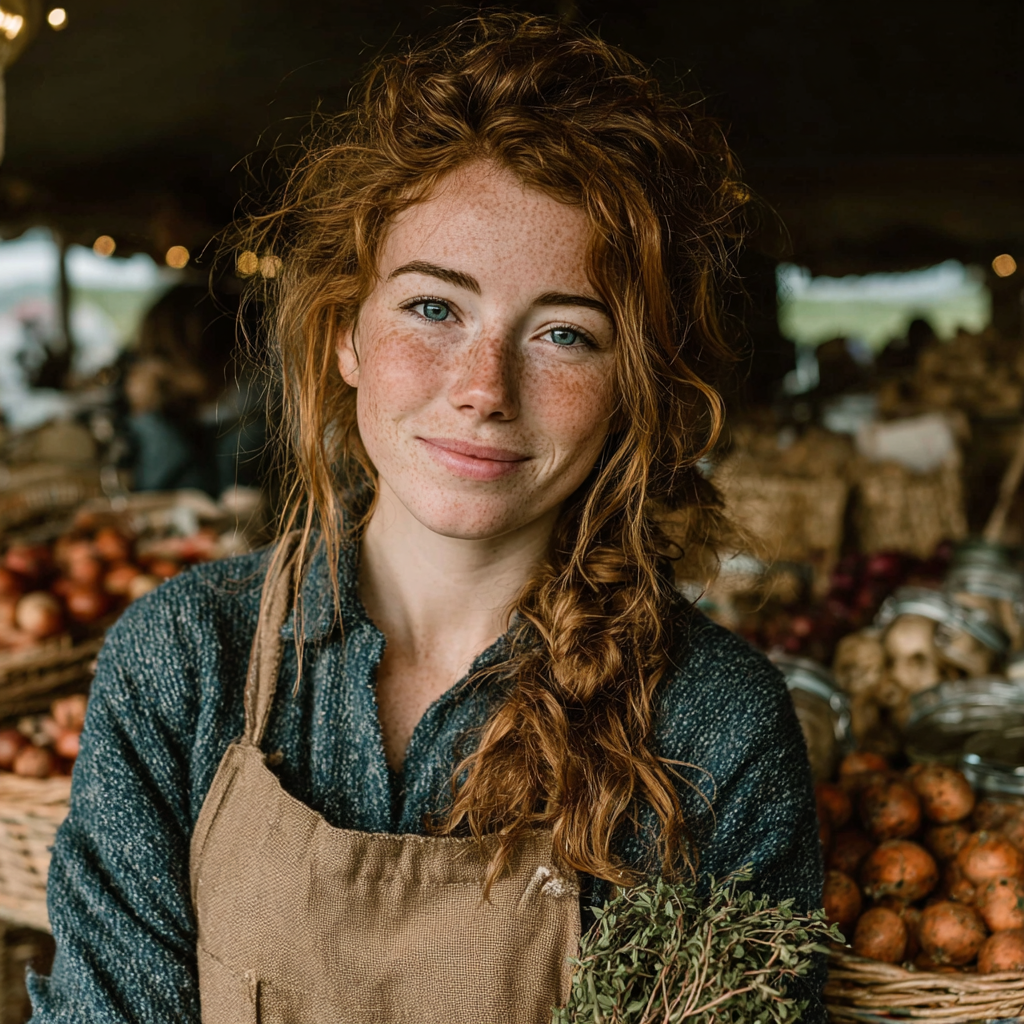
By Sophie Brennan
Irish food writer and historian based in Lisbon. Sophie combines her background in medieval history with a passion for contemporary gastronomy. She has written for Condé Nast Traveller and authored two cookbooks exploring Celtic and Iberian culinary traditions.