
Biarritz: Basque Fire, Atlantic Salt, and the Stubbornness of Delicious
There's something about Biarritz that makes you hungry the moment you step off the train. Maybe it's the Atlantic air, sharp with salt and the promise of storms rolling in from the Bay of Biscay. Maybe it's the way the Basque approach food—not as fuel, but as a kind of daily communion with the land and sea that surround them. Or maybe it's simply the fact that after a morning watching surfers battle the rollers at Côte des Basques, your body demands sustenance, and Biarritz delivers in ways that few other places can.
I'm Sophie Brennan, and I've spent the better part of fifteen years eating my way through the food cultures of Europe's borderlands—places where two culinary traditions collide and something entirely new emerges. The Basque Country is my favorite of these collisions. This is not Paris, where ingredients arrive from everywhere and nowhere, curated by supply chains and fashion. In Biarritz, the food comes from the mountains you can see to the south, the sea crashing against the rocks below, and the green pastures in between. Éric Martins, who runs Marloe with his wife Johanna, once told me over a glass of Irouléguy: "In Paris, we have nothing; we have to go and find the food and bring it in. Here, it is all around us." That sentence explains everything you need to know about eating in Biarritz.
The Basque Larder: What You're Actually Eating
Before you start making reservations, you need to understand what you're eating. Basque cuisine is not French cooking with a Spanish accent, nor is it Spanish food with French technique. It is its own thing, shaped by geography, history, and a stubborn independence that predates both modern nations.
Pintxos are the obvious starting point. These are not tapas, despite what some tourist menus claim. Pintxos are smaller, more precise, often served on a slice of bread with a toothpick holding everything together. The name comes from the Basque word for "spike" or "thorn." In San Sebastián, about forty minutes down the coast, they're art—competition-level, Michelin-adjacent art. In Biarritz, they're slightly more relaxed, but no less serious. A proper pintxo should be one or two bites, cost €3-5, and come with a small glass of beer or wine.
Ttoro is the dish that will change your understanding of fish soup. It's tomato-based rather than cream-based, loaded with langoustines, hake, monkfish, and mussels, then punched up with Espelette pepper until it hums. The garlic croutons that come alongside are weapons of flavor. At Chez Mattin in nearby Ciboure, Michel Niquet prepares it over a wood fire, and the result is pure, rich, almost violent in its intensity. I've had ttoro in five countries, and his is the benchmark.
Piperade is the Basque answer to ratatouille—slow-cooked onions, green peppers, and tomatoes, but with that distinctive Espelette kick that separates it from anything Provençal. It's often served with eggs or cured ham, and it's the kind of simple dish that reveals the quality of its ingredients without hiding behind technique.
Axoa is a minced veal dish with Espelette pepper, onion, and garlic. It's hearty, unpretentious, and exactly what you want after a day of surfing, hiking, or simply walking the coastal path until your legs complain.
Marmitako is tuna stew—potatoes, onions, peppers, tomatoes, and chunks of fresh tuna. It originated with fishermen who needed something substantial that could cook in a single pot on board their boats. The best versions still taste like the sea.
Gâteau Basque is the region's signature dessert. It's essentially a dense, buttery tart, traditionally filled with either cherry jam (confiture de cerises) or crème pâtissière. Some places do both and let you choose. The crust is the point—short, sandy, almost cookie-like.
Ossau-Iraty is the cheese you need to know. It's a hard, sheep's milk cheese with a slightly nutty, buttery flavor, made in the Pyrénées-Atlantiques. It has AOP status, meaning it can only come from this specific region, made in a specific way. Pair it with black cherry preserves and a glass of Irouléguy red, and you're eating something that hasn't changed much in six centuries.
Irouléguy is the local wine, and it's fascinating. This is the smallest AOC-certified wine region in France, tucked into the foothills of the western Pyrénées. The wines are distinctive—robust reds from Tannat grapes, crisp whites from Gros Manseng and Petit Manseng, and surprisingly structured rosés. Pierre Oteiza, whose charcuterie shops dot the region, describes Irouléguy as "the smallest producer in France and the largest in the region." That contradiction feels very Basque.
Where to Eat: The Restaurants That Matter
Bar Jean
Address: 5 rue des Halles, 64200 Biarritz
Phone: +33 5 59 24 80 38
Hours: Tuesday–Sunday 7:00 AM – 12:00 AM, Closed Monday
Price Range: €25–45 per person
Bar Jean has been an institution since the 1930s, and it shows in the best possible way. Located inside Les Halles market, it's a high-ceilinged, bustling space that feels like the living room of a particularly sociable Basque family. The menu is a mix of Spanish and Basque influences—excellent Iberian ham carved to order, fresh fish from the morning boats, tapas-style small plates, and a paella that's better than it has any right to be this far from Valencia.
I have complicated feelings about Bar Jean, and I've told the owner as much. On one hand, it's undeniably touristy, and the prices reflect its reputation. On the other hand, there's something genuinely special about sitting at the zinc bar with a glass of Irouléguy, watching the market activity below, eating jamón that was carved moments ago from a leg that's been aging for thirty-six months. The fish dishes are consistently good—this is a place that understands seafood because it's surrounded by it. The staff knows the wine list intimately; ask for Cesar if you want someone who will actually argue with you about your choice.
What to order: The jamón ibérico de bellota (€18), the grilled octopus with Espelette pepper (€24), any whole fish of the day (market price, usually €28–35), and the tarta de queso basque (€9).
Chez Mattin
Address: 63 rue Evariste Baignol, 64500 Ciboure (15 minutes from Biarritz)
Phone: +33 5 59 47 19 52
Hours: Tuesday–Saturday 12:00 PM – 2:00 PM, 7:30 PM – 9:30 PM, Closed Sunday and Monday
Price Range: €45–60 per person
If you only have time for one proper Basque meal during your stay, make it Chez Mattin. It's technically in Ciboure, just across the harbor from Saint-Jean-de-Luz, but the fifteen-minute drive is worth every second. The restaurant is compact, dark, and completely unfussy—no Instagram aesthetic, no tasting menu theatrics. Chef Michel Niquet runs the kitchen; his wife Céline runs the front of house with a warmth that makes you feel like you've been invited to dinner at their home. Reservations are still marked by Post-it notes on your table. Their dog Nala sleeps contentedly at guests' feet. It's that kind of place.
Céline explained their philosophy to me over a digestif one rainy November evening: "In France everything is complicated, so we just take it day by day." The ttoro here is the benchmark—prepared over wood fire, rich with tomato and Espelette pepper, loaded with langoustines, hake, monkfish, and mussels. The garlic croutons that accompany it are dangerous; you'll eat more than you intended, and you won't regret it.
What to order: The ttoro (€22), the grilled sole meunière (€34), and whatever Céline recommends for dessert (usually around €10). Call two days ahead for dinner, especially in July and August.
Marloe
Address: 45 avenue du Président J F Kennedy, 64200 Biarritz
Phone: +33 5 59 22 34 98
Hours: Tuesday–Saturday 12:00 PM – 2:00 PM, 7:30 PM – 10:00 PM, Closed Sunday and Monday
Price Range: €50–70 per person
Marloe Biarritz is the sister restaurant to the popular Paris location, which itself is the more accessible sibling of the Martins' Michelin-starred L'Arôme. Chef Anthony Ruffet takes a bistro approach to Basque ingredients—carpaccio, houmous, sashimi—dishes that aren't traditionally Basque but showcase the extraordinary quality of local produce. The menu lists suppliers for most ingredients, which I appreciate; transparency about provenance matters in a place where provenance is everything.
This is where you go when you want excellent food without the formality or price tag of a starred restaurant. The dining room is modern but comfortable, and the service strikes that perfect French balance of professional without being stiff. I've brought friends here who were intimidated by the idea of a three-hour Michelin meal, and they've left happy.
What to order: The beef carpaccio with local olive oil (€16), the daily sashimi selection (€18), the lamb shoulder for two (€48), and the chocolate fondant (€12).
La Table d'Aurélien Largeau
Address: Hôtel du Palais, 1 Avenue de l'Impératrice, 64200 Biarritz
Phone: +33 5 59 41 64 20
Hours: Tuesday–Saturday 7:30 PM – 9:30 PM, Sunday 12:30 PM – 2:00 PM, Closed Monday
Price Range: €120–160 per person (tasting menu)
Aurélien Largeau earned his Michelin star in 2025, and his restaurant at the Hôtel du Palais is the special occasion choice. The setting is spectacular—panoramic ocean views, Belle Époque grandeur, the kind of room that makes you sit up straighter without thinking about it. But Largeau's food holds its own against the surroundings. His tasting menus take you on a journey through Basque Country and beyond, featuring Saint-Jean-de-Luz sardines, his refined take on ttoro, and technical precision that never feels clinical or cold.
The 7-course tasting menu is €134. It's not cheap, but for a Michelin-starred meal in one of France's most beautiful hotel dining rooms, it's actually reasonable compared to Paris or London. The 5-course lunch menu at €85 is the smarter play if you can swing a Tuesday-through-Saturday afternoon.
What to order: The 7-course tasting menu (€134) or the 5-course lunch menu (€85). Book at least a week ahead.
Pavillon du Phare
Address: 60B Esplanade Elisabeth II, 64200 Biarritz
Hours: April–November, daily 9:00 AM – 11:00 PM (weather dependent)
Price Range: €30–50 per person
This is Biarritz at its most casual and most magical. Pavillon du Phare is essentially a hut with outdoor seating, located in the shadow of the lighthouse with views that will ruin you for restaurant dining elsewhere. They don't take reservations, which means you need to arrive early or be prepared to wait with a glass of wine in hand. The wait is part of the experience.
The menu skips between French and Spanish Basque Country—charcuterie from Oteiza, local cheeses, simple grilled fish, steaks cooked over open flame. Nothing complicated, everything executed with care. The sunset here provides lighting that makes everyone look like a professional photographer. I've had some of my best meals in Biarritz at this humble hut.
What to order: The charcuterie plate with Bayonne ham (€18), the grilled sardines when they're in season (€16), the Basque cheese selection (€14), and a bottle of Irouléguy rosé (€28).
Miremont
Address: 1B Place Georges Clemenceau, 64200 Biarritz
Phone: +33 5 59 24 01 38
Hours: Daily 9:00 AM – 7:00 PM
Price Range: €15–25 per person
Founded in 1872, Miremont is the oldest tea room in Biarritz—the Basque Bettys, if Yorkshire had better weather and more butter. The interior references Morocco, Napoleon III, and Queen Victoria, which sounds like it shouldn't work but somehow coheres into something charming rather than chaotic. The chocolates and pastries are excellent, and the gâteau Basque comes in forms you won't find elsewhere in town.
This is where you recover from a morning surf session or escape an afternoon rainstorm. A hot drink and pastry will set you back around €17, which is steep but worth it for the history and the people-watching. I come here when I need to write, because the atmosphere is old enough to feel inspiring and quiet enough to concentrate.
What to order: The thick hot chocolate (€8), the gâteau Basque with cherry jam (€9), and the chocolate truffles to take away (€12 for 100g).
Maison Balme
Address: Rue des Halles, 64200 Biarritz (inside Les Halles)
Phone: +33 5 47 02 79 64
Hours: Tuesday–Sunday 8:00 AM – 1:30 PM, Closed Monday
Price Range: €10–20 per person
Inside Les Halles, Maison Balme is a celebration of the truffle. They use it to elevate simple dishes—charcuterie plates, omelettes, mashed potatoes—into something memorable. The truffle omelette is €7, which might be the best value in a town that is not otherwise known for bargains. It's not fancy, but it's honest, and the quality of the truffles is undeniable. I've watched tourists walk past this stall without noticing, then double back after catching the aroma.
What to order: The truffle omelette (€7), the truffle charcuterie plate (€15), and the truffle honey to take home (€18).
Markets and Food Shopping
Les Halles de Biarritz
Address: Rue des Halles, 64200 Biarritz
Hours: Tuesday–Sunday 7:30 AM – 1:30 PM, Closed Monday
The covered market is the beating heart of Biarritz food culture. Even if you're not cooking, wander through to see what's in season and what the locals are buying. The fishmongers display catches from the morning boats—sardines, anchovies, tuna, the occasional monkfish that looks like it swam up from another dimension. The butchers sell Bayonne ham and Kintoa pork, a Basque breed that's darker and more flavorful than standard commercial pork. The cheese counters offer Ossau-Iraty in various stages of aging, from mild and creamy to sharp and crystalline.
Local tip: Arrive after 11:30 AM when vendors start discounting perishables. You can often get excellent fish at 30% off if you're flexible about what you're cooking that evening.
Pierre Oteiza
Address: Multiple locations including 22 Rue des Halles, 64200 Biarritz
Phone: +33 5 59 24 80 13
Hours: Tuesday–Sunday 9:00 AM – 1:00 PM, 4:00 PM – 7:30 PM, Closed Monday
Pierre Oteiza is a name you'll see throughout the region, and for good reason. His charcuterie is exceptional—cured meats from Basque pigs that roam fifteen hectares of mountain pasture, eating chestnuts, acorns, and forest fruits. The drying room at his Aldudes headquarters holds 45,000 legs, humidity controlled by opening a window. The results speak for themselves; this is some of the best cured meat in Europe.
What to buy: The cured ham (€45/kg), the chorizo basque (€28/kg), and the saucisson sec (€22/kg).
Drinking in Biarritz
Irouléguy Wine
The Irouléguy AOC produces about 550,000 bottles annually—tiny by French standards, but significant for a region this small. The reds are Tannat-based, robust and tannic when young, developing complexity and softness with age. The whites blend Gros Manseng, Petit Manseng, and Courbu into something crisp, mineral, and unexpectedly sophisticated. The rosés are surprisingly good—dry, structured, perfect for afternoon drinking on a terrace.
Look for producers like Domaine Brana, Domaine Ilarria, and Domaine Etxegaraya. Expect to pay €15–25 for a good bottle in shops, €25–45 in restaurants. Don't be afraid to ask your server for recommendations; Basque wine pride runs deep, and they'll steer you right.
Pintxos Bars
For casual drinking, hit the pintxos bars around Rue des Halles and the Port des Pêcheurs. Most offer a selection of small bites displayed on the counter—you point, they plate, you eat. A pintxo and a glass of wine typically costs €4–6. Stand at the bar like a local; tables are for meals, not snacks, and sitting down will mark you as a tourist instantly.
Recommended bars:
- Bar Jean (see above) — The classic choice, open late, always busy.
- Eden Rock — Rue des Halles, good for people-watching and a slightly younger crowd.
- Les Contrabandiers — More locals, fewer tourists, better prices.
Craft Beer
Biarritz has a small but growing craft beer scene. Brasserie Basqueland in nearby Hendaye produces excellent IPAs and sours, available on tap at several Biarritz bars. Look for their bottles at Les Halles or ask at your restaurant—they're increasingly common on drinks menus, and the quality is genuinely good.
What to Skip
The tourist-menu restaurants on the Grande Plage. The beachfront strip has several places with multilingual menus and photos of the food. The views are spectacular, but the cooking is almost universally mediocre and the prices are inflated for the location. Walk five minutes inland and eat better for less.
Anywhere advertising "authentic Basque tapas." This is a contradiction in terms. Basques do pintxos, not tapas. If a menu uses both words interchangeably, it's targeting tourists who don't know the difference. The food will be adequate at best.
The €15 glasses of champagne at Hôtel du Palais bar. The setting is gorgeous, but you're paying for the view, not the wine. Have one if you must for the experience, then go elsewhere for your second drink.
Restaurants that don't list prices on the menu. This is illegal in France, but some places try it anyway. If there's no price next to the dish, ask or leave. Basque cuisine is honest; the pricing should be too.
The "surfer breakfast" at overpriced cafés near Côte des Basques. It's usually just eggs and toast with a 50% markup for the lifestyle branding. Walk to Les Halles and eat what the locals are eating instead.
Any gâteau Basque that looks perfect. The best ones are slightly rustic, with uneven edges and visible lamination. The machine-perfect specimens are usually industrial products dressed up as artisanal.
Practical Logistics
When to visit: Biarritz is a year-round destination, but the food scene shifts significantly by season. July and August bring peak crowds, higher prices, and the necessity of restaurant reservations two to three days in advance. September is the sweet spot—warm water, fewer tourists, and the start of the fall mushroom season. October through November is my personal favorite; the surf is up, the restaurants are relaxed, and the Irouléguy harvest is fresh. December to February is quiet and occasionally stormy, but the food is just as good and the prices drop by 20-30%.
Getting around: Biarritz is compact and walkable. The center can be crossed in twenty minutes on foot. For Ciboure and Saint-Jean-de-Luz, take the Line 44 bus (€1.50, runs every 20 minutes) or rent a car for a day. Parking in town is challenging in summer; the underground lot at Les Halles is your best bet at €2.50 per hour.
Budget: A food-focused day in Biarritz will run €60-100 per person if you're eating well but not extravagantly. Breakfast at Miremont (€17), lunch at Maison Balme or a pintxo crawl (€20-30), dinner at Bar Jean or Chez Mattin (€45-60), plus wine and snacks. A splurge day with lunch at Marloe and dinner at La Table d'Aurélien Largeau can hit €200+ per person.
Language: French is essential; Basque (Euskara) is appreciated but not expected. English works in tourist restaurants but less so at the market stalls and local pintxo bars. A few phrases in French go a long way: "une table pour deux" (a table for two), "l'addition, s'il vous plaît" (the bill, please), and "c'était excellent" (it was excellent) will earn you better service.
Tipping: Service is included (service compris), but rounding up or leaving 5-10% for exceptional service is appreciated. At bars, rounding to the nearest euro is standard.
Dietary restrictions: Vegetarian options are increasingly available but not always extensive in traditional Basque restaurants—many classic dishes are built around meat or fish. Call ahead if you're strictly vegetarian. Vegan dining is challenging but not impossible. Gluten-free options are usually available for gâteau Basque at the better pâtisseries.
Payment: Most restaurants accept cards, but smaller bars, market vendors, and the bus are cash-only. Carry €50-100 in cash at all times.
Safety: Biarritz is very safe. The main risk is pickpockets at the beach in summer. Keep your bag within sight while eating outdoor. The surf can be dangerous; pay attention to lifeguard flags at the beaches.
Hidden Gems
The secret lunch: Several restaurants offer "menu ouvrier" (workers' menu) at lunch—three courses for €15-18. Ask at any casual restaurant; they don't always advertise these on the English menu, but they're available if you inquire.
The beach picnic: Buy bread from Boulangerie Pâtisserie Moulin (24 Rue de la Bergerie), cheese from Les Halles, ham from Oteiza, and wine from Caves Régina (15 Rue de la Bergerie). Walk to Côte des Basques and find a spot on the cliffs above the beach. This is the best meal under €20 you'll have in France.
The after-hours spot: Le Surfing (3 Rue des Halles) stays open late and serves excellent cocktails alongside surprisingly good bar food. The crowd is a mix of surfers, locals, and expats, and the atmosphere is relaxed in a way that front-row beach restaurants never manage.
The Monday problem: Many of the best restaurants close on Monday, and Les Halles is closed too. Plan your Monday meals in advance, or embrace the pintxo bar circuit which tends to stay open seven days.
Biarritz doesn't hand itself over easily to visitors. The best meals here require some effort—driving to Ciboure on a rainy evening, waiting for a table at Pavillon du Phare while the sun sets, decoding a menu that's partially in Basque, accepting that the waiter might not speak English and that's okay. But that effort is rewarded with flavors that feel rooted, honest, and genuinely local. This is food that tastes like the place it comes from—the mountains, the sea, the stubborn independence of a people who have been here since before France existed. And that, increasingly, is something worth traveling for.
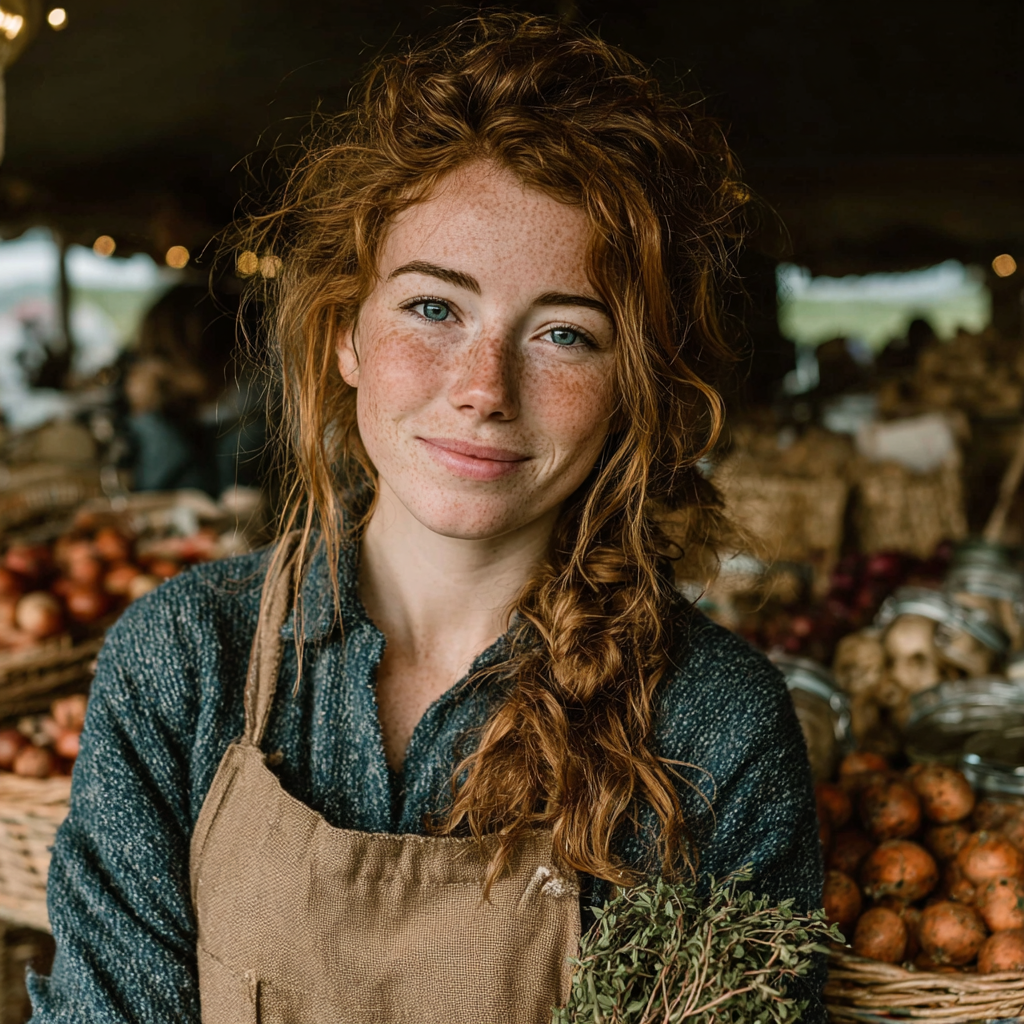
By Sophie Brennan
Irish food writer and historian based in Lisbon. Sophie combines her background in medieval history with a passion for contemporary gastronomy. She has written for Condé Nast Traveller and authored two cookbooks exploring Celtic and Iberian culinary traditions.