
Avignon: Where Seven Popes Built a Fortress, a Shepherd Raised a Bridge, and the Rhône Took It All Back
By Finn O'Sullivan
I came to Avignon because of a nursery rhyme and stayed because the city refused to let me leave. I've been writing about the places history forgot for twelve years, and Avignon is the rare city that remembers everything—the popes, the actors, the wind that comes down from the Alps and doesn't stop until it breaks something. I don't do itinerary lists. I do places that leave marks.
Most people know Avignon from the nursery rhyme. They picture a bridge, a dance, and not much else. The real city is stranger and more stubborn than that song suggests. For nearly seventy years, from 1309 to 1377, Avignon was the center of the Christian world. Seven popes ruled from here, not Rome. The palace they built is still the largest Gothic fortress in Europe. And the bridge that everyone sings about? It was abandoned four centuries ago after the Rhône flooded it one too many times. Four arches remain. The rest is memory.
But Avignon is not a museum piece. It is a city that stages theater in papal courtyards, that drinks wine from vineyards the popes planted, that argues about God and art in the same cafes where troubadours once sang. The walls still stand. The Mistral still blows. And somewhere in the narrow streets between the palace and the river, the medieval city never actually ended.
The Fortress That Ate a City
Start at the Palais des Papes. This is non-negotiable. The palace covers 15,000 square meters and took 20 years to build, starting in 1335 under Pope Benedict XII, a Cistercian monk who believed that luxury was a sin but security was a virtue. His successor, Clement VI, had no such reservations. He expanded the palace into something closer to a fortress than a residence, adding the Tour de la Gache, the Tour des Anges, and the Grande Audience hall that could hold 2,000 people.
The walls are 18 feet thick in places. The chapel frescoes, painted by Matteo Giovanetti in the 1340s, have survived wars, revolutions, and centuries of humidity. The audio guide is free with entry and it is worth using. Without context, the empty stone chambers feel like a quarry. With it, you understand that this was a city within a city, complete with its own vineyards, gardens, defensive towers, and a private papal suite that included a deer park on the roof.
The popes did not come to Avignon by choice. Philip IV of France had harassed and eventually kidnapped Pope Boniface VIII in 1303, and the papacy spent the next decade scrambling for safety. When Clement V, a Frenchman, was elected in 1305, he refused to go to Rome. Avignon was papal territory, technically independent, but surrounded by French land. It was safe. It was strategic. And it was available.
By the time Gregory XI finally returned the papacy to Rome in 1377, Avignon had become the most sophisticated court in Europe. The cardinals had built palaces across the river in Villeneuve-lès-Avignon. The city had grown rich on taxes, pilgrimages, and the wine trade. And the anti-popes who followed—Clement VII and Benedict XIII—refused to leave, creating the Great Schism that split the Catholic Church for nearly forty years.
Entry costs €14 for a full-price ticket. Reduced is €11. The combined pass, which includes the Pont d'Avignon and the gardens, costs €17.50. Open daily from 9:00 AM to 7:00 PM in summer, closing at 6:00 PM in winter. Last entry is an hour before closing. In July, during the Festival d'Avignon, the palace stays open until 8:00 PM. The address is Place du Palais, 84000 Avignon.
The Bridge That God Wanted and the River Destroyed
The Pont d'Avignon is a five-minute walk from the palace. In French, it is the Pont Saint-Bénézet. The story goes that a young shepherd named Bénézet heard voices telling him to build a bridge across the Rhône. No one believed him. To prove his divine mandate, he lifted a massive stone that thirty men could not move and placed it as the foundation.
The bridge was completed in 1185 with 22 arches spanning 900 meters. It was damaged by floods repeatedly. In 1668, a particularly vicious flood destroyed most of it. What remains is four arches and a small chapel dedicated to Saint Nicholas, the patron of boatmen.
You can walk out to the end and look at the water rushing past. The Rhône moves fast here. The current is strong enough to drown the careless and has done so many times. Entry is €5, or included in the combined pass. The views back toward the palace and the cathedral are the best in the city.
But the bridge is more than ruins. It is a story about faith and failure, about building something grand and watching nature take it back. The popes built a fortress that lasted. The shepherd built a bridge that didn't. Both are remembered. That is Avignon.
The City on the Rock
The Cathédrale Notre-Dame des Doms sits next to the palace on the highest point of the city. It was built in the 12th century and rebuilt after a fire in the 14th. The gilded statue of the Virgin Mary on top was added in the 19th century and dominates the skyline. Inside, it is cooler and darker than the palace, with a Romanesque simplicity that contrasts with the Gothic excess next door. The tombs of several popes are here, including John XXII, who began the papal migration to Avignon.
Walk downhill from the cathedral to the Rocher des Doms, a public garden on the cliff edge. It is free, open from 7:00 AM to 8:00 PM in summer, and it offers the view that every postcard steals. You look across the Rhône to Villeneuve-lès-Avignon, where the cardinals built their own palaces when the papal court grew too crowded. The river bends below, the island of Barthelasse sits in the middle, and on clear days you can see Mont Ventoux, the mountain that dominates Provence.
Bring water. There is little shade and the Mistral wind can make the exposed benches uncomfortable. The garden entrance is on Rue de la Republique, near the cathedral.
The Island Everyone Ignores
Cross to the Île de la Barthelasse by the free shuttle bus that runs from the Porte de l'Oulle, or walk across the bridge at the Pont d'Avignon. The island is flat, agricultural, and largely ignored by tourists. This is the point.
Walk the towpath along the riverbank for the classic photograph of the palace and bridge rising above the water. The best light is early morning, when the sun hits the stone from the east. In the evening, the palace is floodlit and the reflection in the river is sharp enough to read by.
The island is where locals go when the city gets too crowded in July. There are campsites, farm stands, and a few restaurants that don't bother with menus because they only serve what they have. It is quiet. It is green. And it is the best place to understand what Avignon looked like before the popes arrived.
Eating in a City the Popes Fed
Les Halles, the covered market on Place Pie, is open Tuesday through Sunday from 6:00 AM to 1:30 PM. It is not large, but it is serious. The cheese vendor on the eastern side sells Banon, the local goat cheese wrapped in chestnut leaves and tied with raffia. The bread is from a wood-fired oven in nearby Sorgues. In spring, there are asparagus stalls from the Luberon. In autumn, wild mushrooms from the Ventoux foothills. The prepared food counter does a respectable daube de boeuf, the Provençal beef stew cooked in red wine, for about €8 a portion. Eat it at the counter or take it to the garden.
For a sit-down meal, L'Agape on Rue des Teinturiers is a reliable neighborhood bistro. The menu changes with what the chef finds at the market. A three-course lunch costs around €28. The dining room is small, maybe 30 seats, and it fills by 12:30 PM. Reservations are smart. Address: 29 Rue des Teinturiers, 84000 Avignon. Phone: +33 4 90 85 98 97.
For something more formal, La Mirande occupies a 14th-century mansion next to the palace. The tasting menu runs €150 and up, but the cooking is precise and the setting is one of the most atmospheric in France. Their cooking school offers half-day classes in Provençal cuisine for €95. Address: 4 Place de la Mirande, 84000 Avignon. Phone: +33 4 90 85 93 93.
For wine, Le Caveau on Rue Saint-Jean-le-Vieux is a local institution. They stock over 500 wines, mostly from the Rhône Valley, and the staff will talk you through a flight of Châteauneuf-du-Pape, Gigondas, and Vacqueyras without making you feel stupid. A glass starts at €4. Address: 9 Rue Saint-Jean-le-Vieux, 84000 Avignon.
The Theater That Eats the City Alive
The Festival d'Avignon is the city's other identity. Founded in 1947 by the actor and director Jean Vilar, it runs for three weeks in July and transforms the city into a theater. The official program, the "In," uses the palace courtyard and other historic venues. The "Off," the fringe program, takes over every available church basement, school gym, and wine cellar in the old town. Over 1,000 companies perform.
Vilar came to Avignon because he believed theater should not belong to Paris. He staged Shakespeare in the papal courtyard, Beckett in chapels, and created a festival that made Avignon synonymous with experimental performance. The tradition continues. The "In" program is curated, expensive, and often brilliant. The "Off" is chaotic, democratic, and occasionally transcendent.
Tickets for the "In" program go on sale in early June and the best shows sell out within days. The "Off" works on a pay-what-you-can or €10-€15 basis at the door. If you are visiting in July, book accommodation six months ahead. The city triples in population and every room within the walls is taken.
Beyond the Walls
Villeneuve-lès-Avignon is a 10-minute bus ride across the river. The cardinals built their summer residences here when Avignon itself became too hot and too crowded. The Chartreuse du Val de Bénédiction, a former Carthusian monastery, is the largest in France and now a cultural center with exhibitions and concerts. The Fort Saint-André, a 14th-century royal fortress, offers a view of Avignon that explains why the popes chose this spot. The river, the rock, the walls. It is a natural stronghold.
Chartreuse du Val de Bénédiction: 58 Rue de la République, 30400 Villeneuve-lès-Avignon. Open daily, 10:00 AM to 6:00 PM. Entry €8. Fort Saint-André: Montée du Fort, 30400 Villeneuve-lès-Avignon. Open daily, 10:00 AM to 1:00 PM and 2:00 PM to 6:00 PM. Entry €7.50.
Châteauneuf-du-Pape, the wine village, is 20 kilometers north. The name means "new castle of the pope." John XXII built a summer palace here, though only ruins remain. The wine is Grenache-based, powerful, and begins at around €15 a bottle in local shops. Several producers offer tastings without appointment. Domaine du Vieux Télégraphe and Château de Beaucastel are the best known, but the smaller family cellars often give you more time and better stories.
The Streets That Time Patched
The practical truth about Avignon is that it rewards slow movement. The old town is compact. You can walk across it in 20 minutes. Do not. The side streets between the palace and the Rue des Teinturiers are full of small shops, old fountains, and corners where the walls have been patched so many times they look like geological strata.
The Rue des Teinturiers itself follows a canal that once powered the textile mills. The water wheels are still in place, though they no longer turn. Several have been converted into restaurant terraces. The street is quieter than the main squares, more local, and home to some of the best evening atmospheres in the city.
The Musée du Petit Palais, across the square from the palace, houses a collection of medieval and early Renaissance Italian paintings. The building itself was a cardinal's palace before the Revolution. The collection includes Botticelli's Madonna and Child and works by Carpaccio and Giovanni di Paolo. Entry is €6. Open Wednesday through Monday, 10:00 AM to 1:00 PM and 2:00 PM to 6:00 PM. Closed Tuesday. Address: Place du Palais, 84000 Avignon.
What to Skip
- Place de l'Horloge for dinner. It is the main square, lined with cafes that charge €6 for a coffee and serve food that tastes like it was made for people who are not coming back. The restaurants on the side streets, particularly around Rue de la Petite Fusterie and Rue Galante, are cheaper and better.
- The guided bus tours. Avignon is a walking city. The old town is too small and too dense for buses, and the commentary rarely adds anything you cannot get from a good book or the audio guide at the palace.
- The tourist shops on Rue de la République. They sell the same lavender sachets and papal magnets as every other shop in Provence. The better local products—Banon cheese, Châteauneuf-du-Pape wine, olive oil from Les Baux—are at Les Halles or the small shops on Rue des Teinturiers.
- Trying to see everything in one day. Avignon is not a checklist. The palace alone deserves three hours. The bridge deserves an hour at sunset. The city deserves a morning without a schedule.
Practical Logistics
Getting There: The TGV from Paris Gare de Lyon takes 2 hours 40 minutes. From Marseille, it is 30 minutes. The TGV station is outside the walls, a 15-minute walk or short bus ride to the old town. There is also a smaller central station, Avignon Centre, served by regional trains.
Getting Around: The old town is entirely walkable. The local bus system is adequate but not generous with late-night service. The free Barthelasse shuttle runs from Porte de l'Oulle to the island.
When to Go: Spring (April–June) and autumn (September–October) are ideal. July is the Festival, which is extraordinary if you planned for it and overwhelming if you didn't. August is hot and many local shops close. Winter is quiet, cheap, and occasionally bitter when the Mistral blows.
Staying: Book six months ahead for July. For other months, two weeks is usually enough. The best areas are within the walls, near the palace, or across the river in Villeneuve-lès-Avignon for a quieter experience.
Budget: Expect €60-€100 per day excluding accommodation. A museum pass (€17.50) pays for itself quickly. Lunch at L'Agape is €28. A good bottle of Châteauneuf-du-Pape starts at €15 in shops, €40 in restaurants.
Warnings: The Mistral wind can blow for days, cold and relentless, even in summer. Parking inside the walls is nearly impossible and expensive. In July, the crowds are oppressive and the heat is real. Pickpockets work the palace queues and the festival crowds.
Why Avignon Stays
The city is not without its problems. In July, the crowds are oppressive. The heat is real. The Mistral wind can blow for days, cold and relentless, even in summer. Parking inside the walls is nearly impossible and expensive.
But Avignon persists. It has been a papal seat, a revolutionary stronghold, a wine market, and a theater stage. The walls still stand. The palace still dominates the skyline. And on the broken bridge, if you go early enough in the morning, before the tour buses arrive, you can stand at the end and hear the Rhône moving beneath you.
That is the sound the popes heard. That is the sound the shepherd Bénézet heard in his vision. The city has not forgotten either of them. Neither should you.
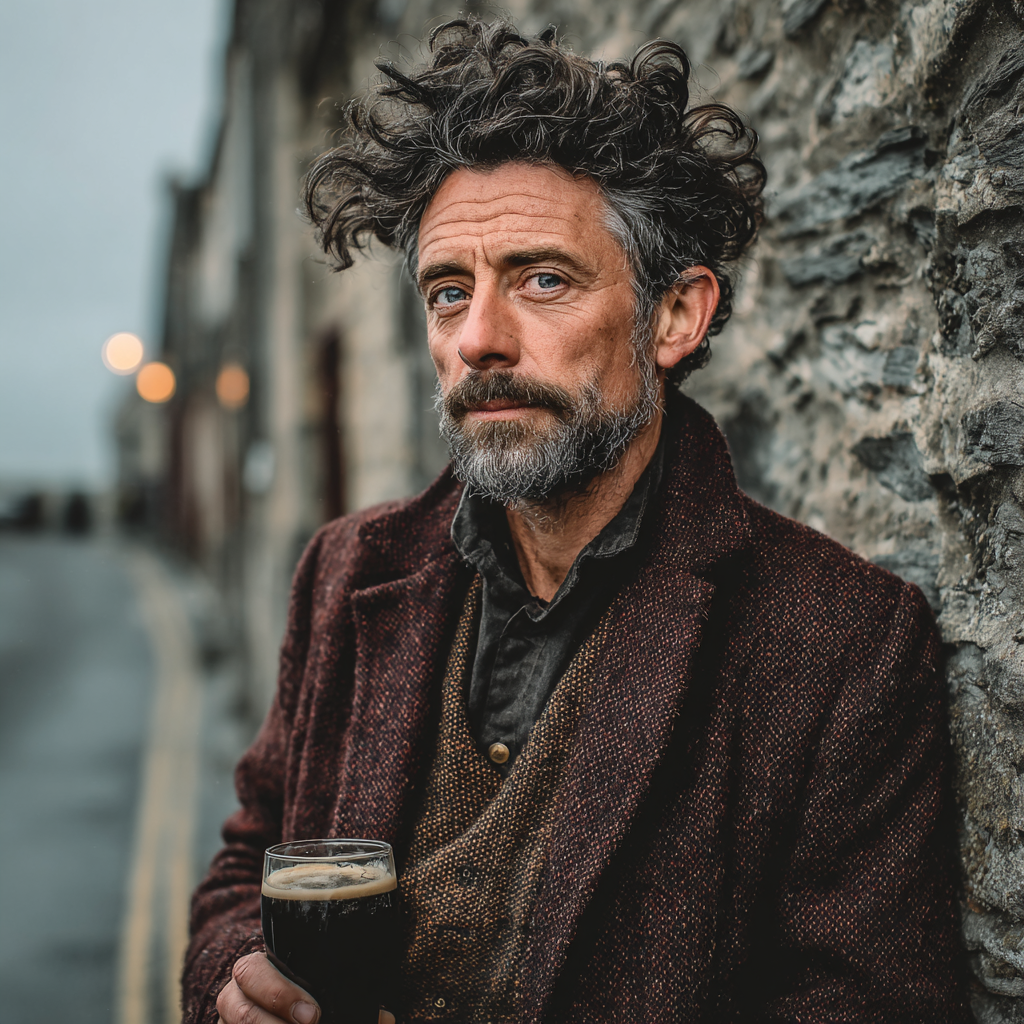
By Finn O'Sullivan
Irish storyteller and folklorist. Finn hunts for the narratives that do not make guidebooks—the pub legends, the family feuds, the neighborhood heroes. He believes every street corner has a story if you know who to ask.