
Marseille's Real Tables: Bouillabaisse, North African Spice, and the Flavors of France's Oldest Port
I came to Marseille for the bouillabaisse. I stayed for everything else—the North African spices, the pastis rituals, the navette biscuits that have been made the same way since 1781. This is not the delicate cuisine of Paris or the refined Provence of Aix. This is port city food, immigrant food, working-class food elevated to art.
Marseille's food scene reflects its history: Greek sailors founded the city in 600 BC and brought their Mediterranean palate. Two and a half millennia later, immigrants from Algeria, Morocco, Tunisia, and Italy have layered their own traditions onto that base. The result is France's most complex, most controversial, and most rewarding food city.
I am Sophie Brennan, and I write about food because I believe every dish tells a story about who made it, who carried it across borders, and who is still fighting to keep it alive. Marseille is where those stories collide most honestly. I have eaten my way through this city in every season—summer evenings when the Vieux-Port smells of grilled sardines, winter mornings when the Noailles market steams with mint tea and harissa. This guide is what I would tell a friend who wants to understand Marseille through what ends up on their plate.
The Essential Marseille Dishes
Bouillabaisse: The Real Thing
Let's get this out of the way: most bouillabaisse served in Marseille is not bouillabaisse. It's fish soup with expensive marketing. Real bouillabaisse—the dish that spawned a charter, an official organization (the Marseille Bouillabaisse Charter), and endless arguments—follows strict rules.
The Charter, established in 1980 by eleven restaurants, specifies:
- At least four specific Mediterranean fish: rascasse (scorpionfish), chapon (red rascasse), galinette (gurnard), and vive (weever)
- The fish must be served whole, not filleted
- The soup and fish are presented separately
- The broth is seasoned with saffron, fennel, and orange zest
- Rouille—a garlic-saffron mayonnaise—is mandatory
The dish evolved from fishermen's leftovers. Poor sailors used the bony rockfish they couldn't sell, cooking them with seawater and whatever vegetables were available. The modern version, with its saffron and ceremony, is a 19th-century invention that working-class Marseillais would barely recognize.
What to expect:
Authentic bouillabaisse is served in two stages. First, the broth—thick, orange-red, intensely fishy—arrives with croutons and rouille. You rub the rouille on the croutons, float them in the soup, and eat. Then the fish platter arrives: whole, unadorned, just boiled fish. You eat them with your fingers, pulling meat from heads and cheeks where the best flavor lives.
It's not pretty. It's not refined. It's primal, communal, and unforgettable.
Where to eat real bouillabaisse:
Chez Fonfon (Vallon des Auffes)
- Price: €65–75 ($70–82) per person
- Address: 140 Rue du Vallon des Auffes, 13007 Marseille
- GPS: 43.2736° N, 5.3547° E
- Hours: Tuesday–Saturday, 12:00–14:00 and 19:00–21:30; closed Sunday and Monday
- Reservations: Essential, especially for dinner. Call +33 4 91 52 14 38 or book online at chez-fonfon.com
- Best time: Lunch (lighter, cheaper formules available)
Chez Fonfon has been serving bouillabaisse since 1952 from a blue-shuttered building tucked into the tiny Vallon des Auffes fishing port. Four generations of the same family have maintained the recipe. The setting—traditional pointus fishing boats bobbing in the harbor, the Corniche Kennedy traffic roaring overhead—is pure Marseille.
I ate here on my second night. The broth was the color of sunset, thick with dissolved fish bones and saffron. The rouille came in a separate bowl, aggressively garlicky. The fish—rascasse, galinette, and two others I couldn't identify—were ugly, bony, and absolutely delicious. I spent an hour picking meat from heads and cheeks, my fingers stained orange, understanding finally why this dish inspires such devotion.
Le Miramar (Vieux-Port)
- Price: €69 ($75) per person
- Address: 12 Quai du Port, 13002 Marseille
- GPS: 43.2953° N, 5.3744° E
- Hours: Daily, 12:00–14:00 and 19:30–22:00
- Reservations: +33 4 91 91 41 09
Le Miramar sits directly on the Vieux-Port with terrace seating and white tablecloths. It's more polished than Chez Fonfon, and some purists prefer Fonfon's rough authenticity. But the bouillabaisse here is equally authentic, and the setting—watching the port while eating the city's signature dish—has its own logic.
Navettes: The 243-Year Biscuit
In 1781, a baker named Monsieur Aveyrous created a biscuit shaped like a boat—navette means shuttle—to commemorate the arrival of Mary Magdalene, Lazarus, and Saint Martha in Provence. The Four des Navettes has been making them the same way ever since.
Four des Navettes (Saint-Victor)
- Price: €8–12 ($9–13) for a box of 12
- Address: 136 Rue Sainte, 13007 Marseille
- GPS: 43.2897° N, 5.3689° E
- Hours: 09:00–19:00 daily
The shop smells of orange blossom and history. Jean-Claude Imbert and his son Nicolas still use the original 18th-century wood-fired oven. The navettes are baked fresh throughout the day—you can watch them being made through a window.
Panisse and the Street Food of Le Panier
Before you leave Marseille, you need to eat panisse at least once. These thin, crispy fried chickpea cakes are a staple of the Le Panier neighborhood, where Italian immigrants brought chickpea flour and Marseille sunshine did the rest.
Chez Etienne (Le Panier)
- Price: €3–5 ($3.30–5.50) for a plate of panisse; pizza from €10
- Address: 43 Rue de Lorette, 13002 Marseille
- Hours: Monday–Saturday, 11:00–14:00 and 18:30–22:00; closed Sunday
- Reservations: Not accepted—arrive early or wait
Chez Etienne is technically a pizzeria, but locals come for the panisse. The dough is made from chickpea flour, water, and olive oil, poured into thin sheets, cooled, then cut into rectangles and deep-fried until the edges curl and blister. Order them with a sprinkle of black pepper and eat them standing up, the way the neighborhood has for generations.
Chichi Frégis: The Fried Dough of the South
If you wander the Prado beaches on a summer afternoon, you will smell chichi frégis before you see the cart. These are oblong doughnuts, fried to order and rolled in sugar, sold by beach vendors who have been making them the same way for decades. The name comes from the Provençal "chichi," meaning small child, and "frégis," the action of frying. They are messy, hot, and absolutely right after a swim.
- Price: €3–4 ($3.30–4.40) each
- Where to find them: Prado beaches, especially near Avenue du Prado, and at the Marché du Prado (Avenue du Prado, 13006 Marseille, open Monday–Saturday 07:30–13:00)
North African Marseille: The City's Other Kitchen
Marseille has the largest North African population in France, and the food reflects it. The Noailles neighborhood around the Capucins market is the best place to explore. But to reduce this scene to " couscous and tagines" is to miss the point. What you find here is exile cuisine—dishes carried across the Mediterranean by people who could not go home, then adapted to what was available in a new port.
The Marché des Capucins (Noailles Market)
Before you sit down at any restaurant, walk through this market. It opens at 08:00 from Monday to Saturday, and by 09:00 the narrow streets around Place du Marché des Capucins are dense with stalls selling dates from Algeria, spices from Morocco, halal butchers, and pastry shops displaying honey-soaked baklava.
- Address: Place du Marché des Capucins, 13001 Marseille
- Hours: Monday–Saturday, 08:00–13:00 (vendors start packing up around 12:30)
- Best time: 09:00–11:00, when the produce is freshest and the crowd is still manageable
- What to look for: Fresh merguez sausages, boxes of dates, blocks of halva, harissa by the jar, and mint sold in fat bunches
I spent a morning here with a local chef who explained that the market's real value is not the produce but the people. The butcher who will tell you exactly how his mother cooks lamb shoulder. The spice vendor who mixes ras el hanout to order. The Tunisian baker who makes fricassés—soft, oily doughnuts split and stuffed with tuna, harissa, and olives—fresh every hour.
Where to Eat North African Food
La Fémina (Noailles)
- Price: €15–22 ($16–24) for couscous
- Address: 1 Rue du Musée, 13001 Marseille
- Hours: Tuesday–Saturday, 12:00–14:00 and 19:00–22:00
- Reservations: Recommended. Call +33 4 91 54 03 56
Founded in 1921, La Fémina is one of Marseille's oldest North African restaurants. The specialty is couscous made from barley—a Kabyle tradition—subtly sweet and nutty, fragrant with cumin and rich with smen (salted, fermented butter). The lamb is baked low and slow for seven hours until charred outside and falling apart inside. The harissa is house-made with French espelette pepper. This is not fusion. This is memory, preserved in a bowl.
Chez Yassine (Noailles)
- Price: €5–12 ($5.50–13) for street food classics; lablabi from €5
- Address: 8 Rue d'Aubagne, 13001 Marseille
- Hours: Monday–Saturday, 08:00–15:00
Chez Yassine is a Tunisian canteen that draws queues for good reason. The lablabi—an aromatic chickpea broth topped with a poached egg, cumin, and chunks of stale baguette—is the dish to order. Pair it with a bottle of Tunisian citronnade, a bitter-sweet lemon drink made from whole lemons simmered with sugar. If you are hungrier, the bricks (crispy pastry parcels) and fricassés are excellent.
Les Délices du Maroc (Belsunce)
- Price: €12–18 ($13–20) for tajines and couscous
- Address: 87 Rue de la Palud, 13006 Marseille
- Hours: Daily, 11:30–14:30 and 18:30–22:30
Nassira has been running this kitchen since 2013, cooking from family recipes with fresh produce and zero pretension. The lamb tajine with prunes and almonds is the standout—sweet, savory, and deeply comforting.
Seafood Beyond Bouillabaisse: What the Port Actually Eats
Bouillabaisse gets the headlines, but the Vieux-Port fishermen eat differently. They eat grilled sardines in summer, sea urchins in winter, and whatever the morning catch delivers. The fish market at Quai des Belges operates every morning from roughly 08:00 to 13:00, and if you arrive early, you can watch the boats unload directly onto the stalls.
The Morning Fish Market (Quai des Belges)
- Address: Quai des Belges, 13001 Marseille (along the Vieux-Port)
- Hours: Daily, approximately 08:00–13:00 (best before 11:00)
- What to look for: Sea urchins (November–April), violets (sea figs), tellines (small clams from Prado beaches), Mediterranean mussels, and fresh sardines
The market is not picturesque in a curated way. It smells like fish blood and seawater. The vendors shout prices, the seagulls steal scraps, and the entire operation has the urgency of people working against a clock. This is where the restaurants buy their stock, and if you are staying in an apartment with a kitchen, this is where you should shop.
Where to Eat Non-Bouillabaisse Seafood
L'Épuisette (Vallon des Auffes)
- Price: Seafood platters €35–55; mains €28–42
- Address: 156 Rue du Vallon des Auffes, 13007 Marseille
- Hours: Tuesday–Saturday, 12:00–14:00 and 19:30–21:30; closed Sunday and Monday
- Reservations: Essential. Call +33 4 91 52 17 82
If Chez Fonfon is the grandmother of Vallon des Auffes, L'Épuisette is the ambitious cousin. The setting is spectacular—a glass-walled dining room suspended over the water. The menu changes with the catch, but the grilled sea bass and the bourride (a garlicky, cream-enriched fish stew, lighter than bouillabaisse) are consistently excellent. This is where you come when you want seafood without the bouillabaisse ceremony.
La Boîte à Sardine (Boulevard de la Libération)
- Price: Seafood platters from €25; glasses of wine from €5
- Address: 2 Boulevard de la Libération, 13001 Marseille
- Hours: Tuesday–Saturday, 12:00–14:00 and 19:00–22:00
I mentioned this spot in the wine section, but it deserves recognition as a seafood destination in its own right. The sardines are grilled whole, the oysters are shucked in front of you, and the razor clams (when available) are sautéed with garlic and parsley. The crowd is mixed—fishermen at lunch, young locals at dinner—and the atmosphere is loud, unpretentious, and exactly right.
Au Bout Du Quai (Vieux-Port)
- Price: Seafood platters €25–50
- Address: 1 Avenue de Saint-Jean, 13002 Marseille
- Hours: Thursday–Sunday, lunch and dinner
An 80-seat terrace directly on the Vieux-Port, with fishermen delivering the morning catch. The platters are composed based on what arrived that day, and the staff can tell you exactly which boat each item came from. During sea urchin season, order them by the dozen—they are smaller than Atlantic ones but sweeter, served with buttered bread and lemon.
Pastis, Rosé, and the Art of the Marseille Aperitif
Pastis is Marseille's liquid identity. This anise-flavored spirit turns cloudy when mixed with water—the louche effect—and has been the city's drink of choice since Paul Ricard commercialized it in 1932.
How to drink pastis:
- Pour 1–2cl (about a finger's width) of pastis into a tall glass
- Add cold water—typically 5–7 parts water to 1 part pastis
- Watch it turn from amber to cloudy yellow—the louche
- Add ice if you want (purists say it kills the flavor; most people add it anyway)
Where to drink:
La Caravelle (Vieux-Port)
- Price: €4–5 ($4.40–5.50)
- Address: 34 Quai du Port, 13002 Marseille
- GPS: 43.2956° N, 5.3742° E
- Hours: Daily, 07:00–02:00
A Vieux-Port institution since the 1930s. Hemingway drank here (or so they claim). The terrace has perfect port views, and the pastis comes with history. I prefer the upstairs bar, which feels less like a tourist stop and more like a room where locals have argued about football since before the war.
Provence Rosé and What to Drink With Seafood
Marseille is not just pastis. The nearby Bandol and Cassis appellations produce some of France's best rosés, and the Vieux-Port restaurants stock them aggressively. A cold glass of Bandol rosé with a plate of grilled sardines or sea urchins in season (November to April) is one of the city's essential experiences.
La Boîte à Sardine (Boulevard de la Libération)
- Price: Seafood platters from €25; glasses of wine from €5
- Address: 2 Boulevard de la Libération, 13001 Marseille
- Hours: Tuesday–Saturday, 12:00–14:00 and 19:00–22:00
Don't be put off by the narrow shopfront. This is where locals eat seafood without the Vieux-Port markup. The sardines are grilled whole, the oysters are shucked in front of you, and the wine list is honest and affordable. Order the sea urchins when in season—they are smaller than Atlantic ones but sweeter, served with buttered bread and a squeeze of lemon.
What to Skip
The Vieux-Port tourist traps: The restaurants with multilingual menus and photographs of bouillabaisse on laminated cards are not serving the real thing. If a place has a man waving you in from the sidewalk, keep walking. Real Marseille restaurants do not need sidewalk barkers.
Chain crêperies: Marseille has a complicated relationship with Brittany. The crêpe chains near the port are uniformly mediocre. If you want a crêpe, go to a Breton-owned place or skip it entirely.
"Provence" souvenir food: Lavender honey sold in tourist shops, pre-packaged navettes from airport kiosks, and anything labeled "authentic Provence" in English. Buy navettes at Four des Navettes. Buy honey at the Capucins market from a vendor who can tell you which village it came from.
Overpriced rooftop bars for the view: Several hotels near the port charge €18 for a cocktail because you can see the Mucem. The view is better from the terrace at La Caravelle with a €5 pastis, and the conversation is better too.
Practical Logistics: Eating Well in Marseille
Morning Rituals: Café Culture
Marseille does not do breakfast the way Paris does. There are no elaborate brunch spreads with avocado toast and flat whites. What you get instead is something older and more honest: a standing espresso at a zinc bar, a tartine spread with butter and confiture, and the morning paper argued over by regulars who have occupied the same stools for twenty years.
Café de la Banque (Noailles) I mentioned this spot for couscous, but it is equally essential at 08:00. The mint tea is brewed strong, the espresso is cheap (€1.50), and the clientele—North African men, dockworkers, retired fishermen—will ignore you completely, which is exactly what you want. This is not a place for laptop work. It is a place to stand at the bar, drink quickly, and leave.
Best Times to Eat
- Breakfast: 08:00–10:00. Cafés open early, but don't expect a full English. A tartine with butter and jam, or a navette with coffee, is the local rhythm.
- Lunch: 12:00–14:00. Many restaurants close after 14:00 and do not reopen until 19:00. Plan accordingly.
- Dinner: 19:30–22:00. Marseille eats later than northern France but not as late as Spain.
- Market mornings: The Capucins market is best before 11:00. The fish market at the Vieux-Port (Quai des Belges) operates every morning until around 13:00.
Getting Around for Food
- Métro: The Noailles station (Line 2) drops you directly at the Capucins market. Vieux-Port is served by Line 1.
- Walking: Le Panier, Vieux-Port, and Noailles are all within 20 minutes of each other on foot. Wear comfortable shoes—the hills are real.
- Taxis/Grab: Useful for getting to Vallon des Auffes (Chez Fonfon) if you don't want to walk the Corniche.
Budget Framework
- Ultra-budget: Eat panisse, market snacks, and lablabi. €15–25 per day.
- Mid-range: One proper sit-down meal (couscous or seafood), plus street food. €35–50 per day.
- Splurge: Bouillabaisse at Chez Fonfon or Le Miramar, plus wine. €80–100 for that meal alone.
Tipping
Service is included in French prices by law. Locals round up or leave small change (€1–2) for good service. You are not expected to tip 15–20% as in the US.
Final Thoughts
Marseille's food scene defies easy categorization. It is Marseille cuisine—a 2,600-year accumulation of Mediterranean influences, filtered through port city pragmatism and immigrant innovation.
What stays with you is not the bouillabaisse itself, though you will remember the color of that broth. It is the conversation with the spice vendor in Noailles. It is the old man at La Caravelle who explains why your pastis is too strong. It is watching a Tunisian baker stretch dough while singing along to Algerian raï music on a radio that has probably been on that shelf since 1987.
Marseille does not perform for tourists. It feeds itself, and if you show up with patience and curiosity, it will feed you too.
Sophie Brennan writes about the intersection of food, migration, and memory. She has reported from kitchens in Mexico City, Naples, Beirut, and now Marseille—always looking for the dish that explains why people stay, why they leave, and what they carry with them.
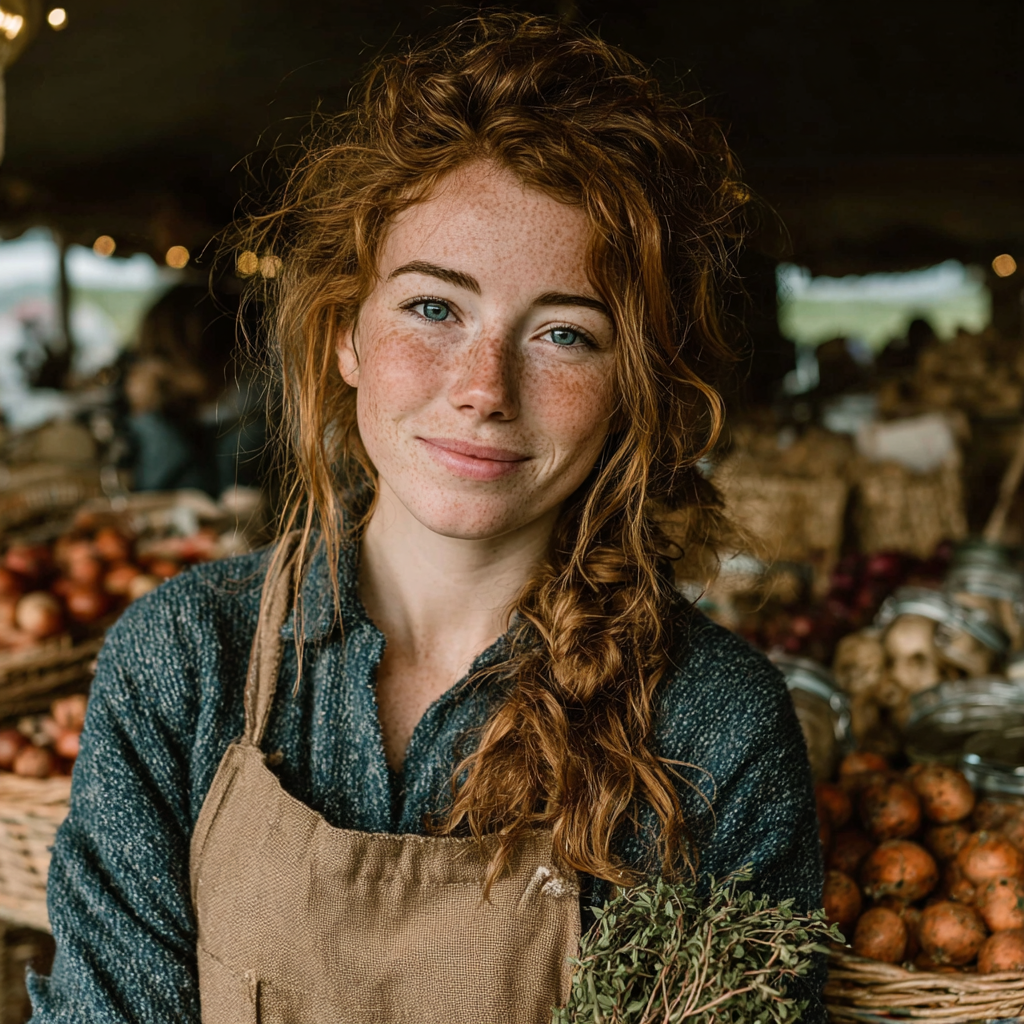
By Sophie Brennan
Irish food writer and historian based in Lisbon. Sophie combines her background in medieval history with a passion for contemporary gastronomy. She has written for Condé Nast Traveller and authored two cookbooks exploring Celtic and Iberian culinary traditions.