
Silk, Stones, and Sauces: Sophie Brennan's Guide to Lyon—the City That Taught France How to Eat
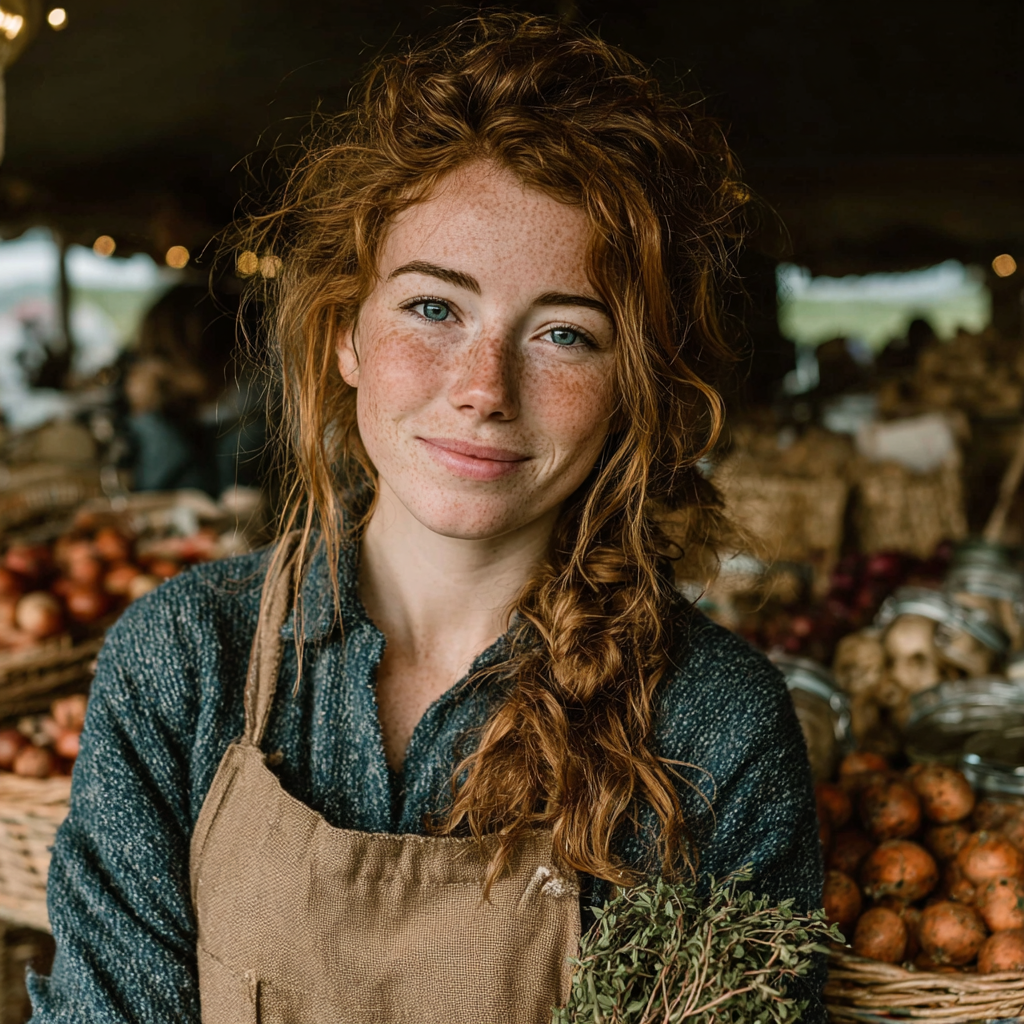
Sophie Brennan is a food and culture writer who believes the best way to understand a city is through its stomach—and its secrets. She has eaten her way through Lyon four times, getting lost in traboules, drinking Beaujolais at comptoirs, and arguing with bouchon owners about whether cervelle de canut is actually brain (it's not).
There is a moment in Lyon when you realize Paris has been lying to you. It happens around your third bite of quenelle de brochet at a cramped bouchon in Croix-Rousse, or when you emerge from a traboule into a Renaissance courtyard that no guidebook warned you about, or when you stand at the confluence of the Rhône and Saône at dusk and watch the city fold into itself like a well-made omelette.
Paris calls itself the capital. Lyon calls itself the real capital—and after three days here, you start to believe it.
This is a city of 2,000 years of accumulated obsession: Romans who built theaters into hillsides, silk weavers who carved secret passages through their own neighborhoods, and women cooks—the legendary Mères Lyonnaises—who left wealthy households to open restaurants so good they made Paul Bocuse possible. Lyon does not do casual pride. It does not do half-measures. The food is rich, the history is dense, and the wine flows like someone is trying to prove a point.
This guide is organized thematically, not by day. Lyon rewards repeat visits, but if you have 48 hours, focus on Vieux Lyon, Croix-Rousse, and the Presqu'île. If you have four days, add the Confluence and a day trip to the Beaujolais vineyards.
Quick Reference
| Essential | Details |
|---|---|
| Best time to visit | April–May (mild, uncrowded) or September–October (wine harvest, golden light) |
| Lyon City Card | €27 (1 day), €35 (2 days), €42 (3 days). Covers 23+ museums, unlimited public transport, traboule tours |
| Airport transfer | Rhônexpress tram to Part-Dieu: €16.90 one-way, €29 round-trip. Every 15 min, 4:25 AM–midnight |
| Metro day pass | €6.70 (TCL day ticket) |
| Tipping | Service compris included; round up or leave €2–5 for excellent service |
| Emergency phrase | "Bonjour" before every request. Always. |
The Bones of the City: Roman Lyon and the Hills
Lyon was Lugdunum before it was anything else. In 43 BC, Lucius Munatius Plancus—one of those industrious Roman generals with excellent real estate instincts—founded the city on Fourvière hill. He understood what locals still know: the confluence of two rivers creates something more than geography. It creates advantage.
Within a century, Lugdunum became the capital of Gaul and one of the empire's wealthiest cities. The Imperial Mint operated here. Emperors visited. And somewhere around 48 AD, Emperor Claudius stood in this city and delivered a speech so important that a bronze inscription of it—the Tablet of Claudius—survives today in the Gallo-Roman Museum.
Fourvière's Roman Theaters: Where the Past Still Performs
Théâtres Romains de Fourvière
- Address: 6 rue de l'Antiquaille, 69005 Lyon
- Hours: Daily 7:00 AM – 7:00 PM (until 9:00 PM June–August)
- Museum admission: €4 (theaters themselves are free)
- Coordinates: 45.7597° N, 4.8199° E
- Tip: Visit during Nuits de Fourvière (June–July) when the ancient theater hosts concerts, dance, and theater under the stars. Watching electronic music pulse through stone built in 15 BC is disorienting in the best way.
The larger theater seated 10,000 for drama. The smaller Odéon, added in the 2nd century, held 3,000 for music and poetry readings. What strikes you is not just the scale—it is the intimacy. The Romans built these into the hillside so precisely that modern sound engineers barely need to supplement the acoustics. The adjacent Musée Gallo-Romain (€4, or free with Lyon City Card) houses mosaics, sculptures, and that bronze tablet, which essentially records Claudius arguing that Gaulish nobles deserved seats in the Roman Senate. It is 2,000-year-old evidence that Lyon has always thought highly of itself.
The Amphithéâtre des Trois Gaules: Blood and Bureaucracy
- Location: 6 rue de l'Antiquaille, 69005 Lyon (Croix-Rousse district)
- Access: Free, open daily
- Coordinates: 45.7786° N, 4.8306° E
Smaller than Fourvière's complex and far less visited, this amphitheater hosted gladiatorial combat but also provincial council meetings. The contrast is pure Lyon: blood sport and administrative minutiae, sharing the same space. It is freely accessible and rarely crowded. Locals jog past it.
Silk, Sweat, and Secret Passages: Croix-Rousse and the Traboules
If Fourvière holds Lyon's Roman spine, Croix-Rousse is its working-class lungs—still breathing, still making things, still slightly suspicious of outsiders.
By the 16th century, Italian immigrants fleeing political turmoil had turned Lyon into Europe's silk capital. King François I granted the city a monopoly on silk imports in 1536, and the industry exploded. At its 19th-century peak, over 30,000 canuts (silk weavers) worked here, many in Croix-Rousse's tall, light-filled ateliers. The Jacquard loom—Joseph Marie Jacquard's 1801 invention using punch cards to automate pattern weaving—is a direct ancestor of modern computing. Lyon does not put this on billboards. It puts it in museums and expects you to find it.
La Maison des Canuts: Where Silk Still Lives
- Address: 10–12 rue d'Ivry, 69004 Lyon
- Hours: Tuesday–Saturday 10:00 AM – 6:00 PM
- Admission: €8 adults, €6 students/seniors
- Coordinates: 45.7794° N, 4.8303° E
This is not a dusty museum. Skilled artisans still operate Jacquard looms here, creating the intricate brocade patterns that once clothed European royalty. You will watch a weaver punch cards, thread by thread, while explaining the 1831 and 1834 canut revolts—when silk workers rose up against mechanization and falling wages. The revolts failed, but they shaped French labor history. The demonstrations last about 30 minutes and are included in admission.
The Traboules: Lyon's Hidden Arteries
The city's most distinctive feature is also its most secret. Traboules are covered passageways that cut through buildings, connecting streets and courtyards. Silk merchants created them to protect delicate fabrics from rain. The Resistance used them to evade Nazi occupiers. Today, they are still used by locals as shortcuts—and by visitors as portals into another dimension.
Essential Traboules to Visit:
Vieux Lyon:
- 27 rue Saint-Jean → 6 rue des Trois-Marie: Classic Renaissance courtyard with spiral staircase
- 54 rue Saint-Jean: Features the escalier à vis, a helical staircase typical of Lyonnais architecture
- Cour des Voraces (Place Colbert): The most famous traboule, with a monumental staircase connecting three streets. Built by canuts, used by Resistance fighters in 1944.
Croix-Rousse:
- 9 rue Imbert-Colomès: Long traboule with multiple courtyards
- 14 rue Leynaud: Features another Cour des Voraces—there are several, all named after the working-class solidarity they represent
Practical note: Most traboules are in private apartment buildings. Enter quietly, close doors behind you, and never visit after dark. The Lyon City Card includes guided traboule tours that access passages closed to independent visitors. Free self-guided maps are available at the Tourist Office on Place Bellecour.
Vieux Lyon: The Largest Renaissance District in Europe
UNESCO designated Vieux Lyon a World Heritage site in 1998, and the honor is earned. Three distinct quarters—Saint-Jean, Saint-Paul, and Saint-Georges—contain over 300 classified buildings, making this the largest intact Renaissance neighborhood on the continent.
But Vieux Lyon is not a museum. It is a living neighborhood where bouchons serve tablier de sapeur (breaded tripe) to businessmen at lunch, where puppet theaters still perform Guignol shows for children, and where the medieval street plan was designed to confuse invaders and now mostly confuses tourists.
Cathédrale Saint-Jean-Baptiste: Time as Architecture
- Address: Place Saint-Jean, 69005 Lyon
- Hours: Monday–Friday 8:15 AM – 7:45 PM; Saturday–Sunday 8:15 AM – 7:00 PM
- Admission: Free (€3 for astronomical clock demonstration)
- Coordinates: 45.7608° N, 4.8267° E
Construction began in 1180 and finished in 1480—three centuries of architectural evolution compressed into one facade. The 14th-century astronomical clock is the star: it displays religious feast days, moon phases, and planetary positions. At noon, 2:00 PM, 3:00 PM, and 4:00 PM daily, automated figures representing the Annunciation spring into motion. The first time you see a 700-year-old clock put on a show, you forgive it for being 30 seconds late.
Hôtel de Gadagne: Two Museums, One Palace
- Address: 1 place du Petit Collège, 69005 Lyon
- Hours: Wednesday–Monday 10:30 AM – 6:00 PM (closed Tuesdays)
- Admission: €6 adults, €4 concessions; free first Sunday of each month
- Coordinates: 45.7642° N, 4.8272° E
This Renaissance palace houses two museums: the Musée d'Histoire de Lyon, tracing the city from prehistory to present, and the Musée des Marionnettes du Monde, celebrating Guignol—the sharp-witted puppet created by Laurent Mourguet in 1808. Guignol is sarcastic, political, and deeply Lyonnais. The museum holds over 2,000 puppets from five continents, but the Lyonnais collection is the emotional anchor.
Maison Thomassin (28 rue Saint-Jean)
A 15th-century merchant's house with ornate Gothic windows and an octagonal tower in its courtyard. Not open to the public, but the facade and tower are visible from the street. It exemplifies the wealth generated by silk—merchants built vertically because horizontal space was scarce.
The Presqu'île: Haussmann's Practice Run
Between the Rhône and Saône, the Presqu'île is Lyon's commercial and civic heart. Baron Haussmann, before he remade Paris, tested his urban planning theories here in the 1850s: wide boulevards, elegant squares, harmonious facades. The result is a district that feels Parisian but moves at Lyonnais speed—slightly slower, slightly less self-important, slightly better fed.
Place Bellecour: Europe's Largest Pedestrian Square
- Coordinates: 45.7578° N, 4.8320° E
- Size: 312m × 200m (62,000 square meters)
- Admission: Free
The equestrian statue of Louis XIV at the center has watched over royal proclamations, revolutionary assemblies, and modern protests. Today it hosts festivals, markets, and the city's best people-watching. The Lyon Tourist Office is here—useful for maps, Lyon City Cards, and last-minute museum tickets.
Nearby cultural sites:
- Musée des Beaux-Arts (20 place des Terreaux): France's second-largest fine arts museum after the Louvre. Housed in a former Benedictine abbey. Admission €9, free first Sunday. Tuesday–Sunday 10:00 AM – 6:00 PM.
- Opéra de Lyon (1 place de la Comédie): Jean Nouvel's 1993 deconstructivist addition grafted onto a 1756 original. Love it or hate it, you will not forget it. Guided tours €12, performances from €18.
- Hôtel de Ville (1 place de la Comédie): 17th-century facade with 316 sculptures. Not open for tours, but the exterior rewards attention.
The City That Taught France How to Eat
Lyon's culinary reputation is not marketing. It is engineering—two centuries of women cooks refining technique until the rest of France had to pay attention.
The Mères Lyonnaises were female cooks who left wealthy private households in the late 19th century to open their own restaurants. They had mastered the classics in domestic service; in business, they perfected them. Their legacy is not just recipes. It is a philosophy: local ingredients, traditional techniques, zero tolerance for pretension.
Mère Brazier (1895–1977) was the first chef to earn three Michelin stars—twice, at two different restaurants. She trained Paul Bocuse. Mère Fillioux (1865–1925) perfected poularde en demi-deuil: chicken steamed under the skin with black truffle, the dark strips resembling mourning crepe. The dish is still served at Restaurant Mère Fillioux, 73 rue du Plâtre, though the original location on rue Royale closed. Mère Brazier's original restaurant at 12 rue Royale still operates, now under chef Mathieu Viannay. A three-course lunch costs €62; the full tasting menu is €155.
Les Halles de Lyon Paul Bocuse: The Market as Religion
- Address: 102 cours Lafayette, 69003 Lyon
- Hours: Tuesday–Saturday 7:00 AM – 7:00 PM; Sunday 7:00 AM – 2:00 PM; closed Monday
- Coordinates: 45.7617° N, 4.8506° E
- Budget: €15–45 depending on how many samples you accept
Over 50 vendors under one roof: saucisson sec from the Rhône-Alpes, Comté aged 24 months, pieds de cochon from Boucherie Sibilia, oysters from Brittany, and praline tarts from Pâtisserie Richard. This is a working market for locals, not a tourist spectacle—though tourists are welcome if they do not block the aisles during lunch rush (12:00–1:30 PM).
Vendors to prioritize:
- Maison Sibilia (saucisson and rosette de Lyon): The saucisson pistaché is €29/kg. A small stick to snack on is €4.50.
- Fromagerie Mons (cheese): Ask for Saint-Marcellin, a small, runny cow's milk cheese that ripens into something almost liquid. €3.80 each.
- Tarteline (praline tarts): The bright pink tarte à la praline is Lyon's signature sweet—aggressively sweet, unapologetically pink. €4.80 per slice.
- Les Cocottes de l'Enfant (prepared foods): If your hotel has a mini-fridge, take home quenelle de brochet or tablier de sapeur. €9–14 per portion.
Where to Eat: Bouchons and Beyond
A bouchon is not just a restaurant. It is a regulated tradition. The Bouchon Lyonnais label, managed by the Association de Défense des Bouchons Lyonnais, certifies restaurants that serve authentic Lyonnais cuisine in a traditional atmosphere. There are about 20 certified bouchons in the city.
Bouchon Comptoir Abel (25 rue Guillaume, 69002 Lyon)
- Hours: Tuesday–Saturday, lunch and dinner
- Price: €28–38 for a full menu
- Order: Salade lyonnaise (with lardons and a poached egg), quenelle de brochet (pike dumpling in lobster sauce), cervelle de canut (herbed cheese spread—no actual brain, despite the name). The tarte aux pralines for dessert is mandatory.
- Atmosphere: Red-checked tablecloths, locals arguing about football, a proprietor who will mock your pronunciation and then refill your Beaujolais glass without asking.
Le Garet (7 rue du Garet, 69001 Lyon)
- Hours: Monday–Saturday, lunch and dinner
- Price: €32–48
- Order: Andouillette (tripe sausage—only for the committed), poulet de Bresse (the region's legendary chicken, €34), or the gratin de macaroni that arrives bubbling and browned.
- Note: Reservations essential for dinner. Call +33 4 72 56 02 45 or book online.
Café des Négociants (1 rue de la Bourse, 69002 Lyon)
- Hours: Daily 7:00 AM – midnight
- Price: €16–28
- Order: A classic café gourmand (espresso with mini-desserts) or a croque monsieur that will ruin all other croque monsieurs for you. The terrace on Place des Jacobins is prime people-watching territory.
Têtedoie (4 rue Professeur Pierre Marion, 69005 Lyon)
- Hours: Tuesday–Saturday, dinner only
- Price: €98–175 tasting menus
- Note: Christian Têtedoie holds a Michelin star and offers panoramic views from Fourvière. Not a bouchon—this is fine dining with Lyonnais roots. The carré d'agneau (lamb) and foie gras preparations are exceptional. Reserve two weeks ahead at +33 4 78 29 40 10.
What to Drink
Beaujolais is the local wine—light, fruity, made from Gamay grapes. The Beaujolais Nouveau release on the third Thursday of November is treated with obsessive local attention. Côtes du Rhône reds from the southern valley are heavier, better for winter bouchon meals.
Bars to know:
- Le Vin des Artisans (14 rue du Bœuf, 69005 Lyon): Natural wine bar with a rotating selection of small-producer bottles. Glasses €6–11. Staff will recommend based on what you are eating next.
- Antic Wine (20 rue du Bœuf, 69005 Lyon): Over 800 bottles, specializing in Rhône and Burgundy. Tastings available from €16. The owner, Fabien, speaks enough English to explain terroir and enough Lyonnais to tease Parisians.
- Le Bal des Ardents (18 rue du Bœuf, 69005 Lyon): Literary wine bar with books lining the walls and pot-au-feu on the menu. Glasses €5–10.
Modern Lyon: Confluence and Cinema
Where the two rivers meet, the Confluence district represents Lyon's 21st-century identity. This former industrial port has been transformed into a model of sustainable urbanism—some say too successfully, others say not fast enough.
Musée des Confluences: A Museum That Looks Like a Spaceship
- Address: 86 quai Perrache, 69002 Lyon
- Hours: Tuesday–Friday 11:00 AM – 7:00 PM; Saturday–Sunday 10:00 AM – 7:00 PM
- Admission: €9 adults, €5 students/seniors; free first Thursday evening of each month
- Coordinates: 45.7336° N, 4.8184° E
Designed by Austrian firm Coop Himmelb(l)au, the building resembles a crystalline cloud crash-landed on a steel base. Inside, collections explore natural history and anthropology—dinosaurs, meteorites, African masks, Amazonian featherwork. The permanent collection is €9; the architecture is free to admire from the riverside promenade.
Institut Lumière: Where Cinema Was Born
- Address: 25 rue du Premier Film, 69008 Lyon
- Hours: Tuesday–Sunday 10:00 AM – 6:30 PM
- Admission: €7 adults, €5.50 concessions
- Coordinates: 45.7458° N, 4.8706° E
Auguste and Louis Lumière invented the Cinématographe in 1895. Their first film, La Sortie de l'Usine Lumière (Workers Leaving the Lumière Factory), was shot in the adjacent Hangar du Premier Film. The museum occupies their family mansion and displays original equipment, early films, and the industrial context that made motion pictures possible. For cinephiles, this is pilgrimage territory. The adjacent Cinématheque screens restored classics in a 280-seat theater.
Beyond the City: Beaujolais Day Trip
If you have a fourth day, rent a car or join a small-group tour and drive 45 minutes north into the Beaujolais wine region. The Route des Vins du Beaujolais winds through 12 appellations, from the light, fruity Beaujolais Nouveau villages around Villefranche-sur-Saône to the more serious, structured crus of Morgon, Fleurie, and Moulin-à-Vent further north.
Practicalities:
- Drive: Rent from Part-Dieu station (~€45/day). The D386 and D18 are scenic and well-marked.
- Tours: Lyon City Card offers discounts on half-day wine tours (~€65–85).
- Tasting rooms: Most crus villages have caves open for drop-in tastings. Expect €8–15 for a flight of three wines.
- Best villages: Oingt (classified among France's most beautiful villages), Fleurie (prettiest cru), Régnié-Durette (least touristy).
- Season: Harvest is mid-September. Nouveau release is the third Thursday of November. Spring is green and quiet.
Practical Logistics: Getting Around, When to Go, How to Behave
Lyon City Card
- Price: €27 (1 day), €35 (2 days), €42 (3 days)
- Includes: Free access to 23+ museums, unlimited public transport (metro, bus, tram, funicular), guided traboule tours, river cruise discounts
- Where to buy: Tourist Office on Place Bellecour, online at lyoncitycard.com, or major metro stations
- Value assessment: Worth it if you visit three or more paid museums in two days. The traboule tours alone justify the cost.
Getting Around
Lyon's metro system is efficient, clean, and extensive. Four lines (A–D) cover the city; the funicular (F1 and F2 lines) climbs Fourvière and Croix-Rousse. A single ticket is €2.10; a day pass is €6.70. The Vélo'v bike-share system (€1.50/day) is excellent for flat Presqu'île rides but exhausting for Croix-Rousse hills.
From the airport (LYS): The Rhônexpress tram connects Lyon-Saint-Exupéry Airport to Part-Dieu station in 30 minutes. €16.90 one-way, €29 round-trip. Runs every 15 minutes, 4:25 AM – midnight.
Best Times to Visit
- Spring (April–May): Mild weather, markets in full swing, fewer crowds than summer. Ideal for walking.
- Summer (June–August): Festival season—Nuits de Fourvière dominates June and July. Warm evenings, outdoor dining, but book restaurants two weeks ahead.
- Fall (September–October): Wine harvest, Beaujolais Nouveau anticipation, pleasant temperatures. My favorite season here.
- Winter (November–March): Christmas markets at Place Carnot (December), cozy bouchon dining, lower hotel prices. Some museums have reduced hours.
Cultural Etiquette
- Bouchons: Reservations are recommended, especially for dinner. Expect multiple courses. Do not ask for substitutions—tablier de sapeur is tripe, and that is the point.
- Language: Basic French phrases are appreciated. Bonjour before any request is mandatory. Merci, au revoir when leaving anywhere.
- Dress: Smart-casual for restaurants; comfortable shoes are essential for cobblestones and traboules. Lyon is not Paris—no one cares if your scarf does not match.
- Tipping: Service is included (service compris), but rounding up or leaving €2–5 for excellent service is standard.
Neighborhood Feel: What the Guidebooks Miss
Croix-Rousse in early morning smells of coffee and yesterday's saucisson. The boulangerie on rue Imbert-Colomès opens at 7:00 AM and sells out of tarte aux pralines by 9:30. The stairs between Croix-Rousse and Vieux Lyon—there are hundreds of steps, collectively called les pentes—are used by joggers, dog walkers, and older residents who have been climbing them for 40 years and will pass you without breathing hard.
Vieux Lyon at night is quieter than you expect. The restaurants close by 10:30 PM. The traboules lock. But the street lamps on rue Saint-Jean cast shadows that look genuinely medieval, and if you stand still near the cathedral, you can hear the Saône moving below the buildings.
The Presqu'île is where Lyon does business—suits, trams, department stores, lunch meetings that run long because the wine was good. The contrast with Croix-Rousse's bohemian energy and Vieux Lyon's historical weight is what makes the city coherent. Lyon contains multitudes, but it keeps them in separate neighborhoods.
What to Skip
The Miniature Train at Place Bellecour: A tourist trap that circuits the square for €8. Walk instead. The square is 600 meters across; you do not need a train.
Overpriced river cruises during lunch hours: The basic Saône cruise is pleasant but not essential. If you must, take the evening cruise with wine included (€24) rather than the packed midday option.
Any restaurant on rue Saint-Jean with a multilingual menu and photos of food: These cater to tour groups. Walk 50 meters to a side street and find a bouchon where the menu is in French and the owner looks skeptical.
The Fourvière Basilica during Sunday mass if you are not attending: The Basilica Notre-Dame de Fourvière is worth seeing, but Sunday mornings are for worshippers, not tourists snapping photos. Visit Tuesday–Saturday, 8:00 AM – 7:00 PM. The view from the esplanade is free and open daily.
Fake "traboule tours" by unauthorized guides: Only the Lyon City Card traboule tours and officially licensed guides have permission to enter private passages. Unauthorized tours may be turned away by building residents.
The Confluence shopping mall (Confluence Mall): A generic retail center that could be anywhere in Europe. Skip it and walk the riverside promenade instead.
A Lyonnais Evening: How Sophie Does It
5:30 PM: Climb the pentes from Vieux Lyon to Croix-Rousse. Stop at Boulangerie de la Croix-Rousse (87 rue Imbert-Colomès) for a galette des rois if it is January, or a tarte aux pralines if it is any other month. Eat it on the steps overlooking the city.
7:00 PM: Descend through the Cour des Voraces traboule. Emerge onto Place Colbert as the light turns golden.
7:30 PM: Aperitif at Le Vin des Artisans. Order a glass of Morgon (a serious Beaujolais cru, €8) and watch the street fill with locals.
8:30 PM: Dinner at Bouchon Comptoir Abel. Order the menu du jour and accept whatever the proprietor recommends. The quenelle should be the size of your fist and lighter than physics allows.
10:30 PM: Walk along the Saône. The bridges are lit, the water is dark, and the city feels like it is keeping a secret—which it is, and which it will not tell you until your second visit.
Final Word
Lyon does not need your approval. It needed Rome's, once, and got it. It needed France's culinary respect, and took it. What it offers visitors is not performance but density—2,000 years of accumulated craft, conflict, and appetite, compressed into a walkable city between two rivers.
The secret to Lyon is patience. The traboules do not announce themselves. The best bouchons do not have English menus. The silk-weaving history is hidden in museums that close on Tuesdays. But if you move slowly, eat seriously, and accept that this city knows more than you do, Lyon opens like a well-oiled lock.
Paris is the capital. Lyon is the reason.
By Sophie Brennan
Irish food writer and historian based in Lisbon. Sophie combines her background in medieval history with a passion for contemporary gastronomy. She has written for Condé Nast Traveller and authored two cookbooks exploring Celtic and Iberian culinary traditions.