
Grenoble: Raclette Machines, €3.30 University Lunches, and the 1896 Cable-Car Restaurant Above the City
Most food cities announce themselves. Lyon has its bouchons, Paris its Michelin density, San Sebastián its pintxos counters. Grenoble doesn't announce anything. It sits in its Alpine basin at 212 meters, ringed by the Vercors, Chartreuse, and Belledonne massifs, and quietly feeds roughly 60,000 students, thousands of mountain workers, and a local population that treats lunch as a civil right rather than an interruption.
This is the city that gave its name to the gratin dauphinois. It sits at the crossroads of three AOP cheese territories. It has held a covered market since 1874. And because the University of Grenoble Alps keeps a huge, hungry, broke population in its center, the food here is both excellent and startlingly cheap. A university cafeteria lunch costs €3.30 if you hold a Crous grant, €3.60 if you don't. A serious raclette dinner runs about €20. The most famous restaurant in town has been riding a cable car to the summit of the Bastille since 1896.
This guide is organized the way you should eat here: markets and bakeries first thing, the cheese temple mid-morning, lunch wherever the line looks longest, Chartreuse in the late afternoon, and the Rue de la République after dark.
Morning Markets and the Shape of the City
Grenoble's food geography follows the Isère River. The old town and its Renaissance core sit on the right bank, anchored by Place Saint-André, Place Grenette, and the Cathedral. The university and the train station are south. The left bank — the Saint-Laurent quarter — is the working-class village-within-the-city, reached by crossing the Pont Marius Gontard, where students have been meeting for cheap pizza since the 1980s.
Start at the Marché des Halles Sainte-Claire (27 Place Sainte-Claire), the wrought-iron market hall built in 1874 and still the city's food reference point. Inside: a cheesemonger, a fishmonger, an excellent butcher, olive stalls, a traiteur, and produce vendors selling whatever came down from the mountains that morning. Locals call it simply "les Halles." It's open daily, roughly 8:00 to 19:30, with Sunday morning the liveliest session. Come before 10:00 if you want to watch the neighborhood do its real shopping — after that it fills with people photographing cheese.
For a bigger, scruffier experience, cross to the left bank on Sunday morning for the Marché de l'Estacade (along Avenue de Vizille and Rue Joseph Rey, at the foot of Saint-Laurent, roughly 7:00–13:00). This is one of the largest open-air markets in the region, several hundred stalls running along the riverbank, with rotisserie chickens, Savoyard sausage, mountain honey, and secondhand booksellers mixed in. The pizza strip on Quai Perrière sits directly above it, so you can market-stroll and slice-eat in the same morning.
For bread, Grenoble runs on neighborhood bakeries rather than destination names. The Tupin-et-Semons houses (multiple locations, including central ones) turn out proper baguettes and good croissants; the real pleasure is finding your own corner boulangerie in Saint-Laurent, where a demi-baguette tradition still costs around €1.20. Buy two. The altitude here justifies everything.
Cheese: The Gravitational Center of Every Grenoble Meal
You cannot understand Grenoble's food without understanding that you are eating inside three mountain ranges. The Vercors gives Bleu du Vercors-Sassenage AOP, a mild, creamy blue. The Chartreuse massif gives Saint-Marcellin, the small, wrinkled, runny-centered cow's-milk cheese that locals eat with a spoon. And everywhere in between, the Alps give Tomme de Savoie, Reblochon, Abondance, and Beaufort — the raw material of every gratin, every tartiflette, every post-ski raclette.
The temple for this is Fromagerie Les Alpages, 4 Rue de Strasbourg (Tuesday–Saturday, 6:00–12:30 and 15:30–19:30, closed Sunday and Monday; 04 76 46 32 62). The shop has been run by the same family since 1978, and its patriarch, Bernard Mure-Ravaud, earned Meilleur Ouvrier de France in 2000 and was crowned world cheese champion in 2007. The tiny front room is stacked floor to ceiling with two hundred-odd cheeses, but the ritual everyone comes for is raclette: from roughly October to April, they'll melt half a wheel over the heating element and scrape the molten layer onto a plate of boiled potatoes and charcuterie for around €8–10. The queue is part of the experience. Locals line up at lunch and eat standing, paper plate in hand, wearing ski jackets.
Buy a Saint-Marcellin for later (about €1.80–2.50 each, depending on affinage), a wedge of Tomme de Savoie, and — if you're flying home within EU rules — a vacuum-sealed piece of Beaufort d'été. Ask for a taste of anything; the staff will treat you like a student taking an exam you can pass by eating.
There's also a poetic symmetry in Grenoble's two great monastic products: the monks of the Grande Chartreuse have distilled the 130-herb Chartreuse liqueur here since 1605, and the mountain pastures those same monks once managed still produce the cheese. In a Grenoble restaurant, order both and you're drinking and eating the same massif.
The Café-Zinc Culture of the Republic
Grenoble's café life runs along Rue de la République, the pedestrian spine that connects Place Grenette to the Saint-Laurent bridge. This is where the city takes its coffee, its before-dinner vermouth, and its long post-work conversations.
Two anchors worth your time:
Café Mokha, 11 Rue Lakanal, is the city's specialty coffee outpost — a small micro-roastery pouring single-origin espresso (around €2) and flat whites in a room that smells of beans being roasted in-house. It skews young, laptop-friendly, and is the best flat white in the city center.
Le Tord Boyaux, 10 Rue de la République, is the anti-Mokha and equally essential: a natural-wine bar that is also a proper bar-bar, with zinc counter, chalkboard list, saucisson, and Beaufort grilled on pain de campagne. Glasses from €5–7. It fills around 18:00 with people who work in food and theater, and it stays loud until past midnight.
In between, the standard Grenoble café ritual is simple: stand at the zinc, order a café (€1.50–2.00 standing, a little more seated), eat the free twizzle of something salty, and watch the tram slide past. Do this at least once a day. The city reveals itself at standing-room counters in a way it never will from a terrace table.
Restaurants That Punch Above Their Weight
Le Gratin Dauphinois — 52 Avenue Félix Viallet
The restaurant that carries the region's signature dish in its name is not a tourist trap — it's where Grenoble itself goes. Chef Joséphine Albrieux runs a tight, tiled dining room near the train station, open Monday to Friday for lunch (12:00–13:30) and dinner (19:00–21:30; 04 56 17 75 47). À la carte starts at €9.90; a full lunch with wine lands around €20–25. The gratin dauphinois here is the reference version — sliced potatoes, cream, garlic, no cheese, slow-baked until the top shatters. Order it as a starter for the table, then whatever daube or trout follows. Book ahead: it seats few and fills fast.
La Ferme à Dédé — 55 Avenue Alsace Lorraine (Gare) and 24 Rue Barnave (Centre)
The beloved local farm-to-table institution runs two rooms. The original Centre location (24 Rue Barnave, in the Saint-Laurent old town, opened 2004, 62 seats, no reservations) does simple, generous mountain cooking — lentils, sausage, roasted chicken, gratin — with a €14.90 lunch menu and evening menus around €27–29. The Gare branch (55 Avenue Alsace Lorraine, by the train station) takes phone reservations only (04 76 54 00 33). Both open roughly 11:50–14:30 and 18:50–22:30 (until 23:00 Friday and Saturday). Order whatever tart is on.
Le Per'Gras — 19 Chemin de la Bastille
Grenoble's most storied table sits at the top of the Bastille, the hill-fort that overlooks the city, and has since 1896 — guests originally rode the cable car up to dine, and the restaurant is famously the only one in France you still reach this way. Phone 04 76 42 09 47, or book online at pergras.com. The kitchen does updated Dauphiné cooking with views across the entire basin; mains run €25–38. Reserve a window table near sunset, take the téléphérique up (departures from Quai Stéphane Jay, around €9–10 round trip, last descent well after dinner service ends), and save room for the tarte à la Chartreuse. The cable car runs daily, roughly 9:15–19:00 early in the week and until midnight Thursday–Saturday in season; it closes for maintenance each January, so check bastille-grenoble.fr if visiting in winter.
L'Ardoise — 8 Rue de la République
The archetypal lunchtime bouchon lyonnais transplanted to Grenoble: blackboard menu, plat du jour around €13.90, €10.90 lunch formula, and a tarte aux myrtilles that has ended more afternoons than any dessert in town. No reservations for small parties; queue with the office workers at 12:15 and you'll be seated by 12:30.
The University Cafeterias (Yes, Really)
Grenoble's Crous-run Resto'U restaurants (Civas near the campus, and others) serve a full three-course lunch for €3.30 if you have a Crous grant, €3.60 if you don't — the subsidy keeps the city's food culture honest. Students live on them, but anyone can walk in. Opening hours are roughly 11:30–13:30 on weekdays. It is, calorie-for-calorie, one of the best deals in France.
The Perrière Pizza Strip and Saint-Laurent's Cheap Eats
On the left bank, along Quai Perrière beneath the Saint-Laurent hillside, Grenoble's student economy has spent forty years perfecting the €5–8 lunch slice. The strip is real and dense: Le Petit Chef (62 Quai Perrière, 09 88 38 22 60), La Toscana (46 Quai Perrière, 04 76 87 33 88), Pizzeria des Vieux Quartiers (36 Quai Perrière, 04 76 87 62 23), La Felicita (34 Quai Perrière), Le Quailys (54 Quai Perrière), and Notte è Di (64 Quai Perrière) run in a near-unbroken line. At midday, most sell pizza by the enormous slice for €6–8; whole pizzas run €13–18. The ritual: queue, point, eat leaning against the parapet above the Isère, watching the Estacade market below on Sundays. The quality gap between these shops is debated with the seriousness of a derby.
Elsewhere in Saint-Laurent, Turkish charcoal grills and kebab houses on and around Rue de Strasbourg feed the same crowd — look for the ones with a queue of delivery drivers, a reliable real-time review. Karadeniz, with its charcoal mangal and lahmacun around €8–10, is the neighborhood benchmark.
The Sweet Side: Chocolate and Chartreuse
Maison Court (Les Petits Bonheurs) is Grenoble's defining chocolatier. Thierry Court settled in Grenoble in 2002 after a career in luxury pâtisserie and built a brand on dense ganaches, pâtes de fruits, and a nougat that locals ship to family abroad. Production has since moved to a larger atelier in Apprieu, about 30 kilometers northwest, where the boutique-factory ("La Fabrique") takes visitors by reservation — check boutique.maison-court.fr for current dates. In Grenoble itself, his confections appear in shops around town and at the Halles.
For the city's other great liquid sweet, Chartreuse, you have two pilgrimages. The real distillery is in Voiron, 12 kilometers northwest (free guided tours of the world's longest liqueur cellar, plus a museum; closed Sunday and Monday, afternoons only — roughly 14:00–18:00, last entry before closing; check chartreuse.fr). The flagship green and yellow bottlings run about €19–21, while aged expressions (V.E.P., 9th-century-style cuvées) climb from €40 to well beyond. Back in Grenoble, the liqueur appears in every serious dessert: tarte à la Chartreuse, Chartreuse ice cream, and the green-shouldered bottles that line restaurant back bars. Buy it at a supermarket (Intermarché on the edge of town has an entire Chartreuse aisle) rather than at the airport, where it costs a third more.
Drinking After Dark
Les Frères Berthom, 6 Place Saint-André, is the local outpost of the national beer-hall franchise and Grenoble's reliable late crowd: long communal tables, chalkboard of ~30 taps (pints roughly €3–4 at happy hour), kitchen doing burgers and croque-monsieur until late. It's the easiest place in the city to fall into conversation with strangers — check their Facebook page for quiz and match nights.
Barberousse, 1 Rue de la République, is Grenoble's own craft-beer cellar, named for the pirate-red brand brewed locally: low-ceilinged, bottle-lined, pouring house brews from about €5.50 a half. The crowd skews older and more bearded than Berthom.
The serious cocktail scene hides around Place Notre-Dame and the lanes behind the Halles Sainte-Claire, in low-lit rooms with 1980s French pop on the stereo and bartenders who will happily argue Chartreuse versus génépi for twenty minutes. Follow the after-midnight crowd from the Republic: in Grenoble, the best bar of the night is usually the one you reach second.
Bringing the Mountains Home
Grenoble has one more AOP you should know about, and it isn't cheese. Noix de Grenoble — the Grenoble walnut — has held AOP status since 1938, and the Dauphiné has been planting walnut orchards since at least the 13th century. The nuts appear everywhere: in the walnut bread at the bakeries, in the gâteau aux noix on every farm table, candied at the Halles, and pressed into oil sold at the Estacade market. A vacuum-sealed bag of shelled Grenoble walnuts (around €8–12 per kilo depending on grade) is the single most transportable souvenir in the city, and the AOP label is your guarantee of origin.
Beyond the walnut, the same stalls that feed the city pack flat for the trip home: saucisson de Savoie, jars of myrtille (wild blueberry) jam, chestnut honey, tomme and Beaufort from Les Alpages' vacuum-sealer, and a bottle of Chartreuse (wrapped in checked luggage, always). If you're driving, the farms of the Vercors and Chartreuse foothills sell fruit spirits and génépi from roadside doors — look for the vente directe signs.
Seasonal Rhythms
Grenoble eats with the mountain calendar. Autumn brings game, mushrooms, and the first pressing of walnut oil — the best season for a plate of riz de Grenoble-style cooking anywhere in the basin. Winter is raclette and tartiflette season, the cheese-melter running daily at Les Alpages, and the téléphérique ride to Le Per'Gras at its most romantic in the snow. Spring is asparagus, morels, and the reopening of every terrace on Rue de la République. Summer shifts the city's food life outdoors: the Estacade market peaks, the Perrière parapet fills with pizza eaters, and dinner starts at 20:30 at the earliest. Note the annual rhythm too: the cable car to the Bastille closes for several weeks each January for maintenance, and much of the city decamps to the mountains in February and August — book the famous tables accordingly.
What to Skip
- Les Terrasses du Dauphiné — the panoramic hilltop restaurant above the Bastille. The view is genuinely spectacular; the food is genuinely not. Take the cable car, drink a coffee at the snack stand, and save your dinner budget for Le Per'Gras down the road.
- The cable car at lunch rush on weekends. Same ride, half the wait, if you go at opening or after 14:00. The Bastille is also a pleasant walk up if your knees agree.
- Restaurant "Chartreuse" desserts — if it just says "Chartreuse" with no further detail, it's supermarket liqueur poured over bought-in ice cream. The real versions name the cuvée.
- The tourist menus on Place Grenette. Photos of pizza and mussels in six languages, a waiter waving you in. The same money three streets away buys you Albrieux's gratin.
- Generic crêperies on Rue Lafayette. The crêpe is a Brittany dish; Grenoble's analog is the tarte aux myrtilles at L'Ardoise or any farm table.
- Buying cheese at the airport. Saint-Marcellin at Lyon-Saint Exupéry costs double what Les Alpages charges, and has been sitting warm in a box. Buy vacuum-sealed at the source and pack it in checked luggage.
- Hotel breakfasts. €14 for yogurt and a croissant when the Estacade market is serving rotisserie and mountain honey twenty minutes away. Walk.
- Raclette outside the season. The wheel-melting ritual is a winter sport; in July the same shop will sell you picnic versions, and that's the right call.
Practical Logistics
Getting there. Grenoble-Isère Airport (GNB) is 45 km northwest — Flixbus runs the transfer in about 40 minutes. Lyon-Saint Exupéry, the bigger hub, has direct coaches in about 1 hour 45 minutes. By train, Grenoble is 1h25–1h45 from Lyon Part-Dieu (TER, roughly €20–35), about 45 minutes from Valence TGV, and 3 hours from Paris by TGV. The station sits on the south side of the center, a 10-minute walk from the Halles.
Getting around. The TAG network — now branded M Réso — covers five tram lines (A–E) and buses. From 1 September 2026, a single ticket costs €2.00 (€2.50 if bought aboard or by SMS), a 10-trip card €17.10, and a day pass €6.60. Validate every ride; inspections are frequent and fines are immediate. The center, however, is entirely walkable — Halles to Saint-Laurent to the Bastille cable car base (Quai Stéphane Jay) is barely 20 minutes on foot.
Money. Cards accepted nearly everywhere, but keep €10–20 cash for market stalls, the raclette counter, and university cafeterias. Tipping is not obligatory; rounding up or leaving 5% for good table service is appreciated.
Timing. Friday and Saturday are the big going-out nights (this is a student city). Sunday: Estacade market in the morning, then much of the center sleeps — plan a picnic. Lunch service is 12:00–14:00 sharp; kitchens genuinely close between services, so a 14:30 arrival means a bakery, not a bistro.
About the Author
Sophie Brennan is a food and travel writer who believes the best way to understand a city is to eat where its students eat. She has eaten raclette standing on three continents and maintains that the Grenoble version — eaten from a paper plate outside a 1978 cheese temple — is the correct one. She writes about regional French cooking, Alpine food culture, and the intersection of history and appetite.
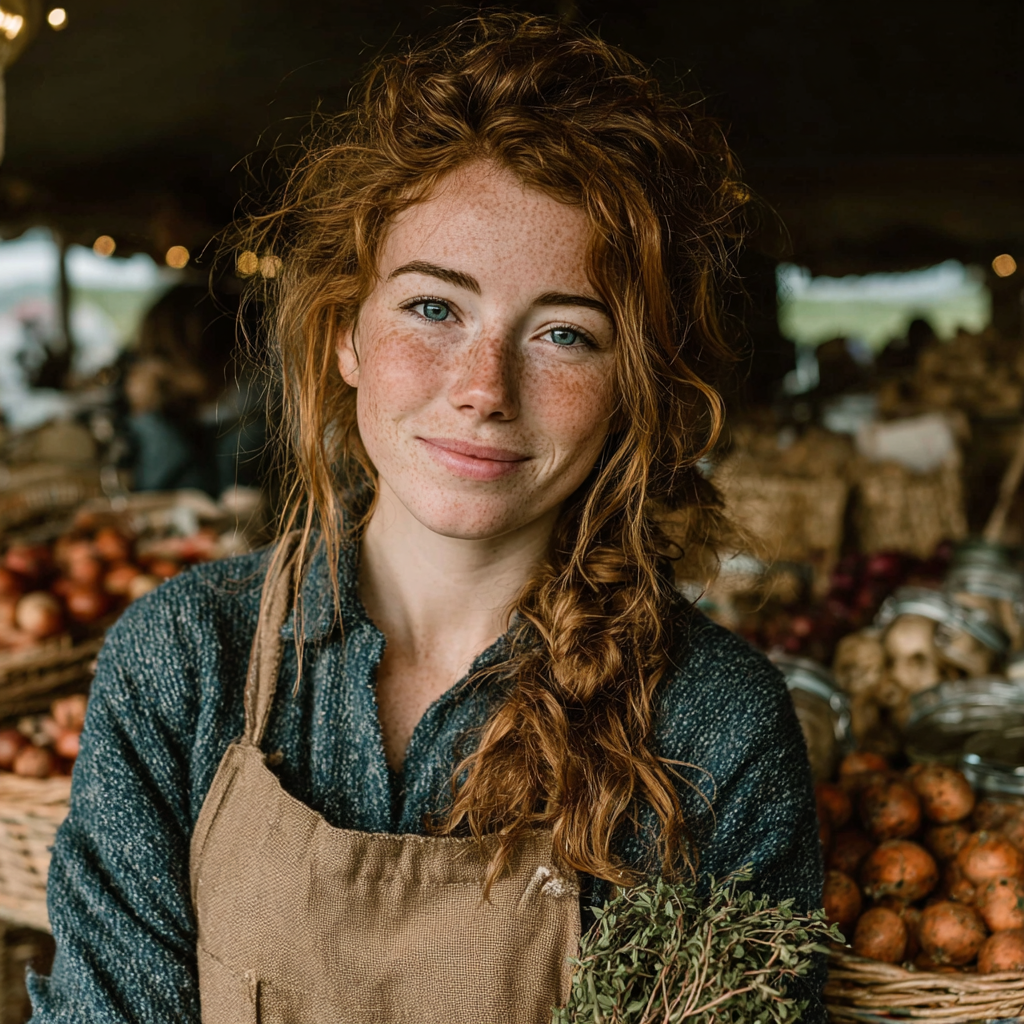
By Sophie Brennan
Irish food writer and historian based in Lisbon. Sophie combines her background in medieval history with a passion for contemporary gastronomy. She has written for Condé Nast Traveller and authored two cookbooks exploring Celtic and Iberian culinary traditions.