
The French Alps: A Field Guide to Cheese Union Conspiracies, Monastic Liqueurs, and the Mountain Restaurants Where Locals Actually Eat
By Sophie Brennan, Irish food writer and historian — I've eaten my way through every mountain valley from Chambéry to Chamonix, and I'm still not tired of melted cheese
I came to the French Alps expecting ski-resort mediocrity. What I found was one of France's most defiant, delicious, and politically charged regional cuisines—a food culture built on tax fraud, monastery secrets, and a cheese union's brazen marketing coup.
The Savoyards don't do delicate. Their food is heavy, opinionated, and historically subversive. That tartiflette you think is medieval? Invented in 1980 by the Reblochon cheese union to sell more product. The fondue tradition? Born from peasant ingenuity and tax evasion. Even the cows here are political—they graze on wildflower pastures above 2,000 meters, producing milk that transforms into cheeses the French government regulates with near-religious intensity.
This is not just mountain food. This is food that fought the state, survived the Alps, and somehow became national heritage.
The Reblochon Conspiracy: How Tax Evasion Created a National Dish
"Reblochon" comes from reblocher—to milk a cow a second time. In the 14th century, Savoyard farmers under-reported their milk production to pay lower taxes to the feudal lords. After the tax collector left, they'd milk the cows again. This "rebloch" milk was richer, fattier, and perfect for cheese.
The farmers weren't just cheating—they were creating something extraordinary. That second milking produced a soft, washed-rind cheese with a nutty, slightly pungent flavor that would become the Aravis mountains' signature product. Today, Reblochon holds AOP status, meaning it's legally protected and can only be made in a specific zone from three approved cow breeds (Abondance, Tarine, and Montbéliarde) using raw milk.
Then came the 1980s. Reblochon sales were flat. The cheese union needed a vehicle. They hired researchers to formalize a dish inspired by traditional péla (potato and cheese gratins cooked in long-handled pans over fire) into something restaurant-friendly and photogenic. Tartiflette was born: potatoes, lardons, onions, and an entire wheel of Reblochon melted over the top until bubbling and golden.
It worked too well. Tartiflette became so popular that Reblochon production couldn't keep up. Today, watch for "tartiflette" made with generic tomme or even Emmental—legally, restaurants can use the name for any potato-cheese gratin. If it doesn't say Reblochon AOP on the menu, you're eating the imposter.
Where to get the real thing:
- Le Matafan, 8 Rue des Moulins, Chamonix — €19, genuine Reblochon AOP, open 12:00–14:00 and 19:00–22:00 daily
- La Bergerie, Rue de la Bergerie, Courchevel — €28, upscale setting, reservations essential
- Fromagerie Boujon, 12 Rue de la République, Annecy — sells Reblochon direct for €22–28/kg; ask for "fermier" (farm-made) rather than "coopératif" (cooperative)
Pro tip from Sophie: Order tartiflette at a mountain restaurant where you can smell wood smoke. The good places still use ovens fueled by local beech. The bad ones use electric—same ingredients, half the soul.
Fondue Wars: The Politics of Melted Cheese
Fondue is Switzerland's national dish, right? The Savoyards would like a word.
The fondue savoyarde—Comté, Beaufort, and Emmental melted with white wine and kirsch—is a point of fierce regional pride. In the Haute-Savoie, they'll tell you the Swiss stole it. In Geneva, they'll say the French are delusional. The truth is messier: fondue emerged in the Jura-Alpine border region where families needed to use aged cheese and stale bread during brutal winters. It was survival food, not national identity.
The Savoyard version has rules. The cheese blend matters—Comté for depth, Beaufort for nuttiness, Emmental for stretch. The wine must be local (Apremont or Chignin), not some generic supermarket white. And the kirsch? Non-negotiable. It keeps the cheese from separating and adds a ghost of cherry that cuts through the fat.
Where the locals actually go:
- La Table de Mon Grand Père, 15 Rue du Bourg, Annecy — €26 per person, minimum two. Family-run since 1978. The owner, Philippe, still uses his grandmother's copper pot. Open 12:00–14:00, 19:00–22:00. Closed Wednesdays in summer.
- Le Chaudron, 18 Rue du Pré de l'Or, Chamonix — €28 per person. Wood-beamed, permanently smells of garlic and Gruyère. Open 19:00–22:30 daily in winter; 19:00–22:00 Tuesday–Sunday in summer.
- L'Alpage, Rue de Caron, Val d'Isère — €32 per person. Accessible by ski or foot via the Caron gondola. The altitude makes the cheese behave differently—thicker, richer. Worth the trek. Open 11:30–15:00, 18:30–22:00 during ski season only.
Fondue etiquette (the locals care):
- Stir in a figure-8 pattern. Circular stirring separates the cheese.
- If you lose your bread in the pot, tradition says you buy the next round—or sing a song if you want to avoid paying.
- Drink white wine or herbal tea. Water supposedly causes the cheese to congeal in your stomach. Science says this is nonsense. Tradition says you're a fool if you test it.
- Never double-dip. The communal pot is sacred.
Raclette: The Original Instagram Food
Before tartiflette stole the spotlight, raclette was the Savoyard cheese experience. The name comes from racler—to scrape. Historically, farmers would place half-wheels of raclette cheese near the fire and scrape the melted layer directly onto potatoes, cured meats, and cornichons as it softened. It was primitive, democratic, and deeply satisfying.
Modern raclette uses electric table-top machines, which is charming in its own way—each diner melts their own cheese slices while conversation flows. But the traditionalists still do it over open flame, and if you can find a restaurant that does, go.
The cheese matters: Raclette de Savoie holds AOP protection. It must come from raw cow's milk in the Savoie region. Generic "raclette" cheese from the supermarket is a crime against the name. Look for the green AOP seal.
Where to try:
- La Fromagerie, 29 Rue Sommeiller, Annecy — €24 per person. Cheese shop downstairs, restaurant upstairs. They sell raclette machines (€45–80) if you want to recreate the experience at home. Open 11:30–14:30, 18:30–22:00. Closed Mondays.
- Le Panoramic, 100 Place du Slalom, Méribel — €29 per person. Ski-in, ski-out. The views of Mont Vallon are almost as good as the cheese. Open 11:30–15:00, 18:30–22:00 during ski season.
- Restaurant L'Authentique, Rue de la Gaieté, Les Deux Alpes — €22 per person. No views, no gimmicks, just proper raclette with good charcuterie and local potatoes. Open daily 11:30–14:30, 18:00–22:00.
The Hidden Dishes: What Guidebooks Miss
Diots au Vin Blanc
Savoyard sausages (diots) braised in local white wine with onions are mountain comfort food at its most honest. Diots are made from pork, nutmeg, and pepper—sometimes with cabbage (diots au chou), sometimes smoked (diots fumés). The wine braising creates an aromatic, slightly sweet sauce that demands bread for sopping.
Try them at: Auberge du Lac, Route du Port, Annecy — €16. Lakeside setting, grandmother's recipe. Open 12:00–14:00, 19:00–21:30. Closed Tuesdays.
Crozets au Beaufort
Small, square buckwheat pasta from the Tarentaise valley, historically dried and stored for winter. When tossed with melted Beaufort—"the Prince of Gruyères"—they become something that makes Italian pasta feel almost too refined. Beaufort is a firm, cooked-curd cheese aged 5–12 months, with a nutty, floral flavor that comes from the wildflowers the Tarentaise cows eat.
Where: La Ferme de Mon Père, Route des Grandes Alpes, Val d'Isère — €17. Farm-to-table in a working dairy barn. The smell is authentic. Open 11:30–15:00 daily in summer; 18:30–22:00 Friday–Sunday in winter.
Farçon
A potato cake made with dried fruit, bacon, and cream—a sweet-savory hybrid that confuses first-time visitors. It's traditionally served at Christmas but appears on autumn menus when the harvest comes in. The best version I found was at a farm near Moûtiers where the grandmother adds prunes soaked in génépi.
Where: Ask at the Marché d'Albertville on Saturday mornings. Some producers sell farçon direct from their stalls.
Breakfast, Bakeries, and the In-Between Meals
The Savoyards don't really do breakfast the way Paris does. There's no lingering over espresso and tartine while reading Le Monde. Mountain mornings are functional: you eat quickly because the slopes or the trail are calling.
But that's not to say the baked goods aren't worth your time.
Brioche de Saint-Genix is the region's signature pastry—a sweet brioche studded with bright pink pralines (candied almonds). It was invented in 1880 by a baker in Saint-Genix-sur-Guiers who had excess pralines and needed to use them up. Today it's the breakfast of choice in Savoyard cafés, usually served with a café crème and eaten standing at the counter.
Where to find the good stuff:
- Boulangerie Aristide, 18 Rue Sommeiller, Annecy — Open 06:30–19:30, closed Mondays. Their Saint-Genix brioche (€2.80) is the benchmark—light, not too sweet, proper praline crunch. They also do an excellent tarte aux myrtilles with wild blueberries from the Bauges mountains in season (July–September).
- Le Fournil Chamoniard, 80 Rue des Moulins, Chamonix — Open 06:30–19:00 daily. A proper working boulangerie that happens to be in a tourist town. Their baguette de tradition (€1.20) is what locals actually buy. The pain aux noix (walnut bread, €3.50) is perfect for picnic lunches.
- Pâtisserie Agnellet, 12 Avenue de Parmelan, Annecy-le-Vieux — Open 07:00–19:30, closed Sundays. Patrick Agnellet's biscuit de Savoie (€4.50) is worth the trip—a light, airy sponge cake made with local eggs and no butter, traditionally served at baptisms and weddings. His macarons are also exceptional.
- Pan et Gatô, 8 Rue de la République, Annecy — Open 07:30–19:00, closed Mondays. Modern, inventive bakery doing seasonal breads and pastries. Their flûte aux graines (seeded flute, €2.80) and kouign-amann (€3.20) are standout.
The morning ritual: In mountain towns, breakfast is often a tartine (half a baguette with butter and jam) and a coffee at the bar, consumed in under five minutes while standing. Sit down service exists but marks you as a tourist who's not in a hurry. If you want to blend in, order at the counter, eat quickly, and don't linger.
The Génépi Underground
Génépi is an herbal liqueur made from a wild mountain artemisia that grows above 2,000 meters. It looks innocent—pale yellow, slightly sweet, served in small glasses. It is not innocent. At 40% ABV, it will rearrange your evening if you treat it like a digestif rather than a pharmaceutical.
The monks have been making it for centuries, but the real action is in the homemade batches. Every Alpine family seems to have a recipe, and every recipe is "the best." The commercial versions vary wildly in quality. Distillerie des Alpes in Chambéry (20 Avenue du Grésivaudan, tastings €8, open 09:00–12:00, 14:00–18:00 Monday–Saturday) does solid traditional versions. But the small-batch stuff from farm gate sales—look for handwritten labels and cloudy liquid—is where the character lives.
Sophie's warning: One génépi after tartiflette is tradition. Two is optimistic. Three and you're explaining to your hotel receptionist why you need to borrow slippers at 2 AM because yours are "somewhere on the mountain."
The Wine They Don't Talk About
Savoie wines are France's most underrated. Grown on steep, south-facing slopes at high altitude, these wines are characterized by bright acidity, minerality, and moderate alcohol—perfect partners for rich mountain cuisine. Yet most visitors never try them, defaulting to Burgundy or Bordeaux because those are the names they know.
The grapes you need to know:
- Jacquère: The workhorse. Light, crisp, citrusy. Makes Apremont and Chignin. €8–15 per bottle. Try Domaine Labbé or Jean Vullien.
- Roussanne (called Bergeron here): Fuller, richer, with apricot and honey notes. Chignin-Bergeron is the prestige white. €14–22. Domaine Gilles Berlioz is the benchmark.
- Altesse (called Roussette): Complex, floral, age-worthy. The sommelier's secret weapon. €12–20.
- Mondeuse: Savoie's signature red. Dark, spicy, peppery—like a Syrah that went to finishing school in the mountains. €10–18. Domaine Jean Vullien and Charles Trosset make the best.
Where to taste:
- La Maison des Vins de Savoie, 9 Avenue de la Gare, Chambéry — €12 for six wines. Comprehensive selection, knowledgeable staff. Open 10:00–12:30, 14:00–19:00 Tuesday–Saturday.
- Caveau Bugiste, 15 Rue du Bourg, Belley — €10 for five wines. Specializes in Bugey and Savoie cross-border bottles. Open 09:00–12:00, 14:00–19:00 Tuesday–Saturday.
- Direct from producers: Many wineries in the Chignin and Apremont areas welcome visitors. Call ahead. Prices are 20–30% below retail. Bring a cooler.
The reality check: In mountain restaurants, locals drink Jacquère by the carafe. It's €12–18 for a liter. It doesn't impress anyone. It just works. The sommelier-approved bottles are for special occasions. The carafe is for Tuesday.
Markets: Where the Real Alpine Economy Lives
Marché d'Annecy
Tuesday, Friday, and Sunday mornings, 07:00–13:00, along the canals of the old town. This is arguably the most beautiful market setting in France. The cheese stalls here are serious—producers drive from the Aravis and Bauges mountains before dawn. Look for fermier (farm-made) over coopératif (cooperative). The difference is palpable.
What to buy: Beaufort from the Tarentaise (€28–35/kg), mountain honey from hives above 1,000 meters (€8–12 per jar), and diots from the butcher stalls near Place Sainte-Claire.
Marché de Chambéry
Tuesday, Thursday, Saturday, 07:00–12:30, Place de la Halle. A covered market with less tourist traffic than Annecy. The vegetable stalls sell mountain varieties you've never seen—crozet flour, wild garlic, * génépi* plants in season.
Marché d'Albertville
Thursday and Saturday, 07:00–12:30, Place de l'Hôtel de Ville. The gateway to the Tarentaise ski resorts. The Beaufort cooperative has a permanent stall here. Taste before you buy—they'll shave samples with a plane knife.
Farm Direct (Vente à la Ferme)
Look for signs reading "Vente directe" or "Produits du terroir" on mountain roads. Many working dairy farms sell cheese, cured meats, and honey from their kitchens. Prices are 20–30% below retail. Bring cash—many don't take cards. The best finds are often unlabeled: tomme de chèvre from small herds, cured saucisson made from family recipes, génépi that hasn't been filtered.
Where to Stay (For Food-Focused Travelers)
Annecy — The Base Camp: Best for market access and lake views. Stay in the old town for walking distance to restaurants, or across the lake in Annecy-le-Vieux for better value.
- Hôtel Imperial Palace, Allée de l'Impérial, Annecy — €180–250/night. Belle Époque palace on the lake. Overpriced but undeniably beautiful. The restaurant is forgettable; stay here for the location, eat elsewhere.
- Hôtel des Alpes, 12 Rue de la Poste, Annecy — €90–130/night. Simple, clean, old town location. Walking distance to every restaurant in this guide. Book early in summer.
- Les Tresoms, 15 Boulevard de la Corniche, Annecy — €140–190/night. Modern, lake views, excellent breakfast buffet with local products. A 15-minute walk from the old town.
Chamonix — The Mountain Experience: Best for high-altitude dining and après-ski food culture.
- Hôtel Mont-Blanc, 62 Allée du Majestic, Chamonix — €220–350/night. Historic luxury in the town center. The restaurant is decent but you're paying for the location and the name.
- Alpina Hôtel, 79 Avenue du Mont-Blanc, Chamonix — €110–160/night. Modern, clean, walking distance to Le Chaudron and other local spots. Good base for food exploration.
- Chalet Hotel Le Prieuré, 149 Avenue de l'Aiguille du Midi, Chamonix — €85–120/night. Family-run, cozy, slightly outside the main drag. Better value than central options.
Val d'Isère / Méribel — The Ski-in, Ski-out: Best for on-mountain dining and high-altitude restaurants. Expect to pay premium prices.
- Hotel Le Blizzard, Rue de Caron, Val d'Isère — €280–450/night. The restaurant here is actually good—rare for a hotel in a ski resort. Book the half-board option.
- Hôtel La Chaudanne, Route de la Montée, Méribel — €150–220/night. Central Méribel location, walking distance to La Fromagerie and Le Panoramic cable car.
Budget alternative: Self-cater from the markets. Rent an apartment in Annecy or Chambéry, buy cheese and charcuterie from the market, and eat like a local for €15–20 per day.
What to Skip
Place de la Bourse restaurants in Chamonix: The ones with multilingual menus and photos of fondue on laminated cards. The cheese is pre-shredded supermarket blend. The wine is bulk swill. The atmosphere is bus-tour fatigue. Walk five minutes to Le Chaudron instead.
Overpriced wine schools in ski resorts: Val d'Isère and Courchevel have "wine experiences" that charge €80–120 for a tasting of wines you could buy for €15 per bottle. Skip them. Go to Chambéry and visit La Maison des Vins de Savoie for €12.
Tartiflette made with non-AOP cheese: If the menu just says "tartiflette" without specifying Reblochon AOP, you're getting a potato gratin with generic cheese. It's not a crime, but it's not the real thing either.
River cruises with "gourmet dining": The Rhône and Lake Annecy cruise boats advertise regional cuisine. What you get is reheated fondue and watery wine at 2x land prices. The views are good. The food is not.
Chain bakeries selling "authentic Savoyard" pastries: The tarte aux myrtilles (blueberry tart) at major chain bakeries is usually made with frozen fruit and industrial dough. Find a small boulangerie in a mountain village where the baker picks the berries.
"Alpine experience" fondue sets in tourist shops: Those €15 pre-packaged fondue kits with powdered cheese and freeze-dried bread are an abomination. If you want to take fondue home, buy a proper copper pot from a kitchen supply store in Annecy and get real cheese from a fromagerie.
The 3 Vallées "dinner in the sky" gondola experiences: Méribel occasionally runs Michelin-starred gondola dinners at €400+ per person. The food is excellent. The experience is memorable. But you're paying 4x what the same meal costs in the restaurant, and the altitude makes the wine taste flat. Do it once for the story, then never again.
Practical Logistics
Dining Times
Mountain restaurants operate on ski time, not French Riviera time. Lunch is 12:00–14:00 and is often the main meal of the day—skiers eat heartily at midday. Dinner runs 19:00–21:30, earlier than in Paris or Lyon. Reservations are essential during ski season (Christmas through March) and during the July–August hiking season.
Budget Framework
- Breakfast: €5–12 (bakery + coffee standing at the bar)
- Budget meal: €16–24 (diots, simple tartiflette, mountain crêperie)
- Mid-range: €30–50 (proper fondue or raclette for two, with wine)
- Fine dining: €180–280 (Flocons de Sel in Megève, three Michelin stars. Book months ahead. Open 12:00–13:30, 19:30–21:00. Closed Tuesday and Wednesday.)
- Market shopping: €20–30 buys enough cheese, sausage, and bread for a day's self-catering
Getting Around
By car: Essential for visiting farms and remote mountain restaurants. Roads are well-maintained but can be treacherous in winter—chains or snow tires are legally required November–March on many mountain passes. By train: Chambéry and Annecy have good rail connections. Moûtiers is the rail gateway to the Tarentaise resorts (Val d'Isère, Méribel, Courchevel). Bus connections from Moûtiers to resorts are frequent in ski season. By cable car: Some mountain restaurants (like Le 3842 at 3,842 meters on the Aiguille du Midi) are only accessible by cable car. The Chamonix–Aiguille du Midi round trip is €72. The restaurant is €45–65 for lunch. Book two weeks ahead. Open 10:00–15:30, lunch only.
Dietary Notes
Vegetarian: Possible but requires planning. Fondue and raclette work without meat—just order extra bread and potatoes. Many restaurants now offer vegetarian tartiflette with mushrooms instead of lardons. Chamonix and Annecy have the best options. Vegan: Extremely difficult in traditional Savoyard restaurants. Self-catering or sticking to larger towns is necessary. Gluten-free: Increasingly recognized. Ask for "sans gluten"—many restaurants now offer gluten-free bread for fondue. Raclette is naturally gluten-free if you skip the bread and substitute potatoes.
When to Visit
Winter (December–March): Peak fondue and raclette season. Cozy atmosphere, but higher prices and mandatory reservations. Christmas markets in Chambéry and Annecy sell regional specialties. Summer (June–September): Alpine pastures are in bloom—this is when the cheese is at its best. Some mountain restaurants close, but the farm-direct experiences are better. Alpine dairy festivals happen July–August. Autumn (September–November): Harvest season. Game dishes (venison, wild boar) appear on menus. Fewer tourists, lower prices, some restaurants begin winter closures. Spring (March–May): The quietest season. Some restaurants are closed between ski and summer seasons. Best for budget travelers who don't mind limited options.
The Author
Sophie Brennan is an Irish food writer and historian based between Dublin and Lyon. She has spent the last decade researching how European regional cuisines resist globalization, with particular focus on France's AOP system and the politics of traditional food. She has eaten tartiflette at 47 different restaurants across the French Alps and maintains that the €18 version at a roadside auberge is almost always better than the €35 version at a resort hotel.
For corrections, additions, or arguments about cheese: [email protected]
Last updated: August 2026. Prices and hours subject to change—verify before visiting.
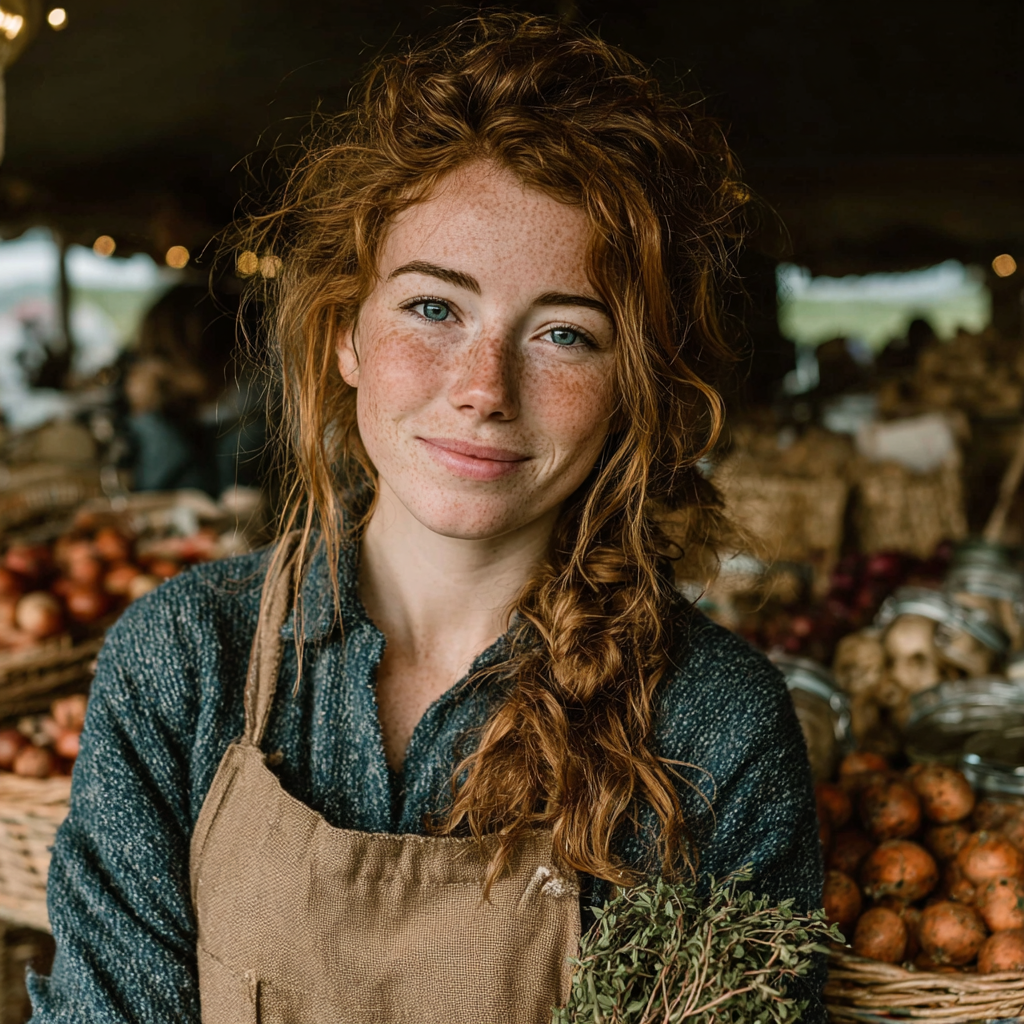
By Sophie Brennan
Irish food writer and historian based in Lisbon. Sophie combines her background in medieval history with a passion for contemporary gastronomy. She has written for Condé Nast Traveller and authored two cookbooks exploring Celtic and Iberian culinary traditions.